
 English
 Chinese
 Dutch
 Arabic
 Spanish
 Portuguese
 Russian
 French
 Italian
 German
 Japanese
The Bible speaks about abandonment in two ways. People who feel left by God tell him so (Psalm 22:1, Psalm 13:1, Psalm 88:18), and God repeats one promise: “he will never leave you nor forsake you” (Deuteronomy 31:6, Hebrews 13:5).
Isaiah 49:15-16 answers Zion’s complaint, “The Lord has forsaken me,” with a mother who might forget her baby. People desert one another as well: the psalmist’s friend who shared his bread (Psalm 41:9), everyone who might have stood with Paul at his first defense (2 Timothy 4:16), and the disciples, who all fled when Jesus was arrested (Mark 14:50). On the cross Jesus cried the first line of Psalm 22 (Matthew 27:46).
Prayers that complain to God of being left
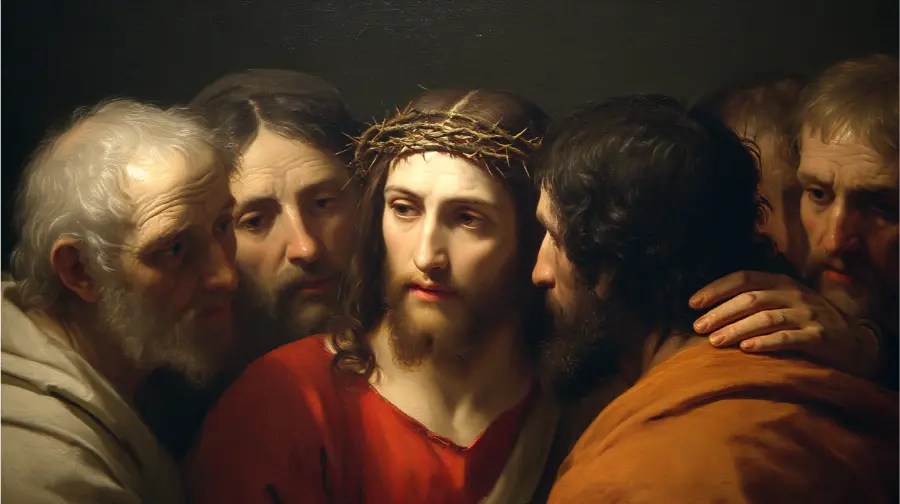
Psalm 22:1
“My God, my God, why have you forsaken me? Why are you so far from saving me, so far from my cries of anguish?”
Reflection: The heading ascribes the psalm to David. The next verse repeats the complaint: “My God, I cry out by day, but you do not answer, by night, but I find no rest.” Later the same psalm says that God “has not hidden his face from him but has listened to his cry for help” (verse 24). Jesus cried the opening line from the cross (Matthew 27:46).
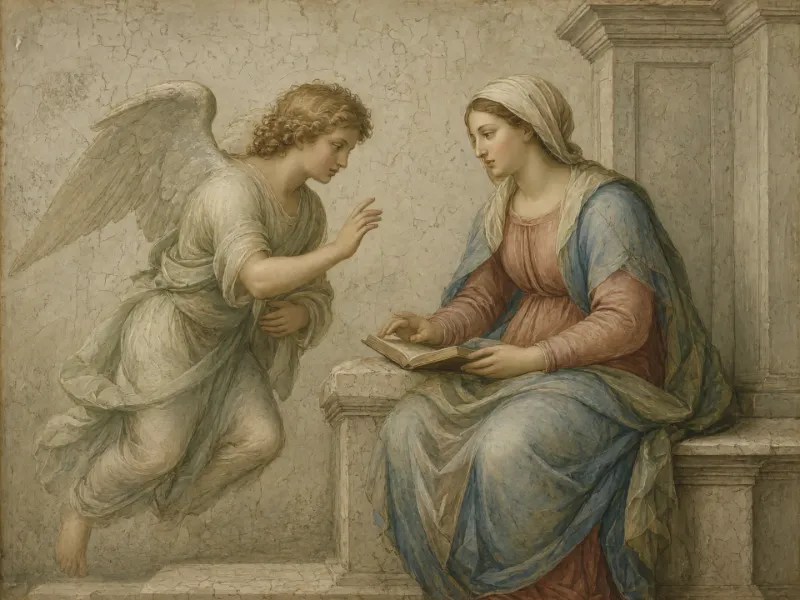
Psalm 13:1
“How long, Lord? Will you forget me forever? How long will you hide your face from me?”
Reflection: “How long” opens four questions in the first two verses, all put to God directly. In verse 3 the psalmist asks God to “look on me and answer,” and in verse 5 the psalm turns to trust: “But I trust in your unfailing love; my heart rejoices in your salvation.” Verse 6, the last, is praise. The psalm records no change in circumstances between the complaint and the praise.
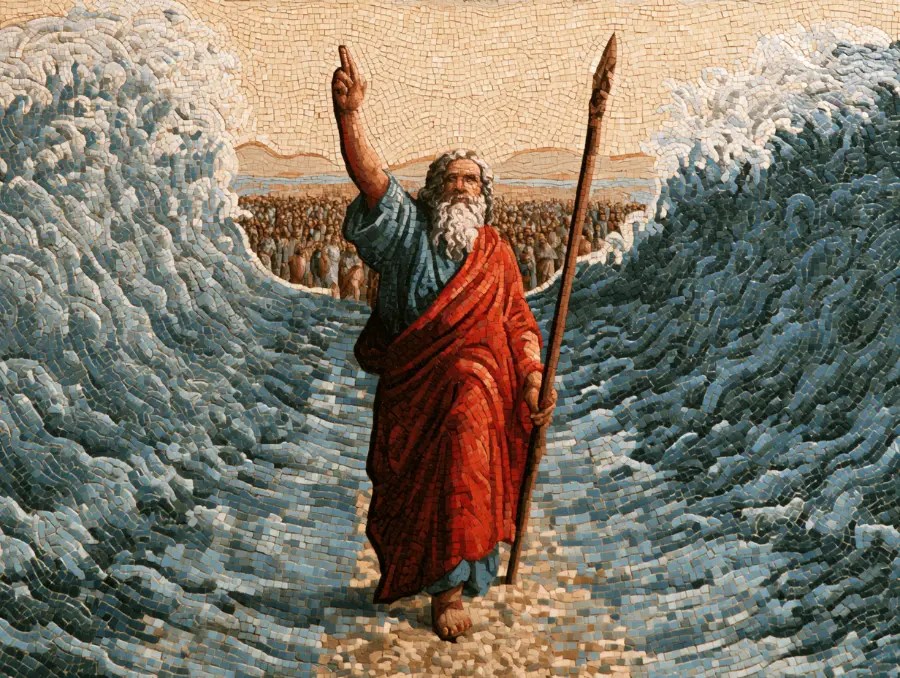
Psalm 88:18
“You have taken from me friend and neighbor—darkness is my closest friend.”
Reflection: Heman the Ezrahite, named in the heading, holds God responsible for his isolation: “You have taken from me my closest friends and have made me repulsive to them” (verse 8). He keeps praying “every day” (verse 9) and asks, “Why, Lord, do you reject me and hide your face from me?” (verse 14). The psalm ends on verse 18, with darkness as his closest friend and no turn to praise.

Lamentations 5:20
“Why do you always forget us? Why do you forsake us so long?”
Reflection: The last chapter of Lamentations is a prayer spoken by the people: “Our inheritance has been turned over to strangers, our homes to foreigners” (verse 2). The question in verse 20 comes straight after the confession “You, Lord, reign forever” (verse 19). Verse 21 asks, “Restore us to yourself, Lord, that we may return,” and the book closes on the possibility that God has “utterly rejected us and are angry with us beyond measure.”
God’s answer to Zion and Israel
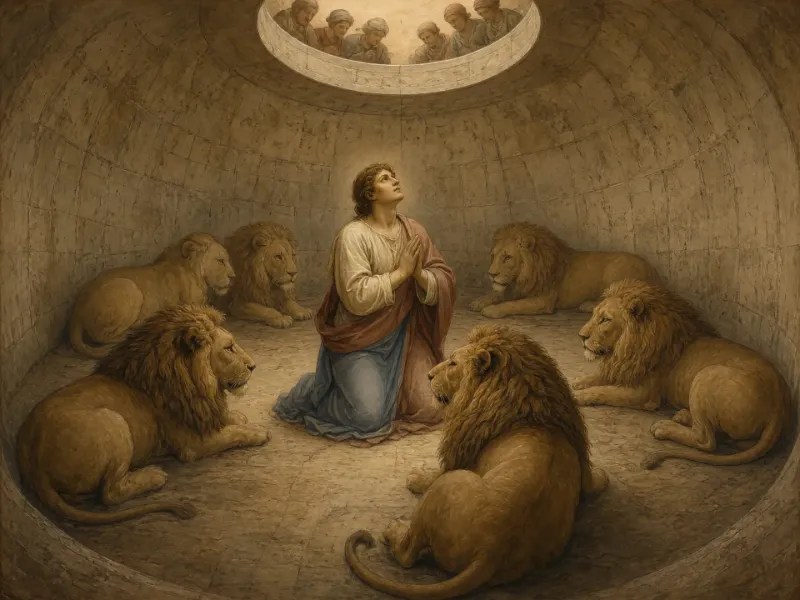
Isaiah 49:15-16
“Can a mother forget the baby at her breast and have no compassion on the child she has borne? Though she may forget, I will not forget you! See, I have engraved you on the palms of my hands.”
Reflection: Zion has just said, “The Lord has forsaken me, the Lord has forgotten me” (verse 14), and the Lord answers with a mother nursing her child. He allows that a mother may forget and says that he will not. Zion is engraved on the palms of his hands, and the rest of verse 16 adds, “your walls are ever before me.”
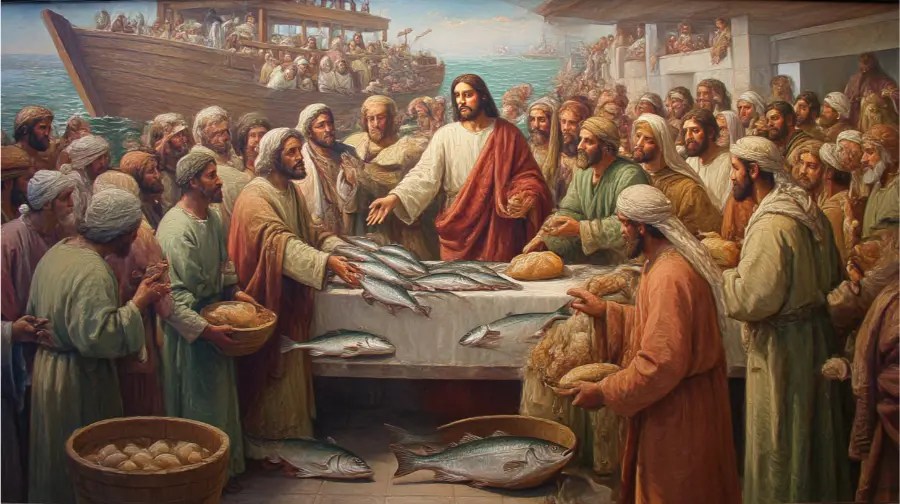
Isaiah 54:7
“‘For a brief moment I abandoned you, but with deep compassion I will bring you back.’”
Reflection: Here God does not deny having left. The Lord speaks to Zion as to “a wife deserted and distressed in spirit” (verse 6), and sets a brief moment of abandonment against compassion that lasts: “In a surge of anger I hid my face from you for a moment, but with everlasting kindness I will have compassion on you” (verse 8).
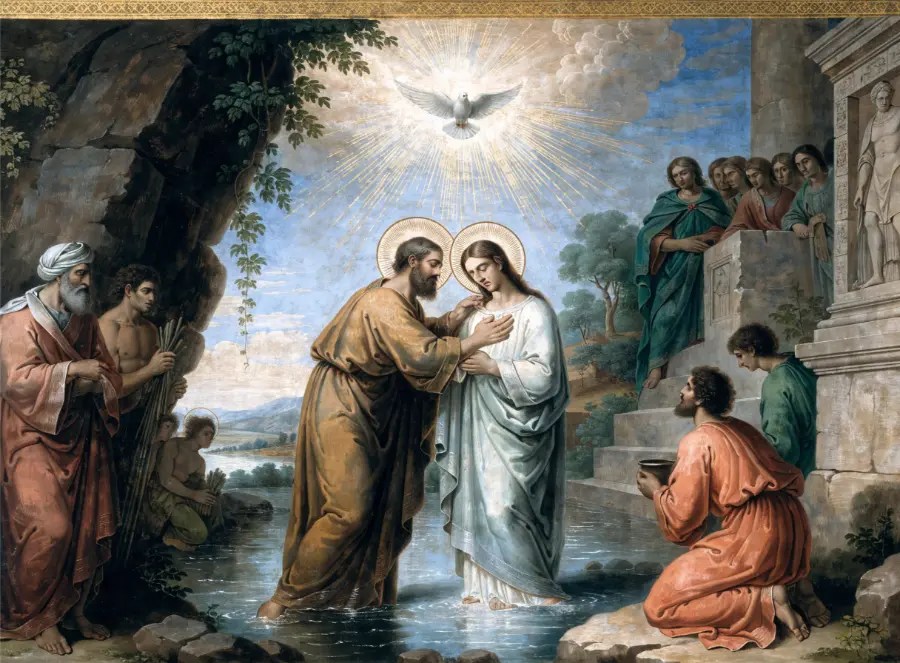
Isaiah 41:10
“So do not fear, for I am with you; do not be dismayed, for I am your God. I will strengthen you and help you; I will uphold you with my righteous right hand.”
Reflection: Addressed to Israel as “my servant, Jacob, whom I have chosen,” the verse follows the statement “I have chosen you and have not rejected you” (verse 9). The command not to fear rests on God’s presence, “for I am with you,” and on three promises: to strengthen, to help and to uphold.
The promise never to leave
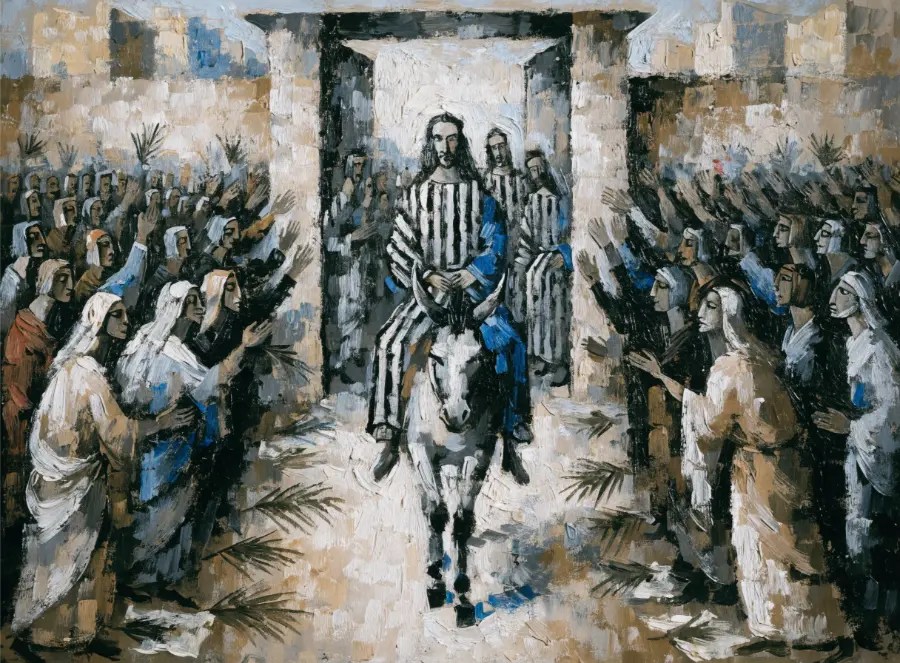
Deuteronomy 31:6
“Be strong and courageous. Do not be afraid or terrified because of them, for the LORD your God goes with you; he will never leave you nor forsake you.”
Reflection: Moses, a hundred and twenty years old and told by the Lord “You shall not cross the Jordan” (verse 2), speaks these words to all Israel before they go into the land without him. In verses 7-8 he turns to Joshua in front of the people and gives him the same promise. After Moses’ death the Lord says it to Joshua directly: “As I was with Moses, so I will be with you; I will never leave you nor forsake you” (Joshua 1:5).
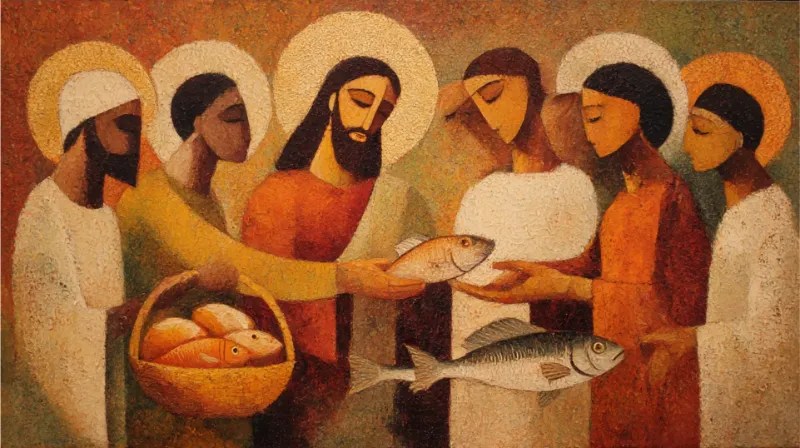
Hebrews 13:5
“Keep your lives free from the love of money and be content with what you have, because God has said, ‘Never will I leave you; never will I forsake you.’”
Reflection: The letter repeats the promise of Deuteronomy 31:6 and Joshua 1:5 and applies it to money: be content, “because God has said” he will not leave. The next verse draws the conclusion: “So we say with confidence, ‘The Lord is my helper; I will not be afraid. What can mere mortals do to me?’”
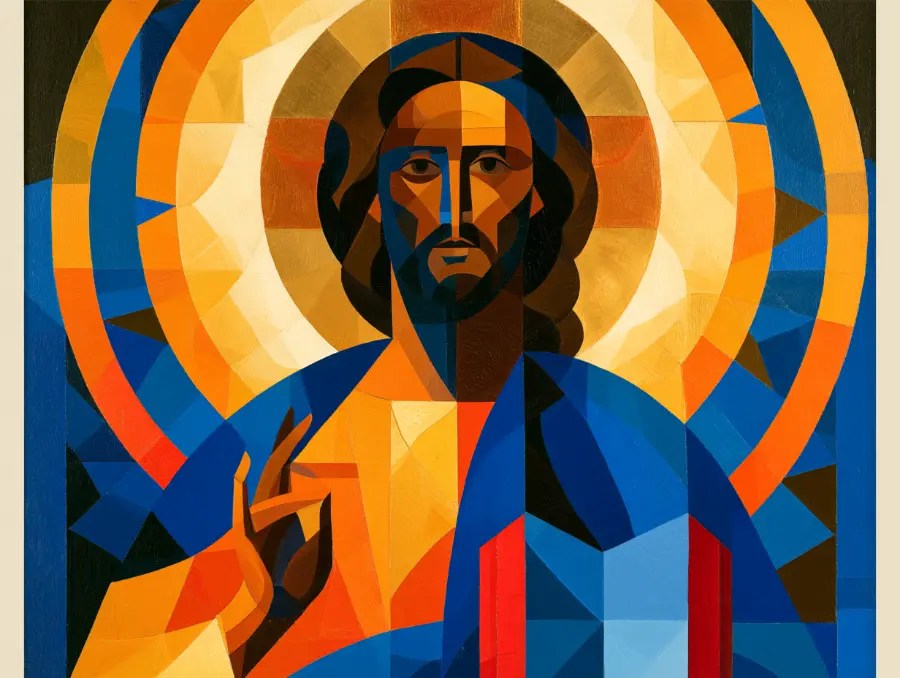
John 14:18
“I will not leave you as orphans; I will come to you.”
Reflection: Jesus speaks to his disciples at the evening meal that begins in John 13. Just before this he promises that the Father will give “another advocate to help you and be with you forever—the Spirit of truth” (verses 16-17). The promise then comes in two halves: they will not be left as orphans, and “I will come to you.”
Without family or friends
Psalm 27:10
“Though my father and mother forsake me, the LORD will receive me.”
Reflection: The psalmist has just prayed, “Do not reject me or forsake me, God my Savior” (verse 9). Verse 10 names desertion by a father and mother and sets against it the Lord, who “will receive me.”
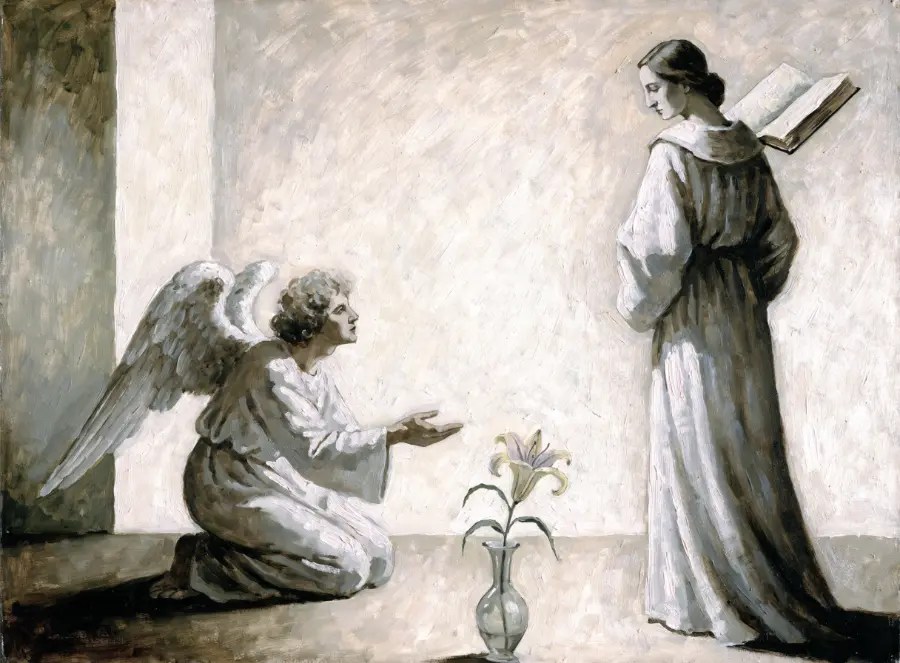
Psalm 68:5-6
“A father to the fatherless, a defender of widows, is God in his holy dwelling. God sets the lonely in families…”
Reflection: The psalm names the people God takes up: the fatherless, widows, the lonely and prisoners. Three of those groups are people without family: the fatherless, widows and the lonely. “God sets the lonely in families,” verse 6 says, and in the same verse “the rebellious live in a sun-scorched land.”
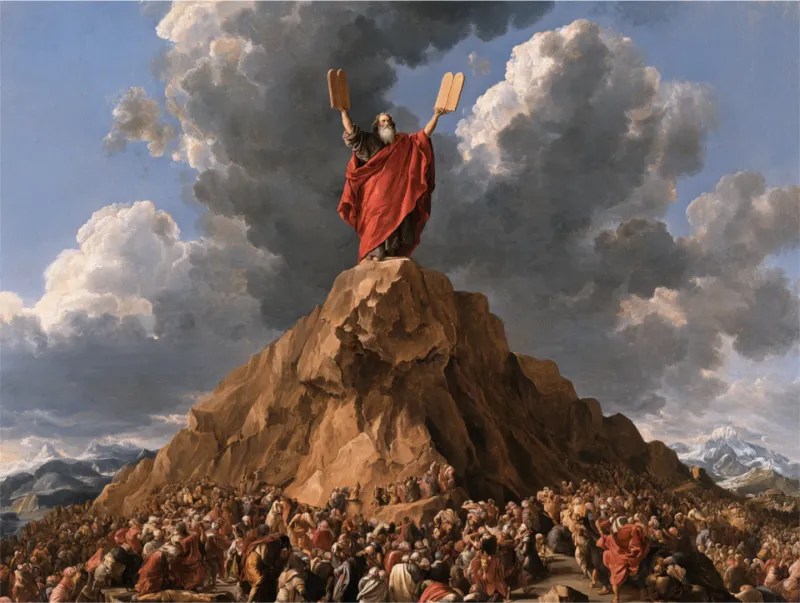
Psalm 41:9
“Even my close friend, someone I trusted, one who shared my bread, has turned against me.”
Reflection: The betrayer is a close friend, “one who shared my bread.” The next verse asks the Lord for mercy and to “raise me up, that I may repay them.” At supper with his disciples Jesus quoted the line about the one who would betray him: “He who shared my bread has turned against me” (John 13:18).
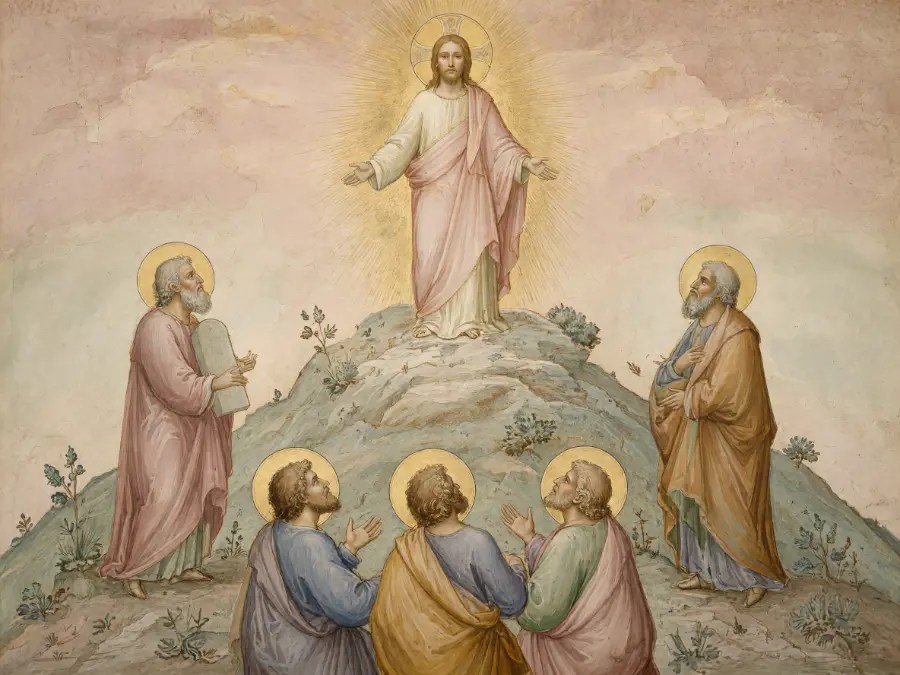
2 Timothy 4:16
“At my first defense, no one came to my support, but everyone deserted me. May it not be held against them.”
Reflection: In the final chapter of 2 Timothy, Paul lists who has left him: Demas “has deserted me” (verse 10), Crescens and Titus have gone elsewhere, and “Only Luke is with me” (verse 11). At his first defense no one stood with him, and he asks that it not be held against them. The next verse says, “But the Lord stood at my side and gave me strength.”
Jesus left alone

John 16:32
“A time is coming and in fact has come when you will be scattered, each to your own home. You will leave me all alone. Yet I am not alone, for my Father is with me.”
Reflection: Jesus tells his disciples that they will scatter “each to your own home” and leave him alone, and in the same sentence says he is not alone, “for my Father is with me.” The next verse gives his reason for telling them: “so that in me you may have peace. In this world you will have trouble. But take heart! I have overcome the world.”
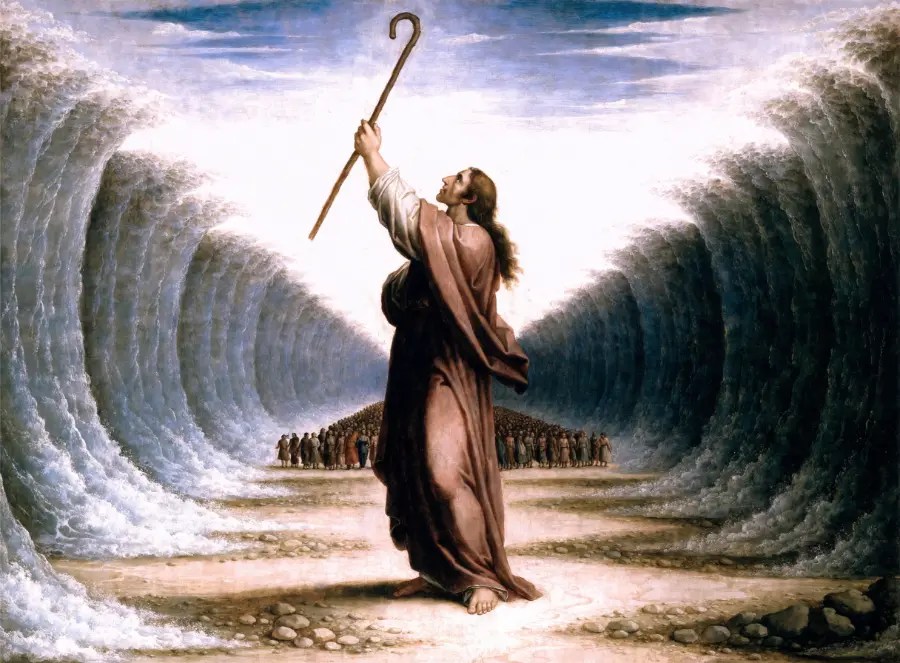
Mark 14:50
“Then everyone deserted him and fled.”
Reflection: The crowd with swords and clubs has seized Jesus in Gethsemane, and he has just said, “But the Scriptures must be fulfilled” (verse 49). Mark adds that a young man wearing nothing but a linen garment was following Jesus, and when they seized the young man he “fled naked, leaving his garment behind” (verse 52).
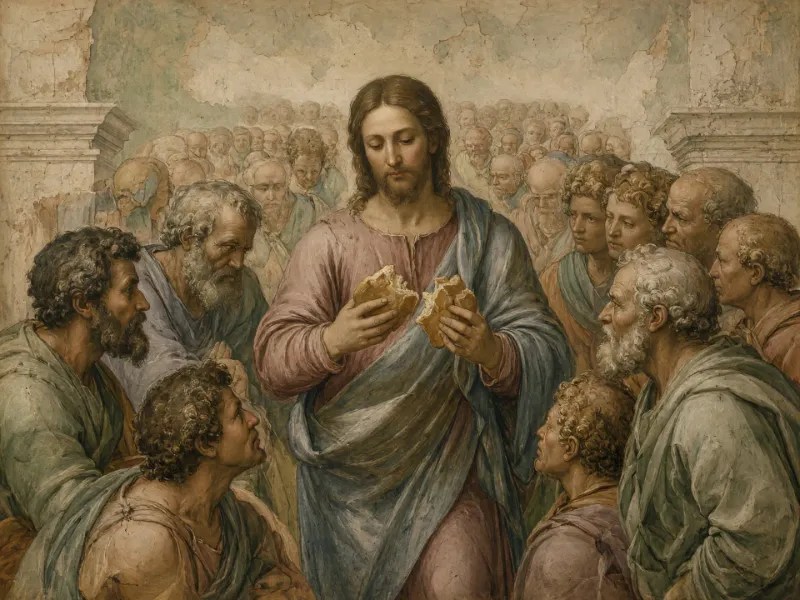
Matthew 27:46
“About three in the afternoon Jesus cried out in a loud voice, ‘Eli, Eli, lema sabachthani?’ (which means ‘My God, my God, why have you forsaken me?’).”
Reflection: Jesus cries the opening line of Psalm 22 from the cross, after darkness that lasted “from noon until three in the afternoon” (verse 45). Matthew gives the words as spoken and then translates them. Some of those standing there said, “He’s calling Elijah,” and the rest said, “Let’s see if Elijah comes to save him” (verses 47-49).
Hardship that is not abandonment
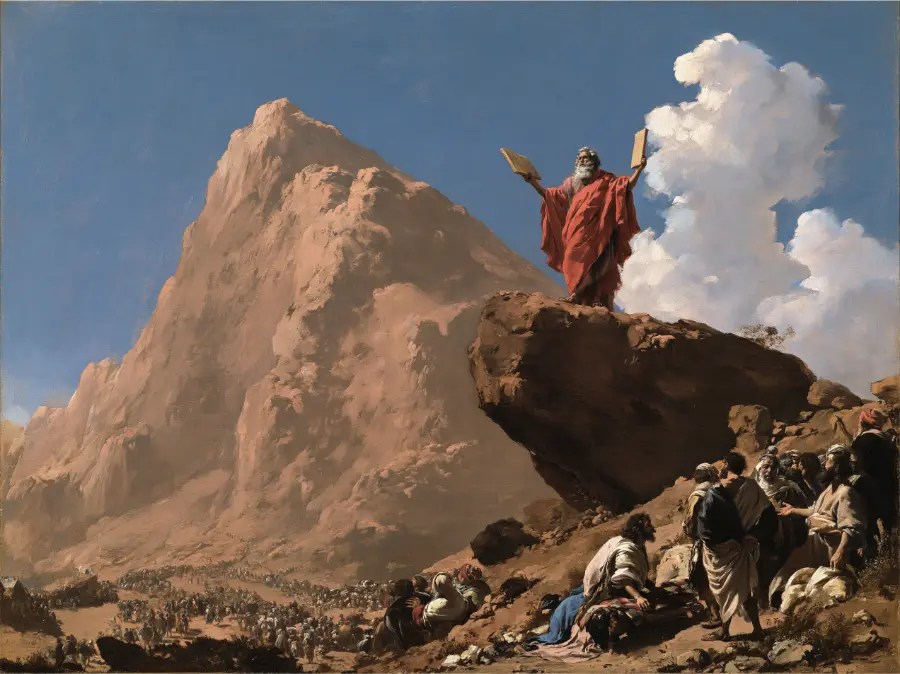
2 Corinthians 4:8-9
“We are hard pressed on every side, but not crushed; perplexed, but not in despair; persecuted, but not abandoned; struck down, but not destroyed.”
Reflection: Paul lists four pairs of hardship and limit, and the third is “persecuted, but not abandoned.” The verse before says why the treasure is held in jars of clay: “to show that this all-surpassing power is from God and not from us” (verse 7).
Romans 8:38-39
“For I am convinced that neither death nor life, neither angels nor demons, neither the present nor the future, nor any powers, neither height nor depth, nor anything else in all creation, will be able to separate us from the love of God that is in Christ Jesus our Lord.”
Reflection: Paul answers the question he put in verse 35: “Who shall separate us from the love of Christ? Shall trouble or hardship or persecution or famine or nakedness or danger or sword?” In verse 37 he says, “No, in all these things we are more than conquerors through him who loved us.” Verses 38-39 give a second list, running from death and life to “anything else in all creation.”
A verse for how you feel
Choose how you feel today and read a verse from Scripture.
But if we hope for what we do not yet see, we wait for it patiently.
Get a verse each week
Thank you. Your first verse is on its way.
If nothing arrives in a few minutes, look in your spam or promotions folder.
Keep this for another day. A verse for how you feel has a page of its own, with our verses for each feeling.
Each verse is quoted from the Berean Standard Bible.


Leave a Reply