
 English
 Chinese
 Dutch
 Arabic
 Spanish
 Portuguese
 Russian
 French
 Italian
 German
 Japanese
The Bible’s instructions for two people talking to each other cover listening, answering, raising a fault and keeping a confidence. James 1:19 and Proverbs 18:13 put listening first, Matthew 18:15 takes a grievance to the person concerned before anyone else, and Proverbs 11:13 sets the gossip against the person who keeps a secret.
Eight of the verses come from Proverbs, which sets the wise speaker beside the fool and the gossip. The New Testament letters apply the same concerns to a church: Paul grounds honest speech in the fact that “we are all members of one body” (Ephesians 4:25) and asks for talk that builds the listener up (Ephesians 4:29).
Listening before speaking

James 1:19
“My dear brothers and sisters, take note of this: Everyone should be quick to listen, slow to speak and slow to become angry.”
Reflection: James sets three instructions side by side: quick to listen, slow to speak, slow to become angry. The next verse gives his reason, that “human anger does not produce the righteousness that God desires,” and later in the chapter he says that anyone who does not “keep a tight rein” on the tongue has a worthless religion (James 1:26). The same restraint is the subject of the Bible’s verses on self-control.
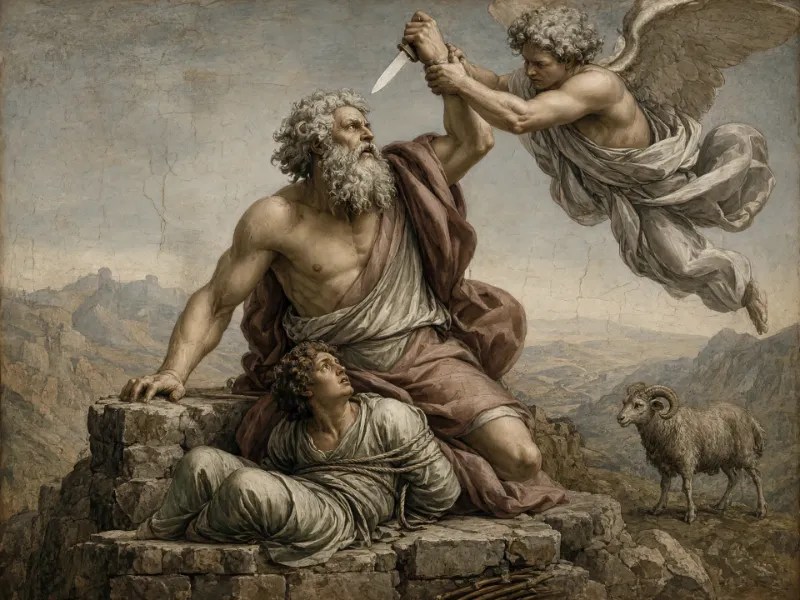
Proverbs 18:13
“To answer before listening—that is folly and shame.”
Reflection: The proverb names the fault exactly: replying before the other person has finished. Folly and shame are the two results it gives, a judgment on the speaker’s understanding and on the speaker’s standing in front of others.

Proverbs 10:19
“Sin is not ended by multiplying words, but the prudent hold their tongues.”
Reflection: The verse follows a warning about lying lips and slander (Proverbs 10:18) and, two verses later, comes the promise that “the lips of the righteous nourish many” (Proverbs 10:21). The restraint it praises is a limit on the quantity of words, since the righteous are still expected to speak. Proverbs 17:28 adds that even a fool who keeps silent is thought wise.
What words do and where they come from

Proverbs 18:21
“The tongue has the power of life and death, and those who love it will eat its fruit.”
Reflection: The verse before it uses the same picture of eating: “From the fruit of their mouth a person’s stomach is filled” (Proverbs 18:20). Together the two verses say the speaker lives with what their words produce, for life or death.

Proverbs 12:18
“The words of the reckless pierce like swords, but the tongue of the wise brings healing.”
Reflection: The proverb sets two speakers side by side. The reckless one wounds with words as a sword wounds, and the wise one uses the same organ to heal, so the difference lies in the speaker and the words chosen.
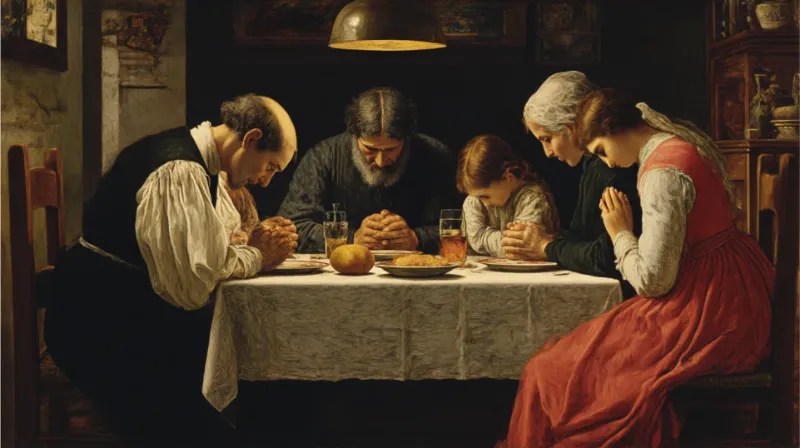
Proverbs 15:1
“A gentle answer turns away wrath, but a harsh word stirs up anger.”
Reflection: Both halves describe an exchange already under strain, with anger on one side. The proverb says a gentle reply can turn that anger away and a harsh one adds to it. The next verse continues the contrast: “The tongue of the wise adorns knowledge, but the mouth of the fool gushes folly.”

James 3:5-6
“Likewise, the tongue is a small part of the body, but it makes great boasts. Consider what a great forest is set on fire by a small spark. The tongue also is a fire, a world of evil among the parts of the body.”
Reflection: James opens the chapter by warning that teachers “will be judged more strictly” (James 3:1), then compares the tongue to a horse’s bit, a ship’s rudder and a spark. A few verses later he names the contradiction he has in mind: “With the tongue we praise our Lord and Father, and with it we curse human beings, who have been made in God’s likeness” (James 3:9).

Matthew 12:34
“For the mouth speaks what the heart is full of.”
Reflection: Jesus says this to Pharisees who had claimed that he drove out demons by Beelzebul. He uses the image of a tree known by its fruit, and goes on to say that everyone will give account on the day of judgment “for every empty word they have spoken” (Matthew 12:36). In his saying, speech shows what a person already is inside.
Speech that builds others up

Ephesians 4:29
“Do not let any unwholesome talk come out of your mouths, but only what is helpful for building others up according to their needs, that it may benefit those who listen.”
Reflection: Paul’s test for talk is the effect on the listener: whether it is helpful “for building others up according to their needs.” The surrounding verses set it among other instructions about speech, from “speak truthfully to your neighbor” (Ephesians 4:25) to getting rid of “brawling and slander” (Ephesians 4:31).

Ephesians 4:15
“Instead, speaking the truth in love, we will grow to become in every respect the mature body of him who is the head, that is, Christ.”
Reflection: Paul sets speaking the truth in love against the “cunning and craftiness of people in their deceitful scheming” in the verse before. The result he describes belongs to the whole church, which grows into maturity as “each part does its work” (Ephesians 4:16).

Colossians 4:6
“Let your conversation be always full of grace, seasoned with salt, so that you may know how to answer everyone.”
Reflection: The verse before it concerns how believers act “toward outsiders,” and Paul has just asked the Colossians to pray that he might proclaim the gospel clearly while he is in chains. Salt gives the picture of conversation that has flavour, and the purpose clause is practical: to know how to answer each person who asks.

1 Thessalonians 5:11
“Therefore encourage one another and build each other up, just as in fact you are doing.”
Reflection: The “therefore” points back to the hope Paul has just set out, that Christ “died for us so that, whether we are awake or asleep, we may live together with him” (1 Thessalonians 5:10). Encouraging one another means speaking that hope to each other, and Paul notes that the Thessalonians are already doing it.

Matthew 5:37
“All you need to say is simply ‘Yes’ or ‘No’; anything beyond this comes from the evil one.”
Reflection: In the Sermon on the Mount, Jesus forbids swearing by heaven, by the earth, by Jerusalem or by one’s own head. A plain yes or no is to be enough; “anything beyond this comes from the evil one.”
Raising a fault with someone
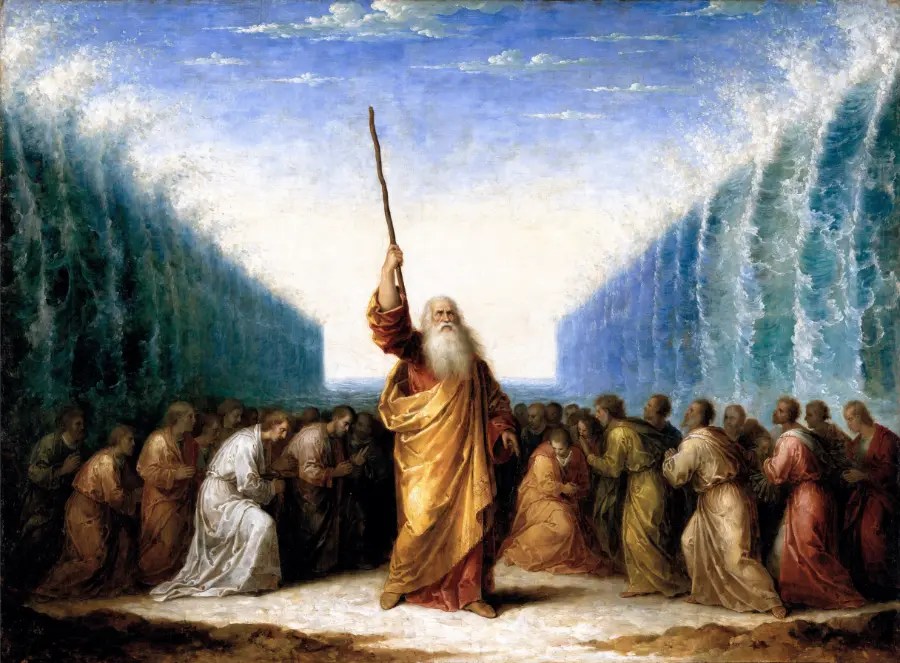
Matthew 18:15
“If your brother or sister sins, go and point out their fault, just between the two of you. If they listen to you, you have won them over.”
Reflection: The first step Jesus gives is a private conversation, “just between the two of you.” Only if that fails do one or two others come along, and after that the church (Matthew 18:16-17). The stated aim of the first conversation is to win the brother or sister over.

Proverbs 27:6
“Wounds from a friend can be trusted, but an enemy multiplies kisses.”
Reflection: The verse before it says, “Better is open rebuke than hidden love.” A friend’s honest correction can hurt and still be trusted, while an enemy’s show of affection is not to be taken at face value.

Galatians 6:1
“Brothers and sisters, if someone is caught in a sin, you who live by the Spirit should restore that person gently. But watch yourselves, or you also may be tempted.”
Reflection: Paul addresses “you who live by the Spirit” and asks for gentleness in restoring someone caught in a sin. The warning in the same verse is for the person doing the correcting, and the next verse adds, “Carry each other’s burdens.”
Gossip and confidences

Proverbs 11:13
“A gossip betrays a confidence, but a trustworthy person keeps a secret.”
Reflection: The verse before it praises the person who “holds their tongue” instead of deriding a neighbour. Here the proverb contrasts the gossip, who passes on what was said in confidence, with the person who can be trusted to keep it.

Proverbs 26:20
“Without wood a fire goes out; without a gossip a quarrel dies down.”
Reflection: The proverb compares gossip to fuel: take it away and the quarrel dies down like a fire without wood. The verses that follow add the quarrelsome person as kindling and say the words of a gossip “are like choice morsels; they go down to the inmost parts” (Proverbs 26:22).


Leave a Reply