
 English
 Chinese
 Dutch
 Arabic
 Spanish
 Portuguese
 Russian
 French
 Italian
 German
 Japanese
The Bible treats self-control as a fruit of the Spirit and as the rule a person keeps over anger, speech and appetite. Paul lists it with the fruit of the Spirit in Galatians 5:22-23, the Lord tells the angry Cain that he “must rule over” sin (Genesis 4:7), and Proverbs 16:32 ranks self-control above taking a city.
The Greek noun usually translated self-control is egkrateia, the mastery of one’s desires. It appears in Paul’s list of the fruit of the Spirit (Galatians 5:23), in Peter’s list of qualities to add to faith (2 Peter 1:6), and in Acts 24:25, where Paul speaks to the governor Felix about “righteousness, self-control and the judgment to come.”
Self-control as a gift and a calling

Galatians 5:22-23
“But the fruit of the Spirit is love, joy, peace, forbearance, kindness, goodness, faithfulness, gentleness and self-control. Against such things there is no law.”
Reflection: Paul sets the fruit of the Spirit against “the acts of the flesh” he has just listed, which include “fits of rage” and “drunkenness, orgies, and the like” (Galatians 5:19-21). Self-control closes the list of nine. The next verse gives the ground for it: “Those who belong to Christ Jesus have crucified the flesh with its passions and desires.”

Galatians 5:16
“So I say, walk by the Spirit, and you will not gratify the desires of the flesh.”
Reflection: This instruction comes before the fruit list and explains it. Verse 17 describes the flesh and the Spirit as “in conflict with each other, so that you are not to do whatever you want.” The remedy Paul gives for the desires of the flesh is to walk by the Spirit, and verse 18 adds that those led by the Spirit “are not under the law.”

2 Timothy 1:7
“For the Spirit God gave us does not make us timid, but gives us power, love and self-discipline.”
Reflection: Paul has just reminded Timothy to “fan into flame the gift of God” he received when Paul laid hands on him (2 Timothy 1:6). The Greek word here is sophronismos, which the King James Version renders “sound mind” and the NIV “self-discipline.” Verse 8 applies it: Timothy is not to be ashamed of Paul the prisoner but to join him in suffering for the gospel, so the self-discipline in view stands against timidity.
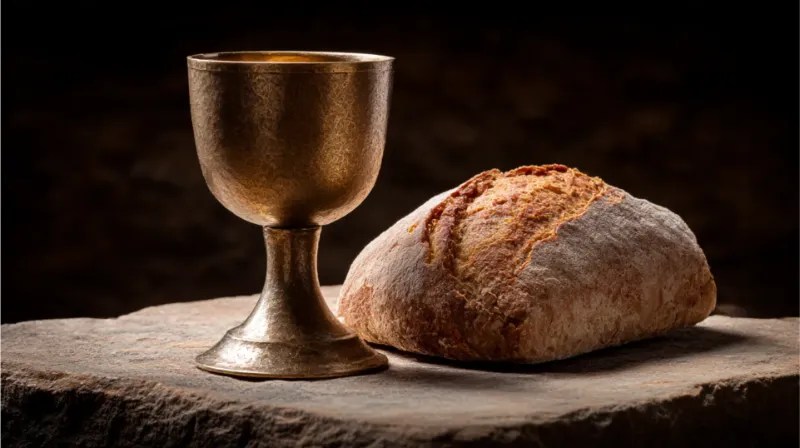
Titus 2:11-12
“For the grace of God has appeared that offers salvation to all people. It teaches us to say ‘No’ to ungodliness and worldly passions, and to live self-controlled, upright and godly lives in this present age.”
Reflection: Paul has told Titus to teach older men to be self-controlled, younger women to be self-controlled and pure, and young men “to be self-controlled” (Titus 2:2-6). These verses give the reason, beginning with “For”: the grace that offers salvation also “teaches us” to refuse worldly passions and to live self-controlled lives now. The sentence continues into verse 13, where believers live this way “while we wait for the blessed hope—the appearing of the glory of our great God and Savior, Jesus Christ.”

2 Peter 1:5-6
“For this very reason, make every effort to add to your faith goodness; and to goodness, knowledge; and to knowledge, self-control; and to self-control, perseverance; and to perseverance, godliness.”
Reflection: Self-control stands between knowledge and perseverance, and the sentence runs on into verse 7: “and to godliness, mutual affection; and to mutual affection, love.” The list follows verse 4, which describes believers as “having escaped the corruption in the world caused by evil desires.” Verse 8 says that having these qualities “in increasing measure” keeps a believer from being “ineffective and unproductive.”
Ruling anger
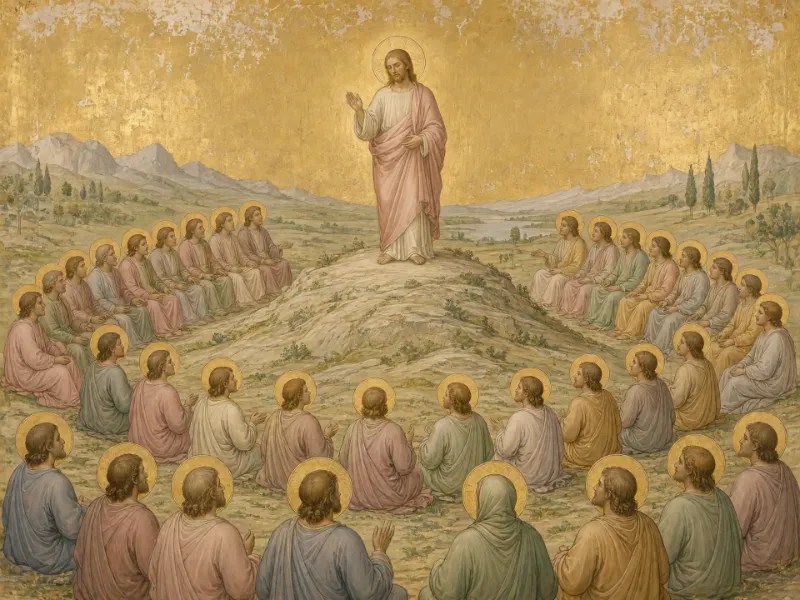
Genesis 4:7
“If you do what is right, will you not be accepted? But if you do not do what is right, sin is crouching at your door; it desires to have you, but you must rule over it.”
Reflection: The Lord speaks to Cain, who is angry and downcast after his offering was not accepted (Genesis 4:5-6). Sin is pictured as an animal crouching at the door, wanting Cain, and the command is that he must rule over it. In the next verse Cain attacks and kills his brother Abel in the field.
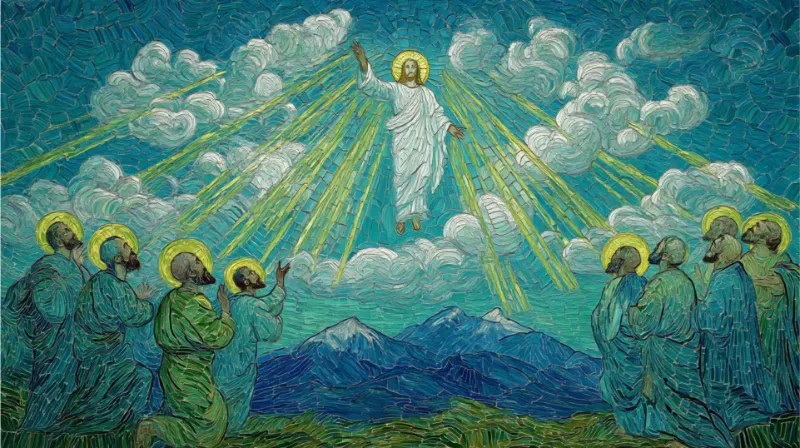
Proverbs 16:32
“Better a patient person than a warrior, one with self-control than one who takes a city.”
Reflection: The proverb compares self-control with military strength and ranks it higher: the patient person above the warrior, the one who controls himself above the one who captures a city. Proverbs 14:29 makes a related contrast: “Whoever is patient has great understanding, but one who is quick-tempered displays folly.”

Proverbs 25:28
“Like a city whose walls are broken through is a person who lacks self-control.”
Reflection: A city with its walls broken through is open to any attacker. The proverb applies the picture to a person without self-control.

Proverbs 29:11
“Fools give full vent to their rage, but the wise bring calm in the end.”
Reflection: The contrast lies in what each person does with anger. The fool lets all of it out, and the wise person brings it to calm.

James 1:19-20
“My dear brothers and sisters, take note of this: Everyone should be quick to listen, slow to speak and slow to become angry, because human anger does not produce the righteousness that God desires.”
Reflection: James gives three rules together: quick to listen, slow to speak, slow to anger. The reason he gives is that human anger does not produce the righteousness God desires. Verse 21 continues: “get rid of all moral filth and the evil that is so prevalent and humbly accept the word planted in you.”
Guarding the tongue

James 3:2
“We all stumble in many ways. Anyone who is never at fault in what they say is perfect, able to keep their whole body in check.”
Reflection: James has just warned that teachers “will be judged more strictly” (James 3:1), and he goes on to admit that everyone stumbles. Someone who never fails in what they say would be able to control the whole body. Verses 3-4 give the comparisons: a bit turns a whole horse, and “a very small rudder” steers a large ship. Verse 5 applies them: “the tongue is a small part of the body, but it makes great boasts.”

Proverbs 21:23
“Those who guard their mouths and their tongues keep themselves from calamity.”
Reflection: Guarding the mouth is presented as protection for the speaker. Proverbs 10:19 also commends a held tongue, this time as a guard against sin: “Sin is not ended by multiplying words, but the prudent hold their tongues.”
Food, drink and the body
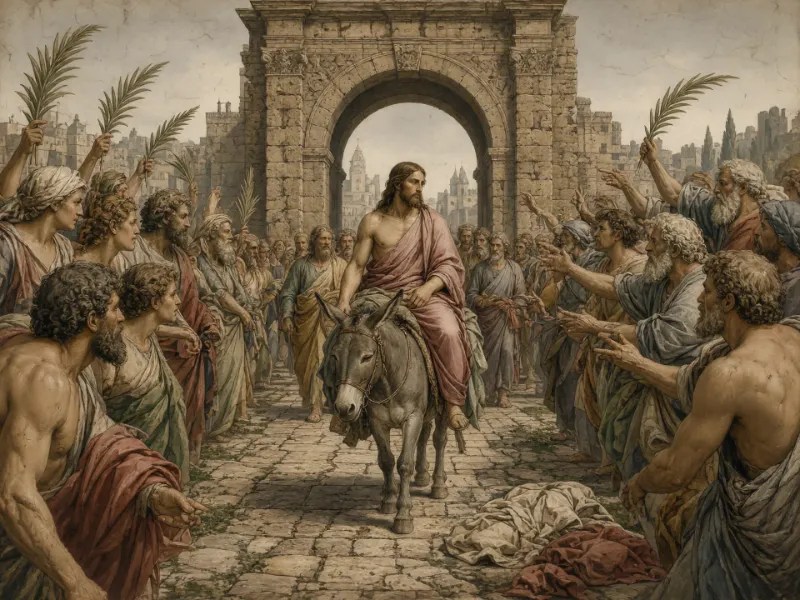
Proverbs 23:1-3
“When you sit to dine with a ruler, note well what is before you, and put a knife to your throat if you are given to gluttony. Do not crave his delicacies, for that food is deceptive.”
Reflection: The saying sets a guest at a ruler’s table. “Put a knife to your throat” is a vivid command to restrain appetite, and verse 3 gives the reason: the ruler’s delicacies are “deceptive.” The warning concerns craving in a setting where the guest has cause to be careful.

Proverbs 23:20-21
“Do not join those who drink too much wine or gorge themselves on meat, for drunkards and gluttons become poor, and drowsiness clothes them in rags.”
Reflection: The saying opens “Listen, my son, and be wise” (Proverbs 23:19). The warning is about company as well as appetite: do not join heavy drinkers and those who gorge on meat. The consequences named are practical ones, poverty and drowsiness.

1 Corinthians 6:12
“‘I have the right to do anything,’ you say—but not everything is beneficial. ‘I have the right to do anything’—but I will not be mastered by anything.”
Reflection: The NIV prints “I have the right to do anything” as a saying of the Corinthians, and Paul answers it twice: not everything is beneficial, and he will not be mastered by anything. The next verse quotes another saying, “Food for the stomach and the stomach for food,” and Paul answers that the body “is not meant for sexual immorality but for the Lord.”

1 Corinthians 9:27
“No, I strike a blow to my body and make it my slave so that after I have preached to others, I myself will not be disqualified for the prize.”
Reflection: Paul draws on athletics: “Everyone who competes in the games goes into strict training” (1 Corinthians 9:25), where the Greek verb, egkrateuomai, is related to the noun for self-control. Athletes train for a crown that will not last, and Paul for one “that will last forever.” His concern in this verse is for himself: having preached to others, he does not want to be disqualified.
Temptation and watchfulness

1 Corinthians 10:13
“No temptation has overtaken you except what is common to mankind. And God is faithful; he will not let you be tempted beyond what you can bear. But when you are tempted, he will also provide a way out so that you can endure it.”
Reflection: Paul has been recounting Israel’s failures in the wilderness, and the verse before warns: “if you think you are standing firm, be careful that you don’t fall!” The promise that follows has three parts: the temptation is common to people, God will not allow more than can be borne, and he will provide a way out “so that you can endure it.”

1 Peter 5:8
“Be alert and of sober mind. Your enemy the devil prowls around like a roaring lion looking for someone to devour.”
Reflection: Near the end of his letter to believers under suffering, Peter calls for a sober and alert mind because the devil is looking for someone to devour. Verse 9 gives the response: “Resist him, standing firm in the faith,” knowing that believers throughout the world are going through the same sufferings.
James 4:7
“Submit yourselves, then, to God. Resist the devil, and he will flee from you.”
Reflection: James traces “fights and quarrels” to “your desires that battle within you” (James 4:1). The command to submit to God follows the quotation “God opposes the proud but shows favor to the humble” (verse 6), and verse 8 continues: “Come near to God and he will come near to you.”


Leave a Reply