
 English
 Chinese
 Dutch
 Arabic
 Spanish
 Portuguese
 Russian
 French
 Italian
 German
 Japanese
The Bible speaks to fathers and sons most directly in Proverbs, where a father addresses his son as “my son”. The same relationship carries the teaching on discipline in Proverbs 3 and Hebrews 12, and the command to pass on the faith in Deuteronomy 6.
Other passages turn to a father’s joy in a wise son (Proverbs 23:24) and the father in Jesus’ parable who runs to meet his lost son (Luke 15:20). Several also mention the mother (Proverbs 1:8, 6:20, 23:25). For the wider family, see the verses on parents and children.
A father’s instruction in Proverbs
Proverbs 1:8-9
“Listen, my son, to your father’s instruction and do not forsake your mother’s teaching. They are a garland to grace your head and a chain to adorn your neck.”
Reflection: The father’s first appeal to “my son” follows directly on the motto in verse 7: “The fear of the Lord is the beginning of knowledge.” The father sets his own instruction beside the mother’s teaching and calls both an ornament, a garland and a chain. The next verse turns straight to a warning: “My son, if sinful men entice you, do not give in to them.”

Proverbs 4:1-2
“Listen, my sons, to a father’s instruction; pay attention and gain understanding. I give you sound learning, so do not forsake my teaching.”
Reflection: Here the father speaks to several sons and then explains where his teaching came from: “For I too was a son to my father, still tender, and cherished by my mother. Then he taught me” (verses 3-4). What follows in verses 4-9 is the grandfather’s advice, quoted, so the chapter passes instruction across three generations. Its centre is verse 7: “The beginning of wisdom is this: Get wisdom.”

Proverbs 4:10-11
“Listen, my son, accept what I say, and the years of your life will be many. I instruct you in the way of wisdom and lead you along straight paths.”
Reflection: After recalling what his own father taught him, the father asks his son to listen and promises him a long life. He describes teaching wisdom as leading his son along a straight path. In verse 14 he warns him to stay off “the path of the wicked.”
Proverbs 3:1-2
“My son, do not forget my teaching, but keep my commands in your heart, for they will prolong your life many years and bring you peace and prosperity.”
Reflection: The father asks his son to keep the commands “in your heart” and attaches a promise of long life, peace and prosperity. Verse 3 adds what is to be kept close: “Let love and faithfulness never leave you; bind them around your neck, write them on the tablet of your heart.” Verse 4 names the result as favour “in the sight of God and man.”
Proverbs 3:5-6
“Trust in the Lord with all your heart and lean not on your own understanding; in all your ways submit to him, and he will make your paths straight.”
Reflection: Trust in the Lord is part of the advice the father gives his son at the start of the chapter. Verse 7 explains the danger of relying on his own judgment and tells the son to “fear the Lord and shun evil.”
Proverbs 6:20-22
“My son, keep your father’s command and do not forsake your mother’s teaching. Bind them always on your heart; fasten them around your neck. When you walk, they will guide you; when you sleep, they will watch over you; when you awake, they will speak to you.”
Reflection: The father again puts his command beside the mother’s teaching, and asks the son to bind both on his heart and around his neck. The teaching goes with the son through the day: walking, sleeping and waking. Verse 23 says why: “this command is a lamp, this teaching is a light, and correction and instruction are the way to life.” The verses that follow warn against adultery.
Discipline from a father
Proverbs 3:11-12
“My son, do not despise the Lord’s discipline, and do not resent his rebuke, because the Lord disciplines those he loves, as a father the son he delights in.”
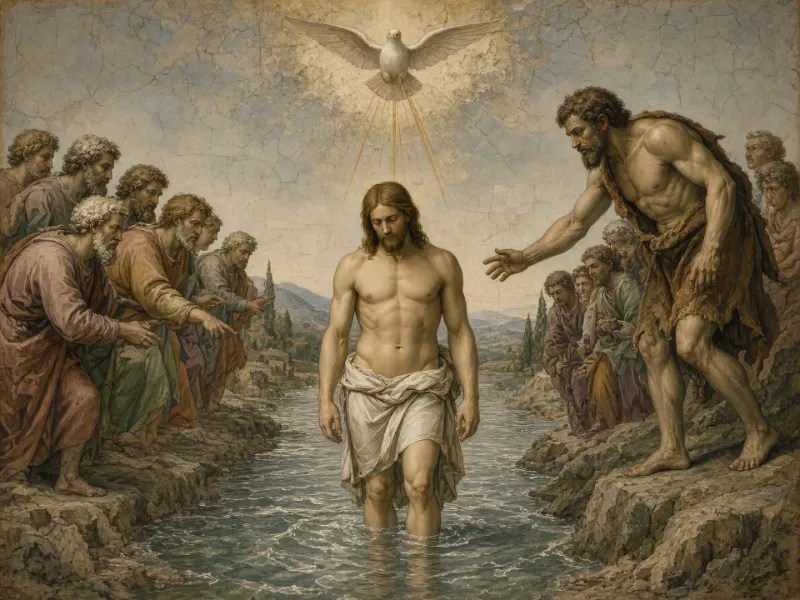
Reflection: The father here points the son to another Father: the Lord disciplines “as a father the son he delights in.” Discipline is set out as evidence of love, and the son is told neither to despise it nor resent it. Hebrews 12:5-6 quotes these two verses as “this word of encouragement that addresses you as a father addresses his son.”
Hebrews 12:7
“Endure hardship as discipline; God is treating you as his children. For what children are not disciplined by their father?”
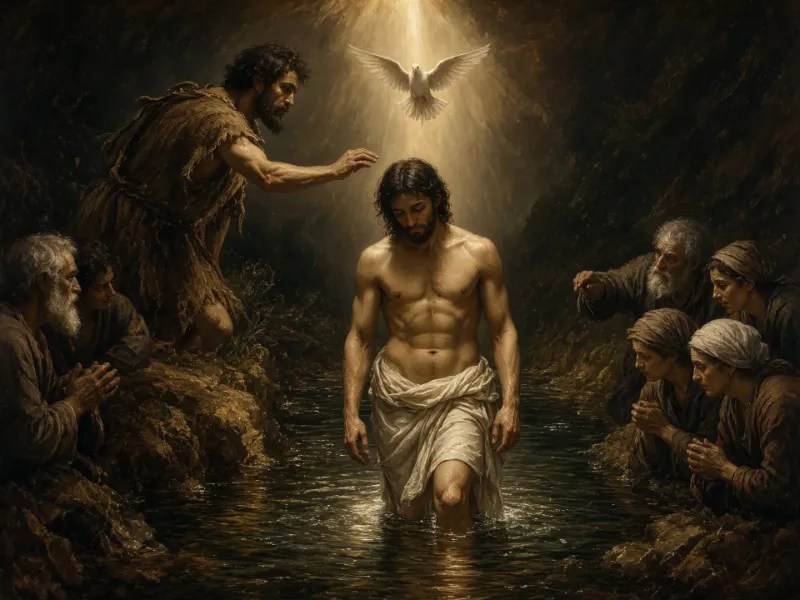
Reflection: The writer of Hebrews applies Proverbs 3:11-12 to Christians enduring hardship, and argues from ordinary family life: every son is disciplined by his father. Verses 9-10 draw the comparison out: human fathers “disciplined us for a little while as they thought best; but God disciplines us for our good, in order that we may share in his holiness.” Verse 11 admits that discipline is painful at the time and says it later yields “a harvest of righteousness and peace.”

Proverbs 13:24
“Whoever spares the rod hates their children, but the one who loves their children is careful to discipline them.”
Reflection: The proverb ties discipline to love and calls its absence hatred. The chapter opens on the son’s side of the same relationship: “A wise son heeds his father’s instruction, but a mocker does not respond to rebukes” (Proverbs 13:1).
Proverbs 19:18
“Discipline your children, for in that there is hope; do not be a willing party to their death.”
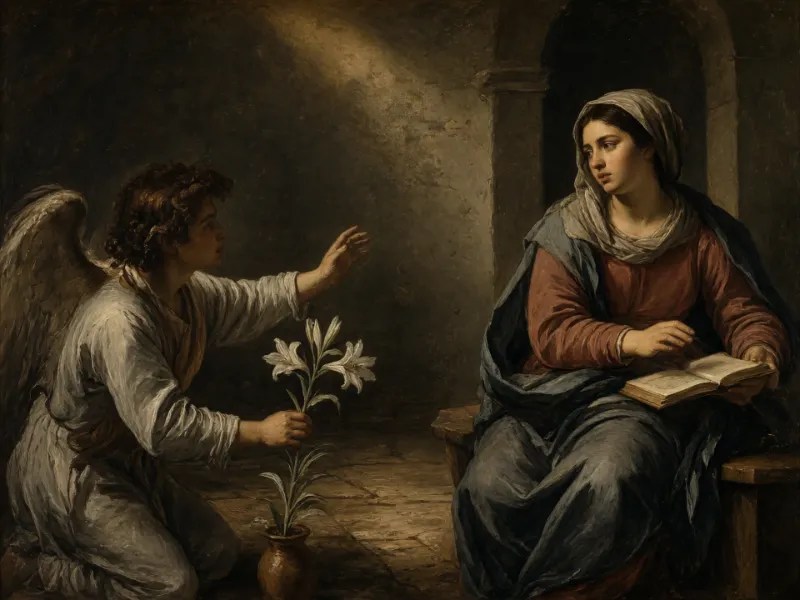
Reflection: This proverb gives a reason for discipline: “in that there is hope.” The second line warns a parent not to be “a willing party to their death.” Two verses later the same chapter speaks to the one being corrected: “Listen to advice and accept discipline, and at the end you will be counted among the wise.”
Ephesians 6:4
“Fathers, do not exasperate your children; instead, bring them up in the training and instruction of the Lord.”
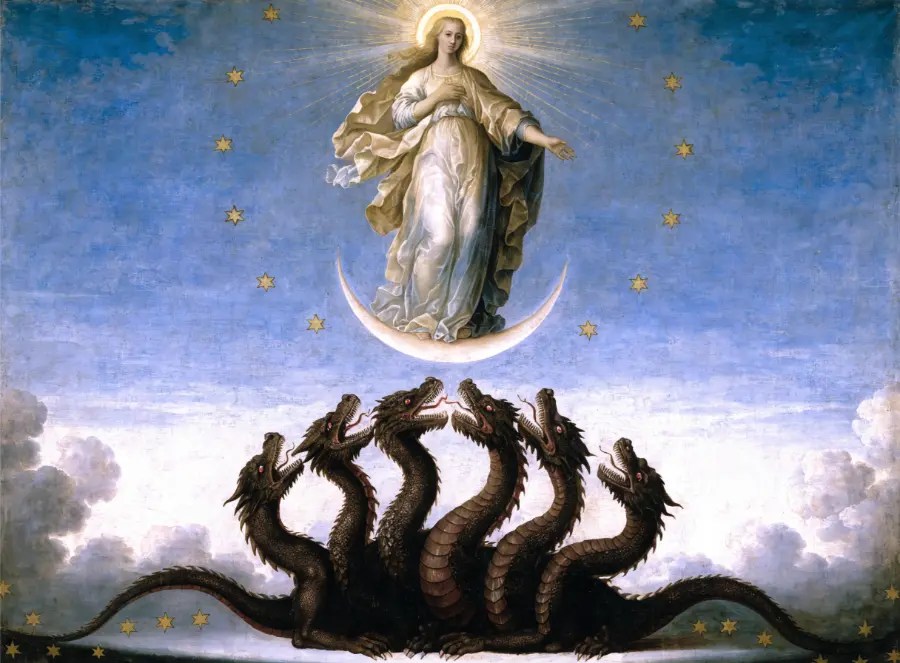
Reflection: Paul has just told children to obey their parents, quoting the commandment “Honor your father and mother” (Ephesians 6:1-3). He then addresses fathers directly and puts a limit on their authority: they are not to exasperate their children. The parallel in Colossians 3:21 gives the reason, “or they will become discouraged.” The positive command is to raise them “in the training and instruction of the Lord.”
A son as a father’s joy
Psalm 127:3-5
“Children are a heritage from the Lord, offspring a reward from him. Like arrows in the hands of a warrior are children born in one’s youth. Blessed is the man whose quiver is full of them.”
Reflection: The psalm is headed “Of Solomon” and opens by saying that a house built without the Lord is built in vain. Children are then called a heritage and a reward from him, and children born in one’s youth are compared to arrows in a warrior’s hand. The psalm ends: “They will not be put to shame when they contend with their opponents in court.”
Proverbs 23:24
“The father of a righteous child has great joy; a man who fathers a wise son rejoices in him.”
Reflection: The NIV heads this passage “Saying 17”. Two verses earlier the son is told, “Listen to your father, who gave you life, and do not despise your mother when she is old.” The father’s joy depends on the son’s character, and verse 25 extends it to the mother: “may she who gave you birth be joyful!”
Proverbs 17:6
“Children’s children are a crown to the aged, and parents are the pride of their children.”
Reflection: The proverb runs in both directions. Grandchildren are a crown to the old, and parents are the pride of their children.

Luke 15:20
“So he got up and went to his father. But while he was still a long way off, his father saw him and was filled with compassion for him; he ran to his son, threw his arms around him and kissed him.”
Reflection: Jesus tells of a man with two sons (Luke 15:11), the younger of whom takes his share of the estate and wastes it. When the son comes home, the father sees him “while he was still a long way off” and runs to him before the son has said a word. The son’s prepared confession is cut short by the father’s orders for a robe, a ring and a feast: “For this son of mine was dead and is alive again; he was lost and is found” (verse 24).
Passing the faith from father to son

Deuteronomy 6:6-7
“These commandments that I give you today are to be on your hearts. Impress them on your children. Talk about them when you sit at home and when you walk along the road, when you lie down and when you get up.”
Reflection: These verses follow the Shema, “Hear, O Israel: The Lord our God, the Lord is one” (Deuteronomy 6:4). Moses tells the people to keep the commands on their hearts and to teach them to their children in the ordinary hours of the day: at home, on the road, at bedtime and on waking. Later in the chapter he expects the son to ask what the laws mean, and gives the father an answer that begins, “We were slaves of Pharaoh in Egypt” (verses 20-21). More on this charge appears in the verses about raising children.
Genesis 18:19
“For I have chosen him, so that he will direct his children and his household after him to keep the way of the Lord by doing what is right and just, so that the Lord will bring about for Abraham what he has promised him.”
Reflection: The Lord speaks these words as he decides whether to tell Abraham what he is about to do to Sodom. He says he chose Abraham so that Abraham would direct his children and household “to keep the way of the Lord by doing what is right and just.” The verse links that teaching to the promise: it is “so that the Lord will bring about for Abraham what he has promised him.”
Psalm 78:4
“We will not hide them from their descendants; we will tell the next generation the praiseworthy deeds of the Lord, his power, and the wonders he has done.”
Reflection: Asaph introduces a long telling of Israel’s history with a vow not to hide it from the next generation. Verses 5-6 give the chain: God commanded the ancestors to teach their children, “so the next generation would know them, even the children yet to be born, and they in turn would tell their children.” Verse 7 states the aim: that they “would put their trust in God.”
Malachi 4:6
“He will turn the hearts of the parents to their children, and the hearts of the children to their parents; or else I will come and strike the land with total destruction.”
Reflection: These are the closing words of Malachi. God promises to send the prophet Elijah before the day of the Lord, and Elijah’s work is to turn the hearts of parents and children toward each other, with a curse on the land as the alternative. In Luke 1:17 the angel tells Zechariah that his son John will go before the Lord “in the spirit and power of Elijah, to turn the hearts of the parents to their children.”


Leave a Reply