
 English
 Chinese
 Dutch
 Arabic
 Spanish
 Portuguese
 Russian
 French
 Italian
 German
 Japanese
The Bible treats growth as something God gives and something his people are told to pursue. Paul says he planted and Apollos watered, “but God has been making it grow” (1 Corinthians 3:6), and Second Peter ends with the command to “grow in the grace and knowledge of our Lord and Savior Jesus Christ” (2 Peter 3:18).
The New Testament pictures that growth as branches bearing fruit on a vine (John 15:5), infants moving from milk to solid food (1 Peter 2:2; Hebrews 5:12–6:1), and a body growing up into its head, Christ (Ephesians 4:15-16). The New Testament also names what is meant to grow: knowledge of God (Colossians 1:10), love (Philippians 1:9; 1 Thessalonians 3:12) and faith (2 Thessalonians 1:3). James 1:2-4 and Romans 5:3-4 add that trials and suffering produce perseverance, and James says perseverance ends in being “mature and complete.”
Growth that God gives
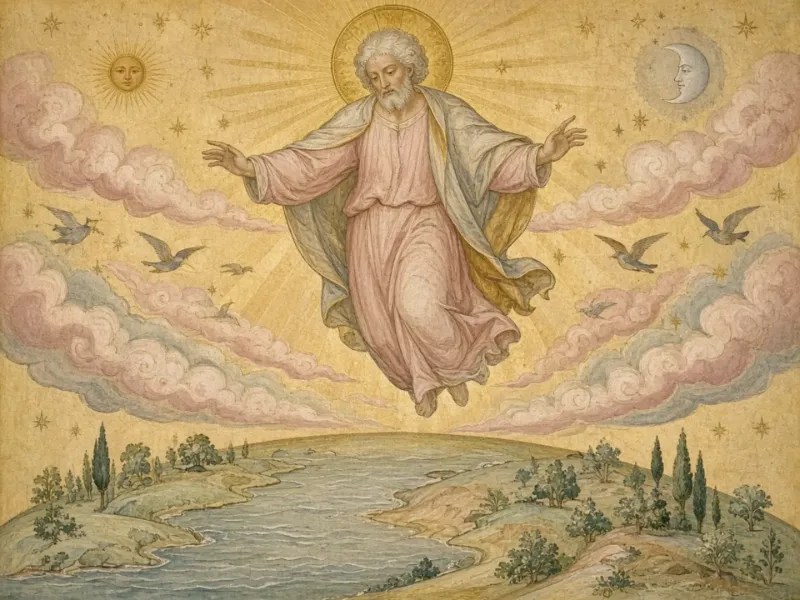
1 Corinthians 3:6
“I planted the seed, Apollos watered it, but God has been making it grow.”
Reflection: The church in Corinth had split into groups, one saying “I follow Paul” and another “I follow Apollos” (3:4). Paul answers that both men are “only servants” and that “neither the one who plants nor the one who waters is anything, but only God, who makes things grow” (3:5, 3:7). He ends the image by telling the church, “you are God’s field, God’s building” (3:9).

John 15:5
“I am the vine; you are the branches. If you remain in me and I in you, you will bear much fruit; apart from me you can do nothing.”
Reflection: Jesus calls himself the true vine and his Father the gardener, who cuts off branches that bear no fruit and prunes the fruitful ones “so that it will be even more fruitful” (15:1-2). The fruit depends on the branch staying joined to the vine: “No branch can bear fruit by itself; it must remain in the vine” (15:4). Verse 8 names what the fruit shows: “that you bear much fruit, showing yourselves to be my disciples.”
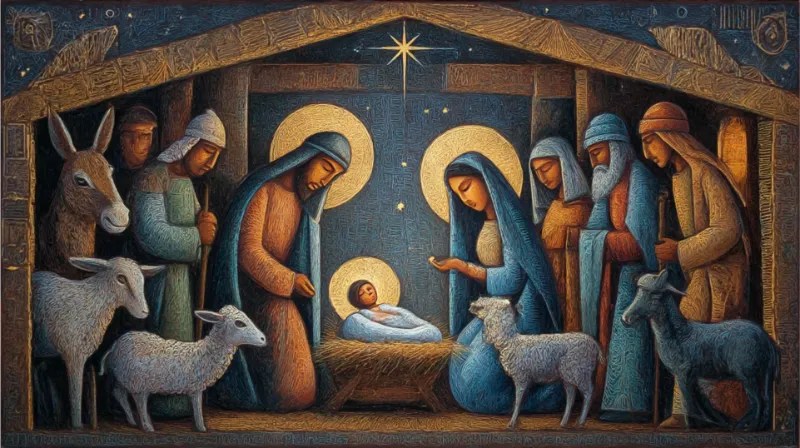
Galatians 5:22-23
“But the fruit of the Spirit is love, joy, peace, forbearance, kindness, goodness, faithfulness, gentleness and self-control. Against such things there is no law.”
Reflection: Paul sets the fruit of the Spirit against “the acts of the flesh” he has just listed, from sexual immorality and idolatry to jealousy, factions and drunkenness (5:19-21). The nine qualities here are called fruit, and of them he says, “Against such things there is no law.” The next verses say that those who belong to Christ “have crucified the flesh with its passions and desires” and Paul includes himself in the command that follows: “let us keep in step with the Spirit” (5:24-25).
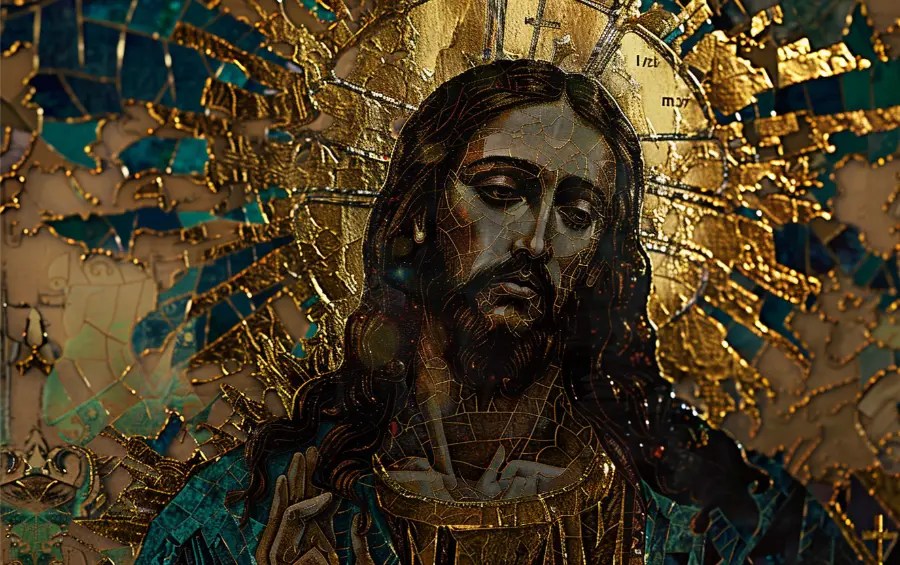
2 Corinthians 9:10
“Now he who supplies seed to the sower and bread for food will also supply and increase your store of seed and will enlarge the harvest of your righteousness.”
Reflection: Paul is urging the church in Corinth to finish “the generous gift you had promised” for “the Lord’s people” (9:1, 9:5). He has already used the farming rule “whoever sows generously will also reap generously” (9:6), and here God is the one who supplies the seed and enlarges the harvest. Verse 11 says what the increase is for: “so that you can be generous on every occasion.”
From infancy to maturity
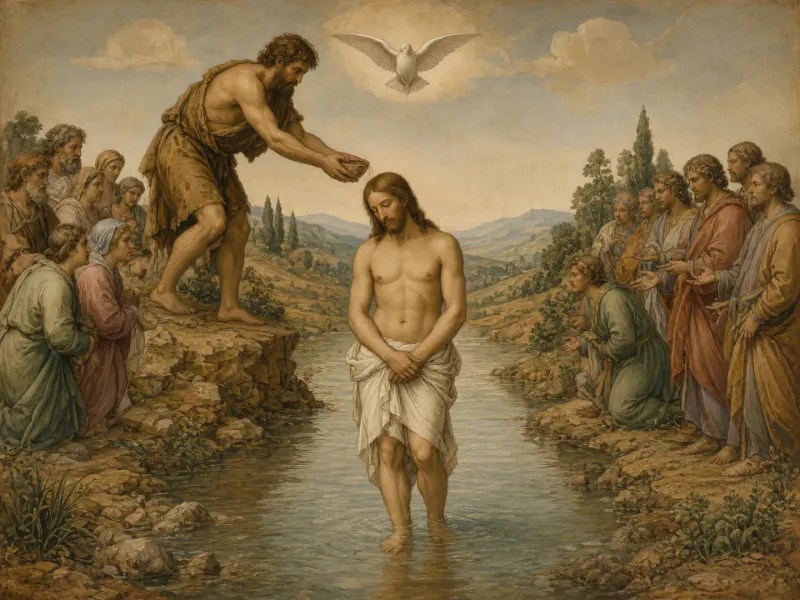
1 Peter 2:2
“Like newborn babies, crave pure spiritual milk, so that by it you may grow up in your salvation.”
Reflection: Peter first tells his readers to rid themselves of “all malice and all deceit, hypocrisy, envy, and slander of every kind” (2:1), then to crave spiritual milk the way newborns crave it. The growth is “in your salvation,” and the next verse gives the reason for the craving: “now that you have tasted that the Lord is good” (2:3). In this verse milk is the food a newborn needs, with none of the rebuke it carries in Hebrews 5:12.
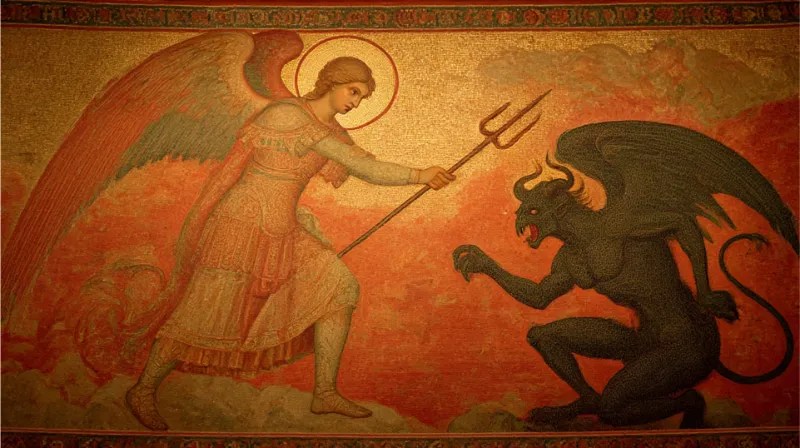
Hebrews 6:1
“Therefore let us move beyond the elementary teachings about Christ and be taken forward to maturity, not laying again the foundation of repentance from acts that lead to death, and of faith in God.”
Reflection: The writer has just rebuked the readers: “though by this time you ought to be teachers, you need someone to teach you the elementary truths of God’s word all over again” (5:12). Solid food, he says, “is for the mature, who by constant use have trained themselves to distinguish good from evil” (5:14). The foundation not to be laid again includes repentance, faith, cleansing rites, the laying on of hands, the resurrection of the dead and eternal judgment (6:1-2), and verse 3 adds, “And God permitting, we will do so.”
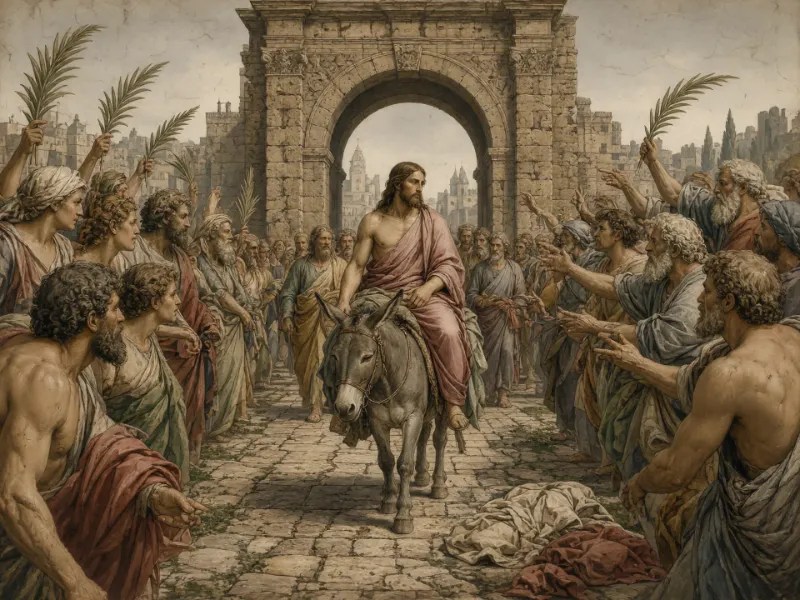
Ephesians 4:15
“Instead, speaking the truth in love, we will grow to become in every respect the mature body of him who is the head, that is, Christ.”
Reflection: Paul says Christ gave apostles, prophets, evangelists, pastors and teachers “to equip his people for works of service” until all “become mature” (4:11-13). The opposite of maturity is to be “infants, tossed back and forth by the waves, and blown here and there by every wind of teaching” (4:14). In place of that, the growth comes with “speaking the truth in love,” and its goal is Christ, “the head,” from whom “the whole body … grows and builds itself up in love, as each part does its work” (4:16).
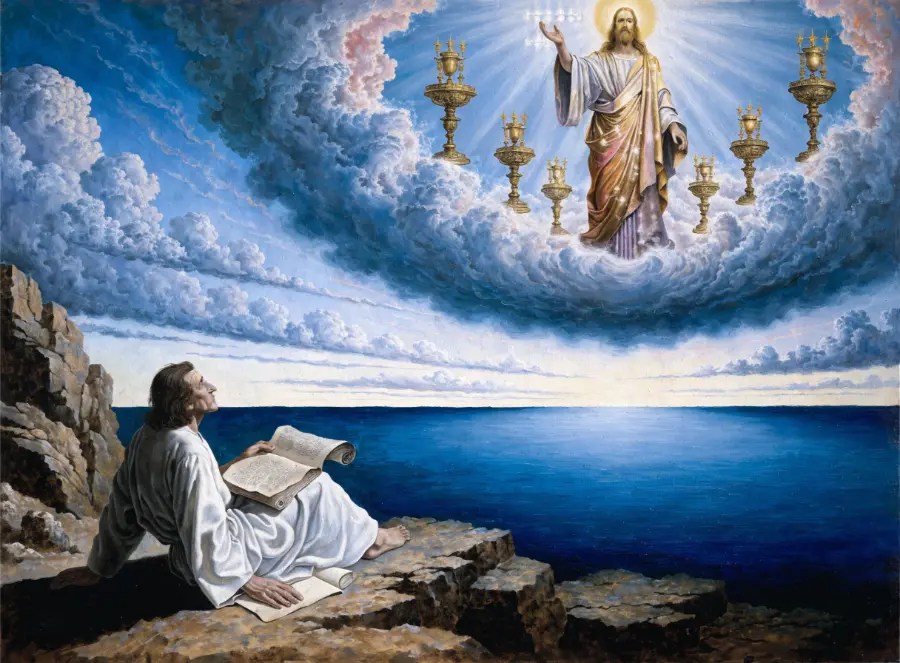
Luke 2:52
“And Jesus grew in wisdom and stature, and in favor with God and man.”
Reflection: Luke closes his account of the twelve-year-old Jesus in the temple, found “sitting among the teachers, listening to them and asking them questions” (2:46), with this line. After that visit Jesus went back to Nazareth with his parents “and was obedient to them” (2:51). Verse 40 had said the same of him as a small child: he “grew and became strong; he was filled with wisdom, and the grace of God was on him.”
Growing in knowledge, love and faith

2 Peter 3:18
“But grow in the grace and knowledge of our Lord and Savior Jesus Christ. To him be glory both now and forever! Amen.”
Reflection: These are the last words of the letter. The verse before is a warning: “be on your guard so that you may not be carried away by the error of the lawless and fall from your secure position” (3:17). After the command to grow in grace and knowledge, the letter ends by giving glory to Christ, “both now and forever.”

Colossians 1:9-10
“For this reason, since the day we heard about you, we have not stopped praying for you. We continually ask God to fill you with the knowledge of his will through all the wisdom and understanding that the Spirit gives, so that you may live a life worthy of the Lord and please him in every way: bearing fruit in every good work, growing in the knowledge of God.”
Reflection: Paul prays for a church he has heard about, asking God to fill its members “with the knowledge of his will.” The request has a purpose, “so that you may live a life worthy of the Lord,” and the list that follows puts “bearing fruit in every good work” beside “growing in the knowledge of God.” Verses 11-12 add endurance, patience and “joyful thanks to the Father.”
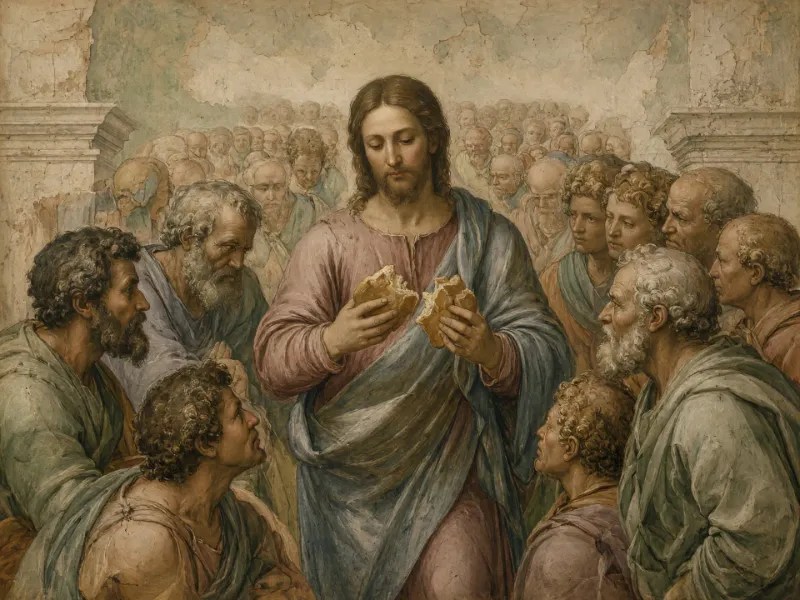
Philippians 1:9
“And this is my prayer: that your love may abound more and more in knowledge and depth of insight.”
Reflection: Paul tells the church in Philippi what he prays for them: love that abounds “in knowledge and depth of insight.” The next verse gives the reason: “so that you may be able to discern what is best and may be pure and blameless for the day of Christ” (1:10). Verse 11 ends the prayer with the “fruit of righteousness that comes through Jesus Christ.”
1 Thessalonians 3:12
“May the Lord make your love increase and overflow for each other and for everyone else, just as ours does for you.”
Reflection: Timothy had just come back from Thessalonica with “good news about your faith and love” (3:6), and Paul says he prays night and day “that we may see you again and supply what is lacking in your faith” (3:10). This wish asks for love to increase “for each other and for everyone else.” Verse 13 asks that their hearts be strengthened so they will be “blameless and holy” when “our Lord Jesus comes.”
2 Thessalonians 1:3
“We ought always to thank God for you, brothers and sisters, and rightly so, because your faith is growing more and more, and the love all of you have for one another is increasing.”
Reflection: In his second letter to the same church, Paul thanks God for faith that is “growing more and more” and for love “for one another” that is increasing, the love he had asked for in 1 Thessalonians 3:12. The growth is happening under pressure: the next verse speaks of “all the persecutions and trials you are enduring” (1:4).
Luke 17:5
“The apostles said to the Lord, ‘Increase our faith!’”
Reflection: The apostles ask for more faith right after Jesus tells them to forgive a brother or sister who sins “seven times in a day” and each time says “I repent” (17:4). Jesus answers that faith as small as a mustard seed could tell a mulberry tree to be uprooted and planted in the sea (17:6). He then tells of a servant who is not thanked for doing what he was told, and applies it to the apostles: “So you also, when you have done everything you were told to do, should say, ‘We are unworthy servants; we have only done our duty’” (17:10).

Proverbs 9:9
“Instruct the wise and they will be wiser still; teach the righteous and they will add to their learning.”
Reflection: Wisdom has built her house and calls the simple to her table (9:1-4). The verses before this one set two kinds of listener side by side: “Whoever corrects a mocker invites insults,” but “rebuke the wise and they will love you” (9:7-8). The next verse names where the learning starts: “The fear of the Lord is the beginning of wisdom” (9:10).

Colossians 2:7
“Rooted and built up in him, strengthened in the faith as you were taught, and overflowing with thankfulness.”
Reflection: The image joins a plant and a building: “rooted and built up in him.” Verse 6 gives the ground for it: “just as you received Christ Jesus as Lord, continue to live your lives in him.” Verse 8 follows with a warning against being taken captive “through hollow and deceptive philosophy, which depends on human tradition.”
What trials and change produce

James 1:2-4
“Consider it pure joy, my brothers and sisters, whenever you face trials of many kinds, because you know that the testing of your faith produces perseverance. Let perseverance finish its work so that you may be mature and complete, not lacking anything.”
Reflection: James writes “to the twelve tribes scattered among the nations” (1:1). He calls trials a reason for joy because testing produces perseverance, and perseverance has work to finish: “that you may be mature and complete, not lacking anything.” The next verse offers what a person under trial may lack: “If any of you lacks wisdom, you should ask God” (1:5).

Romans 5:3-4
“Not only so, but we also glory in our sufferings, because we know that suffering produces perseverance; perseverance, character; and character, hope.”
Reflection: Paul has just said that those “justified through faith” have peace with God and “boast in the hope of the glory of God” (5:1-2). Here the boasting reaches suffering, in a chain that runs from suffering to perseverance, character and hope. Verse 5 says that hope “does not put us to shame, because God’s love has been poured out into our hearts through the Holy Spirit.”

Romans 12:2
“Do not conform to the pattern of this world, but be transformed by the renewing of your mind. Then you will be able to test and approve what God’s will is—his good, pleasing and perfect will.”
Reflection: The verse follows Paul’s appeal to “offer your bodies as a living sacrifice, holy and pleasing to God” (12:1). The change he asks for comes “by the renewing of your mind,” set against conforming to “the pattern of this world.” Its result is a person able to “test and approve what God’s will is.”


Leave a Reply