
 English
 Chinese
 Dutch
 Arabic
 Spanish
 Portuguese
 Russian
 French
 Italian
 German
 Japanese
The Bible says people were made by God and for him. Isaiah 43:7 speaks of those “whom I created for my glory”, and Colossians 1:16 says “all things have been created through him and for him.”
Genesis 1:26-28 gives mankind its first task, to rule over the creatures and fill the earth, and Ecclesiastes 12:13 sums up “the duty of all mankind” as fearing God and keeping his commandments. The New Testament adds that believers are “created in Christ Jesus to do good works” (Ephesians 2:10), appointed to “bear fruit” (John 15:16) and “called according to his purpose” (Romans 8:28). Micah 6:8, 1 Corinthians 10:31 and Colossians 3:23-24 apply that purpose to ordinary days, and 2 Timothy 4:7 describes a life that reached its end having kept the faith.
What people were made for
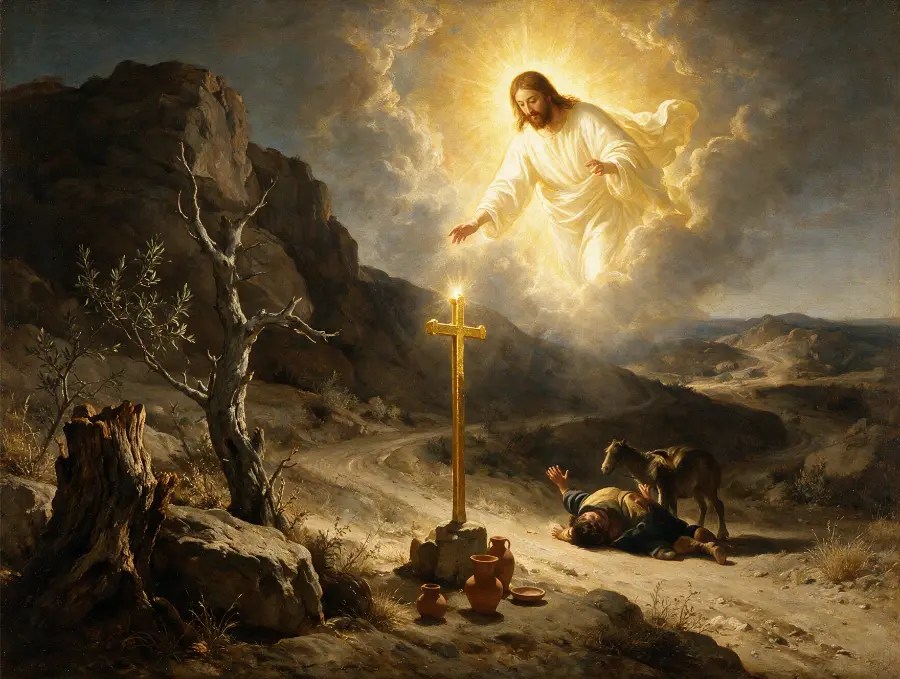
Genesis 1:27
“So God created mankind in his own image, in the image of God he created them; male and female he created them.”
Reflection: The verse before gives the reason God made mankind in his image: “so that they may rule over the fish in the sea and the birds in the sky” and over every creature on the ground. Verse 28 is his blessing and charge to the man and woman: “Be fruitful and increase in number; fill the earth and subdue it.”
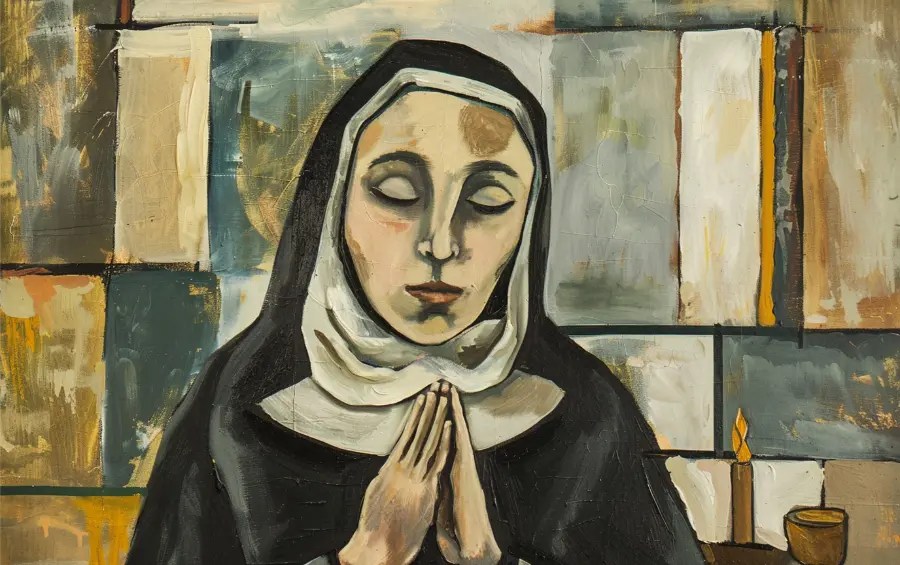
Isaiah 43:7
“everyone who is called by my name, whom I created for my glory, whom I formed and made.”
Reflection: Through Isaiah, God speaks to Israel and promises to gather its scattered sons and daughters from east, west, north and south. Those he brings home are described as the people “whom I created for my glory.” The chapter opens with the same two verbs applied to the nation: “he who created you, Jacob, he who formed you, Israel” (Isaiah 43:1).
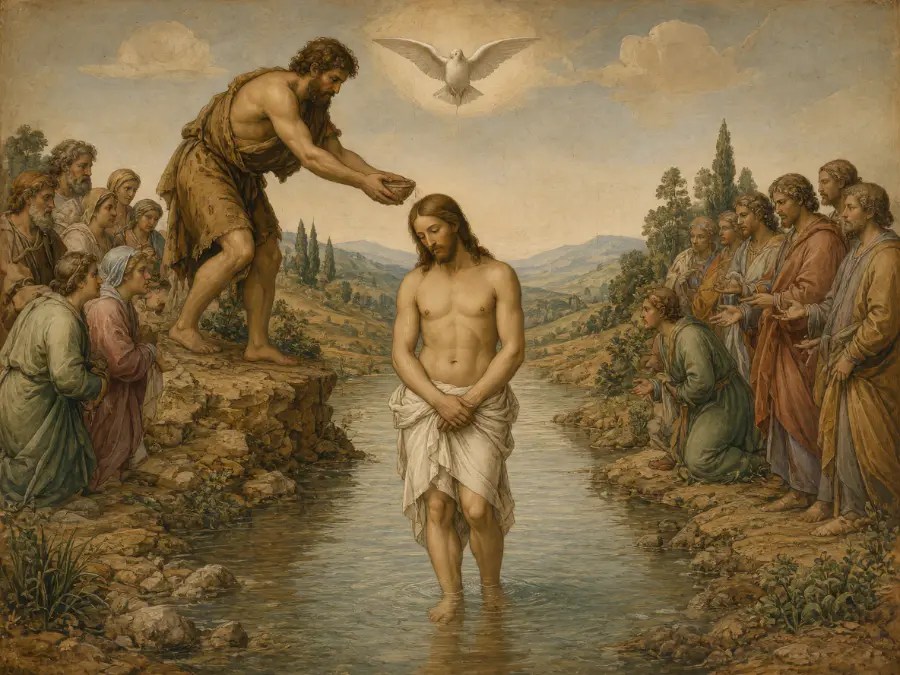
Colossians 1:16
“For in him all things were created: things in heaven and on earth, visible and invisible, whether thrones or powers or rulers or authorities; all things have been created through him and for him.”
Reflection: Paul is writing about the Son, “the image of the invisible God” (Colossians 1:15). “All things” includes the unseen “thrones or powers or rulers or authorities.” Everything was made through Christ and for him, and verse 17 adds that “in him all things hold together.”
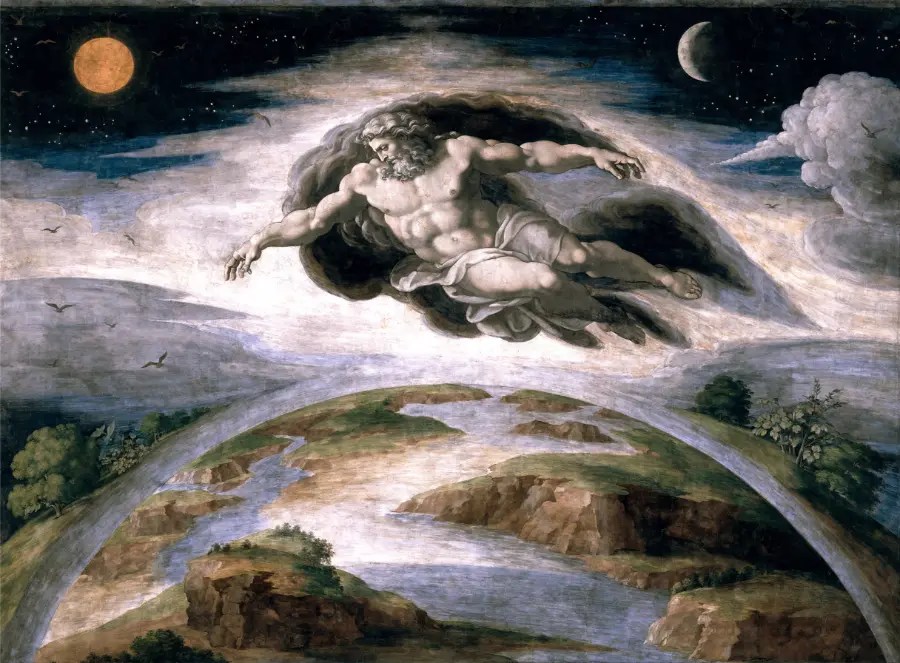
Psalm 139:13-14
“For you created my inmost being; you knit me together in my mother’s womb. I praise you because I am fearfully and wonderfully made; your works are wonderful, I know that full well.”
Reflection: The psalmist praises God for forming him in the womb. Two verses later the praise moves from his body to his life: “all the days ordained for me were written in your book before one of them came to be” (Psalm 139:16). God knew the person and the days of that life before birth.
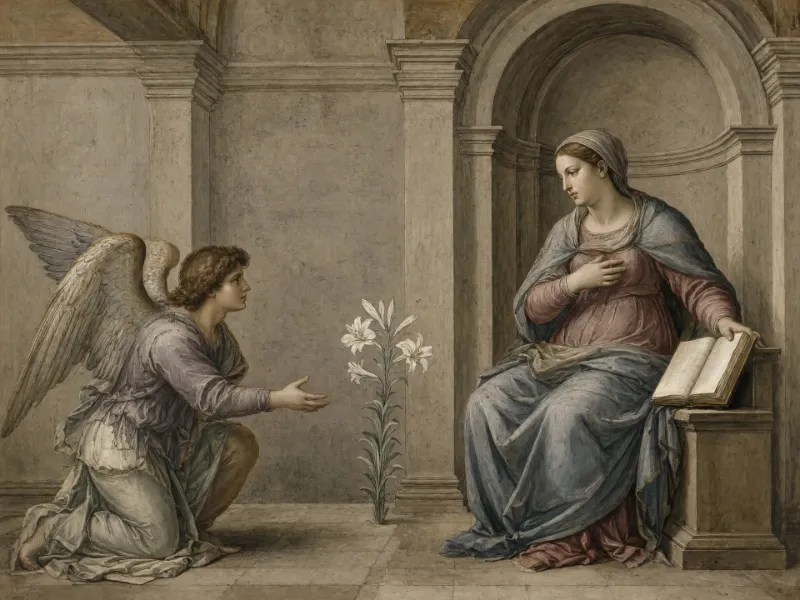
Ecclesiastes 12:13
“Now all has been heard; here is the conclusion of the matter: Fear God and keep his commandments, for this is the duty of all mankind.”
Reflection: Ecclesiastes opens with “Meaningless! Meaningless!” (Ecclesiastes 1:2) and the question “What do people gain from all their labors at which they toil under the sun?” (1:3). Its closing verses give “the conclusion of the matter”: fear God and keep his commandments. The last verse of the book gives the reason: “God will bring every deed into judgment, including every hidden thing.”
God’s purpose and a person’s plans
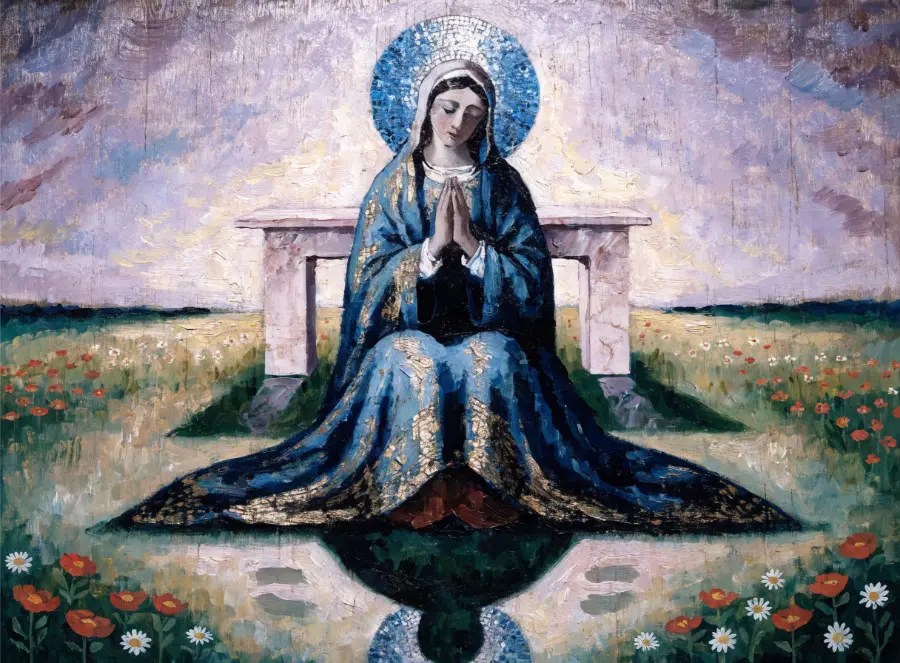
Jeremiah 29:11
“For I know the plans I have for you,” declares the Lord, “plans to prosper you and not to harm you, plans to give you hope and a future.”
Reflection: The verse is part of a letter Jeremiah sent from Jerusalem to the exiles Nebuchadnezzar had taken to Babylon (Jeremiah 29:1). Before the promise, they are told to build houses, plant gardens, marry, and “seek the peace and prosperity of the city” where they live (29:5-7). The plans are tied to a return “when seventy years are completed for Babylon” (29:10), and they are addressed to the people as a whole.
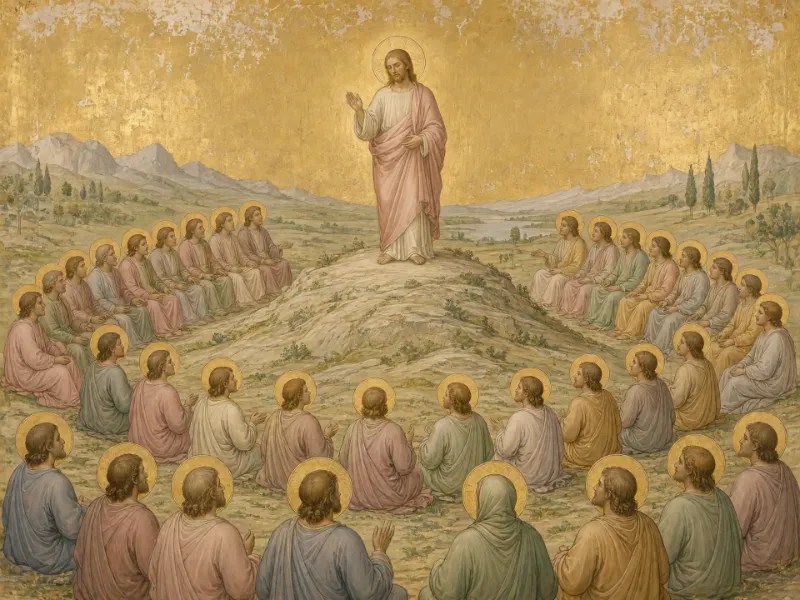
Romans 8:28
“And we know that in all things God works for the good of those who love him, who have been called according to his purpose.”
Reflection: The next verse names the purpose Paul means: those God foreknew “he also predestined to be conformed to the image of his Son” (Romans 8:29). Verse 30 continues the chain: called, justified, glorified. The good that God works in all things is set inside that purpose.
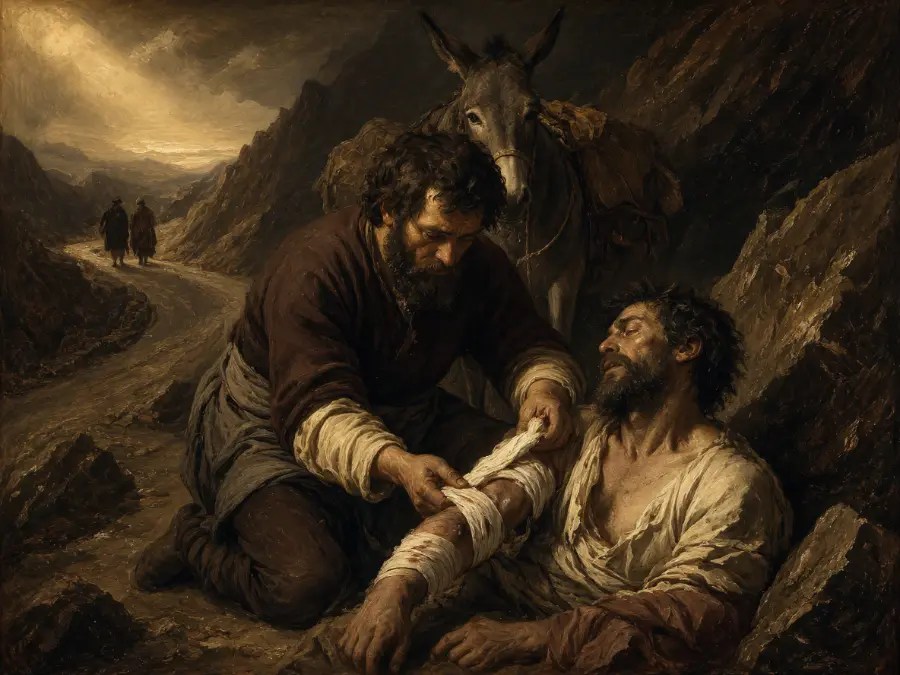
Philippians 2:13
“for it is God who works in you to will and to act in order to fulfill his good purpose.”
Reflection: Paul has just told the Philippians to “continue to work out your salvation with fear and trembling” (Philippians 2:12). Verse 13 gives the reason: God is at work in them, both in their willing and in their acting. The command and the reason for it stand in one sentence.
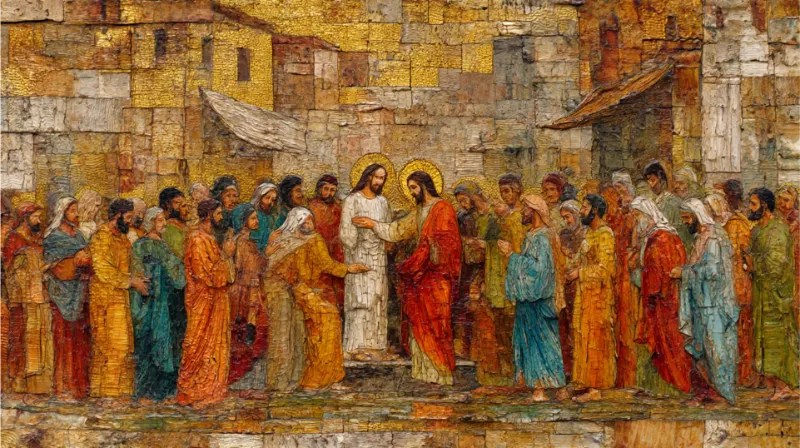
Acts 13:36
“Now when David had served God’s purpose in his own generation, he fell asleep; he was buried with his ancestors and his body decayed.”
Reflection: Paul says this in the synagogue at Pisidian Antioch, in a sermon about Jesus (Acts 13:14-16). David served God’s purpose “in his own generation,” then died, was buried and decayed. Paul sets him beside Jesus: “the one whom God raised from the dead did not see decay” (13:37).
A new life with a new aim
2 Corinthians 5:17
“Therefore, if anyone is in Christ, the new creation has come: The old has gone, the new is here!”
Reflection: Two verses earlier Paul states why Christ died: “that those who live should no longer live for themselves but for him who died for them and was raised again” (2 Corinthians 5:15). Verse 17 says that if anyone is in Christ, “the new creation has come.” In Paul’s argument, the new creation and the change of whom a person lives for belong together.

Ephesians 2:10
“For we are God’s handiwork, created in Christ Jesus to do good works, which God prepared in advance for us to do.”
Reflection: The verse follows “it is by grace you have been saved, through faith” and “not by works, so that no one can boast” (Ephesians 2:8-9). Paul places good works after salvation: God created his people in Christ for them, and prepared those works in advance.
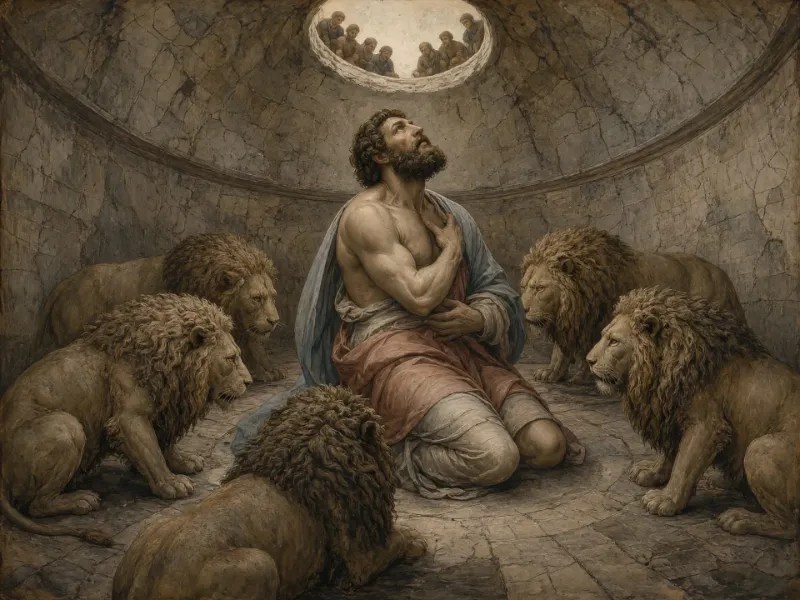
John 15:16
“You did not choose me, but I chose you and appointed you so that you might go and bear fruit—fruit that will last.”
Reflection: Jesus says this to his disciples, whom he has just called friends rather than servants (John 15:15). The verse is set between two forms of one command: “Love each other as I have loved you” (15:12) and “This is my command: Love each other” (15:17). The disciples did not choose Jesus; he chose them and appointed them to bear fruit.
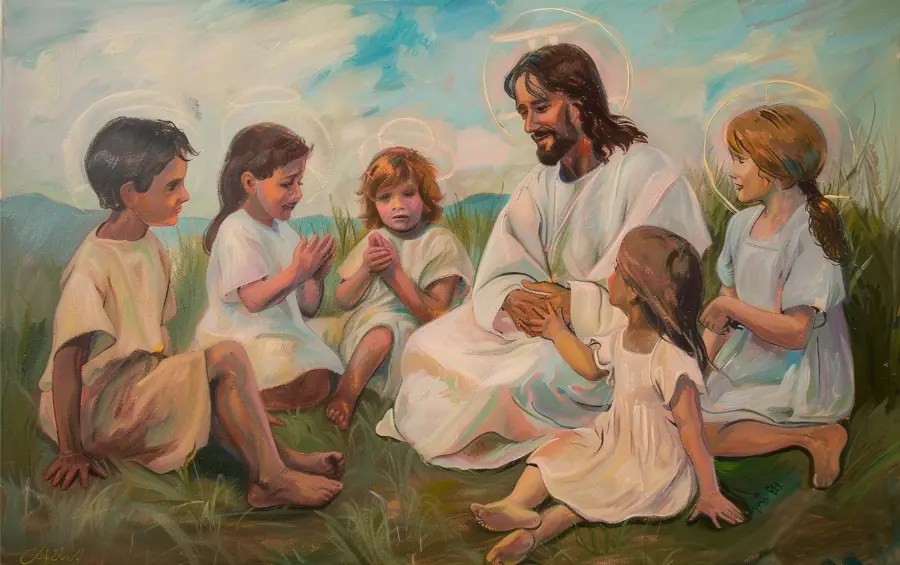
Romans 12:2
“Do not conform to the pattern of this world, but be transformed by the renewing of your mind. Then you will be able to test and approve what God’s will is—his good, pleasing and perfect will.”
Reflection: The verse continues Romans 12:1, where Paul urges the Romans to “offer your bodies as a living sacrifice” as their “true and proper worship.” Verse 2 adds the change in the mind, and the result follows from it: “Then you will be able to test and approve what God’s will is.”
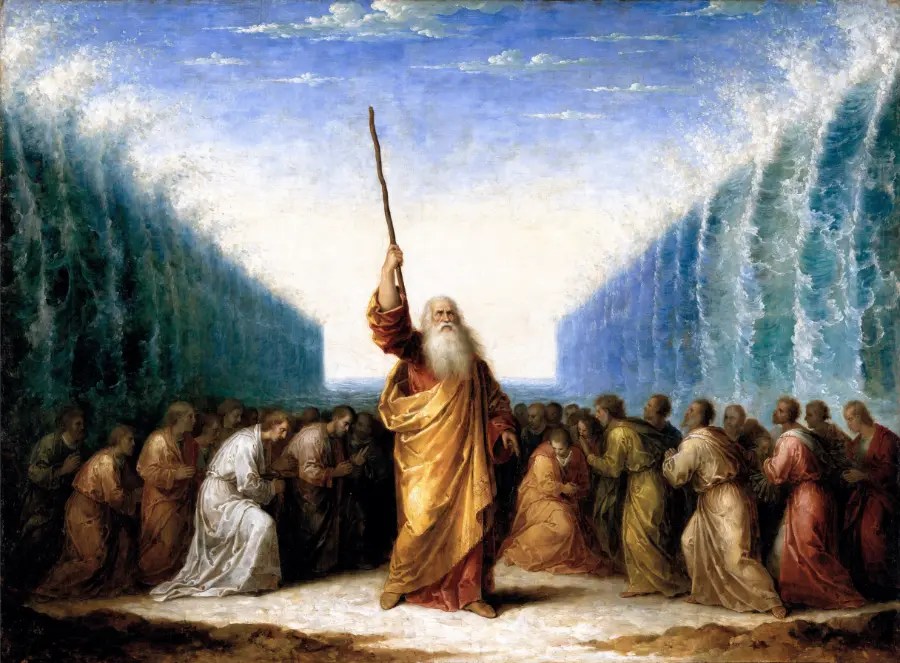
Matthew 6:33
“But seek first his kingdom and his righteousness, and all these things will be given to you as well.”
Reflection: In the Sermon on the Mount, Jesus is speaking about worry over food, drink and clothing. “The pagans run after all these things,” he says, “and your heavenly Father knows that you need them” (Matthew 6:32). Seeking God’s kingdom first is set against that pursuit, and “all these things” in verse 33 are the food, drink and clothing of verse 31.
Purpose in ordinary days

Micah 6:8
“He has shown you, O mortal, what is good. And what does the LORD require of you? To act justly and to love mercy and to walk humbly with your God.”
Reflection: The verses before ask what to bring before God: burnt offerings, calves a year old, thousands of rams, rivers of olive oil, even “my firstborn for my transgression” (Micah 6:6-7). The answer names three things, and none of them is an offering: justice, mercy and walking humbly with God.
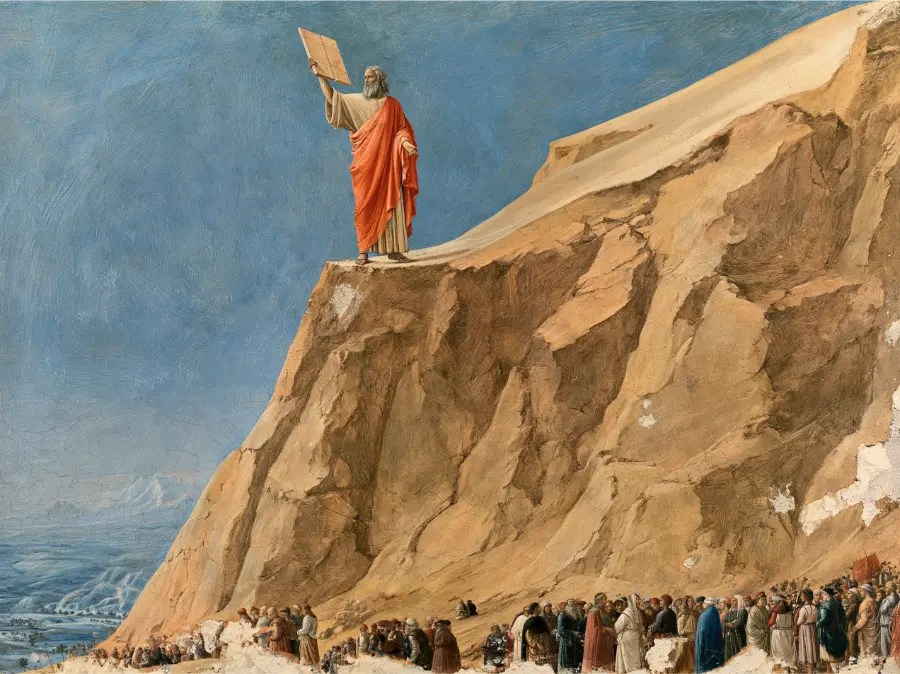
Matthew 5:16
“In the same way, let your light shine before others, that they may see your good deeds and glorify your Father in heaven.”
Reflection: Jesus has just told his hearers, “You are the salt of the earth” and “You are the light of the world” (Matthew 5:13-14). A lamp is put on its stand so it gives light to the house. The good deeds are seen by others, and the praise goes to “your Father in heaven.”
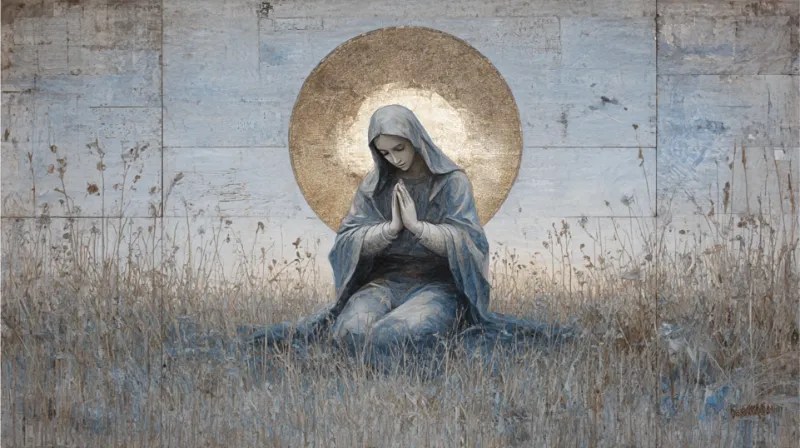
1 Corinthians 10:31
“So whether you eat or drink or whatever you do, do it all for the glory of God.”
Reflection: Paul is answering a question about eating meat that may have been offered in sacrifice to idols (1 Corinthians 10:25-28). “Whatever you do” widens a rule that began with eating and drinking. Two verses later he gives his own rule: “I am not seeking my own good but the good of many, so that they may be saved” (10:33).
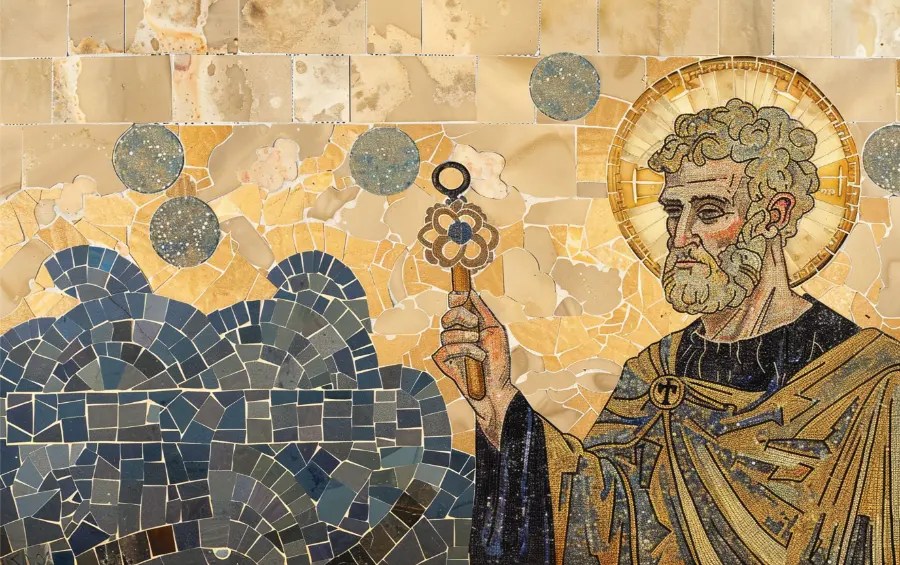
Colossians 3:23-24
“Whatever you do, work at it with all your heart, as working for the Lord, not for human masters, since you know that you will receive an inheritance from the Lord as a reward.”
Reflection: Paul addresses these words to slaves (Colossians 3:22), telling them to work “with sincerity of heart” and not only when watched. The phrase “whatever you do” reaches to work of every kind, and verse 24 goes on: “It is the Lord Christ you are serving.”
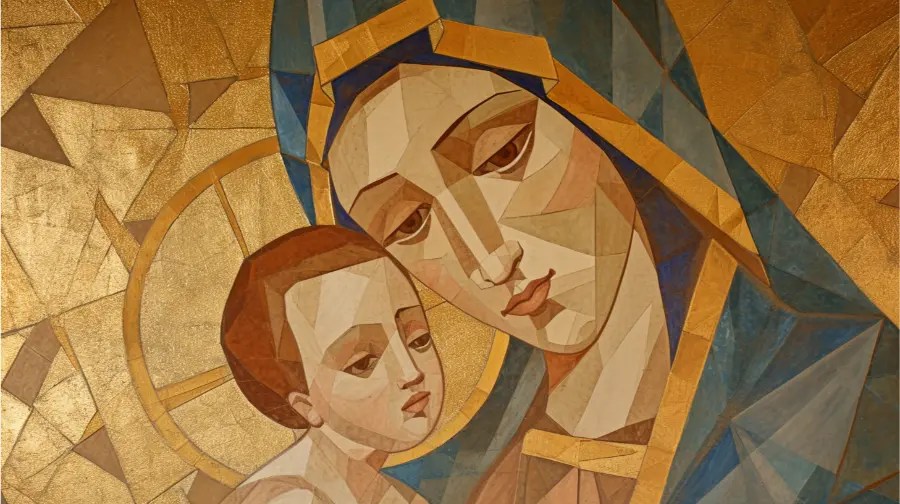
1 Peter 4:10
“Each of you should use whatever gift you have received to serve others, as faithful stewards of God’s grace in its various forms.”
Reflection: The paragraph opens, “The end of all things is near” (1 Peter 4:7), and lists prayer, love and hospitality before gifts. Verse 11 divides gifts into speaking and serving, and gives both one aim: “so that in all things God may be praised through Jesus Christ.”
Finishing the course
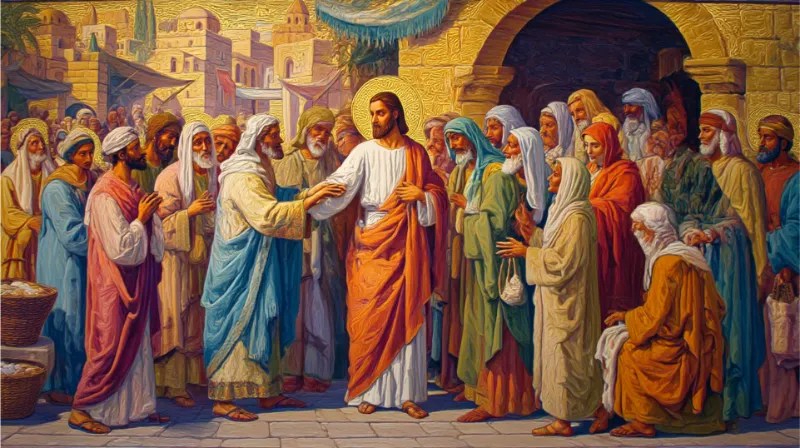
Philippians 3:14
“I press on toward the goal to win the prize for which God has called me heavenward in Christ Jesus.”
Reflection: Paul writes that he has not “already arrived at my goal” (Philippians 3:12). Forgetting what is behind and straining toward what is ahead, he presses on. The prize is the one “for which God has called me heavenward in Christ Jesus”, so the goal is set by God’s call.
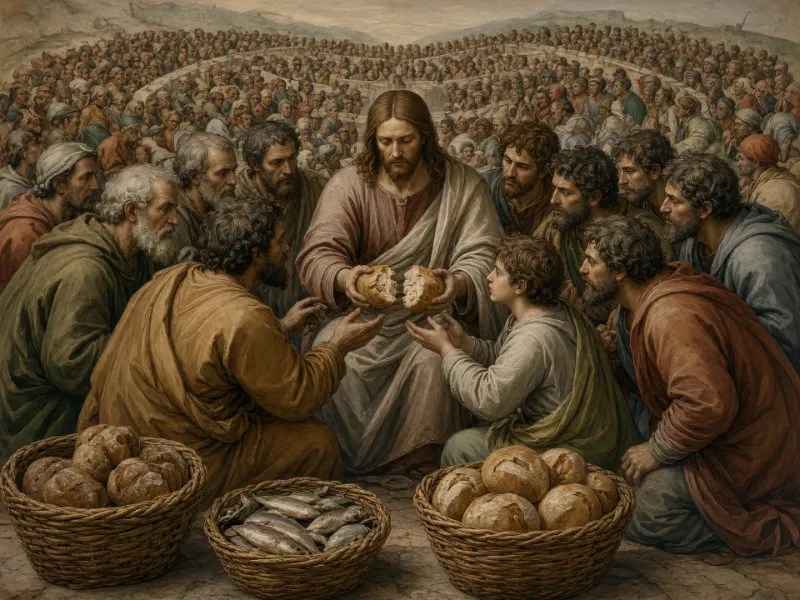
1 Corinthians 15:58
“Therefore, my dear brothers and sisters, stand firm. Let nothing move you. Always give yourselves fully to the work of the Lord, because you know that your labor in the Lord is not in vain.”
Reflection: The verse closes Paul’s chapter on the resurrection. Its “Therefore” follows “Death has been swallowed up in victory” and “thanks be to God! He gives us the victory through our Lord Jesus Christ” (1 Corinthians 15:54-57). The “Therefore” ties standing firm and laboring to that victory over death.
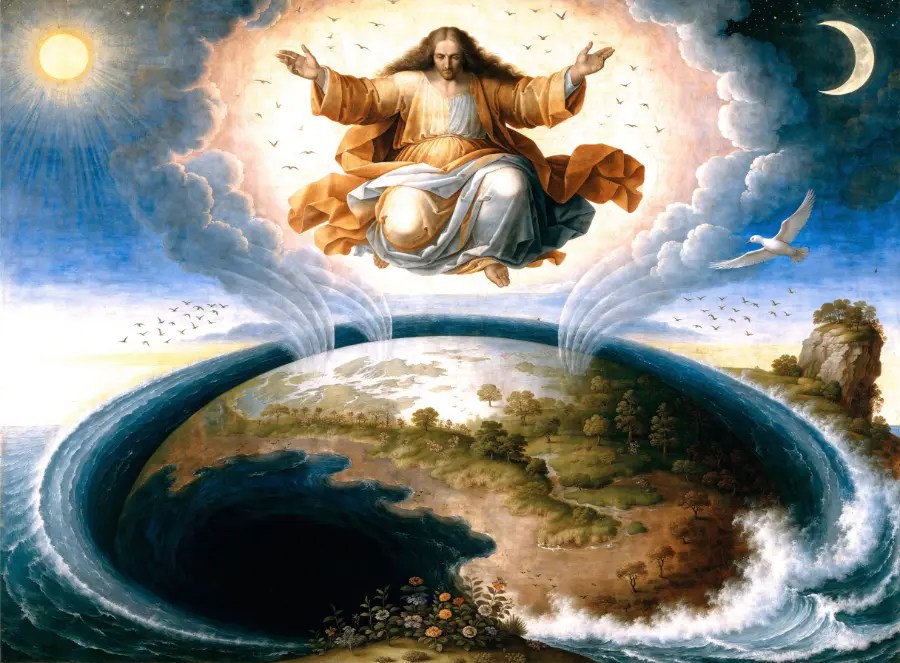
2 Timothy 4:7
“I have fought the good fight, I have finished the race, I have kept the faith.”
Reflection: Paul writes that he is “already being poured out like a drink offering, and the time for my departure is near” (2 Timothy 4:6). He looks back on his life in three statements: the fight fought, the race finished, the faith kept. Verse 8 says the crown of righteousness is for him and “also to all who have longed for his appearing.”


Leave a Reply