
 English
 Chinese
 Dutch
 Arabic
 Spanish
 Portuguese
 Russian
 French
 Italian
 German
 Japanese
The Bible asks for love that does not wait to be deserved, and it begins with God’s own love, given before anyone loved him back. John writes “We love because he first loved us” (1 John 4:19), and Paul says Christ died for people “while we were still sinners” (Romans 5:8).
Jesus applies the same pattern to enemies (Matthew 5:44) and to lending “without expecting to get anything back” (Luke 6:35), and Paul says love “keeps no record of wrongs” (1 Corinthians 13:5).
The command behind the rest is “Love your neighbor as yourself,” from Leviticus 19:18, which Jesus names as the second commandment (Mark 12:31). At the last supper he gives the disciples a new measure for it: “As I have loved you, so you must love one another” (John 13:34).
God’s love comes first, before anyone deserves it

Romans 5:8
“But God demonstrates his own love for us in this: While we were still sinners, Christ died for us.”
Reflection: Paul sets this against ordinary human love in the verse before: “Very rarely will anyone die for a righteous person, though for a good person someone might possibly dare to die.” The people Christ died for were neither; verse 6 calls them “powerless” and “ungodly,” and verse 10 calls them “God’s enemies.” The word “still” places his death before any change in them.
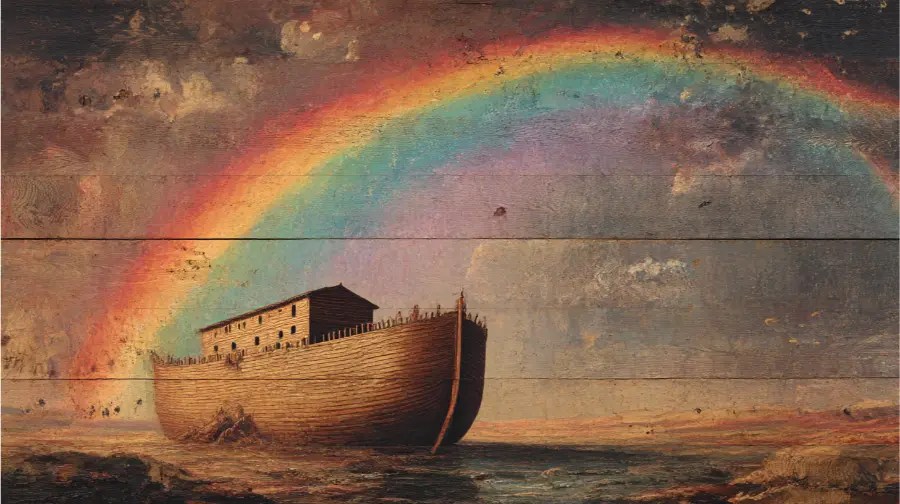
1 John 4:10
“This is love: not that we loved God, but that he loved us and sent his Son as an atoning sacrifice for our sins.”
Reflection: John defines love by what God did, and expressly not by human love for God. The next verse draws the conclusion for the reader: “Dear friends, since God so loved us, we also ought to love one another” (1 John 4:11).
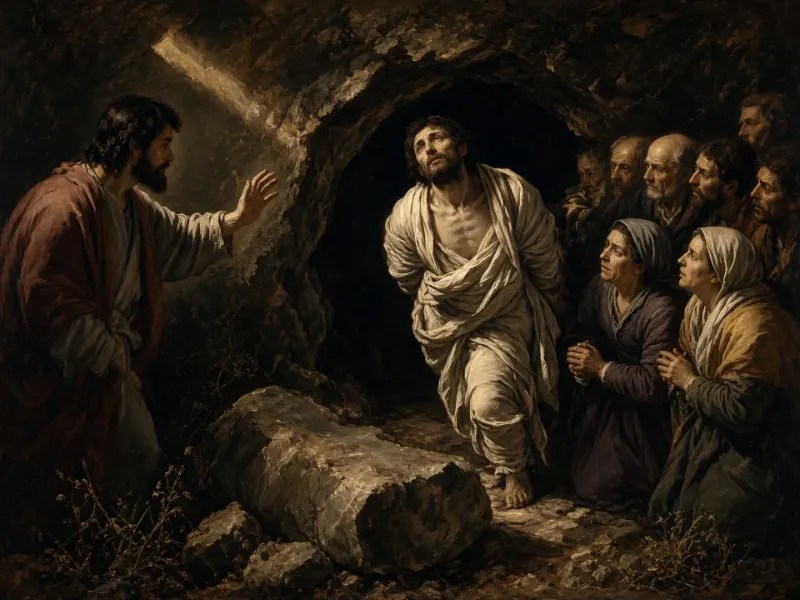
1 John 4:19
“We love because he first loved us.”
Reflection: John states the order plainly: God loved first, and human love answers. He goes straight on to a test: “Whoever claims to love God yet hates a brother or sister is a liar” (4:20), because a person who does not love someone they have seen cannot love God, whom they have not seen.
Love for enemies and for those who give nothing back

Matthew 5:44
“But I tell you, love your enemies and pray for those who persecute you.”
Reflection: In the Sermon on the Mount, Jesus sets this command against a saying his hearers knew: “Love your neighbor and hate your enemy” (5:43). The reason he gives is God’s own conduct: “He causes his sun to rise on the evil and the good, and sends rain on the righteous and the unrighteous” (5:45). Verse 46 adds that loving those who love you back is what tax collectors already do.
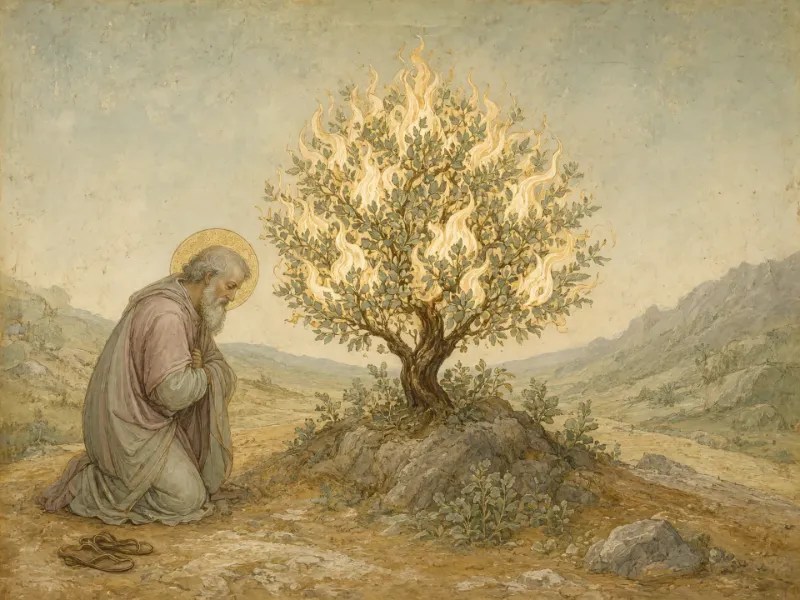
Luke 6:35
“But love your enemies, do good to them, and lend to them without expecting to get anything back. Then your reward will be great, and you will be children of the Most High, because he is kind to the ungrateful and wicked.”
Reflection: Luke’s account of the same teaching comes with examples: turning the other cheek, giving to everyone who asks, and lending without expecting repayment (6:29-35). “Even sinners love those who love them,” Jesus says (6:32). The reason in this verse is God’s kindness “to the ungrateful and wicked,” and the next verse follows from it: “Be merciful, just as your Father is merciful.”

Romans 12:20
“On the contrary: ‘If your enemy is hungry, feed him; if he is thirsty, give him something to drink. In doing this, you will heap burning coals on his head.’”
Reflection: Paul quotes Proverbs 25:21-22 and leaves off its last line, “and the Lord will reward you.” The verse before forbids revenge and leaves it to God (“It is mine to avenge; I will repay”), and the verse after closes the chapter: “Do not be overcome by evil, but overcome evil with good.” The same chapter opens its instructions with “Love must be sincere” (12:9).
The command to love one another

John 13:34-35
“A new command I give you: Love one another. As I have loved you, so you must love one another. By this everyone will know that you are my disciples, if you love one another.”
Reflection: Jesus gives this command at the last supper, after Judas has gone out into the night (13:30). Earlier in the meal he had washed the disciples’ feet, knowing “who was going to betray him” (13:11). The measure is “as I have loved you,” and the chapter opens by saying of that evening that “having loved his own who were in the world, he loved them to the end” (13:1).
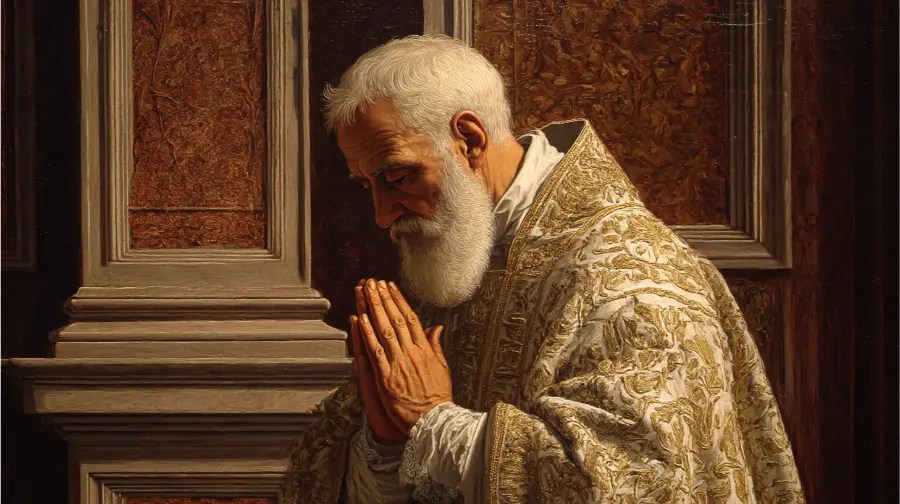
Mark 12:31
“The second is this: ‘Love your neighbor as yourself.’ There is no commandment greater than these.”
Reflection: A teacher of the law asked which commandment was the most important, and Jesus gave two; this second one quotes Leviticus 19:18. In Leviticus the neighbor is “anyone among your people,” but the same chapter gives the foreigner the same command: “Love them as yourself, for you were foreigners in Egypt” (Leviticus 19:34). In Luke a similar exchange leads to the question “And who is my neighbor?” and the parable of the good Samaritan (Luke 10:29-37).

1 John 3:18
“Dear children, let us not love with words or speech but with actions and in truth.”
Reflection: John has just named the pattern: “Jesus Christ laid down his life for us. And we ought to lay down our lives for our brothers and sisters” (3:16). Verse 17 gives a test case, a person with possessions who sees a brother or sister in need and has no pity. This verse is the conclusion John draws from it: love is shown in actions and in truth.
What love does with wrongs and hard times

1 Corinthians 13:5b-6
“…it is not easily angered, it keeps no record of wrongs. Love does not delight in evil but rejoices with the truth.”
Reflection: Paul’s description of love opens with “Love is patient, love is kind” (13:4), after verses 1-3 have set love above tongues, prophecy, knowledge, and even giving everything to the poor. In this part of the list love keeps no count of the wrongs done to it, yet it takes no pleasure in evil and sides with the truth.

1 Corinthians 13:7
“It always protects, always trusts, always hopes, always perseveres.”
Reflection: Every verb in the verse is governed by “always,” with no exception named. The next verse begins “Love never fails” and sets love against prophecies, tongues and knowledge, which will cease, be stilled and pass away (13:8).

1 Peter 4:8
“Above all, love each other deeply, because love covers over a multitude of sins.”
Reflection: Peter writes “The end of all things is near” (4:7) and puts love “above all” in the instructions that follow, which include offering hospitality “without grumbling” (4:9). The second half of the verse is close to Proverbs 10:12: “Hatred stirs up conflict, but love covers over all wrongs.”
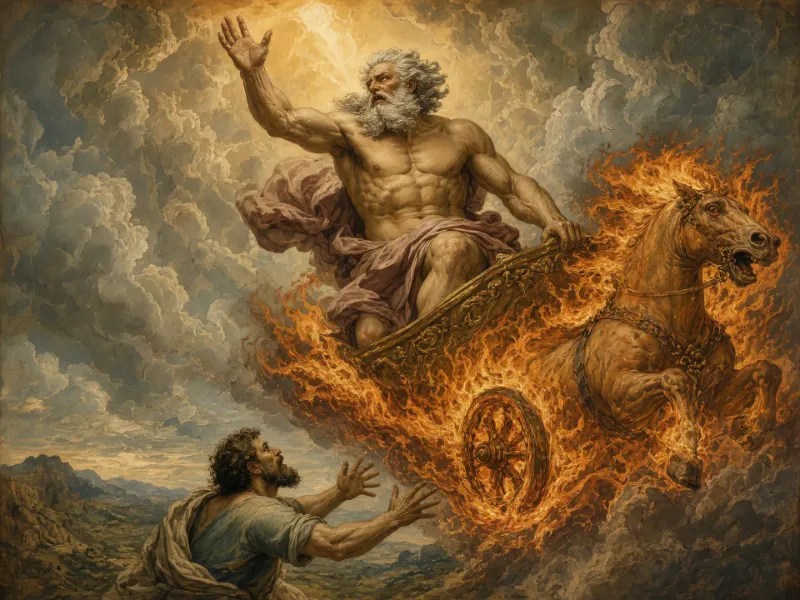
Colossians 3:13
“Bear with each other and forgive one another if any of you has a grievance against someone. Forgive as the Lord forgave you.”
Reflection: Paul addresses the Colossians first as “God’s chosen people, holy and dearly loved” (3:12) and then tells them to bear with and forgive one another, with the Lord’s forgiveness as the measure. The next verse puts love over all the other virtues in the list, as the one “which binds them all together in perfect unity” (3:14).
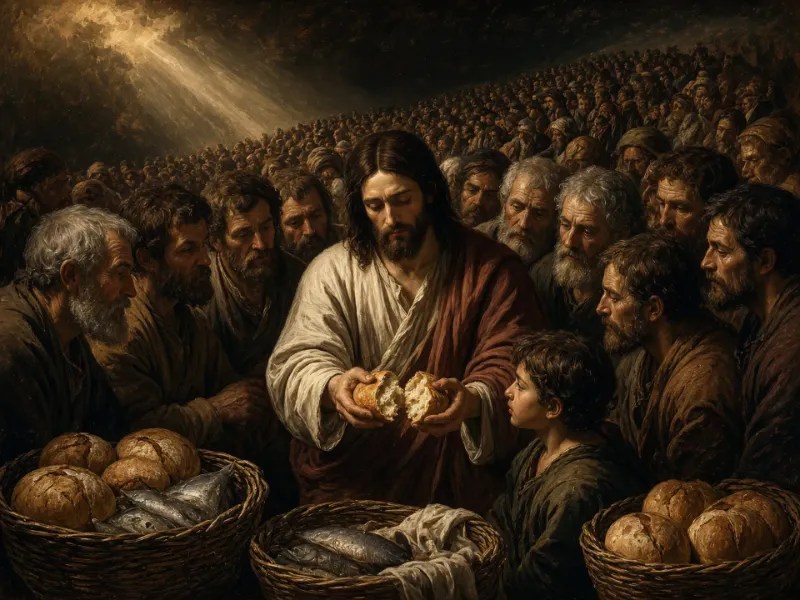
Proverbs 17:17
“A friend loves at all times, and a brother is born for a time of adversity.”
Reflection: A proverb about friends and family. The first line says a friend’s love holds “at all times,” and the second names the time when a brother proves what he is for: adversity.
Unconditional love and wrongdoing
Love that keeps no record of wrongs is not described as approving them. 1 Corinthians 13:6 says love “does not delight in evil but rejoices with the truth,” and Romans 12:9 sets “Love must be sincere” beside “Hate what is evil; cling to what is good.” Galatians 6:1 tells a church to restore a member caught in sin “gently.”
Romans 12:19-20 leaves the wrongdoer to God’s judgment; it and Matthew 5:44 give the wronged person something to do in the meantime: feed the enemy, give him a drink, pray for those who persecute.


Leave a Reply