
 English
 Chinese
 Dutch
 Arabic
 Spanish
 Portuguese
 Russian
 French
 Italian
 German
 Japanese
In the Bible, obedience is the answer God asks for when he speaks, and Scripture ties it to love, to faith and to hearing his word. Samuel tells King Saul that “to obey is better than sacrifice” (1 Samuel 15:22), and Jesus says, “If you love me, keep my commands” (John 14:15).
God offered Israel the covenant at Sinai on the condition of obedience (Exodus 19:5-6), James warns against hearing the word without doing it (James 1:22), and Paul describes Christ as “obedient to death” (Philippians 2:8). Scripture also asks obedience to parents, rulers and church leaders (Ephesians 6:1, Romans 13:1, Hebrews 13:17), and in Acts 5:29 the apostles refuse an order from the Sanhedrin: “We must obey God rather than human beings!”
Obedience in God’s covenant with Israel

Exodus 19:5-6
“Now if you obey me fully and keep my covenant, then out of all nations you will be my treasured possession. Although the whole earth is mine, you will be for me a kingdom of priests and a holy nation.”
Reflection: God speaks to Moses from the mountain after Israel has camped in the Desert of Sinai, and the offer is conditional: obey and keep the covenant, and Israel will be God’s treasured possession and “a kingdom of priests.” The people answer together, “We will do everything the Lord has said” (Exodus 19:8). Jeremiah 7:23 later recalls the same command from the exodus: “Obey me, and I will be your God and you will be my people.”
Deuteronomy 28:1
“If you fully obey the Lord your God and carefully follow all his commands I give you today, the Lord your God will set you high above all the nations on earth.”
Reflection: Moses opens Deuteronomy 28 with a condition: if Israel fully obeys, God will set it high above the nations. The next verse repeats the condition, “if you obey the Lord your God,” before a list of blessings, and verse 15 turns it around: the rest of the chapter lists the curses that follow if Israel does not obey. The obedience in view is the keeping of a covenant made with a nation, and the chapter states its consequences on both sides.

1 Samuel 15:22
“But Samuel replied: ‘Does the Lord delight in burnt offerings and sacrifices as much as in obeying the Lord? To obey is better than sacrifice, and to heed is better than the fat of rams.’”
Reflection: Saul was sent to destroy the Amalekites and kept back the best sheep and cattle, saying they were for a sacrifice at Gilgal. When Samuel asks why he did not obey, Saul insists, “But I did obey the Lord” (verse 20). Samuel’s reply sets the sacrifice against the command it broke, and verse 23 gives the outcome: “Because you have rejected the word of the Lord, he has rejected you as king.”
Obeying when God calls

Genesis 22:18
“And through your offspring all nations on earth will be blessed, because you have obeyed me.”
Reflection: The chapter opens, “Some time later God tested Abraham” (Genesis 22:1), with the command to offer Isaac on a mountain in Moriah. After Abraham does not withhold his son, the angel of the Lord repeats the promise that all nations will be blessed through his offspring and gives the reason: “because you have obeyed me.”
Hebrews 11:8
“By faith Abraham, when called to go to a place he would later receive as his inheritance, obeyed and went, even though he did not know where he was going.”
Reflection: Hebrews looks back to Genesis 12, where God tells Abram to go “to the land I will show you” and Abram goes. The writer joins obedience to faith in one sentence: Abraham obeyed “by faith” and set out without knowing the destination. The next verses add that he lived in tents in the promised land, looking forward to “the city with foundations, whose architect and builder is God” (Hebrews 11:10).

Luke 1:38
“’I am the Lord’s servant,’ Mary answered. ‘May your word to me be fulfilled.’ Then the angel left her.”
Reflection: Mary gives this answer after the angel Gabriel tells her she will conceive by the Holy Spirit, and after his last words to her, “For no word from God will ever fail” (Luke 1:37). She calls herself the Lord’s servant and asks for that word to be fulfilled in her. The angel leaves once she has answered.
Love shown by keeping God’s commands
Deuteronomy 11:1
“Love the Lord your God and keep his requirements, his decrees, his laws and his commands always.”
Reflection: Moses puts love and keeping the commands in the same sentence, and the list of what to keep (requirements, decrees, laws, commands) is to be kept “always.” The following verse tells those listening to remember the discipline of the Lord that they saw and their children did not.

John 14:15
“If you love me, keep my commands.”
Reflection: Jesus speaks this at the evening meal before the Passover, on the night Judas betrays him (John 13:1-2). The next verse attaches a promise to the command: “And I will ask the Father, and he will give you another advocate to help you and be with you forever.” A few verses on, Jesus repeats the link from the other direction: “Whoever has my commands and keeps them is the one who loves me” (John 14:21).

John 14:23
“Jesus replied, ‘Anyone who loves me will obey my teaching. My Father will love them, and we will come to them and make our home with them.’”
Reflection: Judas (not Judas Iscariot) has asked why Jesus will show himself to the disciples and not to the world. Jesus answers with obedience: the one who loves him will obey his teaching, and the Father and the Son will “make our home with them.” The next verse gives the reverse case, “Anyone who does not love me will not obey my teaching.”
John 15:10
“If you keep my commands, you will remain in my love, just as I have kept my Father’s commands and remain in his love.”
Reflection: Jesus gives his own obedience as the pattern: he has kept his Father’s commands and remains in the Father’s love, and the disciples will remain in his love the same way. Two verses later he names the command he means: “Love each other as I have loved you” (John 15:12).

1 John 5:3
“In fact, this is love for God: to keep his commands. And his commands are not burdensome.”
Reflection: John defines love for God as keeping his commands and adds that they are not burdensome. Verse 4 gives the reason: “for everyone born of God overcomes the world,” and the victory that overcomes the world is “our faith.”
2 John 1:6
“And this is love: that we walk in obedience to his commands. As you have heard from the beginning, his command is that you walk in love.”
Reflection: Writing to “the dear lady” and her children, John makes the two definitions turn into each other: love is walking in obedience to God’s commands, and the command is to walk in love. Verse 5 names the command as one they have had from the beginning: “I ask that we love one another.”
Hearing the word and doing it
Luke 11:28
“He replied, ‘Blessed rather are those who hear the word of God and obey it.’”
Reflection: A woman in the crowd calls out a blessing on the mother who bore and nursed Jesus. Jesus answers with “Blessed rather” and gives the blessing to those who hear God’s word and obey it.
James 1:22
“Do not merely listen to the word, and so deceive yourselves. Do what it says.”
Reflection: James compares a hearer who does not act to someone who looks in a mirror and at once forgets his own face (James 1:23-24). The alternative follows in verse 25: whoever looks into “the perfect law that gives freedom” and keeps doing it “will be blessed in what they do.” The self-deception James warns of is thinking that listening is enough.
Matthew 7:21
“Not everyone who says to me, ‘Lord, Lord,’ will enter the kingdom of heaven, but only the one who does the will of my Father who is in heaven.”
Reflection: Near the end of the Sermon on the Mount, Jesus says that calling him “Lord, Lord” is not enough, and the next verses name people who prophesied and drove out demons in his name and whom he never knew. He goes on to the wise man who built on the rock: “everyone who hears these words of mine and puts them into practice” (Matthew 7:24).
The obedience of Christ

Philippians 2:8
“And being found in appearance as a man, he humbled himself by becoming obedient to death— even death on a cross!”
Reflection: Paul sets this line in a passage urging the Philippians to have “the same mindset as Christ Jesus” in their relationships with one another (Philippians 2:5). Christ, who was in very nature God, took the nature of a servant and obeyed as far as death on a cross. The next verse begins “Therefore God exalted him to the highest place.”
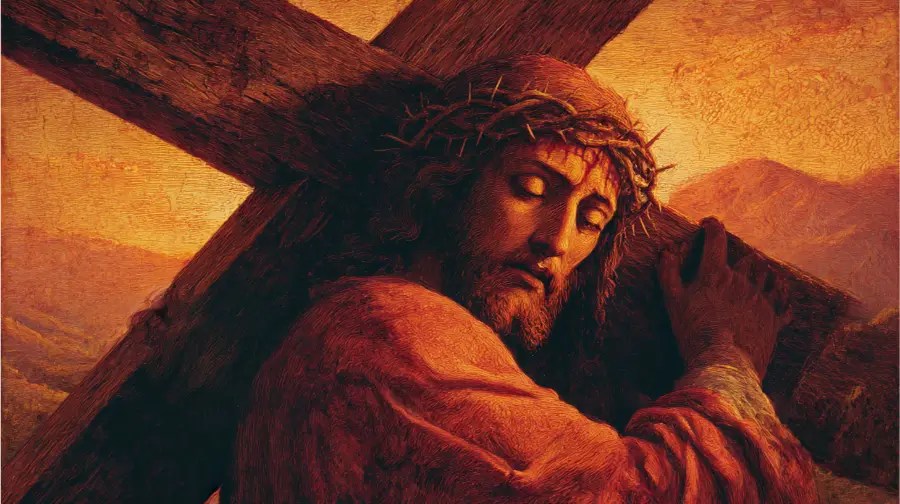
Hebrews 5:8
“Son though he was, he learned obedience from what he suffered.”
Reflection: The verse before describes Jesus praying “with fervent cries and tears” to the one who could save him from death. The writer says that the Son learned obedience through what he suffered, and the sentence runs on into verse 9: once made perfect, “he became the source of eternal salvation for all who obey him.”

Romans 5:19
“For just as through the disobedience of the one man the many were made sinners, so also through the obedience of the one man the many will be made righteous.”
Reflection: Paul compares two men. The disobedience of the first, Adam (named in Romans 5:14), made the many sinners, and the obedience of the second, Christ, will make the many righteous. The verse before puts it as “one trespass” set against “one righteous act.”
Called to obey Christ and the truth
Romans 1:5
“Through him we received grace and apostleship to call all the Gentiles to the obedience that comes from faith for his name’s sake.”
Reflection: The phrase “the obedience that comes from faith” comes in Paul’s opening greeting to the Romans, describing the purpose of his apostleship among the Gentiles. Later in the same letter he thanks God that the Roman Christians, once slaves to sin, “have come to obey from your heart the pattern of teaching that has now claimed your allegiance” (Romans 6:17).
2 Corinthians 10:5
“We demolish arguments and every pretension that sets itself up against the knowledge of God, and we take captive every thought to make it obedient to Christ.”
Reflection: Paul is answering people in Corinth “who think that we live by the standards of this world” (2 Corinthians 10:2). He says his weapons are not the world’s, and the obedience he describes reaches as far as a person’s thoughts. In the next verse Paul says he will punish every act of disobedience “once your obedience is complete,” that is, once the Corinthian church itself has fully obeyed.

1 Peter 1:22
“Now that you have purified yourselves by obeying the truth so that you have sincere love for each other, love one another deeply, from the heart.”
Reflection: Peter addresses his readers a few verses earlier “as obedient children” who are to be holy because God is holy (1 Peter 1:14-16). Here obeying the truth is what has purified them, “so that you have sincere love for each other,” and the same verse commands that love: “love one another deeply, from the heart.”
Obeying parents, rulers and leaders
Ephesians 6:1
“Children, obey your parents in the Lord, for this is right.”
Reflection: Paul addresses children directly and adds “in the Lord.” He then quotes the commandment “Honor your father and mother,” calling it “the first commandment with a promise” (Ephesians 6:2), and in verse 4 turns to fathers: “do not exasperate your children.”
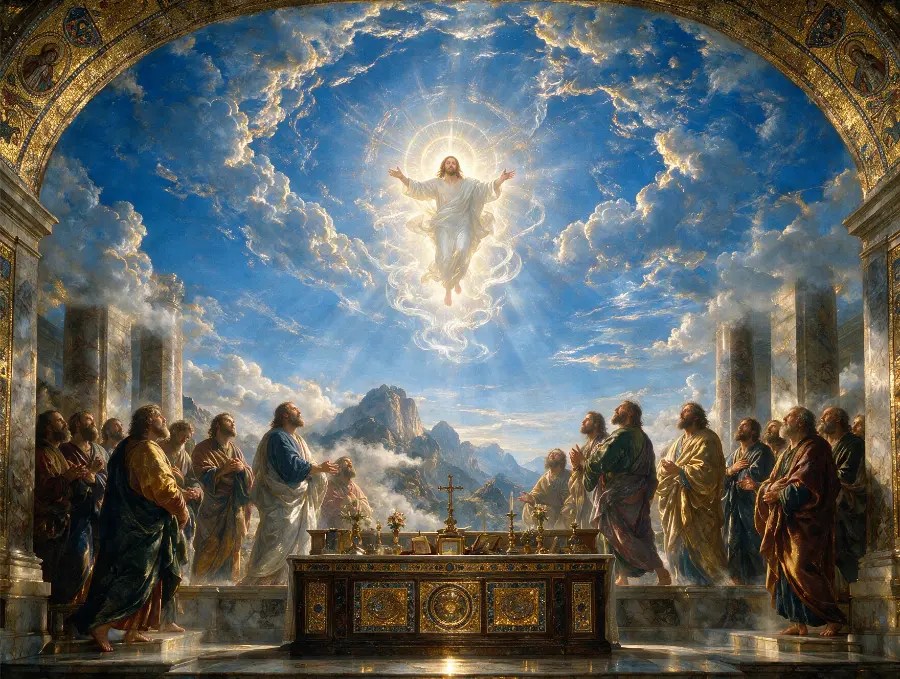
Proverbs 3:1-2
“My son, do not forget my teaching, but keep my commands in your heart, for they will prolong your life many years and bring you peace and prosperity.”
Reflection: A father tells his son to keep his commands in his heart and says that following them will bring him long life and peace. In verse 3 the father names two qualities the son should keep that close, love and faithfulness, and tells him to write them “on the tablet of your heart.”
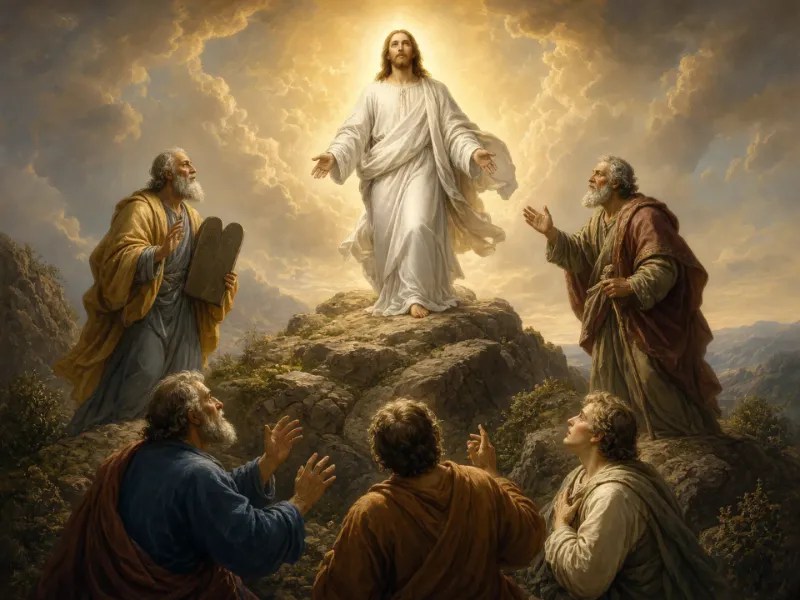
Romans 13:1
“Let everyone be subject to the governing authorities, for there is no authority except that which God has established. The authorities that exist have been established by God.”
Reflection: Paul grounds submission to governing authorities in God having established them, and in the following verses he calls the ruler “God’s servant for your good.” Verse 5 gives two reasons to submit: “not only because of possible punishment but also as a matter of conscience.”
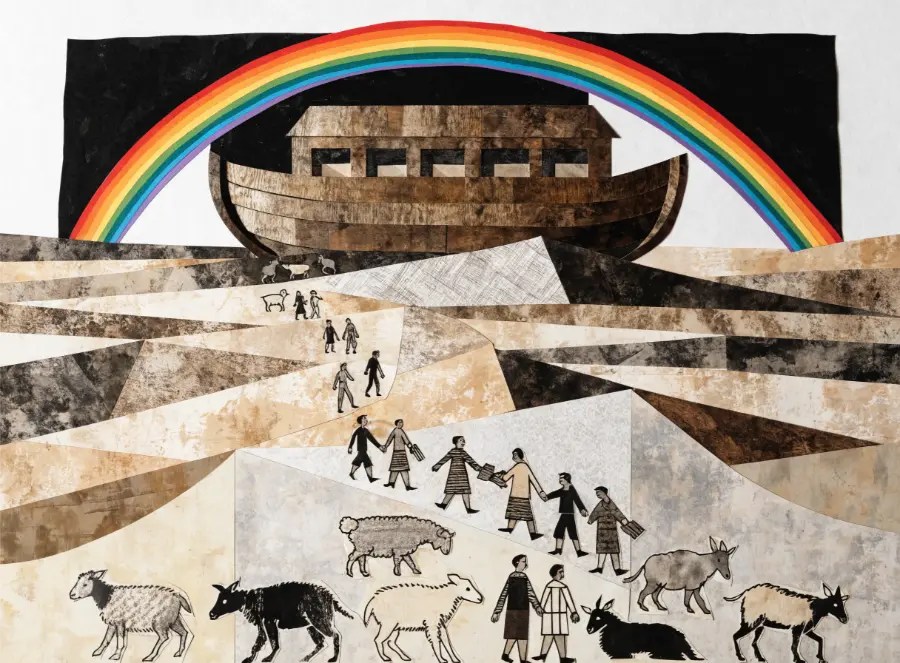
Hebrews 13:17
“Have confidence in your leaders and submit to their authority, because they keep watch over you as those who must give an account. Do this so that their work will be a joy, not a burden, for that would be of no benefit to you.”
Reflection: The reason given for submitting to church leaders is their responsibility: they keep watch over the church and “must give an account.” The verse also names the effect on the leaders, whose work should be a joy and not a burden, and says a burden would be of no benefit to the church itself.

Acts 5:29
“Peter and the other apostles replied: ‘We must obey God rather than human beings!’”
Reflection: The high priest reminds the apostles before the Sanhedrin that they were given “strict orders not to teach in this name.” Peter and the others answer with this sentence and go on to preach the resurrection to the council itself. Their answer ends by naming the Holy Spirit, “whom God has given to those who obey him” (Acts 5:32).


Leave a Reply