
 English
 Chinese
 Dutch
 Arabic
 Spanish
 Portuguese
 Russian
 French
 Italian
 German
 Japanese
Scripture says that God is love, and that loving him and loving one’s neighbour are the two greatest commandments. Those two statements come from 1 John 4:8 and from Jesus’ answer in Matthew 22:37-39. God showed his love by sending his Son (John 3:16), and Jesus told his disciples to love one another as he had loved them (John 13:34-35).
Catholic teaching calls love of God and neighbour charity. The Catechism of the Catholic Church defines it as “the theological virtue by which we love God above all things for his own sake, and our neighbor as ourselves for the love of God” (CCC 1822), and in the paragraphs that follow it quotes John 15:9-10, 1 Corinthians 13:4-7 and 1 Corinthians 13:13.
How God showed his love

John 3:16
“For God so loved the world that he gave his only Son, that whoever believes in him should not perish but have eternal life.”
Reflection: The verse comes in John’s account of Jesus’ conversation with Nicodemus, a Pharisee who came to him by night (John 3:1-2). The RSVCE closes Jesus’ words at verse 15 and prints verse 16 as the Gospel writer’s comment; the Greek has no quotation marks, so where the speech ends is a translator’s decision. Verse 14 compares the Son of man being lifted up to Moses lifting up the serpent in the wilderness, and verse 17 says God sent the Son “not to condemn the world, but that the world might be saved through him.”

Romans 5:8
“But God shows his love for us in that while we were yet sinners Christ died for us.”
Reflection: Paul sets the verse against ordinary human love: “one will hardly die for a righteous man” (Romans 5:7). God’s love is shown in Christ dying for people who were still sinners, and verse 10 goes further: “while we were enemies we were reconciled to God by the death of his Son.” The Catechism uses the same point in its paragraphs on charity: “Christ died out of love for us, while we were still ‘enemies’” (CCC 1825).

1 John 4:9-10
“In this the love of God was made manifest among us, that God sent his only Son into the world, so that we might live through him. In this is love, not that we loved God but that he loved us and sent his Son to be the expiation for our sins.”
Reflection: John defines love by what God did before anyone loved him back: he sent his Son “to be the expiation for our sins.” The next verse draws the consequence for the readers, “if God so loved us, we also ought to love one another,” and verse 19 puts it briefly: “We love, because he first loved us.”
Loving God

Matthew 22:37-38
“And he said to him, ‘You shall love the Lord your God with all your heart, and with all your soul, and with all your mind. This is the great and first commandment.’”
Reflection: A lawyer among the Pharisees asks Jesus, to test him, which is the great commandment in the law. Jesus answers with Deuteronomy 6:5, the words that follow “Hear, O Israel: The Lord our God is one Lord,” and then adds a second without being asked: “You shall love your neighbor as yourself” (Matthew 22:39). “On these two commandments depend all the law and the prophets” (22:40). The Catechism’s definition of charity in CCC 1822 follows the same two commandments.

John 14:15
“If you love me, you will keep my commandments.”
Reflection: Jesus says this at the supper on the night he was arrested, and in the next verses he promises “another Counselor,” the Spirit of truth, to be with the disciples for ever. Later in the chapter he states the link the other way round: “He who has my commandments and keeps them, he it is who loves me” (John 14:21). The Catechism joins love and obedience in the same way, quoting John 15:9-10 in its paragraphs on charity (CCC 1824).
1 John 5:3
“For this is the love of God, that we keep his commandments. And his commandments are not burdensome.”
Reflection: John has just said that the way to know we love the children of God is “when we love God and obey his commandments” (1 John 5:2). He adds that the commandments are not burdensome, and verse 4 gives the reason: “whatever is born of God overcomes the world.”
Loving one another
John 13:34-35
“A new commandment I give to you, that you love one another; even as I have loved you, that you also love one another. By this all men will know that you are my disciples, if you have love for one another.”
Reflection: Jesus gives this command at the supper, after Judas has gone out into the night and just after telling the disciples, “yet a little while I am with you” (John 13:33). Love of neighbour was already commanded in the Law; the measure given here is Jesus’ own love, “even as I have loved you.” The Catechism summarises the passage in one line: “Jesus makes charity the new commandment” (CCC 1823).
1 John 4:7-8
“Beloved, let us love one another; for love is of God, and he who loves is born of God and knows God. He who does not love does not know God; for God is love.”
Reflection: “God is love” appears twice in this chapter, here and in verse 16. Here it grounds a demand: love is of God, so a person who does not love does not know him. In verse 16 it is followed by a promise: “he who abides in love abides in God, and God abides in him.” Verse 20 is blunter: “If any one says, ‘I love God,’ and hates his brother, he is a liar.”
Romans 13:8
“Owe no one anything, except to love one another; for he who loves his neighbor has fulfilled the law.”
Reflection: Paul tells the Romans to owe no one anything except love of one another, and gives the reason in the same verse: whoever loves his neighbour has fulfilled the law. The next verse lists four of the Ten Commandments and says they, “and any other commandment,” are summed up in “You shall love your neighbor as yourself,” and verse 10 concludes that “love is the fulfilling of the law.”

1 Peter 4:8
“Above all hold unfailing your love for one another, since love covers a multitude of sins.”
Reflection: Peter sets this after “The end of all things is at hand; therefore keep sane and sober for your prayers” (1 Peter 4:7), and follows it with a practical instance: “Practice hospitality ungrudgingly to one another” (4:9). The phrase about covering sins echoes Proverbs 10:12, “Hatred stirs up strife, but love covers all offenses.”
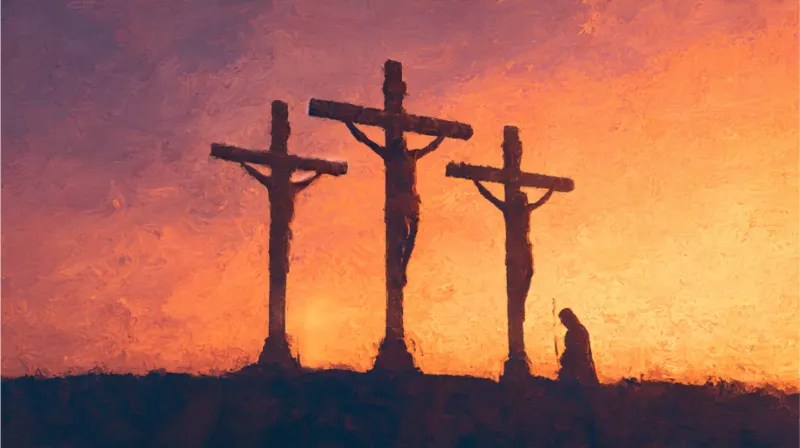
Matthew 5:44
“But I say to you, Love your enemies and pray for those who persecute you.”
Reflection: In the Sermon on the Mount, Jesus sets this command against the saying “You shall love your neighbor and hate your enemy” (Matthew 5:43). The reason he gives is God’s own conduct: the Father “makes his sun rise on the evil and on the good.” Loving only those who love back, he says, is something tax collectors already do. The Catechism draws on this teaching when it says “The Lord asks us to love as he does, even our enemies” (CCC 1825).
What love is like
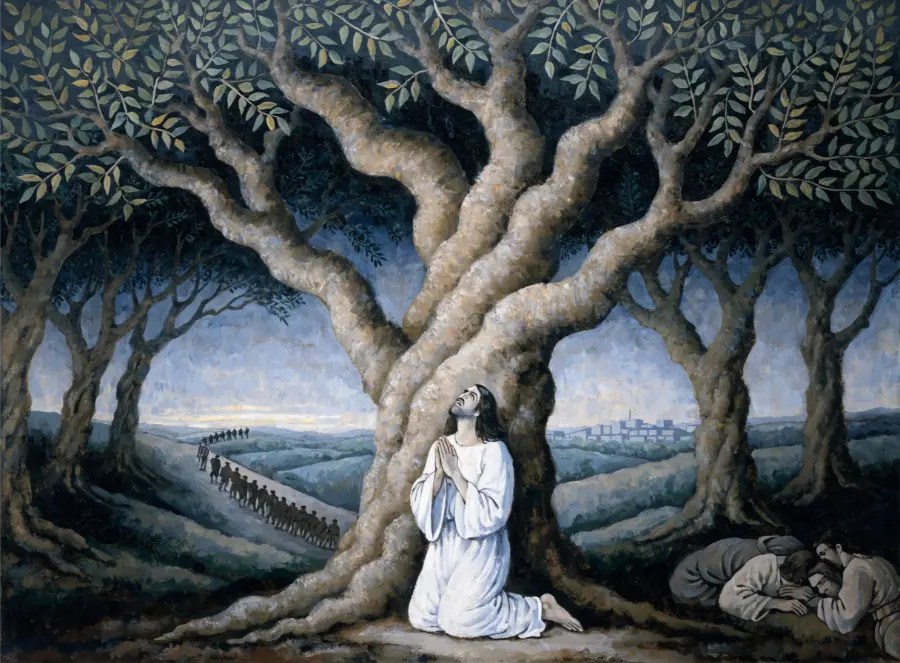
1 Corinthians 13:4-7
“Love is patient and kind; love is not jealous or boastful; it is not arrogant or rude. Love does not insist on its own way; it is not irritable or resentful; it does not rejoice at wrong, but rejoices in the right. Love bears all things, believes all things, hopes all things, endures all things.”
Reflection: Paul has spent the previous chapter on spiritual gifts (1 Corinthians 12:1). He first says that tongues, prophecy, knowledge and even giving away everything amount to nothing without love (13:1-3), and then describes love almost entirely by what it does and refuses to do. The Catechism quotes these verses in full as the Apostle’s depiction of charity, with “charity” in place of “love”: “charity is patient and kind” (CCC 1825).
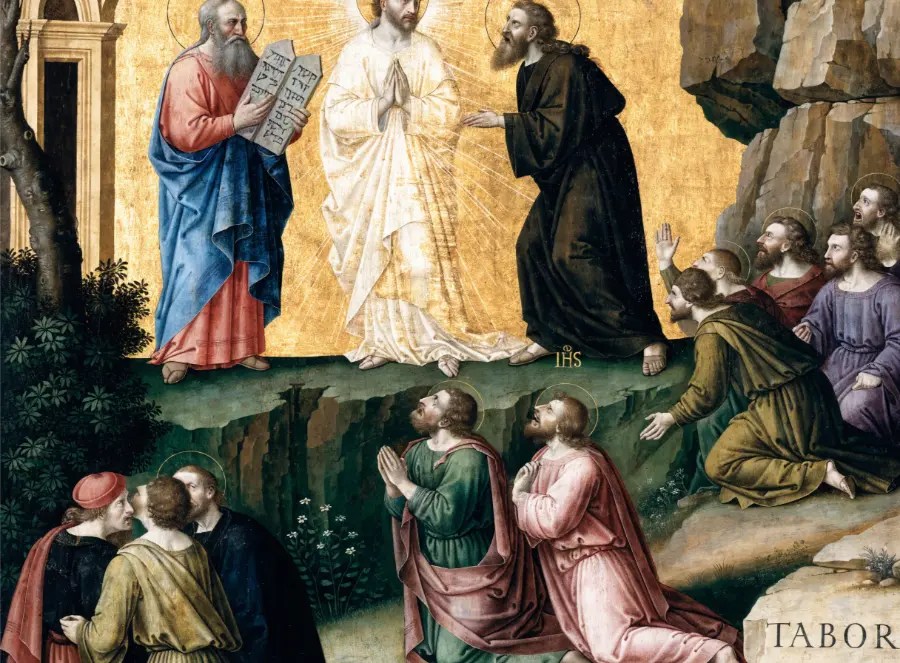
1 Corinthians 13:13
“So faith, hope, love abide, these three; but the greatest of these is love.”
Reflection: The chapter ends by comparing love with the gifts Paul has been discussing. Prophecies will pass away, tongues will cease and knowledge will pass away (13:8), but faith, hope and love abide, and love is ranked above the other two. The Catechism quotes this verse when it calls charity the first of the theological virtues (CCC 1826).
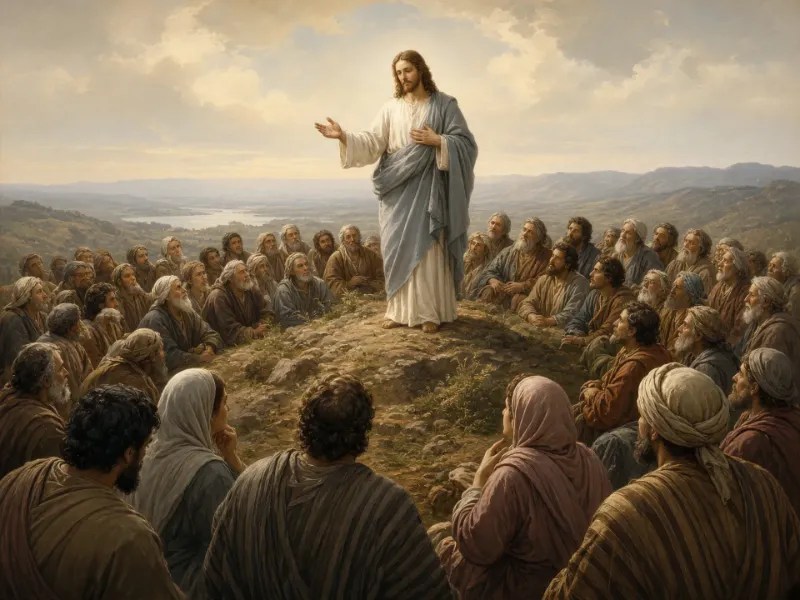
Galatians 5:22-23
“But the fruit of the Spirit is love, joy, peace, patience, kindness, goodness, faithfulness, gentleness, self-control; against such there is no law.”
Reflection: Love heads the list of the fruit of the Spirit, which Paul sets against the works of the flesh, among them “enmity, strife, jealousy, anger” (Galatians 5:20). A few verses earlier he has already said that “the whole law is fulfilled in one word, ‘You shall love your neighbor as yourself’” (5:14).

Colossians 3:14
“And above all these put on love, which binds everything together in perfect harmony.”
Reflection: The verse finishes a list of things to put on: compassion, kindness, lowliness, meekness and patience, forbearing and forgiving one another (Colossians 3:12-13), and above all of these, love. The Catechism quotes the verse’s closing words when it calls charity “the form of all the virtues” (CCC 1844).
Laying down one’s life
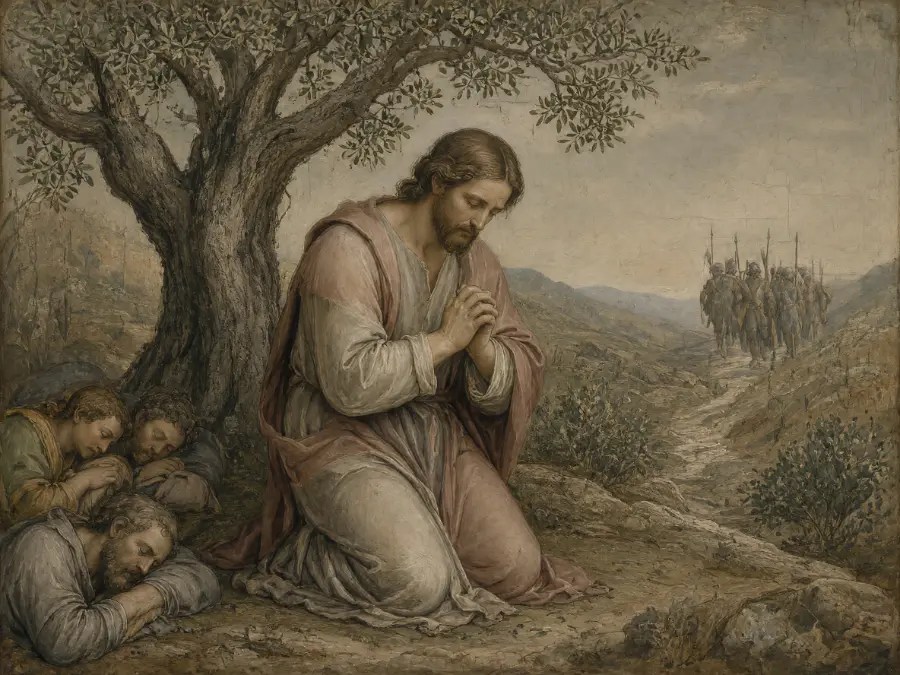
John 15:13
“Greater love has no man than this, that a man lay down his life for his friends.”
Reflection: Jesus says this at the supper on the night of his arrest, in the teaching that ends when he goes out to the garden across the Kidron valley (John 18:1), directly after repeating his command, “love one another as I have loved you” (John 15:12). He goes on to call the disciples his friends, “if you do what I command you” (15:14). John’s account of his arrest and crucifixion follows in chapters 18 and 19.

1 John 3:16
“By this we know love, that he laid down his life for us; and we ought to lay down our lives for the brethren.”
Reflection: John points to the cross as the definition of love and draws a duty from it for the readers. The next verse makes it practical: “if any one has the world’s goods and sees his brother in need, yet closes his heart against him, how does God’s love abide in him?” Verse 18 adds: “let us not love in word or speech but in deed and in truth.”


Leave a Reply