
 English
 Chinese
 Dutch
 Arabic
 Spanish
 Portuguese
 Russian
 French
 Italian
 German
 Japanese
The Bible’s commands about relationships come back to love for other people. Jesus names “Love your neighbor as yourself” as the second of the two greatest commandments, after love for God (Matthew 22:37-39), and Paul says the whole law is fulfilled in it (Galatians 5:14).
Scripture speaks to marriage in Genesis 2:24 and Ephesians 5:25, to friends in Ecclesiastes 4:9-12, to parents and children in Ephesians 6:4, to speech in James 1:19, to quarrels in Matthew 5:23-24 and Matthew 18:15, and to life among believers in Galatians 6:2 and Philippians 2:3-4.
What love does in any relationship

1 Corinthians 13:4-7
“Love is patient, love is kind. It does not envy, it does not boast, it is not proud. It does not dishonor others, it is not self-seeking, it is not easily angered, it keeps no record of wrongs. Love does not delight in evil but rejoices with the truth. It always protects, always trusts, always hopes, always perseveres.”
Reflection: Paul wrote these verses to the church at Corinth, and the verses just before them set love against tongues, prophecy, knowledge and even giving everything away, all worth nothing without it (13:1-3). The list that follows describes what love does and refuses to do: it is patient and kind, and it keeps no record of wrongs. Verse 8 adds, “Love never fails.”
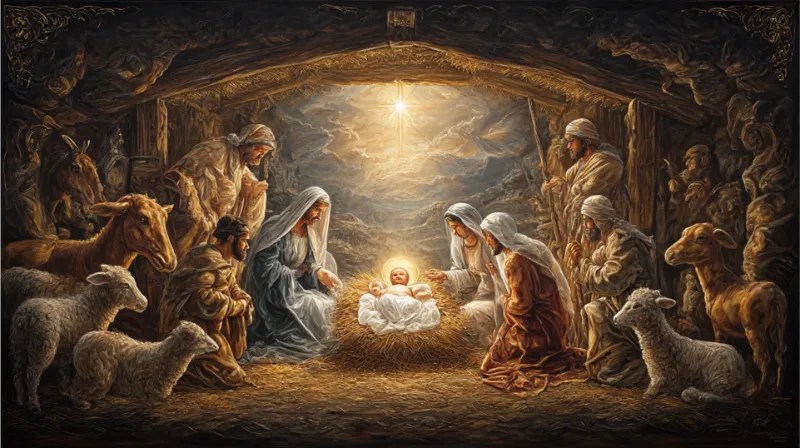
John 13:34-35
“A new command I give you: Love one another. As I have loved you, so you must love one another. By this everyone will know that you are my disciples, if you love one another.”
Reflection: Jesus gives this command at the meal in John 13, after Judas has gone out into the night (John 13:30) and just after telling the disciples, “I will be with you only a little longer” (13:33). The measure it sets is “As I have loved you.” Verse 35 makes that love the sign by which everyone will recognise his disciples.

1 John 4:7-8
“Dear friends, let us love one another, for love comes from God. Everyone who loves has been born of God and knows God. Whoever does not love does not know God, because God is love.”
Reflection: The letter grounds love between believers in what God is: “God is love.” The verses that follow say how that love was shown, in God sending “his one and only Son,” and draw the conclusion themselves: “since God so loved us, we also ought to love one another” (4:11).
Husbands and wives
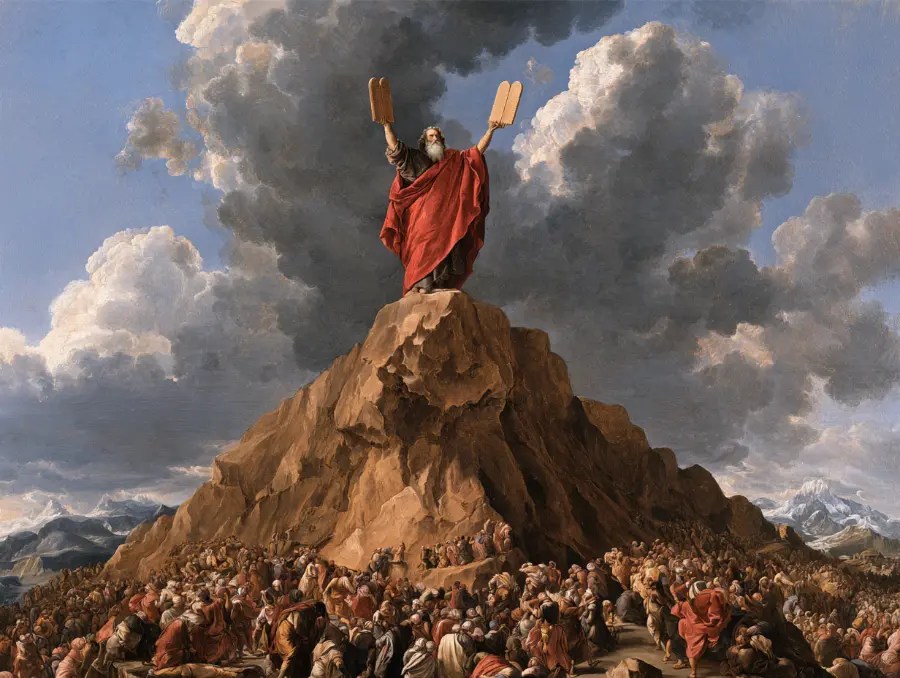
Genesis 2:24
“That is why a man leaves his father and mother and is united to his wife, and they become one flesh.”
Reflection: The verse closes the account of the woman’s creation, which begins with God saying, “It is not good for the man to be alone” (Genesis 2:18). Jesus quotes it when Pharisees ask him about divorce and adds, “Therefore what God has joined together, let no one separate” (Mark 10:9), and Paul quotes it in Ephesians 5:31.
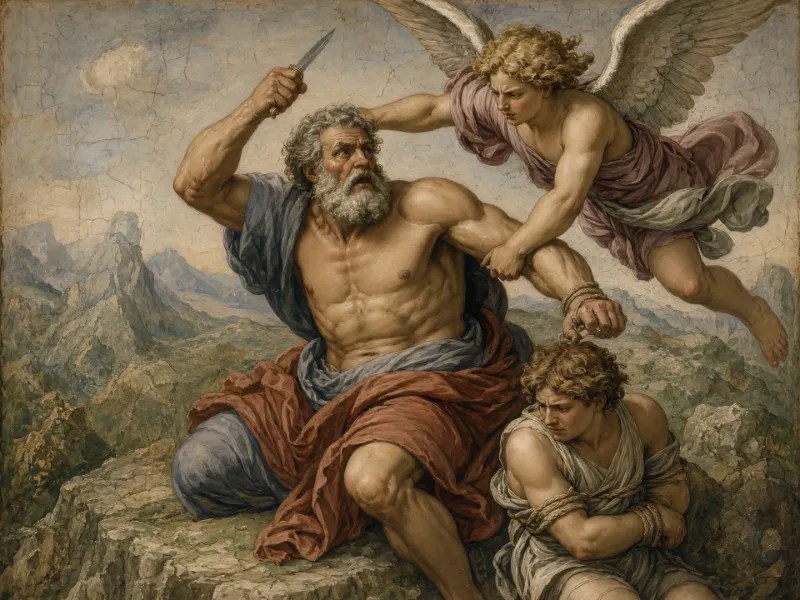
Ephesians 5:25
“Husbands, love your wives, just as Christ loved the church and gave himself up for her.”
Reflection: Verse 21 says, “Submit to one another out of reverence for Christ,” and verses 22-24 tell wives to submit to their husbands, “For the husband is the head of the wife as Christ is the head of the church.” Verse 25 then gives husbands their model: Christ, who “gave himself up” for the church. The passage ends by asking love of the husband and respect of the wife (5:33), and the parallel in Colossians 3:19 adds, “do not be harsh with them.”
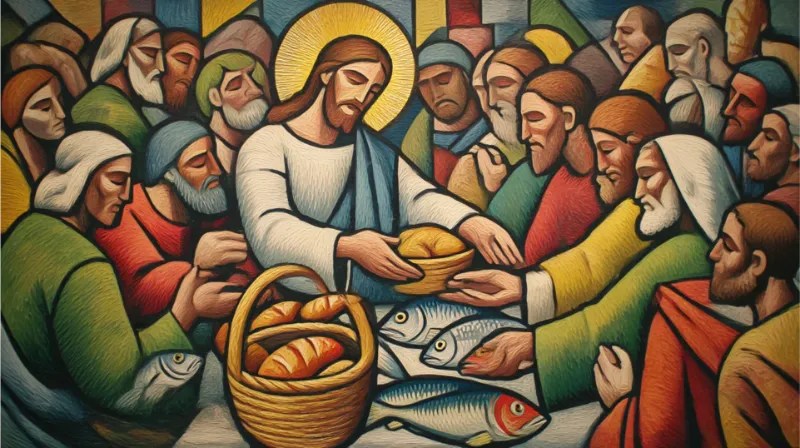
Proverbs 31:10-11
“A wife of noble character who can find? She is worth far more than rubies. Her husband has full confidence in her and lacks nothing of value.”
Reflection: These verses open the poem that closes the book of Proverbs, a portrait of “a wife of noble character.” The first thing said about her marriage is that her husband trusts her fully, and verse 12 adds that “she brings him good, not harm, all the days of her life.” Near the end her children call her blessed and her husband praises her (31:28), and the poem sets the fear of the Lord above charm and beauty (31:30).
Friends and companions

Ecclesiastes 4:9-10
“Two are better than one, because they have a good return for their labor: If either of them falls down, one can help the other up. But pity anyone who falls and has no one to help them up.”
Reflection: The Teacher places these verses after a man “all alone,” with neither son nor brother, who works without end and asks whom he is working for (4:8). Two people get “a good return for their labor,” and when one falls the other helps him up. The next verse adds keeping warm, and the passage speaks of companions of any kind.

Ecclesiastes 4:12
“Though one may be overpowered, two can defend themselves. A cord of three strands is not quickly broken.”
Reflection: The verse finishes a count that runs from one person alone, through two, to three. One can be overpowered where two can defend themselves, and a cord of three strands holds better still. The passage does not say who or what the third strand is.
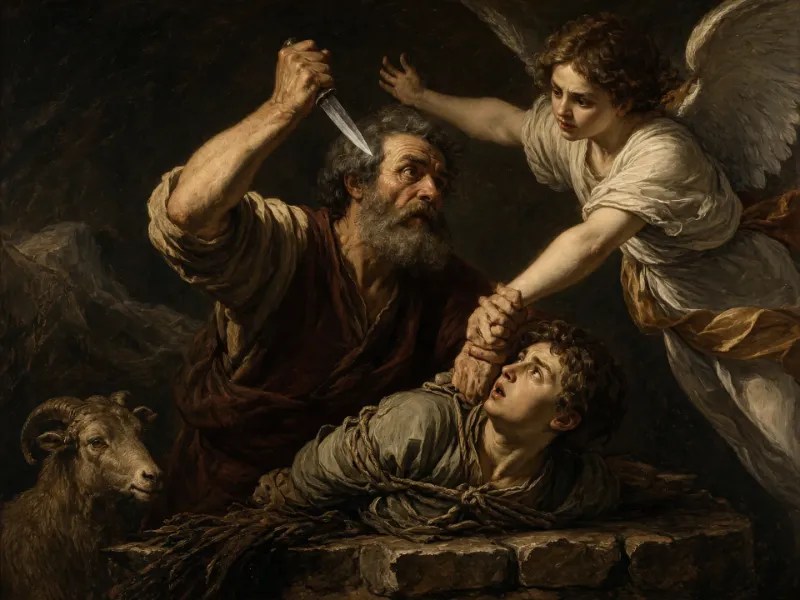
Proverbs 27:17
“As iron sharpens iron, so one person sharpens another.”
Reflection: The same chapter describes what sharpening between friends can involve: “Wounds from a friend can be trusted” (27:6), and “the pleasantness of a friend springs from their heartfelt advice” (27:9).
Parents and children

Proverbs 22:6
“Start children off on the way they should go, and even when they are old they will not turn from it.”
Reflection: The proverb speaks of starting a child on the way and of a result that lasts into old age. It stands among sayings about a good name (22:1) and about humility and the fear of the Lord (22:4).

Psalm 127:3
“Children are a heritage from the Lord , offspring a reward from him.”
Reflection: The psalmist describes children as a gift parents receive from the Lord. Verse 4 compares children born in a parent’s youth to arrows in a warrior’s hands, and verse 5 calls the father with a full quiver blessed.

Ephesians 6:4
“Fathers, do not exasperate your children; instead, bring them up in the training and instruction of the Lord.”
Reflection: Paul addresses children first, telling them to obey their parents and quoting “Honor your father and mother,” which he calls “the first commandment with a promise” (6:1-3). Then he turns to fathers with a limit before an instruction: do not exasperate them, and bring them up in “the training and instruction of the Lord.” The parallel in Colossians 3:21 gives a reason for the limit: “or they will become discouraged.”
Speaking and listening
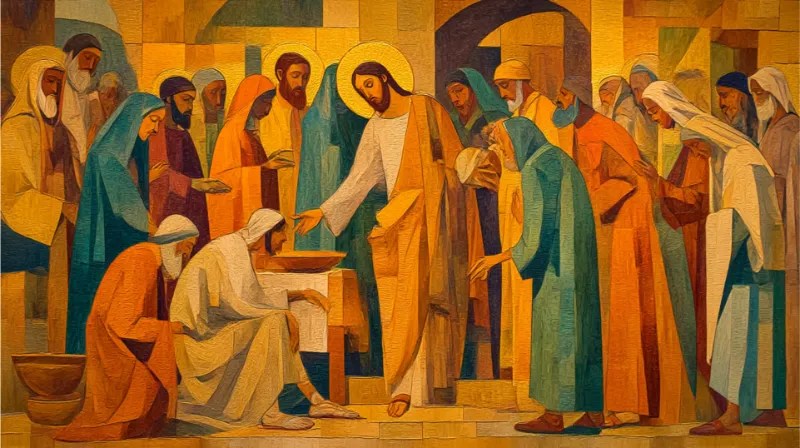
James 1:19
“My dear brothers and sisters, take note of this: Everyone should be quick to listen, slow to speak and slow to become angry.”
Reflection: James gives three instructions in order: quick to listen, slow to speak, slow to become angry. Verse 20 gives the reason for the last one: “human anger does not produce the righteousness that God desires.” Proverbs 18:13 calls answering before listening “folly and shame.”

Proverbs 15:1
“A gentle answer turns away wrath, but a harsh word stirs up anger.”
Reflection: The proverb sets two answers side by side and says what each does to anger: a gentle one turns it away, a harsh one stirs it up. Verse 4 of the chapter makes a similar contrast about speech: “The soothing tongue is a tree of life, but a perverse tongue crushes the spirit.”
When someone is in the wrong

Matthew 5:23-24
“Therefore, if you are offering your gift at the altar and there remember that your brother or sister has something against you, leave your gift there in front of the altar. First go and be reconciled to them; then come and offer your gift.”
Reflection: In Matthew 5 Jesus follows his teaching on anger (5:21-22) with this case. A worshipper at the altar remembers that someone has something against him, and is told to leave the gift there and be reconciled first. The verse does not say who is at fault; the worshipper is the one sent to the other person.
Matthew 18:15
“If your brother or sister sins, go and point out their fault, just between the two of you. If they listen to you, you have won them over.”
Reflection: In this verse the one who sees the sin goes, and goes privately, “just between the two of you.” If that fails, verses 16-17 widen the circle to one or two witnesses and then to the church. Luke 17:3-4 adds that if the brother or sister repents, forgiveness follows, “even if they sin against you seven times in a day.”
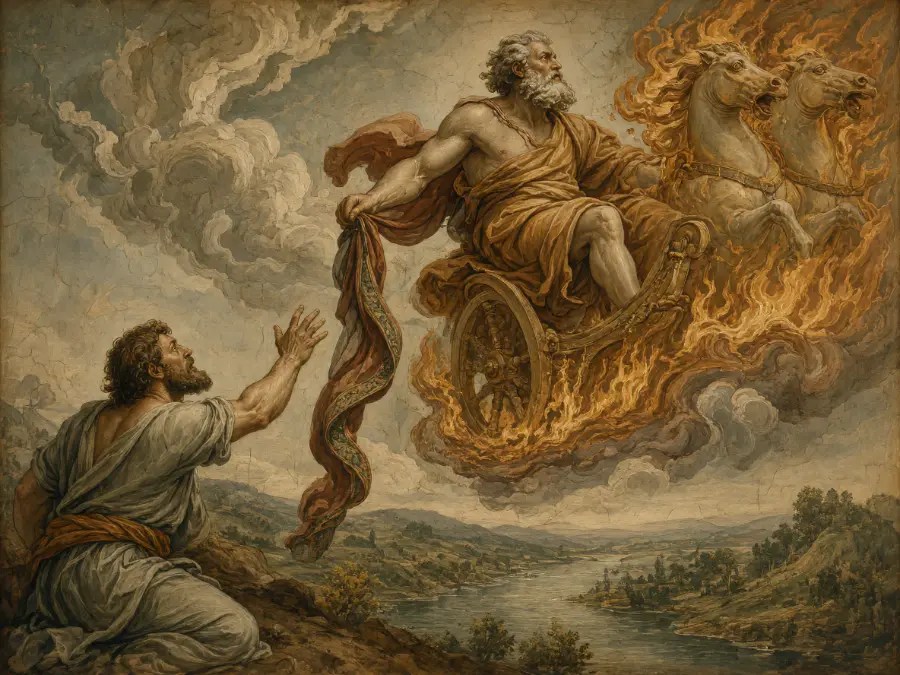
Colossians 3:13
“Bear with each other and forgive one another if any of you has a grievance against someone. Forgive as the Lord forgave you.”
Reflection: Paul lists what believers are to “clothe” themselves with, compassion, kindness, humility, gentleness and patience (3:12), and then turns to a grievance against someone. The standard of forgiveness is the one already received, “as the Lord forgave you,” and Ephesians 4:32 sets the same standard. Verse 14 puts love over all of them, “which binds them all together in perfect unity.”

Romans 12:18
“If it is possible, as far as it depends on you, live at peace with everyone.”
Reflection: Paul gives the command with two limits: “if it is possible” and “as far as it depends on you.” The verses around it forbid repaying evil for evil (12:17) and taking revenge (12:19), and the chapter ends with “overcome evil with good” (12:21).
Among believers
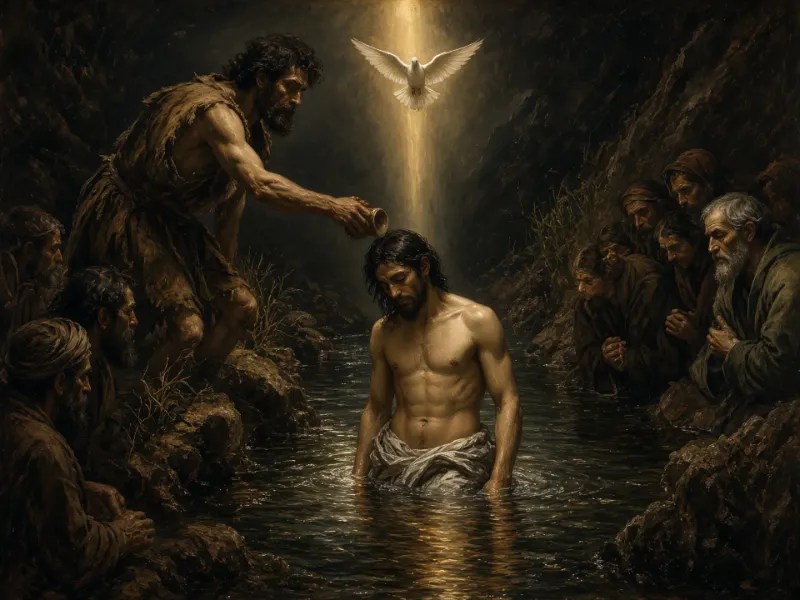
Galatians 5:13
“You, my brothers and sisters, were called to be free. But do not use your freedom to indulge the flesh; rather, serve one another humbly in love.”
Reflection: Paul tells the Galatians what their freedom is for: serving one another humbly in love. Verse 14 sums up the law in “Love your neighbor as yourself,” and verse 15 warns of the alternative: “If you bite and devour each other, watch out or you will be destroyed by each other.”

1 Peter 4:10
“Each of you should use whatever gift you have received to serve others, as faithful stewards of God’s grace in its various forms.”
Reflection: Peter tells believers to love each other deeply and to offer hospitality “without grumbling” (verse 9). He asks each person to use the gift they have received to serve others. Verse 11 gives two examples, speaking God’s words and serving with the strength God supplies.
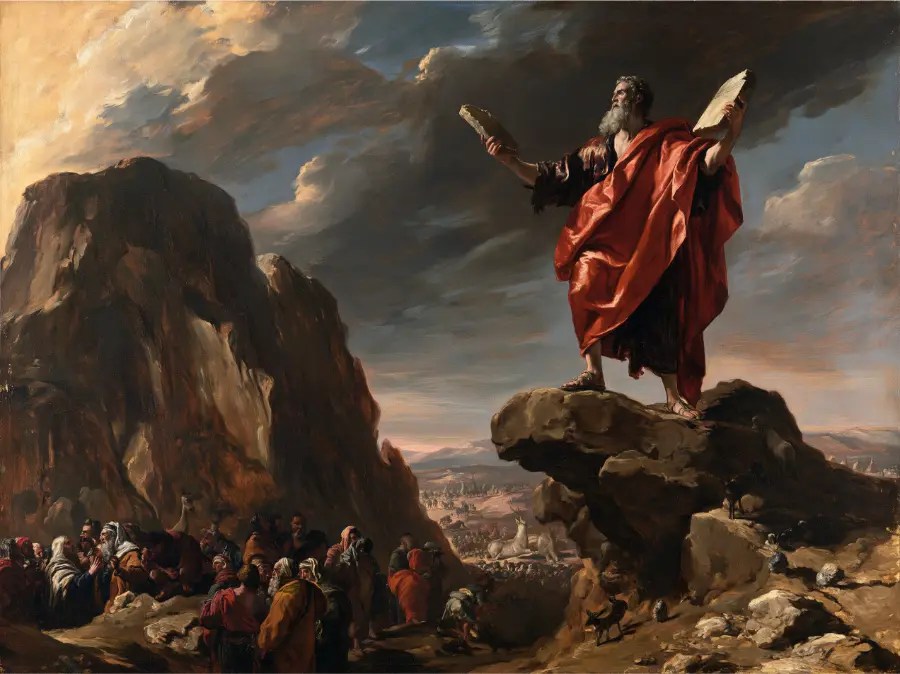
Galatians 6:2
“Carry each other’s burdens, and in this way you will fulfill the law of Christ.”
Reflection: The verse before it asks those who “live by the Spirit” to restore someone caught in a sin gently, while watching themselves (6:1). Carrying one another’s burdens is how, Paul says, they “fulfill the law of Christ.”

Philippians 2:3-4
“Do nothing out of selfish ambition or vain conceit. Rather, in humility value others above yourselves, not looking to your own interests but each of you to the interests of the others.”
Reflection: Paul asks the church at Philippi to value others above themselves and to look to one another’s interests. The next verse, “In your relationships with one another, have the same mindset as Christ Jesus” (2:5), introduces the pattern: Christ, who “made himself nothing” and “humbled himself by becoming obedient to death” (2:7-8).

Hebrews 10:24-25
“And let us consider how we may spur one another on toward love and good deeds, not giving up meeting together, as some are in the habit of doing, but encouraging one another—and all the more as you see the Day approaching.”
Reflection: The writer asks readers to consider how to “spur one another on toward love and good deeds,” and names one way: meeting together, which some had stopped doing. The reason given for encouraging one another all the more is “the Day approaching.”
Couples in Scripture before the wedding
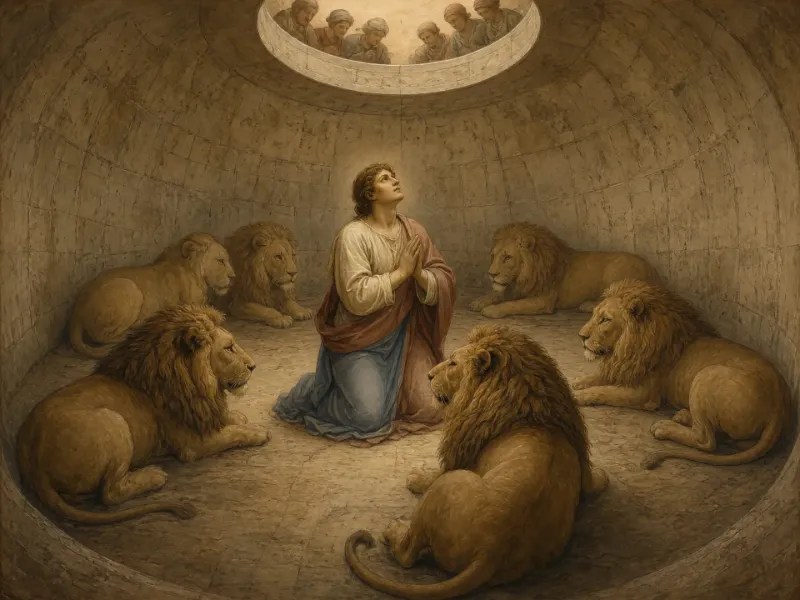
Genesis 29:20
“So Jacob served seven years to get Rachel, but they seemed like only a few days to him because of his love for her.”
Reflection: Jacob is staying with his relative Laban when Laban asks him to name his wages (29:15). He names Rachel, the younger daughter, and offers seven years of work for her. The verse measures his love by how short those years felt, and his request when they end is direct: “Give me my wife. My time is completed” (29:21).

Ruth 3:11
“And now, my daughter, don’t be afraid. I will do for you all you ask. All the people of my town know that you are a woman of noble character.”
Reflection: Ruth has come to Boaz at night and asked him to spread the corner of his garment over her, “since you are a guardian-redeemer of our family” (3:9). He praises her first for her choice: “You have not run after the younger men, whether rich or poor” (3:10). Because another man is a closer relative, he leaves the matter until morning. She rises before anyone could be recognized, and he says, “No one must know that a woman came to the threshing floor” (3:14). The marriage is settled in public, with the elders and the people as witnesses (4:9-10).

Matthew 1:19
“Because Joseph her husband was faithful to the law, and yet did not want to expose her to public disgrace, he had in mind to divorce her quietly.”
Reflection: Mary was “pledged to be married to Joseph,” and Matthew says she was found to be pregnant “before they came together” (1:18). Matthew already calls Joseph her husband, and ending the pledge would have meant a divorce. Joseph, described as faithful to the law, planned to do it quietly so as not to expose her to public disgrace, until an angel told him in a dream to take Mary home as his wife (1:20).
Love that shows in conduct

1 Corinthians 13:4-5
“Love is patient, love is kind. It does not envy, it does not boast, it is not proud. It does not dishonor others, it is not self-seeking, it is not easily angered, it keeps no record of wrongs.”
Reflection: Paul sets this list in the middle of his teaching to the Corinthian church on spiritual gifts. The chapter opens by weighing tongues, prophecy, knowledge and even giving everything away against love, and without love, “I gain nothing” (13:3). After patience and kindness, every item in these two verses is something love does not do: envy, boast, dishonor others, seek its own way, anger easily, or keep a record of wrongs.

Proverbs 20:6-7
“Many claim to have unfailing love, but a faithful person who can find? The righteous lead blameless lives; blessed are their children after them.”
Reflection: The proverb contrasts what many people claim, unfailing love, with what is hard to find, a faithful person. The line before it says a person’s purposes are “deep waters” that someone with insight draws out (20:5). Verse 7, a separate saying, adds that the righteous lead blameless lives and “blessed are their children after them.”

Proverbs 3:3-4
“Let love and faithfulness never leave you; bind them around your neck, write them on the tablet of your heart. Then you will win favor and a good name in the sight of God and man.”
Reflection: A father is speaking to his son: “My son, do not forget my teaching” (3:1). Love and faithfulness are to be bound around the neck and written on the heart, outwardly and inwardly at once. Verse 4 names the result as favor and a good name “in the sight of God and man.”
Sexual restraint while unmarried
1 Thessalonians 4:3-5
“It is God’s will that you should be sanctified: that you should avoid sexual immorality; that each of you should learn to control your own body in a way that is holy and honorable, not in passionate lust like the pagans, who do not know God.”
Reflection: Paul writes to believers in Thessalonica who were already living “in order to please God,” and he asks them to do so “more and more” (4:1). He names avoiding sexual immorality as God’s will and describes it as learning to control one’s own body, set against “passionate lust like the pagans, who do not know God.” The paragraph ends by saying that whoever rejects this instruction rejects God, “who gives you his Holy Spirit” (4:8).

1 Corinthians 6:18
“Flee from sexual immorality. All other sins a person commits are outside the body, but whoever sins sexually, sins against their own body.”
Reflection: The command comes at the end of Paul’s argument against uniting with a prostitute, where he quotes Genesis: “The two will become one flesh” (6:16). The reason given in this verse is that sexual sin is against a person’s own body. The verses after it add that the body is a temple of the Holy Spirit and that believers “were bought at a price,” and they end, “Therefore honor God with your bodies” (6:19-20).

1 Corinthians 7:9
“But if they cannot control themselves, they should marry, for it is better to marry than to burn with passion.”
Reflection: Paul is addressing “the unmarried and the widows,” and he says his own preference is for them to stay unmarried, “as I do” (7:8). This verse is the exception he makes in the next breath. For the unmarried who cannot control themselves, his answer is marriage, and the NIV renders the alternative as burning “with passion.”
When a boyfriend does not share the faith
2 Corinthians 6:14
“Do not be yoked together with unbelievers. For what do righteousness and wickedness have in common? Or what fellowship can light have with darkness?”
Reflection: A yoke ties two animals to one load, and the law of Moses forbade plowing “with an ox and a donkey yoked together” (Deuteronomy 22:10). Paul’s pairs are righteousness and wickedness, light and darkness, Christ and Belial, believer and unbeliever, the temple of God and idols (6:14-16). The paragraph does not mention marriage. Paul speaks to that directly in 1 Corinthians 7:39, where a widow is free to marry “anyone she wishes, but he must belong to the Lord.”
Quarrels and forgiveness
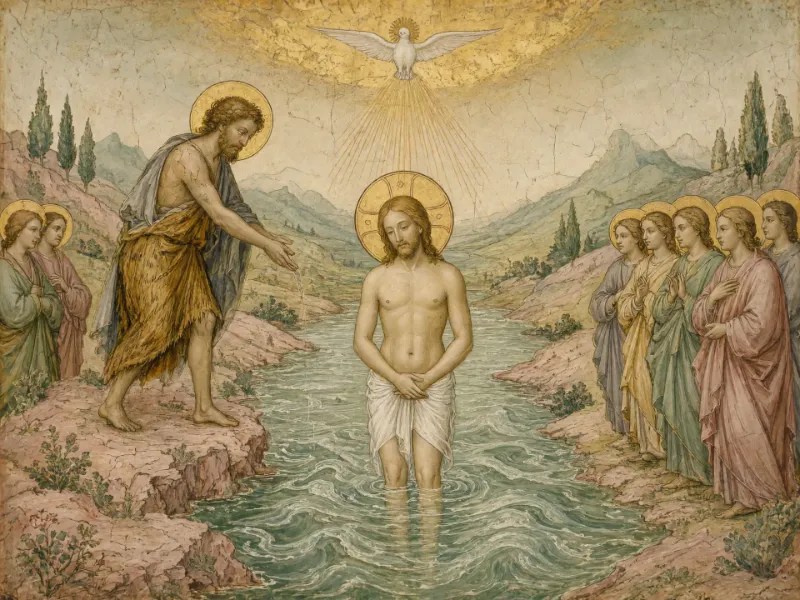
Proverbs 17:9
“Whoever would foster love covers over an offense, but whoever repeats the matter separates close friends.”
Reflection: Covering over an offense, in this proverb, is set against repeating it. The second line says what repeating it does: it “separates close friends.” The proverb places the choice after the offense has happened, in what is said about it afterwards.
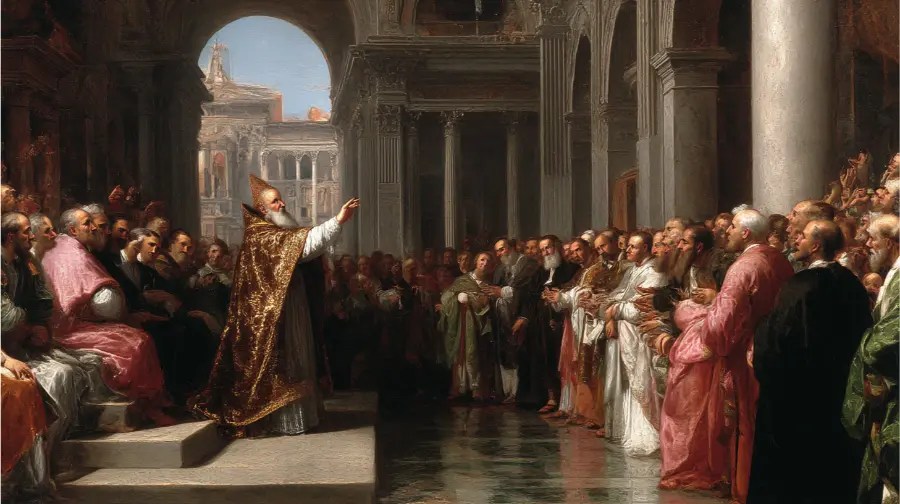
Matthew 6:14-15
“For if you forgive other people when they sin against you, your heavenly Father will also forgive you. But if you do not forgive others their sins, your Father will not forgive your sins.”
Reflection: Jesus says this directly after teaching the Lord’s Prayer, and it takes up one line of the prayer: “Forgive us our debts, as we also have forgiven our debtors” (6:12). Of the prayer’s requests, forgiveness is the one he returns to once it ends. Both halves of the saying make the same link, in positive and negative form.


Leave a Reply