
 English
 Chinese
 Dutch
 Arabic
 Spanish
 Portuguese
 Russian
 French
 Italian
 German
 Japanese
The Bible’s commands about relationships come back to love for other people. Jesus names “Love your neighbor as yourself” as the second of the two greatest commandments, after love for God (Matthew 22:37-39), and Paul says the whole law is fulfilled in it (Galatians 5:14).
Scripture speaks to marriage in Genesis 2:24 and Ephesians 5:25, to friends in Ecclesiastes 4:9-12, to parents and children in Ephesians 6:4, to speech in James 1:19, to quarrels in Matthew 5:23-24 and Matthew 18:15, and to life among believers in Galatians 6:2 and Philippians 2:3-4.
What love does in any relationship

1 Corinthians 13:4-7
“Love is patient, love is kind. It does not envy, it does not boast, it is not proud. It does not dishonor others, it is not self-seeking, it is not easily angered, it keeps no record of wrongs. Love does not delight in evil but rejoices with the truth. It always protects, always trusts, always hopes, always perseveres.”
Reflection: Paul wrote these verses to the church at Corinth, and the verses just before them set love against tongues, prophecy, knowledge and even giving everything away, all worth nothing without it (13:1-3). The list that follows describes what love does and refuses to do: it is patient and kind, and it keeps no record of wrongs. Verse 8 adds, “Love never fails.”

John 13:34-35
“A new command I give you: Love one another. As I have loved you, so you must love one another. By this everyone will know that you are my disciples, if you love one another.”
Reflection: Jesus gives this command at the meal in John 13, after Judas has gone out into the night (John 13:30) and just after telling the disciples, “I will be with you only a little longer” (13:33). The measure it sets is “As I have loved you.” Verse 35 makes that love the sign by which everyone will recognise his disciples.

1 John 4:7-8
“Dear friends, let us love one another, for love comes from God. Everyone who loves has been born of God and knows God. Whoever does not love does not know God, because God is love.”
Reflection: The letter grounds love between believers in what God is: “God is love.” The verses that follow say how that love was shown, in God sending “his one and only Son,” and draw the conclusion themselves: “since God so loved us, we also ought to love one another” (4:11).
Husbands and wives

Genesis 2:24
“That is why a man leaves his father and mother and is united to his wife, and they become one flesh.”
Reflection: The verse closes the account of the woman’s creation, which begins with God saying, “It is not good for the man to be alone” (Genesis 2:18). Jesus quotes it when Pharisees ask him about divorce and adds, “Therefore what God has joined together, let no one separate” (Mark 10:9), and Paul quotes it in Ephesians 5:31.

Ephesians 5:25
“Husbands, love your wives, just as Christ loved the church and gave himself up for her.”
Reflection: Verse 21 says, “Submit to one another out of reverence for Christ,” and verses 22-24 tell wives to submit to their husbands, “For the husband is the head of the wife as Christ is the head of the church.” Verse 25 then gives husbands their model: Christ, who “gave himself up” for the church. The passage ends by asking love of the husband and respect of the wife (5:33), and the parallel in Colossians 3:19 adds, “do not be harsh with them.”
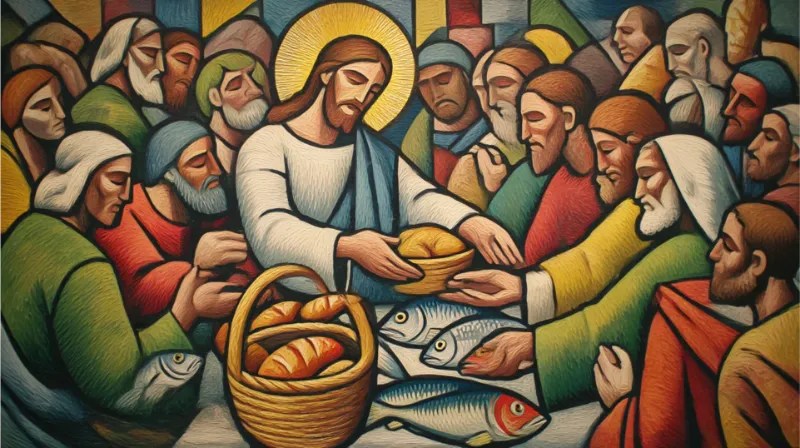
Proverbs 31:10-11
“A wife of noble character who can find? She is worth far more than rubies. Her husband has full confidence in her and lacks nothing of value.”
Reflection: These verses open the poem that closes the book of Proverbs, a portrait of “a wife of noble character.” The first thing said about her marriage is that her husband trusts her fully, and verse 12 adds that “she brings him good, not harm, all the days of her life.” Near the end her children call her blessed and her husband praises her (31:28), and the poem sets the fear of the Lord above charm and beauty (31:30).
Friends and companions

Ecclesiastes 4:9-10
“Two are better than one, because they have a good return for their labor: If either of them falls down, one can help the other up. But pity anyone who falls and has no one to help them up.”
Reflection: The Teacher places these verses after a man “all alone,” with neither son nor brother, who works without end and asks whom he is working for (4:8). Two people get “a good return for their labor,” and when one falls the other helps him up. The next verse adds keeping warm, and the passage speaks of companions of any kind.

Ecclesiastes 4:12
“Though one may be overpowered, two can defend themselves. A cord of three strands is not quickly broken.”
Reflection: The verse finishes a count that runs from one person alone, through two, to three. One can be overpowered where two can defend themselves, and a cord of three strands holds better still. The passage does not say who or what the third strand is.
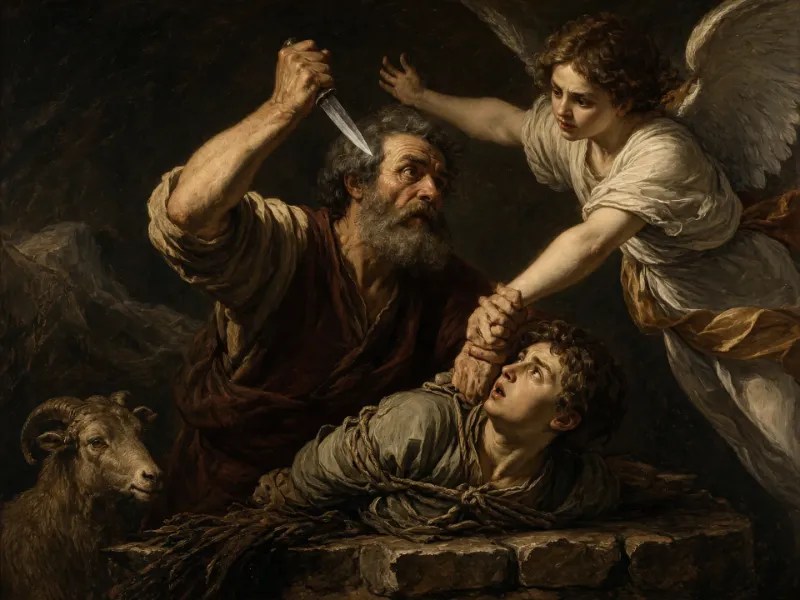
Proverbs 27:17
“As iron sharpens iron, so one person sharpens another.”
Reflection: The same chapter describes what sharpening between friends can involve: “Wounds from a friend can be trusted” (27:6), and “the pleasantness of a friend springs from their heartfelt advice” (27:9).
Parents and children

Proverbs 22:6
“Start children off on the way they should go, and even when they are old they will not turn from it.”
Reflection: The proverb speaks of starting a child on the way and of a result that lasts into old age. It stands among sayings about a good name (22:1) and about humility and the fear of the Lord (22:4).

Ephesians 6:4
“Fathers, do not exasperate your children; instead, bring them up in the training and instruction of the Lord.”
Reflection: Paul addresses children first, telling them to obey their parents and quoting “Honor your father and mother,” which he calls “the first commandment with a promise” (6:1-3). Then he turns to fathers with a limit before an instruction: do not exasperate them, and bring them up in “the training and instruction of the Lord.” The parallel in Colossians 3:21 gives a reason for the limit: “or they will become discouraged.”
Speaking and listening

James 1:19
“My dear brothers and sisters, take note of this: Everyone should be quick to listen, slow to speak and slow to become angry.”
Reflection: James gives three instructions in order: quick to listen, slow to speak, slow to become angry. Verse 20 gives the reason for the last one: “human anger does not produce the righteousness that God desires.” Proverbs 18:13 calls answering before listening “folly and shame.”

Proverbs 15:1
“A gentle answer turns away wrath, but a harsh word stirs up anger.”
Reflection: The proverb sets two answers side by side and says what each does to anger: a gentle one turns it away, a harsh one stirs it up. Verse 4 of the chapter makes a similar contrast about speech: “The soothing tongue is a tree of life, but a perverse tongue crushes the spirit.”
When someone is in the wrong

Matthew 5:23-24
“Therefore, if you are offering your gift at the altar and there remember that your brother or sister has something against you, leave your gift there in front of the altar. First go and be reconciled to them; then come and offer your gift.”
Reflection: In Matthew 5 Jesus follows his teaching on anger (5:21-22) with this case. A worshipper at the altar remembers that someone has something against him, and is told to leave the gift there and be reconciled first. The verse does not say who is at fault; the worshipper is the one sent to the other person.

Matthew 18:15
“If your brother or sister sins, go and point out their fault, just between the two of you. If they listen to you, you have won them over.”
Reflection: In this verse the one who sees the sin goes, and goes privately, “just between the two of you.” If that fails, verses 16-17 widen the circle to one or two witnesses and then to the church. Luke 17:3-4 adds that if the brother or sister repents, forgiveness follows, “even if they sin against you seven times in a day.”

Colossians 3:13
“Bear with each other and forgive one another if any of you has a grievance against someone. Forgive as the Lord forgave you.”
Reflection: Paul lists what believers are to “clothe” themselves with, compassion, kindness, humility, gentleness and patience (3:12), and then turns to a grievance against someone. The standard of forgiveness is the one already received, “as the Lord forgave you,” and Ephesians 4:32 sets the same standard. Verse 14 puts love over all of them, “which binds them all together in perfect unity.”

Romans 12:18
“If it is possible, as far as it depends on you, live at peace with everyone.”
Reflection: Paul gives the command with two limits: “if it is possible” and “as far as it depends on you.” The verses around it forbid repaying evil for evil (12:17) and taking revenge (12:19), and the chapter ends with “overcome evil with good” (12:21).
Among believers

Galatians 5:13
“You, my brothers and sisters, were called to be free. But do not use your freedom to indulge the flesh; rather, serve one another humbly in love.”
Reflection: Paul tells the Galatians what their freedom is for: serving one another humbly in love. Verse 14 sums up the law in “Love your neighbor as yourself,” and verse 15 warns of the alternative: “If you bite and devour each other, watch out or you will be destroyed by each other.”
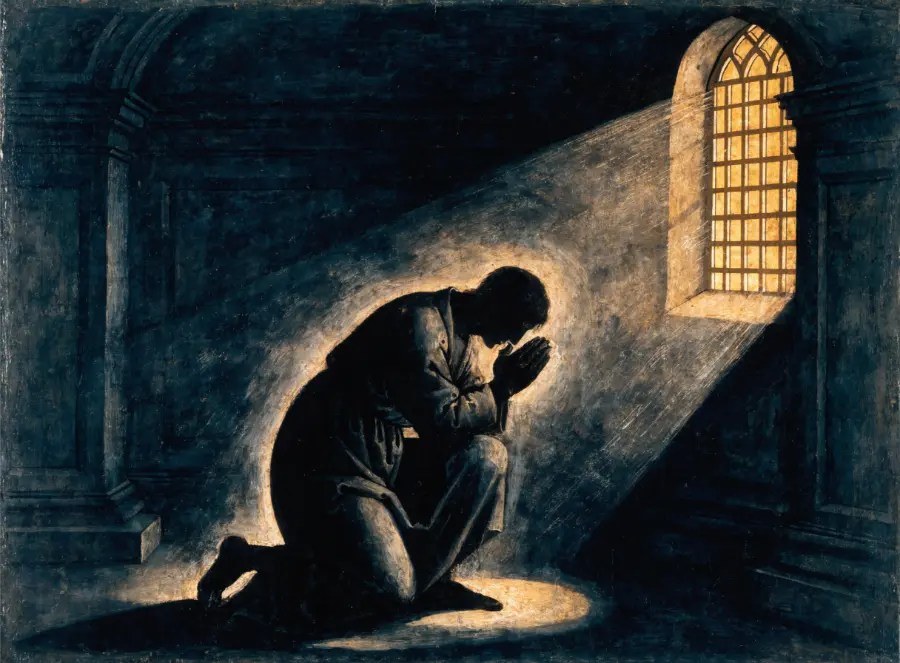
Galatians 6:2
“Carry each other’s burdens, and in this way you will fulfill the law of Christ.”
Reflection: The verse before it asks those who “live by the Spirit” to restore someone caught in a sin gently, while watching themselves (6:1). Carrying one another’s burdens is how, Paul says, they “fulfill the law of Christ.”

Philippians 2:3-4
“Do nothing out of selfish ambition or vain conceit. Rather, in humility value others above yourselves, not looking to your own interests but each of you to the interests of the others.”
Reflection: Paul asks the church at Philippi to value others above themselves and to look to one another’s interests. The next verse, “In your relationships with one another, have the same mindset as Christ Jesus” (2:5), introduces the pattern: Christ, who “made himself nothing” and “humbled himself by becoming obedient to death” (2:7-8).
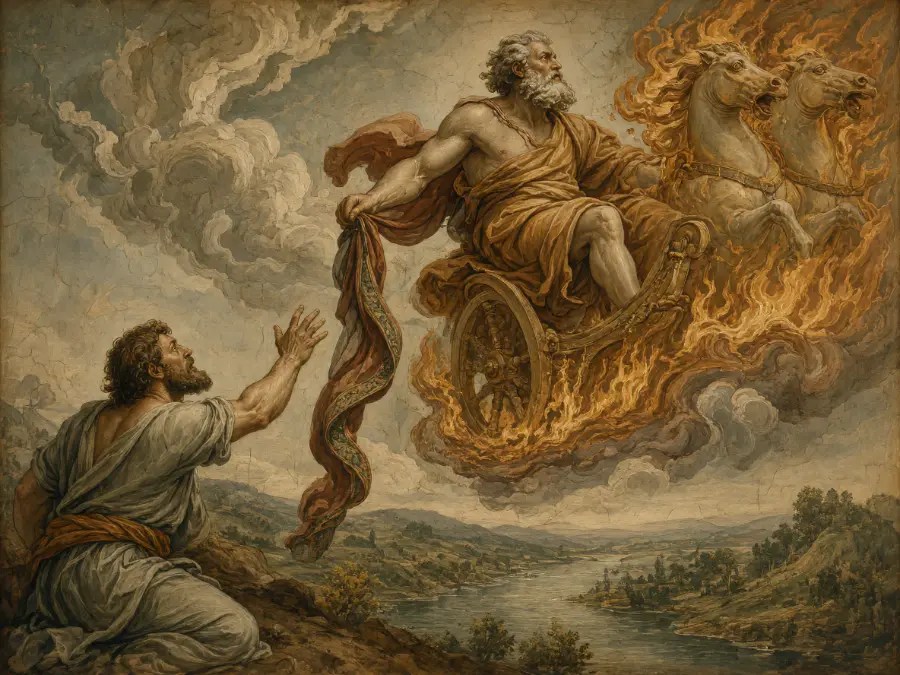
Hebrews 10:24-25
“And let us consider how we may spur one another on toward love and good deeds, not giving up meeting together, as some are in the habit of doing, but encouraging one another—and all the more as you see the Day approaching.”
Reflection: The writer asks readers to consider how to “spur one another on toward love and good deeds,” and names one way: meeting together, which some had stopped doing. The reason given for encouraging one another all the more is “the Day approaching.”


Leave a Reply