
 English
 Chinese
 Dutch
 Arabic
 Spanish
 Portuguese
 Russian
 French
 Italian
 German
 Japanese
The Bible forbids personal revenge and reserves vengeance to God. The law tells Israel, “You shall not take vengeance or bear a grudge” (Leviticus 19:18), and God says in the Song of Moses, “Vengeance is mine, and recompense” (Deuteronomy 32:35), a line Paul quotes when he tells the Roman church, “never avenge yourselves” (Romans 12:19).
Proverbs 20:22 and 24:29 forbid paying a person back, Jesus answers “an eye for an eye” with the other cheek (Matthew 5:38-39), and Romans 12:20 quotes Proverbs 25:21-22 on feeding a hungry enemy. Two narratives show a man refusing revenge when it was within reach: David sparing Saul in the cave (1 Samuel 24:12) and Joseph refusing to pay back his brothers (Genesis 50:19-21). In Psalm 94:1 and Isaiah 35:4, God’s own vengeance comes as the rescue of people who have been wronged.
Vengeance belongs to God
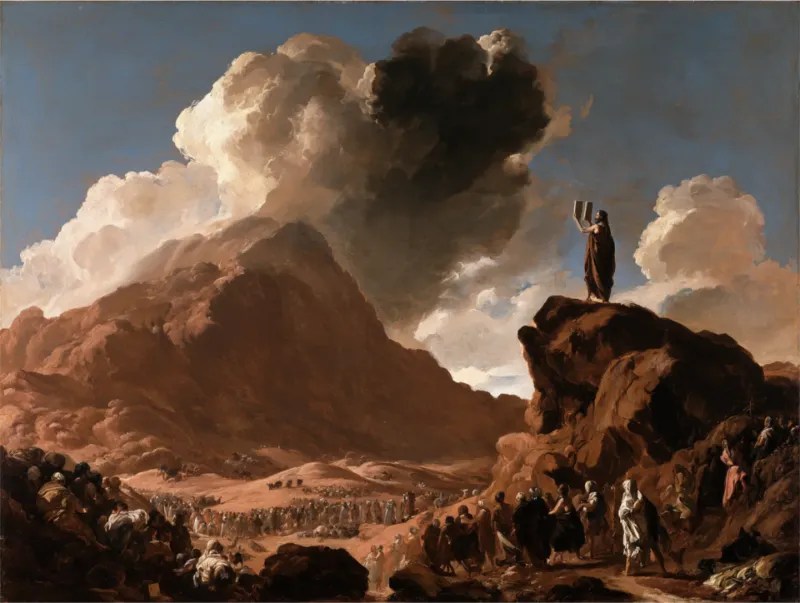
Deuteronomy 32:35
“Vengeance is mine, and recompense, for the time when their foot shall slip; for the day of their calamity is at hand, and their doom comes swiftly.”
Reflection: God speaks these words in the Song of Moses, near the end of Deuteronomy, about the enemies of his people. The next verse gives the purpose: “the Lord will vindicate his people and have compassion on his servants.” The song ends with the heavens told to rejoice because God “avenges the blood of his children” (32:43).

Psalm 94:1
“O Lord, God of vengeance, O God of vengeance, shine forth!”
Reflection: The psalm opens by calling on the “God of vengeance” to shine forth, and verse 2 names him “judge of the earth.” The wrongs it brings to him are specific: the wicked “kill the widow and the sojourner, and murder the fatherless” and say, “The Lord does not see” (94:6-7).

Nahum 1:2
“The Lord is a jealous and avenging God; the Lord is avenging and wrathful; the Lord takes vengeance on his adversaries and keeps wrath for his enemies.”
Reflection: The book is headed “An oracle concerning Nineveh” (1:1), and the vengeance described is against that city. Verse 3 sets the vengeance beside God’s patience: “The Lord is slow to anger and great in power, and the Lord will by no means clear the guilty.”
Isaiah 35:4
“Say to those who have an anxious heart, ‘Be strong; fear not! Behold, your God will come with vengeance, with the recompense of God. He will come and save you.’”
Reflection: Here God’s vengeance is good news. The prophet is told to “strengthen the weak hands” (35:3) and say to the anxious that God is coming “with vengeance” to save them. The verses that follow describe the result as healing: the blind see, the deaf hear, and the lame leap.
Hebrews 10:30
“For we know him who said, ‘Vengeance is mine; I will repay.’ And again, ‘The Lord will judge his people.’”
Reflection: Both lines come from the Song of Moses: “Vengeance is mine” from Deuteronomy 32:35, and “The Lord will judge his people” from 32:36, which the ESV translates there as “vindicate.” Hebrews turns them into a warning to its own readers against going on “sinning deliberately after receiving the knowledge of the truth” (10:26). The next verse concludes, “It is a fearful thing to fall into the hands of the living God.”
The law and Jesus on paying back

Leviticus 19:18
“You shall not take vengeance or bear a grudge against the sons of your own people, but you shall love your neighbor as yourself: I am the Lord.”
Reflection: The ban on vengeance and grudges sits in the same sentence as the command to “love your neighbor as yourself.” Verse 17 gives the alternative to a grudge: “you shall reason frankly with your neighbor.” As written, the command covers “the sons of your own people.”

Matthew 5:38-39
“You have heard that it was said, ‘An eye for an eye and a tooth for a tooth.’ But I say to you, Do not resist the one who is evil. But if anyone slaps you on the right cheek, turn to him the other also.”
Reflection: “An eye for an eye” is the law’s own wording (Exodus 21:24; Leviticus 24:20; Deuteronomy 19:21). In Deuteronomy 19 it is a sentence the judges pass on a false witness after they “inquire diligently” (19:18). In the Sermon on the Mount Jesus applies his answer to a slap, a lawsuit, and being forced to go a mile (5:40-41), and tells his hearers not to resist the one who is evil.

Luke 6:27-28
“But I say to you who hear, Love your enemies, do good to those who hate you, bless those who curse you, pray for those who abuse you.”
Reflection: In Luke’s Sermon on the Plain, Jesus gives four commands, each matched to a kind of hostility: enemies, hatred, cursing and abuse. Verse 29 follows with the other cheek. The reason comes in verses 35-36: those who love their enemies will be “sons of the Most High, for he is kind to the ungrateful and the evil.”
Do not repay evil for evil

Proverbs 20:22
“Do not say, ‘I will repay evil’; wait for the Lord, and he will deliver you.”
Reflection: The proverb forbids even the resolve to pay back evil. It offers waiting on the Lord in place of it, and its promise is that the Lord “will deliver you.” It says nothing of what will happen to the wrongdoer.

Proverbs 24:29
“Do not say, ‘I will do to him as he has done to me; I will pay the man back for what he has done.’”
Reflection: The words the proverb forbids are close to the law’s sentence for injury, “as he has done it shall be done to him” (Leviticus 24:19). The law gives that sentence to the court; the proverb forbids a private person from carrying it out himself. The verse before it forbids being “a witness against your neighbor without cause.”

Romans 12:17
“Repay no one evil for evil, but give thought to do what is honorable in the sight of all.”
Reflection: Paul writes this to the church in Rome, a few verses after “Bless those who persecute you” (12:14). He adds a second command beside it: “If possible, so far as it depends on you, live peaceably with all” (12:18).

Romans 12:19
“Beloved, never avenge yourselves, but leave it to the wrath of God, for it is written, ‘Vengeance is mine, I will repay, says the Lord.’”
Reflection: Paul addresses his readers as “Beloved” and gives the reason for giving up revenge: it is God’s to take. He quotes Deuteronomy 32:35 as the authority. A few verses on, he calls the governing authority “the servant of God, an avenger who carries out God’s wrath on the wrongdoer” (13:4).
1 Peter 3:9
“Do not repay evil for evil or reviling for reviling, but on the contrary, bless, for to this you were called, that you may obtain a blessing.”
Reflection: The command closes a list of instructions for the whole church (3:8). “For to this you were called” repeats 2:21, where the example is Christ: “When he was reviled, he did not revile in return; when he suffered, he did not threaten, but continued entrusting himself to him who judges justly” (2:23).
Answering an enemy with good

Proverbs 25:21-22
“If your enemy is hungry, give him bread to eat, and if he is thirsty, give him water to drink, for you will heap burning coals on his head, and the Lord will reward you.”
Reflection: Paul quotes these verses in Romans 12:20, straight after “Vengeance is mine.” Neither passage explains the burning coals. The proverb ends with the reward going to the one who feeds his enemy: “the Lord will reward you.”

Romans 12:21
“Do not be overcome by evil, but overcome evil with good.”
Reflection: This is the last verse of Romans 12 and sums up the verses before it. In Paul’s sequence, feeding a hungry enemy (12:20) is the example of overcoming evil with good.
Two men who could have taken revenge

1 Samuel 24:12
“May the Lord judge between me and you, may the Lord avenge me against you, but my hand shall not be against you.”
Reflection: Saul, hunting David with three thousand men, went into the cave at En-gedi where David was hiding. David’s men told him the Lord had given his enemy into his hand; he cut off a corner of Saul’s robe and would go no further, because Saul was “the Lord’s anointed.” He asks the Lord to avenge him and keeps his own hand off Saul. In the next chapter, Abigail stops him from avenging himself on Nabal, and David thanks her for keeping him “from working salvation with my own hand” (25:33).

Genesis 50:19-21
“But Joseph said to them, ‘Do not fear, for am I in the place of God? As for you, you meant evil against me, but God meant it for good, to bring it about that many people should be kept alive, as they are today. So do not fear; I will provide for you and your little ones.’ Thus he comforted them and spoke kindly to them.”
Reflection: After their father Jacob died, Joseph’s brothers feared he would “pay us back for all the evil that we did to him” (50:15). His answer, “am I in the place of God?”, leaves judgment to God, and he goes further than holding back: he promises to provide for them and their children.
Revenge, courts and the state
Alongside the ban on private revenge, the Bible gives judgment to courts and rulers. “Eye for eye” is a sentence for judges in Deuteronomy 19, and Romans 13:4, a few verses after Romans 12:19, calls the governing authority “an avenger who carries out God’s wrath on the wrongdoer.”
Christians differ on how far Matthew 5:39 reaches. The Mennonite Confession of Faith reads Jesus’ teaching as calling disciples “to forgive rather than to seek revenge” and states, “we do not prepare for war, or participate in war or military service.” The Westminster Confession holds that civil magistrates “may lawfully, now under the new testament, wage war, upon just and necessary occasion,” and the Catechism of the Catholic Church teaches, “Legitimate defense can be not only a right but a grave duty for someone responsible for another’s life.”


Leave a Reply