
 English
 Chinese
 Dutch
 Arabic
 Spanish
 Portuguese
 Russian
 French
 Italian
 German
 Japanese
No, the Bible does not teach that one particular person was made for each of us.
The idea of a soulmate goes back to Plato’s Symposium, where Aristophanes tells a story of humans split in two and searching for their other halves. Scripture describes marriage as something a man and a woman enter and keep: Genesis says a couple become one flesh, and Proverbs calls a good wife a gift from the Lord without suggesting there was only one possible match. The eighteen verses below cover what Genesis describes, finding a spouse, what holds two people together, the love Scripture describes, and promises kept by choice.
What Genesis actually describes
Genesis 2:24
“Therefore a man shall leave his father and his mother and hold fast to his wife, and they shall become one flesh.”
Reflection: The couple “shall become” one flesh, after leaving and holding fast. Both are things people do, over years, on purpose.
Matthew 19:5-6
“‘For this reason a man will leave his father and mother and be united to his wife, and the two will become one flesh’? So they are no longer two, but one flesh. Therefore what God has joined together, let no one separate.”
Reflection: Jesus quotes Genesis when Pharisees ask whether a man may divorce his wife “for any and every reason” (19:3), and he draws the conclusion: what God has joined, no one should separate. The joining refers to a marriage that exists, not a match set before birth.
Mark 10:9
“Therefore what God has joined together, let no one separate.”
Reflection: Mark records the same saying. It protects a promise already made.
Finding, in the Bible’s own vocabulary
Proverbs 18:22
“He who finds a wife finds what is good and receives favor from the Lord.”
Reflection: “Finds” is the ordinary verb Proverbs also uses for finding wisdom (3:13). The proverb calls a good wife a favor from the Lord, without implying only one was possible.
Proverbs 19:14
“Houses and wealth are inherited from parents, but a prudent wife is from the Lord.”
Reflection: Houses and wealth come by inheritance; a prudent wife is credited to the Lord. It is a reason for gratitude, and for praying for the marriage you have.
Proverbs 31:10
“A wife of noble character who can find? She is worth far more than rubies.”
Reflection: The question treats such a person as rare and valuable, not as assigned in advance.
Genesis 24:67
“Isaac brought her into the tent of his mother Sarah, and he married Rebekah. So she became his wife, and he loved her; and Isaac was comforted after his mother’s death.”
Reflection: Abraham’s servant was sent to find a wife for Isaac, and he prayed for success at the well (24:12). The text says Isaac married Rebekah and then loved her, in that order.
What actually holds two people together
Amos 3:3
“Do two walk together unless they have agreed to do so?”
Reflection: Amos asks a series of questions in which one thing follows from another (3:3-6). Taken on its own, the first says that walking together depends on agreement.
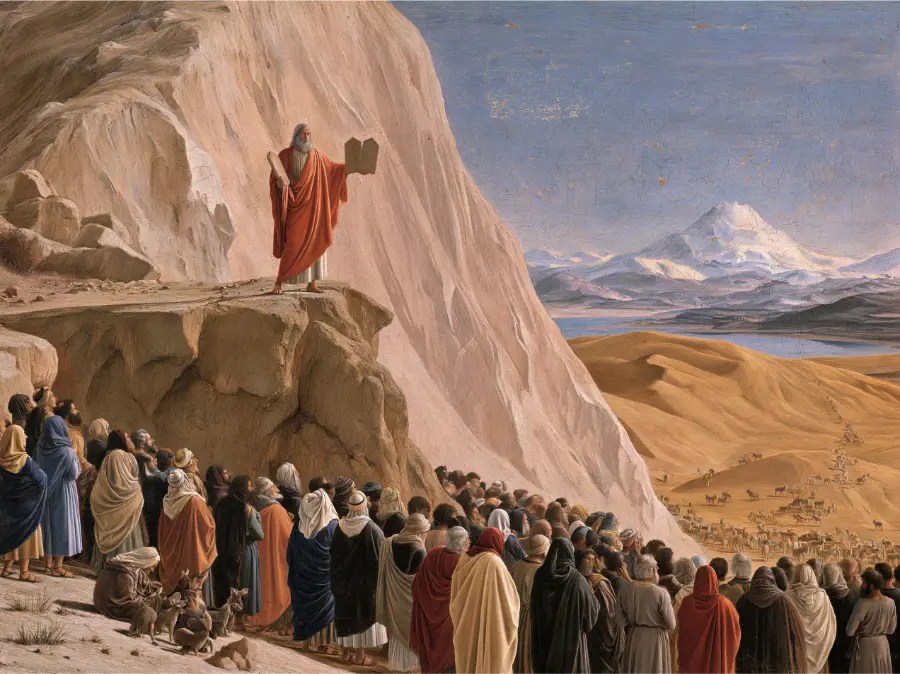
Ecclesiastes 4:9-10
“Two are better than one, because they have a good return for their labor: If either of them falls down, one can help the other up. But pity anyone who falls and has no one to help them up.”
Reflection: The Teacher’s reasons for companionship are practical: a better return for work, and someone to help you up after a fall.

Ecclesiastes 4:12
“Though one may be overpowered, two can defend themselves. A cord of three strands is not quickly broken.”
Reflection: The passage is about companionship in general, and the third strand is not named. Many Christians read it as God; the Teacher’s own point is that more strands make a stronger cord.

Proverbs 27:17
“As iron sharpens iron, so one person sharpens another.”
Reflection: Sharpening iron takes material off. The proverb describes useful friction between people, not completion by another person.
The love being described
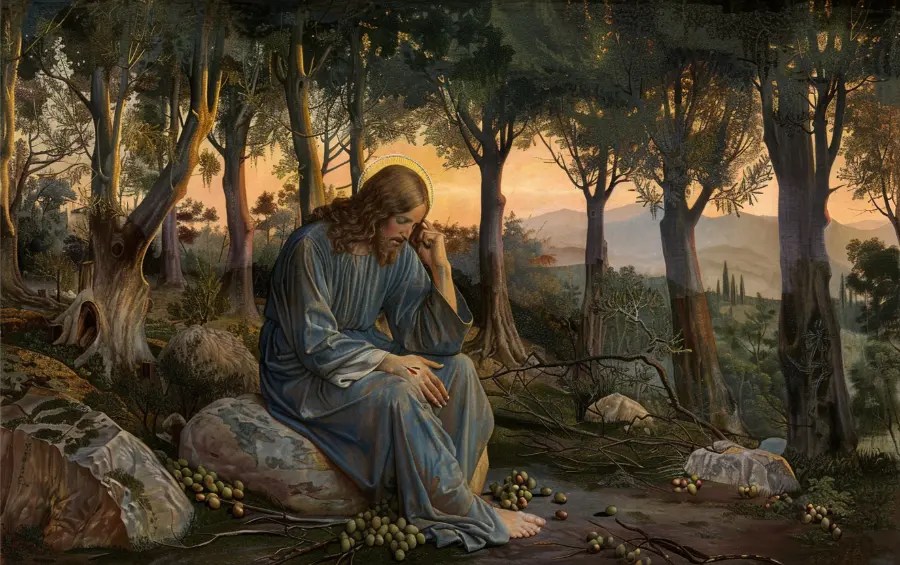
1 Corinthians 13:4-7
“Love is patient, love is kind. It does not envy, it does not boast, it is not proud. It does not dishonor others, it is not self-seeking, it is not easily angered, it keeps no record of wrongs.”
Reflection: Every item on Paul’s list is something a person does, so each can be done on a day when the feeling is absent.
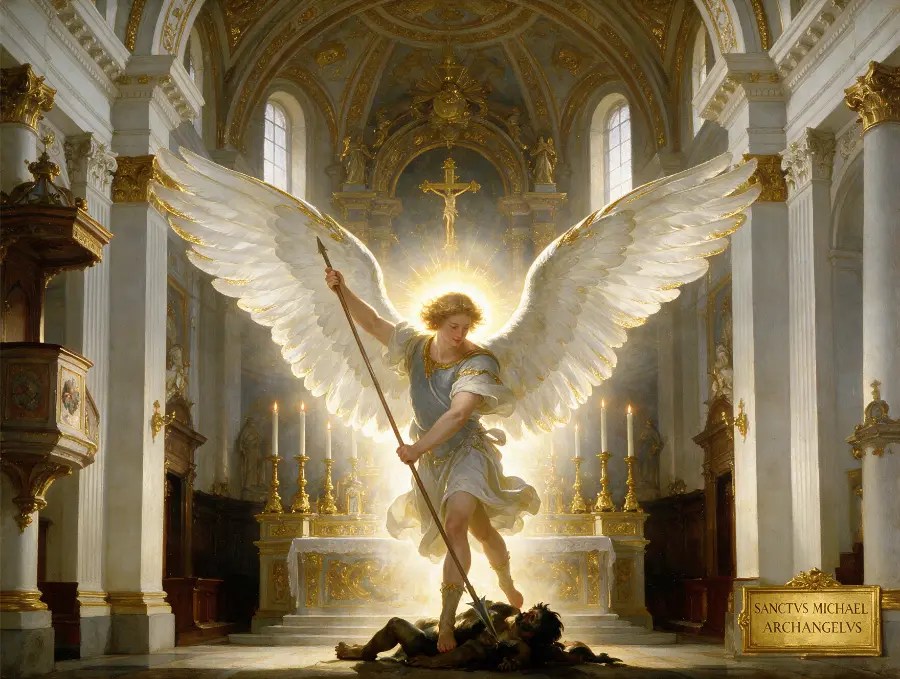
Colossians 3:14
“And over all these virtues put on love, which binds them all together in perfect unity.”
Reflection: Love is put on, like clothing, over the virtues listed just before (3:12). It is a daily choice, not a state a person falls into.
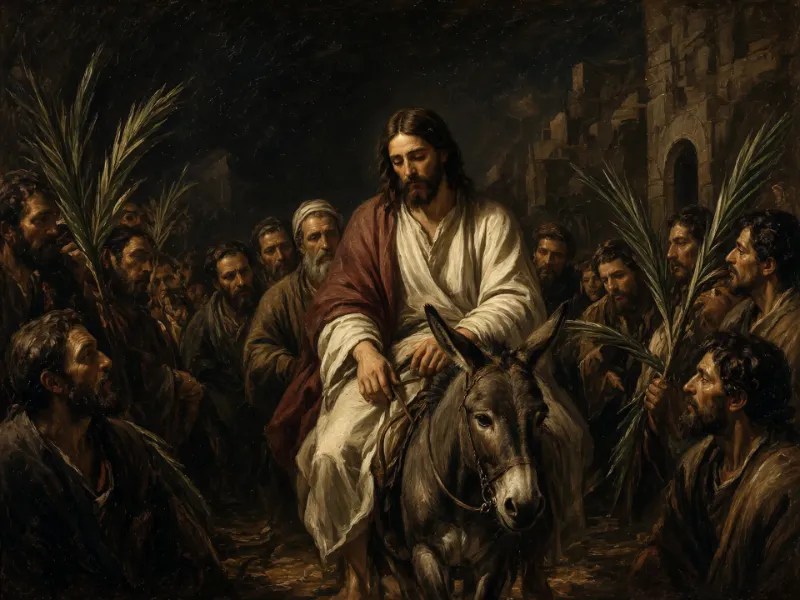
1 Peter 4:8
“Above all, love each other deeply, because love covers over a multitude of sins.”
Reflection: Peter echoes Proverbs 10:12, “love covers over all wrongs.” Covering means declining to keep a record, not pretending wrongs did not happen.
Ephesians 5:25
“Husbands, love your wives, just as Christ loved the church and gave himself up for her.”
Reflection: The measure for a husband’s love is Christ, who gave himself up for the church.
Promises, kept by people who chose to
Ruth 1:16-17
“But Ruth replied, ‘Don’t urge me to leave you or to turn back from you. Where you go I will go, and where you stay I will stay. Your people will be my people and your God my God.’”
Reflection: These lines are often read at weddings, but Ruth said them to Naomi, her widowed mother-in-law. They are a promise made by choice.

Malachi 2:14-15
“It is because the Lord is the witness between you and the wife of your youth. You have been unfaithful to her, though she is your partner, the wife of your marriage covenant.”
Reflection: Covenant and witness are legal terms. Malachi rebukes men who had been unfaithful to the wives they married when young, and he says nothing about compatibility.
Song of Solomon 3:4
“Scarcely had I passed them when I found the one my heart loves. I held him and would not let him go.”
Reflection: The woman had searched the city at night for the one she loved (3:1-3). When she finds him, she holds him and will not let him go.
So what do you do with this
If you are single and have been told that God is preparing one particular person for you, Scripture does not say so. It says a good spouse is a gift from the Lord, that agreement matters, and that two are better than one.
If you are married and wonder whether you chose the wrong person, the Bible does not frame marriage that way. Isaac married Rebekah and then loved her, and Paul describes love as things to do. The promise comes first, and the rest is built on it.


Leave a Reply