
 English
 Chinese
 Dutch
 Arabic
 Spanish
 Portuguese
 Russian
 French
 Italian
 German
 Japanese
God guides Christians who seek marriage, but the Bible never teaches a soulmate, one person made to be your other half. Scripture says that “a prudent wife is from the Lord” (Proverbs 19:14), and Paul tells a widow she may marry “to whom she will; only in the Lord” (1 Corinthians 7:39).
The Bible’s picture of marriage begins in a garden. God brings the woman to the man, and Adam cries out with joy, “This is now bone of my bones, and flesh of my flesh” (Genesis 2:23). Two whole people, each made by God, become one flesh by choosing each other. That is very different from hunting for a missing piece of yourself, and it is far kinder.
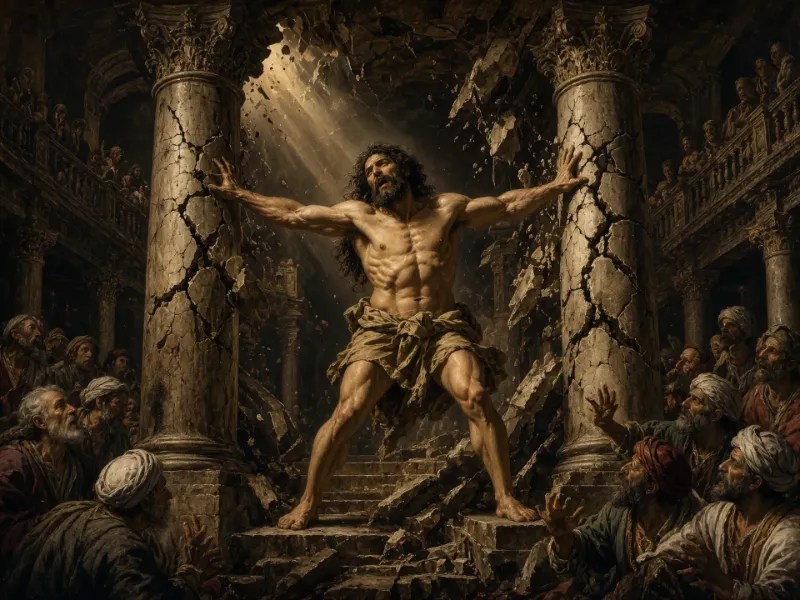
Is the idea of a soulmate in the Bible?
No. The idea of a single person who is the missing half of you comes from Greek literature. In Plato’s Symposium, the comic poet Aristophanes tells a story at a dinner party. The first humans were round, with four hands and four feet, until Zeus “cut men in two, like a sorb-apple which is halved for pickling.” Ever since, “each of us when separated, having one side only, like a flat fish, is but the indenture of a man, and he is always looking for his other half.” When someone finds that half, Aristophanes says, the pair “are lost in an amazement of love and friendship and intimacy.” It is a funny, sad, memorable story, and people still talk about love in its terms.
Genesis tells it another way. God says, “It is not good that the man should be alone; I will make him an help meet for him” (Genesis 2:18). He brings the woman to the man, and Adam greets her with delight. Then comes the sentence Jesus would later quote: “Therefore shall a man leave his father and his mother, and shall cleave unto his wife: and they shall be one flesh” (Genesis 2:23–24). Nobody is born half of anyone. Two people become one by leaving home and holding to each other. The verses Scripture does give on love and marriage are gathered in what the Bible says instead of soulmates.

Does God choose your spouse for you?
Scripture calls a good spouse God’s gift, and it also leaves the choice to the two people who marry. Proverbs sets the gift beside an inheritance: “House and riches are the inheritance of fathers: and a prudent wife is from the Lord” (Proverbs 19:14). Your parents can leave you a house. A good husband or wife you receive from God.
Many Christians, Reformed Christians especially, believe God has decreed whom they will marry. The churches use different words for how God’s plan and our choices fit together. The Catholic Catechism teaches that “God is the sovereign master of his plan,” and that he “grants his creatures not only their existence, but also the dignity of acting on their own” (Catechism 306). The Westminster Confession, the standard of Presbyterian churches, puts God’s decree first: he governs “all creatures, actions, and things, from the greatest even to the least,” and “yet, by the same providence, he ordereth them to fall out, according to the nature of second causes, either necessarily, freely, or contingently” (5.1–2). On the Reformed reading, God’s decree reaches the choice of a husband or wife as it reaches everything else, and it works through the free choices of the two people.
That is a long way from the Greek “other half.” The myth makes each of us a broken piece, incomplete until the lost half turns up. The Confession speaks of God ordering free human lives. Neither it nor the Catechism tells a believer to search for a hidden match, or to live in fear of missing one.
When the New Testament speaks to the choice itself, it says very little. Paul tells a widow she “is at liberty to be married to whom she will; only in the Lord” (1 Corinthians 7:39). The freedom is wide, and the one limit is faith.
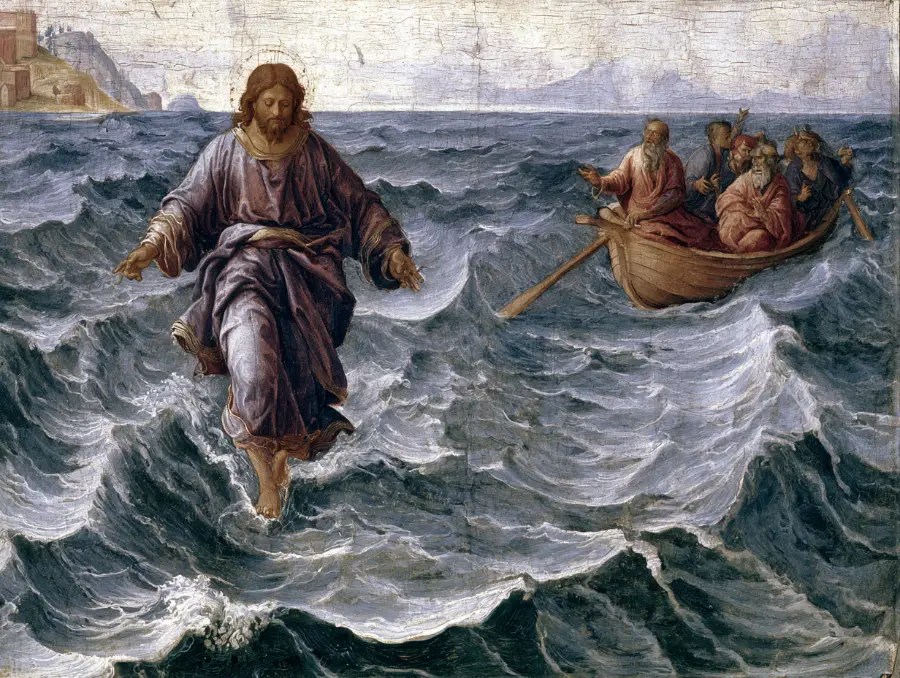
How does God lead a Christian to the person they marry?
Scripture shows his leading in two stories and a handful of plain commands. Neither story is a formula. In both, people pray, work and choose.
Rebekah: a prayer at a well
Abraham sent his servant back to his own “country” and “kindred” to find a wife for Isaac (Genesis 24:4). At the well the servant prayed, “O Lord God of my master Abraham, I pray thee, send me good speed this day.” He asked that the young woman who answered his request for water with “Drink, and I will give thy camels drink also” would prove to be the one: “let the same be she that thou hast appointed for thy servant Isaac” (Genesis 24:12–14). He believed God had appointed a wife for Isaac, and the story bears him out. Rebekah drew water “for all his camels” (24:20), and her family said, “The thing proceedeth from the Lord” (24:50).
Look at what he asked for. He had brought ten camels (24:10), so the sign was a stranger offering hard, generous work. He asked God to show him the right woman through her character. Genesis records his prayer and its answer; it does not tell every believer to pray the same way. And the last word was hers. Her family agreed, “take her, and go, and let her be thy master’s son’s wife” (24:51), but when they wanted her to stay ten more days, they asked Rebekah, “Wilt thou go with this man?” She said, “I will go” (24:55–58).
Ruth and Boaz: an ordinary day’s work
Ruth went out to glean at harvest, “and her hap was to light on a part of the field belonging unto Boaz” (Ruth 2:3). “Hap” means chance. The book names no miracle in the meeting. Boaz had already heard what Ruth had done for Naomi (2:11), and he blessed her in the name of the God “under whose wings thou art come to trust” (2:12). Later he told her, “all the city of my people doth know that thou art a virtuous woman” (3:11). Her goodness was known long before “Boaz took Ruth, and she was his wife” (4:13). God was at work in what looked like an ordinary day.
What Scripture asks of you
| Guide | Scripture | What it asks |
|---|---|---|
| Shared faith | 2 Corinthians 6:14 | Marry a believer |
| Character | Galatians 5:22–23; Proverbs 31:30 | Look for the fruit of the Spirit |
| Counsel | Proverbs 15:22 | Ask people who know you both |
| Prayer | James 1:5 | Ask God for wisdom |
Faith comes first. “Be ye not unequally yoked together with unbelievers,” Paul says (2 Corinthians 6:14), and the Westminster Confession applies it straight to marriage: “It is lawful for all sorts of people to marry, who are able with judgment to give their consent. Yet it is the duty of Christians to marry only in the Lord.”
Then character. Paul names the fruit of the Spirit as “love, joy, peace, longsuffering, gentleness, goodness, faith, meekness, temperance” (Galatians 5:22–23), and Proverbs says that “favour is deceitful, and beauty is vain: but a woman that feareth the Lord, she shall be praised” (Proverbs 31:30). John Chrysostom, preaching on Ephesians 5 in the late fourth century, said the same to his congregation: “Let us seek in a wife affectionateness, modest-mindedness, gentleness; these are the characteristics of beauty.” And: “Let us not look for wealth, nor for that high-birth which is outward, but for that true nobility which is in the soul.” Paul’s list in Galatians is written to every believer, so it is just as much what a woman can look for in a husband.
Last come counsel and prayer. “Without counsel purposes are disappointed: but in the multitude of counsellors they are established” (Proverbs 15:22). And God promises wisdom to anyone who asks: “If any of you lack wisdom, let him ask of God, that giveth to all men liberally, and upbraideth not; and it shall be given him” (James 1:5).
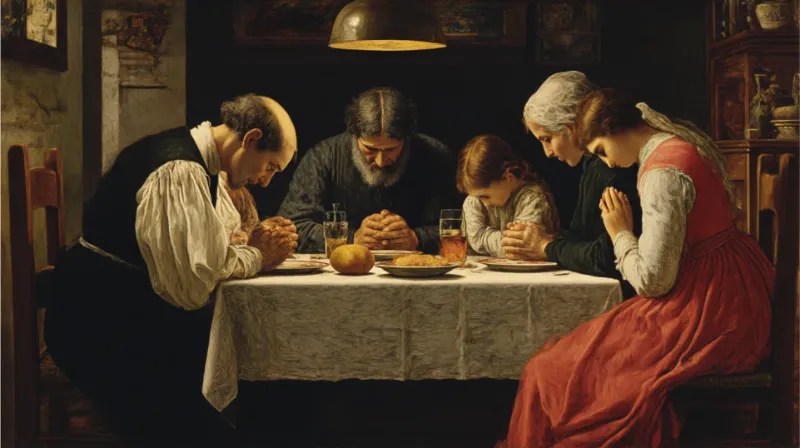
Should you ask God for a sign?
Scripture records signs without commanding them. The best known is Gideon’s fleece. Gideon asked for dew on a fleece of wool and not on the ground, and then the other way round, and “God did so that night” (Judges 6:36–40). But look at what he was asking. He wanted proof of a promise God had already made (“If thou wilt save Israel by mine hand, as thou hast said”), and the second time he asked with an apology: “Let not thine anger be hot against me, and I will speak but this once.” The servant’s sign at the well, too, was about character, not luck.
A song on the radio or a number on a clock cannot tell you whether a person is kind, faithful and a believer. You learn those things by knowing someone over time, among people who love you both.
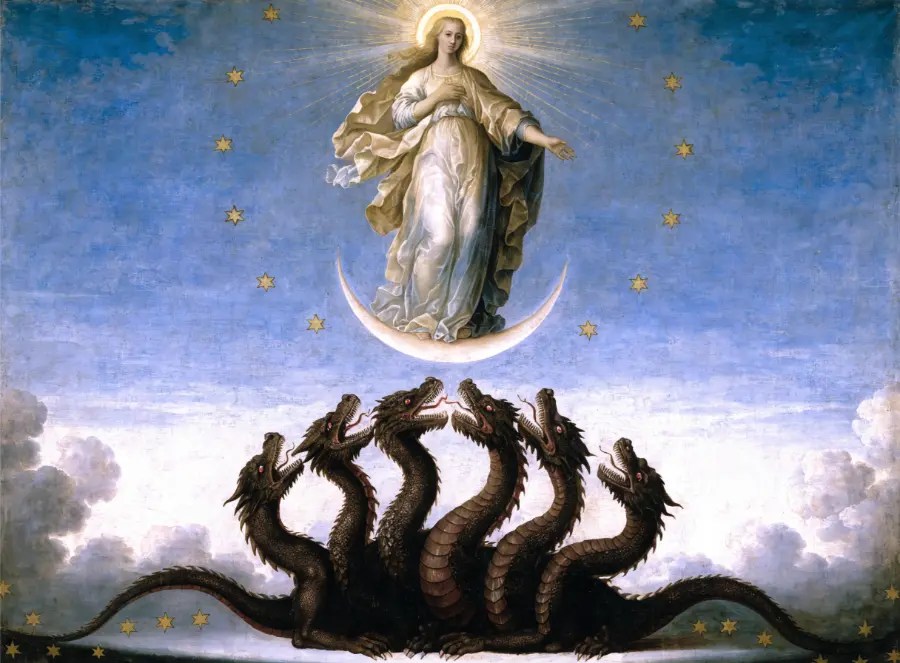
Does God show you your future husband or wife in a dream?
God did speak in dreams in Scripture. An angel told Joseph in a dream, “fear not to take unto thee Mary thy wife” (Matthew 1:20). But Mary was already “espoused to Joseph,” and he had been “minded to put her away privily” (Matthew 1:18–19). The dream kept a betrothal that already existed. It did not bring him a stranger.
Scripture also warns about people who claim dreams. Through Jeremiah God says of false prophets, “I have heard what the prophets said, that prophesy lies in my name, saying, I have dreamed, I have dreamed,” and then, “The prophet that hath a dream, let him tell a dream; and he that hath my word, let him speak my word faithfully” (Jeremiah 23:25–28). Every claimed message meets the same test: “believe not every spirit, but try the spirits whether they are of God” (1 John 4:1).
Augustine tells a story about his mother that speaks to this. While Monica was arranging his marriage, she begged God every day “that Thou wouldest by a vision discover unto her something concerning my future marriage; Thou never wouldest.” She saw only “certain vain and fantastic things,” and told her son about them “not with that confidence she was wont” when God had shown her something, because she could “discern betwixt Thy revelations, and the dreams of her own soul” (Confessions VI.13). Augustine does not record that the marriage took place. When he was converted, he wrote that he “sought neither wife, nor any hope of this world,” and that Monica rejoiced because God had “given her more for me, than she was wont to beg” (VIII.12). She prayed for a wife for her son and was given a saint.
So a dream, or a “word” someone says they received about you, binds neither you nor anyone else. A marriage needs the free yes of two people. The Catechism says the consent “must be an act of the will of each of the contracting parties, free of coercion or grave external fear,” and that “no human power can substitute for this consent” (Catechism 1628). If someone tells you God has shown them you are to marry them, you are free to say no.
How can you recognise the person God sends?
The saying that God brings two halves together is Aristophanes’ myth again, and so is waiting for a flash of recognition, as if a missing part of you had come home. Scripture promises no such moment. It gives you marks you can see in a person over time:
- The person shares your faith and lives it, which is Paul’s “only in the Lord.”
- Their character holds up over time: patience, kindness and self-control when things go wrong, the fruit Galatians 5 names.
- People who know you both see it too: parents, friends, a pastor or priest.
- You both choose freely, and nobody presses either of you with a claimed sign or dream.
- Prayer has been part of it, from the start and as the relationship grows.
If you and the person you love believe you have found each other and plan to marry, Whom God Has Joined is a marriage preparation course for engaged couples.
A deep sense of peace is welcome, but it is not proof. Paul’s promise that “the peace of God, which passeth all understanding, shall keep your hearts and minds through Christ Jesus” (Philippians 4:7) comes right after a command to bring every worry to God in prayer. It describes what God gives an anxious believer. It is not a test for choosing a spouse. How Christians discern God’s will in other decisions is set out in what the will of God is.
What if you are still single, or it ended?
Scripture does not promise every Christian a husband or wife, and it never treats a single life as a lesser one. Paul, who was unmarried, wrote, “every man hath his proper gift of God, one after this manner, and another after that” (1 Corinthians 7:7). Why he called singleness a gift is explained in is singleness a gift from God.
Perhaps a relationship ended with someone you were sure God had chosen for you. Your certainty was not a promise God broke. Feelings of certainty can be sincere and still mistaken. The other person was free to choose, and so were you. The grief is real, and it is no sign that you missed God’s plan for your life.
Did I marry the wrong soulmate?
If you are married and wonder whether you missed “the one,” the Bible’s answer is that the person you married is the one you promised to love. You were never half a person waiting for your other half; you were two people who became one flesh. Jesus said of every marriage, “What therefore God hath joined together, let not man put asunder” (Matthew 19:6). Doubt about a soulmate is no reason to leave a marriage. Abuse or danger at home is a different matter, and a pastor, priest or counsellor can help you with it.


Leave a Reply