
 English
 Chinese
 Dutch
 Arabic
 Spanish
 Portuguese
 Russian
 French
 Italian
 German
 Japanese
The Bible answers the question of living together before marriage through what it says about marriage and about sexual relations outside it. Genesis 2:24 and Matthew 19:6 describe marriage as one flesh that God joins, Malachi 2:14 calls a wife a companion “by covenant,” and 1 Corinthians 6:18, Ephesians 5:3, 1 Thessalonians 4:3-5 and Hebrews 13:4 forbid sexual immorality.
The Greek word behind “sexual immorality” in 1 Corinthians 6:18 and 1 Thessalonians 4:3 is porneia, which the King James Version translates “fornication,” and in 1 Corinthians 7:9 Paul tells the unmarried who cannot exercise self-control to marry. Two couples in the Gospels come closest to the question: Joseph is called Mary’s “husband” while they are betrothed, “before they came together” (Matthew 1:18-19), and Jesus tells a Samaritan woman that “the one you now have is not your husband” (John 4:17-18).
Marriage as a union God makes
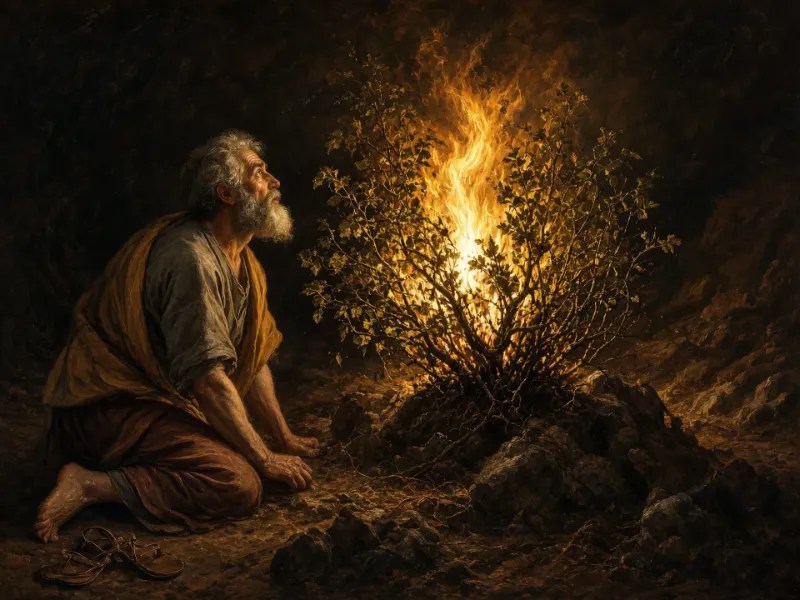
Genesis 2:24
“Therefore a man shall leave his father and his mother and hold fast to his wife, and they shall become one flesh.”
Reflection: The verse follows the man’s first words about the woman God brought to him: “This at last is bone of my bones and flesh of my flesh” (Genesis 2:23). It joins three things: a man leaves his father and mother, holds fast to his wife, and the two become one flesh. Jesus quotes it in Matthew 19:4-5 as something the Creator “said.”
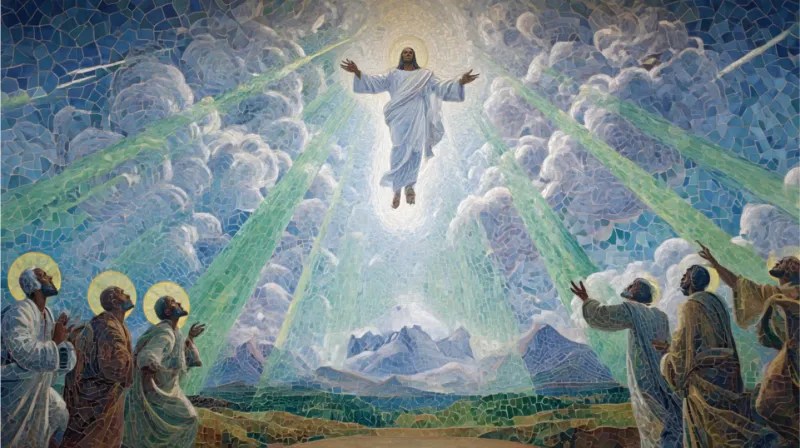
Matthew 19:6
“So they are no longer two but one flesh. What therefore God has joined together, let not man separate.”
Reflection: Pharisees test Jesus with a question about divorce: “Is it lawful to divorce one’s wife for any cause?” (Matthew 19:3). He answers from Genesis 1:27 and 2:24 and draws his own conclusion from the words “one flesh”: the joining is God’s work, and no one is to undo it. Verse 8 adds that Moses allowed divorce “because of your hardness of heart,” but “from the beginning it was not so.”
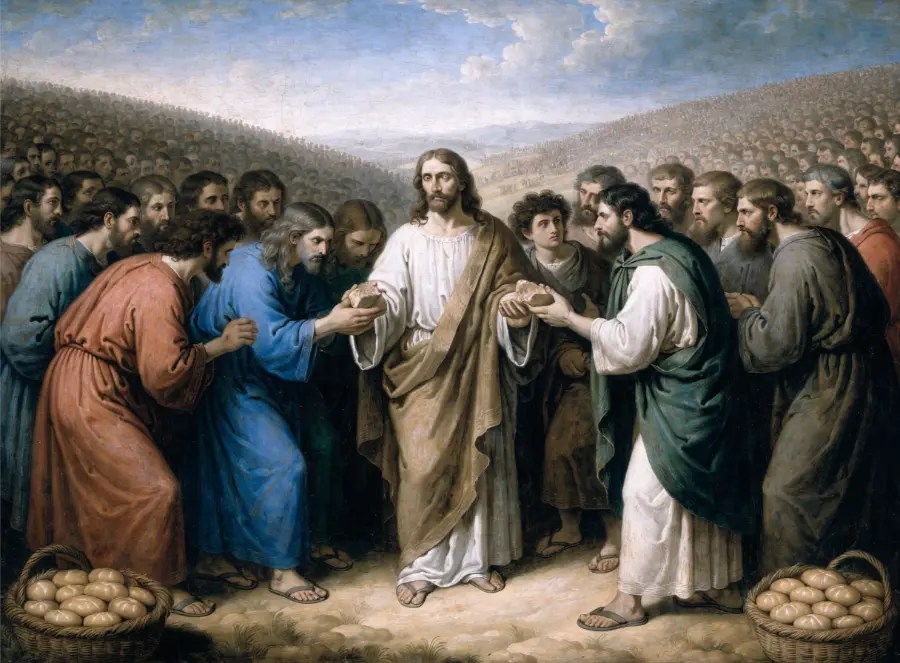
Malachi 2:14
“But you say, ‘Why does he not?’ Because the LORD was witness between you and the wife of your youth, to whom you have been faithless, though she is your companion and your wife by covenant.”
Reflection: Malachi speaks to men who weep at the altar because the Lord “no longer regards the offering” (Malachi 2:13). The reason he gives is their faithlessness to “the wife of your youth”: the Lord was witness between husband and wife, and she is “your wife by covenant.” Verses 15-16 repeat the warning “do not be faithless” and speak of the man who “divorces her.”
Sexual relations outside marriage
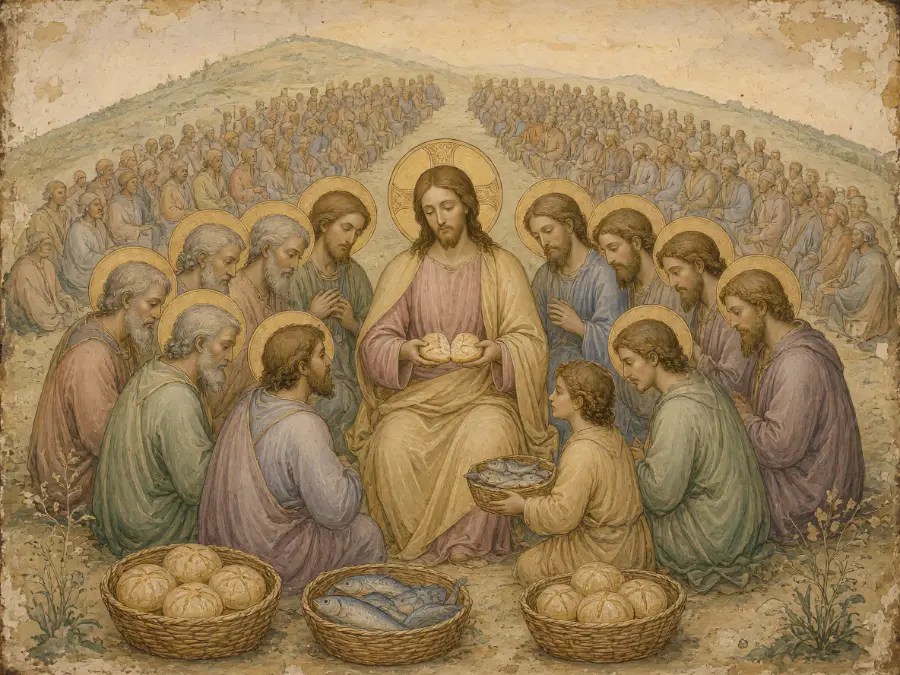
1 Corinthians 6:18
“Flee from sexual immorality. Every other sin a person commits is outside the body, but the sexually immoral person sins against his own body.”
Reflection: Paul answers the saying “All things are lawful for me” (1 Corinthians 6:12), and his example is a man joined to a prostitute. He applies Genesis 2:24 to that union: “he who is joined to a prostitute becomes one body with her,” for “the two will become one flesh” (6:16). Verses 19-20 add a further reason: the body is “a temple of the Holy Spirit,” bought “with a price.”
1 Thessalonians 4:3-5
“For this is the will of God, your sanctification: that you abstain from sexual immorality; that each one of you know how to control his own body in holiness and honor, not in the passion of lust like the Gentiles who do not know God.”
Reflection: Paul reminds the Thessalonians of instructions he gave them “through the Lord Jesus” (1 Thessalonians 4:2). He names God’s will as their sanctification and spells it out in two parts: abstaining from sexual immorality, and each one knowing how to control his own body “in holiness and honor.” Verse 6 extends the instruction to others: no one is to “transgress and wrong his brother in this matter.”

Ephesians 5:3
“But sexual immorality and all impurity or covetousness must not even be named among you, as is proper among saints.”
Reflection: The verse follows the call to “walk in love, as Christ loved us and gave himself up for us” (Ephesians 5:2). Sexual immorality, impurity and covetousness are not even to be named among believers, “as is proper among saints.” Verse 5 adds that the sexually immoral, the impure and the covetous have “no inheritance in the kingdom of Christ and God.”

Hebrews 13:4
“Let marriage be held in honor among all, and let the marriage bed be undefiled, for God will judge the sexually immoral and adulterous.”
Reflection: The verse sits in a list of instructions near the end of Hebrews, after hospitality and remembering prisoners and before contentment with money. It asks that marriage be held in honor “among all” and the marriage bed kept undefiled, and it names two groups God will judge, the sexually immoral and the adulterous. The Greek word for bed is koite, which can mean the marriage bed or sexual relations.
When desire comes before marriage

1 Corinthians 7:8-9
“To the unmarried and the widows I say that it is good for them to remain single, as I am. But if they cannot exercise self-control, they should marry. For it is better to marry than to burn with passion.”
Reflection: Paul is replying to “the matters about which you wrote” (1 Corinthians 7:1). He tells the unmarried and widows that it is good to remain single, but for those who “cannot exercise self-control” his answer is marriage. He gives the same reason earlier in the chapter: “because of the temptation to sexual immorality, each man should have his own wife and each woman her own husband” (7:2).
Romans 13:14
“But put on the Lord Jesus Christ, and make no provision for the flesh, to gratify its desires.”
Reflection: Paul writes that “the night is far gone; the day is at hand” (Romans 13:12), and verse 13 lists what walking “properly as in the daytime” leaves out: “not in orgies and drunkenness, not in sexual immorality and sensuality, not in quarreling and jealousy.” The word translated “sexual immorality” there is koite, bed, which the King James Version renders “chambering.” The “provision” verse 14 forbids is pronoia, forethought: planning ahead to gratify the desires of the flesh.

Song of Solomon 8:4
“I adjure you, O daughters of Jerusalem, that you not stir up or awaken love until it pleases.”
Reflection: The woman of the Song gives this charge to the “daughters of Jerusalem” just after describing her beloved’s embrace (Song of Solomon 8:3). The charge appears in nearly the same words at 2:7 and 3:5, each time asking that love not be stirred up or awakened “until it pleases.” Just before it, in 8:1-2, she wishes she could kiss him outside “and none would despise me.”
Two couples in the Gospels
Matthew 1:18-19
“Now the birth of Jesus Christ took place in this way. When his mother Mary had been betrothed to Joseph, before they came together she was found to be with child from the Holy Spirit. And her husband Joseph, being a just man and unwilling to put her to shame, resolved to divorce her quietly.”
Reflection: Matthew calls Joseph “her husband” while he and Mary are betrothed, and Joseph resolves to end the betrothal by divorcing her “quietly” (Matthew 1:19). All of this happens “before they came together.” The angel then tells Joseph not to fear “to take Mary as your wife” (1:20), and in verse 24 “he took his wife.”
John 4:17-18
“The woman answered him, ‘I have no husband.’ Jesus said to her, ‘You are right in saying, “I have no husband”; for you have had five husbands, and the one you now have is not your husband. What you have said is true.’”
Reflection: A Samaritan woman has come to draw water, and Jesus has asked her for a drink (John 4:7). When he tells her to call her husband, she says she has none, and he agrees, adding that the man she has now “is not your husband.” She answers, “Sir, I perceive that you are a prophet” (4:19), and later tells her town, “Come, see a man who told me all that I ever did” (4:29).
What the verses do not settle
First Corinthians 6:18, Ephesians 5:3, 1 Thessalonians 4:3-5 and Hebrews 13:4 concern sexual relations. For a couple who share a home without them, the nearest verse is Romans 13:14, against making “provision for the flesh.”
Song of Solomon 8:4 asks that love not be awakened “until it pleases” and does not say when that is. John 4:18 says the woman’s present partner is not her husband but does not say whether they shared a house.


Leave a Reply