
 English
 Chinese
 Dutch
 Arabic
 Spanish
 Portuguese
 Russian
 French
 Italian
 German
 Japanese
The Bible speaks to a relationship with a boyfriend in two ways: through couples it describes before their wedding, and through what it tells believers about love, sexual restraint and forgiveness. Jacob worked seven years for Rachel (Genesis 29:20), and Joseph was pledged to Mary (Matthew 1:19).
Boaz praises Ruth for her choice of man (Ruth 3:10-11). Paul describes love by what it does and does not do (1 Corinthians 13:4-5), calls avoiding sexual immorality God’s will (1 Thessalonians 4:3-5), and tells the unmarried who cannot control themselves to marry (1 Corinthians 7:9). Proverbs sets claims of love against faithfulness (Proverbs 20:6), and Jesus ties the Father’s forgiveness to forgiving others (Matthew 6:14-15).
Couples in Scripture before the wedding
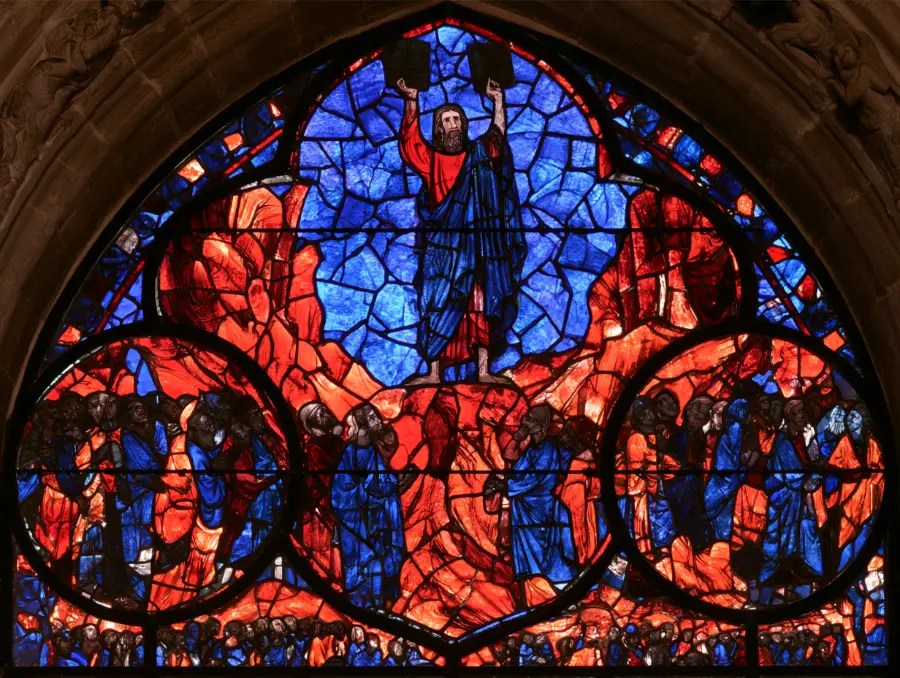
Genesis 29:20
“So Jacob served seven years to get Rachel, but they seemed like only a few days to him because of his love for her.”
Reflection: Jacob is staying with his relative Laban when Laban asks him to name his wages (29:15). He names Rachel, the younger daughter, and offers seven years of work for her. The verse measures his love by how short those years felt, and his request when they end is direct: “Give me my wife. My time is completed” (29:21).
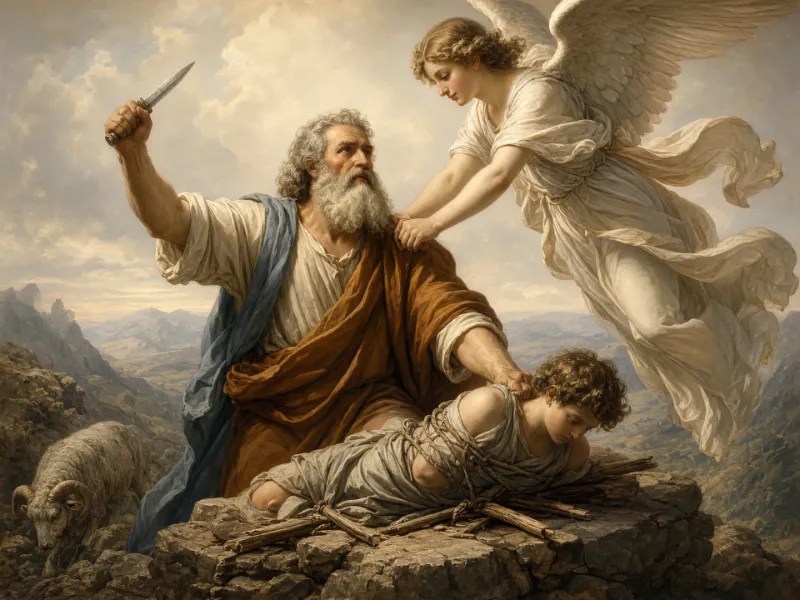
Ruth 3:11
“And now, my daughter, don’t be afraid. I will do for you all you ask. All the people of my town know that you are a woman of noble character.”
Reflection: Ruth has come to Boaz at night and asked him to spread the corner of his garment over her, “since you are a guardian-redeemer of our family” (3:9). He praises her first for her choice: “You have not run after the younger men, whether rich or poor” (3:10). Because another man is a closer relative, he leaves the matter until morning. She rises before anyone could be recognized, and he says, “No one must know that a woman came to the threshing floor” (3:14). The marriage is settled in public, with the elders and the people as witnesses (4:9-10).
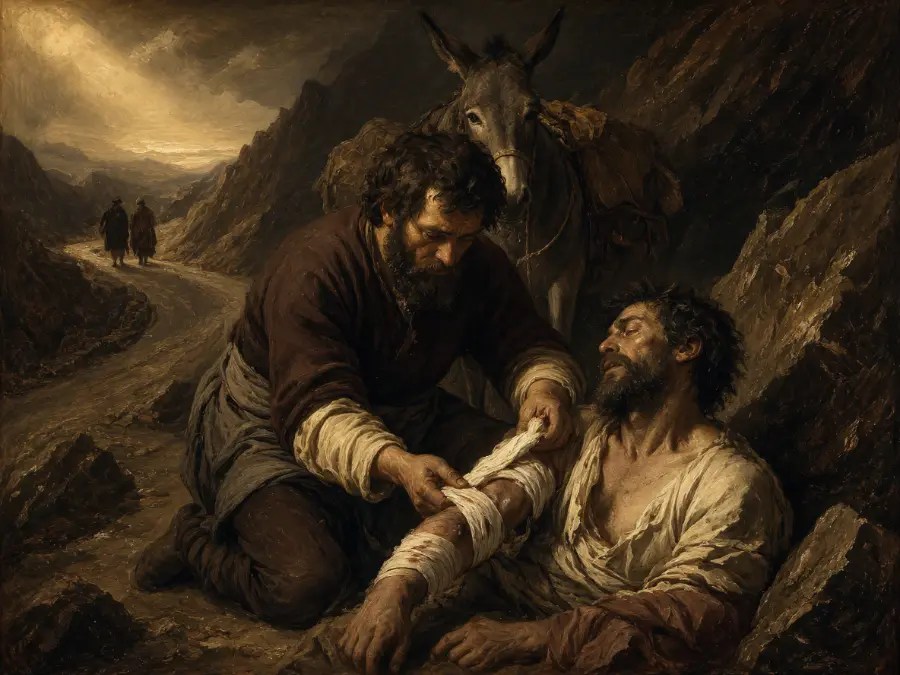
Matthew 1:19
“Because Joseph her husband was faithful to the law, and yet did not want to expose her to public disgrace, he had in mind to divorce her quietly.”
Reflection: Mary was “pledged to be married to Joseph,” and Matthew says she was found to be pregnant “before they came together” (1:18). Matthew already calls Joseph her husband, and ending the pledge would have meant a divorce. Joseph, described as faithful to the law, planned to do it quietly so as not to expose her to public disgrace, until an angel told him in a dream to take Mary home as his wife (1:20).
Love that shows in conduct
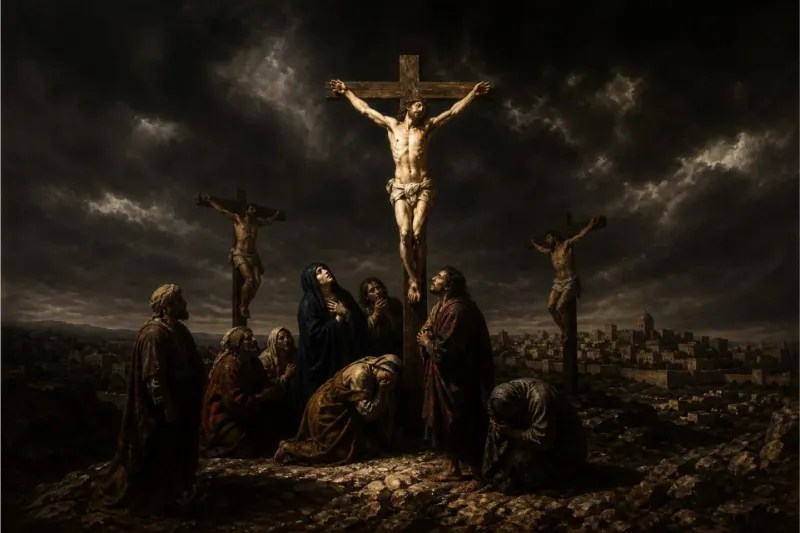
1 Corinthians 13:4-5
“Love is patient, love is kind. It does not envy, it does not boast, it is not proud. It does not dishonor others, it is not self-seeking, it is not easily angered, it keeps no record of wrongs.”
Reflection: Paul sets this list in the middle of his teaching to the Corinthian church on spiritual gifts. The chapter opens by weighing tongues, prophecy, knowledge and even giving everything away against love, and without love, “I gain nothing” (13:3). After patience and kindness, every item in these two verses is something love does not do: envy, boast, dishonor others, seek its own way, anger easily, or keep a record of wrongs.
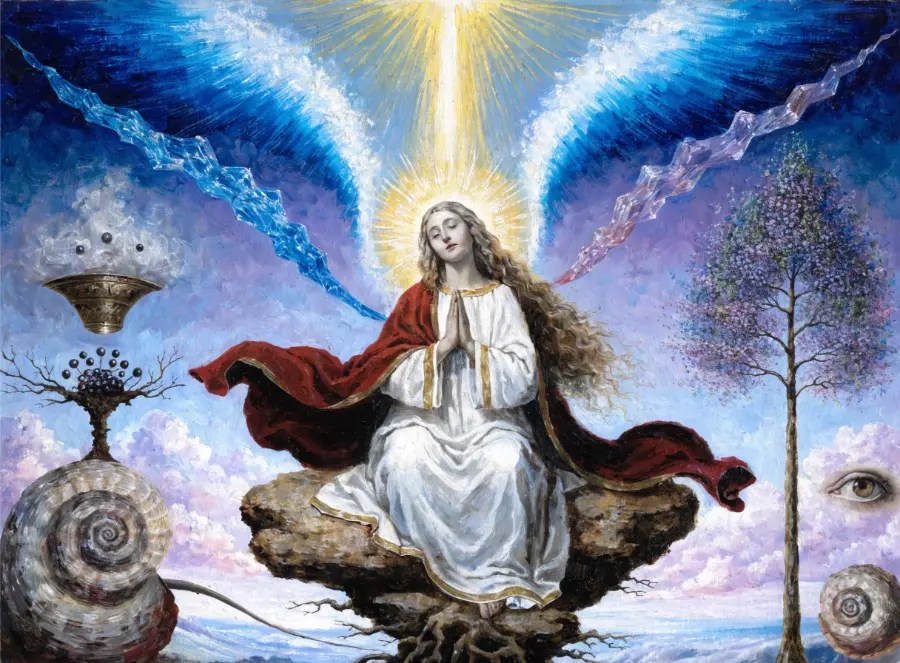
Proverbs 20:6-7
“Many claim to have unfailing love, but a faithful person who can find? The righteous lead blameless lives; blessed are their children after them.”
Reflection: The proverb contrasts what many people claim, unfailing love, with what is hard to find, a faithful person. The line before it says a person’s purposes are “deep waters” that someone with insight draws out (20:5). Verse 7, a separate saying, adds that the righteous lead blameless lives and “blessed are their children after them.”
Proverbs 3:3-4
“Let love and faithfulness never leave you; bind them around your neck, write them on the tablet of your heart. Then you will win favor and a good name in the sight of God and man.”
Reflection: A father is speaking to his son: “My son, do not forget my teaching” (3:1). Love and faithfulness are to be bound around the neck and written on the heart, outwardly and inwardly at once. Verse 4 names the result as favor and a good name “in the sight of God and man.”
Sexual restraint while unmarried
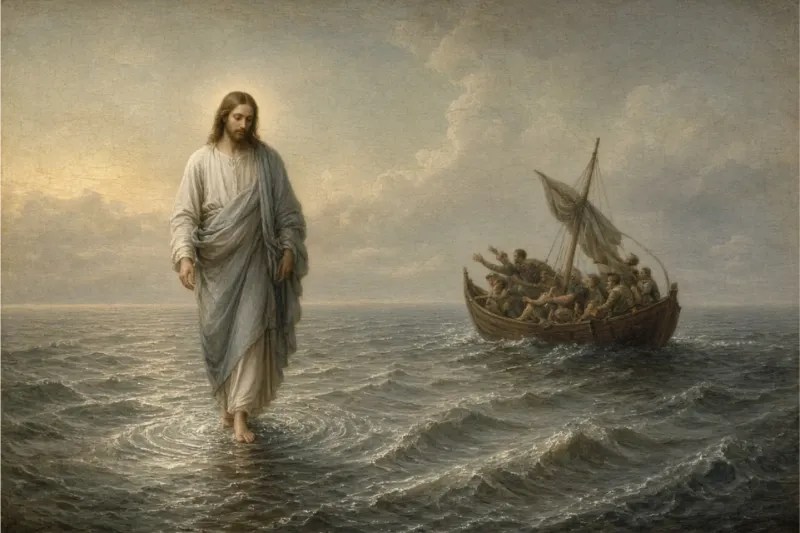
1 Thessalonians 4:3-5
“It is God’s will that you should be sanctified: that you should avoid sexual immorality; that each of you should learn to control your own body in a way that is holy and honorable, not in passionate lust like the pagans, who do not know God.”
Reflection: Paul writes to believers in Thessalonica who were already living “in order to please God,” and he asks them to do so “more and more” (4:1). He names avoiding sexual immorality as God’s will and describes it as learning to control one’s own body, set against “passionate lust like the pagans, who do not know God.” The paragraph ends by saying that whoever rejects this instruction rejects God, “who gives you his Holy Spirit” (4:8).
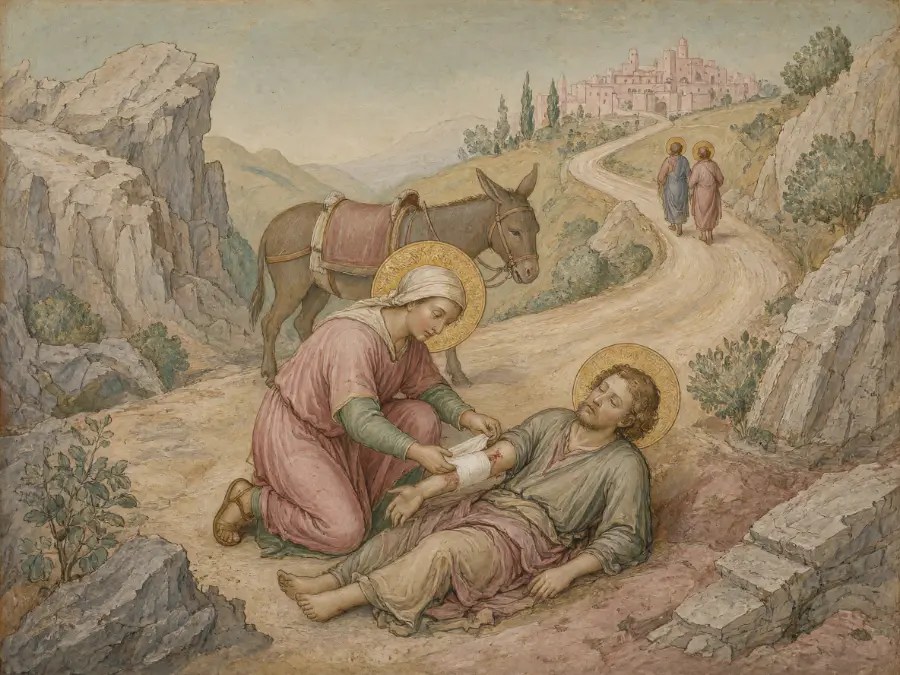
1 Corinthians 6:18
“Flee from sexual immorality. All other sins a person commits are outside the body, but whoever sins sexually, sins against their own body.”
Reflection: The command comes at the end of Paul’s argument against uniting with a prostitute, where he quotes Genesis: “The two will become one flesh” (6:16). The reason given in this verse is that sexual sin is against a person’s own body. The verses after it add that the body is a temple of the Holy Spirit and that believers “were bought at a price,” and they end, “Therefore honor God with your bodies” (6:19-20).
1 Corinthians 7:9
“But if they cannot control themselves, they should marry, for it is better to marry than to burn with passion.”
Reflection: Paul is addressing “the unmarried and the widows,” and he says his own preference is for them to stay unmarried, “as I do” (7:8). This verse is the exception he makes in the next breath. For the unmarried who cannot control themselves, his answer is marriage, and the NIV renders the alternative as burning “with passion.”
When a boyfriend does not share the faith
2 Corinthians 6:14
“Do not be yoked together with unbelievers. For what do righteousness and wickedness have in common? Or what fellowship can light have with darkness?”
Reflection: A yoke ties two animals to one load, and the law of Moses forbade plowing “with an ox and a donkey yoked together” (Deuteronomy 22:10). Paul’s pairs are righteousness and wickedness, light and darkness, Christ and Belial, believer and unbeliever, the temple of God and idols (6:14-16). The paragraph does not mention marriage. Paul speaks to that directly in 1 Corinthians 7:39, where a widow is free to marry “anyone she wishes, but he must belong to the Lord.”
Quarrels and forgiveness
Proverbs 17:9
“Whoever would foster love covers over an offense, but whoever repeats the matter separates close friends.”
Reflection: Covering over an offense, in this proverb, is set against repeating it. The second line says what repeating it does: it “separates close friends.” The proverb places the choice after the offense has happened, in what is said about it afterwards.

Matthew 6:14-15
“For if you forgive other people when they sin against you, your heavenly Father will also forgive you. But if you do not forgive others their sins, your Father will not forgive your sins.”
Reflection: Jesus says this directly after teaching the Lord’s Prayer, and it takes up one line of the prayer: “Forgive us our debts, as we also have forgiven our debtors” (6:12). Of the prayer’s requests, forgiveness is the one he returns to once it ends. Both halves of the saying make the same link, in positive and negative form.


Leave a Reply