
 English
  Chinese
  Dutch
Dutch  Arabic
  Spanish
  Portuguese
  Russian
  French
  Italian
  German
  Japanese
 The Bible does not speak of school examinations, but it does speak to anxiety, fear and the work of learning. On anxiety, Paul writes “do not be anxious about anything” (Philippians 4:6-7), Peter tells his readers to cast “all your anxieties on him” (1 Peter 5:7), and Jesus says “do not be anxious about tomorrow” (Matthew 6:34).
Psalm 56:3 and Isaiah 41:10 speak to fear directly. For the work of learning, James 1:5 tells anyone who lacks wisdom to ask God for it, and Proverbs 2:6 says the Lord gives it to those who search for it. Daniel 1 records four young men educated for three years and then questioned by the king of Babylon. Philippians 4:13 and 2 Corinthians 12:9 come from Paul writing about being content in need and in plenty, and about a weakness God did not remove.
What the Bible says to do with anxiety
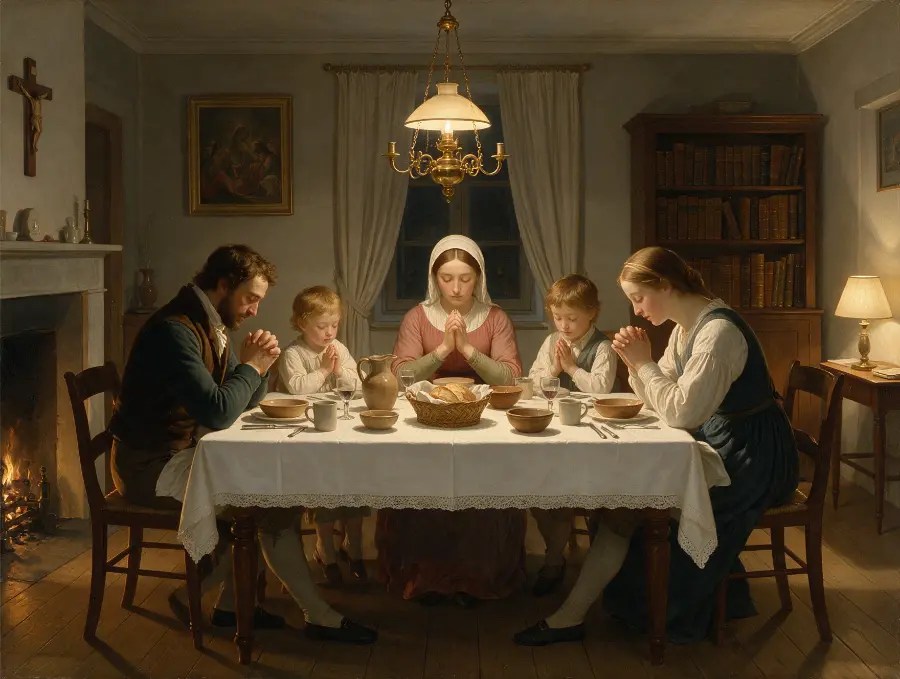
Philippians 4:6-7
“Do not be anxious about anything, but in everything by prayer and supplication with thanksgiving let your requests be made known to God. And the peace of God, which surpasses all understanding, will guard your hearts and your minds in Christ Jesus.”
Reflection: Paul writes to the church at Philippi while in prison (Philippians 1:13), and the command follows the words “The Lord is at hand.” Anxiety is answered with prayer, supplication and thanksgiving, with requests made known to God. The promise attached is peace that guards the heart and the mind, and verse 8 goes on to say what the mind should dwell on: “whatever is true, whatever is honorable.”

1 Peter 5:7
“Casting all your anxieties on him, because he cares for you.”
Reflection: In the ESV the verse completes a sentence that begins “Humble yourselves, therefore, under the mighty hand of God” (verse 6), so casting anxieties on God and humbling oneself are joined in one instruction. The reason given is short: “because he cares for you.” Peter writes to Christians who are suffering, and a few lines later promises that God will “restore, confirm, strengthen, and establish you” (verse 10).
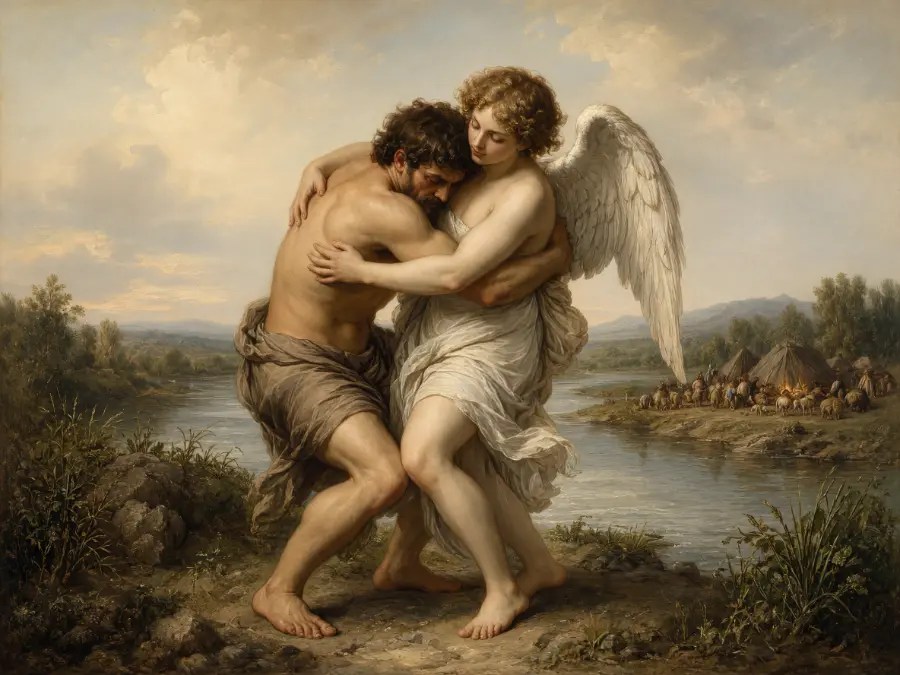
Matthew 6:34
“Therefore do not be anxious about tomorrow, for tomorrow will be anxious for itself. Sufficient for the day is its own trouble.”
Reflection: Jesus ends a section of the Sermon on the Mount about anxiety over food, drink and clothing (Matthew 6:25-33). Earlier he asks, “which of you by being anxious can add a single hour to his span of life?” (verse 27). Verse 34 limits worry to the day at hand, because tomorrow will bring its own trouble.
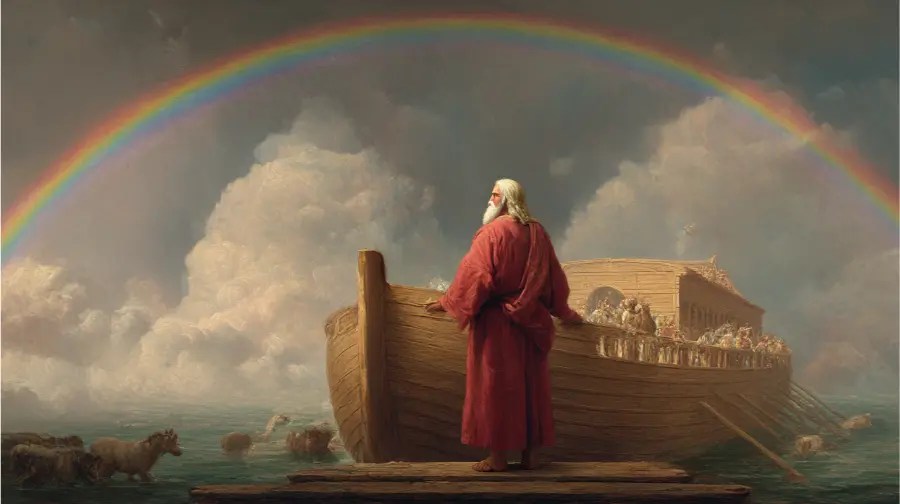
Psalm 94:19
“When the cares of my heart are many, your consolations cheer my soul.”
Reflection: The psalm asks who will stand up against evildoers (verse 16) and whether rulers who “frame injustice by statute” can be allied with God (verse 20). The writer recalls thinking “My foot slips” and being held up by God’s steadfast love (verse 18). Verse 19 admits that the cares are many and says God’s consolations cheer the soul while the cares last.

John 14:27
“Peace I leave with you; my peace I give to you. Not as the world gives do I give to you. Let not your hearts be troubled, neither let them be afraid.”
Reflection: Jesus speaks to his disciples shortly before he says, “Rise, let us go from here” (John 14:31). In the verse before, he promises that the Holy Spirit “will teach you all things and bring to your remembrance all that I have said to you.” The peace he leaves is set apart from what the world gives, and the verse ends with two commands: do not be troubled, do not be afraid.
When fear comes

Psalm 56:3
“When I am afraid, I put my trust in you.”
Reflection: The heading places this psalm when the Philistines seized David in Gath. The verse begins “When I am afraid,” so trust is what David does while the fear is present. Verse 4 repeats the thought and adds a question: “in God I trust; I shall not be afraid. What can flesh do to me?”

Psalm 34:4
“I sought the Lord, and he answered me and delivered me from all my fears.”
Reflection: The heading ties this psalm to the time David “changed his behavior before Abimelech” and was driven out. David says he sought the Lord and was delivered from all his fears, and he invites others to join him: “Oh, magnify the Lord with me” (verse 3). Verse 6 says the same thing of “this poor man,” who cried and was saved out of all his troubles.

Isaiah 41:10
“Fear not, for I am with you; be not dismayed, for I am your God; I will strengthen you, I will help you, I will uphold you with my righteous right hand.”
Reflection: God addresses Israel as “my servant, Jacob, whom I have chosen” (Isaiah 41:8), at a time when the nations tremble before a conqueror from the east (verses 2-5). The verse gives the reason not to fear, “I am with you,” and then three promises: to strengthen, to help and to uphold. Verse 13 repeats it: “I, the Lord your God, hold your right hand.”

Isaiah 26:3
“You keep him in perfect peace whose mind is stayed on you, because he trusts in you.”
Reflection: The verse belongs to a song to be sung “in that day” in the land of Judah, about a strong city whose walls are salvation (Isaiah 26:1). Peace is promised to the person whose mind is stayed on God, and the reason is stated: “because he trusts in you.” Verse 4 turns the statement into a command: “Trust in the Lord forever, for the Lord God is an everlasting rock.”
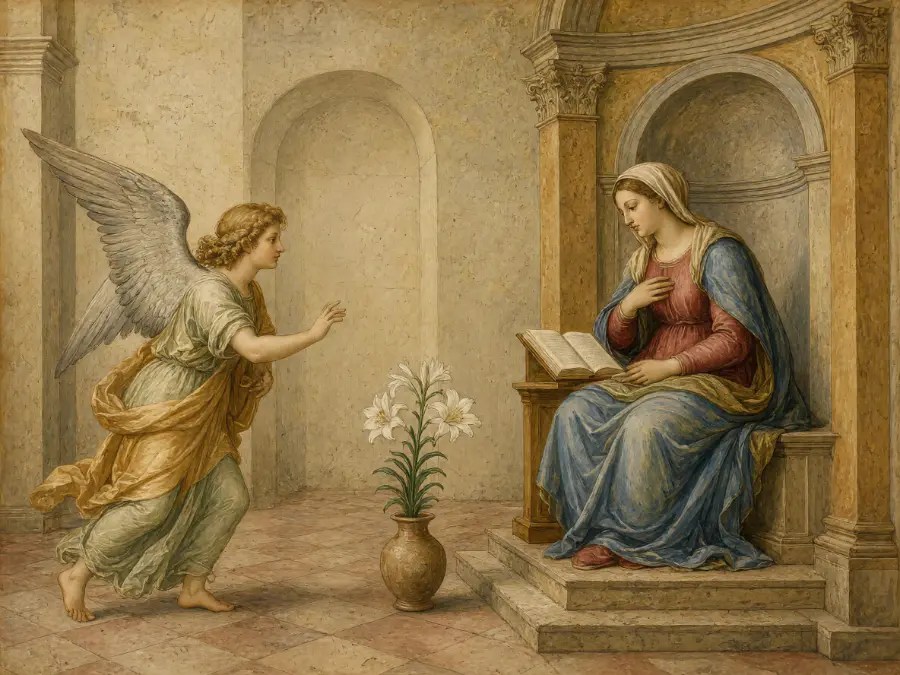
2 Timothy 1:7
“For God gave us a spirit not of fear but of power and love and self-control.”
Reflection: Paul reminds Timothy of “the gift of God, which is in you through the laying on of my hands” (verse 6). The spirit God gave is one of power, love and self-control. The fear Paul has in view appears in verse 8: being ashamed of the testimony about the Lord and of Paul in prison.
Asking for wisdom and studying for it
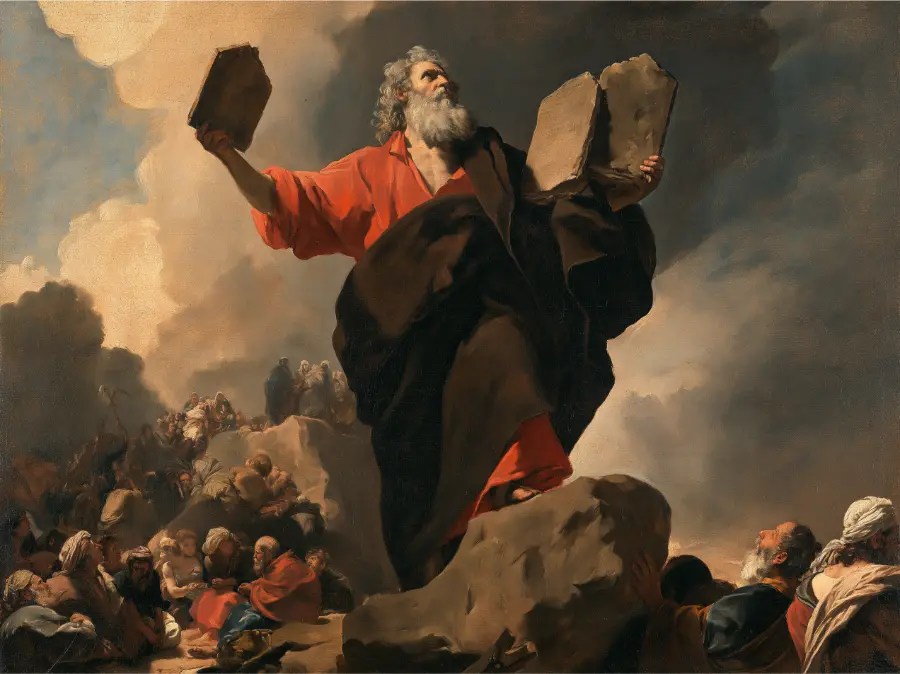
James 1:5
“If any of you lacks wisdom, let him ask God, who gives generously to all without reproach, and it will be given him.”
Reflection: James has just written that “the testing of your faith produces steadfastness” (James 1:3), so the wisdom in view is wisdom for facing trials. God gives it “generously to all without reproach,” without scolding the one who asks. Verse 6 adds a condition: the request is to be made in faith, “with no doubting.”
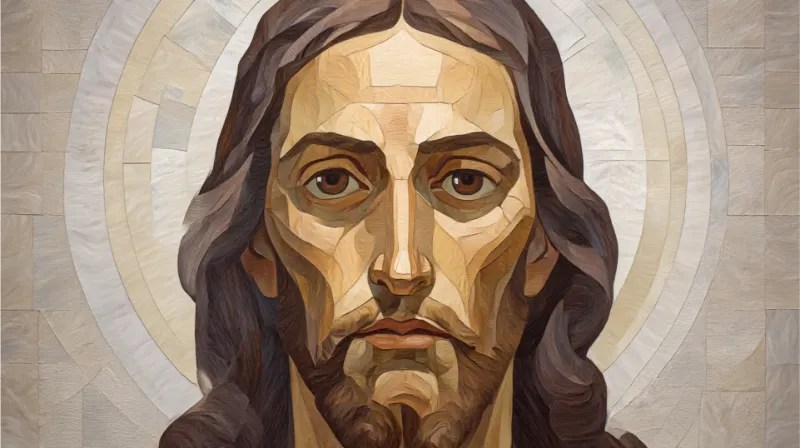
Proverbs 2:6
“For the Lord gives wisdom; from his mouth come knowledge and understanding.”
Reflection: A father urges his son to make his ear “attentive to wisdom,” to call out for insight and to search for it “as for hidden treasures” (Proverbs 2:2-4). Verse 6 gives the reason the search succeeds: the Lord is the one who gives wisdom. The chapter puts the effort and the gift side by side.
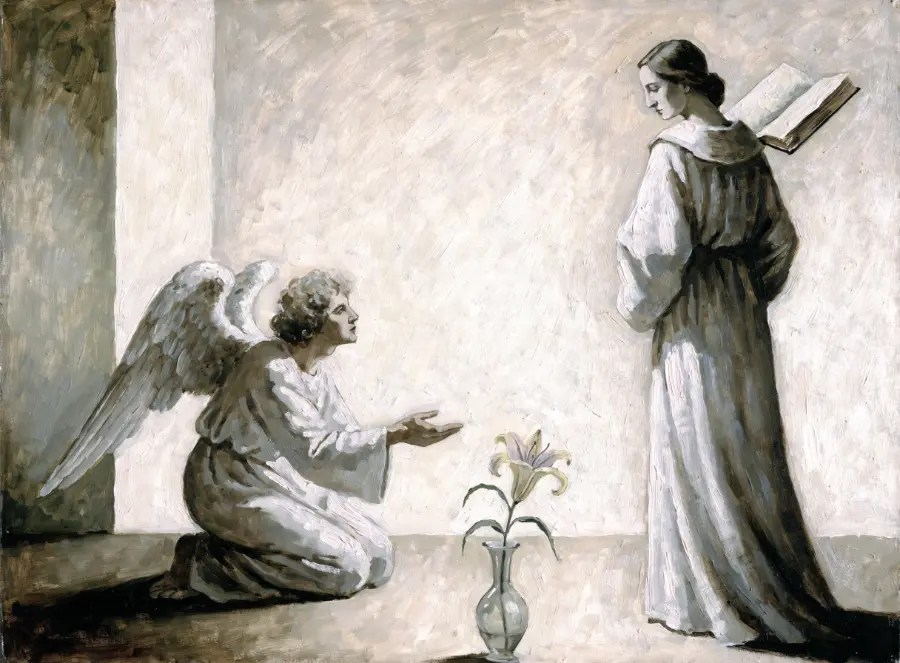
Proverbs 3:5-6
“Trust in the Lord with all your heart, and do not lean on your own understanding. In all your ways acknowledge him, and he will make straight your paths.”
Reflection: The same father teaches his son (Proverbs 3:1). Leaning on one’s own understanding is the opposite of trusting the Lord, and verse 7 restates it: “Be not wise in your own eyes; fear the Lord, and turn away from evil.” The promise is that God will make the paths straight.
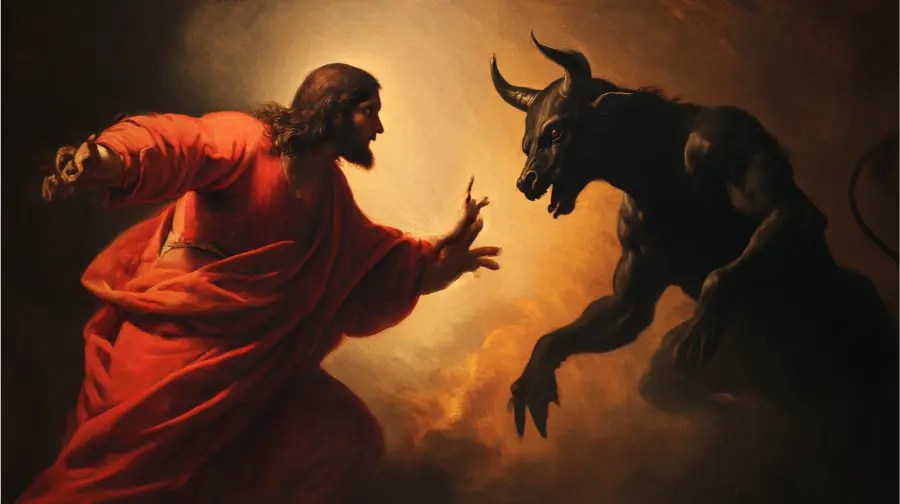
Daniel 1:17
“As for these four youths, God gave them learning and skill in all literature and wisdom, and Daniel had understanding in all visions and dreams.”
Reflection: Daniel, Hananiah, Mishael and Azariah were among the young men from Israel chosen to be taught “the literature and language of the Chaldeans” for three years, after which they would stand before the king (Daniel 1:4-5). The verse credits God with their learning and skill. When Nebuchadnezzar questioned them, “he found them ten times better than all the magicians and enchanters that were in all his kingdom” (verse 20).
Whatever the result

Philippians 4:13
“I can do all things through him who strengthens me.”
Reflection: Paul is thanking the Philippians for a gift and explains that he has “learned, in whatever situation I am, to be content” (Philippians 4:11). He knows how to be brought low and how to abound, how to face “plenty and hunger, abundance and need” (verse 12). The “all things” of verse 13 are those circumstances, and the strength to bear them comes from Christ.

2 Corinthians 12:9
“But he said to me, ‘My grace is sufficient for you, for my power is made perfect in weakness.’ Therefore I will boast all the more gladly of my weaknesses, so that the power of Christ may rest upon me.”
Reflection: Paul pleaded with the Lord three times to remove a “thorn in the flesh” (2 Corinthians 12:7-8), and this verse is the answer he received. The thorn stayed; the promise was grace sufficient for him and power made perfect in weakness. Verse 10 draws Paul’s own conclusion: “For when I am weak, then I am strong.”
Praying before an exam
Psalm 56:3 and Psalm 94:19 are addressed to God and can be prayed as written. James 1:5 supplies the request to make, wisdom, and Philippians 4:6 adds that requests are to come with thanksgiving.
Matthew 6:34 limits the concern to the present day, and 2 Corinthians 12:9 records the answer to Paul’s prayer in verse 8: grace, not what he asked for.


Leave a Reply