
 English
 Chinese
 Dutch
 Arabic
 Spanish
 Portuguese
 Russian
 French
 Italian
 German
 Japanese
Most of the commands not to be afraid come with a reason attached, and the reason is usually that God is present, not that the trouble will pass.
Isaiah 41:10 sets the pattern: one instruction, then four things God says he will do. Isaiah 43:2 has people going through the water rather than round it, and John 16:33 promises trouble in the same sentence as peace. Scripture also describes fear without commanding it away. David writes “when I am afraid” (Psalm 56:3), and Psalm 94:19 counts anxiety as something that can be great. The eighteen verses below cover the commands and their reasons, fear that is simply described, worry about the future, peace, and the particular fear 1 John has in mind.
The command, and what it is attached to
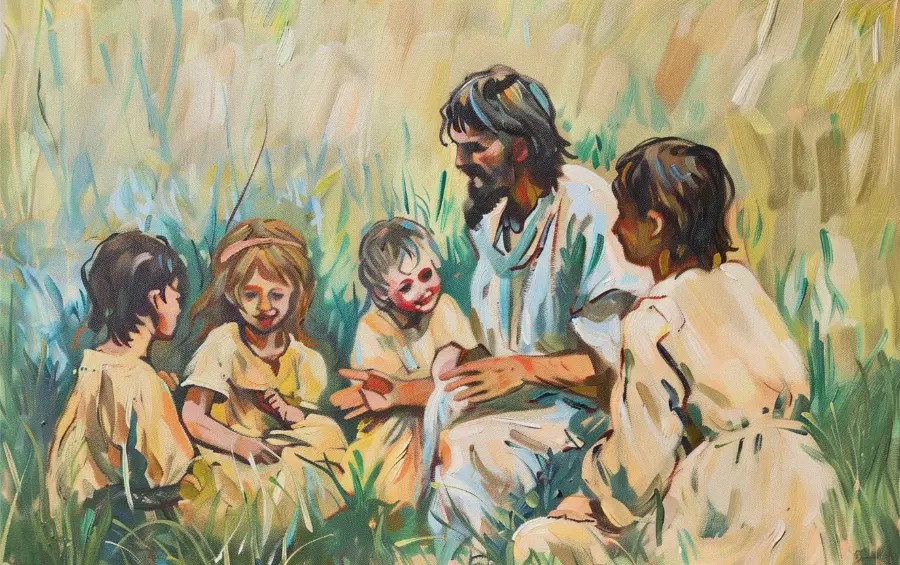
Isaiah 41:10
“So do not fear, for I am with you; do not be dismayed, for I am your God. I will strengthen you and help you; I will uphold you with my righteous right hand.”
Reflection: One instruction and four promises. Do not fear is the only thing asked; strengthening, helping and upholding are all things God says he will do.

Isaiah 43:1-2
“Do not fear, for I have redeemed you; I have summoned you by name; you are mine. When you pass through the waters, I will be with you.”
Reflection: The verse says when you pass through the waters, not if. What is promised is company in the water rather than a way round it.

Joshua 1:9
“Have I not commanded you? Be strong and courageous. Do not be afraid; do not be discouraged, for the Lord your God will be with you wherever you go.”
Reflection: God says be strong and courageous three times in this chapter (1:6, 1:7, 1:9). Joshua is taking command of Israel after Moses has died.
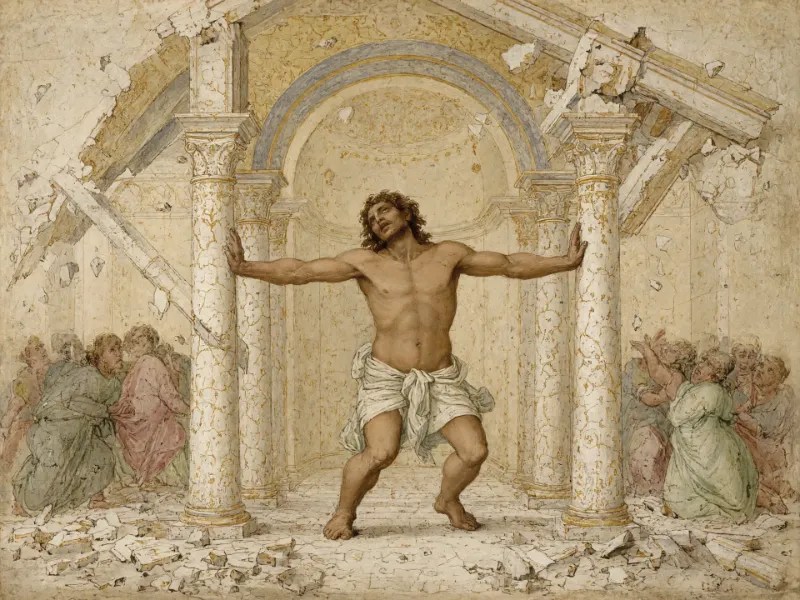
Deuteronomy 31:6
“Be strong and courageous. Do not be afraid or terrified because of them, for the Lord your God goes with you; he will never leave you nor forsake you.”
Reflection: The fear here has an object, and Moses names it: because of them. He is speaking to Israel before they cross the Jordan without him.
Fear that is not commanded away

Psalm 56:3
“When I am afraid, I put my trust in you.”
Reflection: The psalm concedes the fear in the first half of the sentence. Trust is what David does while afraid, not after the fear has gone.

Psalm 34:4
“I sought the Lord, and he answered me; he delivered me from all my fears.”
Reflection: David reports this as something already finished. Two verses on he puts it in the third person: “This poor man called, and the Lord heard him” (34:6).
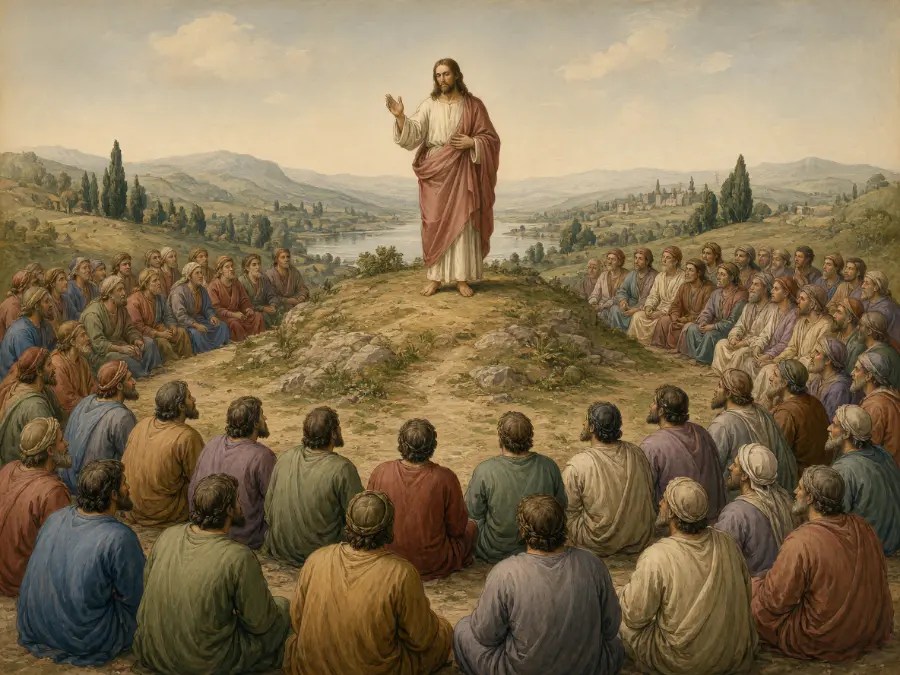
Psalm 94:19
“When anxiety was great within me, your consolation brought me joy.”
Reflection: Anxiety is described as a quantity that can be great. Nothing in the verse treats it as the psalmist’s fault.

Proverbs 12:25
“Anxiety weighs down the heart, but a kind word cheers it up.”
Reflection: The remedy Proverbs names is a kind word from somebody else, which makes it the one verse in this list that gives other people something to do.
Worry, which is a different word

Matthew 6:25-26
“Therefore I tell you, do not worry about your life, what you will eat or drink; or about your body, what you will wear. Is not life more than food, and the body more than clothes? Look at the birds of the air; they do not sow or reap or store away in barns, and yet your heavenly Father feeds them. Are you not much more valuable than they?”
Reflection: The birds are not idle; what they do not do is store. Jesus is addressing worry about food and clothing, and he returns to it at 6:33 with “seek first his kingdom.”
Matthew 6:34
“Therefore do not worry about tomorrow, for tomorrow will worry about itself. Each day has enough trouble of its own.”
Reflection: Jesus grants that the trouble is real and says each day has enough of its own. The instruction is about which day’s trouble to carry.
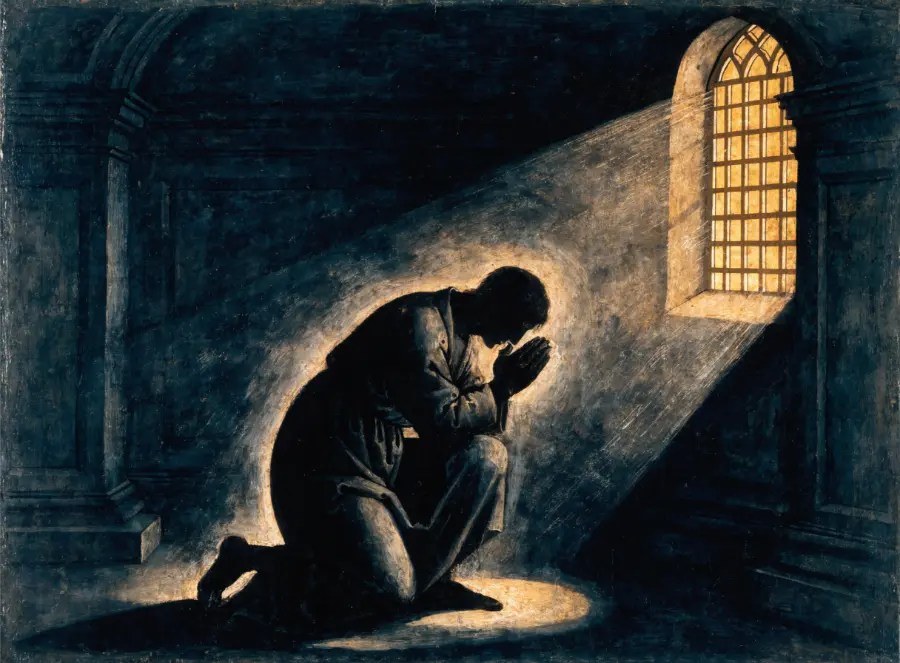
Philippians 4:6-7
“Do not be anxious about anything, but in every situation, by prayer and petition, with thanksgiving, present your requests to God.”
Reflection: Paul gives a destination rather than a technique: prayer, petition and thanksgiving. The peace arrives afterwards and is described as guarding the heart and mind.

1 Peter 5:7
“Cast all your anxiety on him because he cares for you.”
Reflection: Cast is a throwing word. The verse before attaches it to humbling yourself under God’s mighty hand (5:6), which makes handing something over the humble option.
Peace, and what kind

John 14:27
“Peace I leave with you; my peace I give you. I do not give to you as the world gives. Do not let your hearts be troubled.”
Reflection: Said on the night of his arrest, to men who would all leave him. He marks his giving off from the world’s and does not explain the difference.

Isaiah 26:3
“You will keep in perfect peace those whose minds are steadfast, because they trust in you.”
Reflection: The peace is attached to a mind that stays fixed on God. The next verse turns it into an instruction: “Trust in the Lord forever” (26:4).

Psalm 4:8
“In peace I will lie down and sleep, for you alone, Lord, make me dwell in safety.”
Reflection: The psalm opens asking for relief from distress (4:1) and ends with the writer lying down to sleep. Sleep is the only evidence it offers.
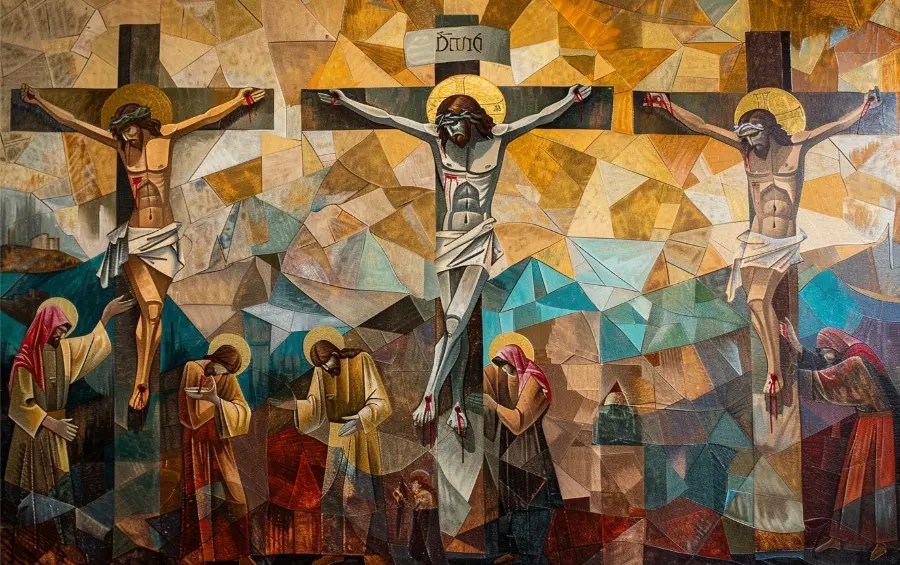
John 16:33
“I have told you these things, so that in me you may have peace. In this world you will have trouble. But take heart! I have overcome the world.”
Reflection: The trouble is promised in the same breath as the peace. Nothing here says the trouble is removed.
Fear of what, exactly

1 John 4:18
“There is no fear in love. But perfect love drives out fear, because fear has to do with punishment.”
Reflection: John names the fear he means and it is narrow: fear that has to do with punishment. The verse ends, “The one who fears is not made perfect in love.”

Romans 8:15
“The Spirit you received does not make you slaves, so that you live in fear again; rather, the Spirit you received brought about your adoption to sonship. And by him we cry, ‘Abba, Father.’”
Reflection: Slaves again to fear describes a standing rather than a feeling. Paul sets it against adoption, and the word he ends on, Abba, is ordinary family speech.
What the commands actually promise
None of these commands promises that the thing feared will go away. Isaiah has people going through the water. Jesus promises trouble in the same sentence as peace. Moses names the nations Israel is afraid of and does not say they will not meet them. What is attached to each command is God’s presence.
Scripture also leaves the fear standing. David says when I am afraid, not if. Psalm 94 counts anxiety as a quantity and blames nobody for it. Proverbs 12:25 puts the remedy in somebody else’s mouth, a kind word said to a person who is weighed down. For more on the confidence these passages assume, see Bible verses about trusting God.


Leave a Reply