
 English
 Chinese
 Dutch
 Arabic
 Spanish
 Portuguese
 Russian
 French
 Italian
 German
 Japanese
The Bible describes stress in its own words: trouble, distress, anxiety, pressure, and being weary and burdened. Moses is told “The work is too heavy for you” (Exodus 18:18), Jesus tells Martha she is “worried and upset about many things” (Luke 10:41), and Paul was “under great pressure, far beyond our ability to endure” (2 Corinthians 1:8).
Jethro advises Moses to share the load with trustworthy men (Exodus 18:21-22), and Jesus takes his tired apostles to a quiet place to rest (Mark 6:31). For anxiety about what is coming, Jesus says to leave tomorrow’s trouble to tomorrow (Matthew 6:34), and Peter says to cast it on God “because he cares for you” (1 Peter 5:7). Paul’s thorn in the flesh was not taken away, and the answer he received was “My grace is sufficient for you” (2 Corinthians 12:9).
When the work is too heavy
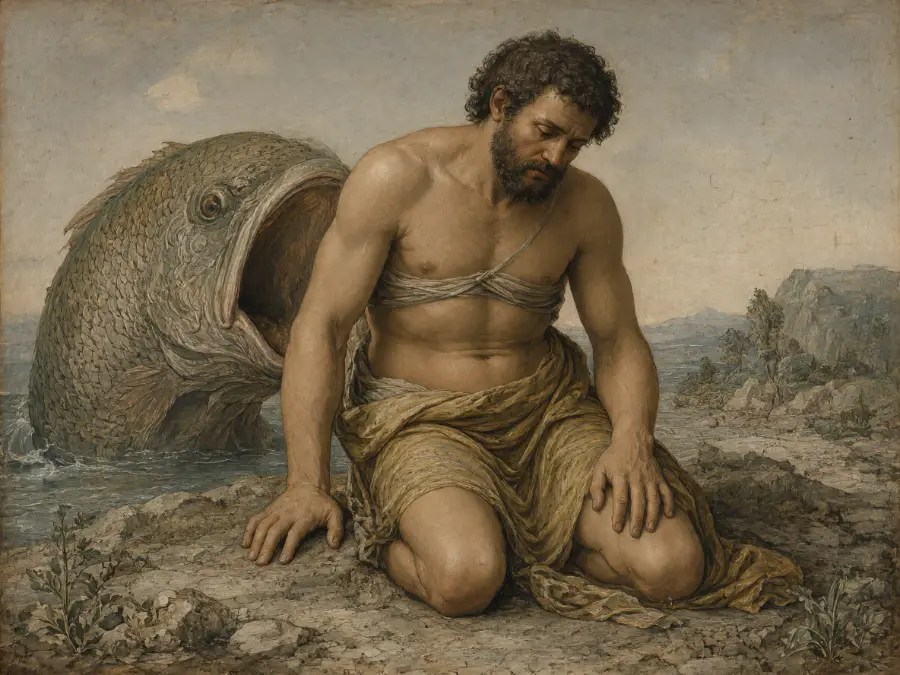
Exodus 18:17-18
“What you are doing is not good. You and these people who come to you will only wear yourselves out. The work is too heavy for you; you cannot handle it alone.”
Reflection: Jethro, the priest of Midian and Moses’ father-in-law (Exodus 18:1), watches Moses judge the people’s disputes alone from morning till evening. His verdict is that the arrangement will wear out Moses and the people waiting on him alike. The remedy he proposes is to appoint capable, trustworthy men to decide the simple cases and bring the difficult ones to Moses: “That will make your load lighter, because they will share it with you,” and Moses “will be able to stand the strain” (18:22-23).

Mark 6:31
“Then, because so many people were coming and going that they did not even have a chance to eat, he said to them, ‘Come with me by yourselves to a quiet place and get some rest.’”
Reflection: The apostles had just come back and reported to Jesus “all they had done and taught” (6:30). With crowds coming and going and no chance to eat, Jesus takes them away by boat “to a solitary place” (6:32). Rest here is his instruction to people who had been working on his behalf.

Luke 10:41-42
“‘Martha, Martha,’ the Lord answered, ‘you are worried and upset about many things, but few things are needed—or indeed only one. Mary has chosen what is better, and it will not be taken away from her.’”
Reflection: Martha had opened her home to Jesus and was “distracted by all the preparations that had to be made,” while her sister Mary sat at his feet listening. When Martha asks him to tell Mary to help, Jesus names her state, worried and upset about many things, and says Mary has chosen what is better. He does not send Mary to the kitchen.
Worry about tomorrow, and where to put it

Matthew 6:34
“Therefore do not worry about tomorrow, for tomorrow will worry about itself. Each day has enough trouble of its own.”
Reflection: These words close Jesus’ teaching on worry in Matthew 6:25-34, which begins with food, drink and clothing and points to the birds and the wild flowers that God feeds and clothes. The verse before it gives the alternative: “seek first his kingdom and his righteousness, and all these things will be given to you as well.” The last line concedes that every day brings trouble and asks that tomorrow’s be left for tomorrow.
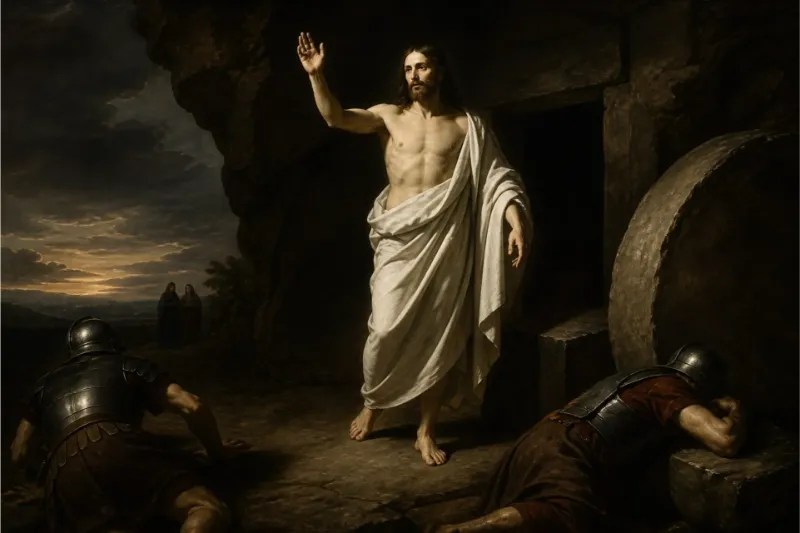
Luke 12:25-26
“Who of you by worrying can add a single hour to your life? Since you cannot do this very little thing, why do you worry about the rest?”
Reflection: Luke records the same teaching as Matthew 6, addressed to the disciples, with ravens where Matthew has “the birds of the air”. Here the argument rests on what worry cannot do. It cannot add an hour to a life, which Jesus calls “this very little thing”, so it has no power over the larger matters either.

Philippians 4:6-7
“Do not be anxious about anything, but in every situation, by prayer and petition, with thanksgiving, present your requests to God. And the peace of God, which transcends all understanding, will guard your hearts and your minds in Christ Jesus.”
Reflection: Paul wrote this letter in chains (Philippians 1:13), and the line just before these verses is “The Lord is near.” In place of anxiety he sets prayer and petition “with thanksgiving”. The promise that follows is that God’s peace will guard hearts and minds; the passage does not promise that every request will be granted.
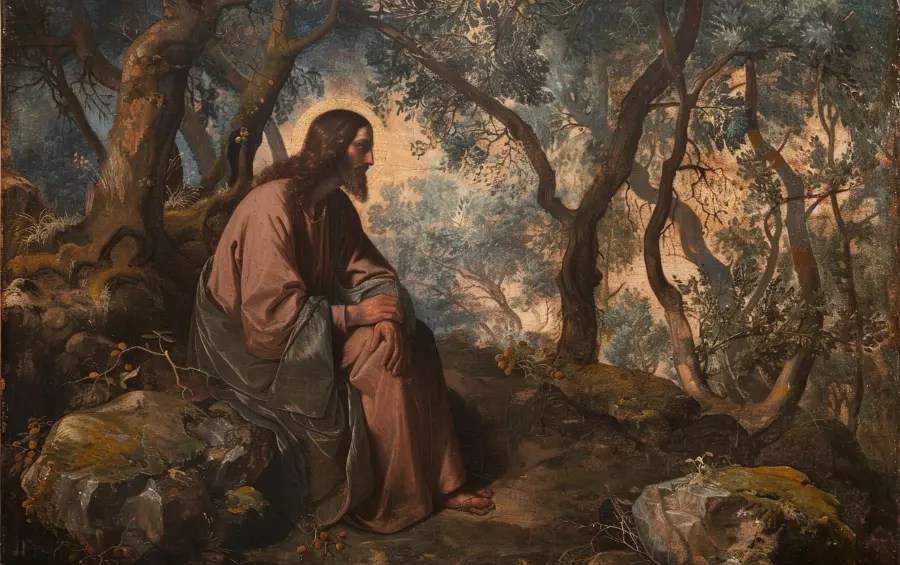
1 Peter 5:7
“Cast all your anxiety on him because he cares for you.”
Reflection: The verse follows “Humble yourselves, therefore, under God’s mighty hand, that he may lift you up in due time” (5:6). The reason given for handing over anxiety is short: “because he cares for you.” Peter goes straight on to warn of the devil prowling “like a roaring lion” and to tell his readers that believers throughout the world are undergoing the same kind of sufferings (5:8-9).
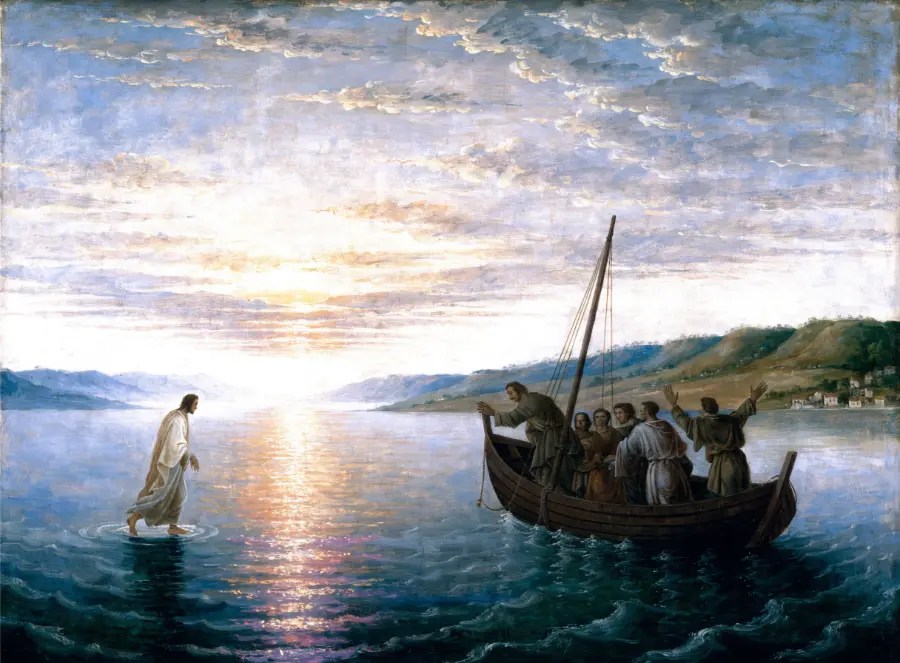
Psalm 55:22
“Cast your cares on the Lord and he will sustain you; he will never let the righteous be shaken.”
Reflection: Earlier in this psalm the writer says his thoughts trouble him and he is distraught (55:2), and he wishes for the wings of a dove to “fly away and be at rest” (55:6). He names several causes: the threats of the wicked (55:3), violence and strife in the city (55:9), and betrayal by “my companion, my close friend” (55:13). Verse 22 turns from complaint to counsel, and 1 Peter 5:7 uses much the same image of casting what weighs on a person onto God.

Psalm 94:19
“When anxiety was great within me, your consolation brought me joy.”
Reflection: Psalm 94 asks “Who will rise up for me against the wicked?” (94:16) and remembers the moment the writer said “My foot is slipping” and God’s unfailing love held him up (94:18). The verse does not say the anxiety was small or brief; it says God’s consolation brought joy at the time the anxiety was great.
God’s help in trouble

Psalm 46:1
“God is our refuge and strength, an ever-present help in trouble.”
Reflection: The psalm imagines the worst: the earth giving way, mountains falling into the sea, nations in uproar and kingdoms falling (46:2-3, 46:6). Because God is refuge and strength, “we will not fear” (46:2). The familiar “Be still, and know that I am God” (46:10) comes right after God is said to make wars cease and break the bow, and it is spoken over nations at war.
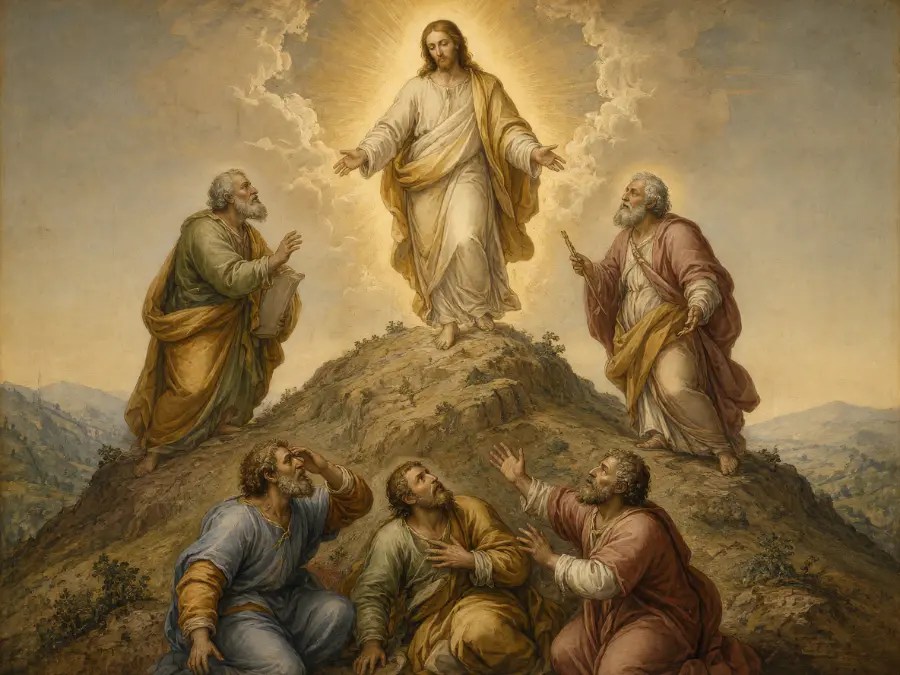
Isaiah 41:10
“So do not fear, for I am with you; do not be dismayed, for I am your God. I will strengthen you and help you; I will uphold you with my righteous right hand.”
Reflection: God addresses Israel as “my servant, Jacob, whom I have chosen” and adds “I have chosen you and have not rejected you” (41:8-9). The reasons given against fear are about presence: “I am with you” and “I am your God.” Promises follow to strengthen, help and uphold with his righteous right hand.
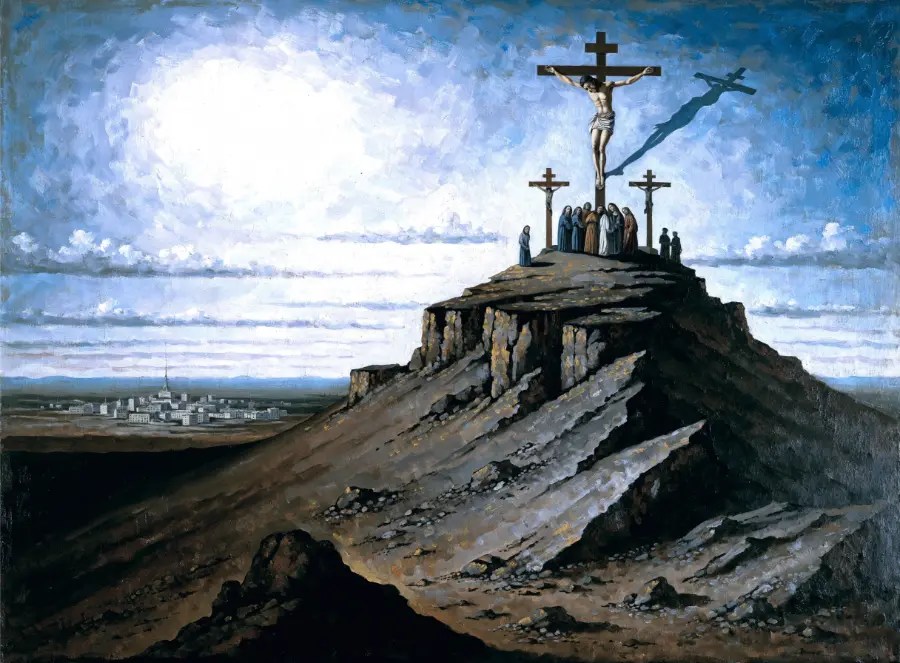
Psalm 34:17-18
“The righteous cry out, and the Lord hears them; he delivers them from all their troubles. The Lord is close to the brokenhearted and saves those who are crushed in spirit.”
Reflection: The psalm speaks from experience: “This poor man called, and the Lord heard him; he saved him out of all his troubles” (34:6). Verse 18 places God close to the brokenhearted and the crushed in spirit, and verse 19 says plainly that “The righteous person may have many troubles, but the Lord delivers him from them all.”
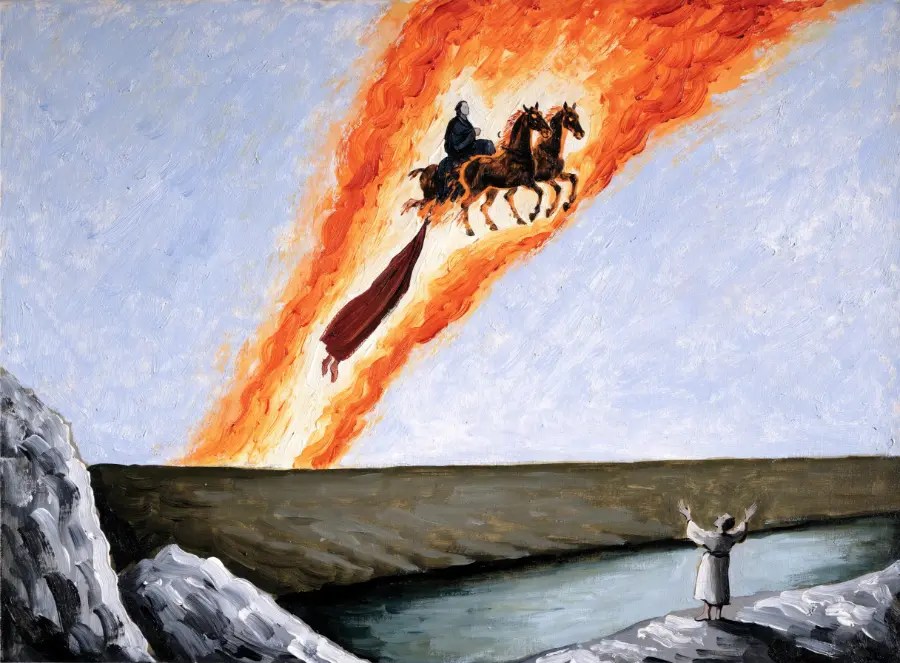
John 14:27
“Peace I leave with you; my peace I give you. I do not give to you as the world gives. Do not let your hearts be troubled and do not be afraid.”
Reflection: Jesus says this to his disciples at the evening meal before his arrest (John 13:1-2), after telling them he is going away. He opened the chapter with the same words, “Do not let your hearts be troubled” (14:1). The peace he leaves is his own, set against what the world gives, and a few lines later he says “the prince of this world is coming” and “Come now; let us leave” (14:30-31).

2 Corinthians 1:3-4
“Praise be to the God and Father of our Lord Jesus Christ, the Father of compassion and the God of all comfort, who comforts us in all our troubles, so that we can comfort those in any trouble with the comfort we ourselves receive from God.”
Reflection: A few verses on, Paul says what his troubles were: in the province of Asia “We were under great pressure, far beyond our ability to endure, so that we despaired of life itself” (1:8). The comfort he describes is passed on: God comforts him so that he can comfort others “in any trouble” with the comfort he received.
Rest for the weary

Matthew 11:28-30
“Come to me, all you who are weary and burdened, and I will give you rest. Take my yoke upon you and learn from me, for I am gentle and humble in heart, and you will find rest for your souls. For my yoke is easy and my burden is light.”
Reflection: The invitation is to “all you who are weary and burdened”. Jesus offers his own yoke, the harness an animal pulls a load with, and calls it easy and its burden light. He tells his hearers to learn from him, “for I am gentle and humble in heart”, and the rest he promises is “rest for your souls”.
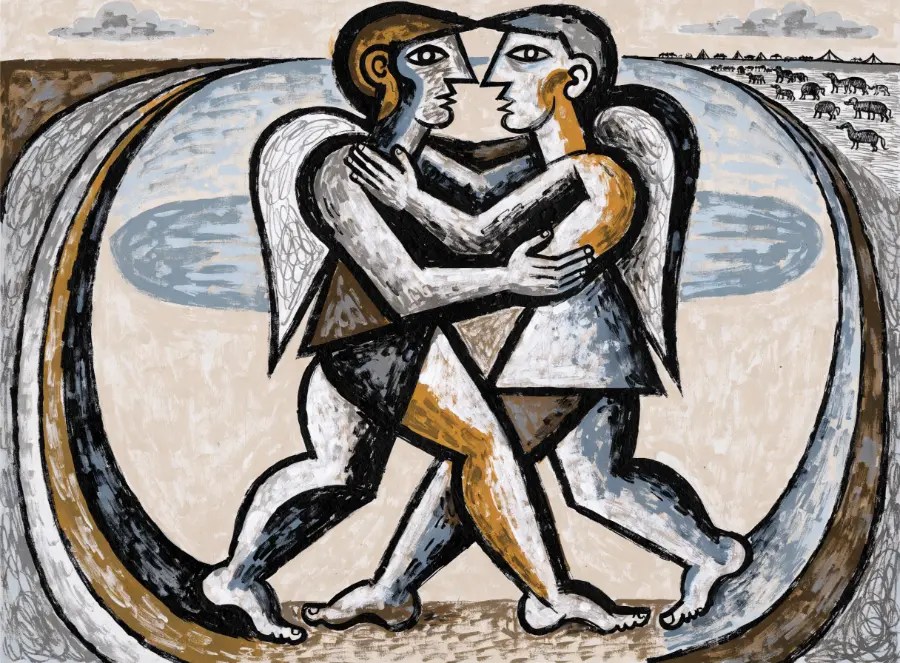
Psalm 23:1-3
“The Lord is my shepherd, I lack nothing. He makes me lie down in green pastures, he leads me beside quiet waters, he refreshes my soul.”
Reflection: The shepherd makes the sheep lie down and leads them beside quiet waters; in this psalm rest is something the shepherd provides. The next verse keeps the same shepherd with the sheep in “the darkest valley”, where “your rod and your staff, they comfort me” (23:4).
Isaiah 40:31
“But those who hope in the Lord will renew their strength. They will soar on wings like eagles; they will run and not grow weary, they will walk and not be faint.”
Reflection: The verse answers a complaint. Israel says “My way is hidden from the Lord; my cause is disregarded by my God” (40:27). The reply begins with God, who “will not grow tired or weary” and “gives strength to the weary” (40:28-29), and admits that “Even youths grow tired and weary” (40:30). The renewed strength belongs to those who hope in the Lord, and the verse ends with walking without fainting.
Hardship that does not go away
2 Corinthians 12:9
“But he said to me, ‘My grace is sufficient for you, for my power is made perfect in weakness.’ Therefore I will boast all the more gladly about my weaknesses, so that Christ’s power may rest on me.”
Reflection: Paul pleaded three times for his “thorn in my flesh” to be taken away, and he does not say what the thorn was (12:7-8). The answer he records says nothing about removing it. He goes on to say he delights “in weaknesses, in insults, in hardships, in persecutions, in difficulties,” and ends “For when I am weak, then I am strong” (12:10).
James 1:2-4
“Consider it pure joy, my brothers and sisters, whenever you face trials of many kinds, because you know that the testing of your faith produces perseverance. Let perseverance finish its work so that you may be mature and complete, not lacking anything.”
Reflection: James writes “To the twelve tribes scattered among the nations” (1:1) and tells them to count trials as joy for a stated reason: testing produces perseverance, and perseverance left to finish its work makes a person mature and complete. The next verse speaks to a need in the middle of a trial: whoever lacks wisdom should ask God, “who gives generously to all without finding fault” (1:5).

2 Corinthians 4:17-18
“For our light and momentary troubles are achieving for us an eternal glory that far outweighs them all. So we fix our eyes not on what is seen, but on what is unseen, since what is seen is temporary, but what is unseen is eternal.”
Reflection: Paul calls his troubles light and momentary in the same chapter where he writes “We are hard pressed on every side, but not crushed” (4:8). Later in the letter he lists beatings, shipwrecks, nights without sleep, and “daily the pressure of my concern for all the churches” (11:23-28). Just before these verses he says that outwardly he is wasting away while inwardly he is being renewed day by day (4:16).
A verse for how you feel
Choose how you feel today and read a verse from Scripture.
Cast your burden upon the LORD and He will sustain you; He will never let the righteous be shaken.
Get a verse each week
Thank you. Your first verse is on its way.
If nothing arrives in a few minutes, look in your spam or promotions folder.
Keep this for another day. A verse for how you feel has a page of its own, with our verses for each feeling.
Each verse is quoted from the Berean Standard Bible.
Prayer and practical help
Psalm 94:19 is addressed to God, “your consolation brought me joy”, and can be prayed as written. Psalm 55 opens as a prayer, “Listen to my prayer, O God” (55:1), but its verse 22 is counsel spoken to others. Philippians 4:6 describes how to pray: requests presented to God with thanksgiving.
Exodus 18 and Mark 6 give practical instructions. Jethro’s remedy for Moses is to share the work with trustworthy men (Exodus 18:21-22), and Jesus takes the apostles away to a quiet place when they have had no chance to eat (Mark 6:31-32).


Leave a Reply