
 English
 Chinese
 Dutch
 Arabic
 Spanish
 Portuguese
 Russian
 French
 Italian
 German
 Japanese
The Psalms name anxiety, fear and distress directly and set them beside words of trust in God. Some verses are spoken to God, as in Psalm 139:23-24; some are spoken by the psalmist to his own soul, as in Psalm 42:11; and some are instructions to others, as in Psalm 55:22 and Psalm 31:24.
Psalm 46 speaks for a whole people facing an earth that gives way, and Psalm 4 and Psalm 130 place the fear at night or in the hours of waiting.
Psalms that name anxiety and distress
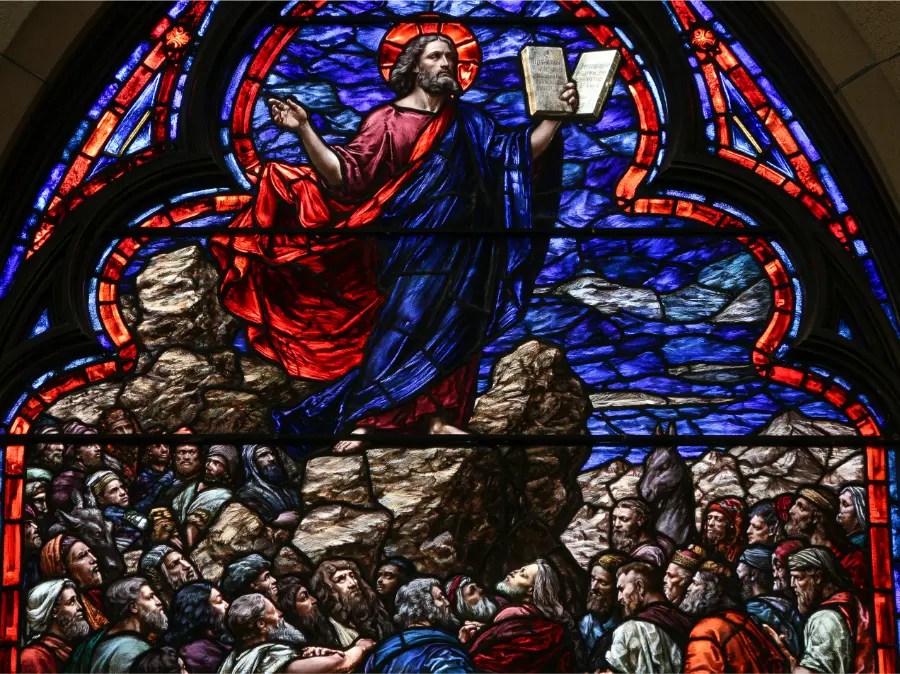
Psalm 94:19
“When anxiety was great within me, your consolation brought me joy.”
Reflection: Psalm 94 opens by calling on “a God who avenges” and asking “how long will the wicked be jubilant?” The anxiety belongs to someone living under “a corrupt throne” that “brings on misery by its decrees” and condemns the innocent to death (verses 20-21). The next verse answers it: “But the Lord has become my fortress, and my God the rock in whom I take refuge.”

Psalm 139:23-24
“Search me, God, and know my heart; test me and know my anxious thoughts. See if there is any offensive way in me, and lead me in the way everlasting.”
Reflection: Psalm 139 opens with “You have searched me, Lord, and you know me,” and it ends by asking for the same searching: “Search me, God, and know my heart.” David’s anxious thoughts are part of what he asks God to test, along with “any offensive way in me.” The request ends with being led “in the way everlasting.”

Psalm 55:22
“Cast your cares on the Lord and he will sustain you; he will never let the righteous be shaken.”
Reflection: David describes a city where “violence and strife” prowl the walls day and night and “threats and lies never leave its streets” (verses 9-11). His own response is given in verse 17: “Evening, morning and noon I cry out in distress, and he hears my voice.” Verse 22 turns from his own prayer to the listener and tells them to do the same with their cares.
Psalm 42:11
“Why, my soul, are you downcast? Why so disturbed within me? Put your hope in God, for I will yet praise him, my Savior and my God.”
Reflection: The psalm belongs to the Sons of Korah, and it describes a person far from the house of God whose “tears have been my food day and night” while others ask, “Where is your God?” The speaker addresses his own soul rather than God. The same refrain appears at Psalm 42:5 and again at Psalm 43:5.
When I am afraid
Psalm 56:3
“When I am afraid, I put my trust in you.”
Reflection: The enemies in Psalm 56 “twist my words” and “watch my steps, hoping to take my life” (verses 5-6). Between the admission of fear and the end of the psalm, David asks God to keep a record of it: “Record my misery; list my tears on your scroll—are they not in your record?” (verse 8). The psalm closes with vows and thank offerings for deliverance “from death and my feet from stumbling” (verses 12-13).
Psalm 34:4
“I sought the Lord, and he answered me; he delivered me from all my fears.”
Reflection: Psalm 34 uses fear in two senses. Verse 4 speaks of being delivered from “all my fears,” while verse 9 calls God’s people to “Fear the Lord,” because “those who fear him lack nothing.” The psalm does not promise a life without trouble: “The righteous person may have many troubles, but the Lord delivers him from them all” (verse 19).
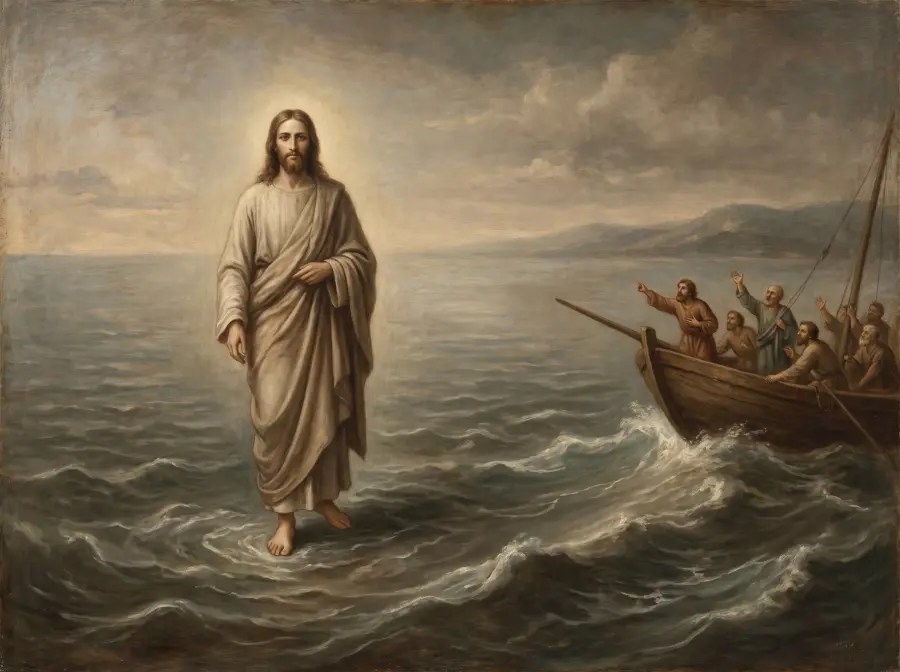
Psalm 27:1
“The Lord is my light and my salvation—whom shall I fear? The Lord is the stronghold of my life—of whom shall I be afraid?”
Reflection: The two questions are answered in the verses that follow: “Though an army besiege me, my heart will not fear; though war break out against me, even then I will be confident” (verse 3). Near the end David says, “I will see the goodness of the Lord in the land of the living” (verse 13), and the psalm closes with “Wait for the Lord; be strong and take heart and wait for the Lord” (verse 14).

Psalm 23:4
“Even though I walk through the darkest valley, I will fear no evil, for you are with me; your rod and your staff, they comfort me.”
Reflection: The psalm opens with “The Lord is my shepherd, I lack nothing,” and the valley in verse 4 is one the speaker walks through. The rod and staff are the shepherd’s tools, and here they comfort. The psalm ends with goodness and love following him “all the days of my life” and with dwelling “in the house of the Lord forever.”
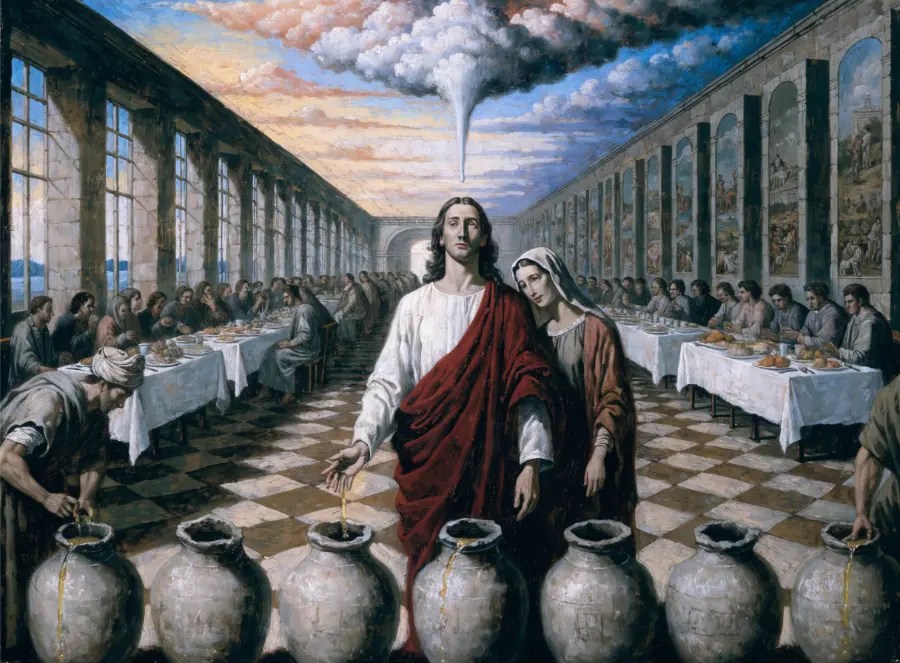
Psalm 91:1-2
“Whoever dwells in the shelter of the Most High will rest in the shadow of the Almighty. I will say of the Lord, ‘He is my refuge and my fortress, my God, in whom I trust.’”
Reflection: The protection is pictured as a bird’s: “He will cover you with his feathers, and under his wings you will find refuge” (verse 4). Verses 11-12, “He will command his angels concerning you,” are the words the devil quotes to Jesus at the top of the temple in Matthew 4:6, and Jesus answers, “Do not put the Lord your God to the test.”
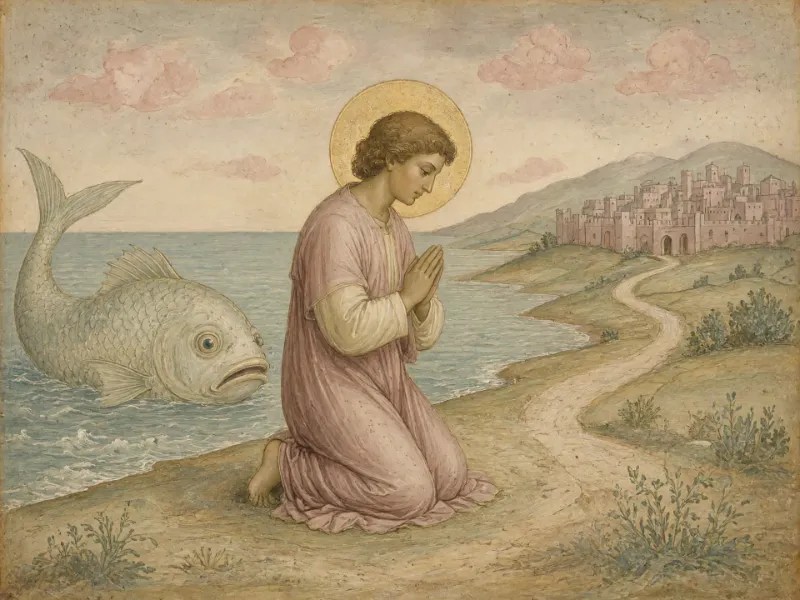
Psalm 31:24
“Be strong and take heart, all you who hope in the Lord.”
Reflection: The psalm describes being “the utter contempt of my neighbors” and hearing many whisper “Terror on every side!” (verses 11-13). Against that, David says, “My times are in your hands” (verse 15). Verse 5, “Into your hands I commit my spirit,” is the line Jesus speaks, with “Father” added, before he breathes his last in Luke 23:46. Verse 24 closes the psalm by telling “all you who hope in the Lord” to be strong.
God as refuge when everything shakes

Psalm 46:1
“God is our refuge and strength, an ever-present help in trouble.”
Reflection: Verse 2 draws the conclusion: “Therefore we will not fear, though the earth give way and the mountains fall into the heart of the sea.” The line “Be still, and know that I am God” (verse 10) comes after the description of God making “wars cease to the ends of the earth” and breaking the bow and spear, and it continues “I will be exalted among the nations.” The refrain “The Lord Almighty is with us; the God of Jacob is our fortress” appears at verses 7 and 11.

Psalm 121:1-2
“I lift up my eyes to the mountains—where does my help come from? My help comes from the Lord, the Maker of heaven and earth.”
Reflection: The psalm is headed “A song of ascents.” After the question and answer of verses 1 and 2, the voice changes to “you”: “he who watches over you will not slumber; indeed, he who watches over Israel will neither slumber nor sleep” (verses 3-4). The psalm closes with the Lord watching over “your coming and going both now and forevermore.”
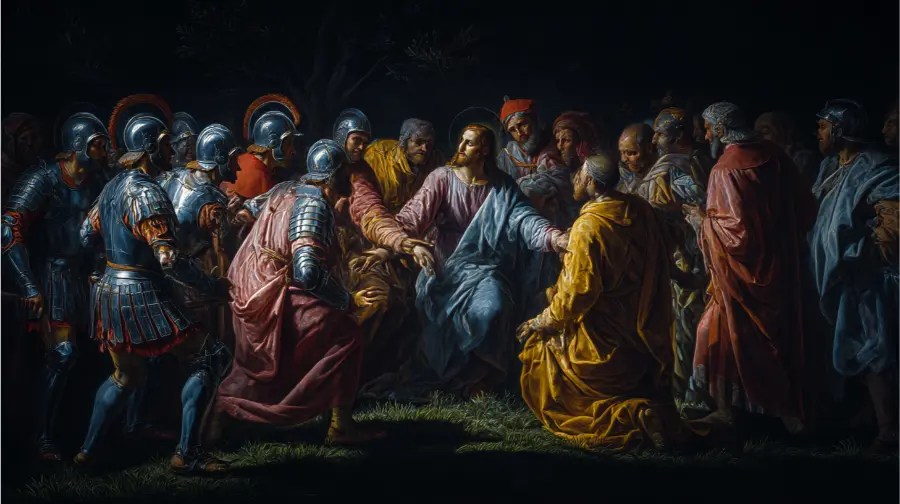
Psalm 62:1
“Truly my soul finds rest in God; my salvation comes from him.”
Reflection: David describes people trying to topple him, “this leaning wall, this tottering fence,” who “bless” with their mouths and curse in their hearts (verses 3-4). Verse 5 turns the opening statement into a command to himself: “Yes, my soul, find rest in God.” Verse 8 then speaks to everyone listening: “Trust in him at all times, you people; pour out your hearts to him, for God is our refuge.”
Rest, waiting and not fretting
Psalm 4:8
“In peace I will lie down and sleep, for you alone, Lord, make me dwell in safety.”
Reflection: The psalm opens with a request, “Give me relief from my distress,” and then speaks to the people who “turn my glory into shame” (verse 2). After the prayer “Let the light of your face shine on us” (verse 6), verse 8 closes the psalm with the speaker lying down in peace, because the Lord alone makes him dwell in safety.
Psalm 37:5
“Commit your way to the Lord; trust in him and he will do this.”
Reflection: Psalm 37 opens with “Do not fret because of those who are evil,” and repeats the command in verses 7 and 8, where fretting “leads only to evil.” The fretting here is over wrongdoers who seem to prosper. The “this” that God will do is given in verse 6: “He will make your righteous reward shine like the dawn, your vindication like the noonday sun.”
Psalm 130:5
“I wait for the Lord, my whole being waits, and in his word I put my hope.”
Reflection: Psalm 130 begins “Out of the depths I cry to you, Lord,” and the depths include guilt: “If you, Lord, kept a record of sins, Lord, who could stand?” (verse 3). The waiting in verse 5 rests on God’s word, and verse 6 compares it to watchmen waiting for the morning. The last two verses turn to the whole people: “Israel, put your hope in the Lord,” who “will redeem Israel from all their sins.”
A verse for how you feel
Choose how you feel today and read a verse from Scripture.
Therefore do not worry about tomorrow, for tomorrow will worry about itself. Today has enough trouble of its own.
Get a verse each week
Thank you. Your first verse is on its way.
If nothing arrives in a few minutes, look in your spam or promotions folder.
Keep this for another day. A verse for how you feel has a page of its own, with our verses for each feeling.
Each verse is quoted from the Berean Standard Bible.


Leave a Reply