
 English
 Chinese
 Dutch
 Arabic
 Spanish
 Portuguese
 Russian
 French
 Italian
 German
 Japanese
In the Bible, a vision is usually something God shows a prophet, not a goal a person sets. That includes the verse most often quoted: the King James Version’s “Where there is no vision, the people perish” translates the Hebrew chazon, prophetic revelation, and the NIV reads, “Where there is no revelation, people cast off restraint.”
For readers looking for verses on goals and planning, the closest are near the end: Habakkuk 2:2-3 on writing down what God has shown, Nehemiah 2:17 on starting a work, and Proverbs 16:9 on plans and God’s direction.
The verse everyone quotes
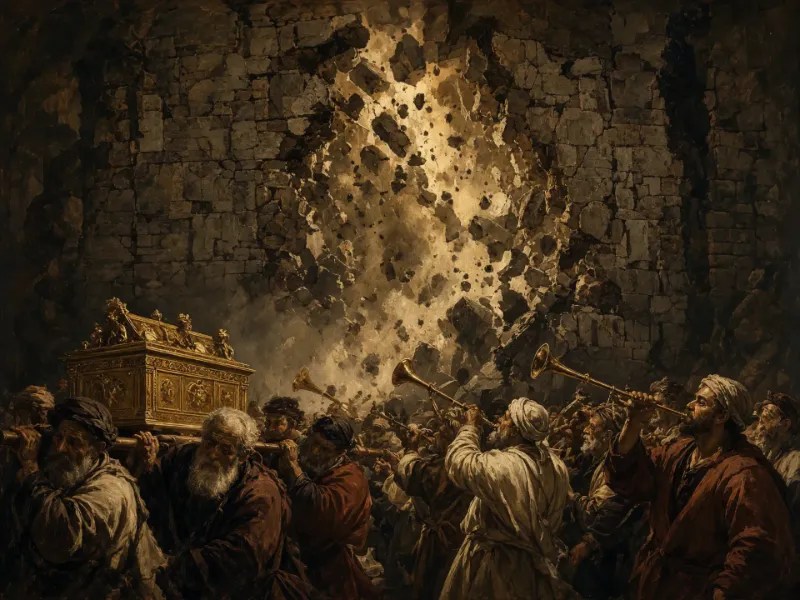
Proverbs 29:18
“Where there is no vision, the people perish: but he that keepeth the law, happy is he.”
Reflection: The second half of the verse explains the first: “he that keepeth the law, happy is he.” The contrast is between a people without God’s word and a person who keeps it, which fits revelation better than ambition.
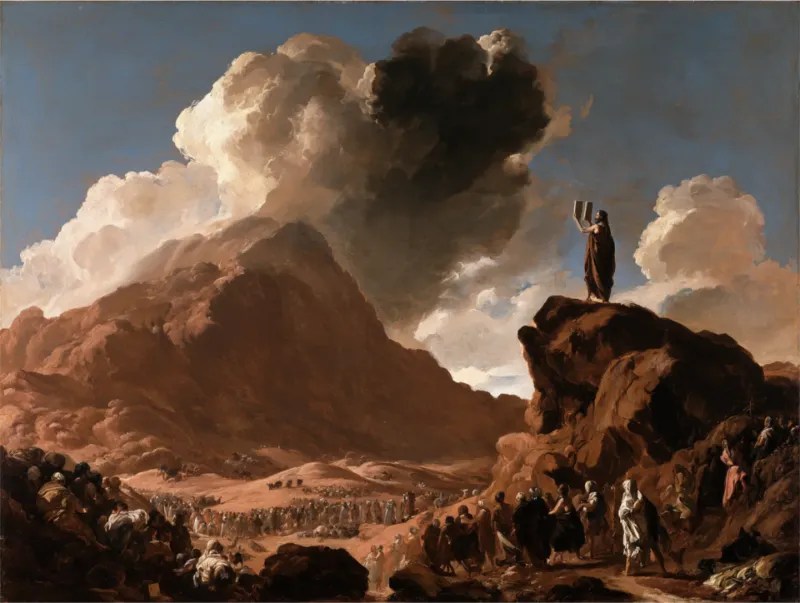
Numbers 12:6
“He said, ‘Listen to my words: When there is a prophet among you, I, the Lord, reveal myself to them in visions, I speak to them in dreams.’”
Reflection: God says this to Miriam and Aaron after they spoke against Moses. Prophets receive visions and dreams, but with Moses, God says, “I speak face to face, clearly and not in riddles” (12:8).
The people who were given one
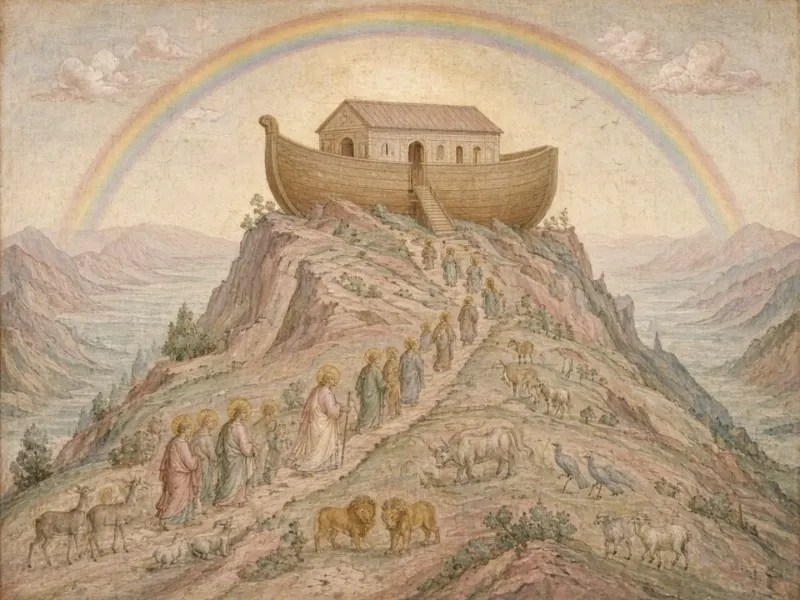
Ezekiel 1:1
“In my thirtieth year, in the fourth month on the fifth day, while I was among the exiles by the Kebar River, the heavens were opened and I saw visions of God.”
Reflection: Ezekiel dates his first vision to the fifth year of King Jehoiachin’s exile (1:2) and places it by the Kebar River in Babylonia, among the deported Jews. The visions in Scripture are tied to particular times and places in this way.
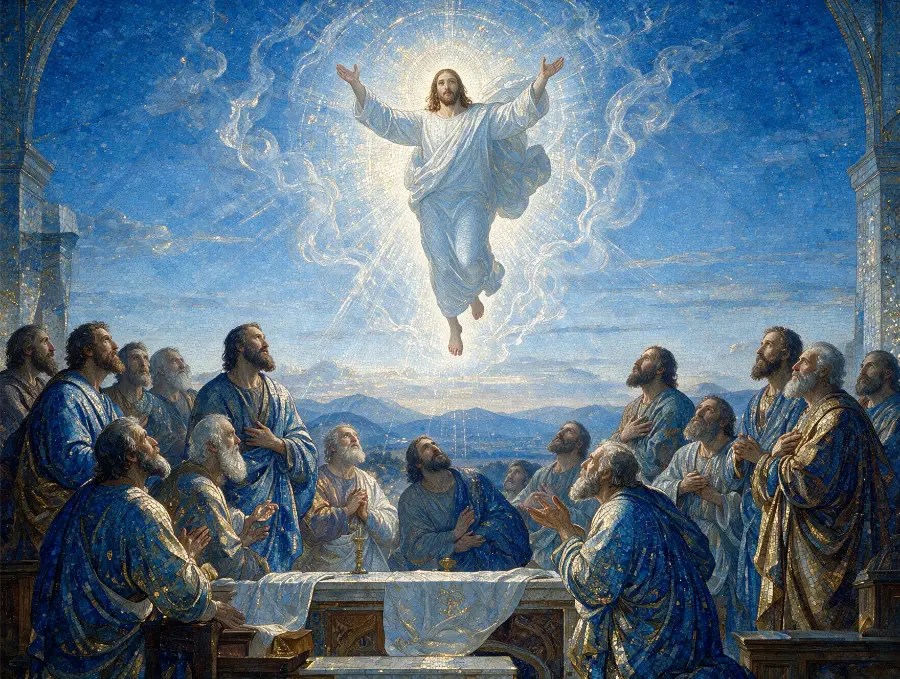
Joel 2:28
“And afterward, I will pour out my Spirit on all people. Your sons and daughters will prophesy, your old men will dream dreams, your young men will see visions.”
Reflection: Joel promises the Spirit to “all people”: sons and daughters, old men and young men, and in the next verse even servants, “both men and women” (2:29). Dreams and visions appear together as ways God will speak, though Scripture gives no general key for interpreting dreams.
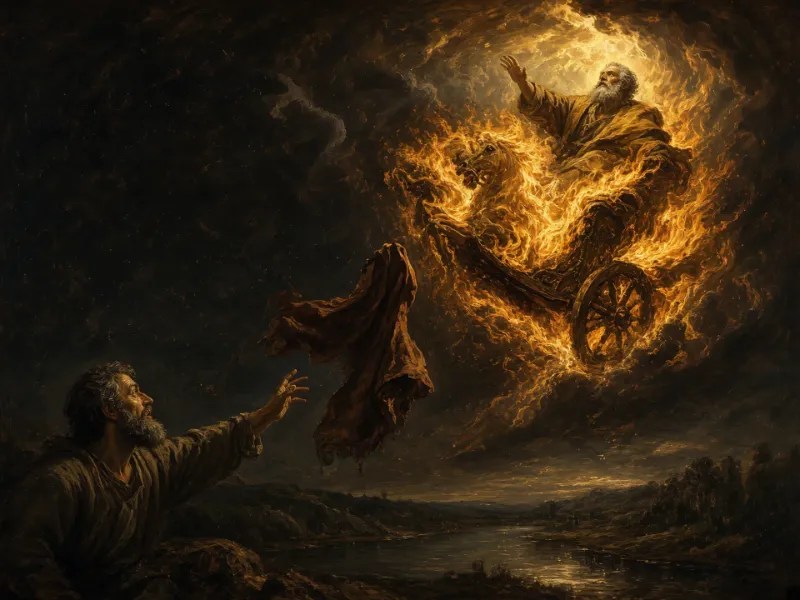
Acts 2:17
“In the last days, God says, I will pour out my Spirit on all people. Your sons and daughters will prophesy, your young men will see visions, your old men will dream dreams.”
Reflection: Peter quotes Joel at Pentecost to explain what the crowd has just seen, and he changes Joel’s “afterward” to “in the last days.” For the early church, the promise had begun to be fulfilled.
Seeing when there is nothing to look at
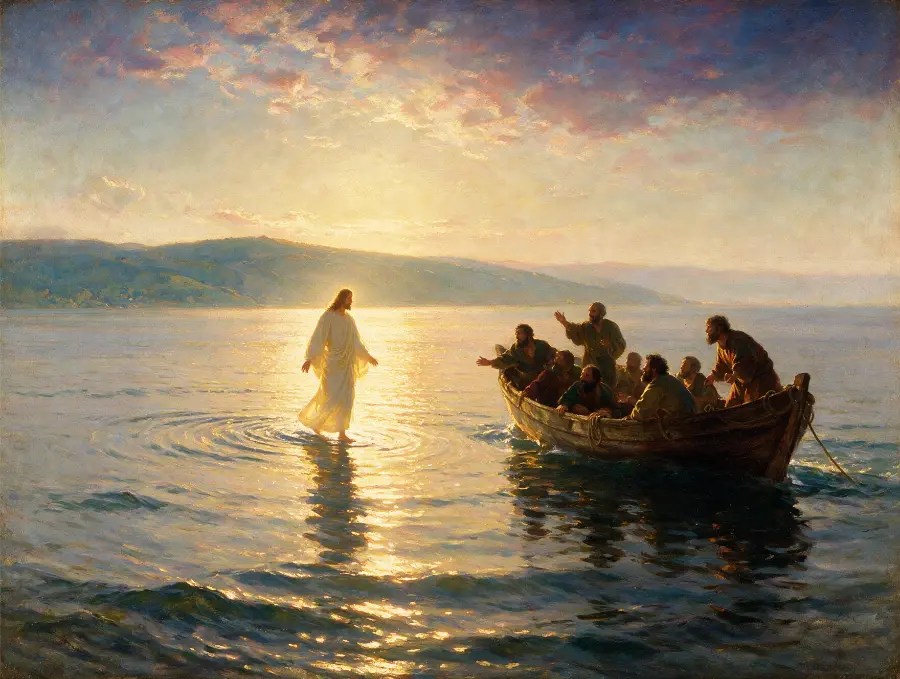
Hebrews 11:1
“Now faith is confidence in what we hope for and assurance about what we do not see.”
Reflection: This definition opens a chapter about people who acted on God’s promises without seeing them fulfilled. Of them, the writer says, “They did not receive the things promised; they only saw them and welcomed them from a distance” (11:13).
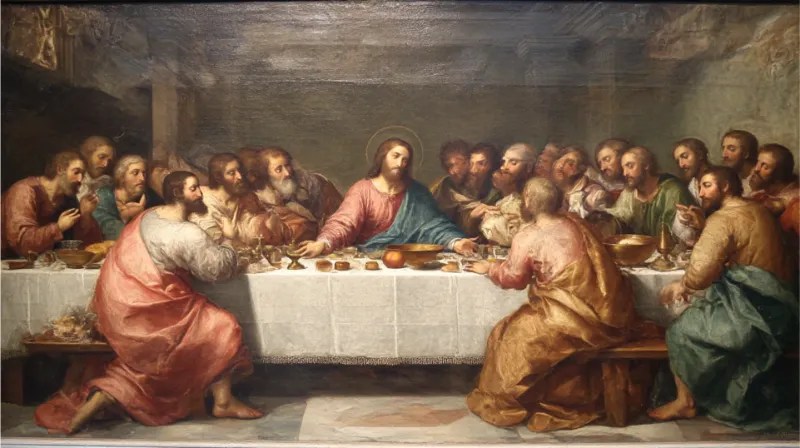
2 Corinthians 5:7
“For we live by faith, not by sight.”
Reflection: The verse before explains it: “as long as we are at home in the body we are away from the Lord” (5:6). Until then, Paul says, Christians live by trusting God rather than by seeing him.

Romans 8:24-25
“For in this hope we were saved. But hope that is seen is no hope at all. Who hopes for what they already have? But if we hope for what we do not yet have, we wait for it patiently.”
Reflection: Paul points out that a hope already seen is no longer hope. The right response to what is not yet seen is to wait for it patiently.
Eyes that have to be opened

Ephesians 1:18
“I pray that the eyes of your heart may be enlightened in order that you may know the hope to which he has called you, the riches of his glorious inheritance in his holy people.”
Reflection: Paul prays that the Ephesians will understand what they already have: the hope of God’s calling and the riches of his inheritance. He asks for their understanding to change rather than their circumstances.
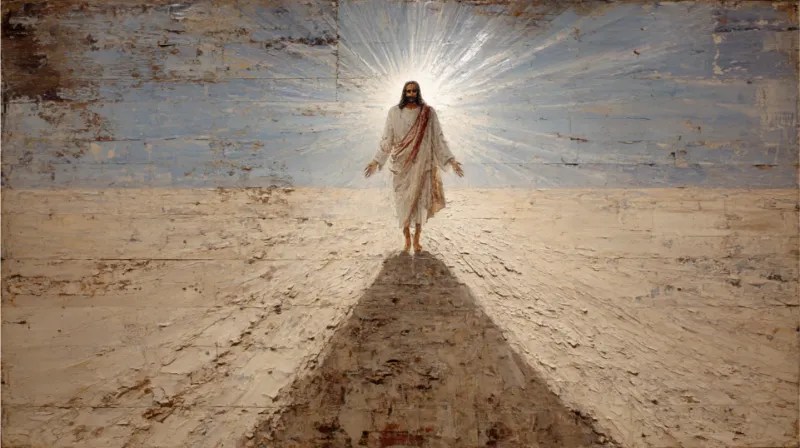
Psalm 119:18
“Open my eyes that I may see wonderful things in your law.”
Reflection: Psalm 119 is the longest chapter in the Bible, and nearly every verse is about God’s law. This one is a short prayer to say before reading Scripture, asking to see what is already there.
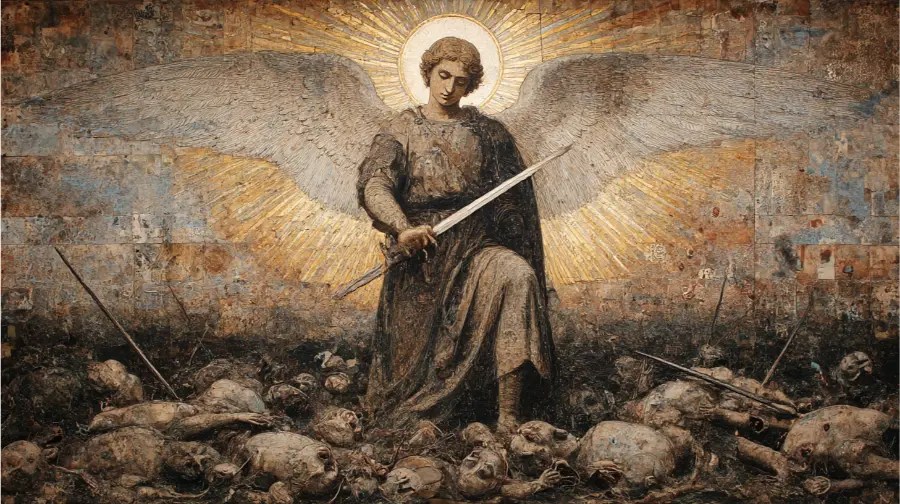
Matthew 6:22
“The eye is the lamp of the body. If your eyes are healthy, your whole body will be full of light.”
Reflection: The saying sits between teaching about treasure in heaven (6:19-21) and a warning that no one can serve both God and money (6:24). The Greek word translated “healthy” can also mean single or sincere, so the eye stands for where a person’s attention and desire are fixed.
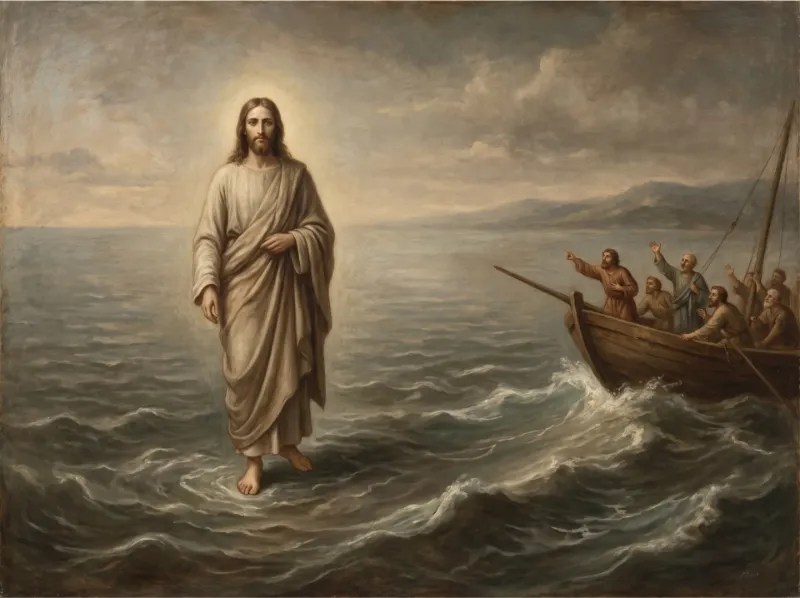
John 9:25
“He replied, ‘Whether he is a sinner or not, I don’t know. One thing I do know. I was blind but now I see!’”
Reflection: The man born blind is being questioned by the Pharisees, who want him to call Jesus a sinner. He declines to judge what he does not know and holds to what he does: “I was blind but now I see!”
What to do with what you have been shown
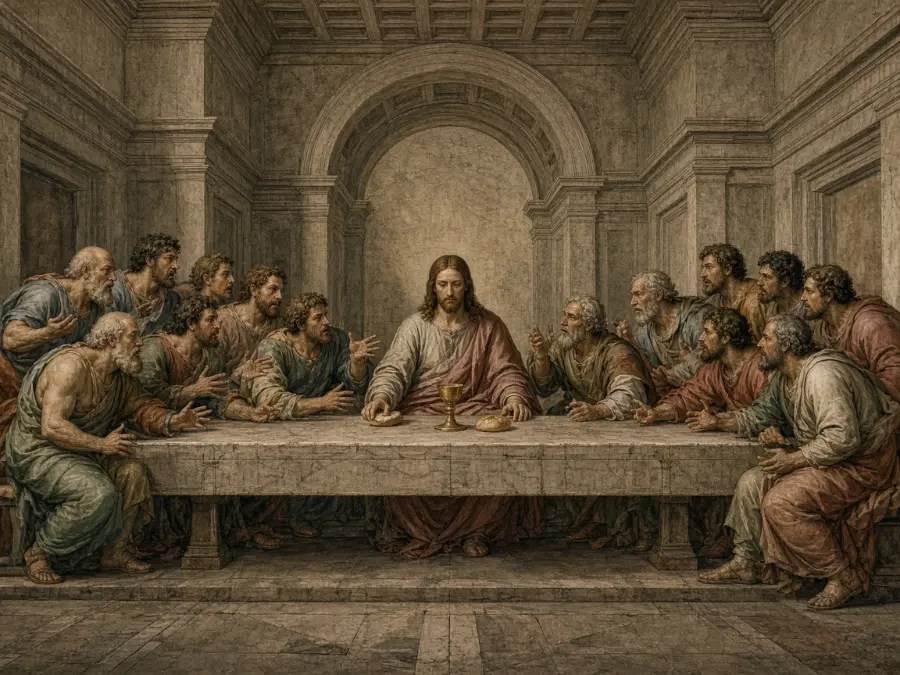
Habakkuk 2:2-3
“Then the Lord replied: ‘Write down the revelation and make it plain on tablets so that a herald may run with it. For the revelation awaits an appointed time; it speaks of the end and will not prove false. Though it linger, wait for it; it will certainly come and will not delay.’”
Reflection: This is God’s answer to Habakkuk’s complaint, “How long, Lord, must I call for help, but you do not listen?” (1:2). The prophet is told to write the revelation plainly, so a herald can run with it, and then to wait for its appointed time.
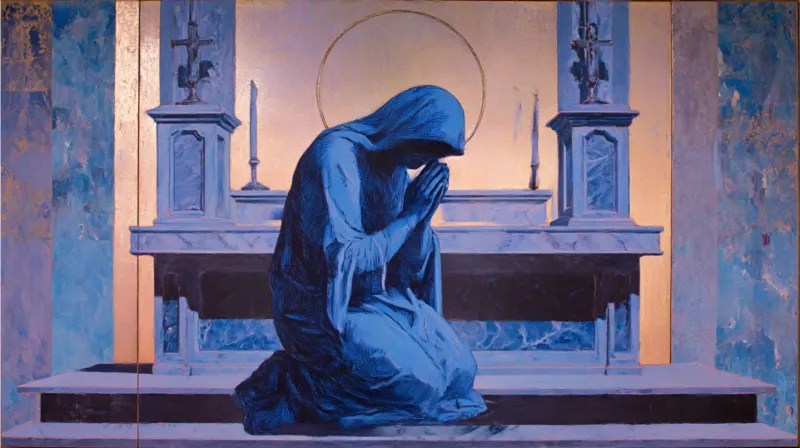
Isaiah 6:8
“Then I heard the voice of the Lord saying, ‘Whom shall I send? And who will go for us?’ And I said, ‘Here am I. Send me!’”
Reflection: Isaiah volunteers after his vision of the Lord in the temple, in the year King Uzziah died (6:1). The task he is given in the next verses is to preach to people who will not understand (6:9-10).
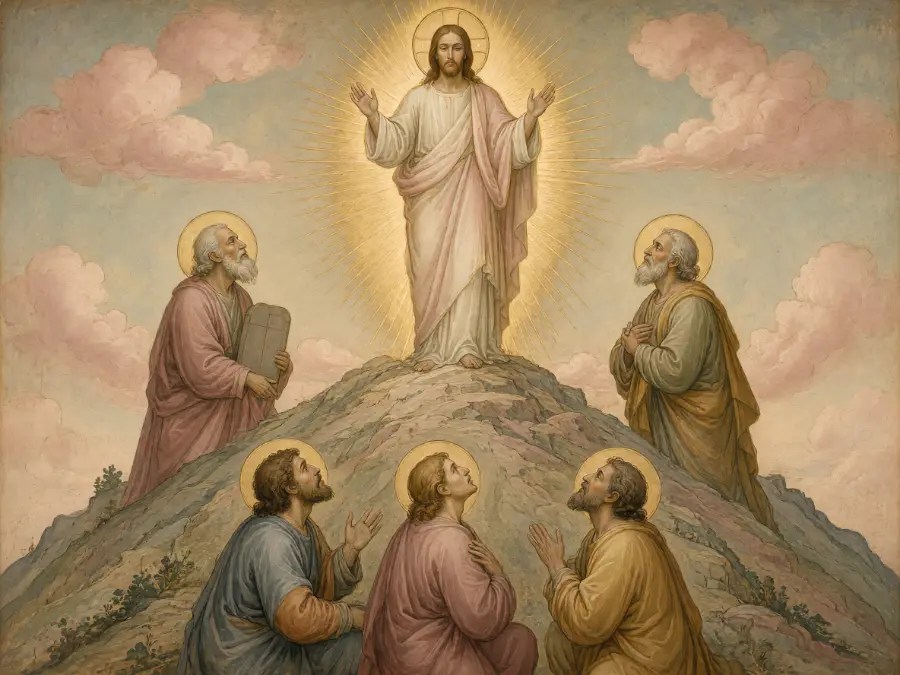
Nehemiah 2:17
“Then I said to them, ‘You see the trouble we are in: Jerusalem lies in ruins, and its gates have been burned with fire. Come, let us rebuild the wall of Jerusalem, and we will no longer be in disgrace.’”
Reflection: Nehemiah stayed in Jerusalem three days, then inspected the walls at night with a few men, telling no one what God had put in his heart (2:11-16). Only after that did he describe the ruins to the leaders and propose rebuilding.
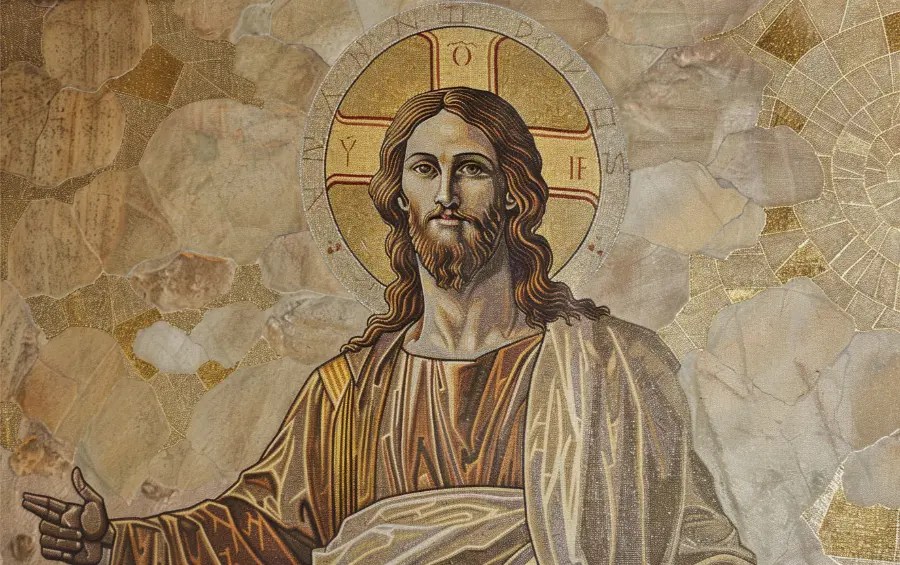
Philippians 3:13-14
“Brothers and sisters, I do not consider myself yet to have taken hold of it. But one thing I do: Forgetting what is behind and straining toward what is ahead, I press on toward the goal to win the prize for which God has called me heavenward in Christ Jesus.”
Reflection: Paul admits he has not yet reached the goal, and says he does “one thing”: he forgets what is behind and strains toward what is ahead. The prize is God’s call in Christ Jesus.
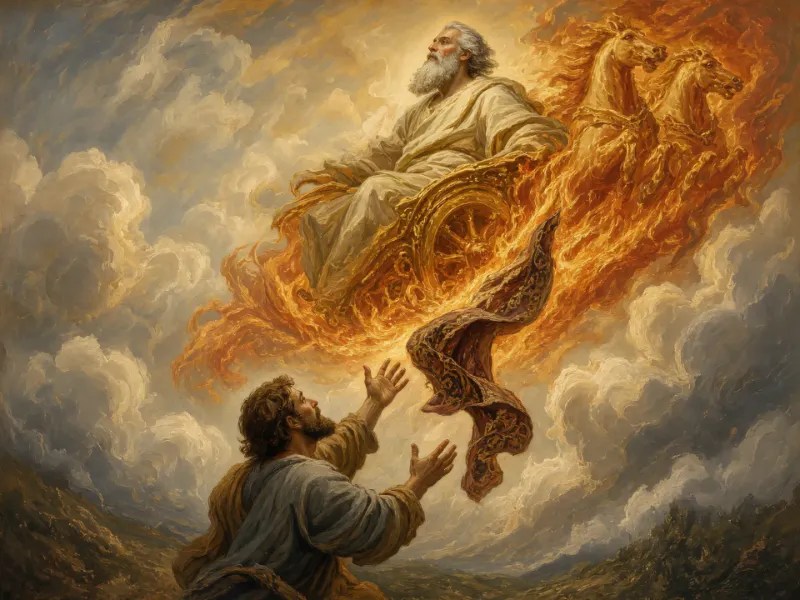
Proverbs 16:9
“In their hearts humans plan their course, but the Lord establishes their steps.”
Reflection: The proverb assumes people will plan; it adds that the Lord establishes their steps. Six verses earlier the same chapter says, “Commit to the Lord whatever you do, and he will establish your plans” (16:3).
So what is a vision, for us
Scripture does not rule out planning: Nehemiah inspected the wall before proposing the work, and Proverbs 16:3 tells readers to commit their plans to the Lord. What it does not do is treat a personal plan as a vision from God.
The pattern in these passages is to ask for understanding (Psalm 119:18; Ephesians 1:18), write down clearly what God has given (Habakkuk 2:2), and wait for its time. There are prayers for guidance for the first of those.


Leave a Reply