
 English
 Chinese
 Dutch
 Arabic
 Spanish
 Portuguese
 Russian
 French
 Italian
 German
 Japanese
Many of the best-known identity verses describe a group rather than a person: a chosen people, a royal priesthood, a holy nation, ambassadors.
That does not make them less true of any one reader. It means they were written to congregations, and they describe a standing rather than a state of mind. The nineteen verses below start before anybody has done anything, with the image of God in Genesis, then cover what changed and when, the family words, the collective ones, and what Scripture says we are able to do.
Before anything has been done
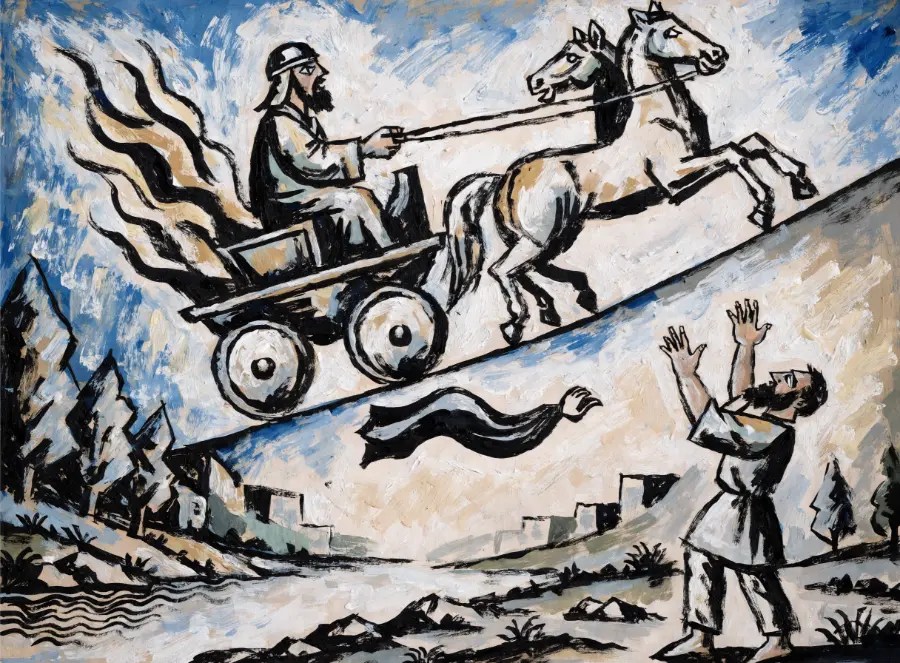
Genesis 1:27
“So God created mankind in his own image, in the image of God he created them; male and female he created them.”
Reflection: The image is assigned before any behaviour is described, and to everybody without exception. Genesis makes it the first thing said about a human being and never makes it conditional.
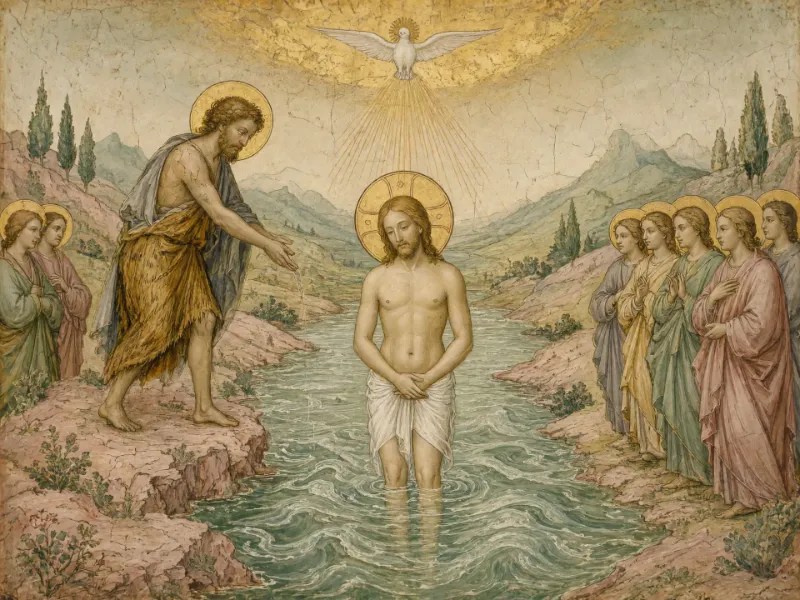
Psalm 139:14
“I praise you because I am fearfully and wonderfully made; your works are wonderful, I know that full well.”
Reflection: The psalm is addressed to God rather than to a reader. What we are reading is a man telling God what he thinks of God’s work.
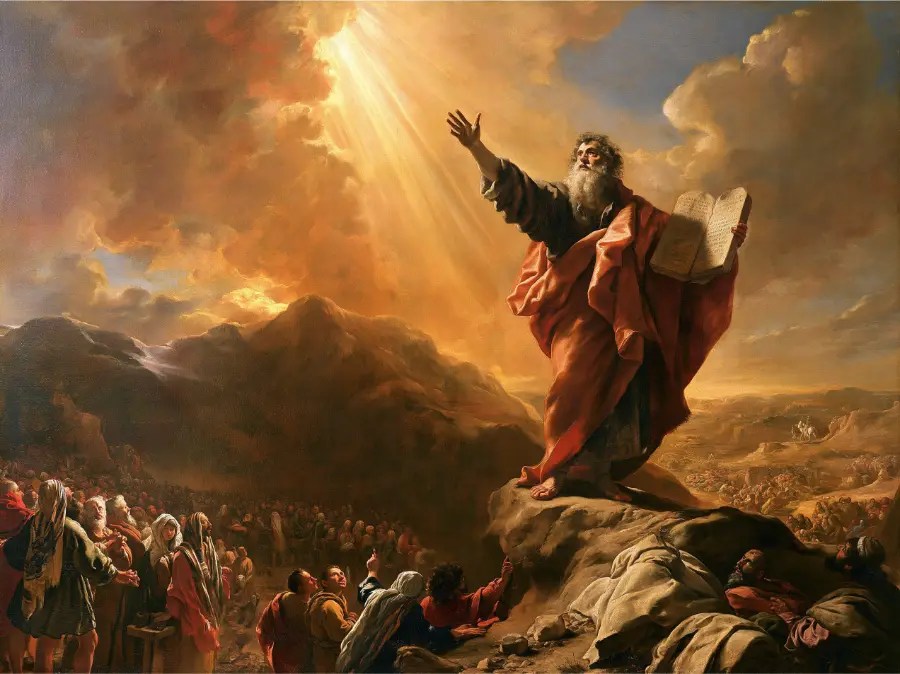
Jeremiah 1:5
“Before I formed you in the womb I knew you, before you were born I set you apart; I appointed you as a prophet to the nations.”
Reflection: Said to one man about one job. Jeremiah’s reply in the next verse is that he cannot speak and is too young.
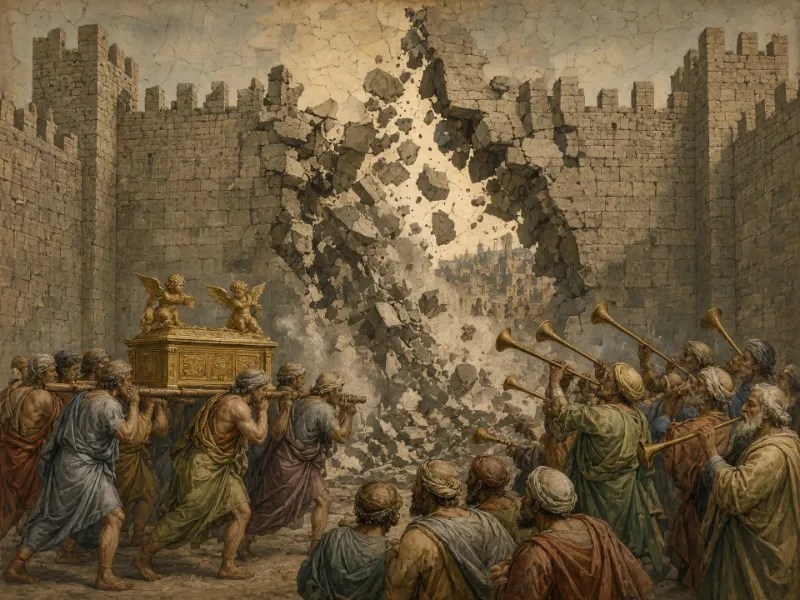
Isaiah 43:1
“Do not fear, for I have redeemed you; I have summoned you by name; you are mine.”
Reflection: Summoned you by name, said to a nation. Isaiah uses the singular for Israel through this passage, which is how the corporate and the personal sit together here.
What changed, and when

Romans 5:8
“But God demonstrates his own love for us in this: While we were still sinners, Christ died for us.”
Reflection: While we were still. The timing carries the argument, and Paul’s case depends on nothing having improved first.
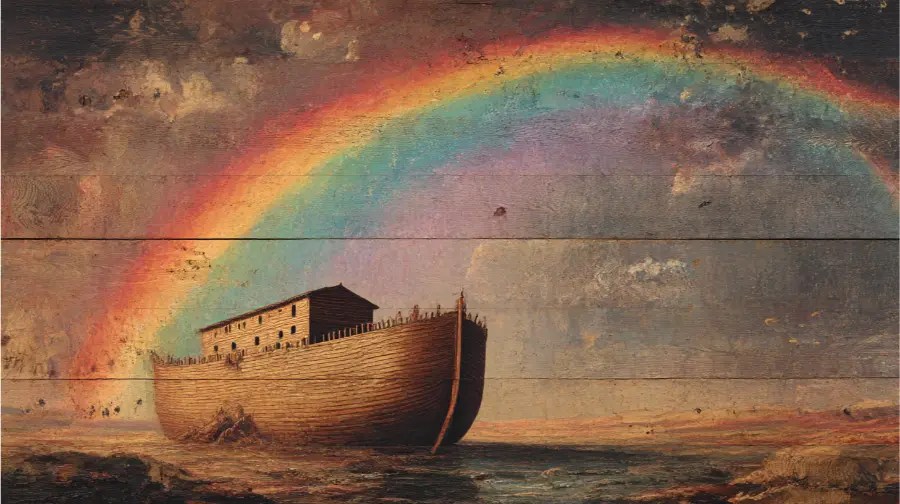
Romans 8:1
“Therefore, there is now no condemnation for those who are in Christ Jesus.”
Reflection: Therefore points back at the chapter before, where Paul describes doing what he hates and failing to do what he wants. The relief is written by somebody who has just admitted he could not manage.
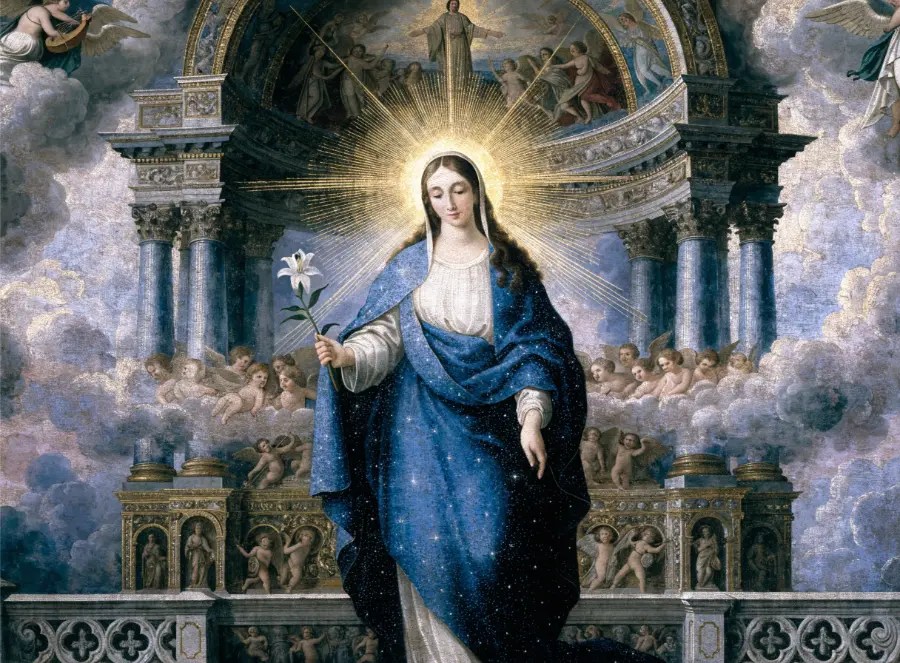
2 Corinthians 5:17
“Therefore, if anyone is in Christ, the new creation has come: The old has gone, the new is here!”
Reflection: Paul writes this in a letter largely about his own exhaustion and the beatings he has taken. He asserts the newness from the middle of a bad stretch.
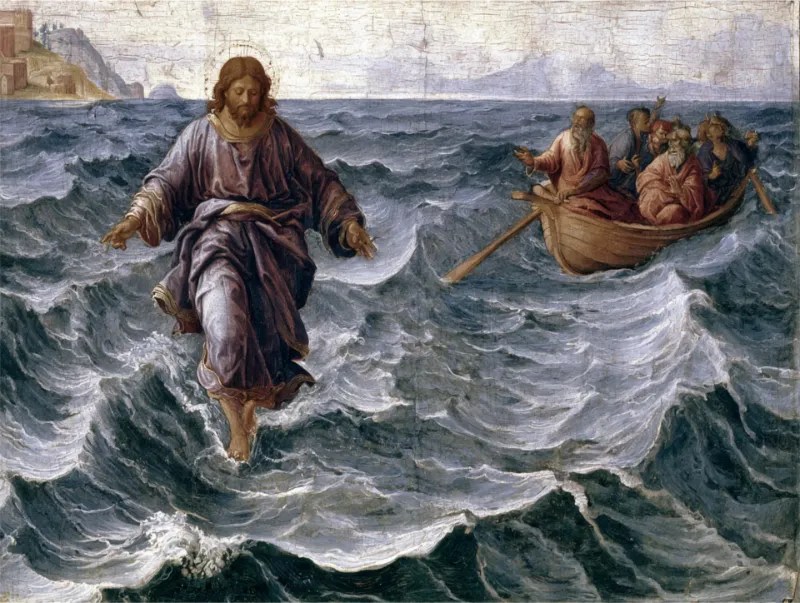
Galatians 2:20
“I have been crucified with Christ and I no longer live, but Christ lives in me.”
Reflection: One of the few places Paul puts this in the singular, and it comes in a letter where he is defending himself. The statement arrives as part of an argument.
The family words
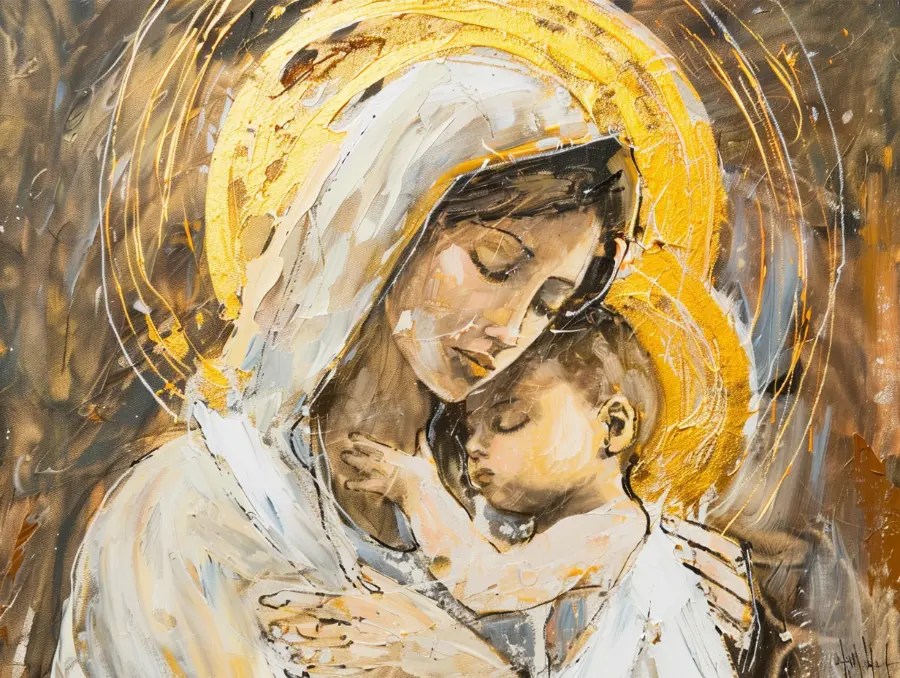
John 1:12
“Yet to all who did receive him, to those who believed in his name, he gave the right to become children of God.”
Reflection: The right, which is a legal word. John describes a standing that was granted rather than one earned or felt.
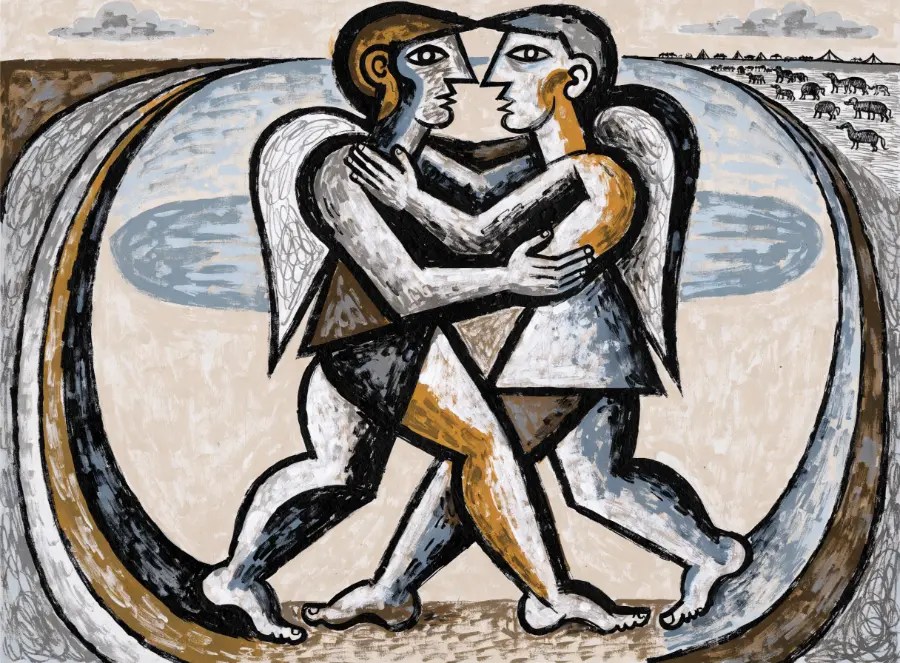
Romans 8:15-16
“The Spirit you received does not make you slaves, so that you live in fear again; rather, the Spirit you received brought about your adoption to sonship. And by him we cry, ‘Abba, Father.’ The Spirit himself testifies with our spirit that we are God’s children.”
Reflection: Paul sets adoption against slavery, and the sentence ends with the Spirit testifying alongside ours. Abba is the Aramaic word a child uses at home.

1 John 3:1
“See what great love the Father has lavished on us, that we should be called children of God! And that is what we are!”
Reflection: The clause John writes next is that the world does not know us. He states the family membership into an audience that would deny it.
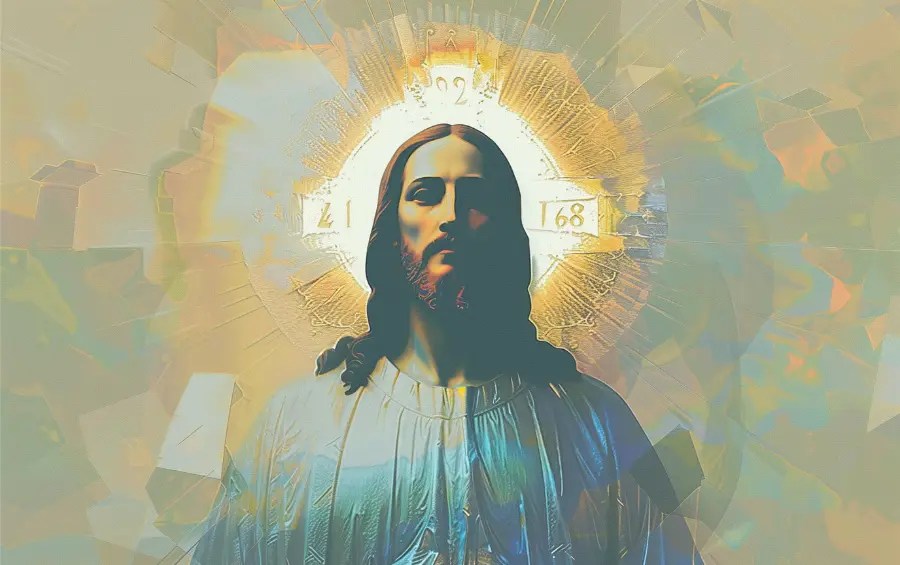
John 15:15
“I no longer call you servants, because a servant does not know his master’s business. Instead, I have called you friends.”
Reflection: The reason he gives is information: a servant does not know his master’s business. A friend, in his definition, is somebody who has been told what is going on.
The ones that are plural
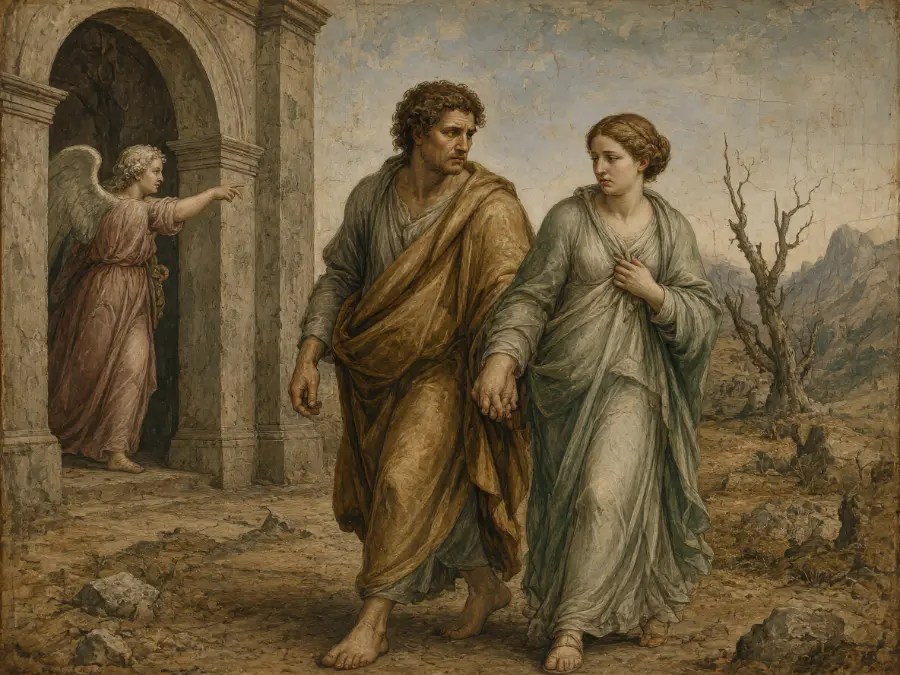
1 Peter 2:9
“But you are a chosen people, a royal priesthood, a holy nation, God’s special possession.”
Reflection: Four phrases, all of them collective, and all of them drawn from what God said to Israel at Sinai. Peter hands that vocabulary to scattered readers.
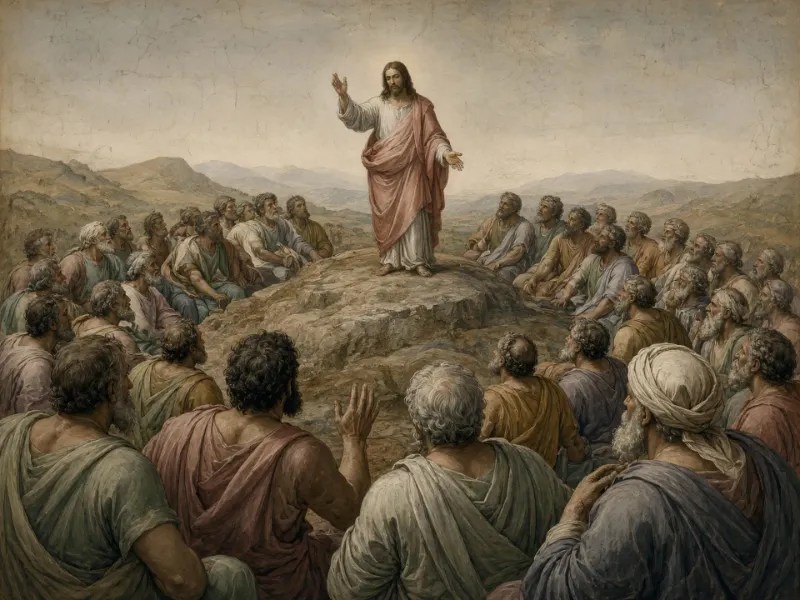
Colossians 3:12
“Therefore, as God’s chosen people, holy and dearly loved, clothe yourselves with compassion, kindness, humility, gentleness and patience.”
Reflection: The identity comes first and the instruction follows from it. Paul does not ask anybody to become chosen by behaving well; he asks people who already are to dress accordingly.
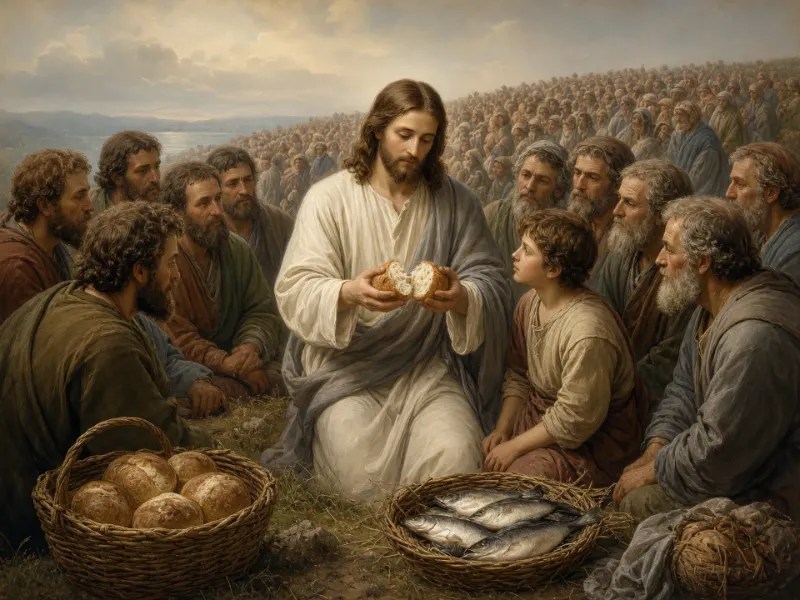
2 Corinthians 5:20
“We are therefore Christ’s ambassadors, as though God were making his appeal through us.”
Reflection: An ambassador carries no authority of their own and full authority on behalf of somebody else. The appeal is described as God making it through them.
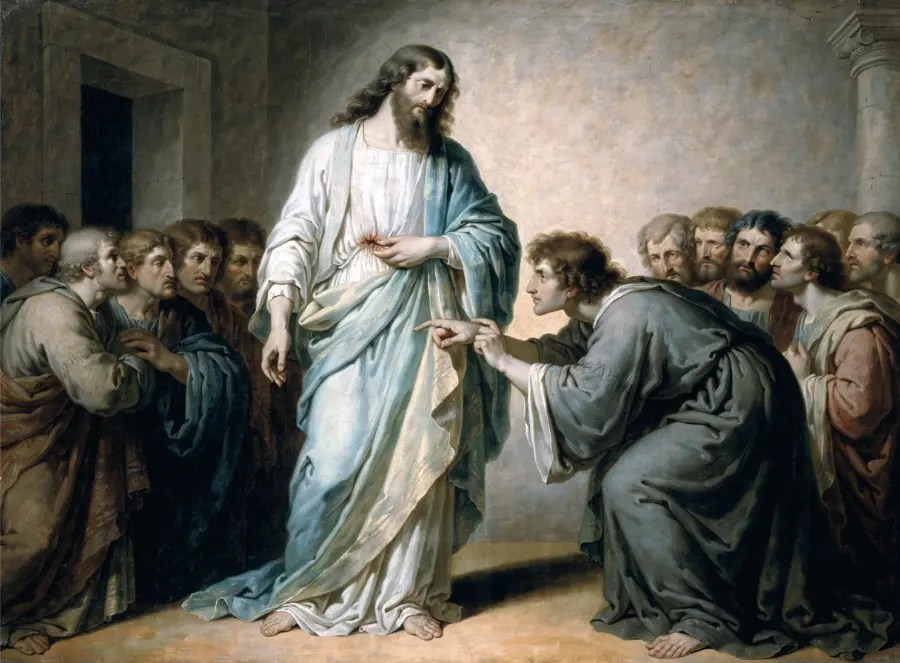
Philippians 3:20
“But our citizenship is in heaven. And we eagerly await a Saviour from there, the Lord Jesus Christ.”
Reflection: Citizenship of one place while living in another. Paul writes it to a city in the Roman empire, and the waiting is the part he stresses.
What we are said to be capable of
Romans 8:37
“No, in all these things we are more than conquerors through him who loved us.”
Reflection: These things are the famine, nakedness and sword Paul has just listed. The victory is placed inside the trouble, and it is credited to him who loved us.
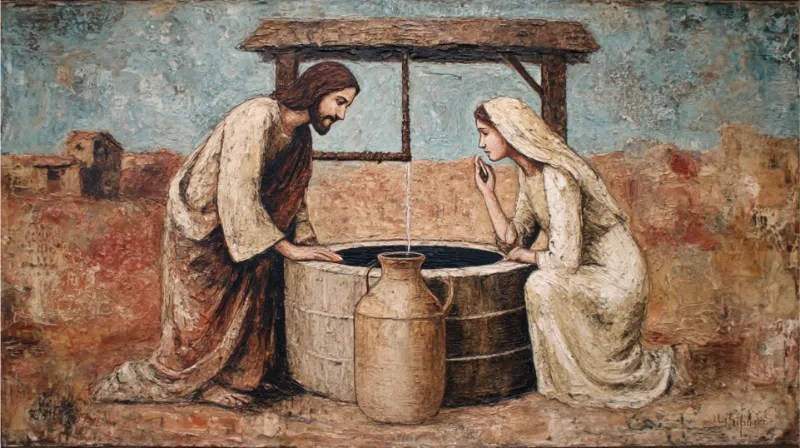
Ephesians 2:10
“For we are God’s handiwork, created in Christ Jesus to do good works, which God prepared in advance for us to do.”
Reflection: Prepared in advance. Paul describes the works as already laid out rather than handed over as a list.

Galatians 5:1
“It is for freedom that Christ has set us free. Stand firm, then, and do not let yourselves be burdened again by a yoke of slavery.”
Reflection: The yoke Paul warns about is rule-keeping: the next verse is about circumcision (5:2). The route back into bondage he names runs through trying harder.
Reading these the way they were written
These were written to congregations. A royal priesthood is not something one person can be, an ambassador represents somebody, and a citizenship belongs to a place with other people in it. The grammar is collective even where the promise reaches each reader.
They also describe standing rather than progress. Paul asserts the new creation in a letter about his own exhaustion, and John writes that is what we are straight at a world saying otherwise. Neither is a report on how anybody was doing. For the related material, see Bible verses about improving yourself.


Leave a Reply