
 English
 Chinese
 Dutch
 Arabic
 Spanish
 Portuguese
 Russian
 French
 Italian
 German
 Japanese
In the Bible, abundance begins with God, who fills the earth with living things and sends the rain that fills the barns. Jesus says he came so that his sheep may have life “to the full” (John 10:10), and he also warns that life does not consist in an abundance of possessions (Luke 12:15).
The harvest passages speak of rain, grain and wine: Psalm 65:11 gives thanks for a harvest already gathered, and Deuteronomy 28:12 and Joel 2:25 promise one, and several proverbs and sayings tie abundance to giving (Proverbs 3:9-10; Luke 6:38; 2 Corinthians 9:8). The New Testament’s Greek words for abundance include perissos, more than sufficient, the word in John 10:10 that the King James Version renders “more abundantly”, and the related verb perisseuo, to abound or overflow, used in 2 Corinthians 9:8 and Luke 12:15.
Abundance in the land and the harvest
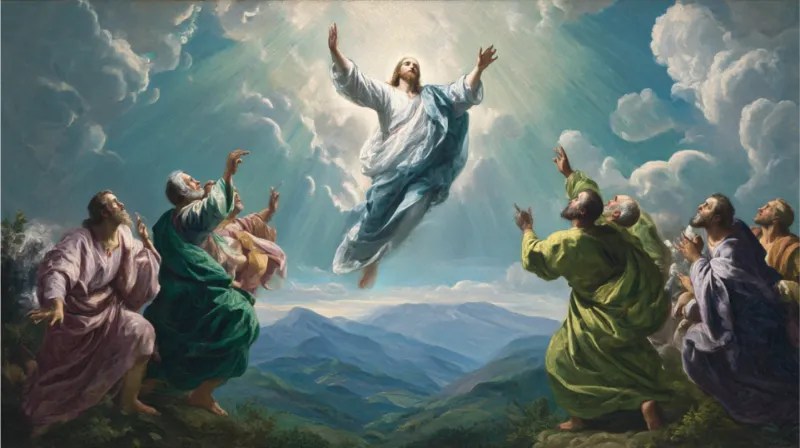
Psalm 104:24
“How many are your works, Lord! In wisdom you made them all; the earth is full of your creatures.”
Reflection: The psalm walks through the created world, and the next verse turns to the sea, “teeming with creatures beyond number.” Verses 27 and 28 say that all of them look to God for food “at the proper time,” and “when you open your hand, they are satisfied with good things.”

Psalm 65:11
“You crown the year with your bounty, and your carts overflow with abundance.”
Reflection: The psalm thanks God for rain and crops. Verse 9 says he waters the land and “enrich[es] it abundantly,” and verse 10 that he softens it with showers and blesses its crops. After the carts overflow in verse 11, the overflow spreads to the wilderness grasslands, the hills and the valleys, which “shout for joy and sing” (verses 12-13).
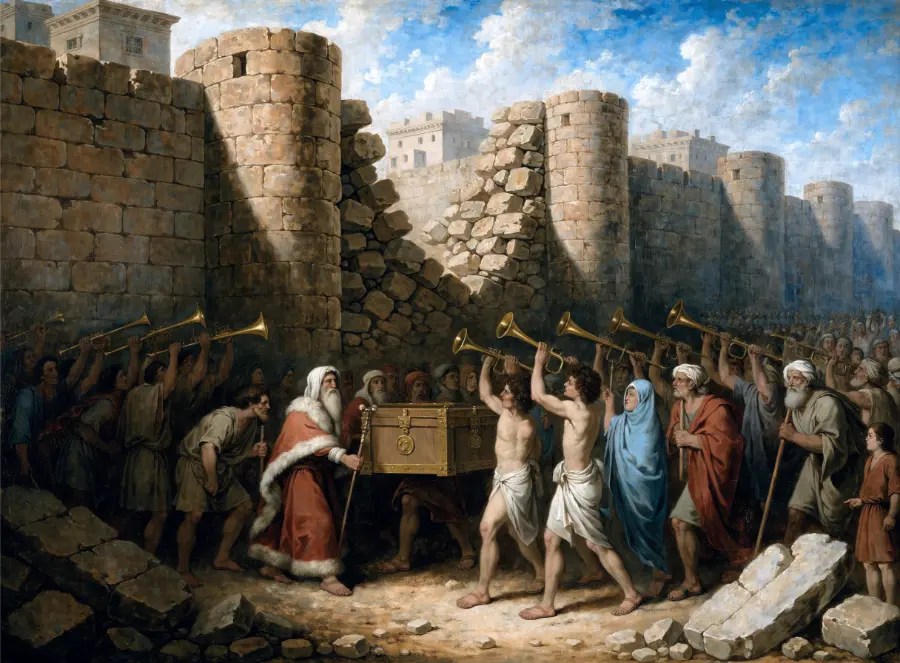
Deuteronomy 28:12
“The Lord will open the heavens, the storehouse of his bounty, to send rain on your land in season and to bless all the work of your hands.”
Reflection: The promise is conditional. Chapter 28 opens “If you fully obey the Lord your God,” and the verse before this one promises “abundant prosperity” in children, livestock and crops. From verse 15 the chapter sets out the curses for disobedience, and in verses 23-24 the sky turns to bronze and the rain to dust.
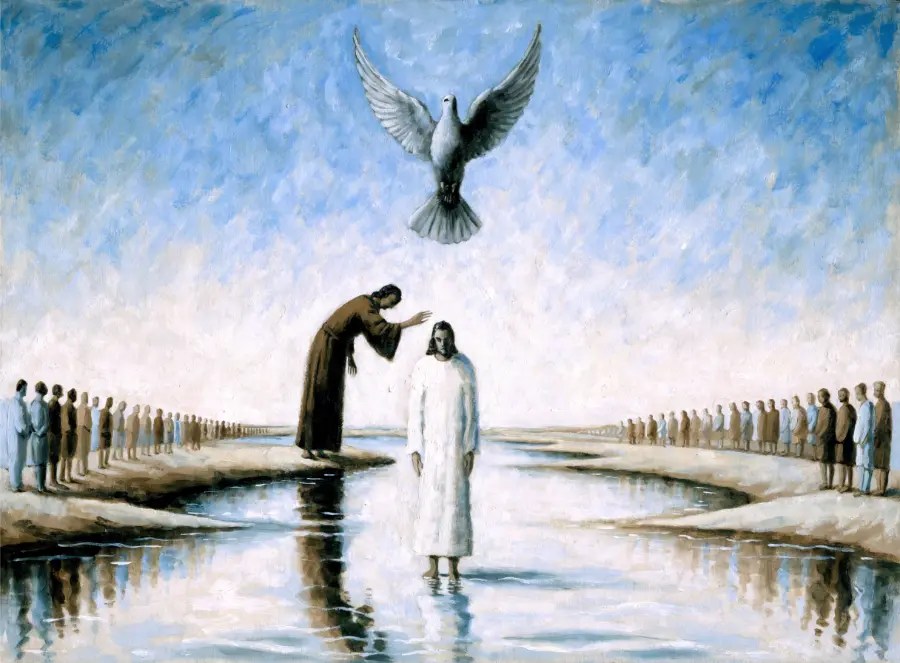
Joel 2:25
“I will repay you for the years the locusts have eaten—the great locust and the young locust, the other locusts and the locust swarm—my great army that I sent among you.”
Reflection: Locusts had eaten Judah’s harvests, and God calls them “my great army that I sent among you.” The verses around the promise describe the repayment in the same terms as the loss: autumn and spring rains, threshing floors “filled with grain,” vats that “overflow with new wine and oil” (verse 24), and “plenty to eat, until you are full” (verse 26).
Overflow from God to a person
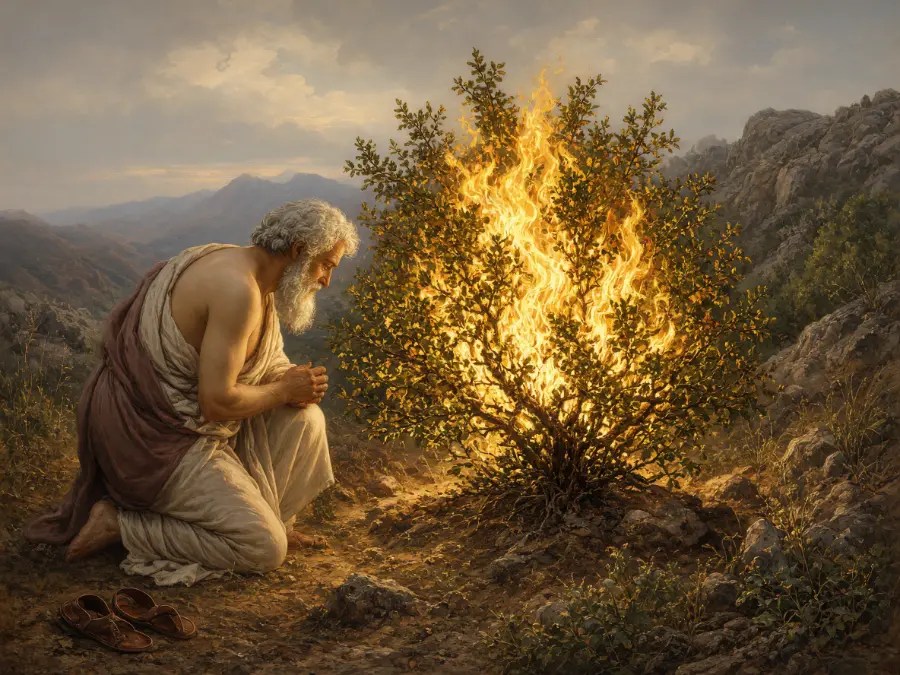
Psalm 23:5
“You prepare a table before me in the presence of my enemies. You anoint my head with oil; my cup overflows.”
Reflection: The psalm opens “The Lord is my shepherd, I lack nothing” (verse 1), and verse 5 goes past lacking nothing: a table laid while enemies look on, a head anointed with oil, a cup that overflows. The next verse carries the same goodness forward: “Surely your goodness and love will follow me all the days of my life.”
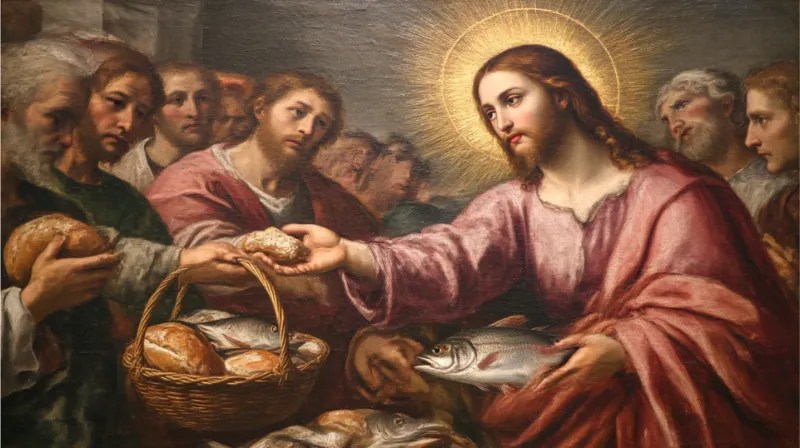
John 10:10
“The thief comes only to steal and kill and destroy; I have come that they may have life, and have it to the full.”
Reflection: Jesus contrasts himself with the thief while speaking of himself as the gate of the sheepfold: whoever enters through him “will be saved,” and will “come in and go out, and find pasture” (verse 9). “To the full” translates perissos, more than sufficient. In the next verse he is the good shepherd who “lays down his life for the sheep.”
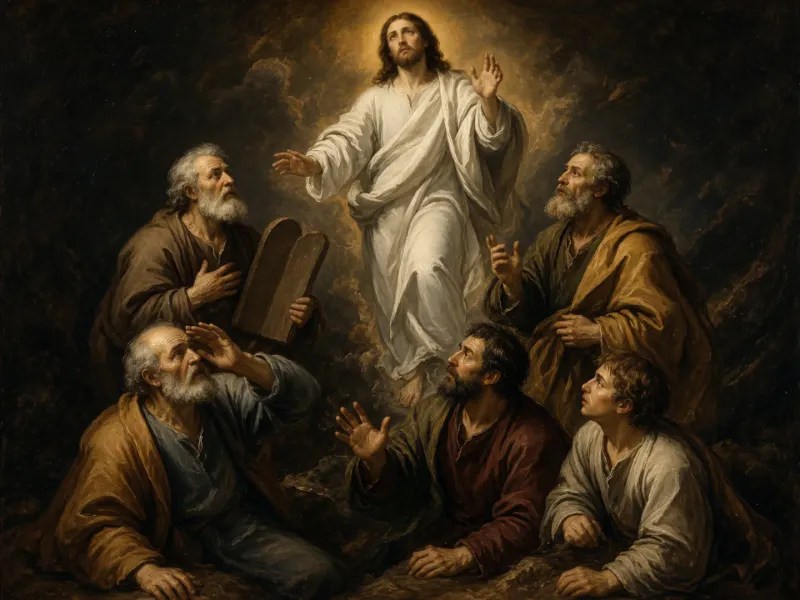
John 1:16
“Out of his fullness we have all received grace in place of grace already given.”
Reflection: Verse 14 says the Word became flesh, “full of grace and truth,” and verse 16 says everyone has drawn from that fullness. The NIV’s “grace in place of grace already given” describes one gift taking the place of the one before. Verse 17 sets the law given through Moses beside the “grace and truth” that came through Jesus Christ.
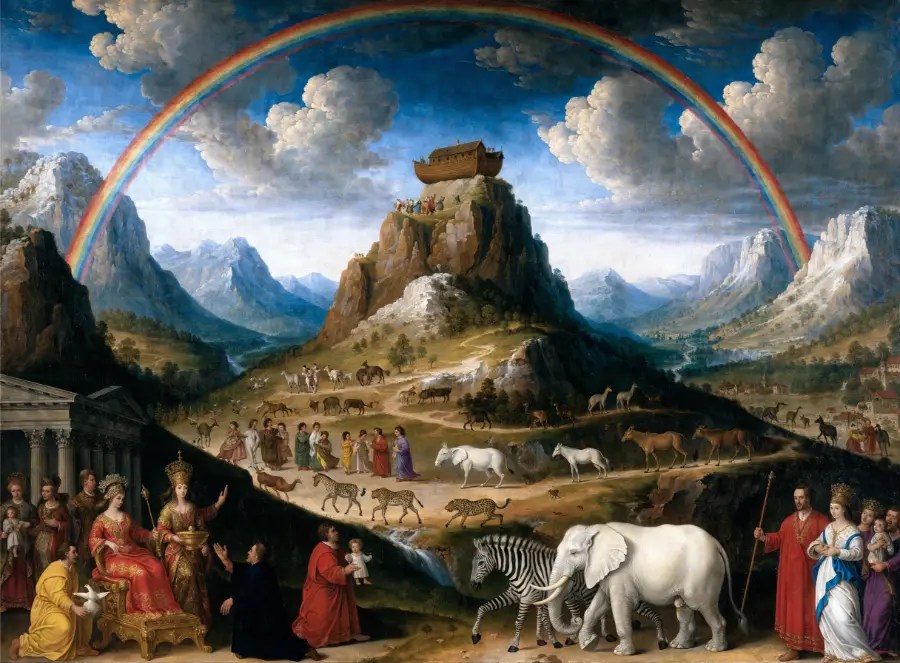
John 6:35
“Then Jesus declared, ‘I am the bread of life. Whoever comes to me will never go hungry, and whoever believes in me will never be thirsty.’”
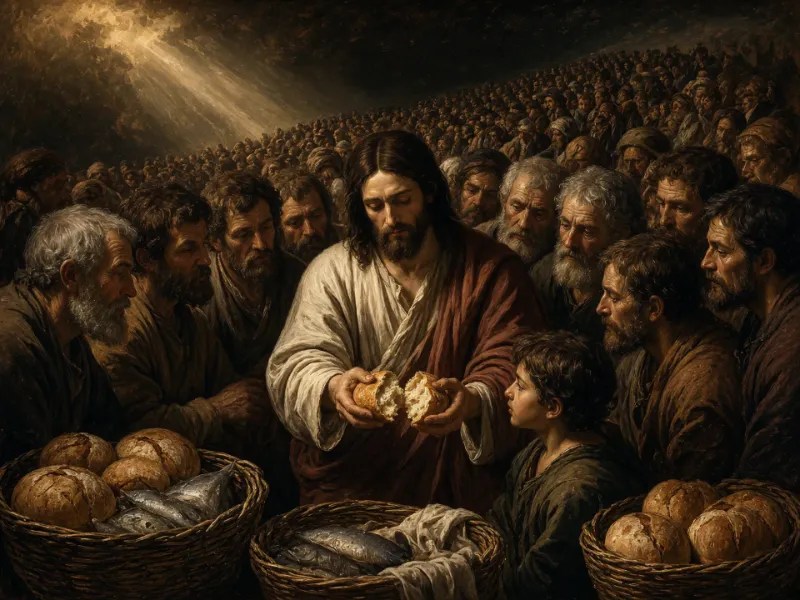
Reflection: Jesus says this after feeding about five thousand men, when the disciples gathered twelve baskets of pieces left over from five barley loaves (John 6:10-13). The crowd asks for the bread from heaven “always” (verse 34), and Jesus answers that he is that bread: whoever comes to him will not go hungry or thirsty.
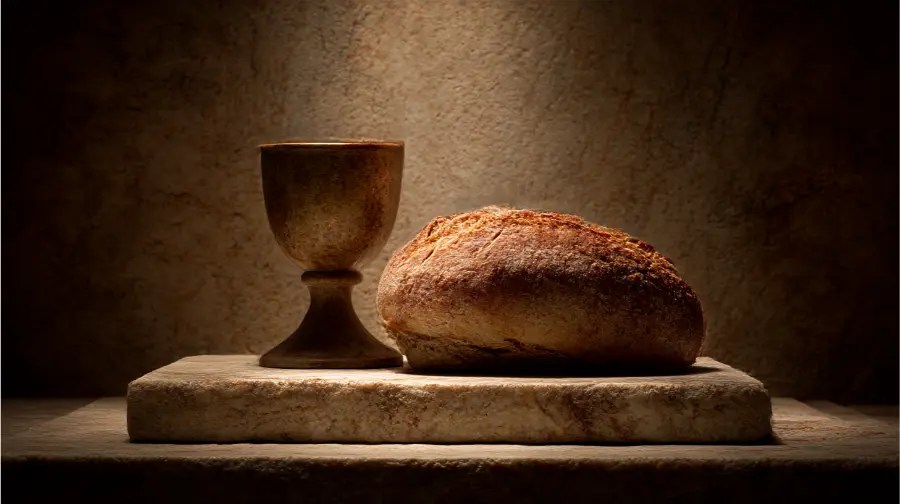
Ephesians 3:20
“Now to him who is able to do immeasurably more than all we ask or imagine, according to his power that is at work within us,”
Reflection: The verse opens the doxology of Ephesians 3:20-21, which follows Paul’s prayer in verses 14-19. That prayer asks that the readers be strengthened in the inner being, that Christ dwell in their hearts, and that they “be filled to the measure of all the fullness of God.” “Immeasurably more than all we ask” refers back to those requests, and the power “at work within us” is the power of verse 16, given through God’s Spirit.
Abundance and giving
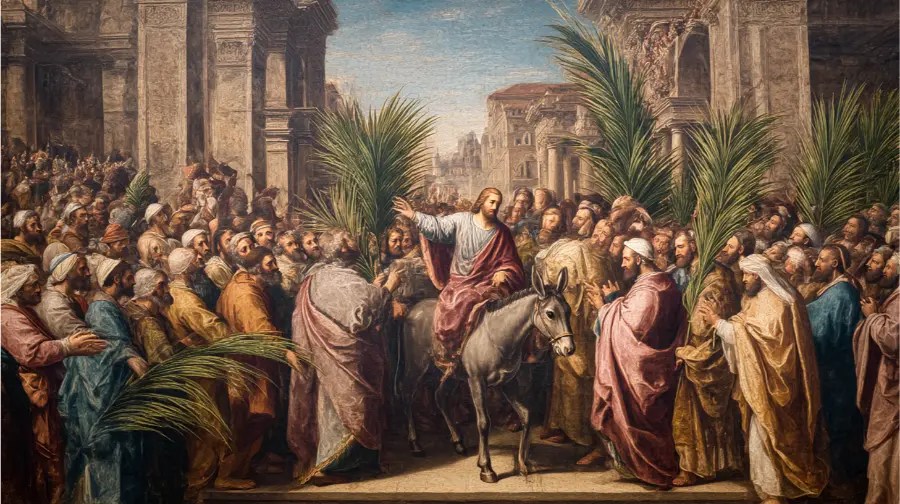
Proverbs 3:9-10
“Honor the Lord with your wealth, with the firstfruits of all your crops; then your barns will be filled to overflowing, and your vats will brim over with new wine.”
Reflection: A father is instructing “my son” (Proverbs 3:11). The order matters in the text: the firstfruits, the first of the crop, go to the Lord, and full barns and overflowing vats follow. The next two verses turn to the Lord’s discipline, “as a father the son he delights in.”
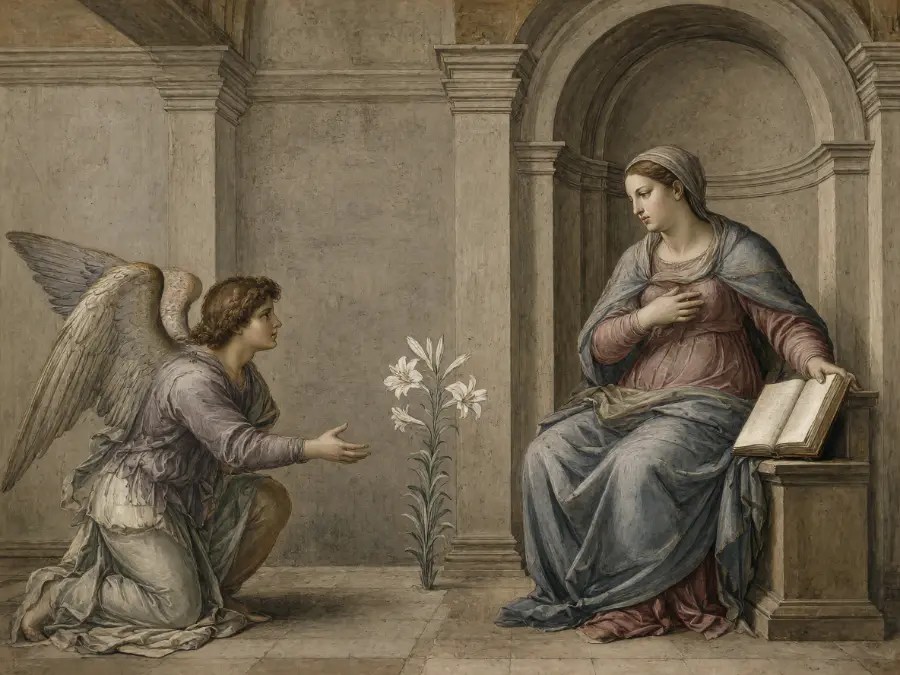
Proverbs 11:24-25
“One person gives freely, yet gains even more; another withholds unduly, but comes to poverty. A generous person will prosper; whoever refreshes others will be refreshed.”
Reflection: Two people are set side by side. One gives freely and gains more; the other holds back more than is right and becomes poor. Verse 25 states the same pattern as a rule: the generous person prospers, and the one who refreshes others is refreshed.
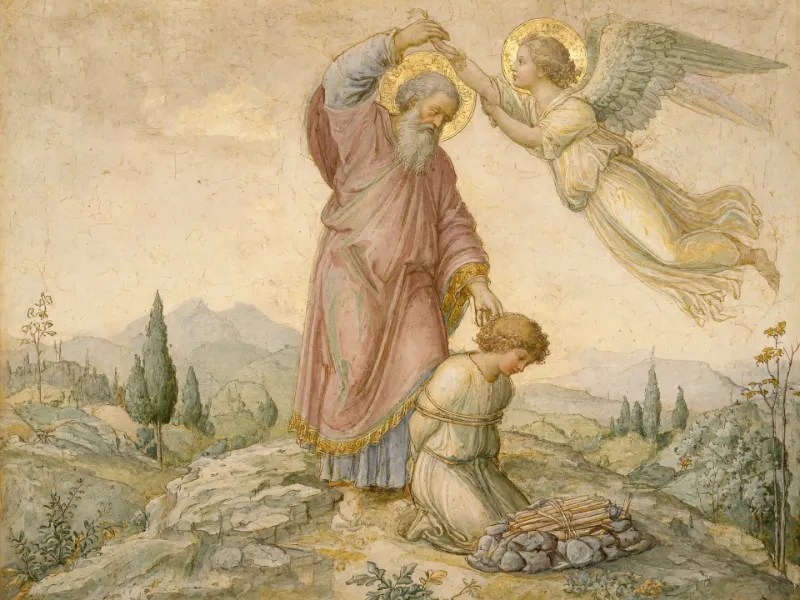
Luke 6:38
“Give, and it will be given to you. A good measure, pressed down, shaken together and running over, will be poured into your lap. For with the measure you use, it will be measured to you.”
Reflection: The verse finishes a run of commands: do not judge, do not condemn, forgive, give (verse 37). The picture is of a measure filled, pressed down and shaken to settle it, then filled until it runs over into the lap. The last sentence, “with the measure you use,” applies to judging and forgiving as well as to giving.
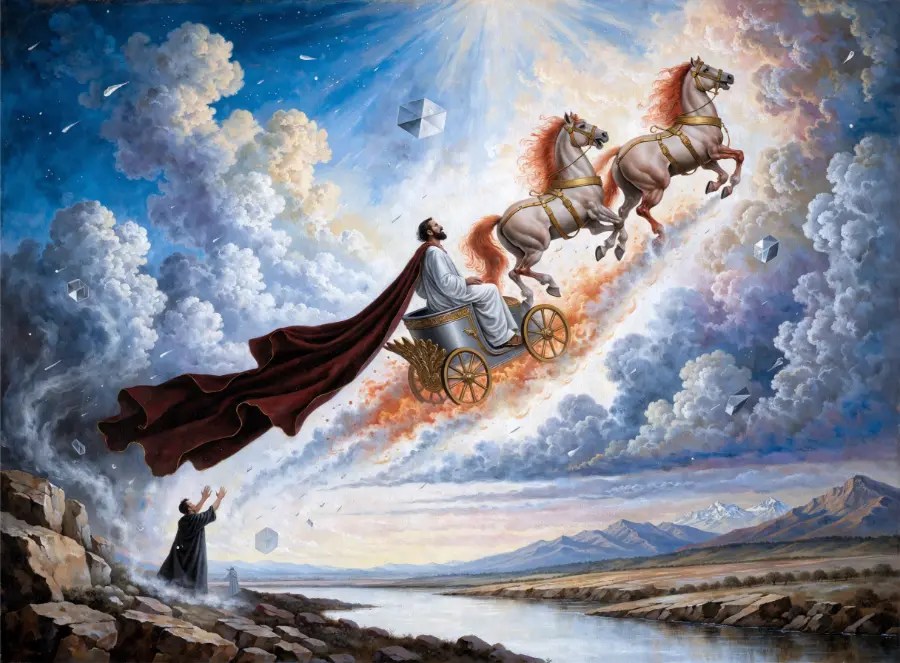
2 Corinthians 9:8
“And God is able to bless you abundantly, so that in all things at all times, having all that you need, you will abound in every good work.”
Reflection: Paul is urging the Corinthians to give generously and cheerfully (verses 6-7). “Bless you abundantly” translates perisseuo, and the verse names what the overflow is for: “you will abound in every good work.” Verse 11 says the same: “You will be enriched in every way so that you can be generous on every occasion.”
Malachi 3:10
“Bring the whole tithe into the storehouse, that there may be food in my house. Test me in this,” says the Lord Almighty, “and see if I will not throw open the floodgates of heaven and pour out so much blessing that there will not be room enough to store it.”
Reflection: God has accused the people of robbing him “in tithes and offerings” (verses 8-9), after calling them to “Return to me, and I will return to you” (verse 7). The blessing he promises is agricultural: in the next verse he will keep pests from the crops and the vines from dropping their fruit before it ripens.
Enough, and the limits of abundance
Philippians 4:19
“And my God will meet all your needs according to the riches of his glory in Christ Jesus.”
Reflection: Paul writes this to a church that had sent him gifts by Epaphroditus, and he says in the verse before, “I have received full payment and have more than enough.” Earlier in the chapter he says he has learned to be content “whether living in plenty or in want” (verse 12). The promise is that God will meet “all your needs,” made to givers who had met his.
1 Timothy 6:17
“Command those who are rich in this present world not to be arrogant nor to put their hope in wealth, which is so uncertain, but to put their hope in God, who richly provides us with everything for our enjoyment.”
Reflection: Paul tells Timothy what to command the rich. The chapter has already said that “godliness with contentment is great gain” and that “the love of money is a root of all kinds of evil” (verses 6 and 10). The rich are to put their hope in God, who “richly provides us with everything for our enjoyment,” and the next two verses tell them to be “rich in good deeds” and to lay up treasure “for the coming age.”
Luke 12:15
“Then he said to them, ‘Watch out! Be on your guard against all kinds of greed; life does not consist in an abundance of possessions.’”
Reflection: A man in the crowd has asked Jesus to make his brother divide an inheritance. “Abundance” here translates perisseuo. Jesus follows the warning with a parable about a rich man whose land “yielded an abundant harvest” and who plans bigger barns, and God says to him, “This very night your life will be demanded from you.” The parable ends with anyone who “stores up things for themselves but is not rich toward God” (verse 21).


Leave a Reply