
 English
 Chinese
 Dutch
 Arabic
 Spanish
 Portuguese
 Russian
 French
 Italian
 German
 Japanese
The Bible speaks of belonging in two directions, to God and to a people. God says to Israel “you are mine” (Isaiah 43:1), and Ruth, a Moabite, takes Naomi’s people and Naomi’s God together (Ruth 1:16).
The New Testament describes the same belonging as adoption into God’s family (Romans 8:15; 1 John 3:1), as membership of one body (1 Corinthians 12:27) and of “the household of God” (Ephesians 2:19), and as citizenship of a country not yet reached (Philippians 3:20; Hebrews 11:16). The word itself appears in 1 Corinthians 12:15, where a foot that says “I do not belong to the body” is still part of it.
Belonging to God
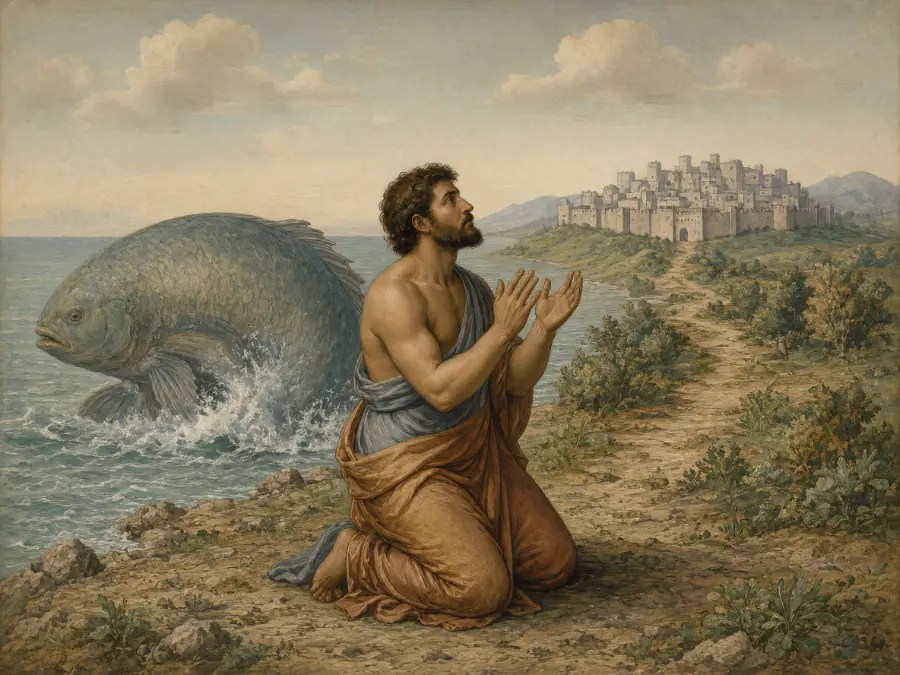
Isaiah 43:1
“But now thus says the LORD, he who created you, O Jacob, he who formed you, O Israel: ‘Fear not, for I have redeemed you; I have called you by name, you are mine.’”
Reflection: The Lord speaks to the nation, addressed as Jacob and Israel, straight after Isaiah 42:24-25 describes it handed over to plunderers for its sin. The claim rests on three acts: God created Israel, redeemed it, and called it by name. The verses that follow promise his presence through water and fire and give the reason: “you are precious in my eyes, and honored, and I love you” (Isaiah 43:4).
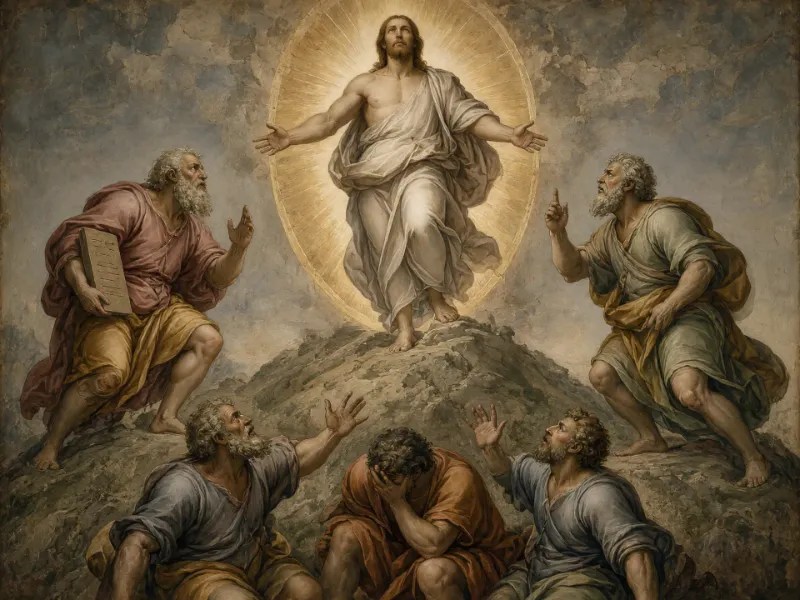
Romans 14:8
“For if we live, we live to the Lord, and if we die, we die to the Lord. So then, whether we live or whether we die, we are the Lord’s.”
Reflection: Paul writes this in the middle of a dispute in the Roman church over food and holy days (Romans 14:1-6). He says the one who eats and the one who abstains both act “in honor of the Lord” (14:6), and tells neither to judge the other (14:3). The next verse gives the ground of the claim: “to this end Christ died and lived again, that he might be Lord both of the dead and of the living.”
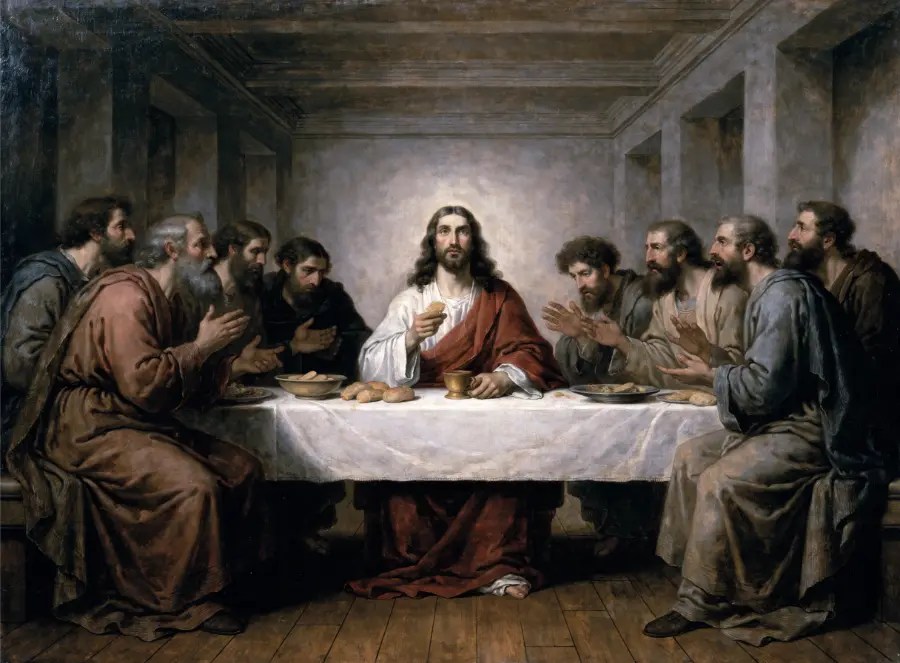
Romans 8:38-39
“For I am sure that neither death nor life, nor angels nor rulers, nor things present nor things to come, nor powers, nor height nor depth, nor anything else in all creation, will be able to separate us from the love of God in Christ Jesus our Lord.”
Reflection: The list answers the question Paul asked a few verses earlier: “Who shall separate us from the love of Christ?” (Romans 8:35). He first tests hardships, tribulation, persecution, famine and the sword, and quotes Psalm 44:22 on being “regarded as sheep to be slaughtered” (8:36). In these verses he widens the list to death, life, powers and “anything else in all creation”.
Children of God by adoption
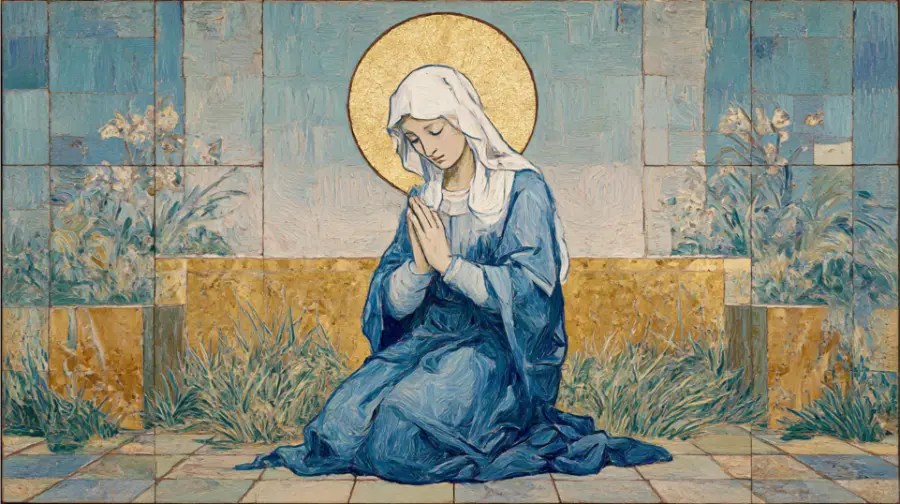
John 1:12
“But to all who did receive him, who believed in his name, he gave the right to become children of God.”
Reflection: The verse before it sets the contrast: “He came to his own, and his own people did not receive him” (John 1:11). The right to become God’s children is given to those who receive him and believe in his name. Verse 13 says how they enter the family: they were born “not of blood nor of the will of the flesh nor of the will of man, but of God.”
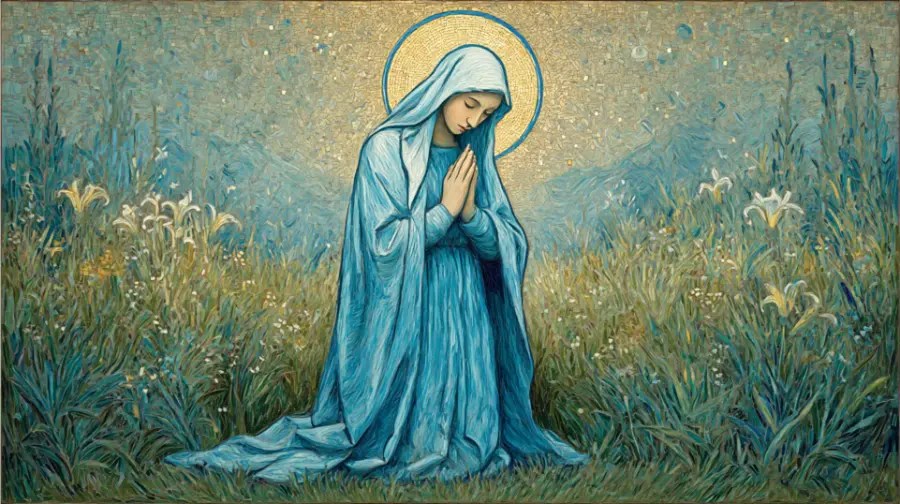
Romans 8:15
“For you did not receive the spirit of slavery to fall back into fear, but you have received the Spirit of adoption as sons, by whom we cry, ‘Abba! Father!’”
Reflection: Paul sets two spirits against each other, one of slavery that leads back into fear and the Spirit of adoption. The next two verses carry the argument on: the Spirit “bears witness with our spirit that we are children of God, and if children, then heirs” (Romans 8:16-17). Galatians 4:6-7 makes the same case with the same cry, “Abba! Father!”, and Jesus prays with those words in Mark 14:36.
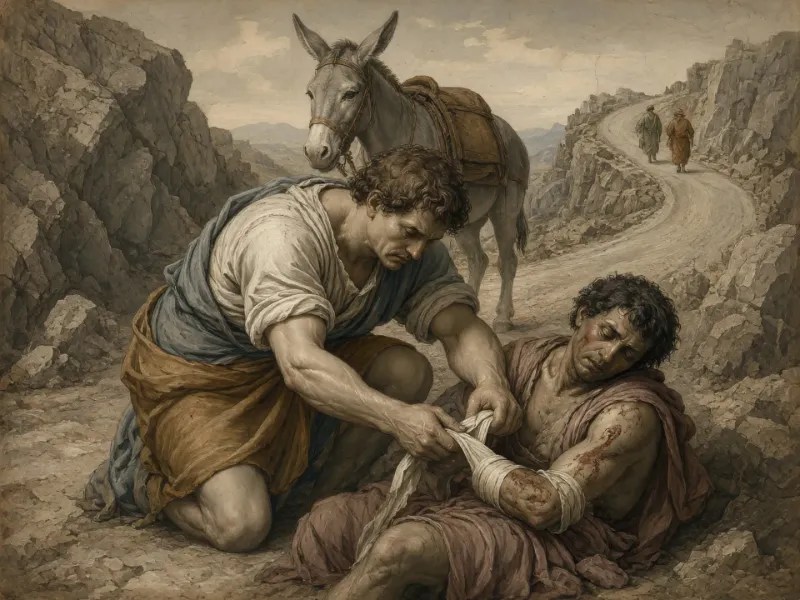
1 John 3:1
“See what kind of love the Father has given to us, that we should be called children of God; and so we are.”
Reflection: John states the family tie as a present fact and repeats it in the next verse: “we are God’s children now” (1 John 3:2). The rest of verse 1 explains why belonging to God can leave a person unrecognised: “The reason why the world does not know us is that it did not know him.” What those children will become “has not yet appeared”.
Belonging to one another
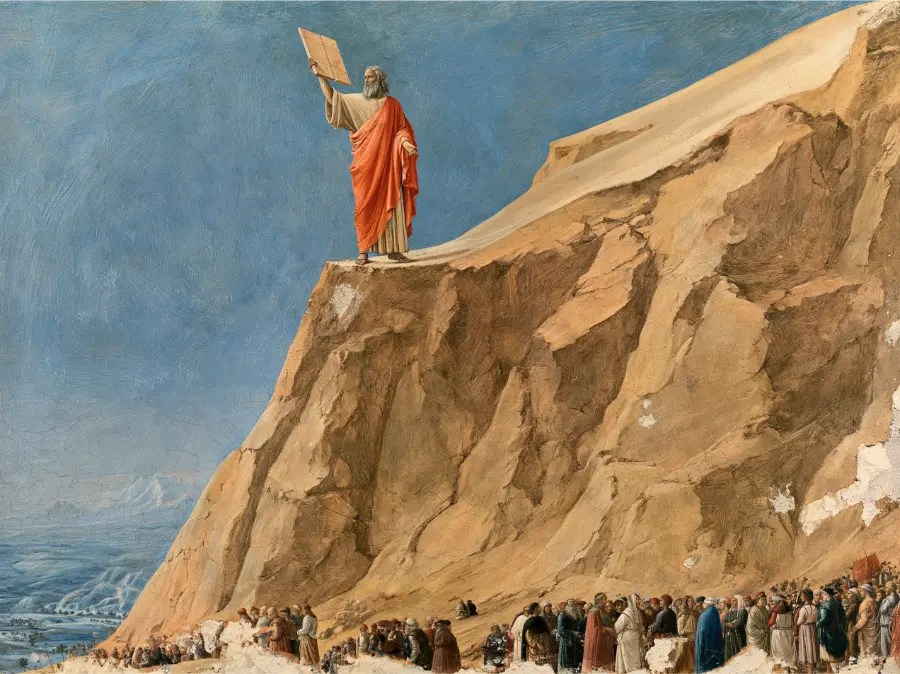
1 Corinthians 12:27
“Now you are the body of Christ and individually members of it.”
Reflection: Earlier in the chapter a foot that says “I do not belong to the body” is told that this “would not make it any less a part of the body” (1 Corinthians 12:15), and the eye cannot tell the hand “I have no need of you” (12:21). Paul adds that the members share what happens to each one: “If one member suffers, all suffer together; if one member is honored, all rejoice together” (12:26). Verse 13 says all were baptized into this one body, “Jews or Greeks, slaves or free”.
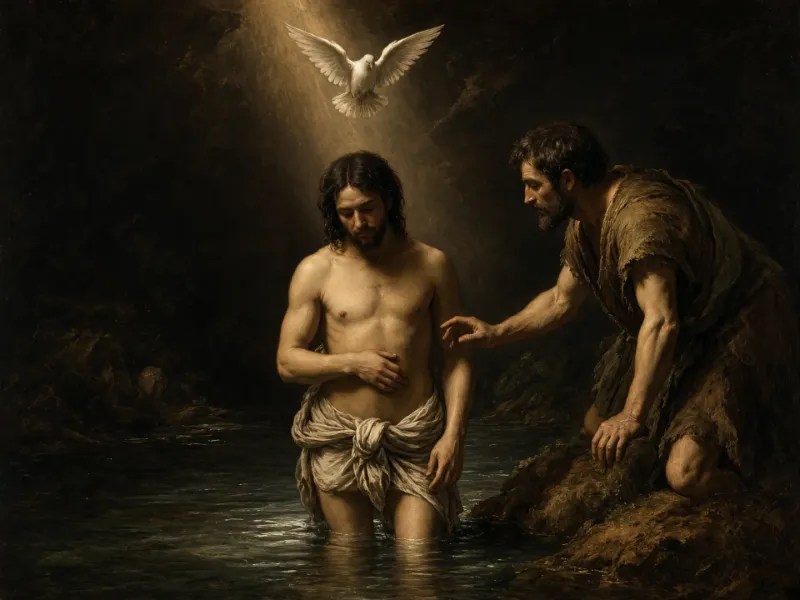
Galatians 3:28
“There is neither Jew nor Greek, there is neither slave nor free, there is no male and female, for you are all one in Christ Jesus.”
Reflection: The verses on either side say how this oneness comes about: “as many of you as were baptized into Christ have put on Christ” (Galatians 3:27), and “if you are Christ’s, then you are Abraham’s offspring, heirs according to promise” (3:29). Paul names three divisions, of nation, of legal status and of sex, and sets against all three the statement that “you are all one in Christ Jesus.”
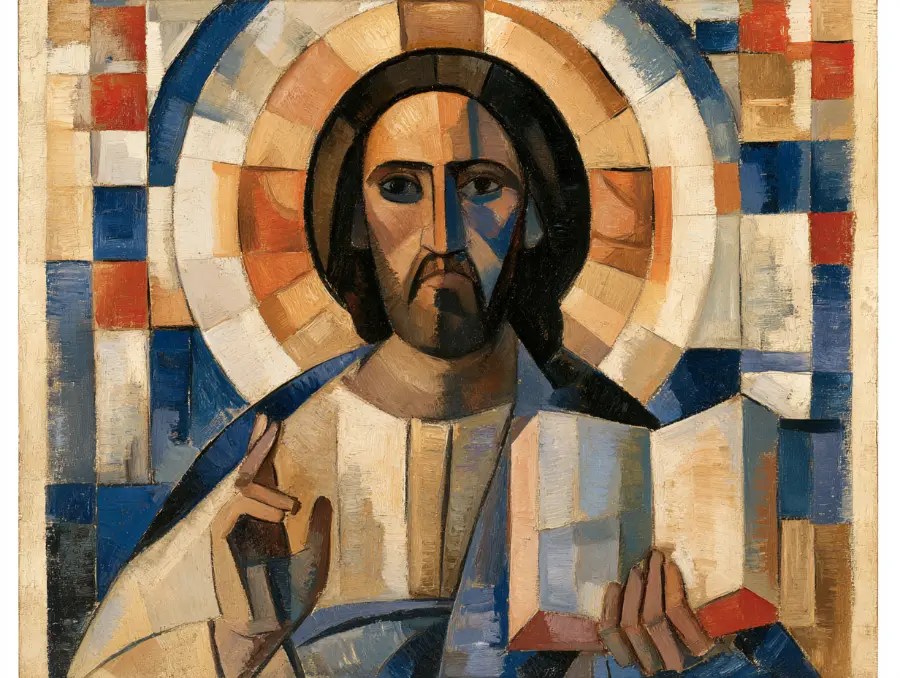
Ephesians 2:19
“So then you are no longer strangers and aliens, but you are fellow citizens with the saints and members of the household of God.”
Reflection: Paul is writing to Gentiles who had been “alienated from the commonwealth of Israel and strangers to the covenants of promise” (Ephesians 2:12). In Christ they “who once were far off have been brought near by the blood of Christ” (2:13), and the dividing wall of hostility between Jew and Gentile has been broken down (2:14). The household is also a building, its members “being built together into a dwelling place for God by the Spirit” (2:22).
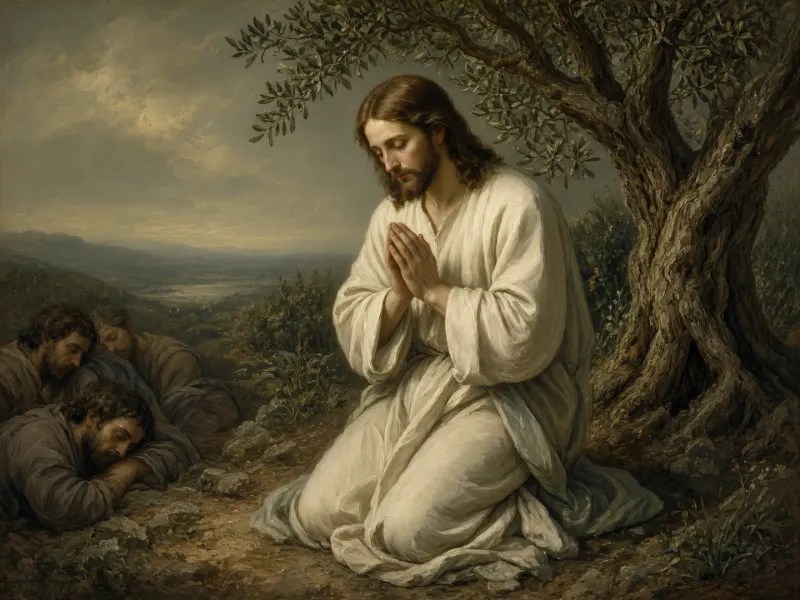
Hebrews 10:24-25
“And let us consider how to stir up one another to love and good works, not neglecting to meet together, as is the habit of some, but encouraging one another—and all the more as you see the Day drawing near.”
Reflection: The instruction follows its reason: believers may now draw near to God by the new and living way Jesus opened (Hebrews 10:19-22). The writer names a practice some had already dropped, meeting together, and says what the meetings are for: stirring one another to love and good works and encouraging one another as the Day approaches.
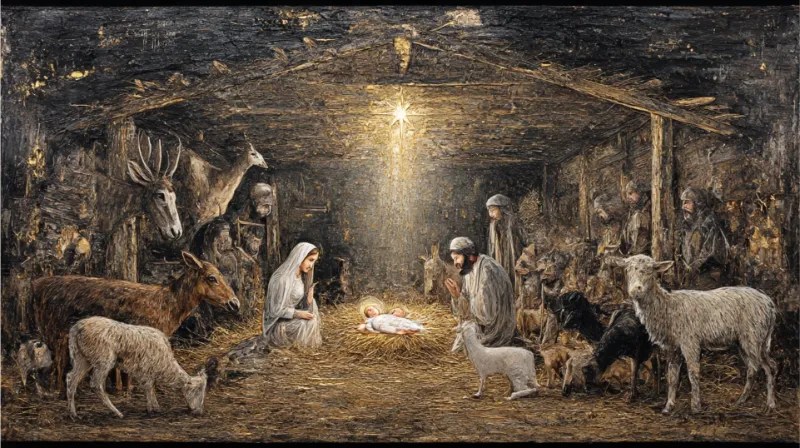
Ruth 1:16
“Do not urge me to leave you or to return from following you. For where you go I will go, and where you lodge I will lodge. Your people shall be my people, and your God my God.”
Reflection: Ruth was a Moabite, the widow of Naomi’s son Mahlon (Ruth 1:4-5; 4:10), and Naomi had urged her to follow her sister-in-law Orpah back “to her people and to her gods” (1:15). Ruth takes Naomi’s people and Naomi’s God together, and in the next verse binds herself by an oath that only death will part them (1:17). Ruth 4:17 names her son Obed as the grandfather of David.
A people chosen by God
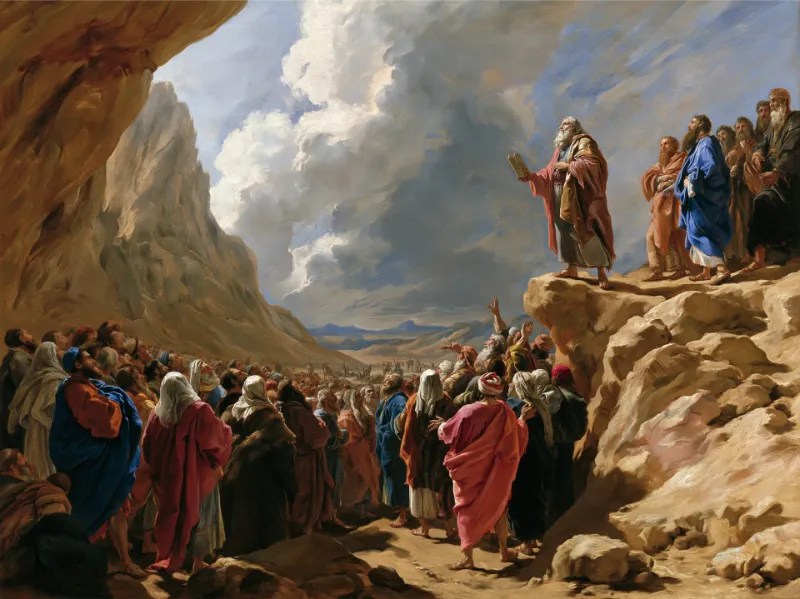
1 Peter 2:10
“Once you were not a people, but now you are God’s people; once you had not received mercy, but now you have received mercy.”
Reflection: The wording comes from Hosea, who named a son “Not My People” as a sign against Israel and then promised a day when God would “say to Not My People, ‘You are my people’” (Hosea 1:9; 2:23). Peter applies the promise to his readers, whom the previous verse calls “a chosen race, a royal priesthood, a holy nation, a people for his own possession” (1 Peter 2:9).
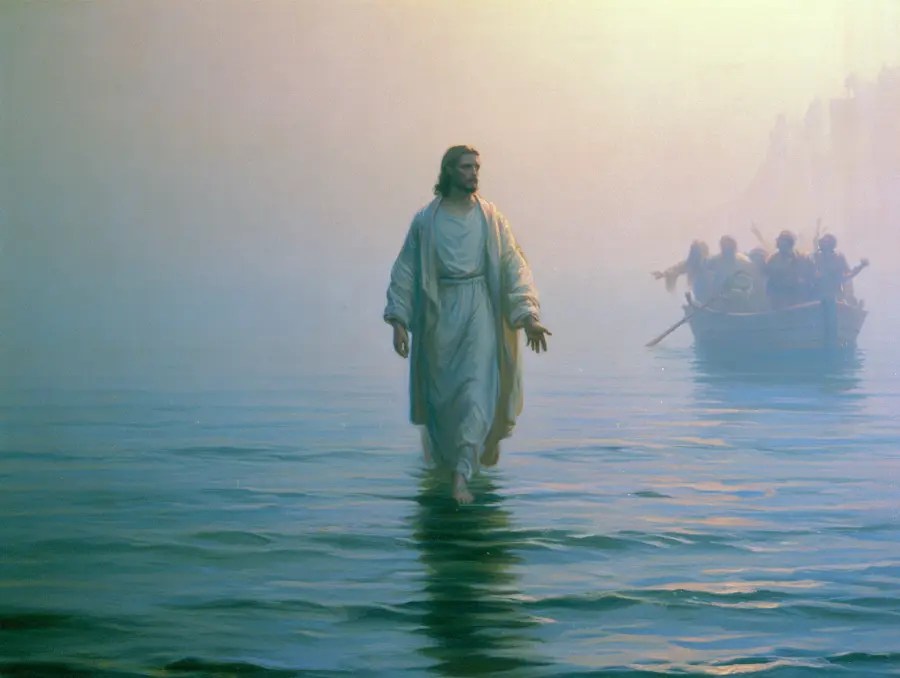
John 15:16
“You did not choose me, but I chose you and appointed you that you should go and bear fruit and that your fruit should abide, so that whatever you ask the Father in my name, he may give it to you.”
Reflection: Jesus says this to his disciples a verse after calling them friends rather than servants (John 15:15). The choice runs from him to them, and three verses later he gives its cost: “because you are not of the world, but I chose you out of the world, therefore the world hates you” (John 15:19).
A home not yet reached
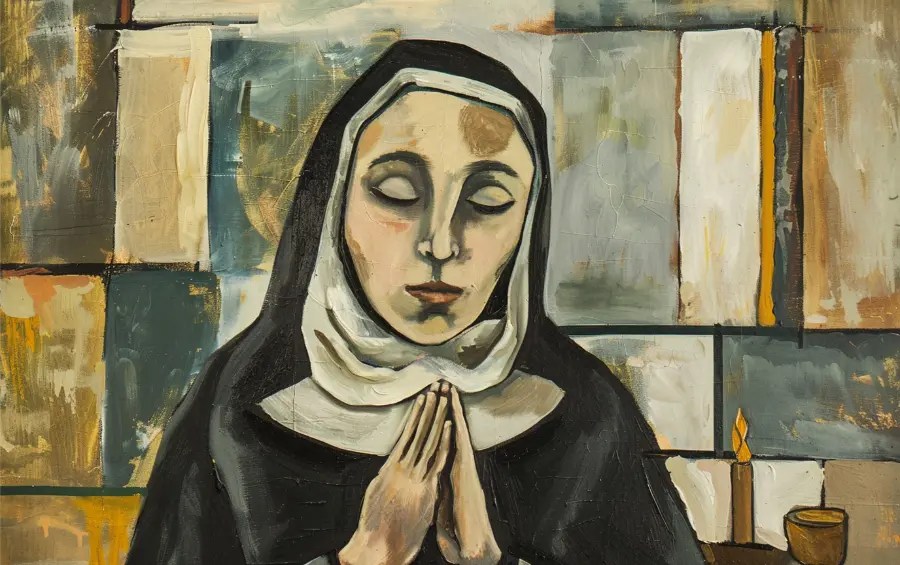
Philippians 3:20
“But our citizenship is in heaven, and from it we await a Savior, the Lord Jesus Christ.”
Reflection: Paul wrote this to the church in Philippi, which Acts 16:12 calls a Roman colony. He sets the heavenly citizenship against people “with minds set on earthly things” (Philippians 3:19), and the sentence goes on to say what its citizens wait for: a Savior who “will transform our lowly body to be like his glorious body” (3:21).
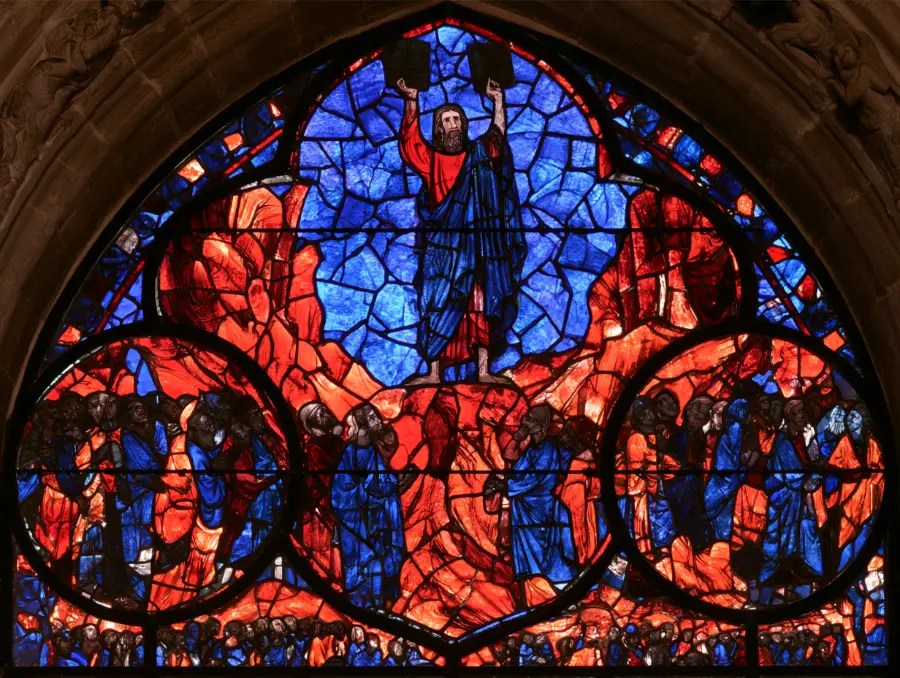
Hebrews 11:16
“But as it is, they desire a better country, that is, a heavenly one. Therefore God is not ashamed to be called their God, for he has prepared for them a city.”
Reflection: The people in view include Abraham, Isaac and Jacob, who lived in the promised land “as in a foreign land, living in tents” (Hebrews 11:9) and “acknowledged that they were strangers and exiles on the earth” (11:13). They could have gone back to the land they had left (11:15). They looked for a heavenly country instead, and the verse says God “is not ashamed to be called their God.”
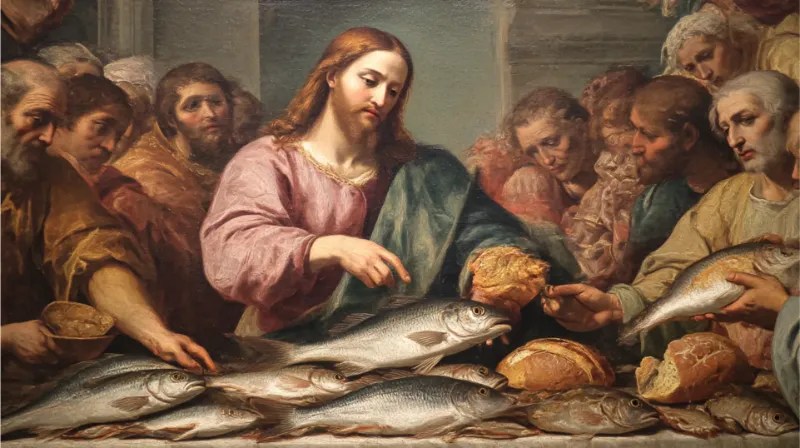
John 14:2-3
“In my Father’s house are many rooms. If it were not so, would I have told you that I go to prepare a place for you? And if I go and prepare a place for you, I will come again and will take you to myself, that where I am you may be also.”
Reflection: In the previous chapter Jesus told the disciples, “Where I am going you cannot follow me now, but you will follow afterward” (John 13:36). Here he says where he is going, to his Father’s house, and what he will do there. The promise ends with the disciples being where he is: “that where I am you may be also.”
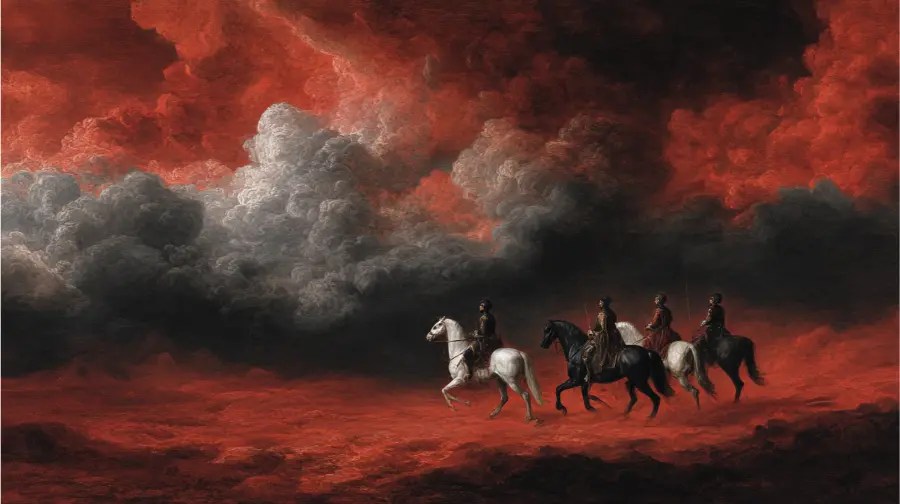
Revelation 21:3
“And I heard a loud voice from the throne saying, ‘Behold, the dwelling place of God is with man. He will dwell with them, and they will be his people, and God himself will be with them as their God.’”
Reflection: John hears this after seeing a new heaven and a new earth and the new Jerusalem coming down from God (Revelation 21:1-2). The words “they will be his people” echo the Lord’s promises in Leviticus 26:12, “will be your God, and you shall be my people,” and Ezekiel 37:27, “I will be their God, and they shall be my people.” The next verse says what that presence removes: tears, death, mourning, crying and pain.
A verse for how you feel
Choose how you feel today and read a verse from Scripture.
But if we hope for what we do not yet see, we wait for it patiently.
Get a verse each week
Thank you. Your first verse is on its way.
If nothing arrives in a few minutes, look in your spam or promotions folder.
Keep this for another day. A verse for how you feel has a page of its own, with our verses for each feeling.
Each verse is quoted from the Berean Standard Bible.


Leave a Reply