
 English
 Chinese
 Dutch
 Arabic
 Spanish
 Portuguese
 Russian
 French
 Italian
 German
 Japanese
The Bible teaches that every people comes from one Creator and one ancestor, and that God himself divided humanity into many languages. Acts 17:26 says God made “all the nations” from one man, and Genesis 11:9 traces the languages to Babel.
Israel’s law commands love for the foreigner (Leviticus 19:33-34), and Isaiah 56:7 promises that God’s house will be “a house of prayer for all nations.” In the New Testament, Jew and Gentile, slave and free, are made “one in Christ Jesus” (Galatians 3:28; Ephesians 2:14-16), and Paul describes the church as one body with many parts (1 Corinthians 12:12-14). Revelation closes the theme with a multitude “from every nation, tribe, people and language” before the throne (Revelation 7:9).
One Creator and the origin of the nations
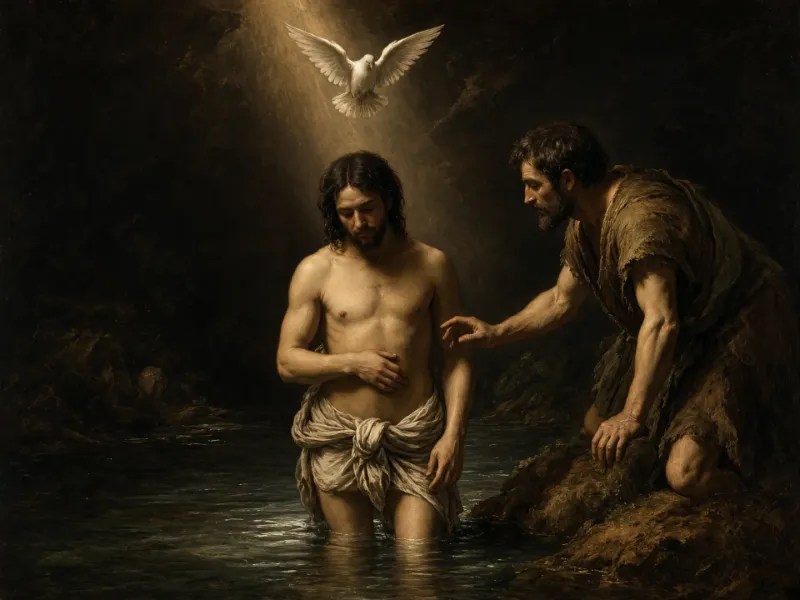
Genesis 1:27
“So God created mankind in his own image, in the image of God he created them; male and female he created them.”
Reflection: God announces the decision in verse 26, “Let us make mankind in our image,” and verse 27 carries it out. The image is given to mankind as a whole, male and female, before any nation or language appears in the story, and before the nations and their languages are listed in Genesis 10 and scattered at Babel in Genesis 11. The same verse underlies what the Bible says about human identity and worth.
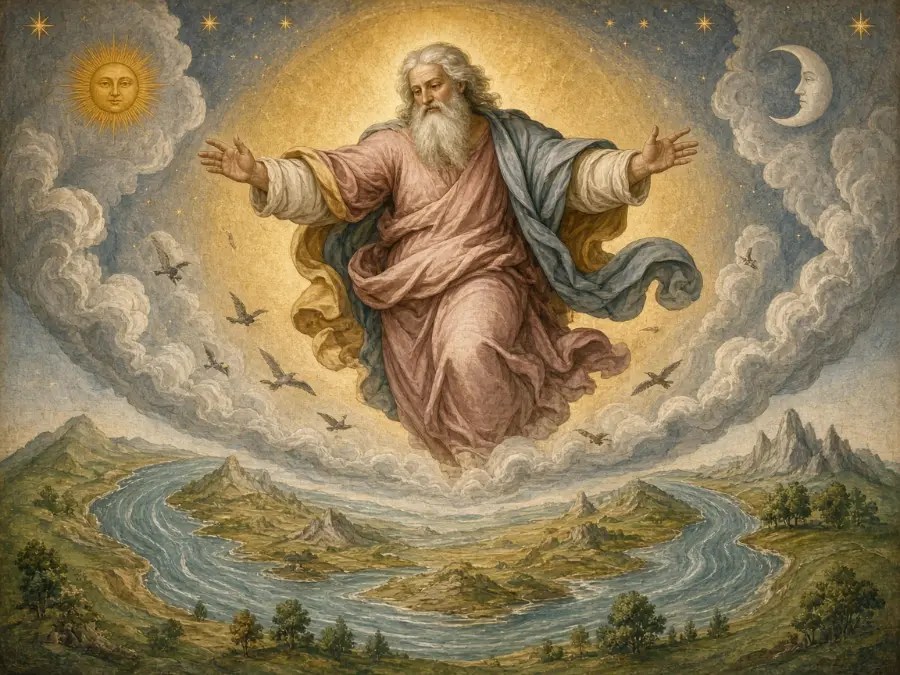
Acts 17:26
“From one man he made all the nations, that they should inhabit the whole earth; and he marked out their appointed times in history and the boundaries of their lands.”
Reflection: Paul is speaking at a meeting of the Areopagus in Athens, after debating with Epicurean and Stoic philosophers (Acts 17:18-22). “From one man he made all the nations” places every nation under one ancestry and one Creator, who also set their times and boundaries. Verse 27 gives the purpose: “so that they would seek him and perhaps reach out for him and find him, though he is not far from any one of us.”
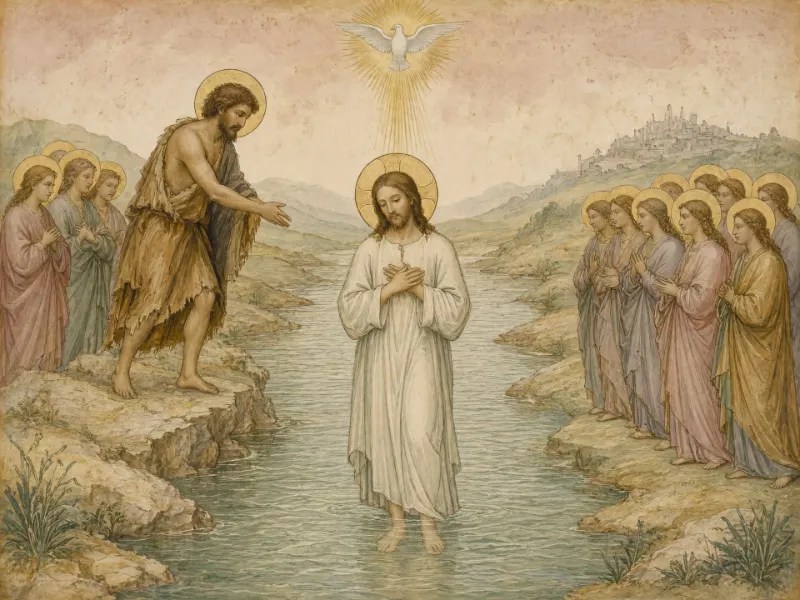
Genesis 11:9
“That is why it was called Babel—because there the LORD confused the language of the whole world. From there the LORD scattered them over the face of the whole earth.”
Reflection: Before Babel “the whole world had one language and a common speech” (Genesis 11:1). The builders wanted a city and a tower “so that we may make a name for ourselves; otherwise we will be scattered over the face of the whole earth” (11:4). The scattering they tried to prevent is what the LORD does, and Genesis traces the many languages of the earth to his act at Babel.
The foreigner in Israel’s law and story
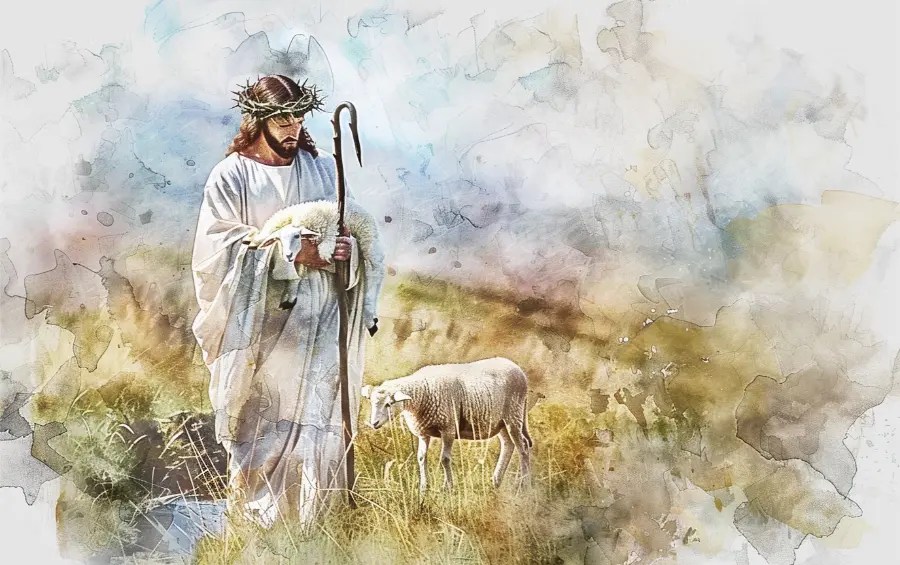
Leviticus 19:33-34
“When a foreigner resides among you in your land, do not mistreat them. The foreigner residing among you must be treated as your native-born. Love them as yourself, for you were foreigners in Egypt. I am the LORD your God.”
Reflection: Earlier in the same chapter, Leviticus 19:18 commands Israel to “love your neighbor as yourself.” These verses extend that love to the foreigner living in the land, who is to be treated “as your native-born.” The reason given is Israel’s own history: “you were foreigners in Egypt.”
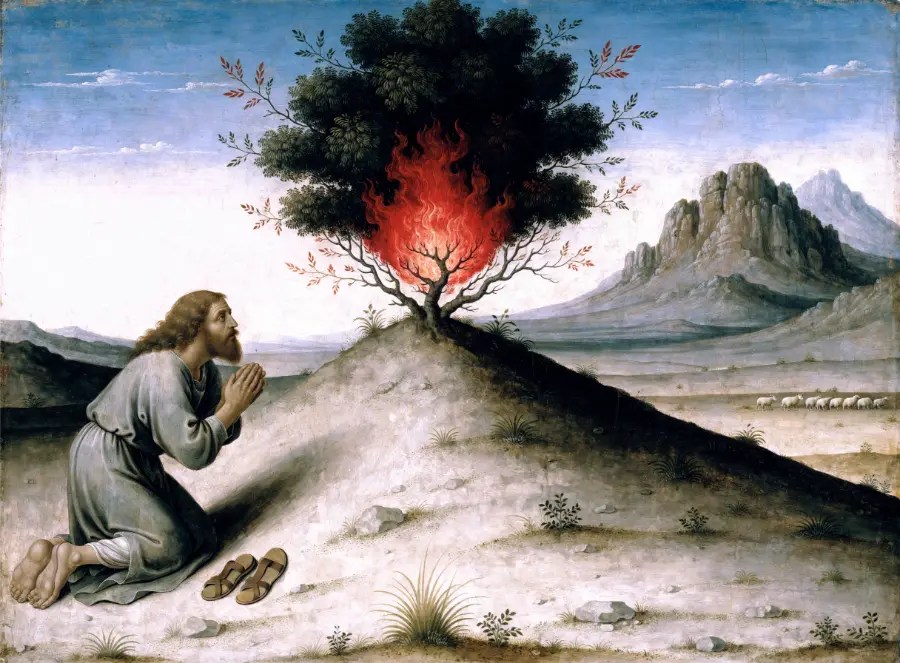
Ruth 1:16
“But Ruth replied, ‘Don’t urge me to leave you or to turn back from you. Where you go I will go, and where you stay I will stay. Your people will be my people and your God my God.’”
Reflection: Ruth is a Moabite woman who married into Naomi’s family (Ruth 1:4). Naomi urges her to go back “to her people and her gods” as her sister-in-law Orpah had done (1:15), and Ruth answers by joining Naomi’s people and Naomi’s God in one sentence. The book ends with her son Obed as the grandfather of David (Ruth 4:17), and Matthew 1:5 names her in the genealogy of Jesus.
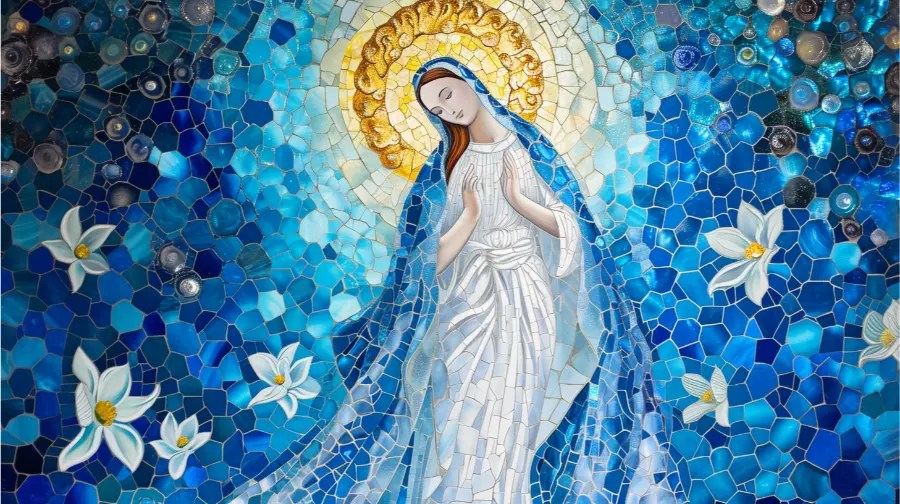
Isaiah 56:7
“these I will bring to my holy mountain and give them joy in my house of prayer. Their burnt offerings and sacrifices will be accepted on my altar; for my house will be called a house of prayer for all nations.”
Reflection: The promise is addressed to two groups who expected to be shut out: the foreigner who says “The LORD will surely exclude me from his people” and the eunuch (Isaiah 56:3). Foreigners who “bind themselves to the LORD” and hold fast to his covenant are brought to his holy mountain, and their sacrifices are accepted on his altar. Jesus quotes the last line when he drives the traders out of the temple (Mark 11:17).
Jesus across the Jewish and Samaritan divide

John 4:9
“The Samaritan woman said to him, ‘You are a Jew and I am a Samaritan woman. How can you ask me for a drink?’ (For Jews do not associate with Samaritans.)”
Reflection: Jesus asks a Samaritan woman for water at a well, and she names the line between them. The words in brackets are the Gospel writer’s explanation: “Jews do not associate with Samaritans.” When the disciples return they are “surprised to find him talking with a woman” (4:27), and later in the chapter many Samaritans from her town call him “the Savior of the world” (4:42).
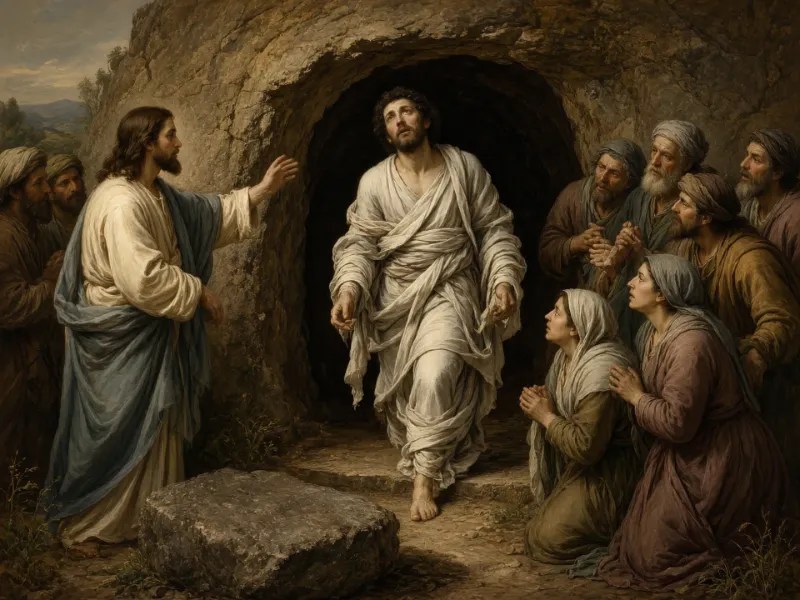
Luke 10:37
“The expert in the law replied, ‘The one who had mercy on him.’ Jesus told him, ‘Go and do likewise.’”
Reflection: An expert in the law had asked, “And who is my neighbor?” (Luke 10:29). Jesus answered with a story in which a priest and a Levite pass a wounded man and a Samaritan stops, bandages him and pays for his care. The closing question asks who acted as a neighbor, and the lawyer answers without naming the Samaritan: “The one who had mercy on him.”
Jew and Gentile made one people
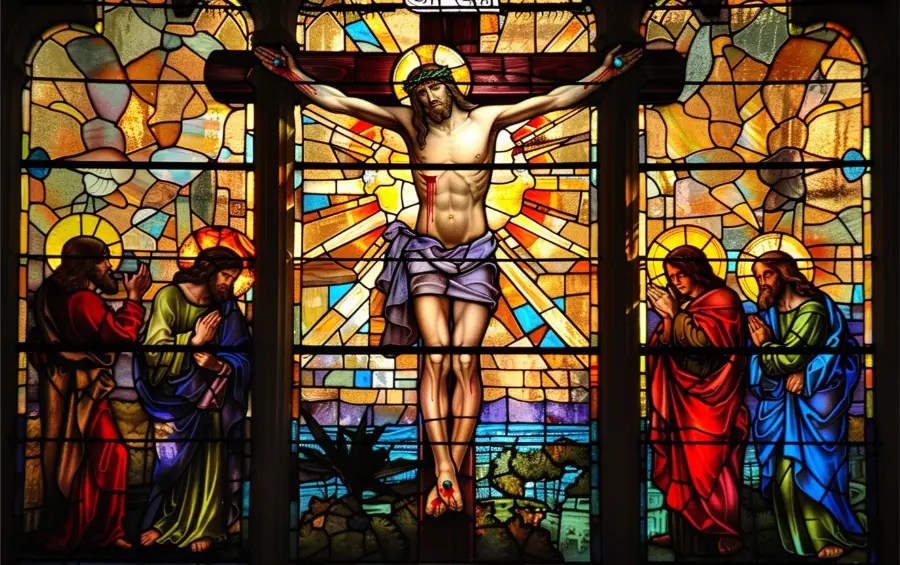
Acts 2:5-6
“Now there were staying in Jerusalem God-fearing Jews from every nation under heaven. When they heard this sound, a crowd came together in bewilderment, because each one heard their own language being spoken.”
Reflection: At Pentecost the disciples, all Galileans (Acts 2:7), speak in other tongues, and Jews from “every nation under heaven” each hear their own language. Luke lists the places the crowd came from, from Parthia and Mesopotamia to Rome, Crete and Arabia (2:9-11). The languages are not merged into one; the listeners say they hear “the wonders of God in our own tongues” (2:11).
Acts 10:34-35
“Then Peter began to speak: ‘I now realize how true it is that God does not show favoritism but accepts from every nation the one who fears him and does what is right.’”
Reflection: Peter is speaking in the house of Cornelius, a centurion of the Italian Regiment (Acts 10:1). He had seen a vision of a sheet full of unclean animals and heard, “Do not call anything impure that God has made clean” (10:15), and he applies it to people: “God has shown me that I should not call anyone impure or unclean” (10:28). His conclusion is that God accepts “from every nation” the one who fears him.
Ephesians 2:14-16
“For he himself is our peace, who has made the two groups one and has destroyed the barrier, the dividing wall of hostility, by setting aside in his flesh the law with its commands and regulations. His purpose was to create in himself one new humanity out of the two, thus making peace, and in one body to reconcile both of them to God through the cross, by which he put to death their hostility.”
Reflection: Paul writes to Gentiles who were once “excluded from citizenship in Israel and foreigners to the covenants of the promise” (Ephesians 2:12). Christ removes “the dividing wall of hostility” by “setting aside in his flesh the law with its commands and regulations” (2:15) and creates “one new humanity out of the two.” Verse 19 calls the Gentile believers “fellow citizens with God’s people and also members of his household.”

Galatians 3:28
“There is neither Jew nor Gentile, neither slave nor free, nor is there male and female, for you are all one in Christ Jesus.”
Reflection: The verse stands between “in Christ Jesus you are all children of God through faith” (Galatians 3:26) and “If you belong to Christ, then you are Abraham’s seed, and heirs according to the promise” (3:29). Earlier in the letter Paul describes opposing Peter at Antioch for drawing back from eating with Gentiles (2:11-14). Each pair Paul names, Jew and Gentile, slave and free, male and female, is placed under one statement: “you are all one in Christ Jesus.”
Colossians 3:11
“Here there is no Gentile or Jew, circumcised or uncircumcised, barbarian, Scythian, slave or free, but Christ is all, and is in all.”
Reflection: Colossians gives a list like Galatians 3:28 and adds “circumcised or uncircumcised” and “barbarian, Scythian.” The setting is the “new self, which is being renewed in knowledge in the image of its Creator” (Colossians 3:10), language that echoes Genesis 1:27. Against every name on the list Paul sets one phrase: “Christ is all, and is in all.”
Rich and poor, slave and free
Philemon 1:16
“…no longer as a slave, but better than a slave, as a dear brother. He is very dear to me but even dearer to you, both as a fellow man and as a brother in the Lord.”
Reflection: Paul sends Onesimus back to Philemon, from whom he had been “separated … for a little while” (Philemon 1:15). Onesimus had become Paul’s “son” while Paul was in chains (1:10). Paul asks Philemon to receive him “as a dear brother” and, in verse 17, to “welcome him as you would welcome me.”
James 2:1-4
“My brothers and sisters, believers in our glorious Lord Jesus Christ must not show favoritism. Suppose a man comes into your meeting wearing a gold ring and fine clothes, and a poor man in filthy old clothes also comes in. If you show special attention to the man wearing fine clothes and say, ‘Here’s a good seat for you,’ but say to the poor man, ‘You stand there’ or ‘Sit on the floor by my feet,’ have you not discriminated among yourselves and become judges with evil thoughts?”
Reflection: James pictures a church meeting where a man with a gold ring is offered a good seat and a poor man is told to stand or sit on the floor. He calls this favoritism and judging “with evil thoughts.” Verse 5 adds that God has chosen “those who are poor in the eyes of the world to be rich in faith,” and verses 8-9 set favoritism against the royal law, “Love your neighbor as yourself.”
Many parts, one body
1 Corinthians 12:12-14
“Just as a body, though one, has many parts, but all its many parts form one body, so it is with Christ. For we were all baptized by one Spirit so as to form one body—whether Jews or Gentiles, slave or free—and we were all given the one Spirit to drink. Even so the body is not made up of one part but of many.”
Reflection: Paul is writing about the gifts of the Spirit (1 Corinthians 12:1). Verse 13 names who shares the one Spirit, “whether Jews or Gentiles, slave or free,” and verse 14 says the body “is not made up of one part but of many.” The verses that follow work the picture out: the foot is still part of the body though it is not a hand (12:15), and the eye cannot say to the hand, “I don’t need you!” (12:21).
1 Corinthians 12:25-27
“…so that there should be no division in the body, but that its parts should have equal concern for each other. If one part suffers, every part suffers with it; if one part is honored, every part rejoices with it. Now you are the body of Christ, and each one of you is a part of it.”
Reflection: God has put the body together, “giving greater honor to the parts that lacked it” (1 Corinthians 12:24), for the purpose stated in verse 25: “that there should be no division in the body.” The parts stay different and are given “equal concern for each other,” sharing both suffering and honor. Verse 27 applies the picture to the church in Corinth: “you are the body of Christ.”
Every nation, tribe and language
Matthew 28:19
“Therefore go and make disciples of all nations, baptizing them in the name of the Father and of the Son and of the Holy Spirit…”
Reflection: The risen Jesus speaks to the eleven disciples on a mountain in Galilee (Matthew 28:16). When he first sent the twelve out, he told them, “Do not go among the Gentiles or enter any town of the Samaritans” (10:5). The commission after the resurrection is to “all nations,” under the authority he claims in verse 18 over “heaven and on earth.”
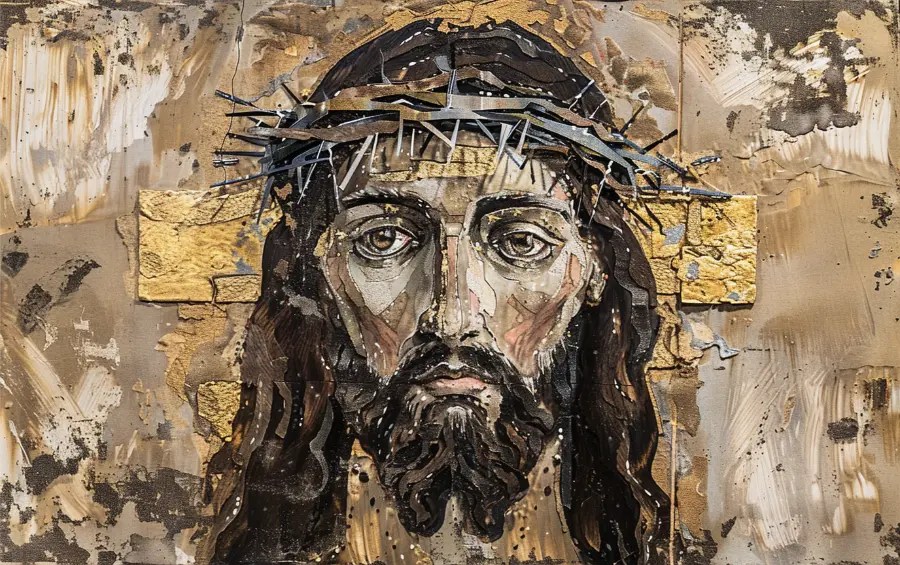
Revelation 5:9
“And they sang a new song, saying: ‘You are worthy to take the scroll and to open its seals, because you were slain, and with your blood you purchased for God persons from every tribe and language and people and nation.’”
Reflection: The four living creatures and the twenty-four elders sing this new song to the Lamb as he takes the scroll. The Lamb’s blood has purchased people “from every tribe and language and people and nation,” and verse 10 says he has made them “a kingdom and priests to serve our God.”
Revelation 7:9
“After this I looked, and there before me was a great multitude that no one could count, from every nation, tribe, people and language, standing before the throne and before the Lamb. They were wearing white robes and were holding palm branches in their hands.”
Reflection: John first hears the number of those sealed, 144,000 “from all the tribes of Israel” (Revelation 7:4), and then sees a multitude “that no one could count.” They come from “every nation, tribe, people and language,” the same four groupings as Revelation 5:9, and they cry out together, “Salvation belongs to our God, who sits on the throne, and to the Lamb” (7:10).


Leave a Reply