
 English
 Chinese
 Dutch
 Arabic
 Spanish
 Portuguese
 Russian
 French
 Italian
 German
 Japanese
In the Bible, the devil is bound in a parable and in a vision. Jesus tells of a strong man tied up (Matthew 12:29), and John sees an angel with a chain (Revelation 20:2). Believers are told to resist the devil (James 4:7), and Colossians 2:15 says the powers and authorities were disarmed “by the cross.”
The words bind and loose in Matthew 16:19 and 18:18 are spoken first to Peter and then to the disciples. One Greek lexicon, Thayer’s, reads bind in both verses as a rabbinic idiom meaning to forbid or declare something not allowed, and Matthew 18:18 comes at the end of Jesus’ instructions for dealing with a church member who sins. When Satan is rebuked in Zechariah 3:2 and Jude 1:9, the words are “The Lord rebuke you.”
Binding and loosing in Matthew
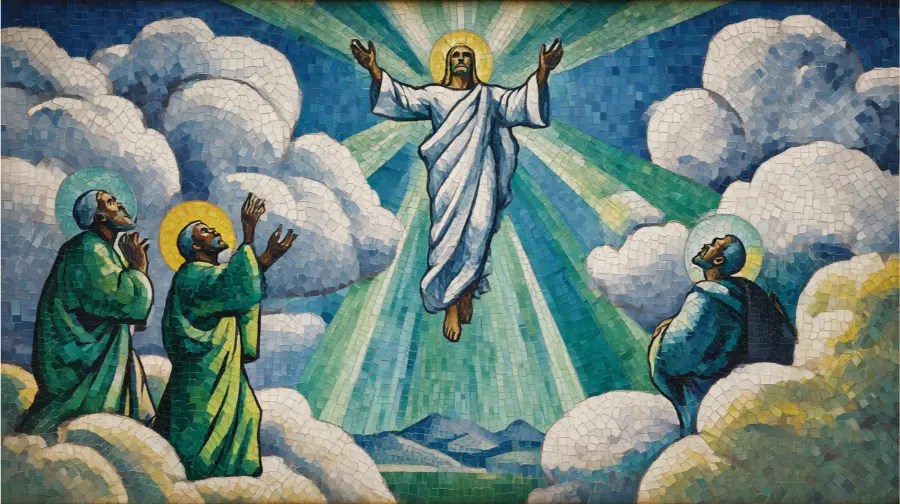
Matthew 16:19
“I will give you the keys of the kingdom of heaven; whatever you bind on earth will be bound in heaven, and whatever you loose on earth will be loosed in heaven.”
Reflection: At Caesarea Philippi, Peter answers Jesus’ question “Who do you say I am?” with “You are the Messiah, the Son of the living God.” Jesus replies that he will build his church on this rock and that “the gates of Hades will not overcome it,” and then gives Peter the keys and the promise of binding and loosing. Thayer’s lexicon takes bind here as the rabbinic term for forbidding something.
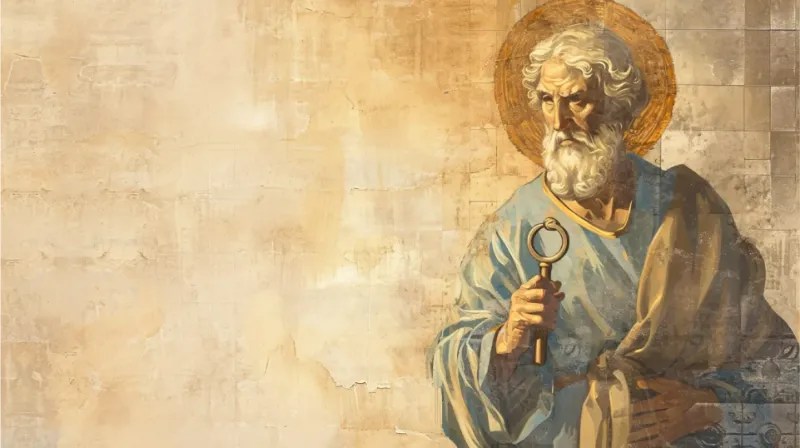
Matthew 18:18
“Truly I tell you, whatever you bind on earth will be bound in heaven, and whatever you loose on earth will be loosed in heaven.”
Reflection: The promise closes Jesus’ steps for a brother or sister who sins: speak to them alone, then with one or two witnesses, then tell the church, and if they refuse to listen even to the church, “treat them as you would a pagan or a tax collector.” Here the words are addressed to the disciples together. The next two verses promise that the Father will act when two agree in asking, and that Jesus is present “where two or three gather in my name.”
Where Satan is said to be bound
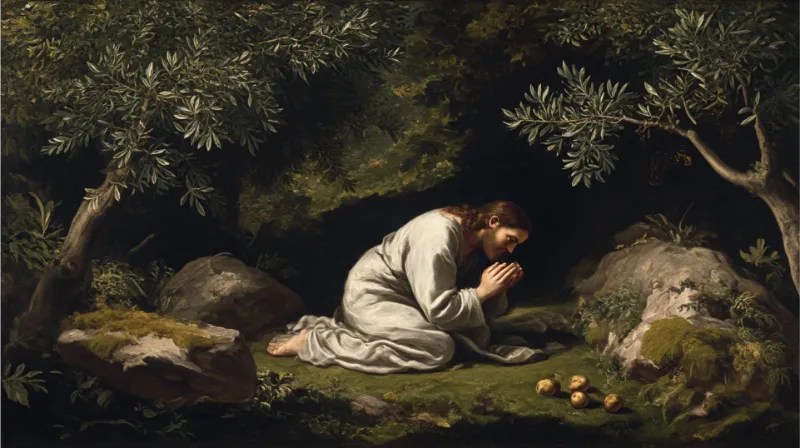
Matthew 12:29
“Or again, how can anyone enter a strong man’s house and carry off his possessions unless he first ties up the strong man? Then he can plunder his house.”
Reflection: Jesus had healed a man who was blind and mute, and the Pharisees said he drove out demons by Beelzebul, “the prince of demons.” Jesus answers that Satan would not drive out Satan, and that “if it is by the Spirit of God that I drive out demons, then the kingdom of God has come upon you” (12:28). The parable of the strong man follows directly on Jesus’ words about his driving out demons by the Spirit of God. Mark 3:27 has the same parable, and Luke 11:21-22 tells it of a stronger man who “takes away the armor in which the man trusted.”
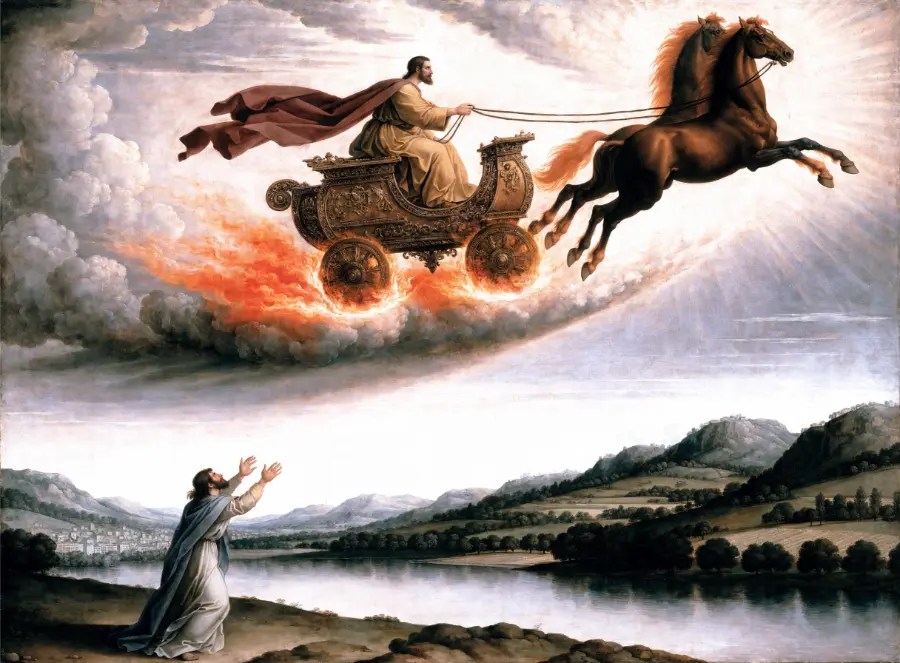
Revelation 20:2
“He seized the dragon, that ancient serpent, who is the devil, or Satan, and bound him for a thousand years.”
Reflection: In John’s vision an angel comes down from heaven “having the key to the Abyss and holding in his hand a great chain” (20:1). He binds the dragon, locks and seals the Abyss over him “to keep him from deceiving the nations anymore until the thousand years were ended,” and verse 3 adds that “he must be set free for a short time.” Verses 7 to 10 describe that release and end with the devil “thrown into the lake of burning sulfur.” The chapter does not say when the thousand years begin.
When the accuser is rebuked
Zechariah 3:2
“The LORD said to Satan, ‘The LORD rebuke you, Satan! The LORD, who has chosen Jerusalem, rebuke you! Is not this man a burning stick snatched from the fire?’”
Reflection: In Zechariah’s vision Satan stands at the right side of Joshua the high priest “to accuse him.” The Lord rebukes Satan without denying that Joshua is unclean: Joshua is wearing filthy clothes, and the angel has them taken off, saying, “See, I have taken away your sin, and I will put fine garments on you” (3:4).
Jude 1:9
“But even the archangel Michael, when he was disputing with the devil about the body of Moses, did not himself dare to condemn him for slander but said, ‘The Lord rebuke you!’”
Reflection: Jude sets the archangel Michael against false teachers who “reject authority and heap abuse on celestial beings” (1:8). In a dispute with the devil over the body of Moses, Michael “did not himself dare to condemn him for slander” and left the rebuke to the Lord, in the same words the Lord speaks to Satan in Zechariah 3:2.
The defeat of the devil and the powers, done and promised
Colossians 2:15
“And having disarmed the powers and authorities, he made a public spectacle of them, triumphing over them by the cross.”
Reflection: The verse before says God canceled “the charge of our legal indebtedness, which stood against us and condemned us,” nailing it to the cross. Paul then describes the powers and authorities as already disarmed and paraded in public defeat, and he names the cross as the place where it happened.
Hebrews 2:14-15
“Since the children have flesh and blood, he too shared in their humanity so that by his death he might break the power of him who holds the power of death—that is, the devil— and free those who all their lives were held in slavery by their fear of death.”
Reflection: The writer explains why the Son took on flesh and blood: to die, and by his death to break the power of the devil, “him who holds the power of death.” The freedom named is freedom from a lifelong slavery to “their fear of death.”
1 John 3:8
“The one who does what is sinful is of the devil, because the devil has been sinning from the beginning. The reason the Son of God appeared was to destroy the devil’s work.”
Reflection: John writes this in a passage on doing right and doing wrong, opening with “Dear children, do not let anyone lead you astray” (3:7). The devil’s work in this passage is sin, since “the devil has been sinning from the beginning,” and the next verse says that “no one who is born of God will continue to sin.”
Luke 10:19
“I have given you authority to trample on snakes and scorpions and to overcome all the power of the enemy; nothing will harm you.”
Reflection: The seventy-two return from their mission saying, “Lord, even the demons submit to us in your name.” Jesus answers, “I saw Satan fall like lightning from heaven” (10:18), and says, “I have given you authority.” In the next verse he redirects their joy: “do not rejoice that the spirits submit to you, but rejoice that your names are written in heaven.”
Revelation 12:11
“They triumphed over him by the blood of the Lamb and by the word of their testimony; they did not love their lives so much as to shrink from death.”
Reflection: A loud voice in heaven speaks after the dragon, “the accuser of our brothers and sisters, who accuses them before our God day and night,” has been hurled down to the earth (12:9-10). The believers triumph over him “by the blood of the Lamb and by the word of their testimony,” and the verse adds that they “did not love their lives so much as to shrink from death.”
Romans 16:20
“The God of peace will soon crush Satan under your feet. The grace of our Lord Jesus be with you.”
Reflection: Paul writes this in his closing warning against people “who cause divisions and put obstacles in your way,” who deceive the naive “by smooth talk and flattery” (16:17-18). The one who crushes Satan is “the God of peace,” and Satan ends up under the feet of the Roman believers. Just before, Paul asks them to be “wise about what is good, and innocent about what is evil.”
Resisting the devil, standing firm and taking thoughts captive
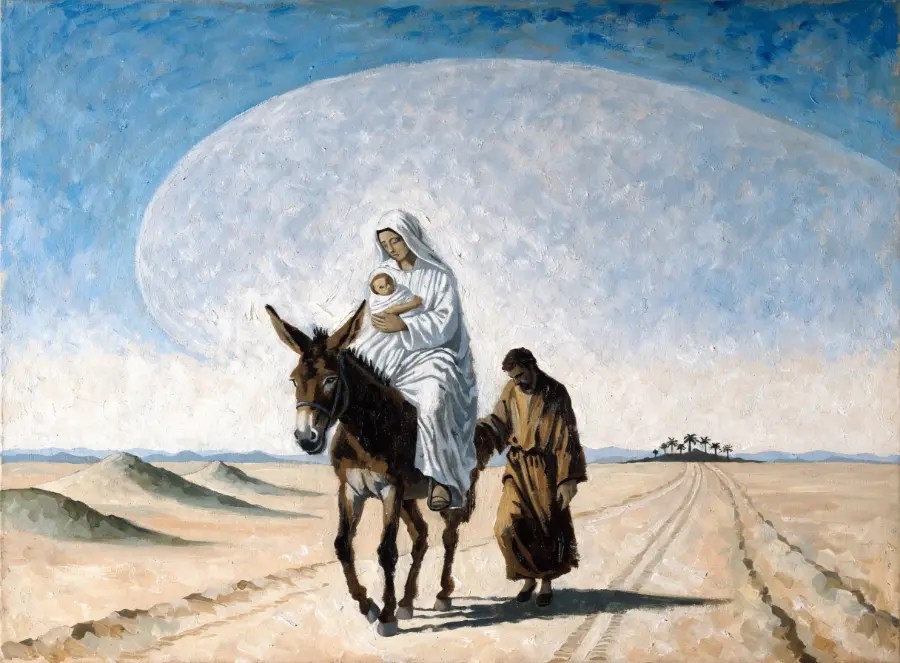
James 4:7
“Submit yourselves, then, to God. Resist the devil, and he will flee from you.”
Reflection: Resisting the devil follows submitting to God, and the verse before quotes Scripture: “God opposes the proud but shows favor to the humble.” James goes on, “Come near to God and he will come near to you” (4:8). The promise attached to resisting is that the devil “will flee from you.”
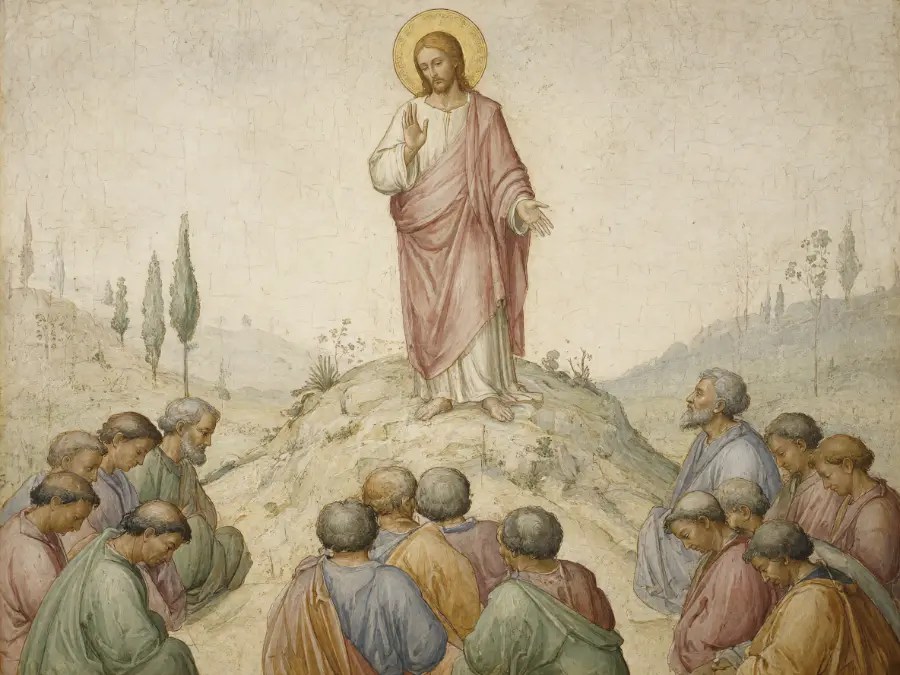
1 Peter 5:8-9
“Be alert and of sober mind. Your enemy the devil prowls around like a roaring lion looking for someone to devour. Resist him, standing firm in the faith, because you know that the family of believers throughout the world is undergoing the same kind of sufferings.”
Reflection: Peter calls believers to be alert because the devil prowls “like a roaring lion looking for someone to devour.” They resist him by “standing firm in the faith,” and Peter gives them the knowledge that believers throughout the world are going through the same sufferings.
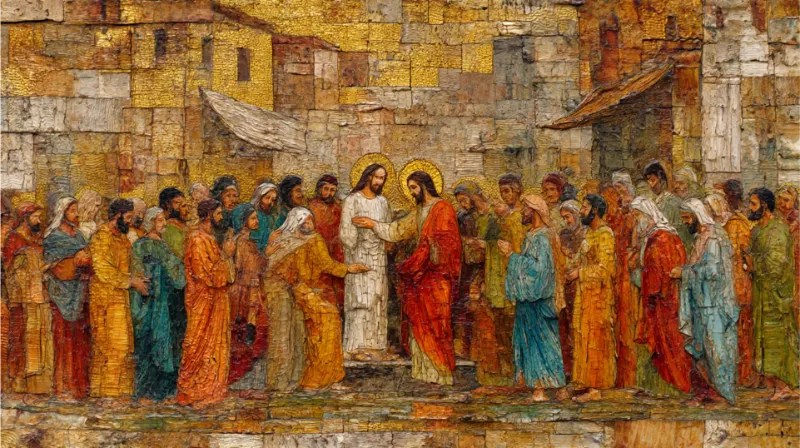
Ephesians 4:27
“and do not give the devil a foothold.”
Reflection: The foothold appears among instructions on speech and anger. The sentence reads in full: “‘In your anger do not sin’: Do not let the sun go down while you are still angry, and do not give the devil a foothold” (4:26-27). Verse 25 tells each person to “put off falsehood and speak truthfully to your neighbor.”

Ephesians 6:11
“Put on the full armor of God, so that you can take your stand against the devil’s schemes.”
Reflection: Paul begins his closing section with “be strong in the Lord and in his mighty power” (6:10). The next verse says the struggle “is not against flesh and blood, but against the rulers, against the authorities, against the powers of this dark world and against the spiritual forces of evil in the heavenly realms.” The verb Paul repeats is stand: “take your stand” here, then “stand your ground” and “stand firm” (6:13-14).
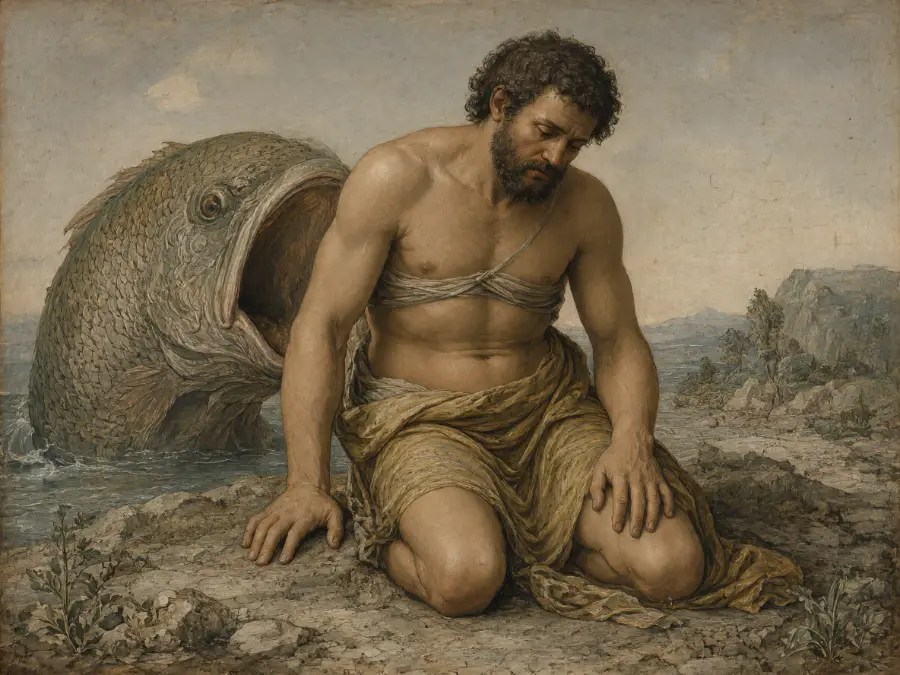
Ephesians 6:16
“In addition to all this, take up the shield of faith, with which you can extinguish all the flaming arrows of the evil one.”
Reflection: The shield of faith is one piece of a list that also includes the belt of truth, the breastplate of righteousness, feet fitted with “the readiness that comes from the gospel of peace,” the helmet of salvation, and “the sword of the Spirit, which is the word of God” (6:14-17). The flaming arrows come from “the evil one.”
2 Corinthians 10:4-5
“The weapons we fight with are not the weapons of the world. On the contrary, they have divine power to demolish strongholds. We demolish arguments and every pretension that sets itself up against the knowledge of God, and we take captive every thought to make it obedient to Christ.”
Reflection: Paul is answering “some people who think that we live by the standards of this world” (10:2), and he writes, “though we live in the world, we do not wage war as the world does” (10:3). The strongholds he names are “arguments and every pretension that sets itself up against the knowledge of God,” and what he takes captive is thoughts, made “obedient to Christ.”
Protection from the evil one
Matthew 6:13
“And lead us not into temptation, but deliver us from the evil one.”
Reflection: The last request of the prayer Jesus teaches in the Sermon on the Mount, introduced with “This, then, is how you should pray” (6:9). The request is addressed to “Our Father in heaven,” and it asks him to do the delivering.
2 Thessalonians 3:3
“But the Lord is faithful, and he will strengthen you and protect you from the evil one.”
Reflection: The Thessalonians are asked to pray “that we may be delivered from wicked and evil people, for not everyone has faith” (3:2). The letter then turns from the writers’ danger to the readers’: the Lord who is faithful will strengthen them and protect them “from the evil one.”
2 Timothy 4:18
“The Lord will rescue me from every evil attack and will bring me safely to his heavenly kingdom. To him be glory for ever and ever. Amen.”
Reflection: Paul recalls his first defense, when “everyone deserted me” but “the Lord stood at my side and gave me strength,” and says, “I was delivered from the lion’s mouth” (4:16-17). From that past rescue he looks ahead to rescue from “every evil attack” and safe arrival in the heavenly kingdom, and the verse ends in praise.
1 John 4:4
“You, dear children, are from God and have overcome them, because the one who is in you is greater than the one who is in the world.”
Reflection: The “them” whom the readers have overcome are the false prophets and “the spirit of the antichrist” of the verses before. John tells his readers to “test the spirits” by whether they acknowledge “that Jesus Christ has come in the flesh” (4:1-3). The one in the believers is greater than “the one who is in the world.”


Leave a Reply