
 English
 Chinese
 Dutch
 Arabic
 Spanish
 Portuguese
 Russian
 French
 Italian
 German
 Japanese
The Bible describes childbirth as hard and sometimes fatal labor, and its writers use that labor as a picture of distress that ends in something new. Pain in childbirth enters the story in Genesis 3:16, among the consequences God names after the fall.
Jesus turns to labor in John 16:21, where a mother forgets her anguish “because of her joy that a child is born into the world.” Scripture also narrates particular births: Rebekah’s twins (Genesis 25:24-26), Rachel’s death on the road to Bethlehem (Genesis 35:16-18), Tamar’s twins and the midwife’s scarlet thread (Genesis 38:27-30), and Mary’s firstborn laid in a manger (Luke 2:7). The prophets compare a people in crisis to a woman in labor (Isaiah 26:17, Micah 4:10), and the New Testament speaks of “the beginning of birth pains” (Matthew 24:8) and of a creation “groaning as in the pains of childbirth” (Romans 8:22). The months before delivery are covered with the Bible verses about being pregnant.
Pain in childbearing and the joy after it
Genesis 3:16
“To the woman he said, ‘I will make your pains in childbearing very severe; with painful labor you will give birth to children. Your desire will be for your husband, and he will rule over you.’”
Reflection: God speaks to the woman after she admits “The serpent deceived me, and I ate” (verse 13). Severe pain in childbearing is the first thing named for her, and the word to Adam that follows puts the same kind of hardship on his work: “through painful toil you will eat food from it” (verse 17). Childbearing itself continues, since verse 20 says Adam named his wife Eve “because she would become the mother of all the living.”
John 16:21
“A woman giving birth to a child has pain because her time has come; but when her baby is born she forgets the anguish because of her joy that a child is born into the world.”
Reflection: Jesus says this to his disciples on the night of his betrayal, in the words that follow the meal of John 13 (John 13:1-2; 14:31), after telling them “In a little while you will see me no more” (verse 16). The pain comes “because her time has come,” and the birth itself ends it, with the joy fixed on the child. Jesus applies the picture in the next verse: “Now is your time of grief, but I will see you again and you will rejoice, and no one will take away your joy.”
Paul speaks of salvation through childbearing
1 Timothy 2:15
“But women will be saved through childbearing—if they continue in faith, love and holiness with propriety.”
Reflection: Paul turns to childbearing after recalling in verses 13 and 14 that Adam was formed first and that Eve was deceived. After speaking about Eve, he turns to women in the plural and names the faith, love and holiness they are to continue in.
Births the Bible narrates
Genesis 25:24-26
“When the time came for her to give birth, there were twin boys in her womb. The first to come out was red, and his whole body was like a hairy garment; so they named him Esau. After this, his brother came out, with his hand grasping Esau’s heel; so he was named Jacob. Isaac was sixty years old when Rebekah gave birth to them.”
Reflection: Rebekah had been childless until Isaac prayed for her (Genesis 25:21), and verse 20 gives his age at the marriage as forty, so the twins arrive twenty years into it. The passage records the order of birth and how each boy was named: Esau from his appearance, Jacob from the hand that came out “grasping Esau’s heel.” The order mattered later in the chapter, when Esau sold his birthright to Jacob for stew (Genesis 25:29-34).
Genesis 35:16-18
“Then they moved on from Bethel. While they were still some distance from Ephrath, Rachel began to give birth and had great difficulty. And as she was having great difficulty in childbirth, the midwife said to her, ‘Don’t despair, for you have another son.’ As she breathed her last—for she was dying—she named her son Ben-Oni. But his father named him Benjamin.”
Reflection: Rachel’s labor begins on the road between Bethel and Ephrath, and the passage says twice that she had “great difficulty.” The midwife’s words, “you have another son,” echo the wish Rachel spoke when she named her first son Joseph: “May the Lord add to me another son” (Genesis 30:24). She names the boy Ben-Oni as she dies, Jacob renames him Benjamin, and verse 19 says she was buried on the way to Ephrath, “that is, Bethlehem.”
Genesis 38:27-30
“When the time came for her to give birth, there were twin boys in her womb. As she was giving birth, one of them put out his hand; so the midwife took a scarlet thread and tied it on his wrist and said, ‘This one came out first.’ But when he drew back his hand, his brother came out, and she said, ‘So this is how you have broken out!’ And he was named Perez. Then his brother, who had the scarlet thread on his wrist, came out. And he was named Zerah.”
Reflection: Tamar’s twins were fathered by Judah (Genesis 38:18). The midwife ties a scarlet thread on the first hand to appear, but that twin draws back and his brother is born ahead of him; right after her cry, “So this is how you have broken out!”, the text says “he was named Perez.” The family line runs through Perez: Ruth 4:18-22 traces it from him to David, and Matthew 1:3 names both twins and their mother Tamar.
Exodus 1:17
“The midwives, however, feared God and did not do what the king of Egypt had told them to do; they let the boys live.”
Reflection: Pharaoh had told Shiphrah and Puah to kill the boys on the delivery stool and let the girls live (verse 16). The two midwives spared the boys because they feared God. In verse 18 Pharaoh summons them and asks, “Why have you let the boys live?”
Exodus 1:19
“The midwives answered Pharaoh, ‘Hebrew women are not like Egyptian women; they are vigorous and give birth before the midwives arrive.’”
Reflection: Pharaoh had ordered two Hebrew midwives, Shiphrah and Puah, to kill the boys “on the delivery stool” (Exodus 1:16), and they let them live because they “feared God.” Called to account, they answered with this claim about how fast Hebrew women deliver. Verses 20-21 say God was kind to the midwives and “gave them families of their own.”
1 Samuel 4:19-20
“His daughter-in-law, the wife of Phinehas, was pregnant and near the time of delivery. When she heard the news that the ark of God had been captured and that her father-in-law and her husband were dead, she went into labor and gave birth, but was overcome by her labor pains. As she was dying, the women attending her said, ‘Don’t despair; you have given birth to a son.’ But she did not respond or pay any attention.”
Reflection: News from the battle with the Philistines brings on her labor: the ark of God captured, and her husband Phinehas and his father Eli dead. The women attending her say “Don’t despair,” the same words Rachel’s midwife used, and she gives no answer. Before she dies she names the boy Ichabod, saying “The Glory has departed from Israel” (verse 21).

Luke 2:7
“…and she gave birth to her firstborn, a son. She wrapped him in cloths and placed him in a manger, because there was no guest room available for them.”
Reflection: Joseph had gone to Bethlehem to register with Mary, “who was pledged to be married to him and was expecting a child” (Luke 2:5). Verse 6 says only that “the time came for the baby to be born”; Luke gives no detail of the labor and moves straight to the cloths and the manger. Later in the chapter Mary and Joseph present the child at the temple under the law that “every firstborn male is to be consecrated to the Lord” (Luke 2:22-23).
Psalm 22:9-10
“Yet you brought me out of the womb; you made me trust in you, even at my mother’s breast. From birth I was cast on you; from my mother’s womb you have been my God.”
Reflection: When people mock his trust in God, the psalmist recalls who brought him out of his mother’s womb and cared for him as he nursed. That memory leads into his plea for God to stay close in verse 11, where he says that “trouble is near and there is no one to help.”
Labor pains as a picture of distress
Isaiah 26:17
“As a pregnant woman about to give birth writhes and cries out in her pain, so were we in your presence, Lord.”
Reflection: The people speak to God about a time of discipline when “they could barely whisper a prayer” (verse 16). Their labor came to nothing: “We were with child, we writhed in labor, but we gave birth to wind” (verse 18). Verse 19 follows with a different birth: “the earth will give birth to her dead.”
Micah 4:10
“Writhe in agony, Daughter Zion, like a woman in labor, for now you must leave the city to camp in the open field. You will go to Babylon; there you will be rescued. There the Lord will redeem you out of the hand of your enemies.”
Reflection: Micah addresses Jerusalem as “Daughter Zion,” a woman in labor who must leave the city and camp in the open field. Verse 9 asks why she cries aloud, as if she had no king. The pain leads to exile in Babylon, and the same verse places the rescue there: “There the Lord will redeem you.”
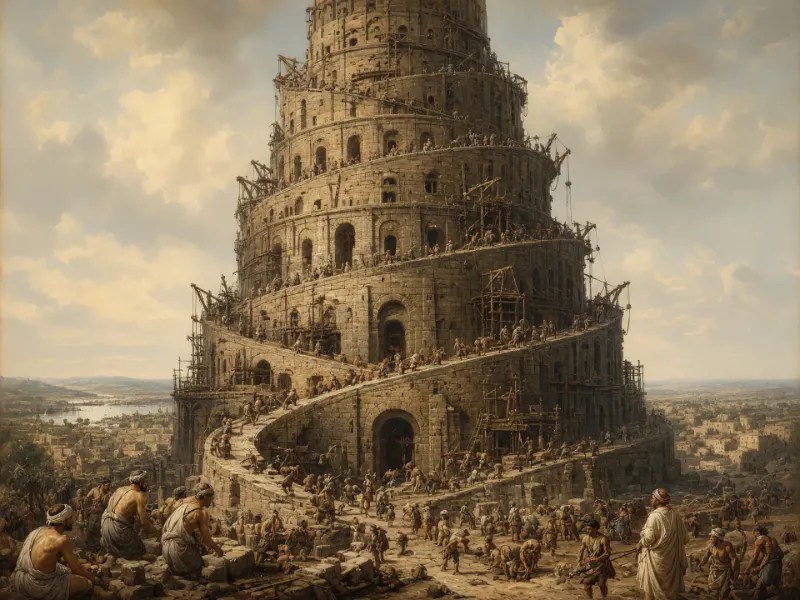
1 Thessalonians 5:3
“While people are saying, ‘Peace and safety,’ destruction will come on them suddenly, as labor pains on a pregnant woman, and they will not escape.”
Reflection: Paul is writing to the church at Thessalonica about “the day of the Lord,” which “will come like a thief in the night” (verse 2). He compares its arrival to the onset of labor: it comes suddenly, “and they will not escape.” Verse 4 tells the believers they “are not in darkness so that this day should surprise you like a thief.”
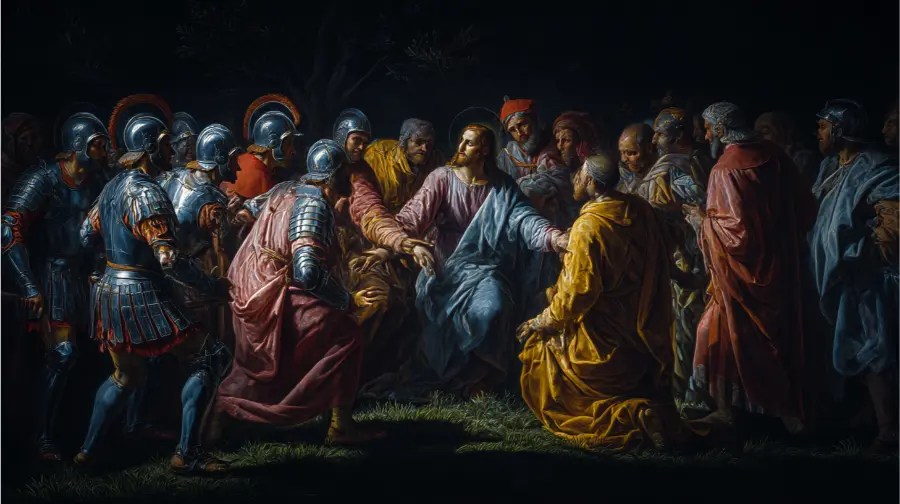
Matthew 24:8
“All these are the beginning of birth pains.”
Reflection: On the Mount of Olives the disciples ask Jesus for the sign of his coming and “of the end of the age” (verse 3). He lists false messiahs, wars, famines and earthquakes, says “the end is still to come” (verse 6), and calls all of these the beginning of birth pains, the first contractions of a labor that has further to go.
Labor that ends in something new
Isaiah 42:14
“‘For a long time I have kept silent, I have been quiet and held myself back. But now, like a woman in childbirth, I cry out, I gasp and pant.’”
Reflection: Verse 13 pictures the Lord as a warrior raising the battle cry; in verse 14 he speaks of himself as a woman in childbirth, crying out after a long silence. What follows is what he says he will do: lay waste the hills, and lead the blind “by ways they have not known” (verse 16).
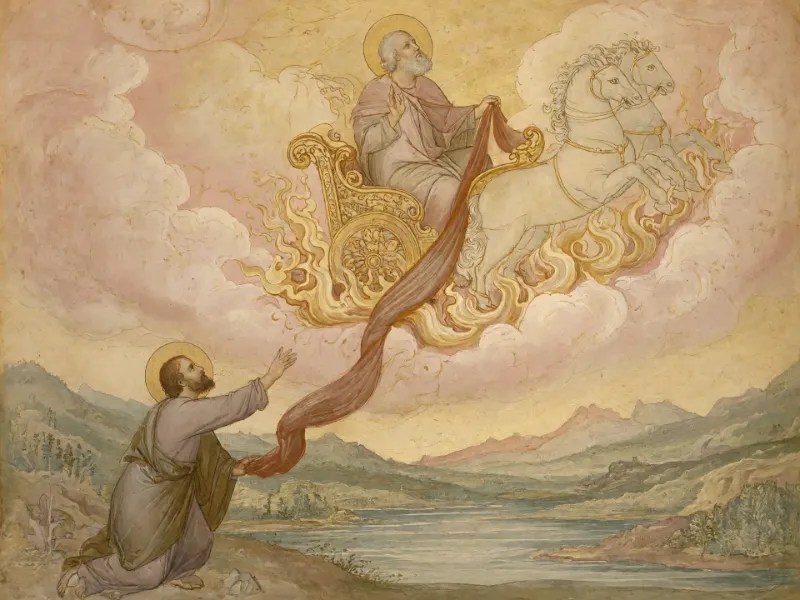
Isaiah 66:7-8
“Before she goes into labor, she gives birth; before the pains come upon her, she delivers a son. Who has ever heard of such things? Who has ever seen things like this? Can a country be born in a day or a nation be brought forth in a moment? Yet no sooner is Zion in labor than she gives birth to her children.”
Reflection: The usual order is reversed: Zion delivers before the pains begin, and a nation is “born in a day.” The next verse gives the Lord’s question: “Do I bring to the moment of birth and not give delivery?”
Isaiah 66:9
“Do I bring to the moment of birth and not give delivery?” says the Lord. “Do I close up the womb when I bring to delivery?” says your God.”
Reflection: The Lord asks both questions after Isaiah describes Zion giving birth to her children as soon as labor begins. In verse 10, those who mourn over Jerusalem are told to rejoice with her. By verse 11 the city is a mother nursing her children.
Romans 8:22
“We know that the whole creation has been groaning as in the pains of childbirth right up to the present time.”
Reflection: Paul has just said that creation was “subjected to frustration” and waits to be “liberated from its bondage to decay” (verses 20-21). The groaning has gone on “right up to the present time,” and verse 23 adds believers to it: “we ourselves, who have the firstfruits of the Spirit, groan inwardly as we wait eagerly for our adoption to sonship, the redemption of our bodies.”
Galatians 4:19
“My dear children, for whom I am again in the pains of childbirth until Christ is formed in you…”
Reflection: Paul pictures himself as a mother in labor for the Galatian churches, and says he is in labor “again.” The labor lasts “until Christ is formed in you,” and the next verse shows the strain: “how I wish I could be with you now and change my tone, because I am perplexed about you!”
Revelation 12:2
“She was pregnant and cried out in pain as she was about to give birth.”
Reflection: John sees “a great sign” in heaven: a woman clothed with the sun and crowned with twelve stars, crying out in labor (verse 1). A dragon waits to devour the child “the moment he was born,” but the son is “snatched up to God and to his throne,” and the woman flees to a place God has prepared for her (verses 4-6). The chapter does not name the woman; verse 9 names the dragon as “that ancient serpent called the devil, or Satan.”


Leave a Reply