
 English
 Chinese
 Dutch
 Arabic
 Spanish
 Portuguese
 Russian
 French
 Italian
 German
 Japanese
Genesis tells of two twin births, and in both it matters which twin counts as the firstborn. Rebekah bears Jacob and Esau (Genesis 25:24), and Tamar bears Perez and Zerah (Genesis 38:27).
The account of Jacob and Esau runs from the struggle in the womb and the Lord’s word that “the older will serve the younger” (Genesis 25:23), through the sold birthright and the taken blessing (Genesis 25:34; 27:36) and Esau’s threat to kill his brother (Genesis 27:41), to their reunion (Genesis 33:4). Hosea, Malachi and Paul return to the pair (Hosea 12:3; Malachi 1:2-3; Romans 9:11-12). In the New Testament the apostle Thomas is called Didymus, Greek for twin (John 11:16), and Acts 28:11 names the figurehead of the Alexandrian ship Paul sailed on: “the twin gods Castor and Pollux.”
Jacob and Esau before and at their birth
Genesis 25:22
“The babies jostled each other within her, and she said, ‘Why is this happening to me?’ So she went to inquire of the LORD.”
Reflection: Rebekah had been childless until Isaac prayed for her and the Lord answered (Genesis 25:21). The pregnancy that followed troubled her enough that she went to inquire of the Lord, and the answer in the next verse explains the jostling as two nations in her womb.
Genesis 25:23
“The LORD said to her, ‘Two nations are in your womb, and two peoples from within you will be separated; one people will be stronger than the other, and the older will serve the younger.’”
Reflection: The Lord’s answer speaks of the two sons as two peoples, one stronger than the other, and says the older will serve the younger. Genesis later names the peoples: Esau is Edom (Genesis 25:30; 36:8), and Jacob is renamed Israel after wrestling at Peniel (Genesis 32:28). Paul quotes the last line of the verse in Romans 9:12.
Genesis 25:26
“After this, his brother came out, with his hand grasping Esau’s heel; so he was named Jacob. Isaac was sixty years old when Rebekah gave birth to them.”
Reflection: Esau came out first, red, his whole body “like a hairy garment” (Genesis 25:25), and Jacob followed holding his heel, which is why he was named Jacob. Strong’s concordance glosses the name “heel-catcher (i.e. supplanter).” Isaac had married Rebekah at forty (Genesis 25:20), so the twins were born twenty years into the marriage.
How the twins were set against each other
Genesis 25:28
“Isaac, who had a taste for wild game, loved Esau, but Rebekah loved Jacob.”
Reflection: Genesis 25:27 sets the brothers apart as they grow up: Esau “a skillful hunter, a man of the open country,” Jacob “content to stay at home among the tents.” Each parent has a favorite, and the verse gives a reason only for Isaac’s. The two preferences drive Genesis 27, where Isaac sends Esau out to hunt before blessing him, and Rebekah, who overheard, has Jacob bring her two young goats to cook so that the blessing goes to him instead (Genesis 27:5-10).

Genesis 25:34
“Then Jacob gave Esau some bread and some lentil stew. He ate and drank, and then got up and left. So Esau despised his birthright.”
Reflection: Esau came in from the open country famished, and Jacob gave him the stew only after Esau had sold him the birthright and sworn to it (Genesis 25:29-33). The verse ends with a verdict on Esau, who “despised his birthright.” Hebrews 12:16 calls him “godless” for selling “his inheritance rights as the oldest son” for a single meal.
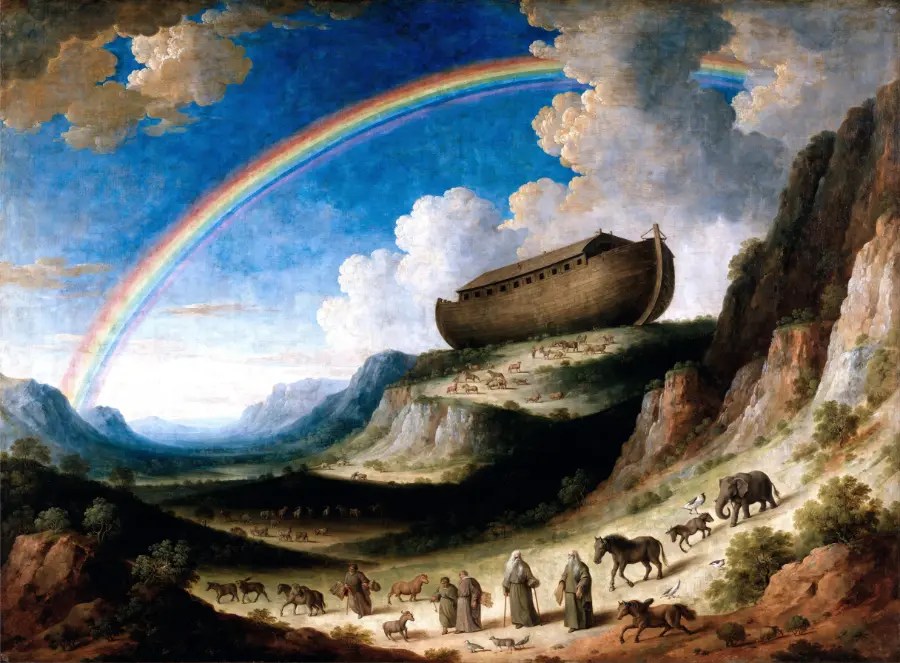
Genesis 27:36
“Esau said, ‘Isn’t he rightly named Jacob? This is the second time he has taken advantage of me: He took my birthright, and now he’s taken my blessing!’ Then he asked, ‘Haven’t you reserved any blessing for me?’”
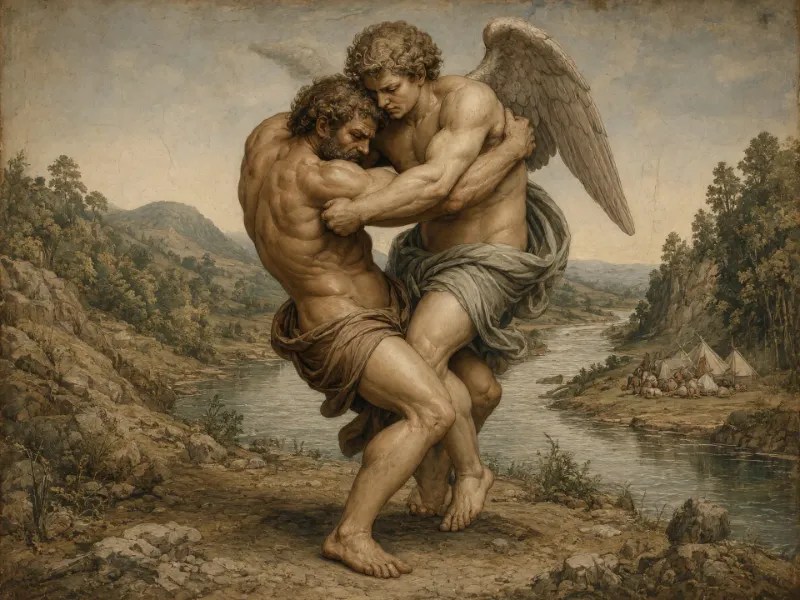
Reflection: Isaac had just blessed Jacob, believing he was blessing Esau, and he tells Esau, “Your brother came deceitfully and took your blessing” (Genesis 27:35). Esau’s reply turns Jacob’s name against him: the brother born holding his heel has now taken advantage of him twice, first the birthright and then the blessing. What Isaac can still say to Esau includes “you will serve your brother” and a promise that he will one day “throw his yoke from off your neck” (Genesis 27:40).
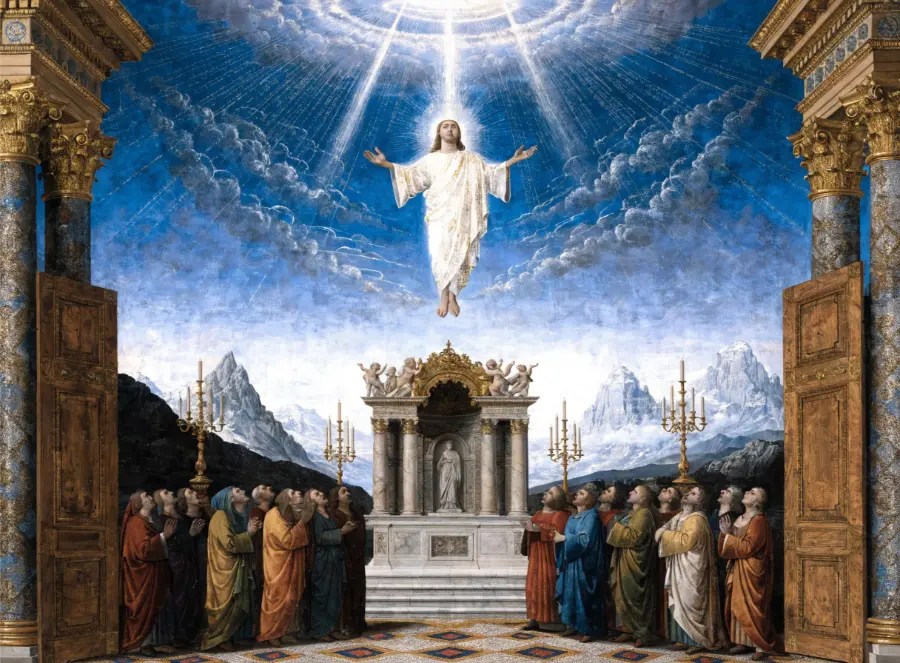
Genesis 27:41
“Esau held a grudge against Jacob because of the blessing his father had given him. He said to himself, ‘The days of mourning for my father are near; then I will kill my brother Jacob.’”
Reflection: Esau meant to wait for Isaac’s death before killing Jacob. When Rebekah was told, she told Jacob to flee to her brother Laban in Harran “until your brother’s fury subsides,” asking, “Why should I lose both of you in one day?” (Genesis 27:42-45). When Isaac does die, in Genesis 35:29, Esau and Jacob bury him together.
How the twins were reconciled
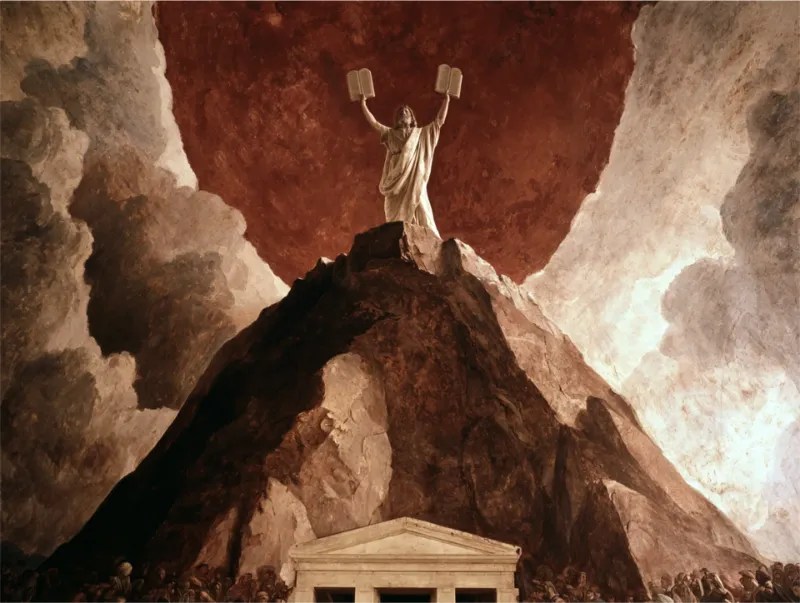
Genesis 32:11
“Save me, I pray, from the hand of my brother Esau, for I am afraid he will come and attack me, and also the mothers with their children.”
Reflection: Jacob is coming home after his stay with Laban, and his messengers report that Esau is on the way to meet him with four hundred men (Genesis 32:6). Jacob divides his household into two groups and prays. The prayer sets the danger from “my brother Esau” between two things God had said to Jacob: “Go back to your country” (Genesis 32:9) and “I will surely make you prosper” (Genesis 32:12).
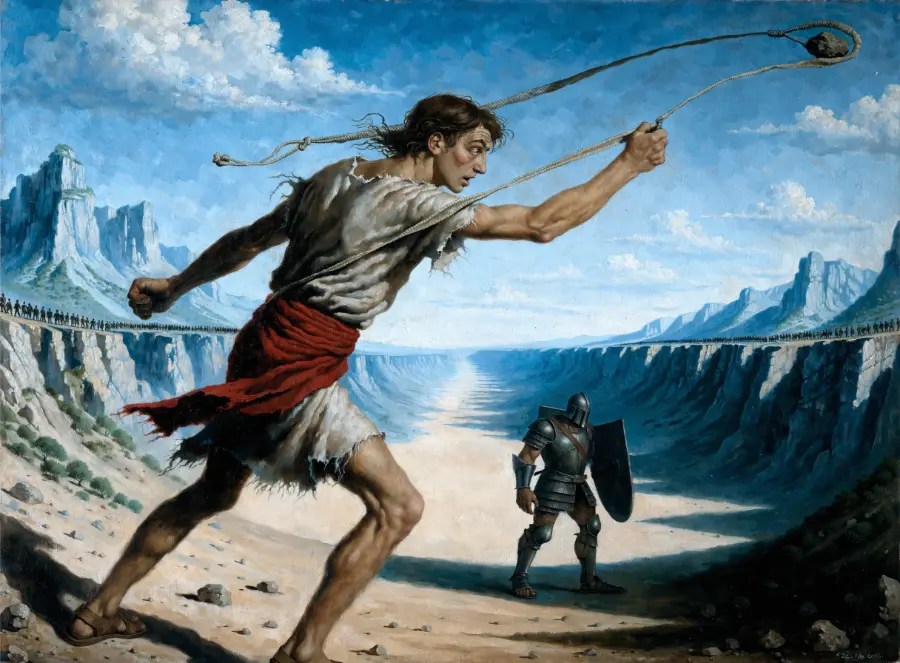
Genesis 33:4
“But Esau ran to meet Jacob and embraced him; he threw his arms around his neck and kissed him. And they wept.”
Reflection: Jacob came toward his brother bowing to the ground seven times (Genesis 33:3), and Esau ran to meet him. Esau’s welcome has the same actions as the father in Jesus’ parable of the lost son, who “ran to his son, threw his arms around him and kissed him” (Luke 15:20).
Genesis 33:10
“‘No, please!’ said Jacob. ‘If I have found favor in your eyes, accept this gift from me. For to see your face is like seeing the face of God, now that you have received me favorably.’”
Reflection: Esau has told Jacob to keep the flocks he sent ahead, “I already have plenty, my brother” (Genesis 33:9), and Jacob presses him to accept them. After wrestling at Peniel, Jacob had named the place because “I saw God face to face” (Genesis 32:30); here he says that seeing Esau’s face is like seeing the face of God, “now that you have received me favorably.” The brothers then part, Esau for Seir and Jacob for Sukkoth (Genesis 33:16-17).
Jacob and Esau in the prophets and in Paul

Hosea 12:3
“In the womb he grasped his brother’s heel; as a man he struggled with God.”
Reflection: The Lord’s charge is against Judah, and in the same breath he “will punish Jacob according to his ways and repay him according to his deeds” (Hosea 12:2). The prophet reaches back to two scenes from the ancestor’s life, the grip on Esau’s heel (Genesis 25:26) and the wrestling at Peniel (Genesis 32:24-30). The next verse adds that Jacob “wept and begged for his favor” and found God at Bethel.
Malachi 1:2-3
“‘Was not Esau Jacob’s brother?’ declares the LORD. ‘Yet I have loved Jacob, but Esau I have hated…’”
Reflection: Malachi’s prophecy opens with the Lord’s “I have loved you” and the people’s question, “How have you loved us?” The answer points to the twins and then to their descendants: the Lord has turned Esau’s hill country into a wasteland, and when Edom says it will rebuild the ruins, the reply is “They may build, but I will demolish” (Malachi 1:4).

Romans 9:11-12
“Yet, before the twins were born or had done anything good or bad—in order that God’s purpose in election might stand: not by works but by him who calls—she was told, ‘The older will serve the younger.’”
Reflection: Paul is arguing that God’s word has not failed, since “not all who are descended from Israel are Israel” (Romans 9:6). Rebekah’s sons had one father and were conceived at the same time (Romans 9:10), and the word about them came before either had done anything good or bad; Paul then quotes Malachi 1:2-3 (Romans 9:13). The Canons of Dort, a Reformed confession, cite Romans 9:11-13 for God’s choosing of “particular persons” for salvation by his good pleasure alone. John Wesley’s Explanatory Notes read the loved Jacob and hated Esau of Romans 9:13 as the Israelites and the Edomites, and say the passage “does not relate to the person of Jacob or Esau.”
Other twins in the Bible

Genesis 38:28
“As she was giving birth, one of them put out his hand; so the midwife took a scarlet thread and tied it on his wrist and said, ‘This one came out first.’”
Reflection: Tamar’s twins were fathered by Judah, her father-in-law, who admits, “She is more righteous than I, since I wouldn’t give her to my son Shelah” (Genesis 38:26). When one child put out a hand, the midwife tied a scarlet thread on his wrist to mark him as the firstborn.
Genesis 38:29
“But when he drew back his hand, his brother came out, and she said, ‘So this is how you have broken out!’ And he was named Perez.”
Reflection: The child with the thread drew his hand back, and his brother came out ahead of him. The midwife’s words, “So this is how you have broken out!”, give Perez his name; Strong’s lists the name as the same word as the Hebrew for a breach. Zerah, the twin with the scarlet thread, was born after him (Genesis 38:30). Matthew 1:3 names both twins, with their mother Tamar, in the genealogy of Jesus, which continues through Perez.
John 11:16
“Then Thomas (also known as Didymus) said to the rest of the disciples, ‘Let us also go, that we may die with him.’”
Reflection: Didymus is Greek for twin, and Strong’s gives the name Thomas, “of Chaldee origin,” the same meaning. Didymus occurs three times in the New Testament, all in John: here, at John 20:24 and at John 21:2. None of the three says who Thomas’s twin was. Thomas speaks after Jesus decides to return to Judea, where, as the disciples had just reminded him, “a short while ago the Jews there tried to stone you” (John 11:8).
Two brothers who became two nations
Genesis 36:6-8 records Esau moving his household to the hill country of Seir because the land “could not support them both because of their livestock.” Later books still speak of the two nations as brothers. The law tells Israel, “Do not despise an Edomite, for the Edomites are related to you” (Deuteronomy 23:7), and Obadiah condemns Edom “because of the violence against your brother Jacob” (Obadiah 1:10).


Leave a Reply