
 English
 Chinese
 Dutch
 Arabic
 Spanish
 Portuguese
 Russian
 French
 Italian
 German
 Japanese
In the Bible, dying is the end God set for human life after the first sin, and Jesus claims power over it. God tells Adam, “to dust you will return” (Genesis 3:19); Jesus tells Martha, “I am the resurrection and the life” (John 11:25).
Scripture also describes how short a life is (Job 14:1-2, Psalm 90:12), shows believers facing their own deaths (Psalm 23:4, Philippians 1:21-23, 2 Timothy 4:7-8), records Jesus’ answer to the criminal crucified beside him (Luke 23:43), and ends with the promise that “there will be no more death” (Revelation 21:4), which Isaiah had given as “he will swallow up death forever” (Isaiah 25:8).
Why people die and how short a life is
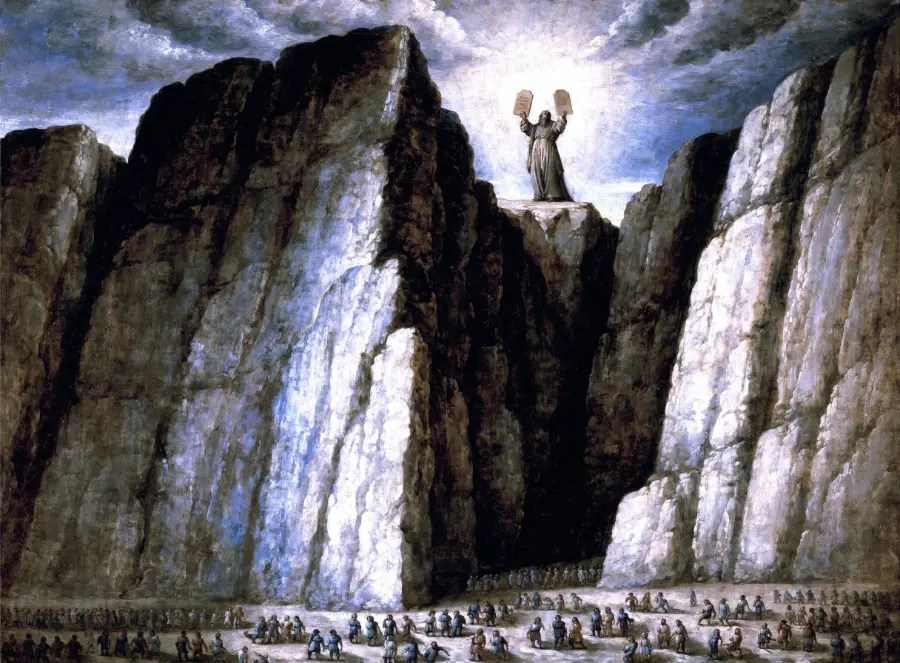
Genesis 3:19
“By the sweat of your brow you will eat your food until you return to the ground, since from it you were taken; for dust you are and to dust you will return.”
Reflection: God speaks to Adam after Adam and Eve have eaten from the tree God had forbidden. The warning in Genesis 2:17 was “when you eat from it you will certainly die”; here the sentence is spelled out as work by the sweat of the brow until a return to the ground Adam was taken from. Psalm 90:3 repeats the words: “Return to dust, you mortals.” Paul traces death back to Adam too: “in Adam all die” (1 Corinthians 15:22).

Job 14:1-2
“Mortals, born of woman, are of few days and full of trouble. They spring up like flowers and wither away; like fleeting shadows, they do not endure.”
Reflection: Job speaks these lines in one of his replies to his friends. A few verses later he compares a person with a tree, which “will sprout again” when cut down, while “a man dies and is laid low; he breathes his last and is no more” (14:7-10). In verse 14 he asks, “If someone dies, will they live again?” and says he will wait for his renewal to come.
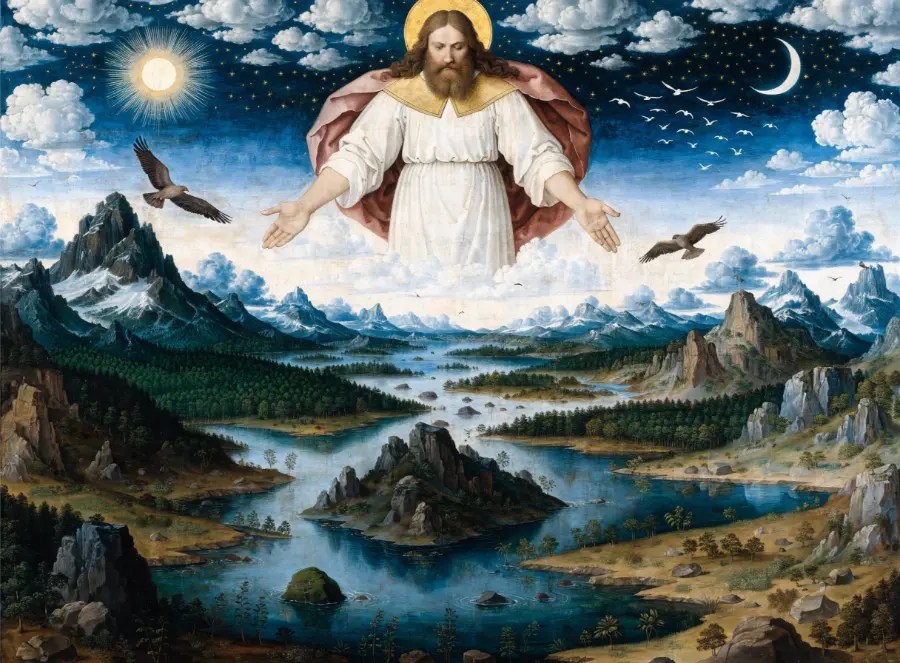
Psalm 39:4-5
“Show me, LORD, my life’s end and the number of my days; let me know how fleeting my life is. You have made my days a mere handbreadth; the span of my years is as nothing before you. Everyone is but a breath, even those who seem secure.”
Reflection: The psalmist first kept silent in the presence of the wicked until “my anguish increased” (verses 1-3). When he speaks, he asks God to show him his life’s end and how fleeting it is. Verse 6 continues with people who “rush about, heaping up wealth without knowing whose it will finally be.”
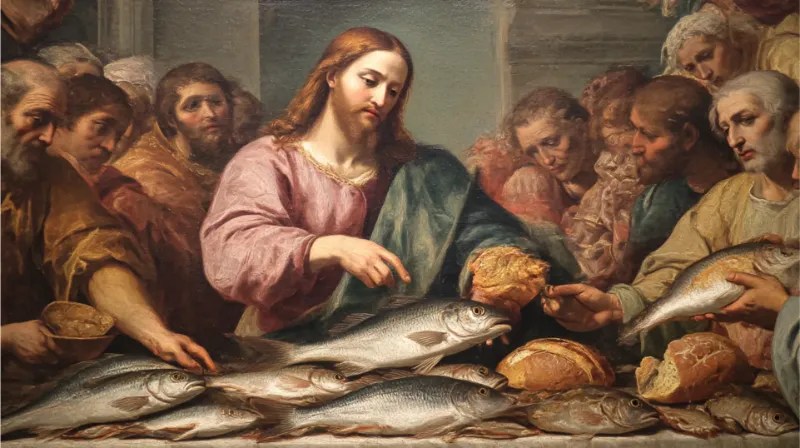
Psalm 90:12
“Teach us to number our days, that we may gain a heart of wisdom.”
Reflection: The psalm sets God, who is “from everlasting to everlasting,” beside people he turns “back to dust” (verses 2-3). Verse 10 puts a life at seventy years, “or eighty, if our strength endures,” and adds that the years “quickly pass, and we fly away.” The request in verse 12 is addressed to God: to count those days in order to gain a heart of wisdom.
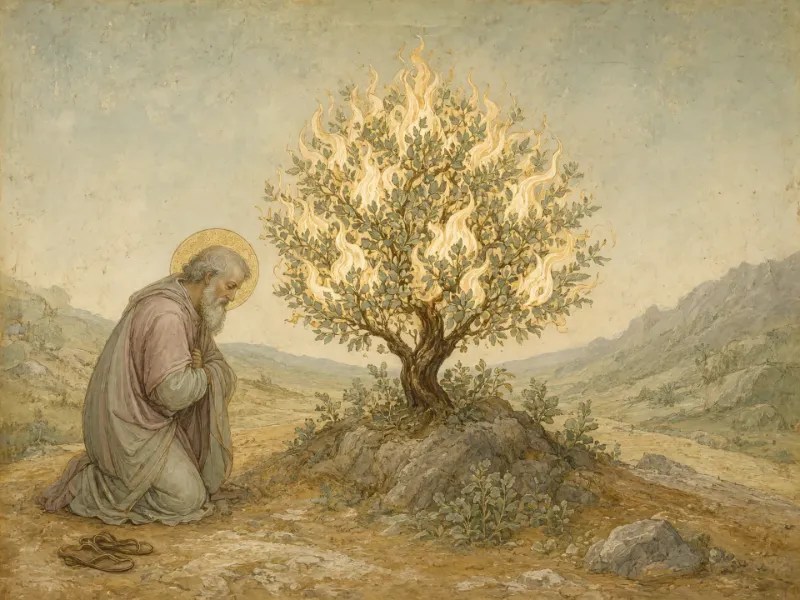
James 4:14
“Why, you do not even know what will happen tomorrow. What is your life? You are a mist that appears for a little while and then vanishes.”
Reflection: James addresses traders who say they will go to a city, “spend a year there, carry on business and make money” (verse 13). He calls their life a mist, and verse 15 gives what they ought to say instead: “If it is the Lord’s will, we will live and do this or that.” The warning is aimed at plans made as though tomorrow were certain.
Ecclesiastes 3:1-2
“There is a time for everything, and a season for every activity under the heavens: a time to be born and a time to die, a time to plant and a time to uproot.”
Reflection: The Teacher’s list of seasons opens with birth and death before it moves on to planting and uprooting. Verse 11 comes back to the same thought: God “has made everything beautiful in its time” and “set eternity in the human heart,” yet “no one can fathom what God has done from beginning to end.”

Hebrews 9:27
“Just as people are destined to die once, and after that to face judgment…”
Reflection: The sentence runs on into verse 28: “so Christ was sacrificed once to take away the sins of many; and he will appear a second time, not to bear sin, but to bring salvation to those who are waiting for him.” The comparison carries the point. Each person dies once and then faces judgment; Christ was sacrificed once and will appear again.
Facing one’s own death
Psalm 23:4
“Even though I walk through the darkest valley, I will fear no evil, for you are with me; your rod and your staff, they comfort me.”
Reflection: The King James Version reads “the valley of the shadow of death” here. The psalmist does not say he avoids the valley; he walks through it and fears no evil “for you are with me.” At this verse the psalm turns from speaking about the Lord (“he leads me”) to speaking to him.

Psalm 116:15
“Precious in the sight of the LORD is the death of his faithful servants.”
Reflection: The psalm gives thanks for a rescue: “The cords of death entangled me” (verse 3), and “you, Lord, have delivered me from death” (verse 8). After vowing to fulfil his vows “in the presence of all his people” (verse 14), the same speaker says that the death of the Lord’s faithful servants is precious in his sight.
Philippians 1:21-23
“For to me, to live is Christ and to die is gain. If I am to go on living in the body, this will mean fruitful labor for me. Yet what shall I choose? I do not know! I am torn between the two: I desire to depart and be with Christ, which is better by far.”
Reflection: Paul writes “in chains for Christ” (verse 13) and hopes Christ will be exalted in his body “whether by life or by death” (verse 20). He weighs both: living means fruitful labour, and departing to be with Christ is “better by far.” Verse 24 settles it for the present: “it is more necessary for you that I remain in the body.”

2 Corinthians 5:8
“We are confident, I say, and would prefer to be away from the body and at home with the Lord.”
Reflection: Verse 6 says that “as long as we are at home in the body we are away from the Lord,” and verse 7 adds, “For we live by faith, not by sight.” In verse 8 Paul weighs being at home in the body against being at home with the Lord and prefers the second. Verse 9 makes pleasing the Lord the goal either way, “whether we are at home in the body or away from it,” and verse 10 adds that “we must all appear before the judgment seat of Christ.”
2 Timothy 4:7-8
“I have fought the good fight, I have finished the race, I have kept the faith. Now there is in store for me the crown of righteousness, which the Lord, the righteous Judge, will award to me on that day—and not only to me, but also to all who have longed for his appearing.”
Reflection: Verse 6 gives the setting: “I am already being poured out like a drink offering, and the time for my departure is near.” Paul describes his life to Timothy as a fight fought and a race finished. The crown he expects is not his alone; it is also for “all who have longed for his appearing.”

Luke 23:43
“Jesus answered him, ‘Truly I tell you, today you will be with me in paradise.’”
Reflection: One of the two criminals hanging beside Jesus rebukes the other, admits “we are getting what our deeds deserve,” and asks, “Jesus, remember me when you come into your kingdom.” He asks to be remembered at a future coming. Jesus answers with “today.”
Romans 14:8
“If we live, we live for the Lord; and if we die, we die for the Lord. So, whether we live or die, we belong to the Lord.”
Reflection: Verse 7 puts the same thought the other way round: “none of us lives for ourselves alone, and none of us dies for ourselves alone.” Verse 9 gives the reason both living and dying belong to the Lord: “Christ died and returned to life so that he might be the Lord of both the dead and the living.”
What lies past death

Job 19:25-27
“I know that my redeemer lives, and that in the end he will stand on the earth. And after my skin has been destroyed, yet in my flesh I will see God; I myself will see him with my own eyes—I, and not another. How my heart yearns within me!”
Reflection: Job says this to friends he asks, “Why do you pursue me as God does?” (verse 22). He first wishes his words were “engraved in rock forever” (verse 24), then says his redeemer lives and “in the end” will stand on the earth. After his skin has been destroyed, Job says, he will see God “in my flesh” and “with my own eyes—I, and not another.” The text does not say whether the destroying of his skin means his death. The Book of Common Prayer’s Order for the Burial of the Dead sets these verses among its opening sentences, directly after John 11:25-26.
Isaiah 25:8
“He will swallow up death forever. The Sovereign LORD will wipe away the tears from all faces; he will remove his people’s disgrace from all the earth. The LORD has spoken.”
Reflection: The verse belongs to a feast the Lord Almighty will prepare on his mountain “for all peoples” (verse 6), where he will also destroy “the shroud that enfolds all peoples” (verse 7). Paul quotes its first line in 1 Corinthians 15:54 as “Death has been swallowed up in victory,” and Revelation 21:4 repeats the promise about tears. Verse 9 gives what the people will say on that day: “Surely this is our God; we trusted in him, and he saved us.”
Isaiah 57:1-2
“The righteous perish, and no one takes it to heart; the devout are taken away, and no one understands that the righteous are taken away to be spared from evil. Those who walk uprightly enter into peace; they find rest as they lie in death.”
Reflection: The prophet sets two things side by side: the righteous die and no one takes it to heart, and no one understands that they are taken away “to be spared from evil.” Verse 2 says those who walk uprightly “enter into peace” and “find rest as they lie in death.” Verse 3 then turns on those the prophet calls “children of a sorceress” and “offspring of adulterers and prostitutes.”
John 11:25-26
“Jesus said to her, ‘I am the resurrection and the life. The one who believes in me will live, even though they die; and whoever lives by believing in me will never die. Do you believe this?’”
Reflection: Martha meets Jesus after her brother Lazarus has been in the tomb four days (verse 39). She already believes he “will rise again in the resurrection at the last day” (verse 24), and Jesus answers that belief with a statement about himself. Shortly afterwards he calls, “Lazarus, come out!” and the dead man walks out still wrapped in grave clothes (verses 43-44).
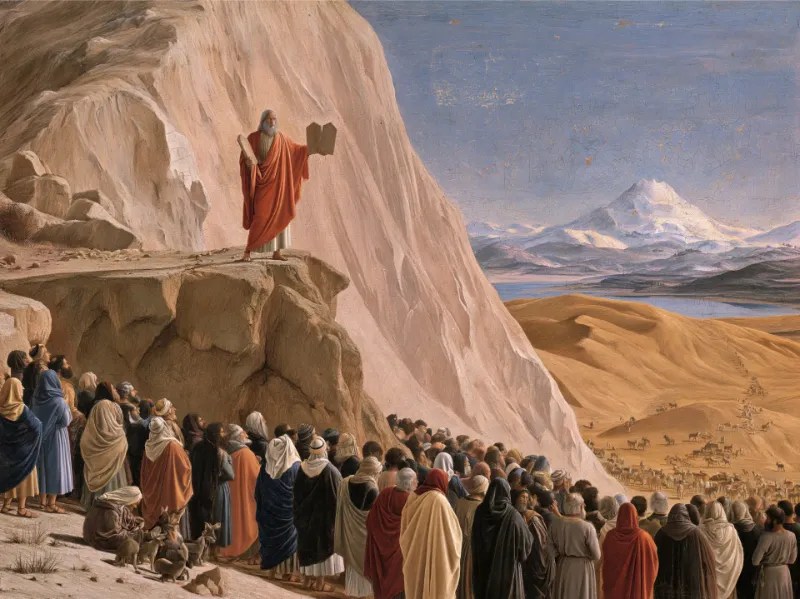
John 14:1-3
“Do not let your hearts be troubled. You believe in God; believe also in me. My Father’s house has many rooms; if that were not so, would I have told you that I am going there to prepare a place for you? And if I go and prepare a place for you, I will come back and take you to be with me that you also may be where I am.”
Reflection: Jesus speaks to his disciples about his own going away. He promises to prepare a place and to come back for them, “that you also may be where I am.” When Thomas says they do not know the way, Jesus answers, “I am the way and the truth and the life” (verse 6).
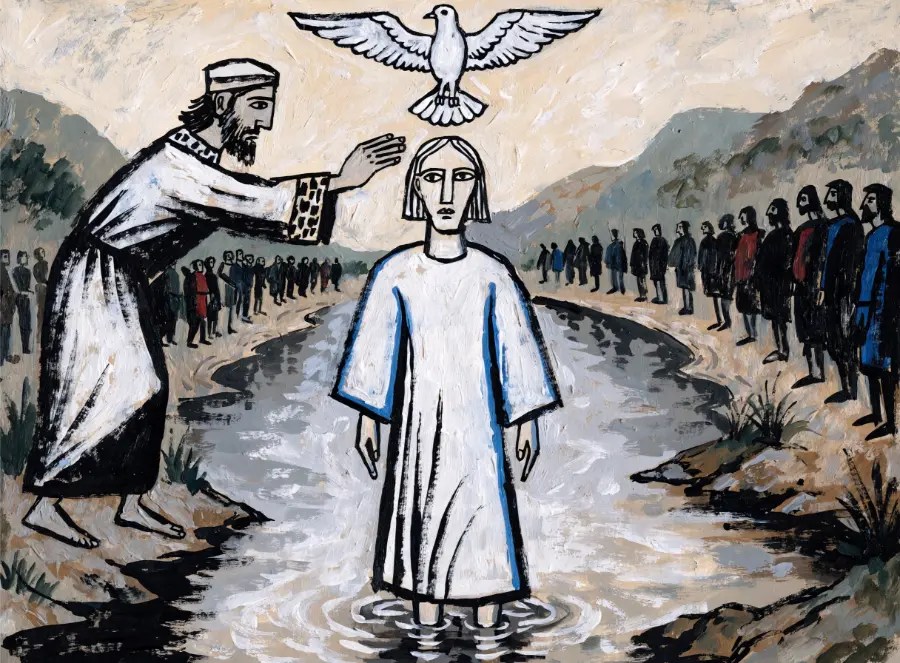
Romans 8:38-39
“For I am convinced that neither death nor life, neither angels nor demons, neither the present nor the future, nor any powers, neither height nor depth, nor anything else in all creation, will be able to separate us from the love of God that is in Christ Jesus our Lord.”
Reflection: Death stands first in Paul’s list. Just before it he asks, “Who shall separate us from the love of Christ?” and names dangers that include the sword (verse 35), then quotes Scripture: “For your sake we face death all day long” (verse 36). Neither death nor anything else in creation, he says, can separate believers from the love of God in Christ.
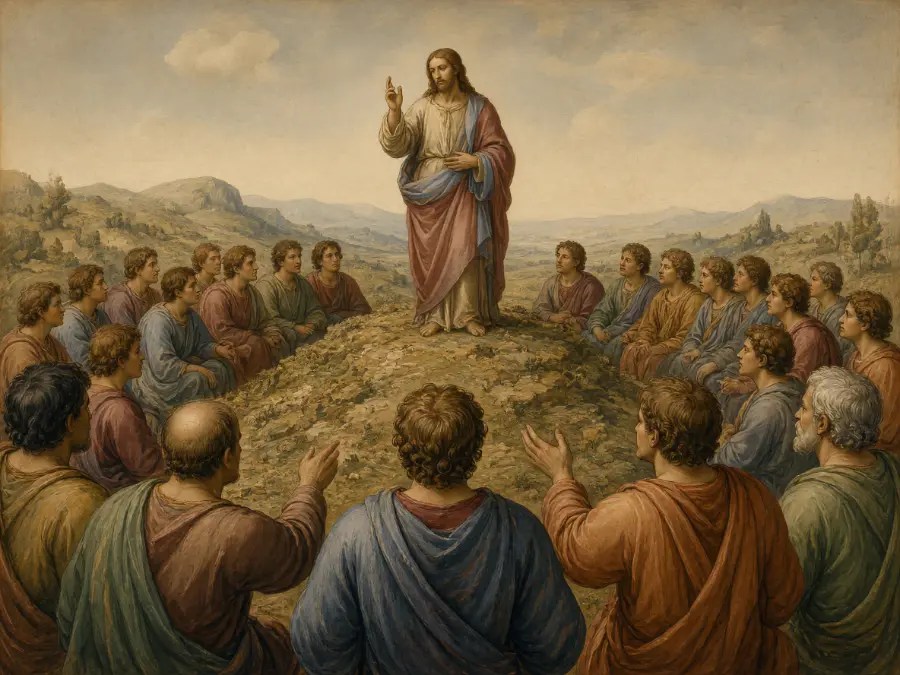
1 Thessalonians 4:13-14
“Brothers and sisters, we do not want you to be uninformed about those who sleep in death, so that you do not grieve like the rest of mankind, who have no hope. For we believe that Jesus died and rose again, and so we believe that God will bring with Jesus those who have fallen asleep in him.”
Reflection: Paul writes about believers who have died, “those who sleep in death.” He does not tell the church not to grieve; he tells them not to grieve “like the rest of mankind, who have no hope.” The verses that follow describe “the dead in Christ” rising first when the Lord comes (verse 16), and end, “Therefore encourage one another with these words” (verse 18).
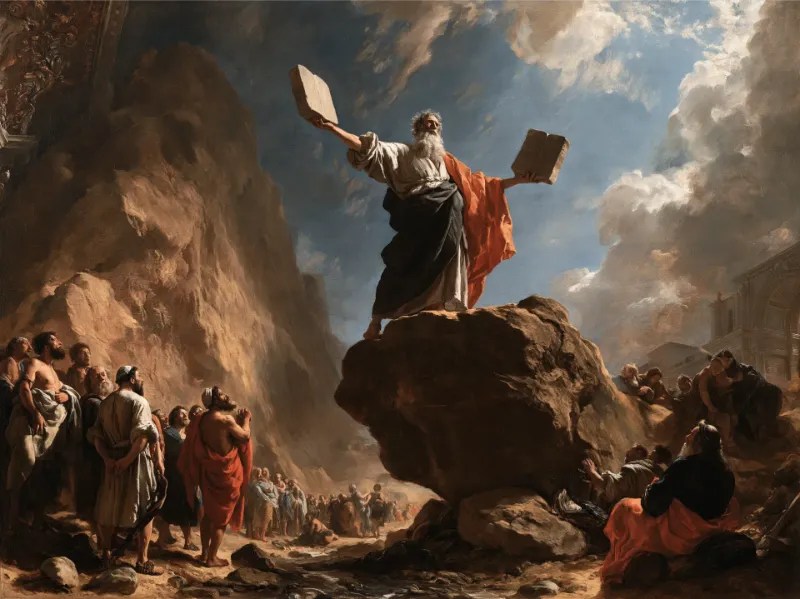
1 Corinthians 15:54-57
“When the perishable has been clothed with the imperishable, and the mortal with immortality, then the saying that is written will come true: ‘Death has been swallowed up in victory.’ ‘Where, O death, is your victory? Where, O death, is your sting?’ The sting of death is sin, and the power of sin is the law. But thanks be to God! He gives us the victory through our Lord Jesus Christ.”
Reflection: These verses close Paul’s chapter on the resurrection of the dead. Just before them he says, “We will not all sleep, but we will all be changed” (verse 51). The taunt “Where, O death, is your sting?” is followed by an explanation, “The sting of death is sin, and the power of sin is the law,” and the chapter ends by telling the Corinthians that their “labor in the Lord is not in vain” (verse 58).
2 Corinthians 5:1
“For we know that if the earthly tent we live in is destroyed, we have a building from God, an eternal house in heaven, not built by human hands.”
Reflection: Paul sets the body, “the earthly tent we live in,” against a house from God that is eternal and “not built by human hands.” He does not wish to be “unclothed” but clothed with that heavenly dwelling, “so that what is mortal may be swallowed up by life” (verse 4), and he names the Spirit as God’s “deposit, guaranteeing what is to come” (verse 5).

Revelation 21:4
“‘He will wipe every tear from their eyes. There will be no more death’ or mourning or crying or pain, for the old order of things has passed away.”
Reflection: John hears these words from the throne after he sees “a new heaven and a new earth” (verse 1). The promise follows the announcement that “God himself will be with them and be their God” (verse 3). Death is listed with mourning, crying and pain as part of “the old order of things,” and Revelation 20:14 has already said that death and Hades were thrown into the lake of fire.
Between dying and the resurrection
The New Testament describes the dead in two ways. In 2 Corinthians 5:8 and Philippians 1:23 Paul speaks of dying as being “at home with the Lord” and “with Christ,” and in Luke 23:43 Jesus tells the dying criminal he will be with him in paradise “today.” In 1 Thessalonians 4:13-16 and 1 Corinthians 15:51-52 Paul says the dead “sleep” until the Lord comes and they are raised.
Psalm 39:4-5 and Psalm 90:12 are addressed to God: the first in the singular, “Show me, Lord, my life’s end,” and the second in the plural, “Teach us to number our days.”


Leave a Reply