
 English
 Chinese
 Dutch
 Arabic
 Spanish
 Portuguese
 Russian
 French
 Italian
 German
 Japanese
Category 1: The Divine Promise of Liberation
These verses anchor our hope in God’s character and His sworn promises to rescue and restore those held captive. They are a declaration that our bondage, whether physical, emotional, or spiritual, is not the final word.
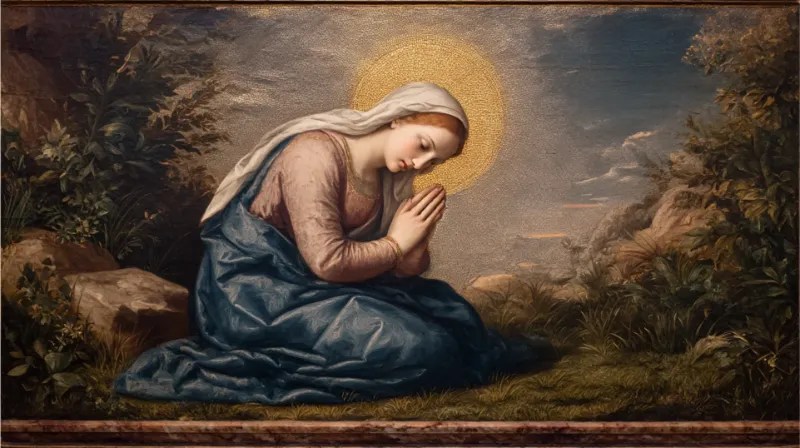
Isaiah 61:1
“The Spirit of the Lord GOD is upon me, because the LORD has anointed me to bring good news to the poor; he has sent me to bind up the brokenhearted, to proclaim liberty to the captives, and the opening of the prison to those who are bound.”
Reflection: This is the heart of God’s mission, a divine mandate to mend what is broken in the human soul. The “opening of the prison” is not just for those behind literal bars, but for those imprisoned by despair, by the trauma that shatters identity, or by the relentless inner critic. It is a profound promise that our deepest places of pain and confinement are the very places God intends to enter with healing and announce a jubilee for the spirit.

Jeremiah 29:11
“For I know the plans I have for you, declares the LORD, plans for welfare and not for evil, to give you a future and a hope.”
Reflection: Spoken to a people in physical exile, this verse is a lifeline for anyone feeling trapped by their circumstances. Captivity convinces us that our present suffering will be our permanent reality. God’s word here breaks that cognitive distortion, asserting that His intention toward us is one of fundamental goodness. It restores a sense of purpose and forward-looking hope, essential components for emotional resilience and a healthy spirit.
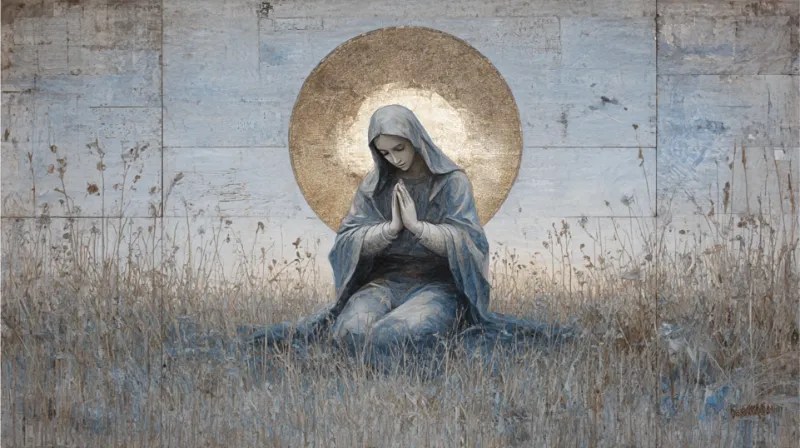
Isaiah 42:7
“to open the eyes that are blind, to bring out the prisoners from the dungeon, from the prison those who sit in darkness.”
Reflection: Bondage is often a state of perceptual blindness; we cannot see a way out. This verse beautifully links vision with freedom. God’s first act of liberation is often to restore our sight—to help us see our situation, ourselves, and Him with new clarity. To be brought out of the dungeon of darkness is to have our reality re-illuminated by truth, dispelling the shadows of fear and hopelessness that keep us confined.
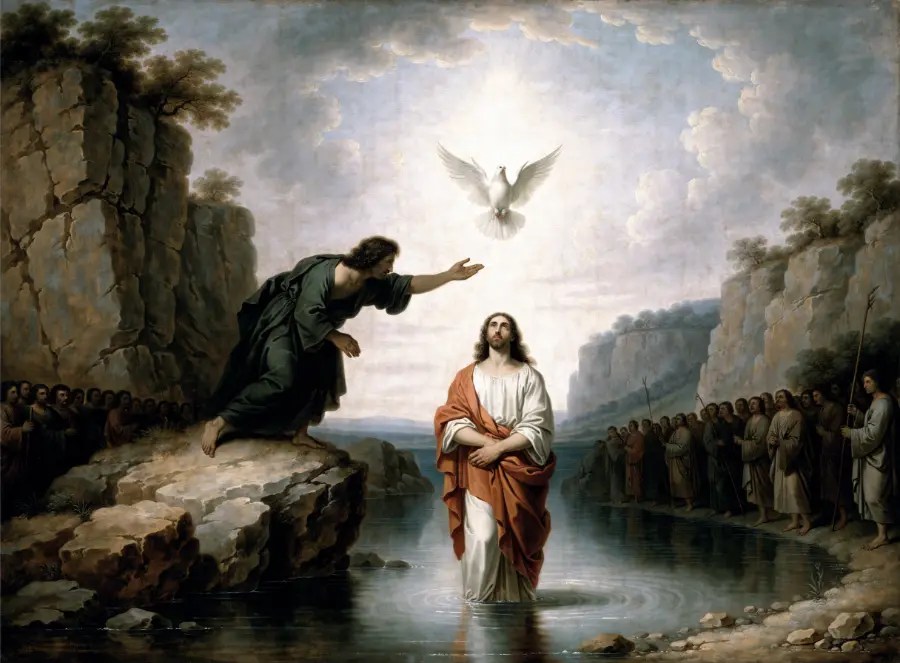
Psalm 146:7
“who executes justice for the oppressed, who gives food to the hungry. The LORD sets the prisoners free.”
Reflection: This is a simple, powerful statement of God’s core identity. He is, by nature, a liberator. For the soul that feels voiceless, forgotten, or unjustly confined by the actions of others or the weight of its own past, this is a profound comfort. It affirms that our longing for freedom is aligned with the very character of the universe’s Creator. This truth fosters a deep sense of security and trust, calming the anxious heart that fears it has been abandoned in its cell.
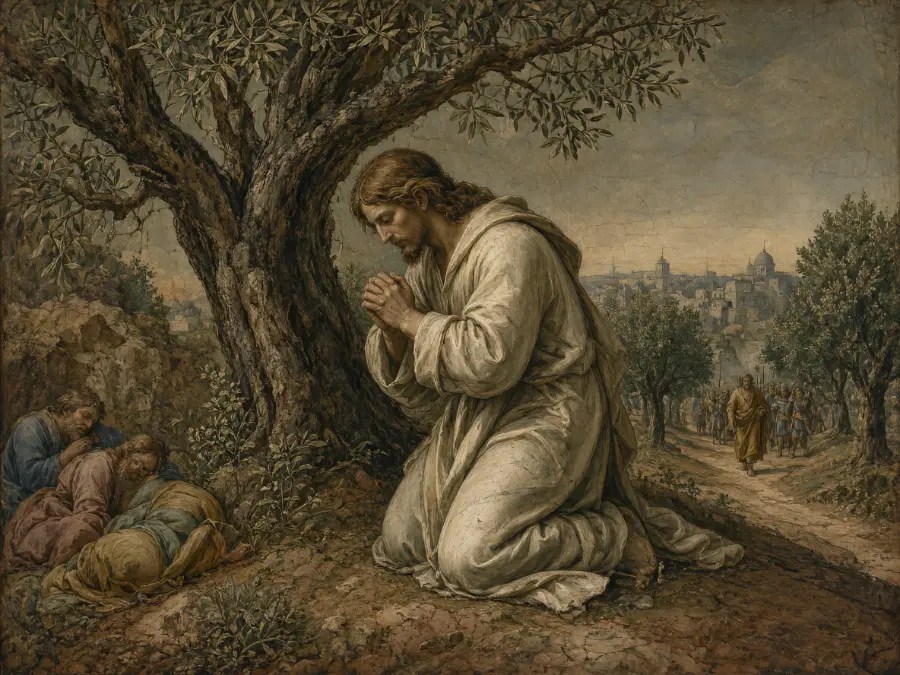
Luke 4:18
“The Spirit of the Lord is upon me, because he has anointed me to proclaim good news to the poor. He has sent me to proclaim liberty to the captives and recovering of sight to the blind, to set at liberty those who are oppressed.”
Reflection: When Jesus reads these words, He internalizes and fulfills the promise of Isaiah. The liberation He offers is holistic. It addresses the internal captivities of a distorted self-image (“recovering of sight to the blind”) and the crushing weight of systemic or personal oppression. His work is to release the immense moral and emotional pressure that holds a person captive, allowing them to finally breathe and live from a place of dignity and divine affirmation.
Zechariah 9:12
“Return to your stronghold, O prisoners of hope; today I declare that I will restore to you double.”
Reflection: The phrase “prisoners of hope” is a stunning reframe of the experience of waiting in hardship. While we may feel captive to our circumstances, faith transforms us into prisoners of hope. We are bound not by despair, but by the confident expectation of God’s deliverance. This shifts our entire emotional posture from one of passive suffering to one of active, resilient anticipation, knowing that the restoration to come will far outweigh the present sorrow.
Category 2: The Action of Divine Deliverance
These verses describe the powerful, active intervention of God. They are not just promises, but testimonies to God’s power to break chains and lead people out of their personal Egypts.

Galatians 5:1
“For freedom Christ has set us free; stand firm therefore, and do not submit again to a yoke of slavery.”
Reflection: This is one of the most potent declarations of our new status. The freedom we have is not something we earn; it is a decisive act accomplished for us. The psychological weight of this is immense. We are not just hoping for parole; we have been fully pardoned and released. The accompanying charge—”stand firm”—is a call to live into this new reality, to refuse to put back on the emotional or behavioral chains of our old life, be it legalism, shame, or addiction.
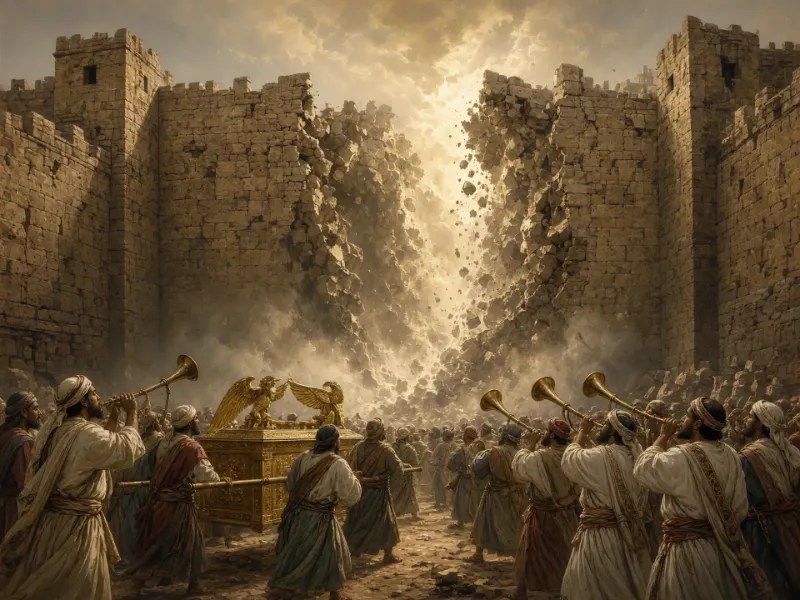
Exodus 14:14
“The LORD will fight for you, and you have only to be still.”
Reflection: In the terrifying moment of being trapped between an army and the sea, this command is profoundly counterintuitive. Our instinct in captivity is to panic, to strive frantically. This verse is a call to regulate our own panicked systems and trust in a protector who is greater than our threat. It teaches that true liberation often begins not with our frantic effort, but with the surrender of our anxiety and the profound, soul-calming trust that we are not fighting alone.
Psalm 68:6
“God settles the solitary in a home; he leads out the prisoners to prosperity.”
Reflection: True freedom is more than just release; it is restoration. Captivity is an experience of profound isolation. This verse promises that God’s deliverance includes reintegration and belonging—a home for the soul. It addresses the deep human need for connection and community that is often severed by trauma and bondage. The journey from prisoner to resident is a journey from isolation to intimacy.
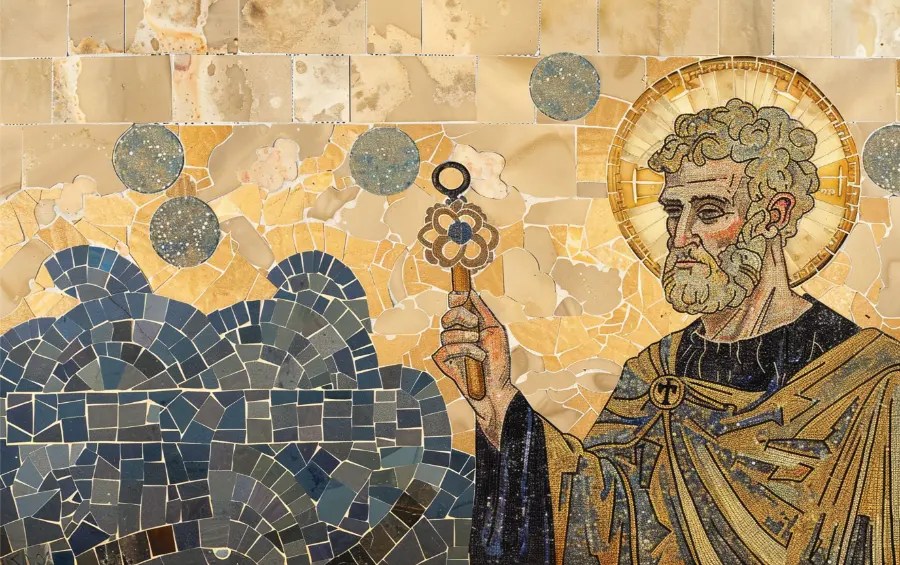
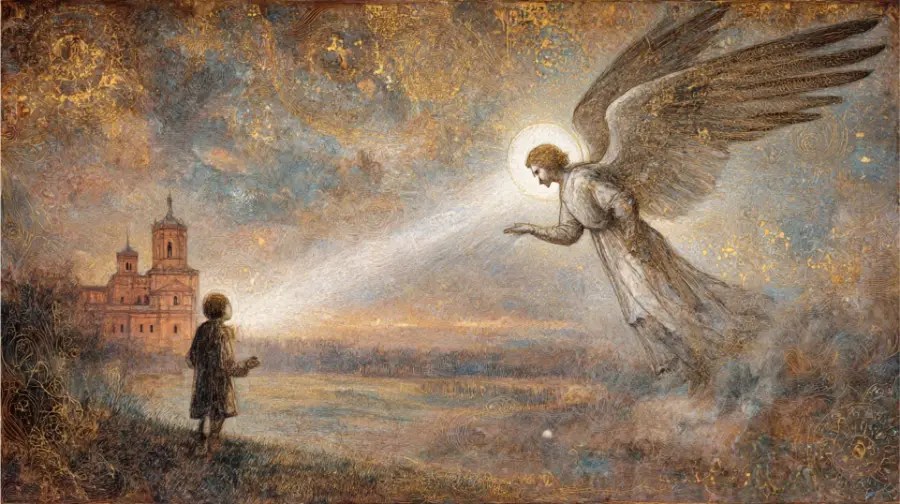
Acts 12:7
“And behold, an angel of the Lord stood next to him, and a light shone in the cell. He struck Peter on the side and woke him, saying, ‘Get up quickly.’ And the chains fell off his hands.”
Reflection: This narrative reveals the startling and often surprising nature of divine rescue. Peter was asleep, perhaps having resigned himself to his fate. Deliverance came not from his striving, but from an external, grace-filled intrusion. It reminds us that even when we lack the emotional or spiritual energy to fight for our own freedom, a power beyond our own can intervene, waking us from our stupor and causing the chains we thought were permanent to simply fall away.
Psalm 107:14
“He brought them out of darkness and the shadow of death, and burst their bonds apart.”
Reflection: The language here is visceral and violent—not against us, but against what holds us. “Burst their bonds apart” speaks to a power that shatters the forces of confinement. For anyone who feels hopelessly entangled in patterns of negative thinking, addiction, or relational dysfunction, this is a powerful image. The bonds are not gently unknotted; they are explosively destroyed by a God who despises their hold on His beloved.
Romans 8:2
“For the law of the Spirit of life has set you free in Christ Jesus from the law of sin and death.”
Reflection: This describes a fundamental shift in the operating system of the human heart. We were once bound by an internal “law”—a governing principle—of sin and death, a downward pull toward disintegration and despair. Through Christ, a higher, more powerful law is installed: the Spirit of life. This new principle empowers us from within, liberating us from the old patterns of self-destruction and fear, and inclining our hearts toward wholeness and connection with God.
Category 3: Freedom from Sin and Spiritual Bondage
This category focuses on the core Christian understanding of freedom: the deep, internal liberation from the power of sin, shame, and the fear of death, accomplished through Christ.
John 8:36
“So if the Son sets you free, you will be free indeed.”
Reflection: This is a declaration of ultimate, authentic freedom. Human liberation is often partial or temporary. We can be freed from one prison only to feel trapped in another. But the freedom Christ gives is “free indeed”—it is a freedom at the core of our being. It is an ontological shift in our identity. It means we are no longer defined by our failures, our compulsions, or our shame. We are defined by our relationship with the Liberator.
Romans 6:22
“But now that you have been set free from sin and have become slaves of God, the fruit you get leads to sanctification and its end, eternal life.”
Reflection: This presents a beautiful paradox. True freedom isn’t an absolute, untethered autonomy, which often leads to its own kind of slavery to appetite and impulse. Instead, true freedom is found in willing allegiance to a good and loving Master. By becoming “slaves of God,” we are liberated from the tyrannical mastery of sin. This re-alignment of our will brings profound psychological health, as our lives begin to produce the “fruit” of wholeness, integrity, and purpose.
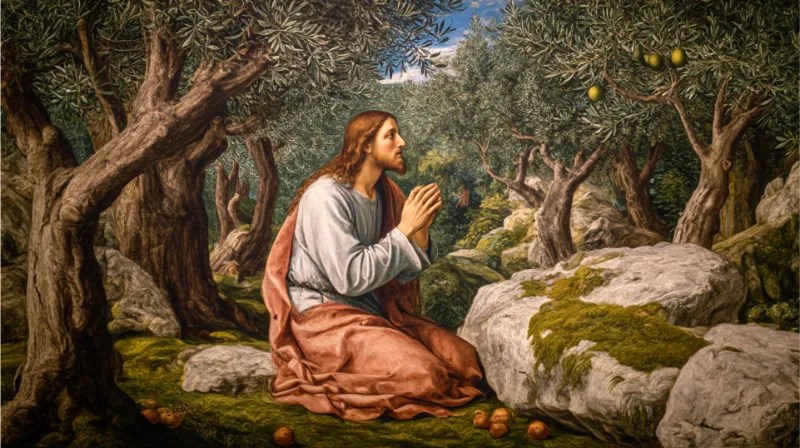
2 Corinthians 3:17
“Now the Lord is the Spirit, and where the Spirit of the Lord is, there is freedom.”
Reflection: Freedom is not a place or a set of circumstances; it is a presence. This verse tells us that the very atmosphere around the Spirit of God is one of liberty. This means freedom can be experienced even in constraining external circumstances. It is an internal reality of unburdening, of being able to relate to God, oneself, and others without the heavy veil of fear, performance, or shame. It is the freedom to be authentically known and loved.
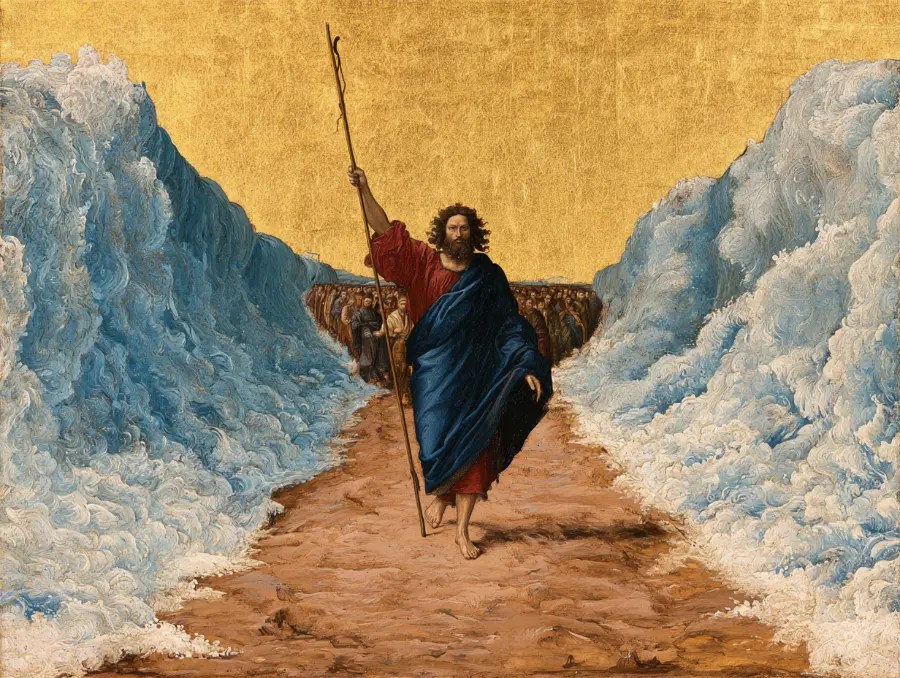
Hebrews 2:15
“…and deliver all those who through fear of death were subject to lifelong slavery.”
Reflection: This verse names a primary psychological enslaver: the fear of death. This deep, often unconscious anxiety drives so much of our striving, our need for control, and our desperate attempts to build legacies. Christ’s work, by conquering death, liberates us from this fundamental fear. It frees us to live courageously and generously, no longer as slaves to the terror of our own mortality, but as children secure in an eternal hope.
Romans 6:6
“We know that our old self was crucified with him in order that the body of sin might be brought to nothing, so that we would no longer be enslaved to sin.”
Reflection: This speaks to the radical nature of our inner transformation. It’s not about merely modifying bad behaviors. It is the death of an entire identity—the “old self” that was defined by and bound to its brokenness. This “crucifixion” is a painful but liberating process. It’s a kind of therapeutic death where the self that was held captive by its own dysfunction is put to rest, making way for a new self to emerge, one that is no longer mastered by those old, destructive impulses.
1 Peter 2:16
“Live as people who are free, not using your freedom as a cover-up for evil, but living as servants of God.”
Reflection: Here lies the moral responsibility of our newfound freedom. True liberty is not license; it is not a permission slip for self-indulgence. That would be a regression to another form of slavery. Instead, our freedom is channeled into loving service. We are freed from sin in order to be freed for relationship and righteous purpose. This gives our liberty a noble direction, preventing it from collapsing into the emotional chaos of narcissism.
Category 4: The Inner Liberty of the Soul
These verses explore the felt, internal experience of freedom—the release from fear, anxiety, and falsehood, and the discovery of a spacious and authentic way of being in the world.

John 8:32
“…and you will know the truth, and the truth will make you free.”
Reflection: Captivity is built on lies—lies about our worth, our future, and God’s nature. This verse champions truth as the key that unlocks our internal prisons. This is not just about intellectual facts, but a deep, relational knowing of the ultimate Truth, who is Christ. When this truth permeates our self-perception and worldview, it shatters the delusions that keep us trapped in cycles of shame, fear, and self-deception. It is the ultimate cognitive-spiritual therapy.
Psalm 119:45
“and I shall walk in a wide place, for I have sought your precepts.”
Reflection: This is a beautiful spatial metaphor for psychological and spiritual freedom. Captivity feels cramped, claustrophobic, with no room to move. A “wide place” evokes feelings of safety, possibility, and peace. It suggests a life no longer constricted by anxiety or rigid defenses. The path to this inner spaciousness, paradoxically, is found by seeking the structure of God’s wisdom, which, rather than confining us, provides the secure ground upon which we can walk freely.
Romans 8:15
“For you did not receive the spirit of slavery to fall back into fear, but you have received the Spirit of adoption as sons, by whom we cry, ‘Abba! Father!’”
Reflection: This verse contrasts two profound “spirits” or animating mindsets. The spirit of slavery is rooted in fear—fear of punishment, of failure, of not being enough. It is the mindset of an orphan. The Spirit of adoption, however, completely reframes our identity. We are not slaves, but beloved children. The ability to cry “Abba! Father!” reflects a deep, secure attachment to God. This secure bond is the ultimate antidote to fear and the foundation of all emotional freedom.
2 Timothy 1:7
“for God gave us a spirit not of fear but of power and of love and of a sound mind.”
Reflection: This is a powerful inventory of a liberated soul. It directly counters the spirit of fear, which is a primary agent of paralysis. In its place, God gifts us with “power,” which is agency and the capacity to act; “love,” which is the orientation of our will toward others; and a “sound mind” (or self-control), which implies emotional regulation, clarity, and psychological stability. This is God’s blueprint for our restored inner world.
Galatians 5:13
“For you were called to freedom, brothers. Only do not use your freedom as an opportunity for the flesh, but through love serve one another.”
Reflection: This frames freedom as our fundamental vocational calling. But it immediately provides a crucial guardrail. Untethered freedom can become a new tyranny of self-interest (“an opportunity for the flesh”). The pathway to sustaining our freedom is to pour it out in love and service. This act of “serving one another” prevents our liberty from becoming isolating and instead makes it a source of connection and mutual flourishing.

Psalm 32:7
“You are a hiding place for me; you preserve me from trouble; you surround me with shouts of deliverance.”
Reflection: For a soul that has known the trauma of captivity, the world can feel perpetually threatening. This verse provides the image of a secure base, a “hiding place” in God. This is not a place of fearful hiding from life, but a place of relational security in life. The feeling of being “surrounded” by shouts of deliverance is a beautiful auditory image for a mind that is no longer circled by threats and accusations, but by the constant, joyful affirmation of its own rescue and safety.


Leave a Reply