
 English
  Chinese
  Dutch
Dutch  Arabic
  Spanish
  Portuguese
  Russian
  French
  Italian
  German
  Japanese
 Category 1: Our Hiding Place: God as a Secure Refuge
These verses use the powerful metaphor of a physical shelter to describe the emotional and spiritual safety we find in God’s presence. They speak to our deep-seated need for a place of absolute security.
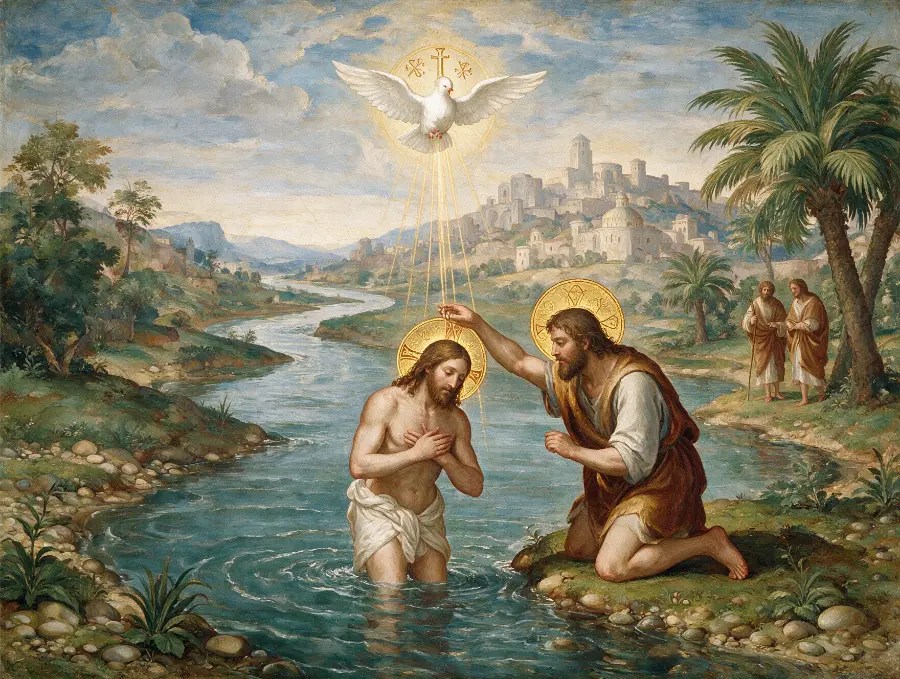
Psalm 32:7
“You are my hiding place; you will protect me from trouble and surround me with songs of deliverance.”
Reflection: This speaks to the soul’s deep need for a sanctuary. Beyond physical safety, it describes an emotional haven where our anxieties and sorrows are met not with silence, but with “songs of deliverance.” To know God as our hiding place is to have an internal refuge that calms the storms of panic and fear. It transforms our inner narrative from one of cowering in fear to one of being held and serenaded by grace.

Psalm 46:1-2
“God is our refuge and strength, an ever-present help in trouble. Therefore we will not fear, though the earth give way and the mountains fall into the heart of the sea.”
Reflection: This isn’t a promise that life will be stable, but that our foundation in God is. It addresses the most profound existential fears—the feeling of the world crumbling around us. To internalize this truth is to build a profound emotional resilience, knowing that even when our external or internal worlds are in chaos, we are connected to a source of strength that is immediate and absolutely sufficient.
Proverbs 18:10
“The name of the Lord is a fortified tower; the righteous run to it and are safe.”
Reflection: A name in ancient thought represented character and authority. To run to “the name of the Lord” is an act of intentional trust, a conscious shifting of our reliance from our own coping mechanisms to God’s very nature—His faithfulness, power, and love. This act of “running to it” is a powerful tool for emotional regulation, allowing a person to find a settled sense of security in God’s character when their feelings are in turmoil.

Nahum 1:7
“The Lord is good, a refuge in times of trouble. He cares for those who trust in him.”
Reflection: This verse beautifully links God’s goodness to His role as our refuge. The assurance that “He cares” is deeply personal. It counters the lie that we are alone or forgotten in our suffering. This knowledge fosters a secure attachment to God, where trust is not a blind leap but a confident resting in a caregiver who is both infinitely powerful and intimately acquainted with our distress.

Psalm 91:1-2
“Whoever dwells in the shelter of the Most High will rest in the shadow of the Almighty. I will say of the Lord, ‘He is my refuge and my fortress, my God, in whom I trust.’”
Reflection: To “dwell” implies more than a brief visit; it is about establishing a home for your heart in God’s presence. The result is “rest,” a deep-seated peace that quiets the soul. The verse then moves from a general truth to a personal declaration: “I will say…” This is a critical step for our emotional well-being—actively affirming our trust solidifies our belief and makes the promise of His protection a felt reality.
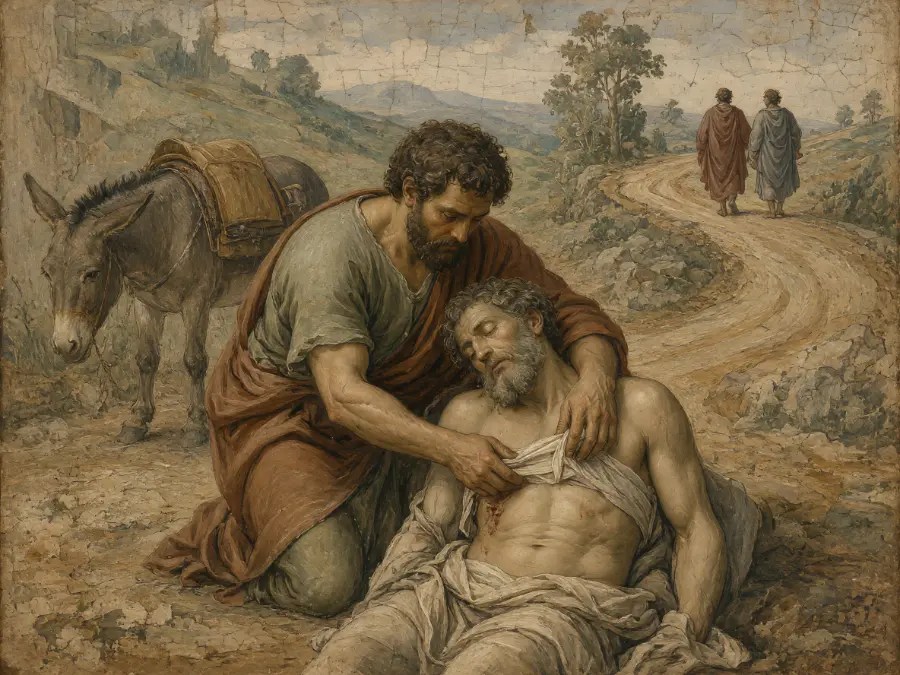
2 Samuel 22:3-4
“My God is my rock, in whom I take refuge, my shield and the horn of my salvation. He is my stronghold, my refuge and my savior—from violent people you save me. I call on the Lord, who is worthy of praise, and I have been saved from my enemies.”
Reflection: The sheer multitude of metaphors here—rock, shield, horn, stronghold—paints a picture of complete and multifaceted protection. Our fears are not monolithic; we feel vulnerable in different ways. This verse offers a divine answer for every kind of fragility. Clinging to these images can powerfully reframe our perception of threats, diminishing their power in our minds as we magnify the all-encompassing nature of our Savior.
Category 2: His Unfailing Presence: Overcoming Fear and Loneliness
The core of God’s protection is often His presence. These verses combat the primal fears of abandonment and isolation, assuring us that we are never truly alone.

Isaiah 41:10
“So do not fear, for I am with you; do not be dismayed, for I am your God. I will strengthen you and help you; I will uphold you with my righteous right hand.”
Reflection: This is a direct address to the anxious heart. The command “do not fear” is not a judgment, but an invitation based on a profound truth: “I am with you.” The feeling of fear is often rooted in a sense of inadequacy and isolation. God meets this directly by promising His presence, His strength, and His active support. Meditating on this replaces the narrative of fear with a story of divine companionship and empowerment.

Deuteronomy 31:6
“Be strong and courageous. Do not be afraid or terrified because of them, for the Lord your God goes with you; he will never leave you nor forsake you.”
Reflection: This verse speaks to the fear of being overwhelmed and abandoned, especially in the face of human opposition. The call to courage is founded entirely on the reliability of God’s presence. The promise “he will never leave you nor forsake you” is the bedrock of a healthy spiritual life, healing the wounds of abandonment and building a core belief that we are held in an unbreakable covenant of love.
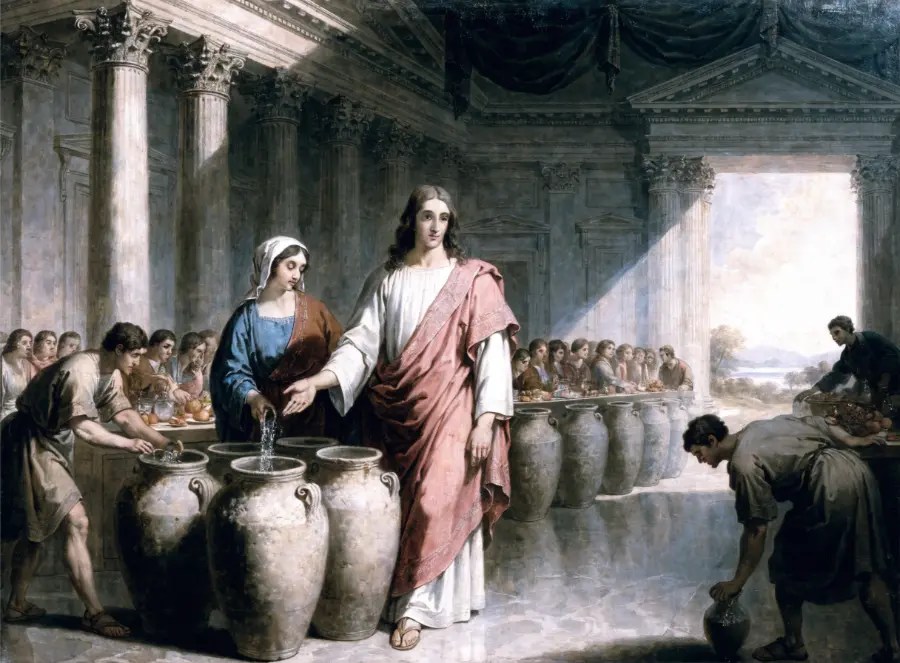
Joshua 1:9
“Have I not commanded you? Be strong and courageous. Do not be afraid; do not be discouraged, for the Lord your God will be with you wherever you go.”
Reflection: Here, strength and courage are framed as an act of obedience rooted in trust. Fear and discouragement are natural human responses to overwhelming challenges. This verse provides the authoritative, divine counter-narrative. It reminds us that our emotional state need not be dictated by our circumstances, but can be anchored in the constant, mobile reality of God’s presence with us “wherever” we go.

Psalm 23:4
“Even though I walk through the darkest valley, I will fear no evil, for you are with me; your rod and your staff, they comfort me.”
Reflection: This verse honestly acknowledges that life includes “darkest valleys”—times of immense grief, trial, or depression. It does not promise a life without shadows, but a life without fear within the shadows. The comfort comes from the intimate presence of the Shepherd. The “rod” (for protection) and “staff” (for guidance) are tangible symbols of His care, assuring the frightened soul that we are being guided and defended even when we cannot see the path ahead.
Zephaniah 3:17
“The Lord your God is with you, the Mighty Warrior who saves. He will take great delight in you; in his love he will no longer rebuke you, but will rejoice over you with singing.”
Reflection: This offers one of the most tender pictures of divine protection. He is not only a “Mighty Warrior” who saves us from external threats, but One who delights in us and quiets us with His love. This addresses the internal fears of rejection and unworthiness. To believe you are rejoiced over with singing is to experience a healing love that builds a secure identity and silences the inner critic.

Exodus 14:14
“The Lord will fight for you; you need only to be still.”
Reflection: This is a powerful directive for the anxious, striving soul. In moments of crisis, our instinct is to panic and scramble for control. This verse invites a radical and counterintuitive response: stillness. It’s an instruction to cease our frantic mental and emotional churn and to trust that the decisive action is God’s to take. This practice of stillness is a profound spiritual discipline that builds trust and quiets the nervous system.
Category 3: His Active Defense: The Guardian Who Fights for Us
These verses emphasize that God’s protection is not passive. He is an active defender, a guardian who intervenes on our behalf against spiritual and physical harm.

2 Thessalonians 3:3
“But the Lord is faithful, and he will strengthen you and protect you from the evil one.”
Reflection: This verse directly addresses the reality of spiritual opposition. It offers a clear and definitive promise: the Lord’s faithfulness is the guarantee of our protection. This is not about our own strength to resist, but about His power to shield. Knowing this helps to properly externalize the source of certain destructive thoughts or temptations, freeing us from shame and empowering us to rely on our divine Protector.
Isaiah 54:17
“‘No weapon forged against you will prevail, and you will refute every tongue that accuses you. This is the heritage of the servants of the Lord, and this is their vindication from me,’ declares the Lord.”
Reflection: This is a profound statement of ultimate victory. It acknowledges that weapons will be “forged” and tongues will “accuse”—we will face opposition and condemnation. The promise is not that we will be immune from attack, but that the attacks will not achieve their ultimate end. This builds a resilient hope, allowing us to endure hardship with the deep confidence that our final “vindication” rests securely in God’s hands.
Psalm 121:7-8
“The Lord will keep you from all harm—he will watch over your life; the Lord will watch over your coming and going both now and forevermore.”
Reflection: The scope of this promise is breathtaking—”all harm,” “your life,” “coming and going,” “now and forevermore.” It speaks to a comprehensive and continuous divine vigilance. For the mind prone to “what if” anxieties about the future, this verse offers a calming anchor. It invites us to entrust every part of our journey—the mundane and the momentous—to the One whose watchcare is perfect and eternal.
Romans 8:31
“What, then, shall we say in response to these things? If God is for us, who can be against us?”
Reflection: This is a question of profound emotional and spiritual reorientation. It reframes every threat and every adversary in light of God’s ultimate allegiance to us. It doesn’t deny the existence of opposition, but it radically diminishes its power. To truly believe “God is for us” is to have an unshakeable core of confidence that no person, circumstance, or failure can ultimately stand against the loving will of our aAlmighty ally.

Psalm 34:7
“The angel of the Lord encamps around those who fear him, and he delivers them.”
Reflection: This creates a powerful mental image of a divine, protective encampment. For someone feeling exposed and vulnerable, this verse offers the comfort of an unseen, ever-present guard. The concept of an angel “encamping” suggests a constant, settled presence, not a fleeting intervention. It fosters a sense of being perpetually surrounded by a strength and vigilance far greater than our own.

Psalm 5:11
“But let all who take refuge in you be glad; let them ever sing for joy. Spread your protection over them, that those who love your name may rejoice in you.”
Reflection: This verse connects God’s protection directly to our emotional state of joy and gladness. It suggests that experiencing God’s shelter is not a grim, fearful hiding, but a source of vibrant celebration. The security He provides liberates the heart to rejoice. It reframes protection not just as the absence of fear, but as the presence of a deep, resilient joy that is born out of trust.
Category 4: Ultimate Security: Protected in Mind, Body, and Spirit
These verses speak to the wholeness of God’s protection, assuring us of our ultimate and eternal security in Him, which nothing can break.

John 10:28-29
“I give them eternal life, and they shall never perish; no one will snatch them out of my hand. My Father, who has given them to me, is greater than all; no one can snatch them out of my Father’s hand.”
Reflection: This provides a double-layered promise of ultimate security. Jesus holds us, and the Father holds Jesus. It’s a spiritually visceral image of being completely and securely held. This addresses the deepest fears of being lost, of falling away, or of having our salvation be fragile. To meditate on this is to feel the unshakeable grip of grace, which provides a profound and lasting peace for the soul.
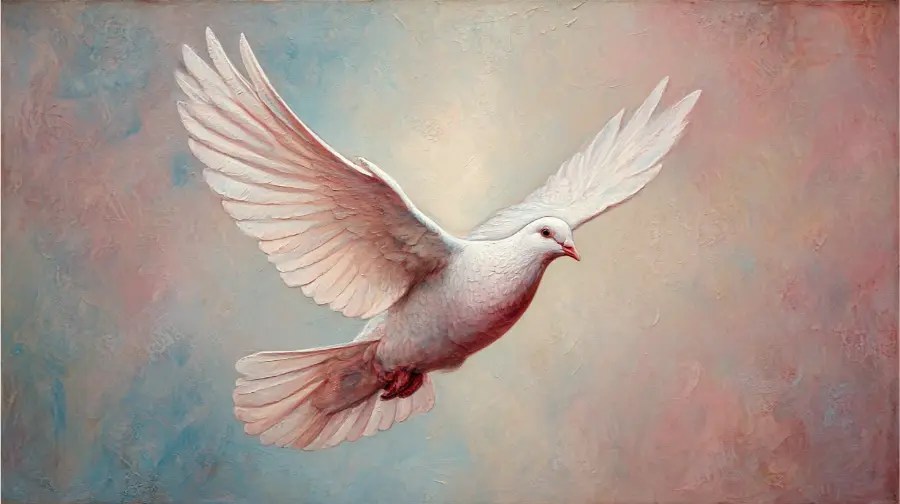
Romans 8:38-39
“For I am convinced that neither death nor life, neither angels nor demons, neither the present nor the future, nor any powers, neither height nor depth, nor anything else in all creation, will be able to separate us from the love of God that is in Christ Jesus our Lord.”
Reflection: This is perhaps the most all-encompassing statement of relational security in all of scripture. It is a systematic dismantling of every conceivable fear. Paul lists every category of power, time, and existence and declares them all insufficient to break our bond with God’s love. For the anxious mind that constantly seeks out new things to worry about, this verse serves as a final, definitive answer. Our secure attachment to God is the single most inviolable reality of our existence.
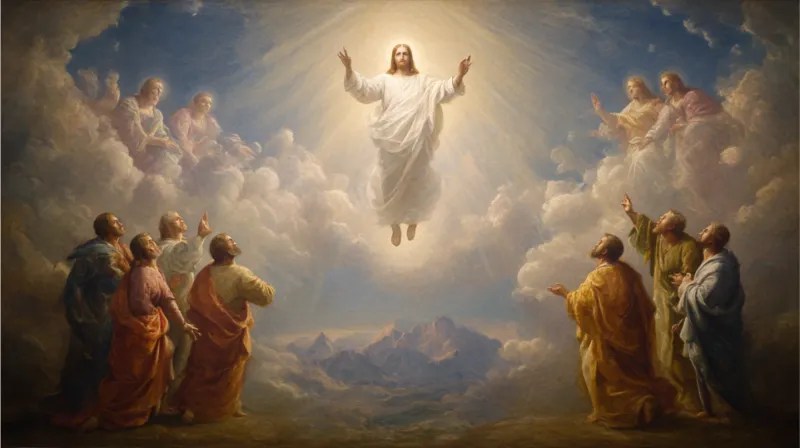
Psalm 27:1
“The Lord is my light and my salvation—whom shall I fear? The Lord is the stronghold of my life—of whom shall I be afraid?”
Reflection: This verse confronts fear with two rhetorical questions whose answers are self-evident if the premise is true. If God is our “light” (guidance through confusion) and “salvation” (rescue from ultimate harm), then the foundation of fear is removed. It teaches us to challenge our own anxieties by forcefully reminding ourselves of God’s character and His role in our lives. It is a declaration of confidence that realigns our emotions with our faith.

Psalm 16:8
“I keep my eyes always on the Lord. With him at my right hand, I will not be shaken.”
Reflection: This verse reveals the connection between our focus and our stability. The feeling of being “shaken” by life is a common human experience. The antidote presented here is a deliberate and continuous orientation of our minds toward God. It is an active process—”I keep my eyes…”—that results in the felt experience of inner stability, knowing He is intimately close, “at my right hand.”

1 Peter 5:10
“And the God of all grace, who called you to his eternal glory in Christ, after you have suffered a little while, will himself restore you and make you strong, firm and steadfast.”
Reflection: This verse holds in tension the reality of suffering with the promise of divine restoration. It validates that we will “suffer a little while,” which prevents a naive faith that denies pain. Yet it casts that suffering within a larger narrative of God’s ultimate purpose: to make us “strong, firm and steadfast.” This gives meaning to our struggles and assures us that God is using even our hardships to build an unshakeable inner character.
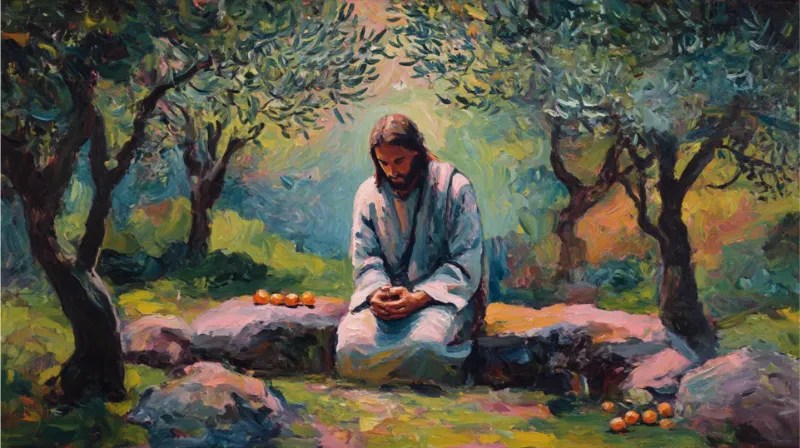
Psalm 138:7
“Though I walk in the midst of trouble, you preserve my life. You stretch out your hand against the anger of my foes; with your right hand you save me.”
Reflection: This acknowledges that faith does not remove us from “the midst of trouble.” The promise is not immunity from trouble, but preservation within it. The imagery of God stretching out His hand is deeply personal and active. It combats feelings of helplessness, assuring us that even when surrounded by hostility or chaos, we are the objects of a direct, powerful, and saving divine intervention.


Leave a Reply