
 English
 Chinese
 Dutch
 Arabic
 Spanish
 Portuguese
 Russian
 French
 Italian
 German
 Japanese
The Psalms speak of God’s love for his people, which the psalmists praise, pray on and hope in. Psalm 136 repeats “His love endures forever” after every line, and Psalm 18:1 and Psalm 116:1 speak the other way, of a person loving God.
The word the NIV translates “love” or “unfailing love” in Psalm 51:1, Psalm 63:3, Psalm 103:8 and the refrain of Psalm 136 is the Hebrew hesed, which Strong’s defines as “kindness; by implication (towards God) piety.” Psalm 86:15 repeats the words God proclaimed to Moses in Exodus 34:6, “compassionate and gracious, slow to anger, abounding in love and faithfulness,” and Psalm 103:8 repeats them as far as “abounding in love.”
What God’s love is like

Psalm 86:15
“But you, Lord, are a compassionate and gracious God, slow to anger, abounding in love and faithfulness.”
Reflection: David is under attack: “Arrogant foes are attacking me, O God; ruthless people are trying to kill me” (verse 14). Speaking to God, he sets against them a description of God taken from Exodus 34:6, where the Lord passed in front of Moses proclaiming himself “compassionate and gracious… slow to anger, abounding in love and faithfulness.” The next verse turns that description into a request: “Turn to me and have mercy on me.”

Psalm 103:11
“For as high as the heavens are above the earth, so great is his love for those who fear him.”
Reflection: Psalm 103 mentions Moses by name (verse 7), and verse 8 repeats part of what God proclaimed to him in Exodus 34:6: “compassionate and gracious, slow to anger, abounding in love.” The psalm then measures that love with distances. Heaven above the earth measures the love for those who fear him, and east from west measures how far sins are removed (verse 12). Verse 13 adds a father’s compassion on his children, again for “those who fear him.”

Psalm 36:7
“How priceless is your unfailing love, O God! People take refuge in the shadow of your wings.”
Reflection: Verse 5 says God’s love “reaches to the heavens,” and verse 7 calls it priceless. The picture of refuge under wings is followed by a meal and a drink: people “feast on the abundance of your house” and drink “from your river of delights,” because “with you is the fountain of life” (verses 8-9).

Psalm 33:5
“The Lord loves righteousness and justice; the earth is full of his unfailing love.”
Reflection: Love here sits beside righteousness and justice: God loves those two things, and the earth is full of his love. The verse before says “the word of the Lord is right and true,” and the verses after describe the heavens made “by the word of the Lord” (verse 6).
Love that endures forever

Psalm 136:1
“Give thanks to the Lord, for he is good. His love endures forever.”
Reflection: Every line of Psalm 136 ends with the same response, “His love endures forever.” The lines run from creation (“who made the great lights,” verse 7) through the exodus (“to him who divided the Red Sea asunder,” verse 13) to “He gives food to every creature” (verse 25). The Hebrew in the refrain is hesed, the word Psalm 51:1 and Psalm 63:3 also use.
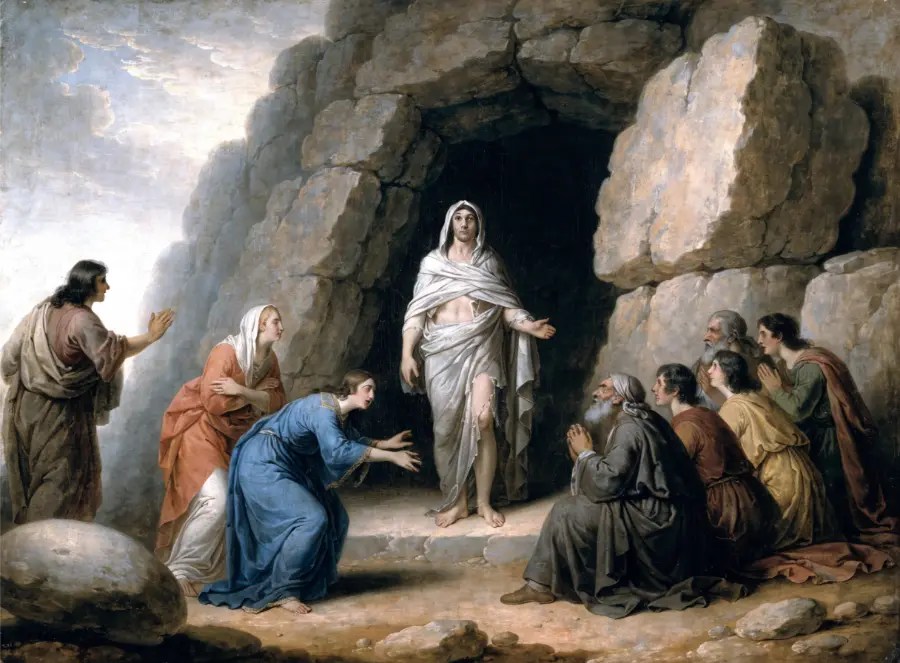
Psalm 100:5
“For the Lord is good and his love endures forever; his faithfulness continues through all generations.”
Reflection: The heading reads “For giving grateful praise,” and the psalm calls “all the earth” to worship. The reason given in verse 3 is that “it is he who made us, and we are his; we are his people, the sheep of his pasture.” Verse 5 then gives the grounds for the thanksgiving at the gates: God is good, his love lasts forever, and his faithfulness reaches every generation.

Psalm 117:2
“For great is his love toward us, and the faithfulness of the Lord endures forever. Praise the Lord.”
Reflection: Psalm 117 has two verses. The first calls on “all you nations” and “all you peoples” to praise the Lord, and the second gives the reason: his great love “toward us” and his faithfulness that lasts forever. The psalm does not say who “us” is; the call to praise goes to every nation, and the reason given is love shown to the speakers.

Psalm 89:1
“I will sing of the Lord’s great love forever; with my mouth I will make your faithfulness known through all generations.”
Reflection: The heading names Ethan the Ezrahite as the author. The love he promises to sing about is tied to a promise in verses 3-4: “I have made a covenant with my chosen one, I have sworn to David my servant, ‘I will establish your line forever and make your throne firm through all generations.’” Verse 2 repeats the claim in other words: “your love stands firm forever.”

Psalm 92:2
“Proclaiming your love in the morning and your faithfulness at night.”
Reflection: Psalm 92 is headed “A psalm. A song. For the Sabbath day.” Verse 1 says “it is good to praise the Lord,” and verse 2 divides the day between love in the morning and faithfulness at night. Verse 3 adds the instruments: “the ten-stringed lyre and the melody of the harp.”
Asking God for his love
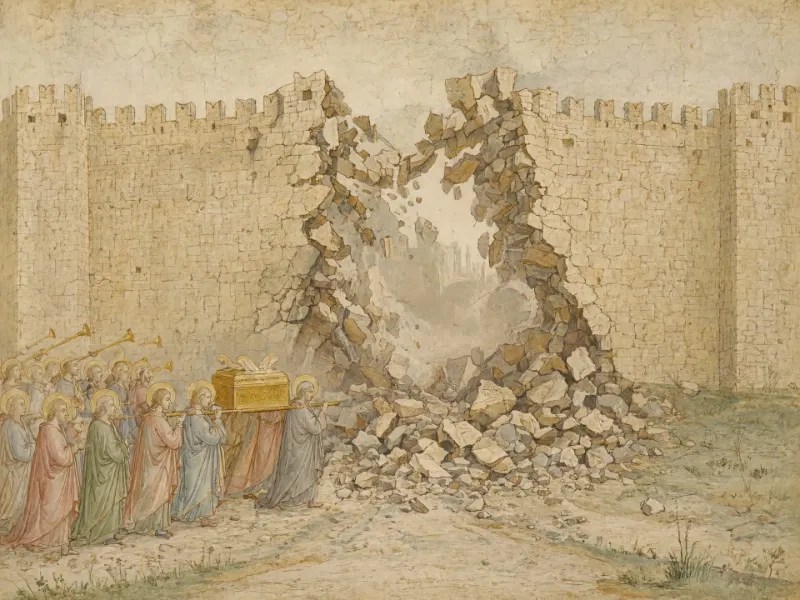
Psalm 51:1
“Have mercy on me, O God, according to your unfailing love; according to your great compassion blot out my transgressions.”
Reflection: The heading places this psalm after the prophet Nathan came to David over his adultery with Bathsheba. David’s appeal rests on God’s character, “according to your unfailing love,” and he goes on to confess: “Against you, you only, have I sinned” (verse 4). The request is for God’s love to take the form of a cleaning: “Wash away all my iniquity and cleanse me from my sin” (verse 2).

Psalm 25:6
“Remember, Lord, your great mercy and love, for they are from of old.”
Reflection: David asks God to remember his own “great mercy and love” and, in verse 7, not to remember “the sins of my youth and my rebellious ways.” Verse 7 ends with the request “according to your love remember me, for you, Lord, are good.”

Psalm 17:7
“Show me the wonders of your great love, you who save by your right hand those who take refuge in you from their foes.”
Reflection: The love David asks to see is the love that saves “those who take refuge in you from their foes.” Verse 8 gives two images for that protection: “Keep me as the apple of your eye; hide me in the shadow of your wings.”

Psalm 31:16
“Let your face shine on your servant; save me in your unfailing love.”
Reflection: The verse before is “My times are in your hands; deliver me from the hands of my enemies.” David calls himself God’s servant and asks to be saved by God’s unfailing love, and in the next verse he asks, “Let me not be put to shame, Lord, for I have cried out to you.”

Psalm 40:11
“Do not withhold your mercy from me, Lord; may your love and faithfulness always protect me.”
Reflection: In verses 9-10 David says he has not hidden God’s love from the great assembly: “I do not conceal your love and your faithfulness.” Verse 11 turns to his own need, asking that the same love and faithfulness he spoke about in public keep him safe.
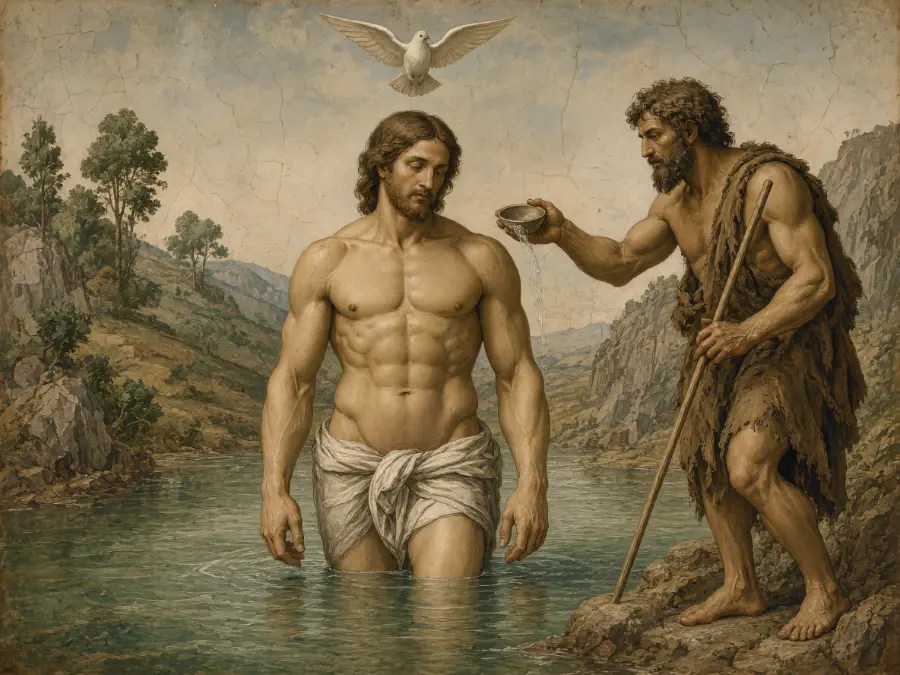
Psalm 90:14
“Satisfy us in the morning with your unfailing love, that we may sing for joy and be glad all our days.”
Reflection: The request follows “Relent, Lord! How long will it be?” (verse 13). The psalm asks for God’s love to come in the morning, and verse 15 asks for gladness measured against the trouble: “Make us glad for as many days as you have afflicted us, for as many years as we have seen trouble.”
Relying on God’s love
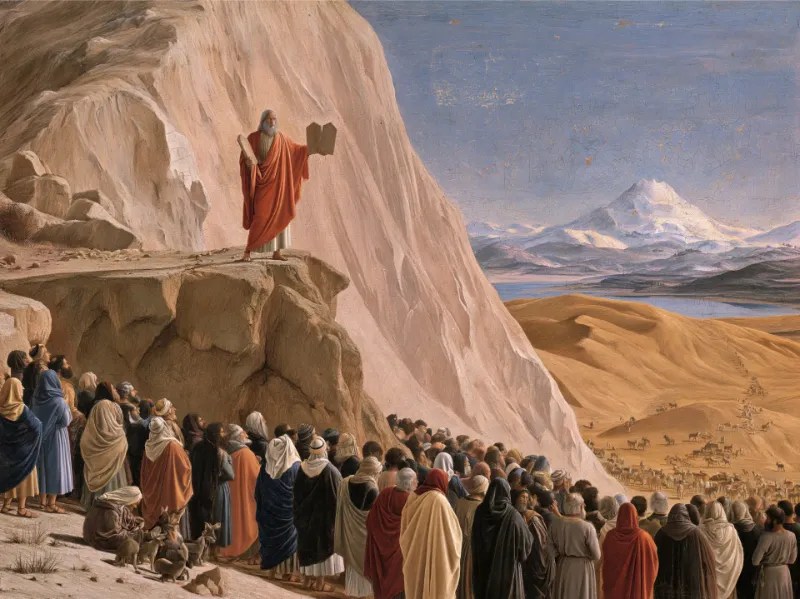
Psalm 130:7
“Israel, put your hope in the Lord, for with the Lord is unfailing love and with him is full redemption.”
Reflection: Psalm 130 begins “Out of the depths I cry to you, Lord” and says “with you there is forgiveness” (verse 4). After the psalmist waits “more than watchmen wait for the morning” (verse 6), he turns to the nation: Israel should hope in the Lord because unfailing love and full redemption are with him. The last verse names what the redemption is from: “He himself will redeem Israel from all their sins.”
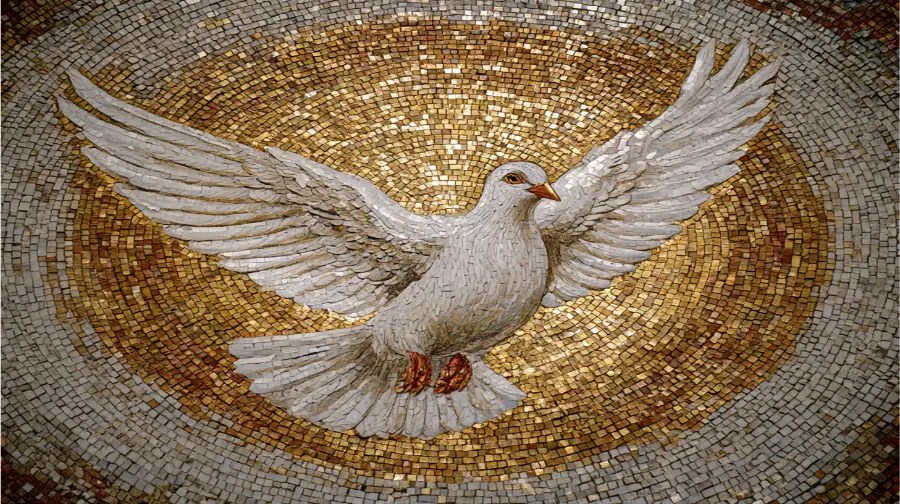
Psalm 33:18
“But the eyes of the Lord are on those who fear him, on those whose hope is in his unfailing love.”
Reflection: Verses 16-17 set this verse against military strength: “No king is saved by the size of his army,” and “a horse is a vain hope for deliverance.” The Lord watches those who hope in his love, “to deliver them from death and keep them alive in famine” (verse 19). The psalm ends with a prayer on the same words: “May your unfailing love be with us, Lord, even as we put our hope in you” (verse 22).
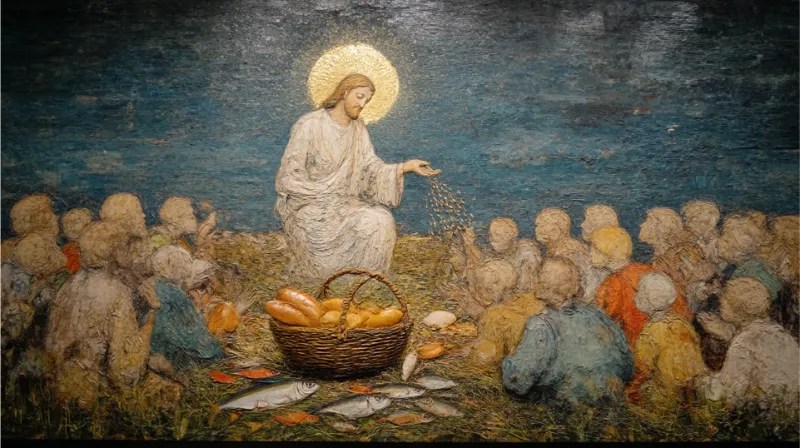
Psalm 63:3
“Because your love is better than life, my lips will glorify you.”
Reflection: The heading places David “in the Desert of Judah,” and verse 1 describes his thirst for God “in a dry and parched land where there is no water.” Against that background he says God’s love is better than life. Verse 4 carries on: “I will praise you as long as I live, and in your name I will lift up my hands.”

Psalm 5:7
“But I, by your great love, can come into your house; in reverence I bow down toward your holy temple.”
Reflection: Verses 4-6 describe those shut out from God’s presence: evil people “are not welcome,” “the arrogant cannot stand in your presence,” and God detests “the bloodthirsty and deceitful.” Verse 7 begins “But I,” and the psalmist gives God’s great love as his reason for entering God’s house.
People who love God, and a king who loves righteousness
Psalm 18:1
“I love you, Lord, my strength.”
Reflection: The heading says David sang this psalm “when the Lord delivered him from the hand of all his enemies and from the hand of Saul.” The verb for “love” here is racham, which Strong’s defines “by implication, to love, especially to compassionate.” Verse 2 goes on to call the Lord “my rock, my fortress and my deliverer.”

Psalm 116:1
“I love the Lord, for he heard my voice; he heard my cry for mercy.”
Reflection: The psalmist loves the Lord because he was heard: “The cords of death entangled me, the anguish of the grave came over me” (verse 3), and he called out, “Lord, save me!” (verse 4). The verb is ahav, the same verb Psalm 97:10 uses for “those who love the Lord.” Verse 2 draws the conclusion: “I will call on him as long as I live.”
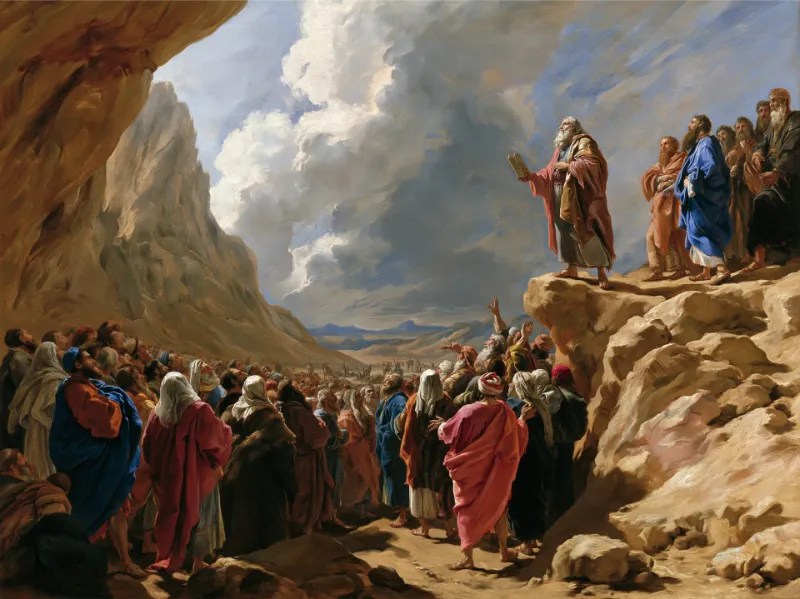
Psalm 97:10
“Let those who love the Lord hate evil, for he guards the lives of his faithful ones and delivers them from the hand of the wicked.”
Reflection: The psalm has just called the Lord “Most High over all the earth” (verse 9). Those who love him are told to hate evil, and the promise attached is protection: he guards “his faithful ones” and rescues them from the wicked. Verse 11 follows with “Light shines on the righteous and joy on the upright in heart.”
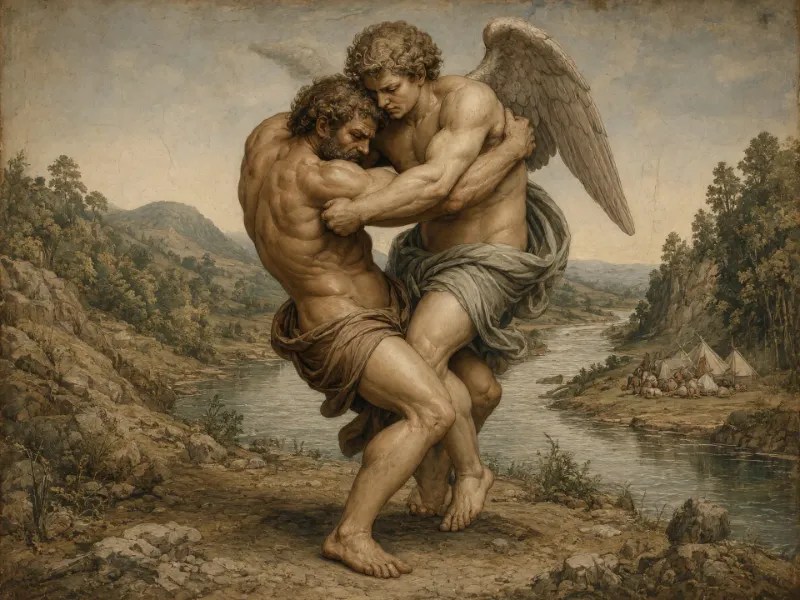
Psalm 45:7
“You love righteousness and hate wickedness; therefore God, your God, has set you above your companions by anointing you with the oil of joy.”
Reflection: The heading calls Psalm 45 “A wedding song,” and verse 1 says it is recited “for the king.” The king’s love of righteousness is given as the reason God anointed him “with the oil of joy.” Hebrews 1:8-9 quotes verses 6 and 7 as spoken “about the Son.”
Praying and singing about God’s love
Psalm 51:1, Psalm 25:6, Psalm 31:16 and Psalm 90:14 are addressed to God and can be prayed as they stand: Psalm 51:1 for forgiveness, Psalm 25:6 and Psalm 31:16 in trouble, Psalm 90:14 at the start of a day. Psalm 136 is written with a response after every line, and Psalm 92 is headed as a song for the Sabbath, with the love of verse 2 set for the morning.


Leave a Reply