
 English
 Chinese
 Dutch
 Arabic
 Spanish
 Portuguese
 Russian
 French
 Italian
 German
 Japanese
The Bible says that God’s love belongs to his own character, lasts forever, and was shown in sending his Son to die for sinners. God calls himself “abounding in love and faithfulness” (Exodus 34:6), Romans 5:8 ties that love to the death of Christ, and 1 John 4:16 says “God is love.”
In Exodus 34:6 and in the refrain of Psalm 136, the Hebrew word translated love is hesed, which also carries the sense of loyalty and faithfulness to a covenant. In the New Testament, the Greek noun for God’s love toward people in Romans 5:8 and 8:39 is agape.
How God describes his own love
Exodus 34:6-7
“And he passed in front of Moses, proclaiming, ‘The Lord, the Lord, the compassionate and gracious God, slow to anger, abounding in love and faithfulness, maintaining love to thousands, and forgiving wickedness, rebellion and sin. Yet he does not leave the guilty unpunished; he punishes the children and their children for the sin of the parents to the third and fourth generation.’”
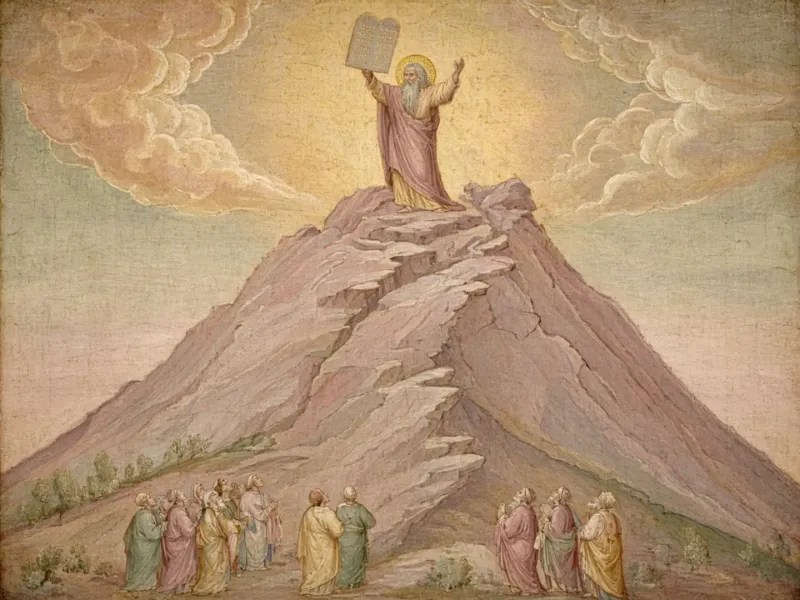
Reflection: The Lord speaks these words about himself on Sinai, when Moses has chiseled two stone tablets to replace the ones he broke and gone back up the mountain (Exodus 34:1-4). Love is named twice: God abounds in it and maintains it “to thousands.” The same sentence goes on to say that he does not leave the guilty unpunished.
Psalm 103:11-12
“For as high as the heavens are above the earth, so great is his love for those who fear him; as far as the east is from the west, so far has he removed our transgressions from us.”
Reflection: Psalm 103:8 echoes Exodus 34:6: “compassionate and gracious, slow to anger, abounding in love.” Verse 11 measures that love by the distance from earth to the heavens, and verse 12 measures the removal of sins by the distance from east to west. The love is described as great toward “those who fear him,” and verse 13 compares the Lord’s compassion to a father’s compassion on his children.

Psalm 136:26
“Give thanks to the God of heaven. His love endures forever.”
Reflection: This is the last verse of a psalm in which every line ends with the same refrain. The psalm walks through creation, the exodus from Egypt, the wilderness and the gift of the land, and the refrain “His love endures forever” follows each line. Near the end, the psalm turns from Israel’s history to daily provision: “He gives food to every creature” (verse 25).
Psalm 36:7
“How priceless is your unfailing love, O God! People take refuge in the shadow of your wings.”
Reflection: The psalm opens with a portrait of the wicked, who have “no fear of God” (verse 1), and then turns to God’s love, which “reaches to the heavens” (verse 5). The shadow of his wings is a picture of shelter. The verses that follow describe the people who take refuge there feasting in God’s house and drinking from his “river of delights.”
Love that chose Israel
Deuteronomy 7:7-8
“The Lord did not set his affection on you and choose you because you were more numerous than other peoples, for you were the fewest of all peoples. But it was because the Lord loved you and kept the oath he swore to your ancestors that he brought you out with a mighty hand and redeemed you from the land of slavery, from the power of Pharaoh king of Egypt.”
Reflection: Israel is told why the Lord chose it out of all the peoples on earth (verse 6). The reason was not its size, since it was “the fewest of all peoples,” but that the Lord loved it and kept his oath to its ancestors. The next verse calls him “the faithful God, keeping his covenant of love to a thousand generations of those who love him and keep his commandments.”
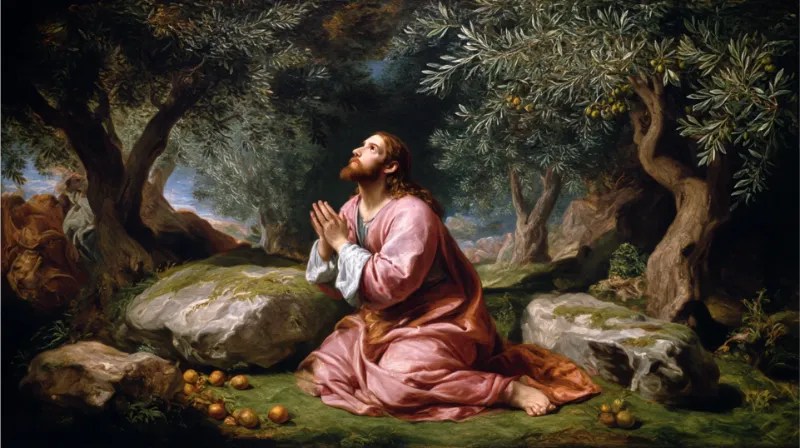
Hosea 11:1-4
“When Israel was a child, I loved him, and out of Egypt I called my son. But the more they were called, the more they went away from me. They sacrificed to the Baals and they burned incense to images. It was I who taught Ephraim to walk, taking them by the arms; but they did not realize it was I who healed them. I led them with cords of human kindness, with ties of love. To them I was like one who lifts a little child to the cheek, and I bent down to feed them.”
Reflection: God speaks of Israel as a son he loved from childhood and called out of Egypt. The pictures are of a parent: teaching a child to walk, lifting it to the cheek, bending down to feed it. Verse 2 says that the more Israel was called, the further it went away. Later in the chapter God asks, “How can I give you up, Ephraim?” and says, “all my compassion is aroused” (verse 8).
Love on the other side of punishment
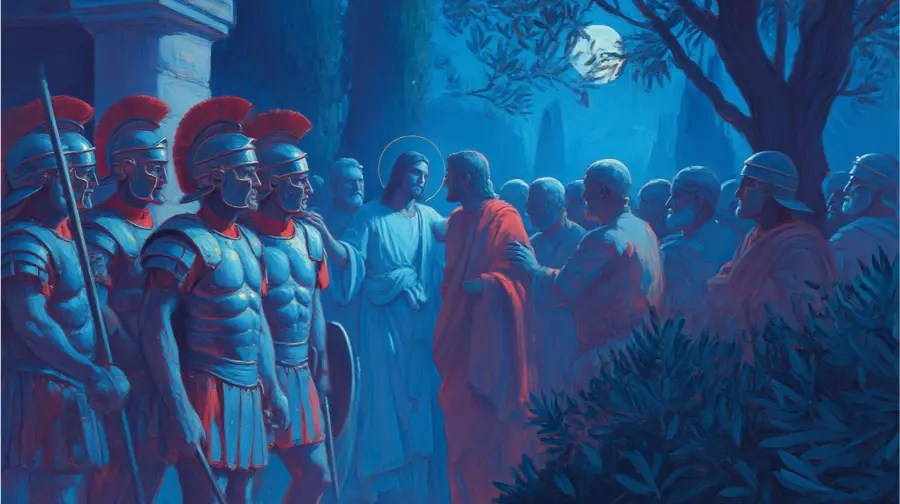
Jeremiah 31:3
“The Lord appeared to us in the past, saying: ‘I have loved you with an everlasting love; I have drawn you with unfailing kindness.’”
Reflection: The chapter speaks of “the people who survive the sword” (verse 2). In verse 3 the people remember a word the Lord spoke to them in the past, “I have loved you with an everlasting love,” and the Lord’s words continue in verse 4 with a promise: “I will build you up again, and you, Virgin Israel, will be rebuilt.”
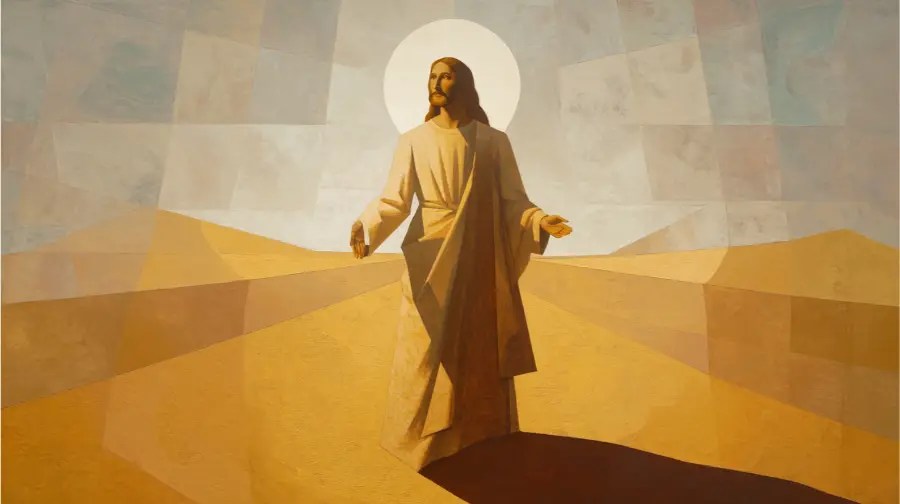
Lamentations 3:22-23
“Because of the Lord’s great love we are not consumed, for his compassions never fail. They are new every morning; great is your faithfulness.”
Reflection: The chapter opens, “I am the man who has seen affliction by the rod of the Lord’s wrath” (verse 1), and by verse 20 the speaker’s soul is “downcast within me.” Verse 21 marks the change: “Yet this I call to mind and therefore I have hope.” What he calls to mind is God’s love and compassion, new every morning, and he concludes, “The Lord is my portion; therefore I will wait for him” (verse 24).
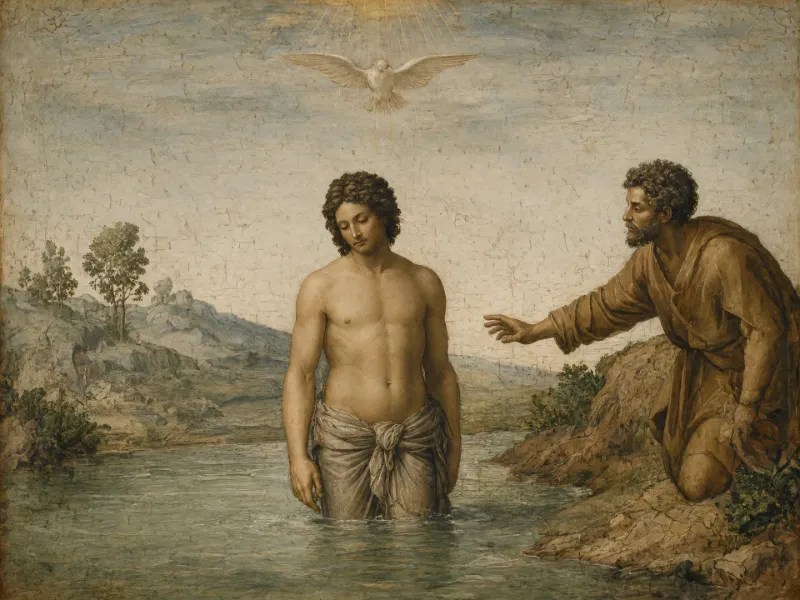
Isaiah 54:10
“‘Though the mountains be shaken and the hills be removed, yet my unfailing love for you will not be shaken nor my covenant of peace be removed,’ says the Lord, who has compassion on you.”
Reflection: God says that “for a brief moment I abandoned you” (verse 7) and compares his new oath to the one he swore after the flood, that the waters would never again cover the earth: “So now I have sworn not to be angry with you, never to rebuke you again” (verse 9). Verse 10 names the mountains and hills as things that may be shaken and says his love will not be. The love is tied to a “covenant of peace.”
Zephaniah 3:17
“The Lord your God is with you, the Mighty Warrior who saves. He will take great delight in you; in his love he will no longer rebuke you, but will rejoice over you with singing.”
Reflection: Earlier in the chapter the Lord announces that he will pour out his wrath on the nations (verse 8) and remove the arrogant from Jerusalem (verse 11). In the song that follows, the Lord “has taken away your punishment” (verse 15), and Jerusalem is told not to fear. The verse pictures God himself singing over his people in delight.
Love that gave the Son
John 3:16
“For God so loved the world that he gave his one and only Son, that whoever believes in him shall not perish but have eternal life.”
Reflection: The verse follows Jesus’ conversation with Nicodemus, a Pharisee who came to him at night (John 3:1-2). In John 3:14 Jesus compares the lifting up of the Son of Man to the snake Moses lifted up in the wilderness; in Numbers 21:9, anyone bitten who looked at that bronze snake lived. The love in this verse is for “the world,” and the gift is offered to “whoever believes.” The next verse states the purpose: “God did not send his Son into the world to condemn the world, but to save the world through him.”
1 John 4:9-10
“This is how God showed his love among us: He sent his one and only Son into the world that we might live through him. This is love: not that we loved God, but that he loved us and sent his Son as an atoning sacrifice for our sins.”
Reflection: Two verses earlier John says that “love comes from God” (verse 7). Verse 9 shows that love in an act: God is the one who sends, and the Son is the one sent, “that we might live through him.” Verse 10 defines love itself from God’s side: “not that we loved God, but that he loved us.”
Romans 8:32
“He who did not spare his own Son, but gave him up for us all—how will he not also, along with him, graciously give us all things?”
Reflection: Verse 31 asks, “If God is for us, who can be against us?” Verse 32 argues from the greater gift to the lesser: God has already given up his own Son for us all, and Paul asks how he will not also, with him, “graciously give us all things.”
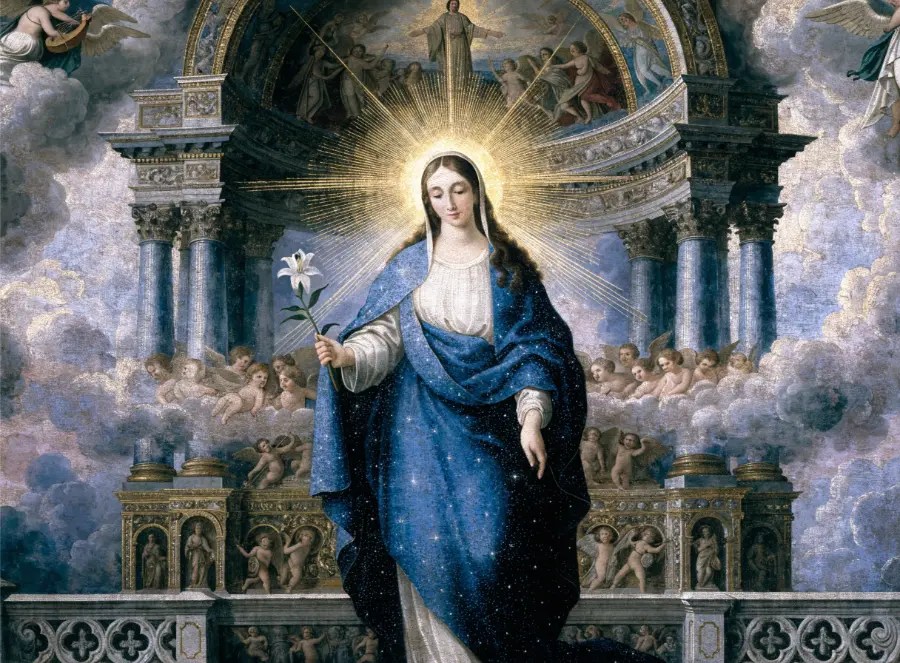
Romans 5:8
“But God demonstrates his own love for us in this: While we were still sinners, Christ died for us.”
Reflection: Paul calls the death of Christ a demonstration of God’s “own love.” The measure of that love is who it was shown to, people who were “still sinners,” and verse 6 says the same with another word, “the ungodly.”
What God’s love gives
Romans 5:5
“And hope does not put us to shame, because God’s love has been poured out into our hearts through the Holy Spirit, who has been given to us.”
Reflection: Paul has just traced a chain from suffering to perseverance, character and hope (Romans 5:3-4). The hope does not disappoint because God’s love has already been “poured out into our hearts” by the Holy Spirit.
Ephesians 2:4-5
“But because of his great love for us, God, who is rich in mercy, made us alive with Christ even when we were dead in transgressions—it is by grace you have been saved.”
Reflection: The chapter opens by describing its readers as “dead in your transgressions and sins” (verse 1), and in verse 3 Paul includes himself: “All of us also lived among them at one time,” and “we were by nature deserving of wrath.” Verse 4 turns on the words “But because of his great love.” God made “us” alive with Christ while still dead, and Paul adds at once, “it is by grace you have been saved.”
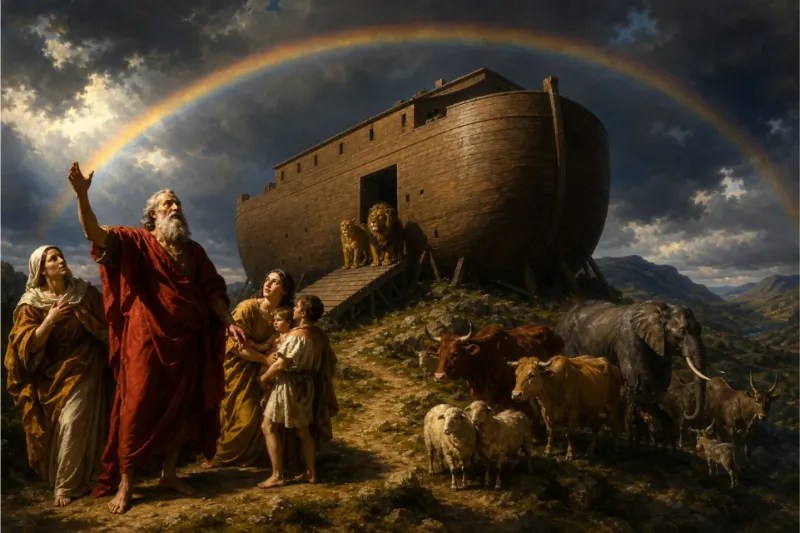
Titus 3:4-7
“But when the kindness and love of God our Savior appeared, he saved us, not because of righteous things we had done, but because of his mercy. He saved us through the washing of rebirth and renewal by the Holy Spirit, whom he poured out on us generously through Jesus Christ our Savior, so that, having been justified by his grace, we might become heirs having the hope of eternal life.”
Reflection: Paul lists what he and his readers once were: “foolish, disobedient, deceived,” living “in malice and envy” (verse 3). The kindness and love of God appeared into that condition. The salvation came from his mercy, not from their righteous acts, and the sentence ends with its purpose: that, justified by grace, “we might become heirs having the hope of eternal life.”

1 John 3:1
“See what great love the Father has lavished on us, that we should be called children of God! And that is what we are! The reason the world does not know us is that it did not know him.”
Reflection: John names what God’s love gives: the status of being called children of God, and he insists that it is real: “And that is what we are!” The next verse adds that what those children will be “has not yet been made known,” but that when Christ appears “we shall be like him.”
Love that nothing in creation can separate from
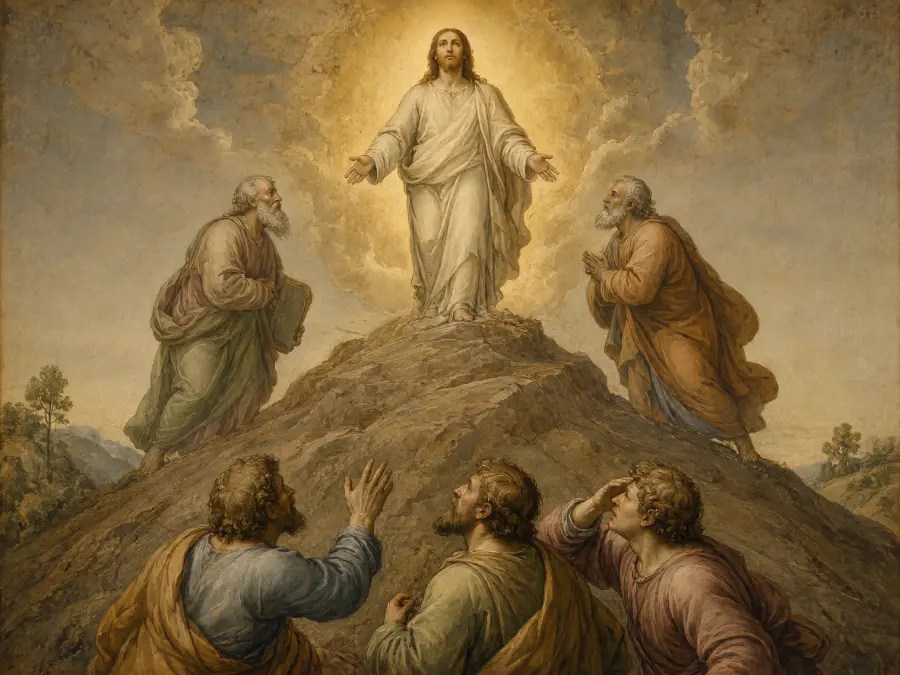
Romans 8:38-39
“For I am convinced that neither death nor life, neither angels nor demons, neither the present nor the future, nor any powers, neither height nor depth, nor anything else in all creation, will be able to separate us from the love of God that is in Christ Jesus our Lord.”
Reflection: Paul says he is “convinced” and names what cannot come between believers and God’s love: death and life, angels and demons, present and future, powers, height and depth, and “anything else in all creation.” He calls it “the love of God that is in Christ Jesus our Lord,” God’s love met in Christ. Earlier in the passage he names God as the one who chose and who justifies (verse 33).
God is love, and love answers him
1 John 4:16
“And so we know and rely on the love God has for us. God is love. Whoever lives in love lives in God, and God in them.”
Reflection: The words “God is love” first appear in verse 8, after “Whoever does not love does not know God.” Verse 16 repeats them and adds that whoever lives in love lives in God, and God in them. The next verse says this love gives “confidence on the day of judgment” (verse 17).

1 John 4:19
“We love because he first loved us.”
Reflection: The verse comes straight after “perfect love drives out fear, because fear has to do with punishment” (verse 18). The NIV gives “We love” no object; the King James Version reads “We love him, because he first loved us.” In both, God’s love comes first.


Leave a Reply