
 English
 Chinese
 Dutch
 Arabic
 Spanish
 Portuguese
 Russian
 French
 Italian
 German
 Japanese
In the Bible, a forgiven person is one whose sin God no longer counts against them. Psalm 32:2 calls that person blessed, and Romans 5:1 names the first thing it brings: peace with God.
The passages below describe the God who forgives (Psalm 130:4), what he does with the sin itself (Psalm 103:12, Isaiah 1:18), the death of Christ as its ground (Ephesians 1:7, 1 Peter 2:24), and what changes for the forgiven: purification (1 John 1:9), a new creation (2 Corinthians 5:17), love (Luke 7:47), and a duty to forgive others (Colossians 3:13).
What the God who forgives is like
Nehemiah 9:17
“But you are a forgiving God, gracious and compassionate, slow to anger and abounding in love. Therefore you did not desert them.”
Reflection: The line belongs to the prayer the Levites lead in Nehemiah 9, after the Israelites gathered in sackcloth and “confessed their sins and the sins of their ancestors” (9:2). It sets God’s character against the wilderness rebellion, and the next verse names the golden calf as one of the things God did not desert them over. The list of what God is like repeats the words he proclaimed to Moses after the calf: “compassionate and gracious … slow to anger, abounding in love” (Exodus 34:6).
Psalm 86:5
“You, Lord, are forgiving and good, abounding in love to all who call to you.”
Reflection: David calls himself “poor and needy” (86:1) and says he calls to God “all day long” (86:3). Verse 5 gives his reason for expecting an answer: God’s forgiveness and love abound “to all who call to you.” The next line goes straight back to the request: “Hear my prayer, Lord; listen to my cry for mercy.”
Psalm 130:4
“But with you there is forgiveness, so that we can, with reverence, serve you.”
Reflection: The psalm cries “out of the depths” and puts a question in verse 3: “If you, Lord, kept a record of sins, Lord, who could stand?” Verse 4 answers it and gives forgiveness a purpose: reverence and service follow from being forgiven. The psalm ends with the hope that God “will redeem Israel from all their sins” (130:8).
What God does with forgiven sin
Psalm 103:12
“as far as the east is from the west, so far has he removed our transgressions from us.”
Reflection: David tells his own soul to “forget not all his benefits,” and the first one he lists is that God “forgives all your sins” (103:3). Verse 10 says God “does not treat us as our sins deserve,” verse 11 measures his love by the height of the heavens, and verse 12 measures the removal of sin by the distance from east to west. Verse 13 compares God’s compassion to a father’s, and verse 14 gives the reason: “he remembers that we are dust.”
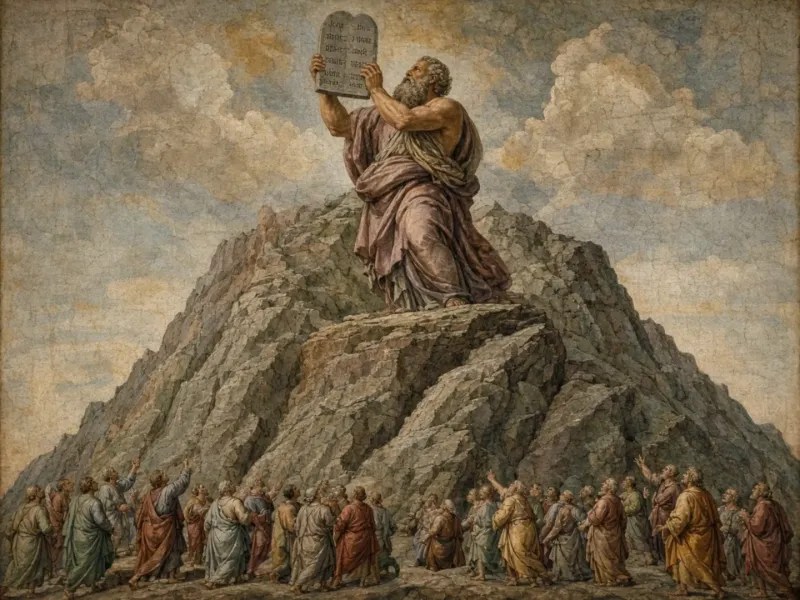
Isaiah 1:18
“‘Come now, let us settle the matter,’ says the Lord. ‘Though your sins are like scarlet, they shall be as white as snow; though they are red as crimson, they shall be like wool.’”
Reflection: The offer is made to people verse 10 calls “rulers of Sodom” and “people of Gomorrah,” whose sacrifices God refuses (1:11-14) and whose prayers he will not hear: “your hands are full of blood” (1:15). It comes after commands to wash, stop doing wrong, seek justice and defend the oppressed (1:16-17). The verses after it set out two outcomes: “If you are willing and obedient, you will eat the good things of the land; but if you resist and rebel, you will be devoured by the sword” (1:19-20).
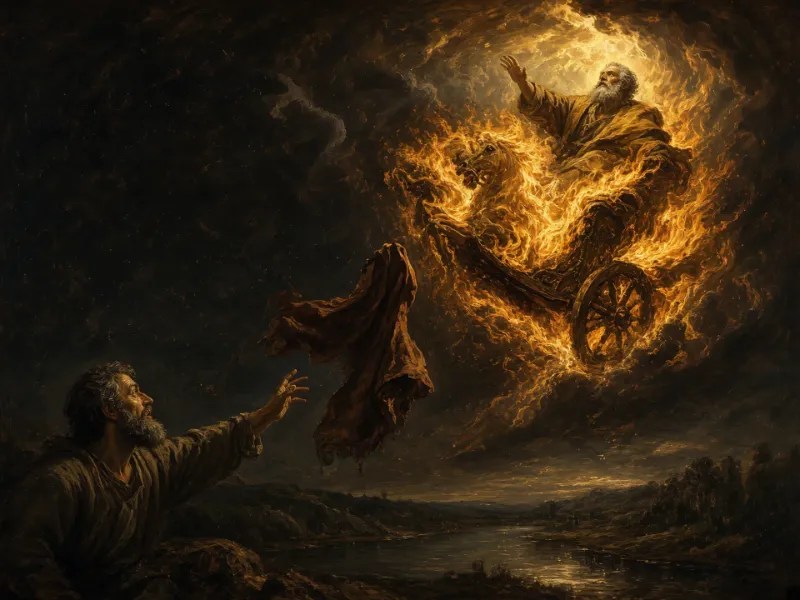
Psalm 32:1-2
“Blessed is the one whose transgressions are forgiven, whose sins are covered. Blessed is the one whose sin the Lord does not count against them and in whose spirit is no deceit.”
Reflection: The psalm opens with two blessings that call the wrongdoing transgressions and sin and say what God does with it: forgives it, covers it, and does not count it. Verses 3-5 tell David’s own case, ending “you forgave the guilt of my sin.” Paul quotes verses 1-2 in Romans 4:7-8 as David speaking of “the one to whom God credits righteousness apart from works” (4:6).
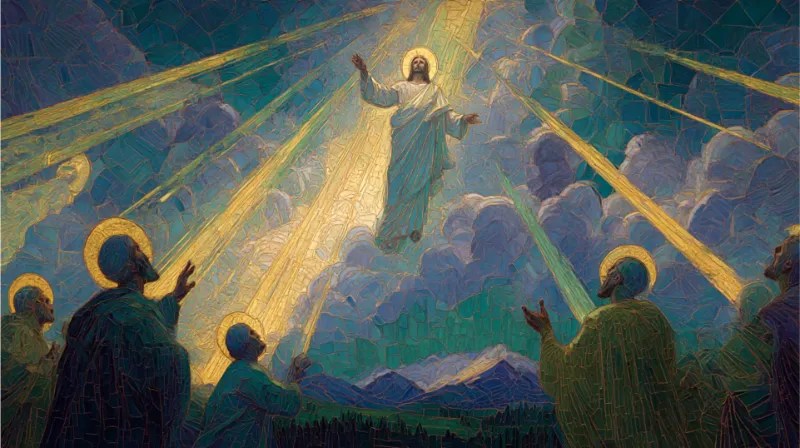
Isaiah 43:25
“I, even I, am he who blots out your transgressions, for my own sake, and remembers your sins no more.”
Reflection: The verses before it are a charge against Israel: they have not called on God or honoured him with sacrifices, but “you have burdened me with your sins and wearied me with your offenses” (43:24). The pardon follows the charge directly, with no act of Israel’s recorded between them, and the reason God gives is “for my own sake.”
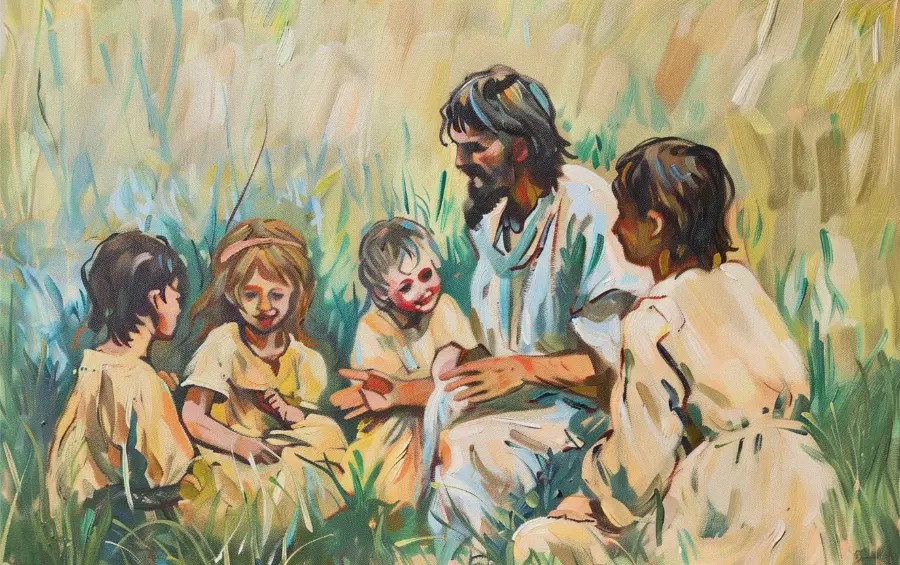
Micah 7:19
“You will again have compassion on us; you will tread our sins underfoot and hurl all our iniquities into the depths of the sea.”
Reflection: These lines belong to the hymn that closes Micah’s book, which begins “Who is a God like you, who pardons sin” (7:18) and says God does not stay angry forever but “delight[s] to show mercy.” Verse 19 pictures sins trampled underfoot and thrown into the depths of the sea. Verse 20 adds that God will be faithful to Jacob and show love to Abraham, “as you pledged on oath to our ancestors.”
What forgiveness cost
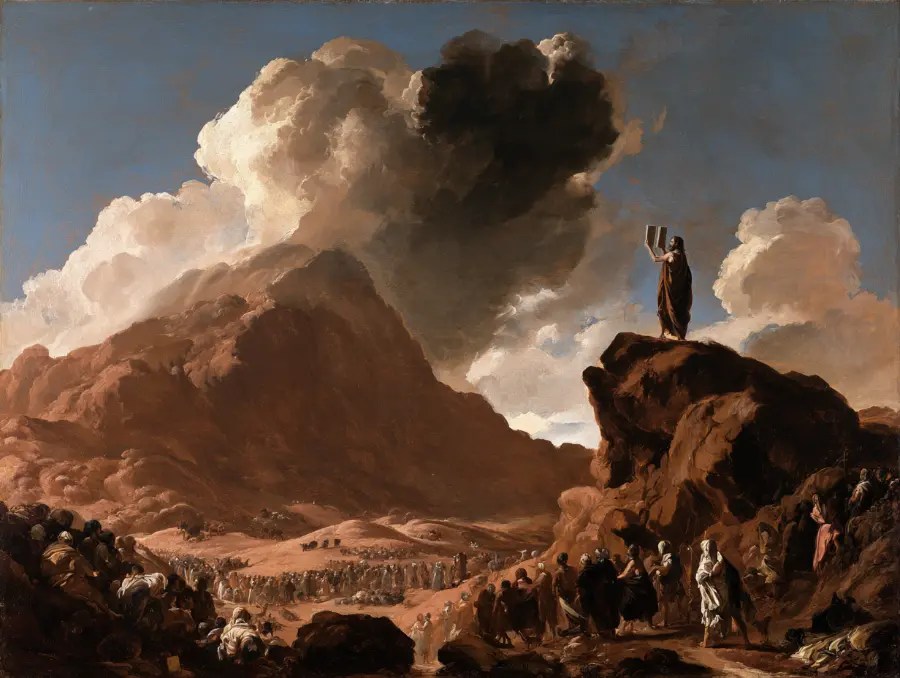
Ephesians 1:7
“In him we have redemption through his blood, the forgiveness of sins, in accordance with the riches of God’s grace.”
Reflection: The verse belongs to the praise that opens the letter, for “every spiritual blessing in Christ” (1:3). Forgiveness is listed after God’s choosing us “to be holy and blameless” (1:4) and adopting us (1:5), and its cost is named: redemption “through his blood.” The measure of it is grace “that he lavished on us” (1:8). Colossians 1:14 uses the same phrase “redemption, the forgiveness of sins.”
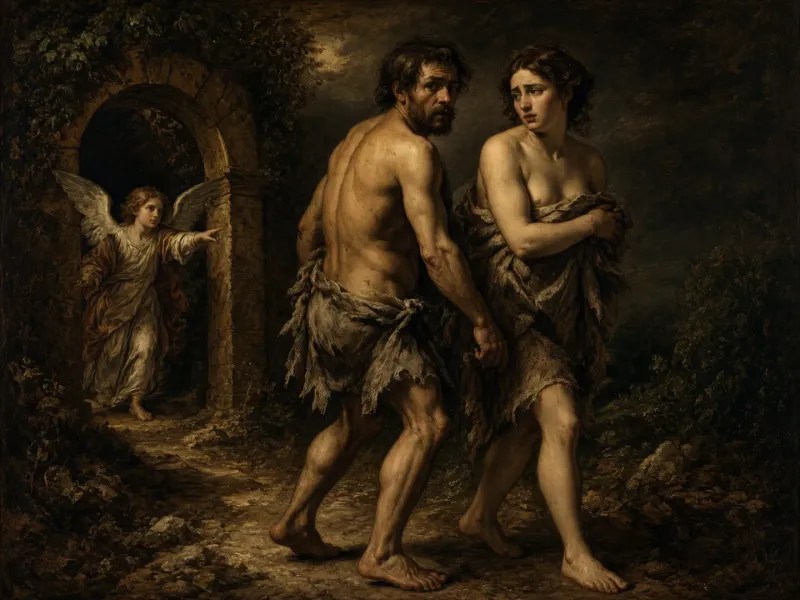
Hebrews 9:22
“In fact, the law requires that nearly everything be cleansed with blood, and without the shedding of blood there is no forgiveness.”
Reflection: The verse sums up what the law did at Sinai, where Moses sprinkled the scroll, the people, the tabernacle and its vessels with blood (9:19-21). “Nearly everything” is exact: the law let a person who could not afford two doves bring flour as a sin offering, “and they will be forgiven” (Leviticus 5:11-13). The writer then turns to Christ, who “appeared once for all … to do away with sin by the sacrifice of himself” (9:26).
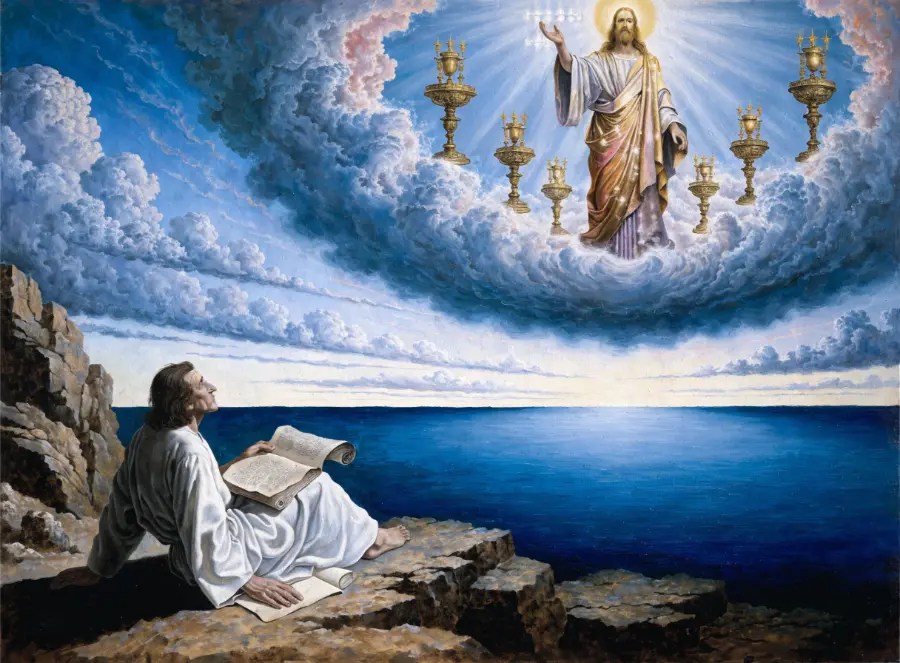
1 Peter 2:24
“‘He himself bore our sins’ in his body on the cross, so that we might die to sins and live for righteousness; ‘by his wounds you have been healed.’”
Reflection: Peter is addressing slaves, including those whose masters are harsh (2:18), and he points them to Christ, who suffered without retaliating. The quoted lines come from Isaiah 53, and Peter names what Christ’s bearing of sins was for: “so that we might die to sins and live for righteousness.” Verse 25 finishes Isaiah’s picture of straying sheep: “now you have returned to the Shepherd and Overseer of your souls.”
What changes for the person forgiven

1 John 1:9
“If we confess our sins, he is faithful and just and will forgive us our sins and purify us from all unrighteousness.”
Reflection: John is writing to people he calls “my dear children” (2:1), and the promise sits between two false claims: to be without sin (1:8) and to have never sinned (1:10). The forgiven person receives two things, forgiveness of sins and purification “from all unrighteousness,” and the promise rests on God being “faithful and just.” Two verses later John names Jesus Christ as the advocate of anyone who sins and “the atoning sacrifice for our sins” (2:1-2).
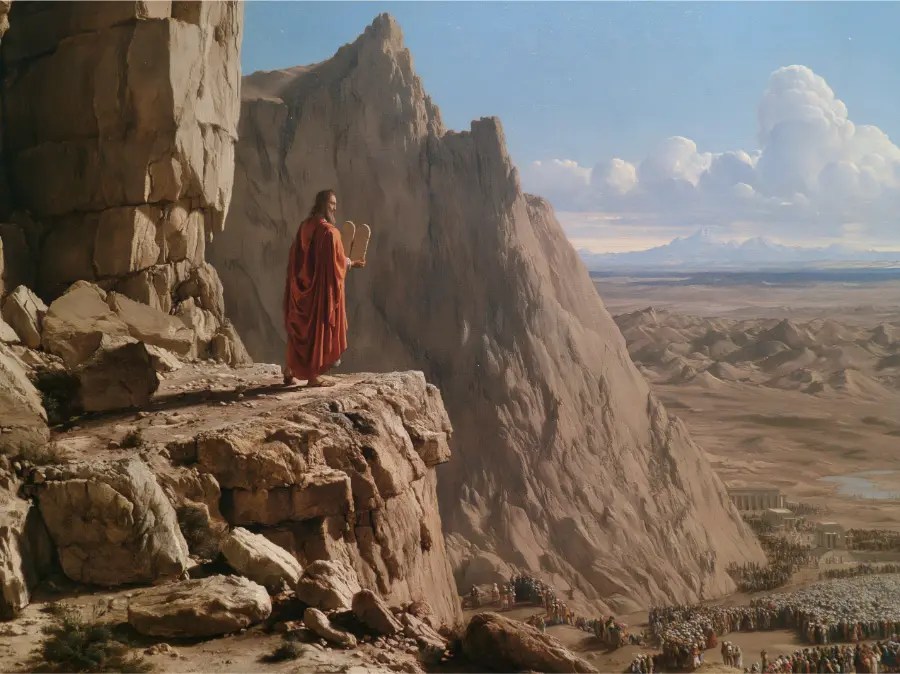
Colossians 1:13-14
“For he has rescued us from the dominion of darkness and brought us into the kingdom of the Son he loves, in whom we have redemption, the forgiveness of sins.”
Reflection: These verses close the prayer Paul began in 1:9, which ends in thanks to the Father “who has qualified you to share in the inheritance of his holy people” (1:12). The rescue is described as a transfer from one rule to another, and in the Son “we have redemption, the forgiveness of sins.”

Romans 5:1
“Therefore, since we have been justified through faith, we have peace with God through our Lord Jesus Christ.”
Reflection: “Therefore” looks back to Romans 4, where Abraham’s faith is credited as righteousness and Psalm 32 is quoted on the forgiven. The first result Paul names is peace with God, and verse 2 adds “access by faith into this grace in which we now stand.” Verse 10 says what the peace replaced: “while we were God’s enemies, we were reconciled to him through the death of his Son.”
2 Corinthians 5:17
“Therefore, if anyone is in Christ, the new creation has come: The old has gone, the new is here!”
Reflection: Paul places the new creation inside his account of reconciliation. Two verses later God is “reconciling the world to himself in Christ, not counting people’s sins against them” (5:19), the phrase Psalm 32:2 uses of the forgiven person. Verse 19 adds that God “has committed to us the message of reconciliation,” and verse 21 states the exchange: God “made him who had no sin to be sin for us, so that in him we might become the righteousness of God.”
Luke 7:47
“Therefore, I tell you, her many sins have been forgiven—as her great love has shown. But whoever has been forgiven little loves little.”
Reflection: At dinner in the house of a Pharisee named Simon, a woman “who lived a sinful life” wets Jesus’ feet with her tears and pours perfume on them. Jesus answers Simon’s unspoken objection with a story of two debtors whose debts are both cancelled, and Simon agrees that the one forgiven more will love more (7:41-43). In the story the love follows the cancelled debt, and the NIV renders verse 47 the same way: her love shows how much has been forgiven. Jesus then tells her, “Your sins are forgiven” and “go in peace” (7:48, 50).
Forgiving others
Colossians 3:13
“Bear with each other and forgive one another if any of you has a grievance against someone. Forgive as the Lord forgave you.”
Reflection: The command sits in a list of what God’s people are to “clothe yourselves with” (3:12), and they are called “chosen …, holy and dearly loved” before being told to do anything. The measure for forgiving others is the forgiveness already received: “Forgive as the Lord forgave you.” Ephesians 4:32 makes the same comparison.
Luke 6:37
“Do not judge, and you will not be judged. Do not condemn, and you will not be condemned. Forgive, and you will be forgiven.”
Reflection: In the sermon Jesus gives on “a level place” (6:17), this follows “Be merciful, just as your Father is merciful” (6:36). Each command is paired with its return, and verse 38 states the rule: “with the measure you use, it will be measured to you.” Matthew sets the same teaching straight after the Lord’s Prayer, with the negative spelled out: “if you do not forgive others their sins, your Father will not forgive your sins” (Matthew 6:15).
Praying Psalm 86:5, Psalm 130:3-4 and Nehemiah 9:17
Psalm 86:5 and Psalm 130:3-4 are addressed to God and can be prayed as written; both state what God is like as the ground of the request. Nehemiah 9:17 comes from a community’s prayer of confession and suits a congregation praying together.
Psalm 130 records no answer: after verse 4 the psalmist waits “more than watchmen wait for the morning” (130:6). Luke 7:48 is the opposite case, a person told in so many words, “Your sins are forgiven.”


Leave a Reply