
 English
 Chinese
 Dutch
 Arabic
 Spanish
 Portuguese
 Russian
 French
 Italian
 German
 Japanese
The Bible often puts forgiveness and healing in the same sentence. Psalm 103:3 praises the Lord “who forgives all your sins and heals all your diseases,” and in Mark 2:5-12 Jesus forgives a paralyzed man and then heals him so that his critics will know he has authority to forgive sins.
Other passages join the two in a prayer (Psalm 41:4), in a church’s care for the sick (James 5:14-16), in a promise to a whole land (2 Chronicles 7:14) and in the suffering servant of Isaiah 53:5, “by his wounds we are healed.” Later sections take each half separately: God’s forgiveness of sin (Psalm 103:12, 1 John 1:9, Micah 7:19), the command to forgive other people (Matthew 6:14-15, Matthew 18:21-22), and the Lord as healer, ending with the promise of Revelation 21:4 that there will be no more pain.
Where forgiveness and healing meet
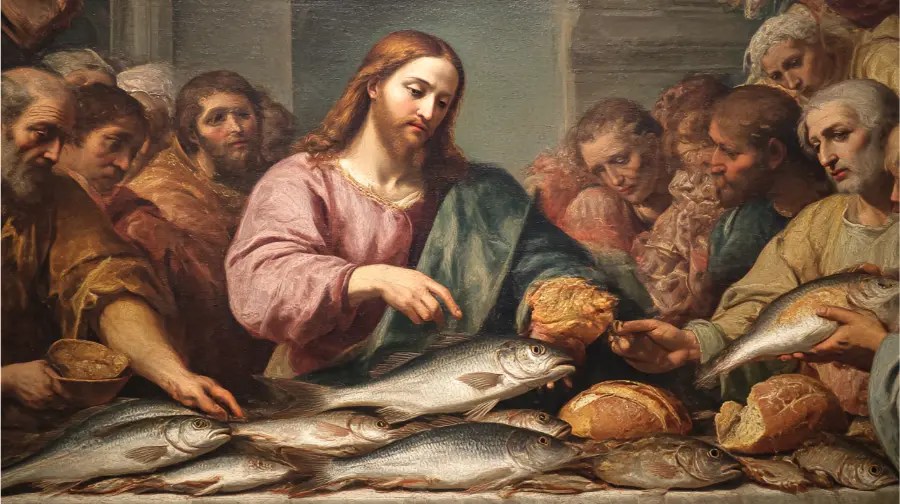
Psalm 103:3
“who forgives all your sins and heals all your diseases,”
Reflection: David’s psalm opens by telling his own soul to “forget not all his benefits,” and these two clauses head the list. The benefits that follow continue it: the Lord “redeems your life from the pit” and renews youth “like the eagle’s” (verses 4-5).
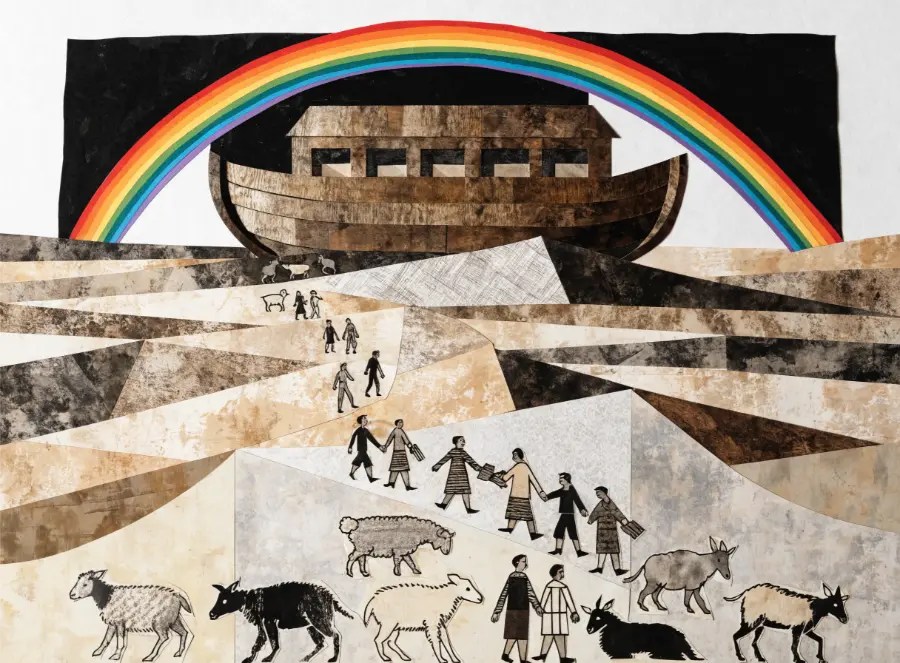
Psalm 41:4
“I said, ‘Have mercy on me, LORD; heal me, for I have sinned against you.’”
Reflection: Psalm 41 begins with a blessing on those who have regard for the weak and says the Lord “restores them from their bed of illness” (verse 3). David’s own prayer follows, and he asks for mercy and healing while naming his sin in the same line.
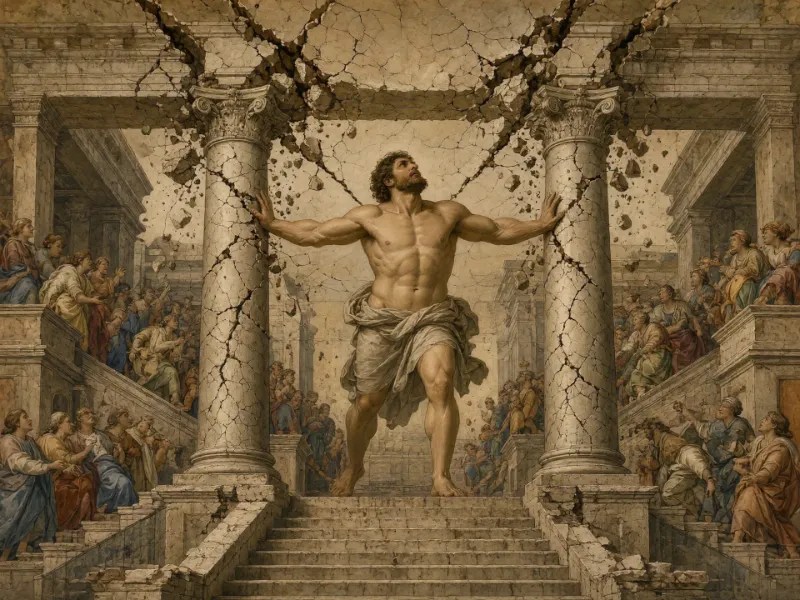
Psalm 32:3-5
“When I kept silent, my bones wasted away through my groaning all day long. For day and night your hand was heavy on me; my strength was sapped as in the heat of summer. Then I acknowledged my sin to you and did not cover up my iniquity. I said, ‘I will confess my transgressions to the LORD.’ And you forgave the guilt of my sin.”
Reflection: The psalm opens, “Blessed is the one whose transgressions are forgiven” (verse 1), and then David describes the time before he confessed: bones wasting away and strength sapped “as in the heat of summer.” He describes his silence about the sin in bodily terms, and the turn comes in verse 5, when he acknowledges it and is forgiven.

Mark 2:5
“When Jesus saw their faith, he said to the paralyzed man, ‘Son, your sins are forgiven.’”
Reflection: Four men had dug through a roof to lower a paralyzed man to Jesus, and he spoke first about the man’s sins. Teachers of the law sitting there thought to themselves, “Who can forgive sins but God alone?” Jesus then told the man to get up and walk, so that they would “know that the Son of Man has authority on earth to forgive sins” (verse 10). Luke 5:17-26 tells the same event.
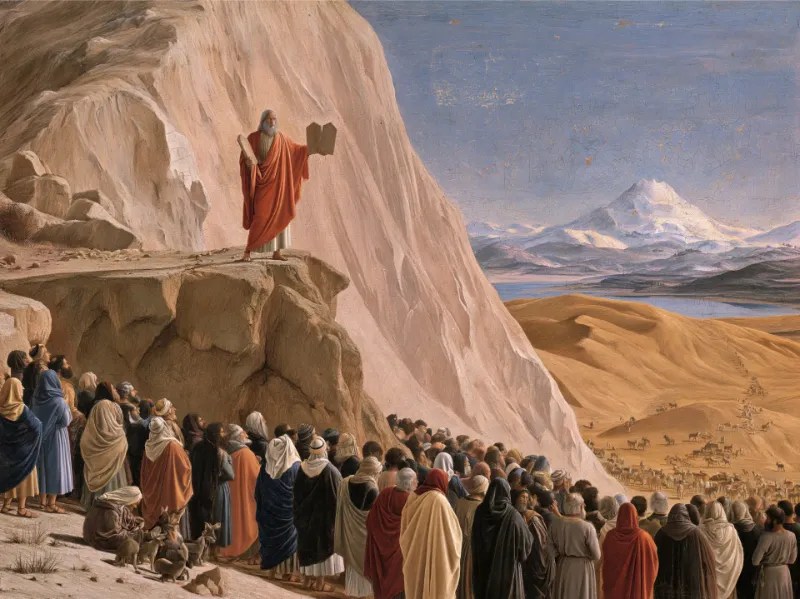
James 5:16
“Therefore confess your sins to each other and pray for each other so that you may be healed. The prayer of a righteous person is powerful and effective.”
Reflection: James has just described a sick believer calling the elders of the church to pray and anoint with oil (verse 14). Verse 15 says the prayer offered in faith “will make the sick person well” and adds, “If they have sinned, they will be forgiven.” Verse 16 widens the practice from the elders to every believer: confess to each other and pray for each other so that you may be healed.
2 Chronicles 7:14
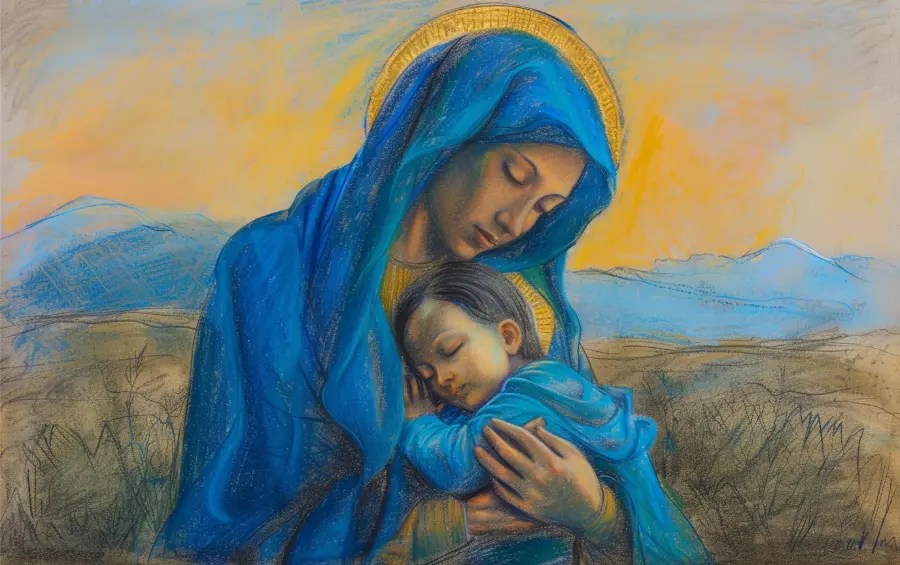
“if my people, who are called by my name, will humble themselves and pray and seek my face and turn from their wicked ways, then I will hear from heaven, and I will forgive their sin and will heal their land.”
Reflection: The Lord appears to Solomon at night after the temple and the palace are finished and says, “I have heard your prayer” (verse 12). Verse 13 names the occasions the promise covers: no rain, locusts, or plague. The healing promised is for the land, and it follows the people humbling themselves, praying and turning from their ways, with forgiveness in the same sentence.

Isaiah 53:5
“But he was pierced for our transgressions, he was crushed for our iniquities; the punishment that brought us peace was on him, and by his wounds we are healed.”
Reflection: The servant in Isaiah 53 suffers for others: “the LORD has laid on him the iniquity of us all” (verse 6). Two New Testament passages apply its lines about healing. Matthew 8:16-17 cites verse 4, “He took up our infirmities and bore our diseases,” after Jesus healed all the sick brought to him, and 1 Peter 2:24 cites this verse, “by his wounds you have been healed,” after saying that Christ “himself bore our sins” on the cross.
How God forgives sin

Psalm 103:12
“as far as the east is from the west, so far has he removed our transgressions from us.”
Reflection: Later in the same psalm, David measures the Lord’s love by the height of the heavens above the earth (verse 11) and the removal of sin by the distance from east to west. Verse 10 says the Lord “does not treat us as our sins deserve,” and verse 14 gives the reason for his compassion: “he remembers that we are dust.”
1 John 1:9
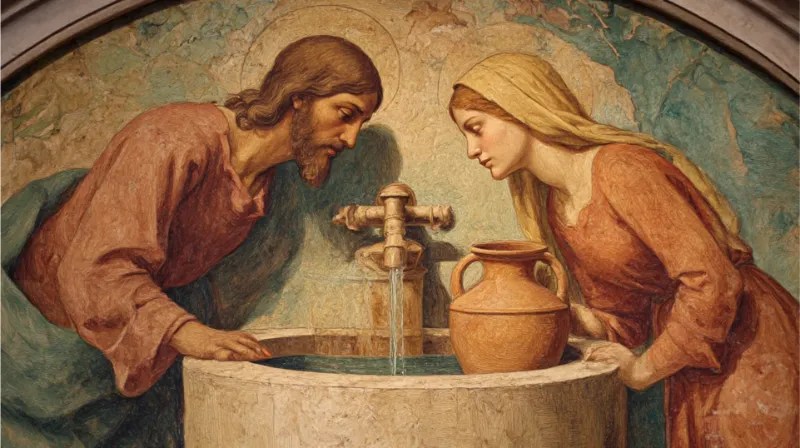
“If we confess our sins, he is faithful and just and will forgive us our sins and purify us from all unrighteousness.”
Reflection: John sets the promise between two warnings: claiming to be without sin is self-deception (verse 8), and claiming not to have sinned makes God out to be a liar (verse 10). The promise goes beyond pardon to purifying “from all unrighteousness,” and in 2:1-2 John names Jesus Christ as the advocate with the Father and “the atoning sacrifice for our sins.”

Isaiah 1:18
“‘Come now, let us settle the matter,’ says the LORD. ‘Though your sins are like scarlet, they shall be as white as snow; though they are red as crimson, they shall be like wool.’”
Reflection: The invitation comes in the middle of a charge against Judah and Jerusalem (1:1). Verses 16-17 have just told the people to wash, stop doing wrong, seek justice and defend the fatherless and the widow, and verses 19-20 set out two outcomes: the good things of the land if they are willing and obedient, the sword if they resist.
Micah 7:19
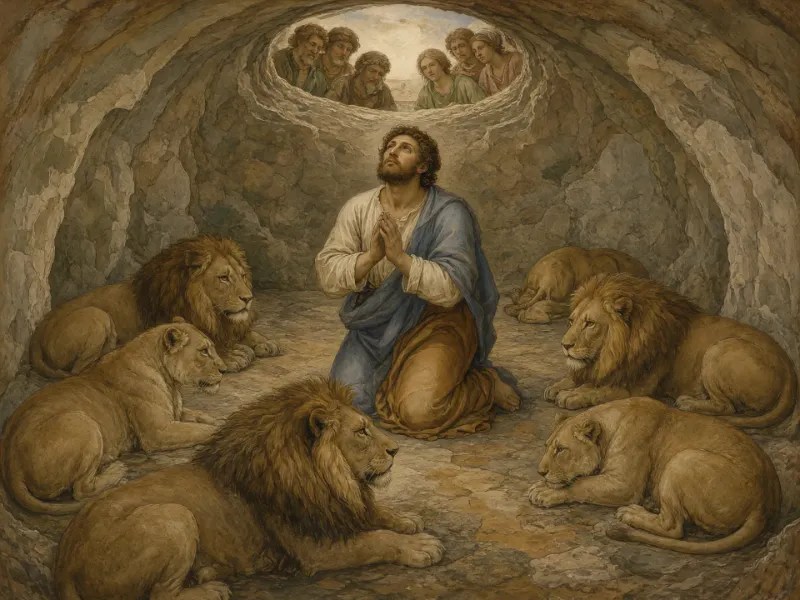
“You will again have compassion on us; you will tread our sins underfoot and hurl all our iniquities into the depths of the sea.”
Reflection: Near its end, Micah’s book asks a question, “Who is a God like you, who pardons sin and forgives the transgression of the remnant of his inheritance?” (verse 18). Verse 19 answers it with two pictures, sins trodden underfoot and thrown into the sea, and verse 20 grounds the promise in the oath sworn to Jacob and Abraham.
Daniel 9:9
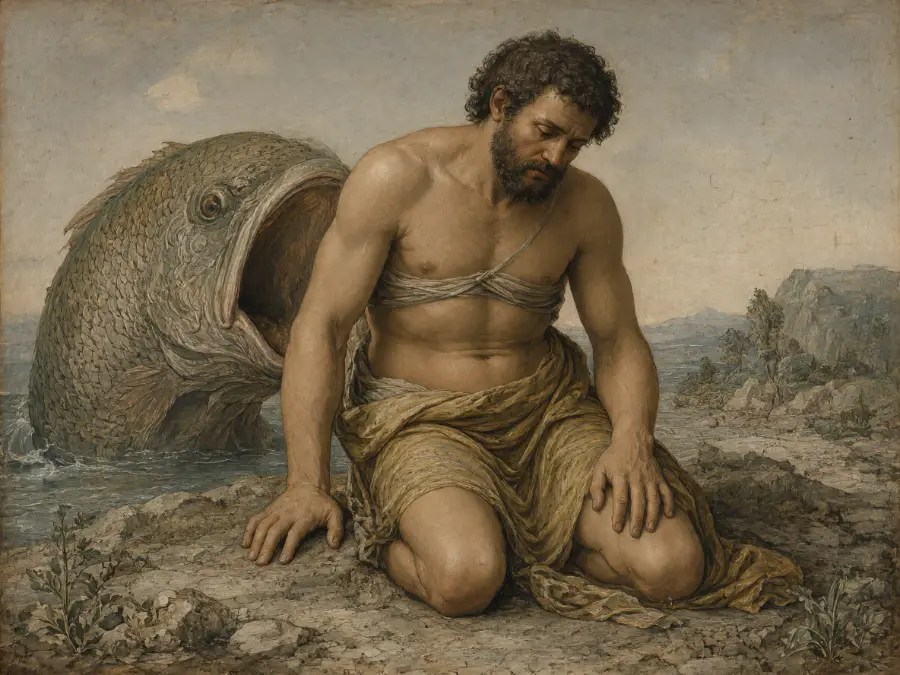
“The Lord our God is merciful and forgiving, even though we have rebelled against him.”
Reflection: Daniel’s prayer confesses the sins of Judah, Jerusalem and all Israel at length, and this verse sets the Lord’s mercy against that record. Verse 18 states the basis of the request, “We do not make requests of you because we are righteous, but because of your great mercy,” and the prayer ends, “Lord, listen! Lord, forgive!” (verse 19).
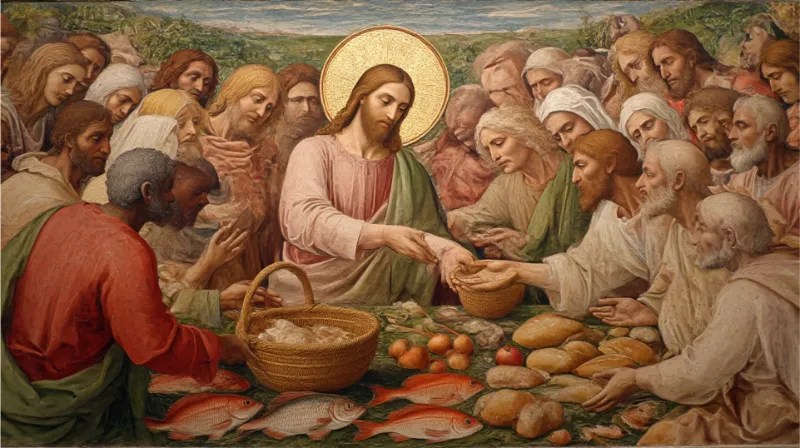
Ephesians 1:7
“In him we have redemption through his blood, the forgiveness of sins, in accordance with the riches of God’s grace.”
Reflection: Paul names redemption and forgiveness together, both “in him” and “through his blood.” The Greek word for forgiveness here is aphesis, release, the same word Luke 4:18 uses for freedom for the prisoners.
Forgiving other people
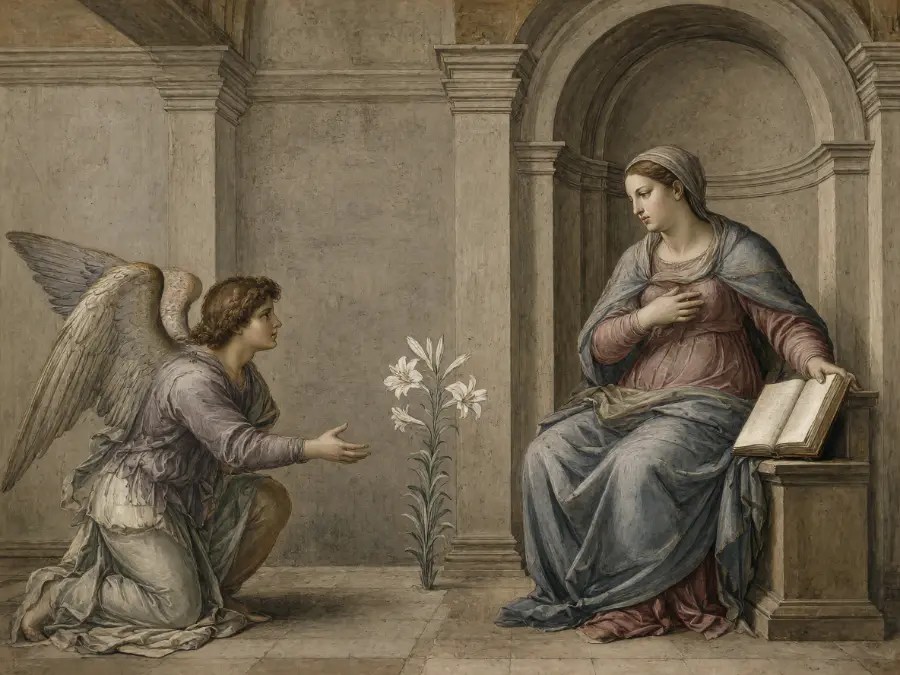
Matthew 6:14-15
“For if you forgive other people when they sin against you, your heavenly Father will also forgive you. But if you do not forgive others their sins, your Father will not forgive your sins.”
Reflection: Jesus says these two sentences straight after the Lord’s Prayer, and they explain one line of it: “And forgive us our debts, as we also have forgiven our debtors” (verse 12). Verse 15 states the negative plainly: the one who does not forgive others will not be forgiven.

Matthew 18:21-22
“Then Peter came to Jesus and asked, ‘Lord, how many times shall I forgive my brother or sister who sins against me? Up to seven times?’ Jesus answered, ‘I tell you, not seven times, but seventy-seven times.’”
Reflection: Peter offered seven times, and Jesus answered with seventy-seven. The parable that follows (verses 23-35) shows why: a king cancels a servant’s debt of ten thousand bags of gold, that servant has a man jailed over a hundred silver coins, and the king hands him over to the jailers. Jesus ends, “This is how my heavenly Father will treat each of you unless you forgive your brother or sister from your heart.”
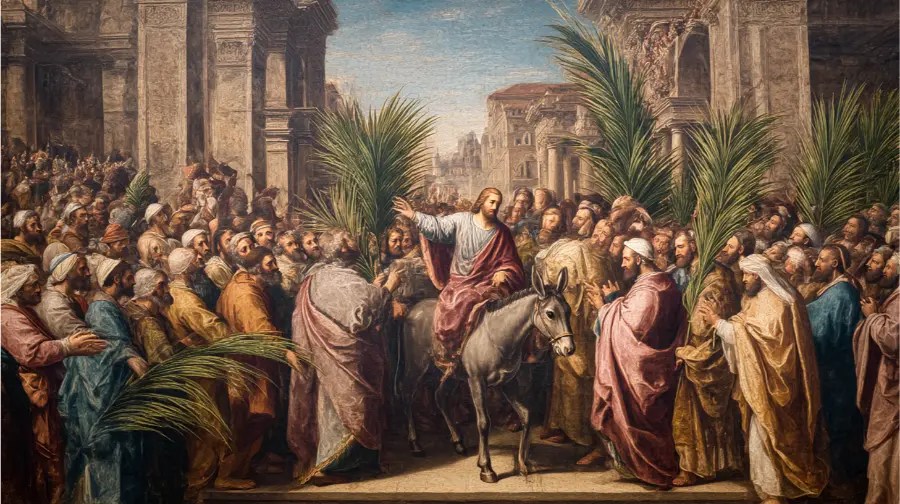
Ephesians 4:32
“Be kind and compassionate to one another, forgiving each other, just as in Christ God forgave you.”
Reflection: The command follows a list of what to get rid of: “all bitterness, rage and anger, brawling and slander, along with every form of malice” (verse 31). The measure is God’s forgiveness in Christ, the same measure Colossians 3:13 gives: “Forgive as the Lord forgave you.”
The Lord who heals

Psalm 147:3
“He heals the brokenhearted and binds up their wounds.”
Reflection: Psalm 147 places this verse between the Lord gathering “the exiles of Israel” (verse 2) and determining the number of the stars and calling each by name (verse 4). The psalm opens, “Praise the LORD. How good it is to sing praises to our God, how pleasant and fitting to praise him!”
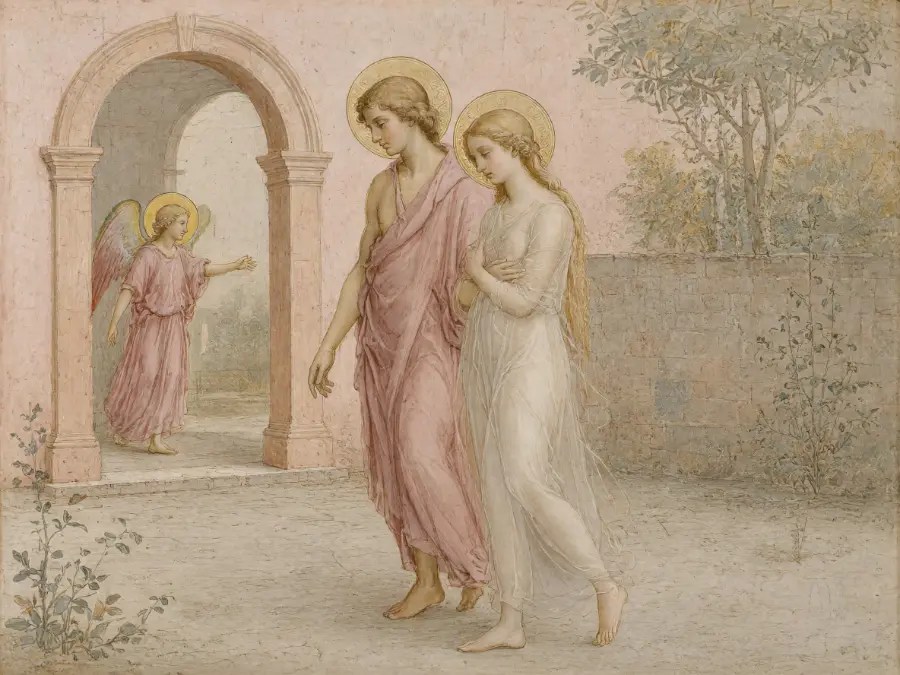
Jeremiah 17:14
“Heal me, LORD, and I will be healed; save me and I will be saved, for you are the one I praise.”
Reflection: Jeremiah prays this after saying that those who forsake the Lord, “the spring of living water,” will be put to shame (verse 13). He asks for healing and salvation in parallel lines, and the reason he gives is praise: “for you are the one I praise.”
Psalm 30:2
“LORD my God, I called to you for help, and you healed me.”
Reflection: The heading calls Psalm 30 a song for the dedication of the temple. David says the Lord lifted him “out of the depths” and spared him from going down to the pit (verses 1 and 3), and verse 5 sets the Lord’s anger, which “lasts only a moment,” against his favor, which “lasts a lifetime.”
Luke 4:18
“The Spirit of the Lord is on me, because he has anointed me to proclaim good news to the poor. He has sent me to proclaim freedom for the prisoners and recovery of sight for the blind, to set the oppressed free.”
Reflection: Jesus read these words from the scroll of Isaiah in the synagogue at Nazareth and then said, “Today this scripture is fulfilled in your hearing” (verse 21). Recovery of sight for the blind is bodily healing. The word translated freedom, aphesis, is the word Ephesians 1:7 uses for the forgiveness of sins.

Revelation 21:4
“‘He will wipe every tear from their eyes. There will be no more death’ or mourning or crying or pain, for the old order of things has passed away.”
Reflection: A loud voice from the throne announces that God’s dwelling place is now among the people (verse 3), in the new heaven and new earth John has just seen. Death, mourning, crying and pain end because “the old order of things has passed away,” and the one seated on the throne says, “I am making everything new!” (verse 5).
Sin and sickness
Psalm 41:4, Psalm 32:3-5 and James 5:15-16 place sin and sickness side by side, and Mark 2:5-12 has Jesus forgive before he heals. John 9:1-3 sets a limit on that link: asked whether a man born blind or his parents had sinned, Jesus answered, “Neither this man nor his parents sinned,” and said the blindness was so “that the works of God might be displayed in him.”
Psalm 41:4 and Jeremiah 17:14 are addressed to God and can be prayed as written; more prayers on the subject are collected in prayers for healing and restoration. James 5:14-16 gives a church a practice for its sick members: the elders pray and anoint, and the members confess to each other and pray for each other.


Leave a Reply