
 English
 Chinese
 Dutch
 Arabic
 Spanish
 Portuguese
 Russian
 French
 Italian
 German
 Japanese
The Bible’s passages on apologizing deal with confessing sin to God, repaying a person who has been wronged, and being reconciled. Psalm 32:5 and 1 John 1:9 confess sin to God, and 2 Corinthians 7:10 sets “godly sorrow,” which brings repentance, against “worldly sorrow,” which brings death.
Numbers 5:6-8 requires a person who wrongs another to confess the sin and to repay the loss, plus a fifth, to the person wronged, alongside the ram with which atonement is made. Matthew 5:23-24 sends a worshipper whose brother or sister “has something against you” to be reconciled before offering a gift, and Luke 17:3-4 tells the disciples to forgive whoever comes back saying “I repent.” Joseph’s brothers ask him to forgive “the sins and the wrongs they committed” (Genesis 50:17), and the son in Jesus’ parable tells his father “I have sinned against heaven and against you” (Luke 15:21). Zacchaeus offers fourfold restitution to anyone he has cheated (Luke 19:8).
Admitting the wrong before God

Psalm 32:5
“Then I acknowledged my sin to you and did not cover up my iniquity. I said, ‘I will confess my transgressions to the Lord.’ And you forgave the guilt of my sin.”
Reflection: The psalm is headed “Of David,” and the two verses before this one describe what silence cost him: “When I kept silent, my bones wasted away through my groaning all day long.” Verse 5 then puts the admission three ways, acknowledging, not covering up and confessing, and the forgiveness comes in the same verse.

Proverbs 28:13
“Whoever conceals their sins does not prosper, but the one who confesses and renounces them finds mercy.”
Reflection: The proverb names two things, confessing sins and renouncing them, and promises mercy to the person who does both. Its first half describes the other course: whoever conceals sins “does not prosper.”

2 Chronicles 7:14
“if my people, who are called by my name, will humble themselves and pray and seek my face and turn from their wicked ways, then I will hear from heaven, and I will forgive their sin and will heal their land.”
Reflection: The Lord answers Solomon’s prayer at the temple and names three troubles that might come upon the people in verse 13: drought, locusts and plague. If the people pray and turn from the wrong they have done, the Lord promises both to forgive their sin and to heal the land.

1 John 1:9
“If we confess our sins, he is faithful and just and will forgive us our sins and purify us from all unrighteousness.”
Reflection: John sets this promise between two warnings about denying sin: “If we claim to be without sin, we deceive ourselves” (1:8) and “If we claim we have not sinned, we make him out to be a liar” (1:10). The forgiveness rests on who God is, “faithful and just,” and it goes further than pardon, to purifying “from all unrighteousness.”

Psalm 51:17
“My sacrifice, O God, is a broken spirit; a broken and contrite heart you, God, will not despise.”
Reflection: The heading places this psalm after the prophet Nathan came to David over his adultery with Bathsheba. The verse before it says God takes no pleasure in burnt offerings, and verse 17 names the offering God will accept instead: “a broken and contrite heart.” Earlier in the psalm David says outright, “For I know my transgressions, and my sin is always before me” (51:3).

Joel 2:13
“Rend your heart and not your garments. Return to the Lord your God, for he is gracious and compassionate, slow to anger and abounding in love, and he relents from sending calamity.”
Reflection: Joel takes up the Lord’s plea in verse 12 to return “with all your heart.” Tearing a garment shows grief, but Joel asks for a change of heart. In verse 17 even the priests are to weep and ask the Lord to spare the people.
Confession and reconciliation between people
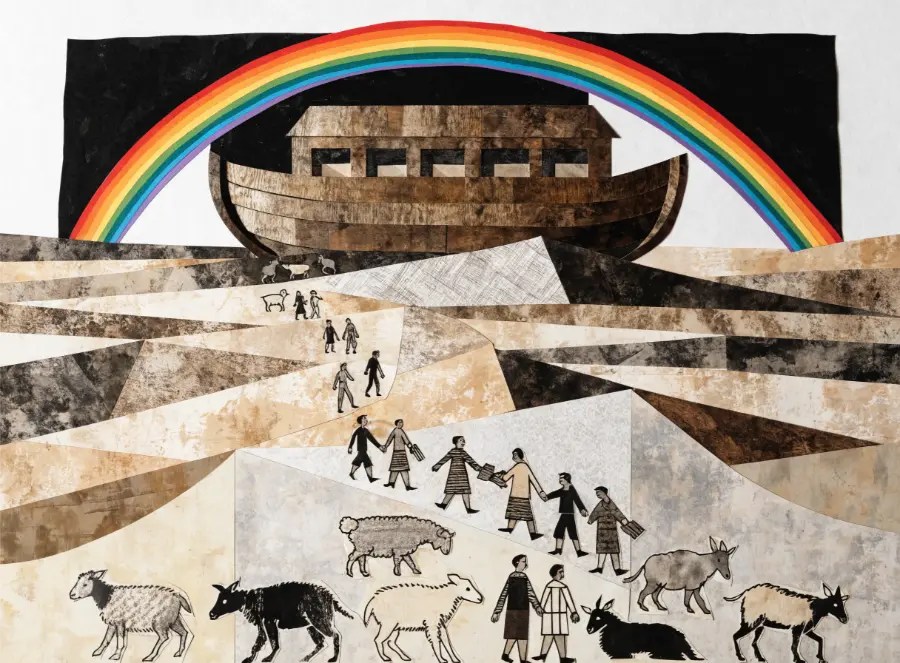
Matthew 5:23-24
“Therefore, if you are offering your gift at the altar and there remember that your brother or sister has something against you, leave your gift there in front of the altar. First go and be reconciled to them; then come and offer your gift.”
Reflection: In the Sermon on the Mount, Jesus has just widened the commandment against murder to cover anger and insults such as “Raca” and “You fool!” (5:21-22). The worshipper here remembers that a brother or sister “has something against you,” and Jesus tells that worshipper to leave the gift and go. Reconciliation comes before the gift, and the next verse adds urgency: “Settle matters quickly with your adversary.”
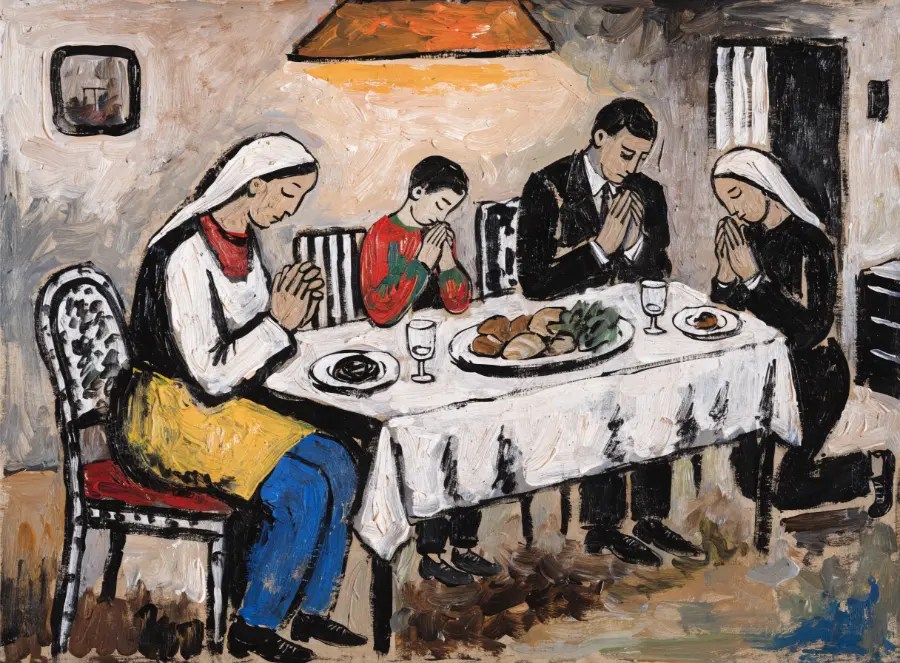
James 5:16
“Therefore confess your sins to each other and pray for each other so that you may be healed. The prayer of a righteous person is powerful and effective.”
Reflection: James writes this near the close of his letter, just after telling the sick to call the elders to pray over them, with the promise that “if they have sinned, they will be forgiven” (5:15). The confession he asks for runs between believers, “to each other,” and is paired with praying “for each other.” Healing is the purpose he gives for both.

2 Corinthians 7:10
“Godly sorrow brings repentance that leads to salvation and leaves no regret, but worldly sorrow brings death.”
Reflection: Titus brought Paul word of how the church in Corinth had taken an earlier letter from him that hurt them: “your longing for me, your deep sorrow, your ardent concern for me” (7:7). Paul is glad “not because you were made sorry, but because your sorrow led you to repentance” (7:9). Verse 11 names what godly sorrow produced in them: “what earnestness, what eagerness to clear yourselves, what indignation, what alarm, what longing, what concern, what readiness to see justice done.” Verse 12 names two people in the matter, “the one who did the wrong” and “the injured party.”

Genesis 50:17
“‘This is what you are to say to Joseph: I ask you to forgive your brothers the sins and the wrongs they committed in treating you so badly.’ Now please forgive the sins of the servants of the God of your father. When their message came to him, Joseph wept.”
Reflection: After Jacob’s death, Joseph’s brothers fear he will “pay us back for all the wrongs we did to him” (50:15). They send a message asking forgiveness in their father’s name, and Joseph weeps when it reaches him. The brothers then come and throw themselves down before him: “We are your slaves” (50:18). Joseph answers “Am I in the place of God?” and promises, “I will provide for you and your children” (50:19-21).

Luke 15:21
“The son said to him, ‘Father, I have sinned against heaven and against you. I am no longer worthy to be called your son.’”
Reflection: The younger son in Jesus’ parable rehearses this speech while he is starving, and the rehearsed version ends with a request: “make me like one of your hired servants” (15:19). His father sees him “while he was still a long way off” and runs to embrace him before he says a word (15:20). When the son does speak, his words stop before the request, and the father answers by ordering the best robe, a ring and sandals.
Making amends

Leviticus 6:2-5
“If anyone sins and is unfaithful to the Lord by deceiving a neighbor about something entrusted to them or left in their care or about something stolen, or if they cheat their neighbor, or if they find lost property and lie about it, or if they swear falsely about any such sin that people may commit—when they sin in any of these ways and realize their guilt, they must return what they have stolen or taken by extortion, or what was entrusted to them, or the lost property they found, or whatever it was they swore falsely about. They must make restitution in full, add a fifth of the value to it and give it all to the owner on the day they present their guilt offering.”
Reflection: The law lists wrongs done to a neighbour, from deceiving someone about goods left in their care to lying about lost property, and calls each of them being “unfaithful to the Lord.” The guilty person repays the loss in full, adds a fifth, and gives it to the owner “on the day they present their guilt offering.” The ram for the guilt offering follows in verse 6, and forgiveness is promised in verse 7.

Numbers 5:6-7
“Say to the Israelites: ‘Any man or woman who wrongs another in any way and so is unfaithful to the Lord is guilty and must confess the sin they have committed. They must make full restitution for the wrong they have done, add a fifth of the value to it and give it all to the person they have wronged.”
Reflection: This restatement of the guilt-offering law adds a step Leviticus 6 does not spell out: the wrongdoer “must confess the sin they have committed.” The repayment, again with a fifth added, goes “to the person they have wronged.” Verse 8 covers the case where that person has no close relative to receive it: the restitution then belongs to the Lord and is given to the priest.
Luke 19:8
“But Zacchaeus stood up and said to the Lord, ‘Look, Lord! Here and now I give half of my possessions to the poor, and if I have cheated anybody out of anything, I will pay back four times the amount.’”
Reflection: Zacchaeus was a chief tax collector in Jericho and a wealthy man, and the crowd muttered when Jesus chose to be his guest (19:7). His answer admits no particular wrong: he gives half his possessions to the poor and, “if I have cheated anybody out of anything,” offers fourfold restitution, well beyond the added fifth of Leviticus 6:5. Four times the amount is the rate Exodus 22:1 sets for a sheep that was stolen and slaughtered. Jesus replies, “Today salvation has come to this house” (19:9).
Forgiving
Luke 17:3-4
“So watch yourselves. If your brother or sister sins against you, rebuke them; and if they repent, forgive them. Even if they sin against you seven times in a day and seven times come back to you saying ‘I repent,’ you must forgive them.”
Reflection: Jesus gives the wronged person two tasks in order: rebuke the one who sinned, and forgive if they repent. The second verse puts the case of an offender who sins “seven times in a day and seven times” comes back “saying ‘I repent,’” and the answer is still “you must forgive them.” The words come directly after a warning against causing “one of these little ones to stumble” (17:2).

Colossians 3:13
“Bear with each other and forgive one another if any of you has a grievance against someone. Forgive as the Lord forgave you.”
Reflection: Paul lists what believers are to “clothe yourselves with” (3:12): compassion, kindness, humility, gentleness and patience. Verse 13 speaks of the case where “any of you has a grievance against someone” and asks for both bearing with and forgiving. The standard is the forgiveness believers themselves received: “Forgive as the Lord forgave you.”

Matthew 6:14-15
“For if you forgive other people when they sin against you, your heavenly Father will also forgive you. But if you do not forgive others their sins, your Father will not forgive your sins.”
Reflection: These two sentences come straight after the Lord’s Prayer and take up one line of it: “And forgive us our debts, as we also have forgiven our debtors” (6:12). Jesus states the line both ways, what follows when people forgive and what follows when they do not. Neither sentence mentions whether the other person has apologized.

Luke 23:34
“Jesus said, ‘Father, forgive them, for they do not know what they are doing.’ And they divided up his clothes by casting lots.”
Reflection: Jesus speaks these words on the cross at the place called the Skull, crucified between two criminals. The verse gives no sign that anyone had asked his pardon: in it the soldiers go on dividing his clothes by casting lots, and in the next verse the rulers sneer at him.
Forgiving with and without an apology
Luke 17:3 makes forgiveness follow repentance: “if they repent, forgive them.” Matthew 6:14-15 and Colossians 3:13 attach no such condition, and in Luke 23:34 Jesus prays for the people crucifying him while they are still dividing his clothes.
Psalm 51:17 is addressed to God and can be prayed as written. The apologies in Genesis 50:17 and Luke 15:21 are spoken to people: Joseph tells his brothers, “I will provide for you and your children” (50:21), and the father in Luke 15 tells his servants to bring the best robe and kill the fattened calf (15:22-23).


Leave a Reply