
 English
 Chinese
 Dutch
 Arabic
 Spanish
 Portuguese
 Russian
 French
 Italian
 German
 Japanese
The Bible tells Christians to forgive the people who wrong them, as God has forgiven them. Paul’s instruction to the Colossians is “Forgive as the Lord forgave you” (Colossians 3:13).
Jesus makes forgiving others part of the prayer he taught (Matthew 6:12), answers Peter’s “Up to seven times?” with “seventy-seven times” (Matthew 18:22), and prays “Father, forgive them” at his crucifixion (Luke 23:34). Luke 17:3-4 joins forgiving to rebuke and repentance, Matthew 5:23-24 and Romans 12:18 carry it on to reconciliation and peace, and Joseph answers the brothers who had wronged him with reassurance (Genesis 50:19-21).
Forgive as God forgave you

Ephesians 4:32
“Be kind and compassionate to one another, forgiving each other, just as in Christ God forgave you.”
Reflection: Paul ends a list of things to get rid of, “all bitterness, rage and anger, brawling and slander, along with every form of malice” (4:31), with this command. Kindness, compassion and forgiveness replace that list, and the reason given is what God has already done “in Christ”.
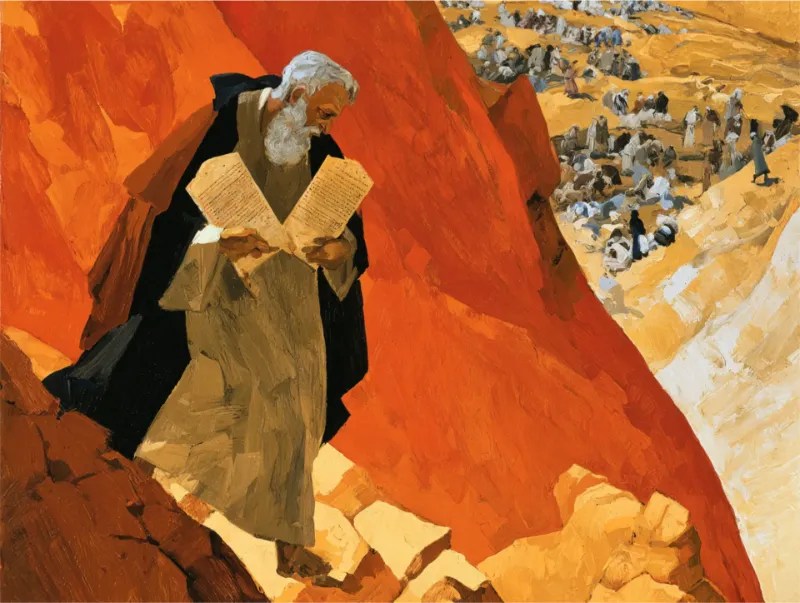
Colossians 3:13
“Bear with each other and forgive one another if any of you has a grievance against someone. Forgive as the Lord forgave you.”
Reflection: Paul tells the Colossians, “as God’s chosen people”, to put on compassion, kindness, humility, gentleness and patience like clothing (3:12). The verse names two things: bearing with each other, and forgiving a “grievance against someone”. The measure is the Lord’s own forgiveness, and verse 14 puts love over all of it, “which binds them all together in perfect unity.”

Matthew 18:21-22
“Then Peter came to Jesus and asked, ‘Lord, how many times shall I forgive my brother or sister who sins against me? Up to seven times?’ Jesus answered, ‘I tell you, not seven times, but seventy-seven times.’”
Reflection: Peter asks about forgiving “my brother or sister who sins against me” and proposes a limit of seven. Jesus replaces it with “seventy-seven times” and then tells the parable of the unmerciful servant to explain his answer (18:23-35).
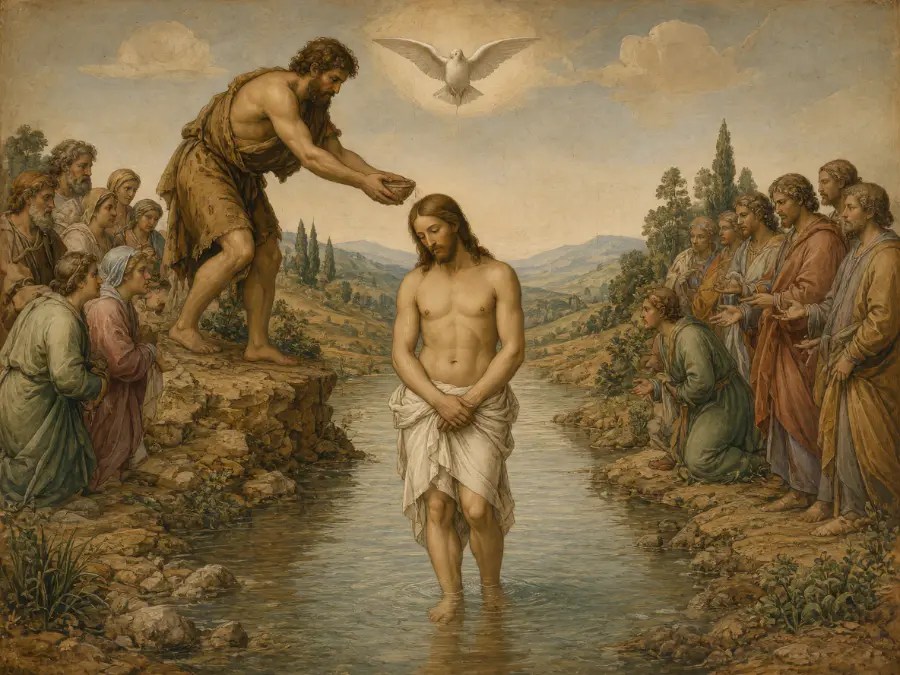
Matthew 18:32-35
“Then the master called the servant in. ‘You wicked servant,’ he said, ‘I canceled all that debt of yours because you begged me to. Shouldn’t you have had mercy on your fellow servant just as I had on you?’ In anger his master handed him over to the jailers to be tortured, until he should pay back all he owed. ‘This is how my heavenly Father will treat each of you unless you forgive your brother or sister from your heart.’”
Reflection: The servant whose master cancelled a debt of “ten thousand bags of gold” had a fellow servant thrown into prison over “a hundred silver coins” (18:24, 28-30). The master’s question sets the two debts side by side. Jesus applies the story in verse 35: the Father will treat each of his hearers the same way “unless you forgive your brother or sister from your heart.”
Forgiving others and being forgiven by God

Matthew 6:12
“And forgive us our debts, as we also have forgiven our debtors.”
Reflection: In the prayer Jesus teaches in the Sermon on the Mount, the request for forgiveness carries a clause about the person praying. Sins are called debts, the same picture as the parable in Matthew 18. Luke’s version reads, “Forgive us our sins, for we also forgive everyone who sins against us” (Luke 11:4).

Matthew 6:14-15
“For if you forgive other people when they sin against you, your heavenly Father will also forgive you. But if you do not forgive others their sins, your Father will not forgive your sins.”
Reflection: Straight after the prayer, Jesus comes back to its line about forgiveness and explains it in two halves. The first promises that those who forgive others will be forgiven; the second warns that those who do not forgive others will not be forgiven. No other line of the prayer gets a comment; verse 16 moves on to fasting.

Mark 11:25
“And when you stand praying, if you hold anything against anyone, forgive them, so that your Father in heaven may forgive you your sins.”
Reflection: Jesus says this after the disciples see the fig tree he cursed withered from the roots (11:20-21), in teaching about faith and prayer. The instruction covers “anything against anyone”, and it applies at the moment of praying, “when you stand praying”.
Rebuke, repentance and reconciliation

Luke 17:3-4
“So watch yourselves. ‘If your brother or sister sins against you, rebuke them; and if they repent, forgive them. Even if they sin against you seven times in a day and seven times come back to you saying “I repent,” you must forgive them.’”
Reflection: Jesus speaks to his disciples just after warning them about causing “little ones” to stumble (17:1-2). The instruction has steps: rebuke the brother or sister who sins, forgive when they repent, and keep forgiving even seven times in one day. The seven times are the same person coming back with the same words, “I repent.”

Matthew 5:23-24
“Therefore, if you are offering your gift at the altar and there remember that your brother or sister has something against you, leave your gift there in front of the altar. First go and be reconciled to them; then come and offer your gift.”
Reflection: In the Sermon on the Mount this follows Jesus’ teaching on anger (5:21-22). Here the grievance runs the other way: the brother or sister “has something against you.” The gift stays in front of the altar until the worshipper has gone and been reconciled.

Romans 12:18
“If it is possible, as far as it depends on you, live at peace with everyone.”
Reflection: Paul puts two conditions on the command, “If it is possible” and “as far as it depends on you”, which admit that peace also depends on the other person. The verses around it forbid paying back evil: “Do not take revenge, my dear friends, but leave room for God’s wrath” (12:19), ending with “overcome evil with good” (12:21).

2 Corinthians 2:5-8
“If anyone has caused grief, he has not so much grieved me as he has grieved all of you to some extent—not to put it too severely. The punishment inflicted on him by the majority is sufficient. Now instead, you ought to forgive and comfort him, so that he will not be overwhelmed by excessive sorrow. I urge you, therefore, to reaffirm your love for him.”
Reflection: Paul writes about a member of the Corinthian church who had caused grief and been punished by “the majority”. He says the punishment is enough and asks the church to forgive and comfort the man, “so that he will not be overwhelmed by excessive sorrow,” and to reaffirm their love for him. Verse 10 adds, “Anyone you forgive, I also forgive.” The letter names neither the man nor the offence.

Luke 15:20
“So he got up and went to his father. But while he was still a long way off, his father saw him and was filled with compassion for him; he ran to his son, threw his arms around him and kissed him.”
Reflection: In the parable of the lost son, the younger son has spent his share of the estate and comes home with a confession ready (15:18-19), but the father sees him “while he was still a long way off” and runs to him, then orders a robe, a ring and a feast (15:22-23). The older brother “became angry and refused to go in” (15:28), and when his father pleads with him he complains that he was never given “even a young goat” (15:29). The parable ends with the father’s reply, “this brother of yours was dead and is alive again” (15:32), and does not say whether the older son went in. Jesus told it to Pharisees and teachers of the law who complained, “This man welcomes sinners and eats with them” (15:2).
Love that covers an offence

Proverbs 17:9
“Whoever would foster love covers over an offense, but whoever repeats the matter separates close friends.”
Reflection: The proverb contrasts two ways of handling an offence: cover it, or repeat it. Covering goes with fostering love; repeating the matter “separates close friends”. The line is about what is done with a wrong afterwards, whether it is kept quiet or retold.

Proverbs 10:12
“Hatred stirs up conflict, but love covers over all wrongs.”
Reflection: Hatred and love are compared by what they do: one stirs up conflict, the other “covers over all wrongs”. First Peter 4:8 uses the same picture of love covering wrongs: “love each other deeply, because love covers over a multitude of sins.”
Answering the people who did the harm
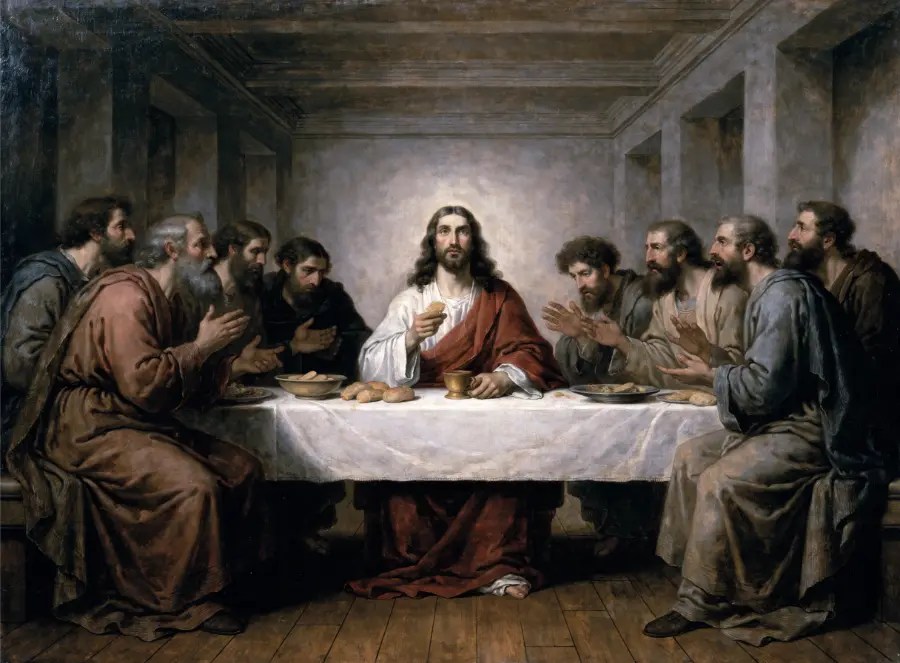
Genesis 50:19-21
“But Joseph said to them, ‘Don’t be afraid. Am I in the place of God? You intended to harm me, but God intended it for good to accomplish what is now being done, the saving of many lives. So then, don’t be afraid. I will provide for you and your children.’ And he reassured them and spoke kindly to them.”
Reflection: After Jacob dies, Joseph’s brothers fear he will now pay them back “for all the wrongs we did to him” and send a message asking forgiveness in their father’s name (50:15-17). Joseph weeps. His answer declines to judge them (“Am I in the place of God?”), names what they did as intended harm, and promises to provide for them and their children.

Luke 23:34
“Jesus said, ‘Father, forgive them, for they do not know what they are doing.’ And they divided up his clothes by casting lots.”
Reflection: Jesus prays this at his crucifixion, between two criminals, while his clothes are divided by lot. The verse before says “they crucified him there” (23:33), and the prayer asks the Father to forgive “them” and gives a reason: “they do not know what they are doing.” In Acts 7:60 Stephen, being stoned, prays in the same way: “Lord, do not hold this sin against them.”
Forgiveness alongside naming the wrong
Luke 17:3 tells the disciple to rebuke before forgiving and makes repentance the occasion for it. Joseph tells his brothers “You intended to harm me” in the same answer in which he promises to provide for them (Genesis 50:20-21). In 2 Corinthians 2:6-7 Paul calls a punishment “sufficient” and then urges the church to forgive the man, and Romans 12:18 asks for peace only “as far as it depends on you.”
Luke 23:34 and Acts 7:60 are prayers addressed to God, spoken during a crucifixion and a stoning. Matthew 6:12 is part of the prayer Jesus taught and is prayed as written.


Leave a Reply