
 English
 Chinese
 Dutch
 Arabic
 Spanish
 Portuguese
 Russian
 French
 Italian
 German
 Japanese
Scripture answers guilt that a person keeps holding against themselves with God’s forgiveness. When “our hearts condemn us,” says 1 John 3:20, God “is greater than our hearts, and he knows everything.”
The verses below cover confession (Psalm 32:5; 1 John 1:9), how completely God says he removes sin (Psalm 103:12; Micah 7:19; Isaiah 43:25), and what Paul did with a past in which he persecuted the church (1 Timothy 1:15-16).
Confessing the sin instead of hiding it

Psalm 32:5
“Then I acknowledged my sin to you and did not cover up my iniquity. I said, ‘I will confess my transgressions to the LORD.’ And you forgave the guilt of my sin.”
Reflection: David’s psalm describes what silence did before this verse: “When I kept silent, my bones wasted away through my groaning all day long” (verse 3). The confession and the forgiveness then come in a single verse, with no penance in between. The psalm opens by calling blessed the one “whose sin the Lord does not count against them.”

Proverbs 28:13
“Whoever conceals their sins does not prosper, but the one who confesses and renounces them finds mercy.”
Reflection: The proverb sets two people side by side: one conceals sin and does not prosper, the other confesses it and finds mercy. Mercy here goes with both confessing and renouncing, that is, owning the sin and leaving it. The next verse adds a warning about the opposite course: “whoever hardens their heart falls into trouble.”
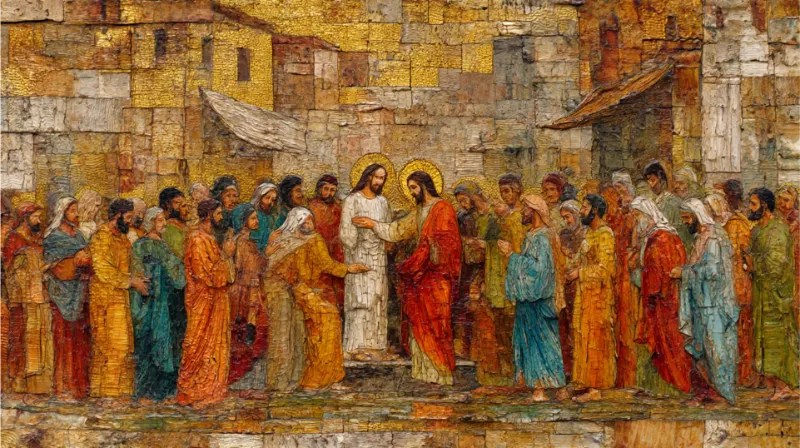
1 John 1:9
“If we confess our sins, he is faithful and just and will forgive us our sins and purify us from all unrighteousness.”
Reflection: John places this promise between two warnings: “If we claim to be without sin, we deceive ourselves” (verse 8) and “If we claim we have not sinned, we make him out to be a liar” (verse 10). The forgiveness rests on God being “faithful and just,” and the verse adds a second promise, to purify “from all unrighteousness.”

James 5:16
“Therefore confess your sins to each other and pray for each other so that you may be healed. The prayer of a righteous person is powerful and effective.”
Reflection: James writes this after telling the sick to call the elders to pray over them, adding, “If they have sinned, they will be forgiven” (verse 15). The confession in this verse is made to other believers, who then pray, and the result James names is healing.
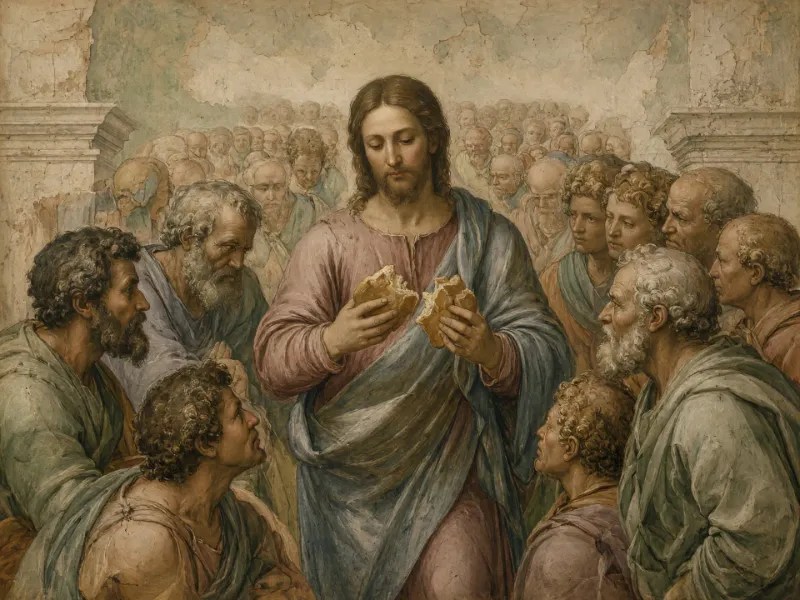
Psalm 51:10
“Create in me a pure heart, O God, and renew a steadfast spirit within me.”
Reflection: The heading places Psalm 51 after the prophet Nathan confronted David over his adultery with Bathsheba. David says, “my sin is always before me” (verse 3), a description of guilt he cannot stop seeing. In verse 10 he asks God to create a pure heart and renew a steadfast spirit, and two verses later to “Restore to me the joy of your salvation.”
How completely God says he forgives

Psalm 103:12
“as far as the east is from the west, so far has he removed our transgressions from us.”
Reflection: David opens this psalm by speaking to his own soul: “forget not all his benefits— who forgives all your sins” (verses 2-3). Verse 10 says God “does not treat us as our sins deserve,” and verse 14 gives the reason for his compassion: “he remembers that we are dust.”

Micah 7:19
“You will again have compassion on us; you will tread our sins underfoot and hurl all our iniquities into the depths of the sea.”
Reflection: Micah speaks to God in these closing verses of his book, beginning “Who is a God like you, who pardons sin” (verse 18). Two pictures follow: sins trodden underfoot and iniquities thrown into the depths of the sea. Verse 20 adds, “You will be faithful to Jacob, and show love to Abraham, as you pledged on oath to our ancestors.”

Isaiah 43:25
“I, even I, am he who blots out your transgressions, for my own sake, and remembers your sins no more.”
Reflection: God has just told Israel that they did not bring him offerings, “But you have burdened me with your sins and wearied me with your offenses” (verse 24). God blots out their transgressions “for my own sake,” and says he will remember those sins no more.

Hebrews 10:17
“Then he adds: ‘Their sins and lawless acts I will remember no more.’”
Reflection: Hebrews is quoting the new covenant promise of Jeremiah 31:34: “I will forgive their wickedness and will remember their sins no more.” The writer draws the conclusion in the next verse: “where these have been forgiven, sacrifice for sin is no longer necessary.” Verse 14 says Christ’s “one sacrifice” has made his people “perfect forever.”
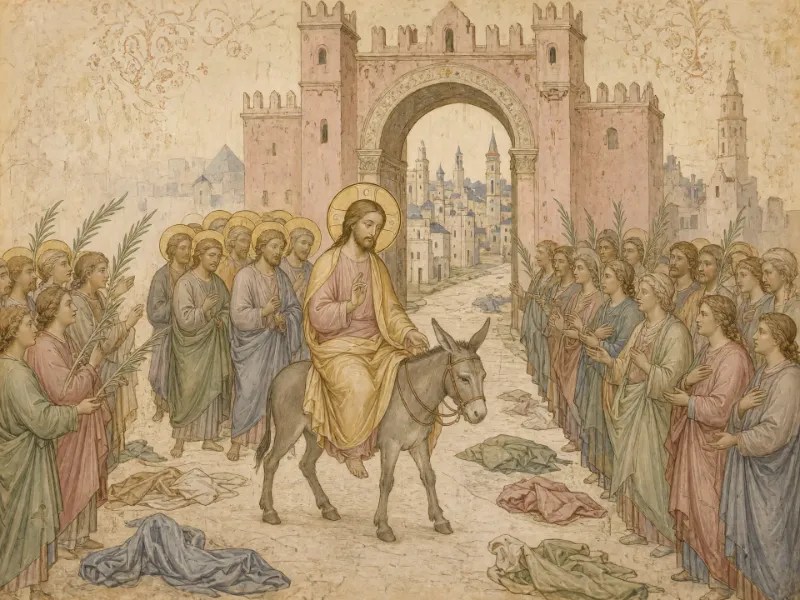
Isaiah 1:18
“‘Come now, let us settle the matter,’ says the LORD. ‘Though your sins are like scarlet, they shall be as white as snow; though they are red as crimson, they shall be like wool.’”
Reflection: Isaiah’s vision concerns Judah and Jerusalem (Isaiah 1:1), and the offer comes right after commands to “stop doing wrong” and “Learn to do right” (verses 16-17). Scarlet and crimson become snow and wool. The next two verses attach a condition: “If you are willing and obedient” the people will eat the good of the land, and if they rebel they will be devoured by the sword.
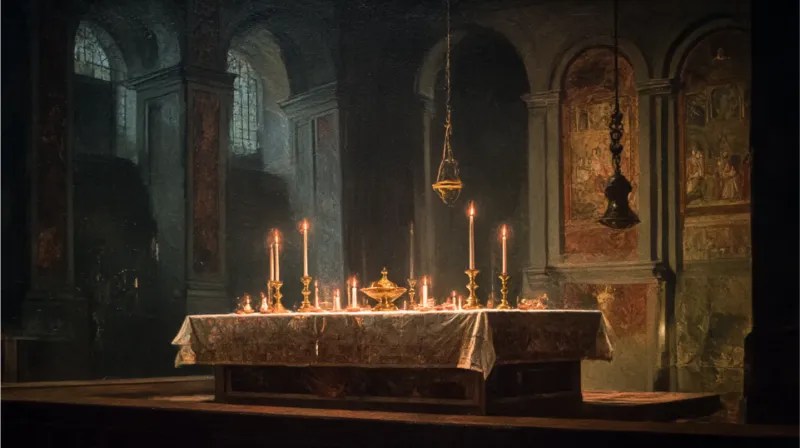
Colossians 2:13-14
“He forgave us all our sins, having canceled the charge of our legal indebtedness, which stood against us and condemned us; he has taken it away, nailing it to the cross.”
Reflection: Paul tells the Colossians they were “dead in your sins” when God made them alive with Christ. The charge “which stood against us and condemned us” is cancelled, taken away and nailed to the cross. The verse says God forgave “all our sins.”
When the heart keeps accusing

Romans 8:1
“Therefore, there is now no condemnation for those who are in Christ Jesus.”
Reflection: The “Therefore” follows Romans 7, where Paul describes doing “the evil I do not want to do” and cries out, “What a wretched man I am!” (7:19, 7:24). Romans 7:25 answers that cry, “Thanks be to God, who delivers me through Jesus Christ our Lord!”, and 8:1 draws the conclusion: “no condemnation” for those in Christ Jesus. Verse 2 gives the reason: the Spirit “has set you free from the law of sin and death.”

1 John 3:19-20
“This is how we know that we belong to the truth and how we set our hearts at rest in his presence: If our hearts condemn us, we know that God is greater than our hearts, and he knows everything.”
Reflection: John is writing about love shown “with actions and in truth” (verse 18), and to setting “our hearts at rest in his presence” (verse 19). If our hearts condemn us, John says, God is greater than our hearts and “knows everything.” Verse 21 describes the other case, a heart that does not condemn, which gives confidence before God.

2 Corinthians 7:10
“Godly sorrow brings repentance that leads to salvation and leaves no regret, but worldly sorrow brings death.”
Reflection: Paul’s earlier letter had made the Corinthians sorry, and he does not regret the letter, and is happy “because your sorrow led you to repentance” (verses 8-9). He separates two kinds of sorrow: godly sorrow brings repentance and “leaves no regret,” while worldly sorrow “brings death.” Verse 11 lists what their godly sorrow produced, including earnestness and “eagerness to clear yourselves.”

1 Timothy 1:15-16
“Here is a trustworthy saying that deserves full acceptance: Christ Jesus came into the world to save sinners—of whom I am the worst. But for that very reason I was shown mercy so that in me, the worst of sinners, Christ Jesus might display his immense patience as an example for those who would believe in him and receive eternal life.”
Reflection: Paul has just called himself “once a blasphemer and a persecutor and a violent man” (verse 13). He still says “of whom I am the worst” in the present tense, and he treats the mercy shown to him as the point of his story. Christ’s patience with him is meant as “an example for those who would believe.”
Looking ahead from the past
Philippians 3:13-14
“…But one thing I do: Forgetting what is behind and straining toward what is ahead, I press on toward the goal to win the prize for which God has called me heavenward in Christ Jesus.”
Reflection: Earlier in the chapter Paul lists his past: his descent, his record as a Pharisee and his zeal in “persecuting the church” (verses 5-6), things he once counted as gain and now counts as loss (verse 7). Verse 12 says he has not yet arrived. The forgetting in verse 13 goes together with straining toward a goal that is still ahead.
Lamentations 3:22-23
“Because of the LORD’s great love we are not consumed, for his compassions never fail. They are new every morning; great is your faithfulness.”
Reflection: Lamentations mourns Jerusalem, the deserted city of its opening verse. Just before these lines the speaker says, “I remember my affliction and my wandering” and “my soul is downcast within me” (verses 19-20), and then: “Yet this I call to mind and therefore I have hope” (verse 21). The hope comes from what he chooses to recall, God’s compassions, which are “new every morning.”
Verses addressed to God
Psalm 51:10 is a prayer and can be prayed as written by someone who cannot stop seeing their own sin. Psalm 32:5 is spoken to God as well (“I acknowledged my sin to you”), and so are Micah 7:18-19 and the last line of Lamentations 3:23, “great is your faithfulness.”
James 5:16 adds a step Psalm 32:5 and Psalm 51:10 do not include: confessing to another believer and having that person pray.


Leave a Reply