
 English
 Chinese
 Dutch
 Arabic
 Spanish
 Portuguese
 Russian
 French
 Italian
 German
 Japanese
The Bible records many healings and many prayers for healing, and it gives no single method: Jesus healed in different ways, and not every prayer for healing was granted.
He touched some people and spoke to others from a distance. He made mud for one blind man (John 9:6) and asked another what he wanted (Mark 10:51). In Capernaum the crowd waited until sunset, most likely for the sabbath to end, before bringing their sick to him (Luke 4:40). Paul, through whom others were healed, asked three times for his own affliction to be removed and was told no (2 Corinthians 12:8-9). The nineteen verses below cover what the Gospels record, how the healings differed, the people Jesus sent to heal, what a sick person is told to do, the verses about asking, and what the promises are attached to.
What the record actually says
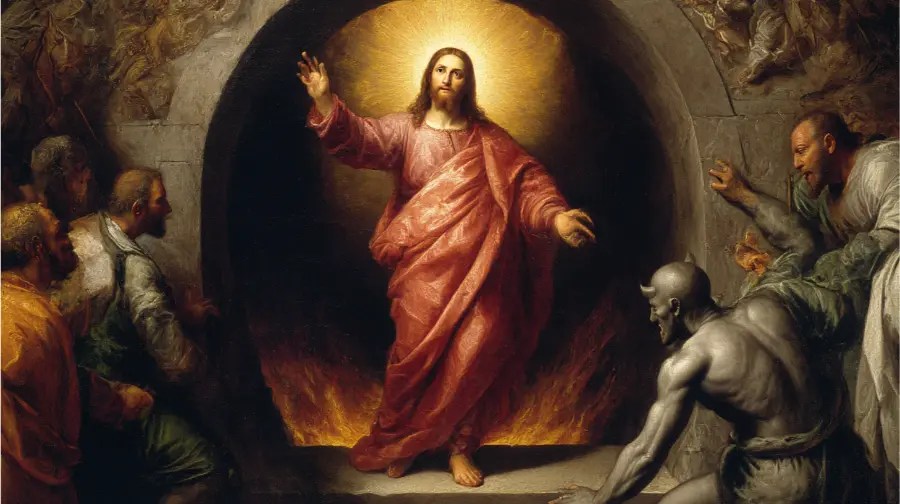
Matthew 4:23
“And he went throughout all Galilee, teaching in their synagogues and proclaiming the gospel of the kingdom and healing every disease and every affliction among the people.”
Reflection: Most of the healing in the Gospels is reported in summaries like this one, which Matthew repeats almost word for word in 9:35. They cover far more people than the individual stories do.

Luke 4:40
“Now when the sun was setting, all those who had any who were sick with various diseases brought them to him, and he laid his hands on every one of them and healed them.”
Reflection: The day in Capernaum had been a sabbath (4:31), and the sick were brought at sunset, most likely when it ended. Luke notes that Jesus laid his hands on every one of them.
Matthew 8:16
“That evening they brought to him many who were oppressed by demons, and he cast out the spirits with a word and healed all who were sick.”
Reflection: Matthew describes the same evening and says the spirits were cast out “with a word.” He then quotes Isaiah 53:4: “He took our illnesses and bore our diseases” (8:17).
No two of them the same
Mark 5:34
“And he said to her, ‘Daughter, your faith has made you well; go in peace, and be healed of your disease.’”
Reflection: The woman had been bleeding for twelve years, which under the law made her unclean (Leviticus 15:25). She came up behind Jesus in the crowd, and he stopped to find her. Hers is the only story in which he addresses someone as “Daughter.”
John 9:1-3
“As he passed by, he saw a man blind from birth. And his disciples asked him, ‘Rabbi, who sinned, this man or his parents, that he was born blind?’ Jesus answered, ‘It was not that this man sinned, or his parents.’”
Reflection: The disciples assume the blindness is a punishment and ask whose sin caused it. Jesus rejects both options and says the man’s condition is an occasion for the works of God to be displayed (9:3).
He sent other people to do it
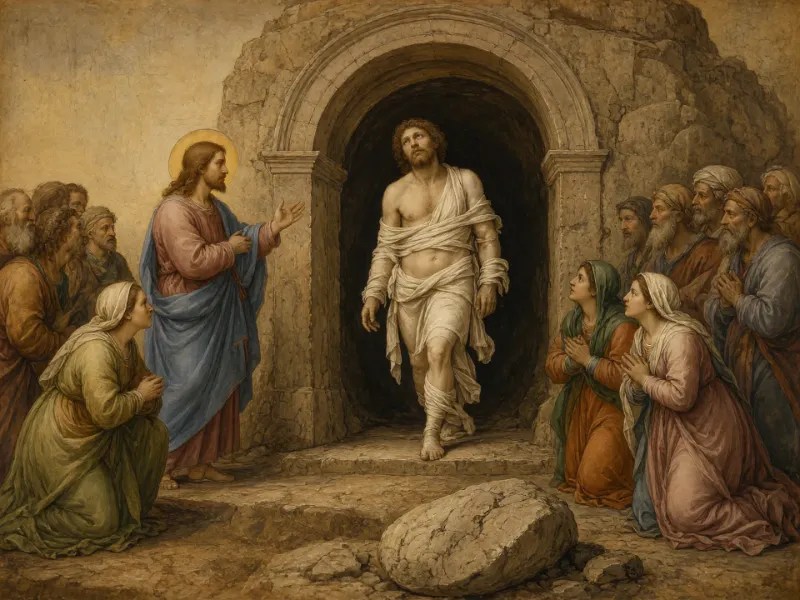
Matthew 10:7-8
“And proclaim as you go, saying, ‘The kingdom of heaven is at hand.’ Heal the sick, raise the dead, cleanse lepers, cast out demons. You received without paying; give without pay.”
Reflection: The instruction to heal comes with a rule attached: “You received without paying; give without pay.”
Luke 10:9
“Heal the sick in it and say to them, ‘The kingdom of God has come near to you.’”
Reflection: The healing and the announcement go together: the sick are healed, and the kingdom of God is declared near.

Acts 4:29-30
“And now, Lord, look upon their threats and grant to your servants to continue to speak your word with all boldness, while you stretch out your hand to heal.”
Reflection: The church had just been threatened by the authorities (4:21). They asked for boldness for themselves and for God to stretch out his hand to heal.
What a sick person is told to do
James 5:14-15
“Is anyone among you sick? Let him call for the elders of the church, and let them pray over him, anointing him with oil in the name of the Lord.”
Reflection: The sick person calls for the elders, and they come to pray and anoint. The next verse adds, “pray for one another, that you may be healed” (5:16).
Jeremiah 17:14
“Heal me, O Lord, and I shall be healed; save me, and I shall be saved, for you are my praise.”
Reflection: Jeremiah names who the healing must come from and does not predict the outcome.
Psalm 30:2
“O Lord my God, I cried to you for help, and you have healed me.”
Reflection: This is a report written after recovery. Many healing verses are testimony from the other side of an illness.
Psalm 107:19-21
“Then they cried to the Lord in their trouble, and he delivered them from their distress. He sent out his word and healed them.”
Reflection: The psalm tells four rescue stories, each with the same refrain: they cried to the Lord in their trouble, and he delivered them (107:6, 13, 19, 28). It describes a pattern of God’s mercy rather than a promise for every case.
The verses about asking
Matthew 21:22
“And whatever you ask in prayer, you will receive, if you have faith.”
Reflection: In Matthew, Jesus says this after the fig tree withers at once and the disciples marvel (21:19-20). The promise concerns faith in God’s power. It has sometimes been used to blame sick people for not recovering, which John 9:3 and Paul’s own experience argue against.
Mark 11:24
“Therefore I tell you, whatever you ask in prayer, believe that you have received it, and it will be yours.”
Reflection: Mark’s account adds, in the next verse, an instruction to forgive anyone you hold something against when you pray (11:25).
2 Corinthians 12:7-9
“Three times I pleaded with the Lord about this, that it should leave me. But he said to me, ‘My grace is sufficient for you, for my power is made perfect in weakness.’”
Reflection: Paul, through whom others had been healed (Acts 14:8-10; 28:8), asked three times, and the answer was no. The promises about asking have to leave room for this.
What the promises are attached to
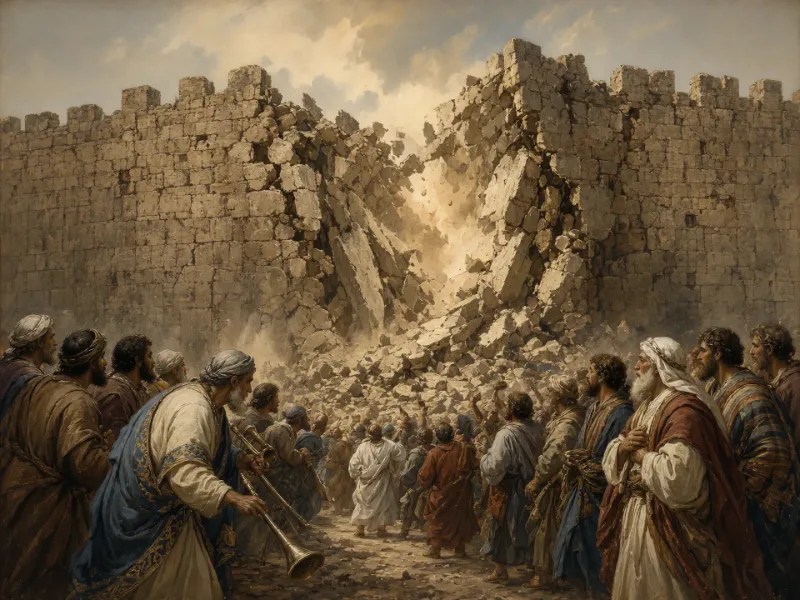
Exodus 15:26
“If you will diligently listen to the voice of the Lord your God, and do that which is right in his eyes, and give ear to his commandments and keep all his statutes, I will put none of the diseases on you that I put on the Egyptians, for I am the Lord, your healer.”
Reflection: The Lord gave himself this title three days into the wilderness, at the bitter water of Marah (15:22-25). The promise was made to Israel as a people, under the covenant.
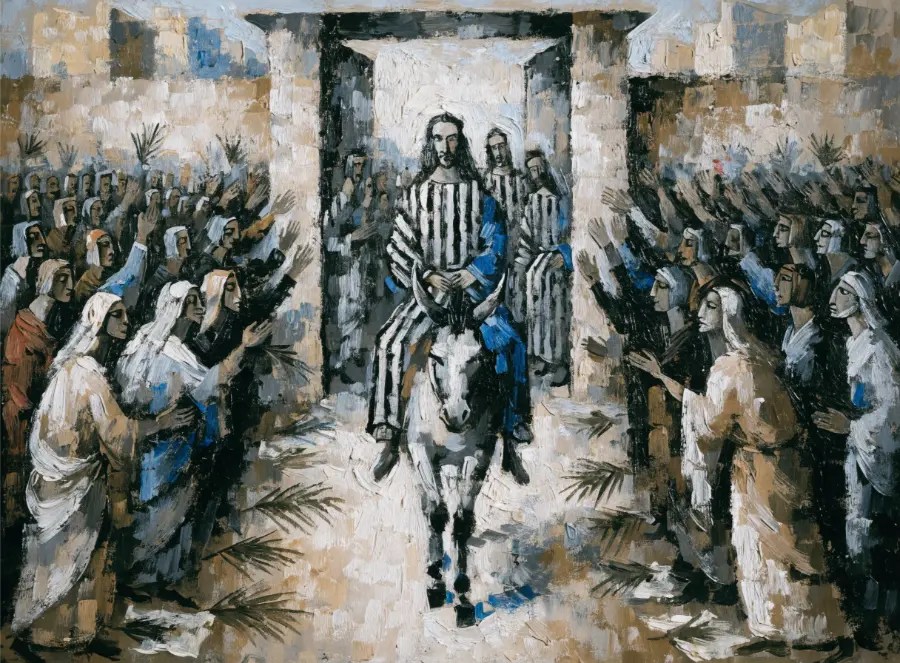
Psalm 103:2-3
“Bless the Lord, O my soul, and forget not all his benefits, who forgives all your iniquity, who heals all your diseases.”
Reflection: Forgiving and healing stand in the same line, and the psalm goes on to redeeming, crowning and satisfying (103:4-5). It lists what God is like.
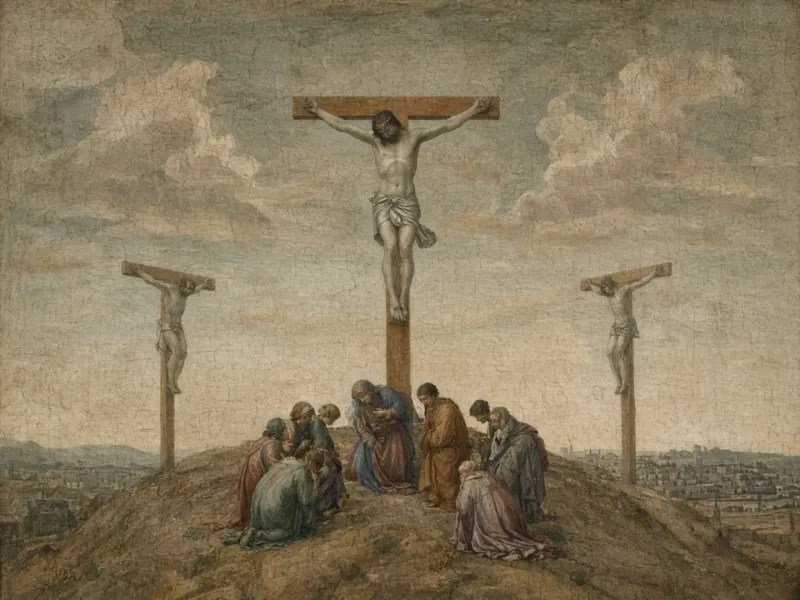
Isaiah 53:5
“But he was pierced for our transgressions; he was crushed for our iniquities; upon him was the chastisement that brought us peace, and with his wounds we are healed.”
Reflection: The New Testament applies this passage in two ways. Matthew applies verse 4 to physical illness (Matthew 8:17), and Peter applies this verse to sin (1 Peter 2:24).
What is promised at the end

Revelation 21:4
“He will wipe away every tear from their eyes, and death shall be no more, neither shall there be mourning, nor crying, nor pain anymore.”
Reflection: This is the final healing, promised to all God’s people: death, mourning, crying and pain will be no more.
If we are praying for someone ill
The Gospels do not give a method. Jesus touched people others would not touch, healed some from a distance, asked Bartimaeus what he wanted, and in Nazareth healed only a few sick people because of their unbelief (Mark 6:5-6). The one rule given to those he sent was not to charge.
So pray plainly, and do not read the outcome as a verdict on the person who is ill. Jesus refused that reading when the disciples offered it about a blind man, and Paul asked three times, was told no, and was not told he had asked badly. For more on this, see Bible verses about physical healing.


Leave a Reply