
 English
 Chinese
 Dutch
 Arabic
 Spanish
 Portuguese
 Russian
 French
 Italian
 German
 Japanese
The Bible treats health as a gift from God for body and soul. John prays that Gaius will “be in good health, as it goes well with your soul” (3 John 1:2), and at Marah God calls himself “your healer” (Exodus 15:26).
Proverbs ties healing of the flesh to fearing the Lord and turning from evil (Proverbs 3:7-8). The New Testament passages below show Jesus “healing every disease and every affliction” (Matthew 9:35), tell a sick believer to call the elders of the church (James 5:14-15), and record that Paul pleaded three times for his “thorn in the flesh” to leave him and was answered with grace instead (2 Corinthians 12:9). The last of them look ahead to a raised body and a world with no more pain (1 Corinthians 15:42-43; Revelation 21:4).
Health of body and soul together

3 John 1:2
“Beloved, I pray that all may go well with you and that you may be in good health, as it goes well with your soul.”
Reflection: The letter opens with the elder writing to “the beloved Gaius,” and this wish for his health is the first thing he says to him. He measures the prayer by Gaius’s soul, which he already knows is well: the next verse says the brothers “testified to your truth, as indeed you are walking in the truth.”

Proverbs 3:7-8
“Be not wise in your own eyes; fear the Lord, and turn away from evil. It will be healing to your flesh and refreshment to your bones.”
Reflection: A teacher addressing his son sets these lines just after “Trust in the Lord with all your heart, and do not lean on your own understanding” (Proverbs 3:5). Fearing the Lord and turning from evil is the condition, and healing to the flesh and refreshment to the bones is the result he names.

Proverbs 4:20-22
“My son, be attentive to my words; incline your ear to my sayings. Let them not escape from your sight; keep them within your heart. For they are life to those who find them, and healing to all their flesh.”
Reflection: Here the teacher’s words themselves are called “life to those who find them, and healing to all their flesh.” The verse that follows says where they are to be kept: “Keep your heart with all vigilance, for from it flow the springs of life.”
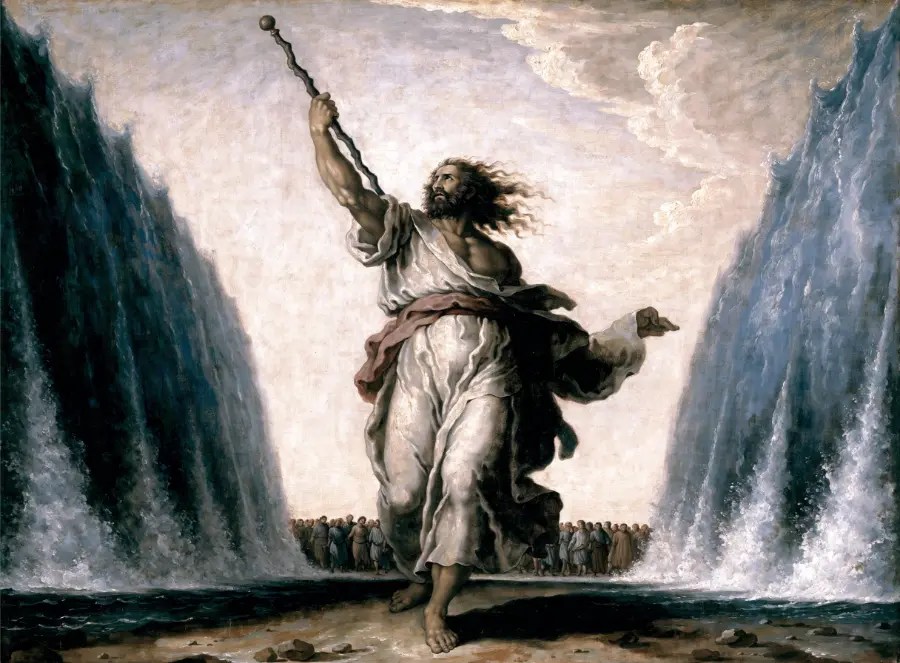
Proverbs 17:22
“A joyful heart is good medicine, but a crushed spirit dries up the bones.”
Reflection: The proverb sets a joyful heart against a crushed spirit and describes both by their effect on the body, as medicine or as bones drying up. Proverbs 3:8 uses the same picture of the bones for the effect of fearing the Lord: “refreshment to your bones.”

1 Timothy 4:8
“For while bodily training is of some value, godliness is of value in every way, as it holds promise for the present life and also for the life to come.”
Reflection: Paul writes to Timothy about training. The verse before says “train yourself for godliness,” and this one grants that bodily training “is of some value” while ranking godliness higher, because it holds promise for this life and the one to come.
The body, rest and sleep
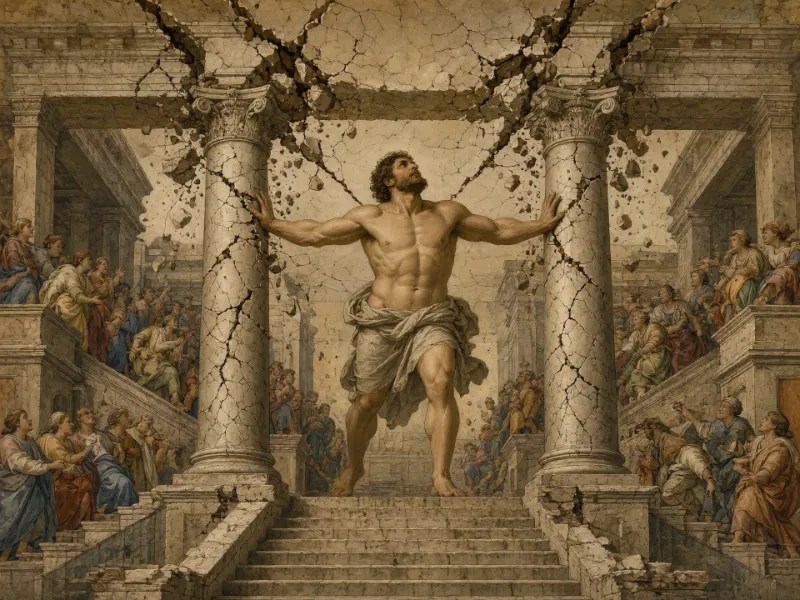
1 Corinthians 6:19-20
“Or do you not know that your body is a temple of the Holy Spirit within you, whom you have from God? You are not your own, for you were bought with a price. So glorify God in your body.”
Reflection: Paul writes this in an argument against sexual immorality in Corinth, where some said “Food is meant for the stomach and the stomach for food” (1 Corinthians 6:13). He answers that “the body is not meant for sexual immorality, but for the Lord, and the Lord for the body.” The body is a temple because the Holy Spirit lives in it, and a person bought with a price is told to glorify God in it.
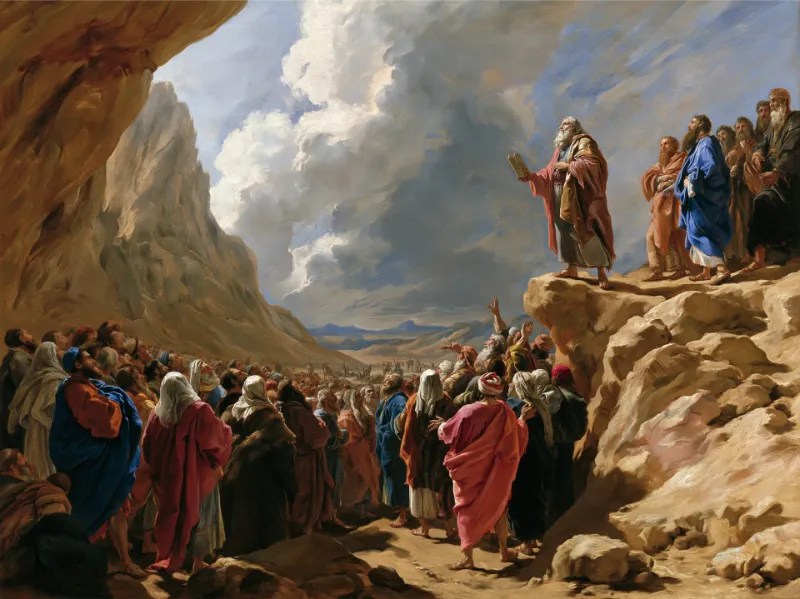
Psalm 127:2
“It is in vain that you rise up early and go late to rest, eating the bread of anxious toil; for he gives to his beloved sleep.”
Reflection: The psalm opens with “Unless the Lord builds the house, those who build it labor in vain.” Rising early, working late and eating “the bread of anxious toil” are placed in the same list of vain efforts, and sleep is described as something God gives to those he loves.
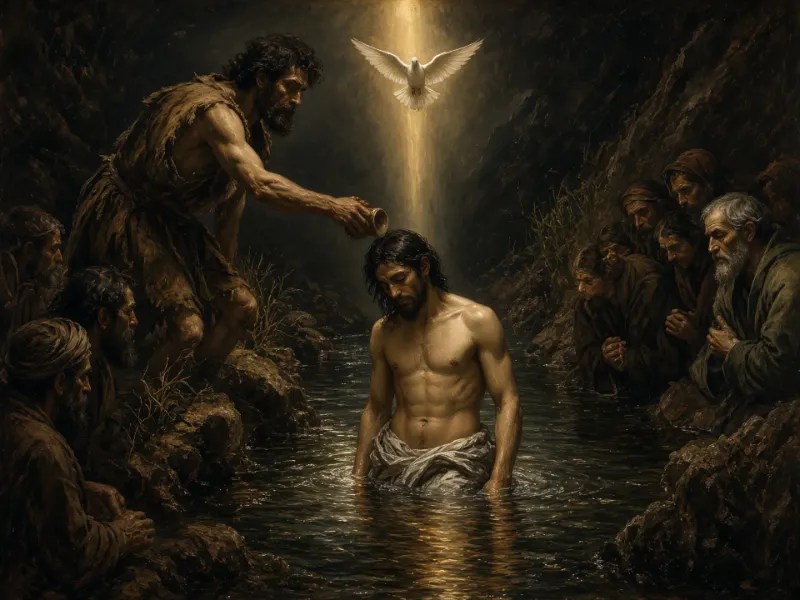
Mark 6:31
“And he said to them, ‘Come away by yourselves to a desolate place and rest a while.’ For many were coming and going, and they had no leisure even to eat.”
Reflection: The apostles had just returned from the mission on which they preached and healed the sick (Mark 6:7-13, 30). So many people were coming and going that they had no time even to eat, and Jesus took them by boat to a desolate place to rest.
God as healer in the Old Testament
Exodus 15:26
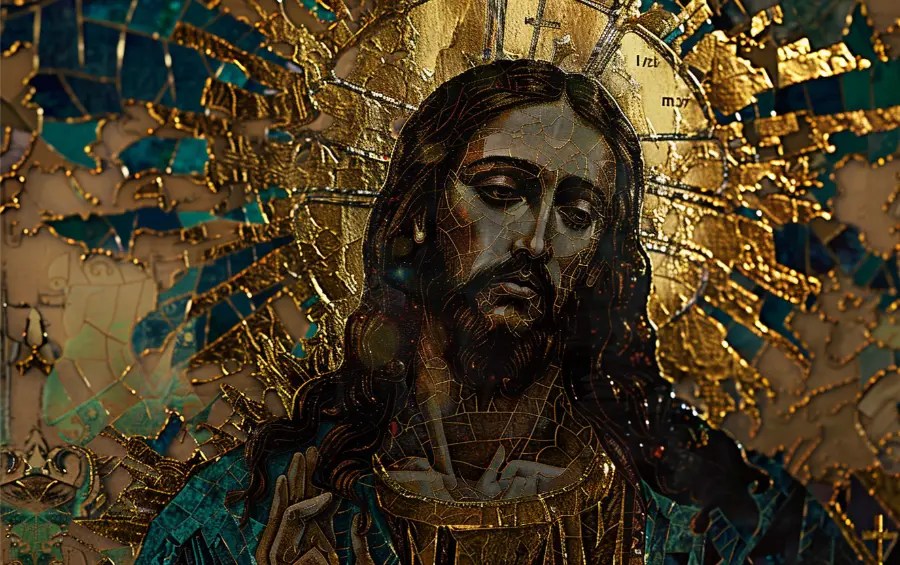
“Saying, ‘If you will diligently listen to the voice of the Lord your God, and do that which is right in his eyes, and give ear to his commandments and keep all his statutes, I will put none of the diseases on you that I put on the Egyptians, for I am the Lord, your healer.’”
Reflection: Three days after crossing the Red Sea, Israel found only bitter water at Marah, and the Lord showed Moses a log that made it sweet. There he gave them a statute tying their health to listening to his voice, and named himself “the Lord, your healer.” The next stop was Elim, with twelve springs of water.

Psalm 103:2-3
“Bless the Lord, O my soul, and forget not all his benefits, who forgives all your iniquity, who heals all your diseases.”
Reflection: The psalmist tells his own soul to remember the Lord’s benefits, and the list begins with forgiveness and healing side by side. The following lines continue it: the Lord “redeems your life from the pit” and satisfies “so that your youth is renewed like the eagle’s” (Psalm 103:4-5).

Psalm 41:3
“The Lord sustains him on his sickbed; in his illness you restore him to full health.”
Reflection: The psalm opens by calling blessed the one “who considers the poor,” and this verse promises such a person that the Lord will sustain him on his sickbed. The psalmist then prays “heal me, for I have sinned against you” (Psalm 41:4) while his enemies say “he will not rise again from where he lies” (Psalm 41:8).

2 Kings 20:5
“Turn back, and say to Hezekiah the leader of my people, Thus says the Lord, the God of David your father: I have heard your prayer; I have seen your tears. Behold, I will heal you.”
Reflection: King Hezekiah was sick to the point of death, and Isaiah had told him he would not recover. Hezekiah prayed and wept, and before Isaiah had left the middle court the Lord sent him back with this answer and a promise of fifteen more years. Isaiah then had a cake of figs laid on the king’s boil “that he may recover” (2 Kings 20:7).

Jeremiah 30:17
“For I will restore health to you, and your wounds I will heal, declares the Lord, because they have called you an outcast: ‘It is Zion, for whom no one cares!’”
Reflection: The patient here is Zion. A few verses earlier the Lord calls Zion’s wound incurable, with “no medicine for your wound,” and says the blow came “because your guilt is great” (Jeremiah 30:12-15). The promise to restore health answers those who called Zion an outcast no one cares for.
Healing in the ministry of Jesus and the church
Matthew 9:35
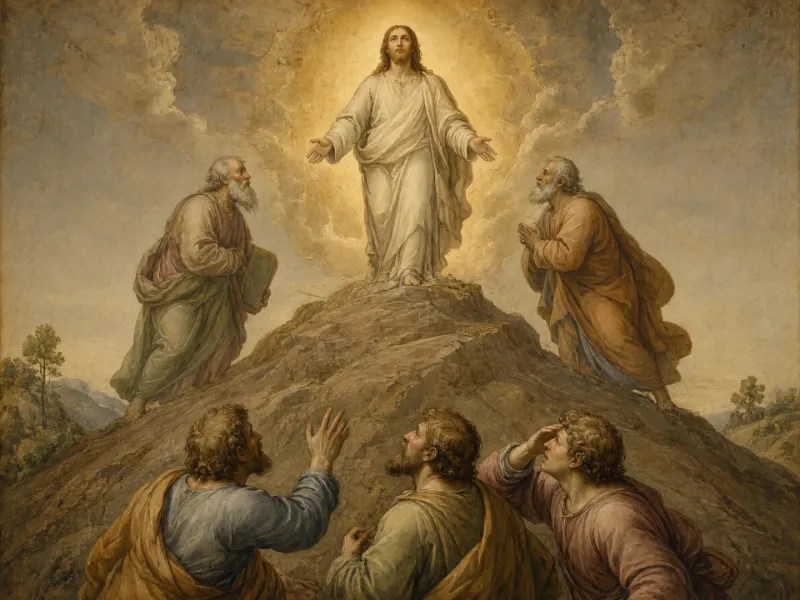
“And Jesus went throughout all the cities and villages, teaching in their synagogues and proclaiming the gospel of the kingdom and healing every disease and every affliction.”
Reflection: Matthew sums up Jesus’ work in three parts: teaching in the synagogues, proclaiming the gospel of the kingdom, and healing every disease and affliction. The next verse gives the reason he looked on the crowds with compassion: they were “harassed and helpless, like sheep without a shepherd.”
Acts 10:38
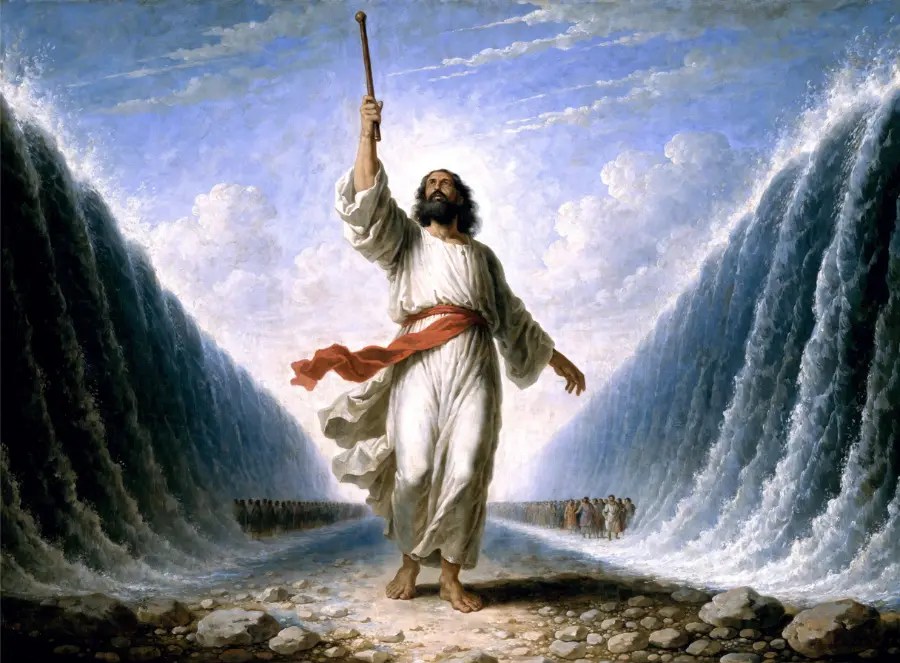
“how God anointed Jesus of Nazareth with the Holy Spirit and with power. He went about doing good and healing all who were oppressed by the devil, for God was with him.”
Reflection: Peter tells his listeners that God was with Jesus as he went about healing people. In verse 39 Peter counts himself among the witnesses who saw what Jesus did in Judea and Jerusalem.

Mark 5:34
“And he said to her, ‘Daughter, your faith has made you well; go in peace, and be healed of your disease.’”
Reflection: The woman had suffered from bleeding for twelve years, “had suffered much under many physicians,” spent all she had and grown worse. She touched Jesus’ garment and was healed at once, and when she came forward in fear and told him the whole truth, he called her “Daughter” and sent her away in peace.
Mark 6:13
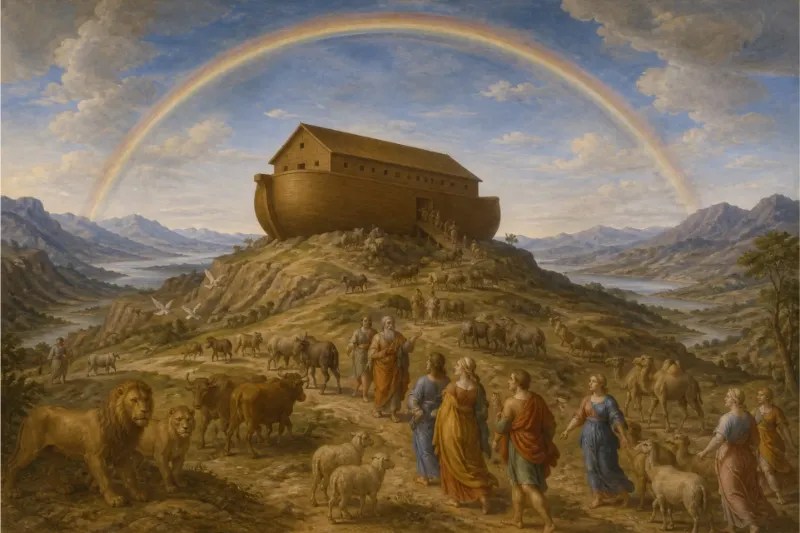
“And they cast out many demons and anointed with oil many who were sick and healed them.”
Reflection: Jesus sent the twelve out two by two with authority over unclean spirits. Mark records that they proclaimed repentance, cast out demons, and anointed many sick people with oil and healed them.
James 5:14-15
“Is anyone among you sick? Let him call for the elders of the church, and let them pray over him, anointing him with oil in the name of the Lord. And the prayer of faith will save the one who is sick, and the Lord will raise him up. And if he has committed sins, he will be forgiven.”
Reflection: James tells the sufferer to pray, the cheerful to sing, and the sick to call the elders of the church to pray and anoint with oil. The passage joins healing of sickness and forgiveness in the same breath, going on to say “confess your sins to one another and pray for one another, that you may be healed” (James 5:16).
Isaiah 53:5
“But he was pierced for our transgressions; he was crushed for our iniquities; upon him was the chastisement that brought us peace, and with his wounds we are healed.”
Reflection: The servant in Isaiah 53 suffers for others, and the verse before says he “has borne our griefs and carried our sorrows.” The New Testament applies the passage two ways. Matthew 8:17, after Jesus heals the sick, quotes it as “He took our illnesses and bore our diseases,” while 1 Peter 2:24 joins “By his wounds you have been healed” to Christ bearing “our sins in his body on the tree.”
Weakness now and the body to come
2 Corinthians 12:9
“But he said to me, ‘My grace is sufficient for you, for my power is made perfect in weakness.’ Therefore I will boast all the more gladly of my weaknesses, so that the power of Christ may rest upon me.”
Reflection: Paul describes a “thorn in the flesh” and says he pleaded with the Lord three times for it to leave him. It did not; this sentence was the answer. Paul does not say what the thorn was, and he ends the passage content “with weaknesses” because “when I am weak, then I am strong” (2 Corinthians 12:10).

1 Timothy 5:23
“(No longer drink only water, but use a little wine for the sake of your stomach and your frequent ailments.)”
Reflection: In the middle of instructions about choosing and correcting elders, Paul adds a practical note for Timothy’s own health. Timothy had “frequent ailments,” and Paul prescribes a little wine for his stomach rather than water alone.
1 Corinthians 15:42-43
“So is it with the resurrection of the dead. What is sown is perishable; what is raised is imperishable. It is sown in dishonor; it is raised in glory. It is sown in weakness; it is raised in power.”
Reflection: Paul compares the body that dies to a seed that is sown and the resurrection body to what grows from it. Each pair contrasts the two bodies: perishable and imperishable, dishonor and glory, weakness and power. The next verse calls them a natural body and a spiritual body.

Revelation 21:4
“He will wipe away every tear from their eyes, and death shall be no more, neither shall there be mourning, nor crying, nor pain anymore, for the former things have passed away.”
Reflection: John hears this from the throne after seeing a new heaven and a new earth. The verse before gives the setting: “the dwelling place of God is with man.” Pain is listed with death, mourning and crying as “former things” that have passed away.
Prayer, remedies and ailments that stay
Hezekiah’s healing came through answered prayer and a cake of figs laid on the boil (2 Kings 20:5-7). Paul told Timothy to take a little wine for his stomach (1 Timothy 5:23), and the woman in Mark 5 had spent everything on physicians and grown worse before she touched Jesus’ garment.
Timothy’s ailments are called frequent, and Paul’s thorn stayed after he pleaded three times for it to leave, though he does not say what it was. James 5 gives a church something to do for a sick member, and Revelation 21:4 places the end of pain in the new creation.


Leave a Reply