
 English
 Chinese
 Dutch
 Arabic
 Spanish
 Portuguese
 Russian
 French
 Italian
 German
 Japanese
The Bible allows borrowing and lending but warns that “the borrower is slave to the lender” (Proverbs 22:7). Israel’s laws protect the poor borrower: no interest on a loan to a needy neighbor (Exodus 22:25), and loans to fellow Israelites cancelled at the end of every seven years (Deuteronomy 15:1-2).
What the Bible says about charging interest on a loan
Proverbs warns against guaranteeing another person’s debt (Proverbs 6:1-5), Psalm 37:21 lists failing to repay among the marks of the wicked, and Paul tells the church in Rome to let no debt remain outstanding except love (Romans 13:8). The New Testament also uses debt as a word for sin. The Lord’s Prayer in Matthew asks God to “forgive us our debts” (Matthew 6:12), Jesus tells two parables about cancelled debts (Matthew 18:23-35 and Luke 7:41-43), and Colossians 2:14 describes the charge against sinners as a record of debt that God cancelled and nailed to the cross.
Borrowing and repaying
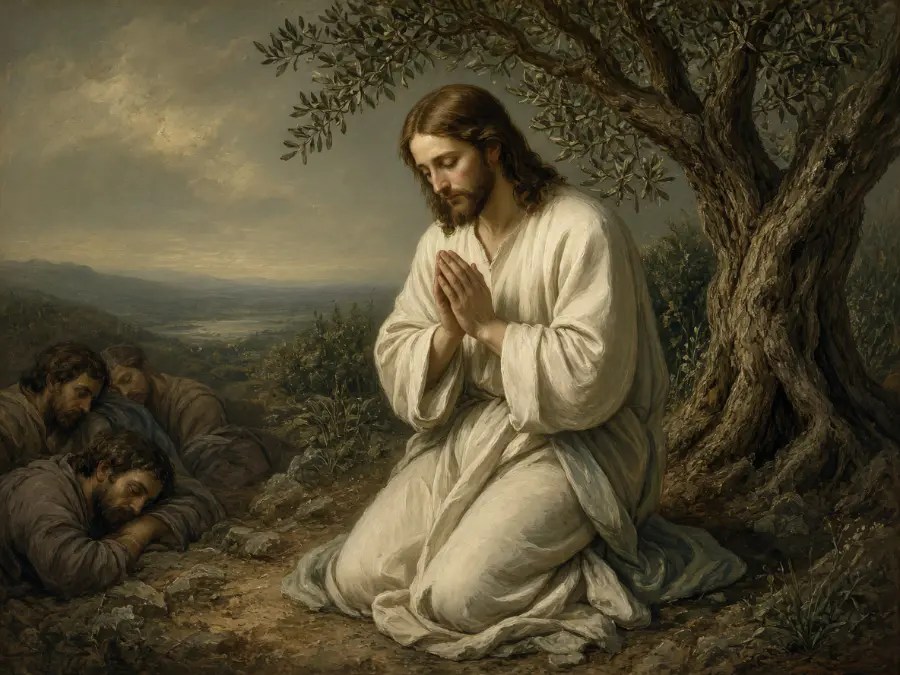
Proverbs 22:7
“The rich rule over the poor, and the borrower is slave to the lender.”
Reflection: The proverb sets two kinds of power side by side: the rich over the poor, and the lender over the borrower. For a debtor in Israel the word slave could be literal. In 2 Kings 4:1 a creditor comes to take a widow’s two sons as slaves, and in Nehemiah 5:5 families say some of their daughters have already been enslaved. Two verses later the chapter praises generosity to the poor: “The generous will themselves be blessed, for they share their food with the poor” (22:9).
Deuteronomy 28:43-45
“The foreigners who reside among you will rise above you higher and higher, but you will sink lower and lower. They will lend to you, but you will not lend to them. They will be the head, but you will be the tail. All these curses will come on you. They will pursue you and overtake you until you are destroyed, because you did not obey the Lord your God and observe the commands and decrees he gave you.”
Reflection: Moses sets out blessings for obedience and curses for disobedience in the land Israel is about to enter. Among the curses, the foreigners who live in Israel become the lenders and Israel the borrower, “the head” and “the tail”. The blessings earlier in the chapter state the reverse: “You will lend to many nations but will borrow from none” (28:12).

2 Kings 4:7
“She went and told the man of God, and he said, ‘Go, sell the oil and pay your debts. You and your sons can live on what is left.’”
Reflection: The widow of a man from the company of the prophets tells Elisha that her husband is dead and “his creditor is coming to take my two boys as his slaves” (4:1). She has nothing but a small jar of olive oil, and at Elisha’s word it fills every empty jar she has borrowed from her neighbors until none is left. Elisha then tells her to sell the oil, pay the debt and live on what remains.
Psalm 37:21
“The wicked borrow and do not repay, but the righteous give generously.”
Reflection: Psalm 37, a psalm of David, sets the wicked beside the righteous, and money is one of the tests: one borrows and does not repay, the other gives. Verse 26 comes back to the righteous: “They are always generous and lend freely; their children will be a blessing.” Psalm 112:5 says the same: “Good will come to those who are generous and lend freely, who conduct their affairs with justice.”
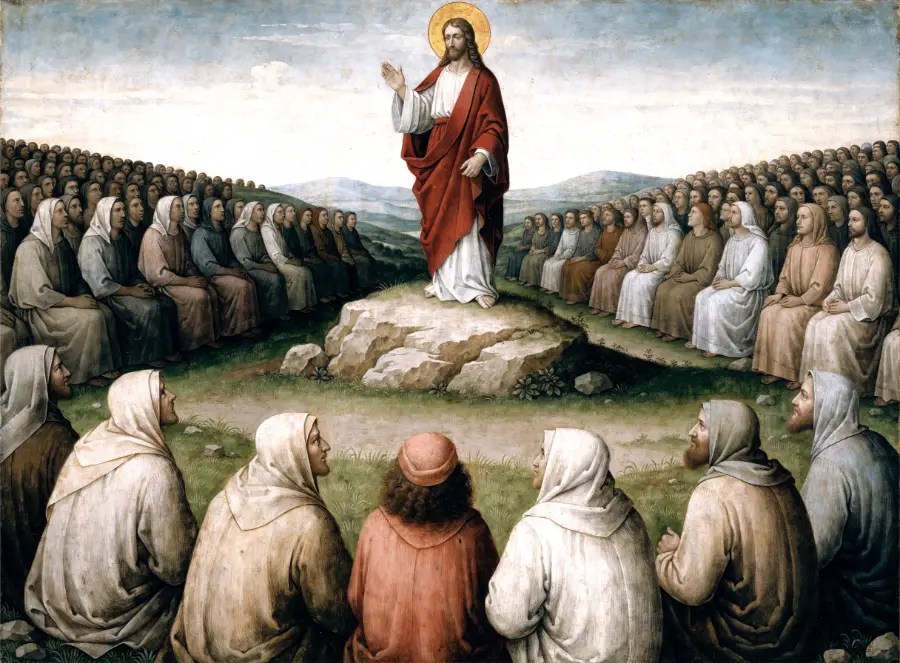
Romans 13:8
“Let no debt remain outstanding, except the continuing debt to love one another, for whoever loves others has fulfilled the law.”
Reflection: Paul has just told the church in Rome to pay taxes and to “give to everyone what you owe them” (13:7). He keeps the language of debt and names one debt that stays open, the debt of love. Verses 9 and 10 gather the commandments against adultery, murder, theft and coveting under one command, “Love your neighbor as yourself.”
Guaranteeing someone else’s debt
Proverbs 6:1-5
“My son, if you have put up security for your neighbor, if you have shaken hands in pledge for a stranger, you have been trapped by what you said, ensnared by the words of your mouth. So do this, my son, to free yourself, since you have fallen into your neighbor’s hands: Go—to the point of exhaustion—and give your neighbor no rest! Allow no sleep to your eyes, no slumber to your eyelids. Free yourself, like a gazelle from the hand of the hunter, like a bird from the snare of the fowler.”
Reflection: A father warns his son about putting up security, that is, promising to pay a neighbor’s debt if the neighbor does not. The trap is the son’s own promise: he is “trapped by what you said, ensnared by the words of your mouth.” The remedy is urgent. He is to go to the neighbor, give him no rest and allow himself no sleep until he is free, escaping “like a gazelle from the hand of the hunter.”
Proverbs 22:26-27
“Do not be one who shakes hands in pledge or puts up security for debts; if you lack the means to pay, your very bed will be snatched from under you.”
Reflection: In the sayings of the wise that begin at Proverbs 22:17, this warning repeats Proverbs 6:1-5 and names the cost: a guarantor who cannot pay loses the bed from under him. Proverbs 11:15 puts the same warning as a contrast: “Whoever puts up security for a stranger will surely suffer, but whoever refuses to shake hands in pledge is safe.”
How lenders are told to treat borrowers
Exodus 22:25-27
“If you lend money to one of my people among you who is needy, do not treat it like a business deal; charge no interest. If you take your neighbor’s cloak as a pledge, return it by sunset, because that cloak is the only covering your neighbor has. What else can they sleep in? When they cry out to me, I will hear, for I am compassionate.”
Reflection: In the laws that follow the Ten Commandments, God tells Israel that a loan to a needy neighbor is not to be treated “like a business deal.” A cloak taken as a pledge goes back by sunset, because it is the borrower’s only covering at night, and God says he will hear the borrower’s cry. Deuteronomy 24:10-13 adds that the lender must wait outside and let the borrower bring the pledge out to him.
Deuteronomy 15:1-2
“At the end of every seven years you must cancel debts. This is how it is to be done: Every creditor shall cancel any loan they have made to a fellow Israelite. They shall not require payment from anyone among their own people, because the Lord’s time for canceling debts has been proclaimed.”
Reflection: Moses commands that at the end of every seven years each creditor cancel the loans he has made to a fellow Israelite. Verse 3 allows payment to be required from a foreigner. Verse 9 calls it a “wicked thought” to say “The seventh year, the year for canceling debts, is near” and give the needy nothing, and warns that such a lender “will be found guilty of sin.” The chapter says both “there need be no poor people among you” (15:4) and “There will always be poor people in the land” (15:11), and follows the second with a command to be openhanded.
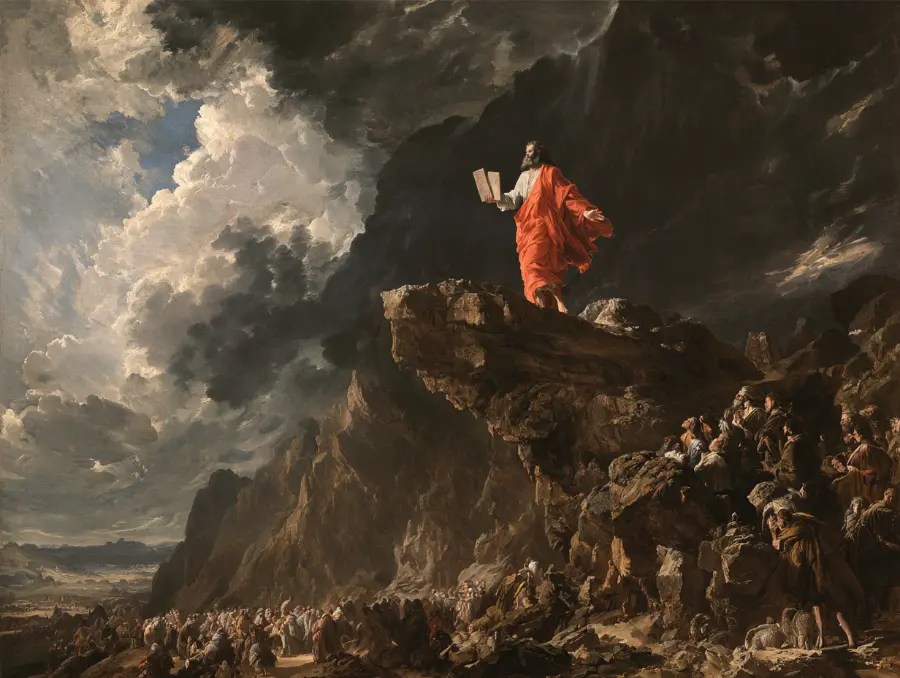
Nehemiah 5:10-11
“I and my brothers and my men are also lending the people money and grain. But let us stop charging interest! Give back to them immediately their fields, vineyards, olive groves and houses, and also the interest you are charging them—one percent of the money, grain, new wine and olive oil.”
Reflection: During a famine, families in Judah told Nehemiah they were mortgaging their fields, vineyards and homes for grain, borrowing to pay the king’s tax and handing their children into slavery (Nehemiah 5:3-5). Nehemiah accused the nobles and officials of charging their own people interest, and in verses 10-11 he counts himself, his brothers and his men among the lenders. The nobles agreed to return the land and the interest, and Nehemiah had them take an oath before the priests (5:12).
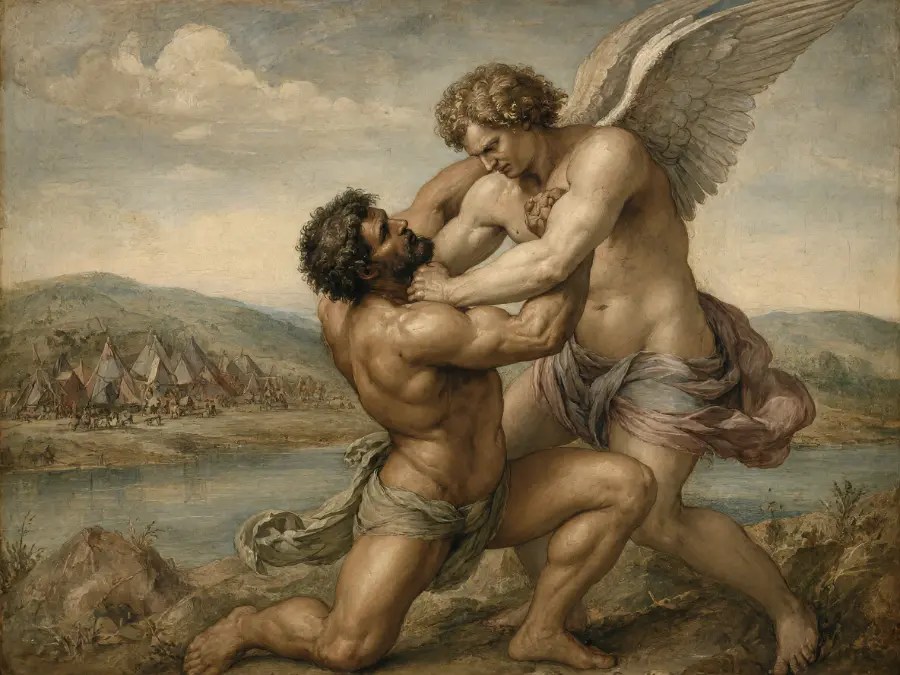
Luke 6:34-35
“And if you lend to those from whom you expect repayment, what credit is that to you? Even sinners lend to sinners, expecting to be repaid in full. But love your enemies, do good to them, and lend to them without expecting to get anything back. Then your reward will be great, and you will be children of the Most High, because he is kind to the ungrateful and wicked.”
Reflection: Jesus says that lending to people who will repay earns no credit, since “even sinners lend to sinners, expecting to be repaid in full.” He tells his hearers to lend to their enemies without expecting anything back, and the same verse gives the reason: the Most High “is kind to the ungrateful and wicked.” A few verses earlier he says, “Give to everyone who asks you, and if anyone takes what belongs to you, do not demand it back” (6:30).
Sin described as a debt
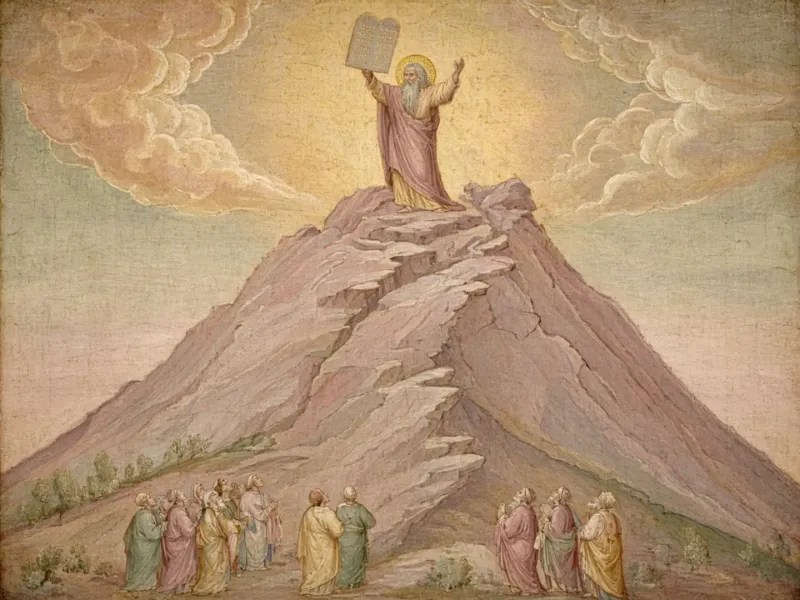
Matthew 6:12
“And forgive us our debts, as we also have forgiven our debtors.”
Reflection: The Greek word for debts here is opheilema, a debt or obligation. In the verse after the prayer ends, Jesus explains the line using the word for sins: “if you forgive other people when they sin against you, your heavenly Father will also forgive you” (6:14). Luke’s version of the prayer reads “Forgive us our sins, for we also forgive everyone who sins against us” (Luke 11:4).
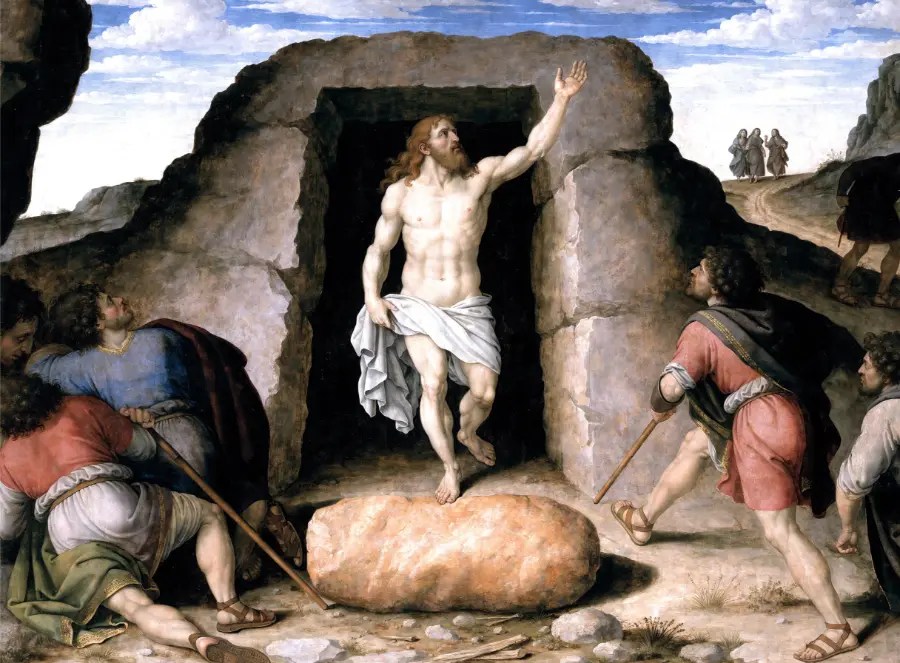
Matthew 18:27
“The servant’s master took pity on him, canceled the debt and let him go.”
Reflection: Peter asks how many times he should forgive (18:21), and Jesus answers with a parable about a king settling accounts. A servant who owes ten thousand bags of gold and cannot pay is to be sold with his wife and children; he begs for time, and the master cancels the whole debt. The same servant then has a fellow servant who owes him a hundred silver coins thrown into prison, and the master hands him over to the jailers. Jesus applies the parable in 18:35: “This is how my heavenly Father will treat each of you unless you forgive your brother or sister from your heart.”
Luke 7:41-42
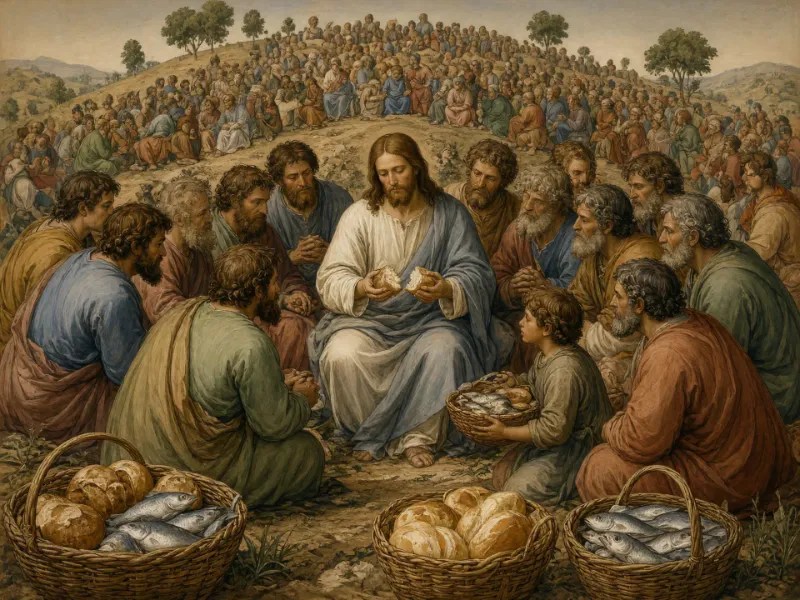
“Two people owed money to a certain moneylender. One owed him five hundred denarii, and the other fifty. Neither of them had the money to pay him back, so he forgave the debts of both. Now which of them will love him more?”
Reflection: Jesus tells this to Simon, the Pharisee who invited him to dinner, after a woman who “lived a sinful life” wet his feet with her tears and poured perfume on them (7:37-38). Simon answers that the one forgiven the bigger debt will love more, and Jesus agrees. He then applies the story to the woman: “her many sins have been forgiven—as her great love has shown. But whoever has been forgiven little loves little” (7:47).
Colossians 2:13-14
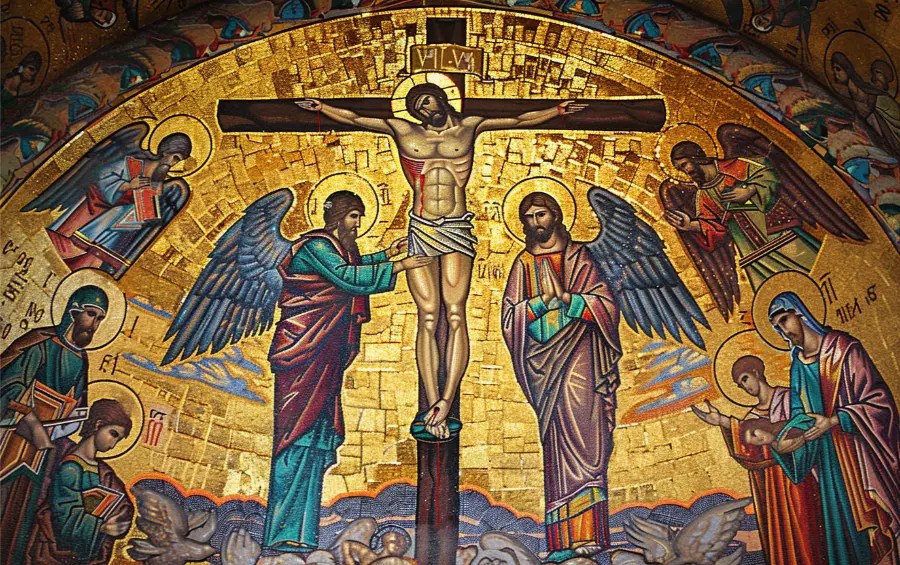
“When you were dead in your sins and in the uncircumcision of your flesh, God made you alive with Christ. He forgave us all our sins, having canceled the charge of our legal indebtedness, which stood against us and condemned us; he has taken it away, nailing it to the cross.”
Reflection: The phrase the NIV translates “the charge of our legal indebtedness” is the Greek cheirographon, a handwritten record or certificate of debt. Paul says that God, having made dead sinners alive with Christ, cancelled that record and took it away by nailing it to the cross.
Interest in the law and in a parable of Jesus
Exodus 22:25, Leviticus 25:36-37 and Deuteronomy 23:19 forbid charging interest to a fellow Israelite, and Exodus and Leviticus both describe that borrower as needy or poor. Deuteronomy 23:20 permits interest from a foreigner, as Deuteronomy 15:3 permits collecting a debt from a foreigner when the seventh year comes.
In the parable in Matthew 25, the master tells the servant who buried his money that he “should have put my money on deposit with the bankers, so that when I returned I would have received it back with interest” (Matthew 25:27).


Leave a Reply