
 English
 Chinese
 Dutch
 Arabic
 Spanish
 Portuguese
 Russian
 French
 Italian
 German
 Japanese
The Bible calls God good in what he is and in what he does.
“You are good and do good,” says Psalm 119:68. When Moses asks to see God’s glory, God answers, “I will make all my goodness pass before you” (Exodus 33:19). Jesus tells a man who calls him “Good Teacher” that “No one is good except God alone” (Mark 10:18), and Israel’s worship repeats the line “Give thanks to the Lord, for he is good” (1 Chronicles 16:34; Psalm 106:1; Psalm 136:1).
The goodness reaches all that God has made (Genesis 1:31; Psalm 145:9; Acts 14:17), shows itself in forgiveness (Psalm 86:5; Psalm 103:8-10), and is meant to lead to repentance (Romans 2:4). Several psalms speak of it from inside trouble, among them Psalm 27:13 and Psalm 73:1.
What God’s goodness is
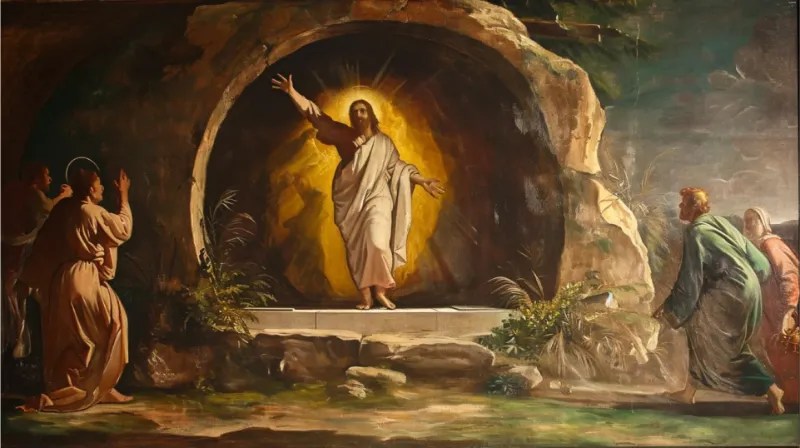
Exodus 33:19
“I will make all my goodness pass before you and will proclaim before you my name ‘The Lord.’ And I will be gracious to whom I will be gracious, and will show mercy on whom I will show mercy.”
Reflection: Moses has asked, “Please show me your glory” (verse 18), and God answers by promising to make his goodness pass before him and to proclaim his name. The next chapter records the proclamation: “The Lord, the Lord, a God merciful and gracious, slow to anger, and abounding in steadfast love and faithfulness” (Exodus 34:6). The same proclamation goes on to say that he “will by no means clear the guilty” (Exodus 34:7).

Psalm 119:68
“You are good and do good; teach me your statutes.”
Reflection: The psalmist joins who God is to what he does, then asks to be taught. The stanza headed Teth (verses 65-72) twice links that teaching to affliction: “Before I was afflicted I went astray, but now I keep your word” (verse 67), and “It is good for me that I was afflicted, that I might learn your statutes” (verse 71).

Mark 10:18
“And Jesus said to him, ‘Why do you call me good? No one is good except God alone.’”
Reflection: A man runs up, kneels, and asks the “Good Teacher” what he must do to inherit eternal life. Jesus questions the title and places goodness in God alone, then lists commandments the man says he has kept from his youth. The conversation ends with the man going away sorrowful, “for he had great possessions” (verse 22).
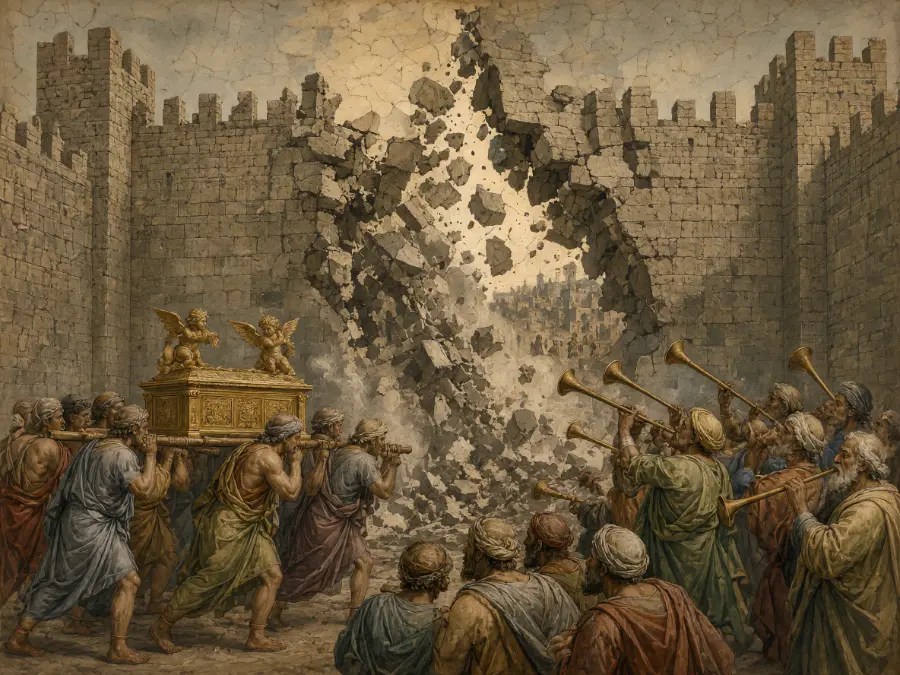
James 1:17
“Every good gift and every perfect gift is from above, coming down from the Father of lights, with whom there is no variation or shadow due to change.”
Reflection: James calls God “the Father of lights” and says that with him there is “no variation or shadow due to change.” The verse follows the warning “Do not be deceived, my beloved brothers” (verse 16). The next verse says what God did “of his own will”: he “brought us forth by the word of truth.”
Good to everything he has made
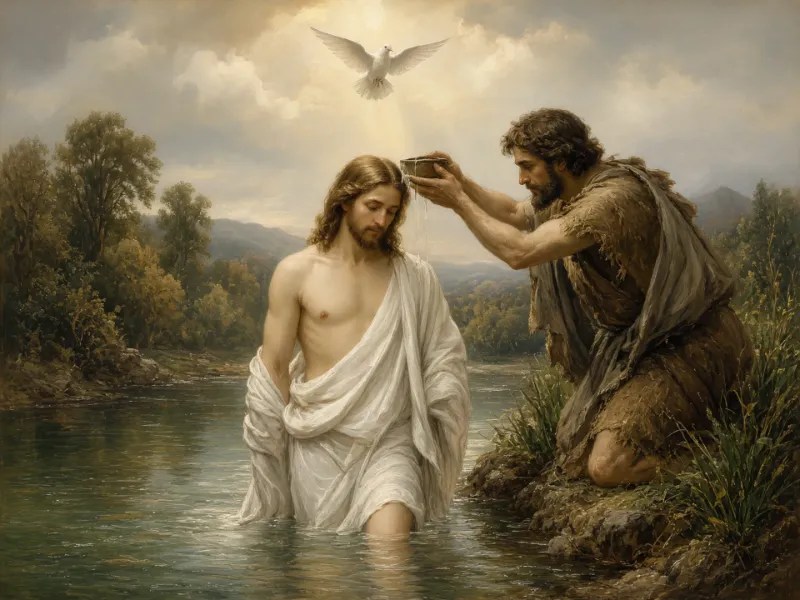
Genesis 1:31
“And God saw everything that he had made, and behold, it was very good. And there was evening and there was morning, the sixth day.”
Reflection: Through the creation account God looks at what he has made and sees “that it was good” (verses 4, 10 and 12). At the end of the sixth day, after giving every green plant as food for people and animals (verses 29-30), he looks at everything together and calls it “very good.”

Psalm 145:9
“The Lord is good to all, and his mercy is over all that he has made.”
Reflection: The verse before it repeats the words of Exodus 34:6: “The Lord is gracious and merciful, slow to anger and abounding in steadfast love” (verse 8). Verse 9 then extends God’s goodness “to all” and his mercy to “all that he has made,” and verse 10 says that all his works shall give thanks to him.

Acts 14:17
“Yet he did not leave himself without witness, for he did good by giving you rains from heaven and fruitful seasons, satisfying your hearts with food and gladness.”
Reflection: Barnabas and Paul tear their garments and rush into a crowd that is treating them as gods, telling the people to turn “from these vain things to a living God, who made the heaven and the earth and the sea” (verse 15). God had let the nations walk in their own ways (verse 16), yet rain, fruitful seasons, food and gladness were his witness to them.

Matthew 7:11
“If you then, who are evil, know how to give good gifts to your children, how much more will your Father who is in heaven give good things to those who ask him!”
Reflection: Jesus closes his teaching on asking, seeking and knocking (verses 7-8) with an argument from the lesser to the greater. A father whose son asks for bread does not hand him a stone. If fathers “who are evil” give good gifts, the Father in heaven will give “good things to those who ask him.”
The thanksgiving refrain: “for he is good”

Psalm 136:1
“Give thanks to the Lord, for he is good, for his steadfast love endures forever.”
Reflection: Every one of the psalm’s 26 verses ends with “for his steadfast love endures forever.” The lines in between move from the making of the heavens, the earth and the lights (verses 5-9) to the exodus, the wilderness and the gift of the land (verses 10-22), and end with God giving “food to all flesh” (verse 25).
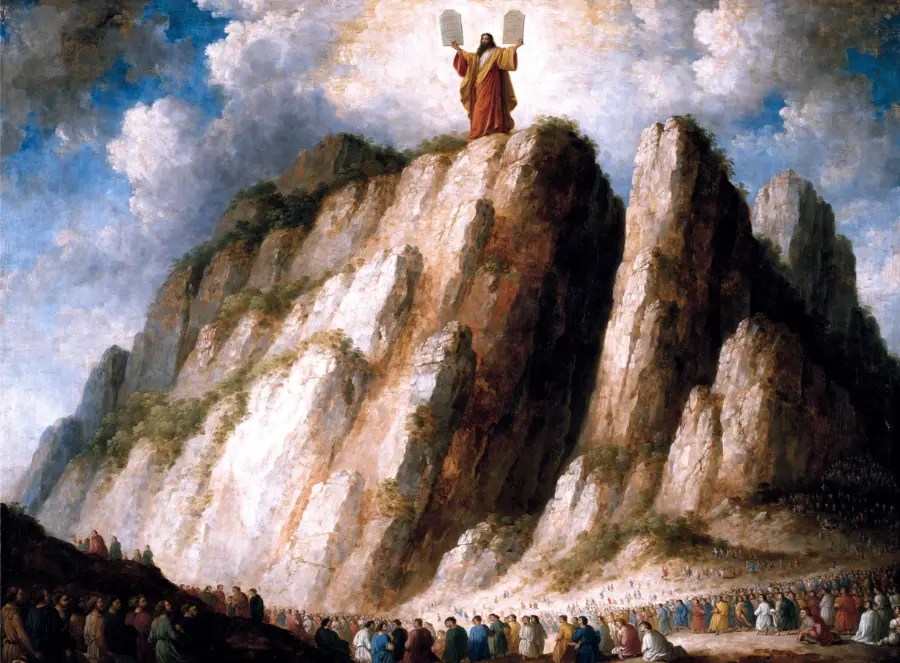
Psalm 100:5
“For the Lord is good; his steadfast love endures forever, and his faithfulness to all generations.”
Reflection: Psalm 100 is headed “A Psalm for giving thanks.” It calls all the earth to come into God’s presence with singing and through his gates with thanksgiving, and verse 5 gives the reason with “For”: the Lord is good, his steadfast love lasts forever, and his faithfulness reaches “to all generations.”
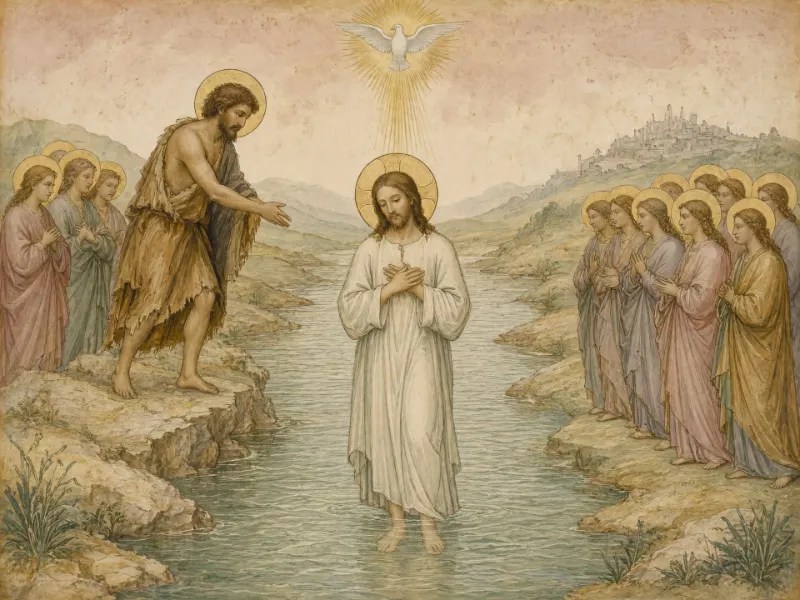
Psalm 106:1
“Praise the Lord! Oh give thanks to the Lord, for he is good, for his steadfast love endures forever!”
Reflection: The refrain opens a psalm that goes on to confess, “Both we and our fathers have sinned” (verse 6), and to recount Israel’s rebellions from the Red Sea onward. Its first line and its closing prayer (verses 47-48) appear in nearly the same words in the thanksgiving David appointed Asaph and his brothers to sing after the ark of God was set in its tent (1 Chronicles 16:1, 7 and 34-36).
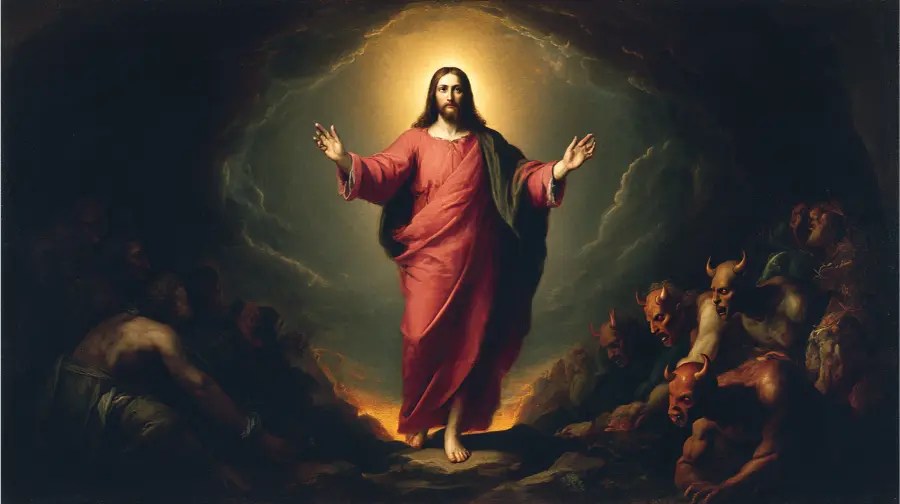
Psalm 34:8
“Oh, taste and see that the Lord is good! Blessed is the man who takes refuge in him!”
Reflection: The heading places the psalm at the time David “changed his behavior before Abimelech” and was driven out. Before the invitation to taste and see, David gives his own case: “This poor man cried, and the Lord heard him and saved him out of all his troubles” (verse 6). Verse 10 adds that “those who seek the Lord lack no good thing.”
Goodness that forgives and leads to repentance

Psalm 86:5
“For you, O Lord, are good and forgiving, abounding in steadfast love to all who call upon you.”
Reflection: Psalm 86 is headed “A Prayer of David,” and this verse is spoken to God. David asks to be heard because he is “poor and needy” (verse 1) and grounds the request in what God is: good, forgiving, and abounding in steadfast love “to all who call upon you.”

Psalm 25:8
“Good and upright is the Lord; therefore he instructs sinners in the way.”
Reflection: In the verse before, David asks God not to remember “the sins of my youth” and to remember him instead “for the sake of your goodness, O Lord!” Verse 8 draws its conclusion with “therefore”: because the Lord is good and upright, he instructs sinners in the way, and verse 9 adds that he teaches the humble.
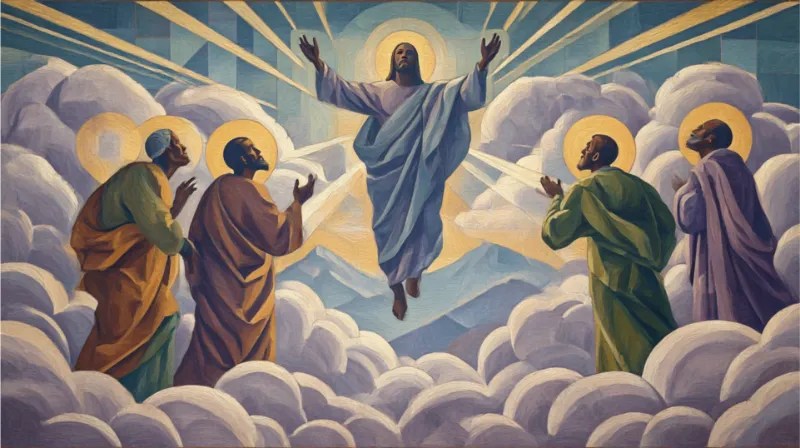
Psalm 103:8-10
“The Lord is merciful and gracious, slow to anger and abounding in steadfast love. He will not always chide, nor will he keep his anger forever. He does not deal with us according to our sins, nor repay us according to our iniquities.”
Reflection: Verse 7 recalls that God “made known his ways to Moses,” and verse 8 repeats the words of Exodus 34:6. Verses 9-10 say that God’s anger has an end and that he does not repay sins as they deserve. Verses 11-12 give two measures: his steadfast love is as high as the heavens are above the earth, and he removes transgressions as far as the east is from the west.

Romans 2:4
“Or do you presume on the riches of his kindness and forbearance and patience, not knowing that God’s kindness is meant to lead you to repentance?”
Reflection: Paul is addressing someone who condemns others while doing the same things (verses 1-3). Such a person presumes on God’s kindness and patience, which are meant to lead to repentance, and verse 5 warns that a hard heart is “storing up wrath for yourself on the day of wrath.” The Greek word behind “the riches of his kindness,” chrestotes, is the word the ESV translates “goodness” in Titus 3:4. The King James Version reverses the two, reading “the riches of his goodness” here and “the kindness and love of God our Saviour” in Titus.
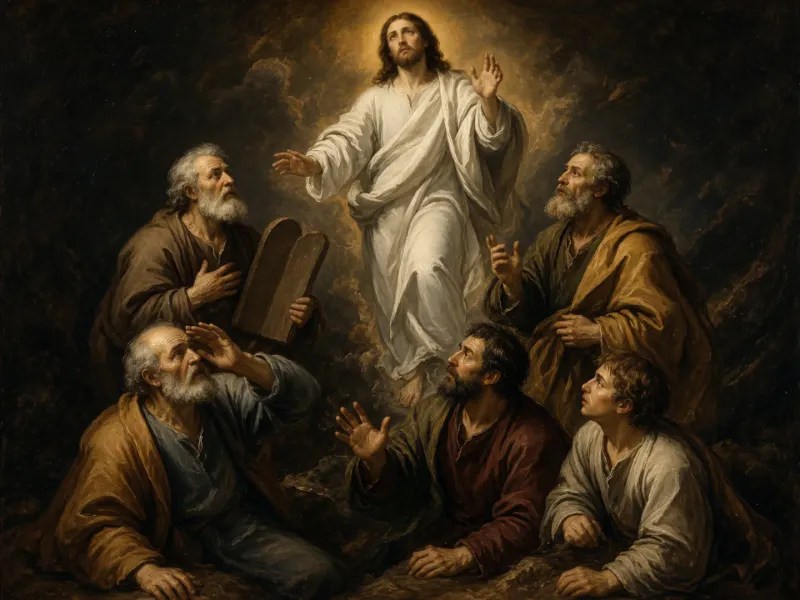
Titus 3:4-5
“But when the goodness and loving kindness of God our Savior appeared, he saved us, not because of works done by us in righteousness, but according to his own mercy, by the washing of regeneration and renewal of the Holy Spirit.”
Reflection: Paul first describes “we ourselves” as once “foolish, disobedient, led astray,” and “hating one another” (verse 3). God’s goodness and loving kindness then “appeared” and saved them, by his mercy and not by works they had done. Verse 7 states the purpose: “so that being justified by his grace we might become heirs according to the hope of eternal life.”
Goodness for those who take refuge in him
Nahum 1:7
“The Lord is good, a stronghold in the day of trouble; he knows those who take refuge in him.”
Reflection: The verse is set between descriptions of God’s wrath. Verses 2-6 call him “jealous and avenging,” with mountains quaking before him, and verse 3 echoes Exodus 34:6-7: “The Lord is slow to anger and great in power, and the Lord will by no means clear the guilty.” Verse 7 calls him good, a stronghold who “knows those who take refuge in him,” and verse 8 returns to the flood that will end his adversaries.

Psalm 31:19
“Oh, how abundant is your goodness, which you have stored up for those who fear you and worked for those who take refuge in you, in the sight of the children of mankind!”
Reflection: Goodness here is “stored up” for those who fear God and “worked” for those who take refuge in him, “in the sight of the children of mankind.” David gives his own case in verses 21-22: in a besieged city he had said, “I am cut off from your sight,” and God heard his pleas for mercy.
When goodness is hard to see
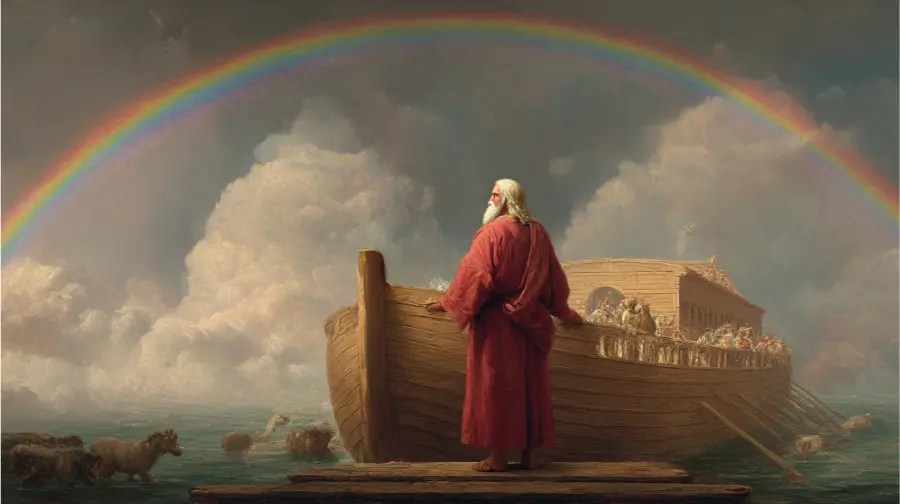
Psalm 73:1
“Truly God is good to Israel, to those who are pure in heart.”
Reflection: Asaph states the creed in his first line and admits in the next two that he nearly stumbled, “envious of the arrogant when I saw the prosperity of the wicked” (verse 3). Trying to understand it was “a wearisome task, until I went into the sanctuary of God” (verses 16-17). The psalm ends by restating its opening in the first person: “But for me it is good to be near God” (verse 28).
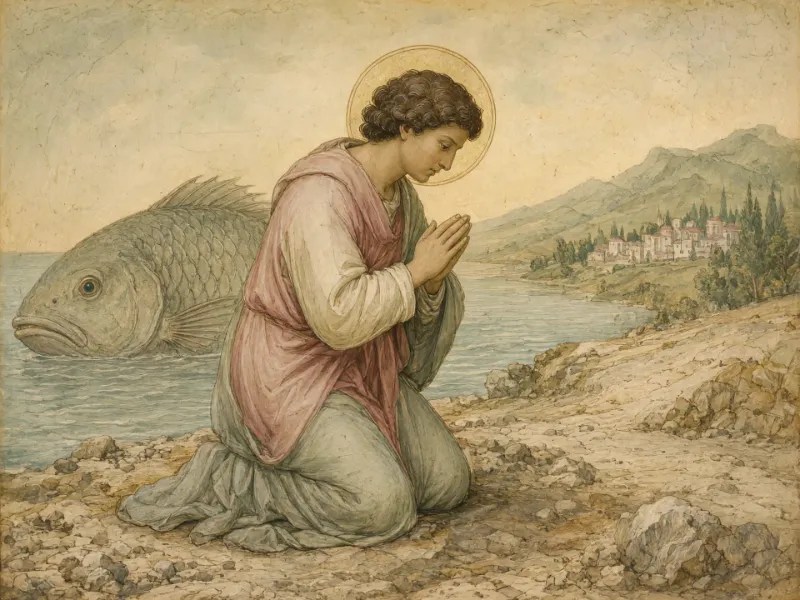
Psalm 27:13
“I believe that I shall look upon the goodness of the Lord in the land of the living!”
Reflection: David has asked not to be given up to false witnesses who “breathe out violence” (verse 12). He expects to see the Lord’s goodness “in the land of the living,” and the next verse tells the hearer to wait: “Wait for the Lord; be strong, and let your heart take courage; wait for the Lord!”
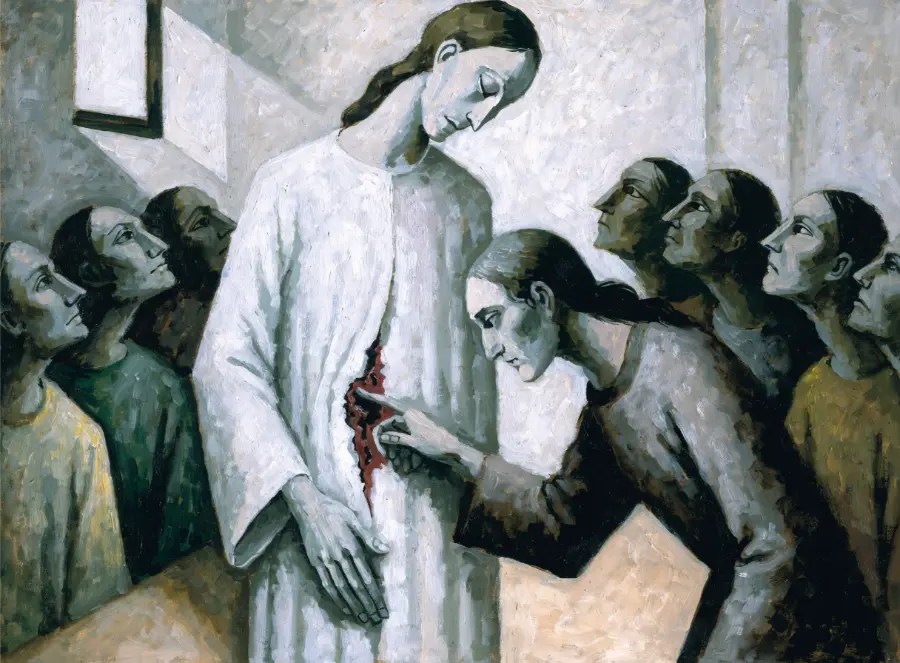
Psalm 23:6
“Surely goodness and mercy shall follow me all the days of my life, and I shall dwell in the house of the Lord forever.”
Reflection: The shepherd psalm ends with goodness and mercy following the speaker for the rest of his life. The verses before it place him in “the valley of the shadow of death” (verse 4) and at a table prepared “in the presence of my enemies” (verse 5). The last line looks ahead: “I shall dwell in the house of the Lord forever.”

Romans 8:28
“And we know that for those who love God all things work together for good, for those who are called according to his purpose.”
Reflection: The verse follows Paul’s statement that the Spirit intercedes for believers who “do not know what to pray for as we ought” (verse 26). The promise is made to “those who love God” and are “called according to his purpose,” and the next verse names that purpose: to be “conformed to the image of his Son.”


Leave a Reply