
 English
 Chinese
 Dutch
 Arabic
 Spanish
 Portuguese
 Russian
 French
 Italian
 German
 Japanese
The Bible speaks of hands in two directions: God’s hands, which made the world and hold his people, and human hands, which pray, work, give and bless. God tells Zion, “I have engraved you on the palms of my hands” (Isaiah 49:16).
Jesus says no one can snatch his sheep out of his hand (John 10:28-29). He touched a man with leprosy and placed his hands on children (Matthew 8:3, Mark 10:16). After the resurrection he showed his hands to the disciples as evidence that he was not a ghost (Luke 24:39-40), and told Thomas, “see my hands” (John 20:27). Lifting the hands is a posture of prayer in Psalm 141:2 and 1 Timothy 2:8, Psalm 24:3-4 asks for clean hands and a pure heart, and laying on hands marks a blessing or a commission (Genesis 48:14, Acts 6:6).
God’s hands make, hold and keep
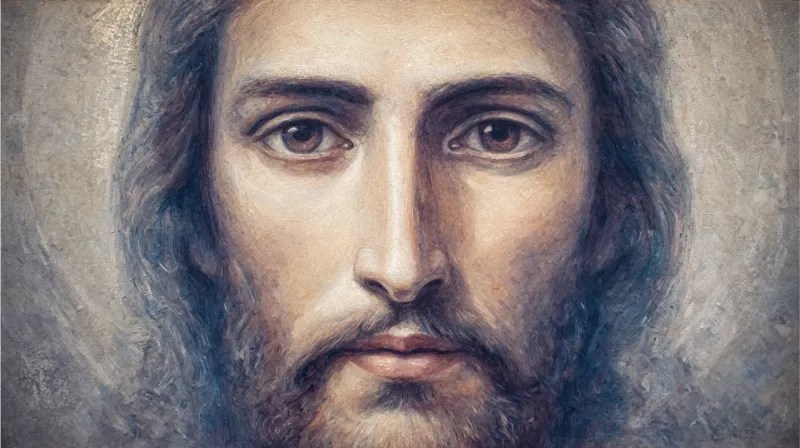
Psalm 95:4
“In his hand are the depths of the earth, and the mountain peaks belong to him.”
Reflection: The psalm calls Israel to worship the Lord as “the great King above all gods” (verse 3), and verses 4 and 5 give the grounds: the depths of the earth are in his hand, the mountain peaks belong to him, and “his hands formed the dry land.”
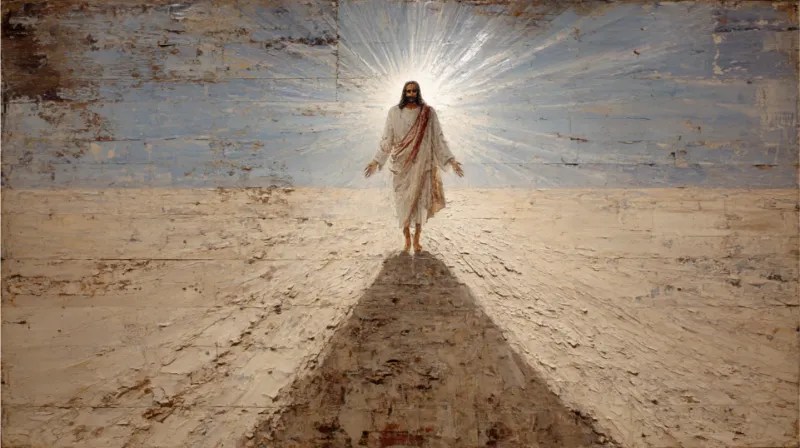
Isaiah 49:16
“See, I have engraved you on the palms of my hands; your walls are ever before me.”
Reflection: Zion has just said, “The Lord has forsaken me, the Lord has forgotten me” (verse 14). God answers with a mother who might forget the baby at her breast, then says, “Though she may forget, I will not forget you!” The engraving on his palms is his reply to the charge of forgetting: the city is marked on his hands, and its walls are “ever before me.”
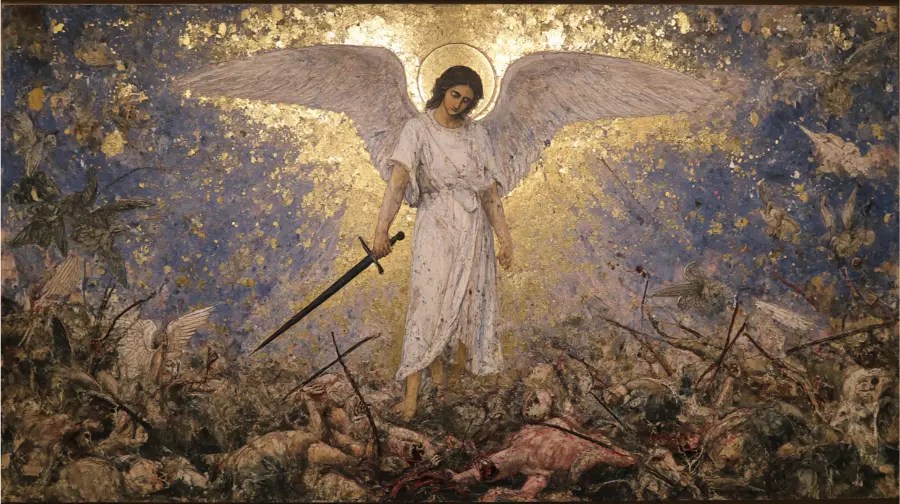
Psalm 139:10
“even there your hand will guide me, your right hand will hold me fast.”
Reflection: The psalmist asks where he could go from God’s presence and tries the far edges: the heavens, the depths, “the wings of the dawn” and “the far side of the sea” (verses 8-9). At the farthest point he finds God’s hand guiding him and God’s right hand holding him fast. Verses 11 and 12 add darkness to the list, and it hides nothing from God either.
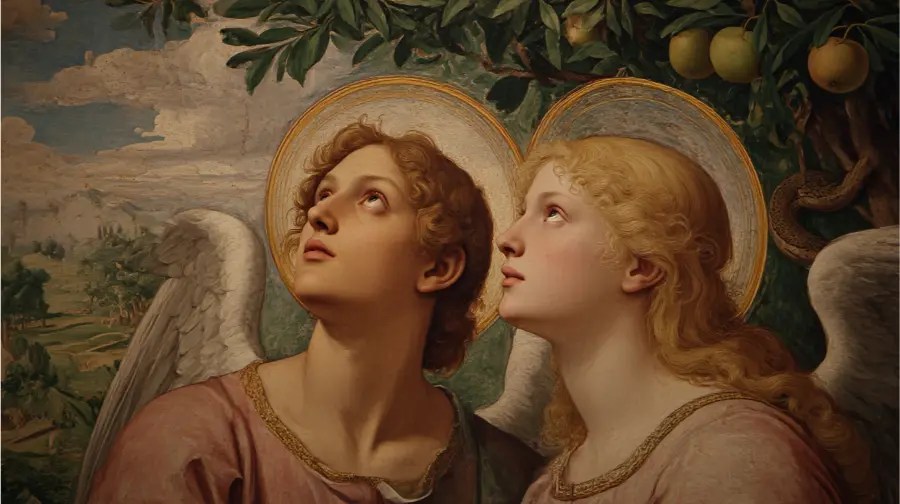
Isaiah 41:10
“So do not fear, for I am with you; do not be dismayed, for I am your God. I will strengthen you and help you; I will uphold you with my righteous right hand.”
Reflection: God addresses Israel as “my servant, Jacob, whom I have chosen” (verse 8) and tells the nation not to fear. The right hand appears twice in the passage: here God upholds Israel with his own righteous right hand, and in verse 13 he “takes hold of your right hand” and repeats, “Do not fear; I will help you.”
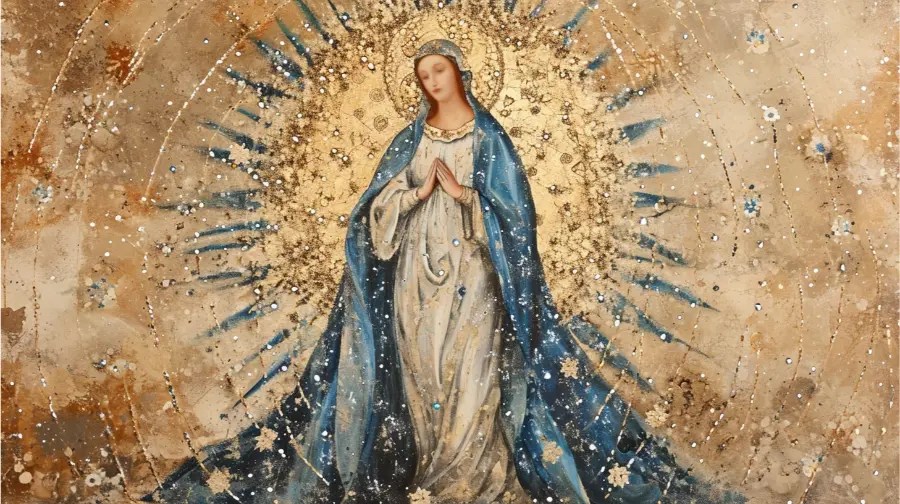
John 10:28-29
“I give them eternal life, and they shall never perish; no one will snatch them out of my hand. My Father, who has given them to me, is greater than all; no one can snatch them out of my Father’s hand.”
Reflection: Jesus speaks in Solomon’s Colonnade at the Festival of Dedication, to people who have asked him to say plainly whether he is the Messiah (verses 22-24). He says the same thing of two hands: no one will snatch his sheep out of his hand, and no one can snatch them out of his Father’s hand. His next sentence is “I and the Father are one.”
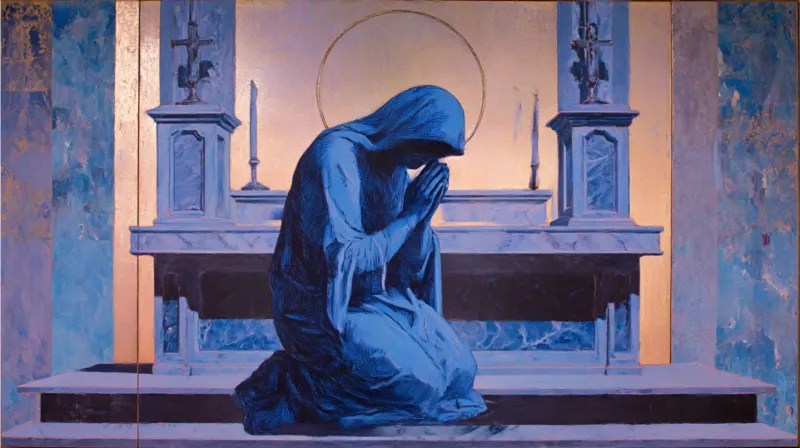
Luke 23:46
“Jesus called out with a loud voice, ‘Father, into your hands I commit my spirit.’ When he had said this, he breathed his last.”
Reflection: Jesus’s last words in Luke’s account are a line from Psalm 31:5, “Into your hands I commit my spirit,” addressed to God as “Father.” Luke places them after darkness from noon until three in the afternoon and the tearing of the temple curtain (verses 44-45), and says that when Jesus had said this, he breathed his last.
What Jesus did with his hands
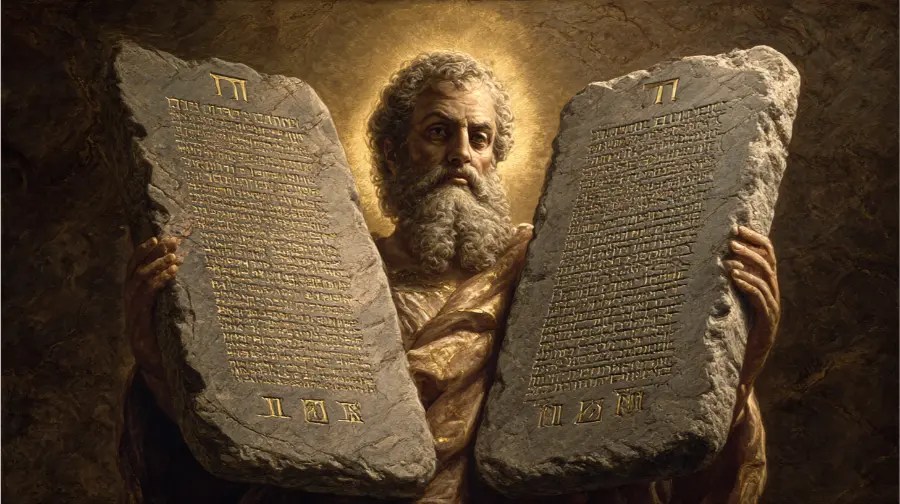
Matthew 8:3
“Jesus reached out his hand and touched the man. ‘I am willing,’ he said. ‘Be clean!’ Immediately he was cleansed of his leprosy.”
Reflection: The man with leprosy knelt and said, “Lord, if you are willing, you can make me clean” (verse 2). Jesus touches him before he speaks, and his words take up the man’s own: “I am willing.” He then sends the man to show himself to the priest and offer the gift Moses commanded (verse 4).
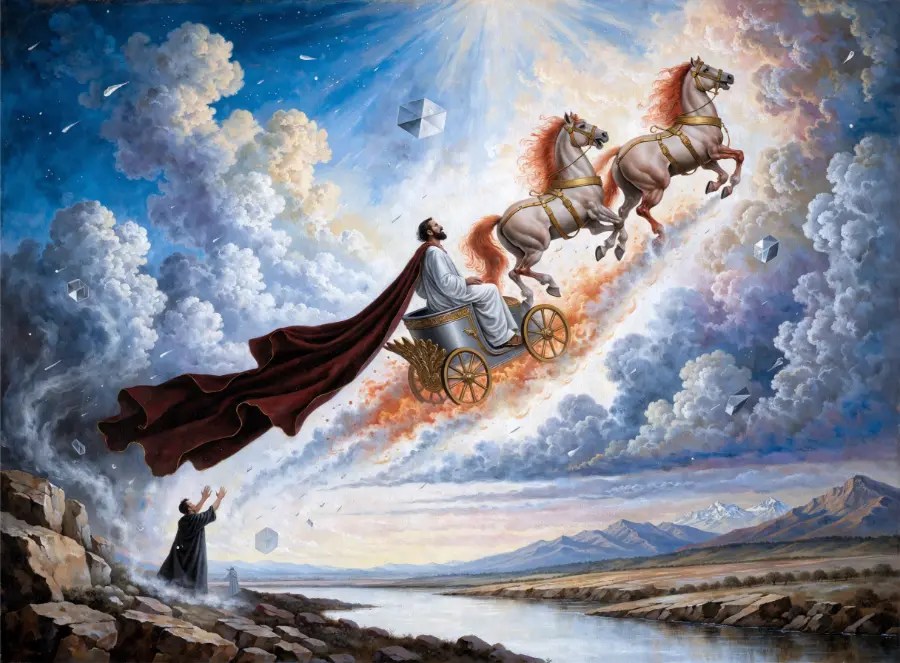
Mark 10:16
“And he took the children in his arms, placed his hands on them and blessed them.”
Reflection: People had brought children to Jesus “for him to place his hands on them,” and the disciples rebuked them (verse 13). Jesus was indignant, told the disciples to let the children come, and ended by doing what the people had asked: he took the children in his arms, placed his hands on them and blessed them.
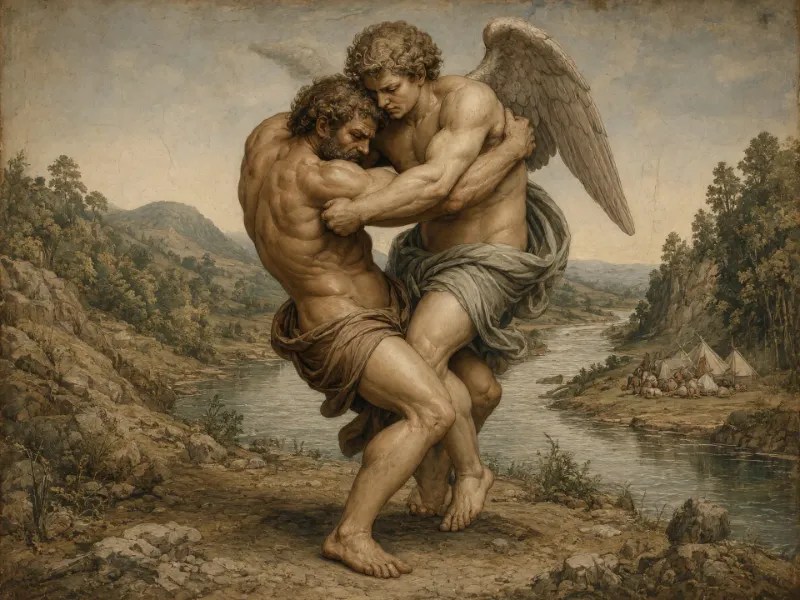
Luke 24:39-40
“Look at my hands and my feet. It is I myself! Touch me and see; a ghost does not have flesh and bones, as you see I have.’ When he had said this, he showed them his hands and feet.”
Reflection: The risen Jesus appears among the disciples, who are startled and think they are seeing a ghost (verse 37). He offers his hands and feet as evidence that he has flesh and bones. When they still do not believe it “because of joy and amazement,” he asks for food and eats a piece of broiled fish in front of them (verses 41-43).
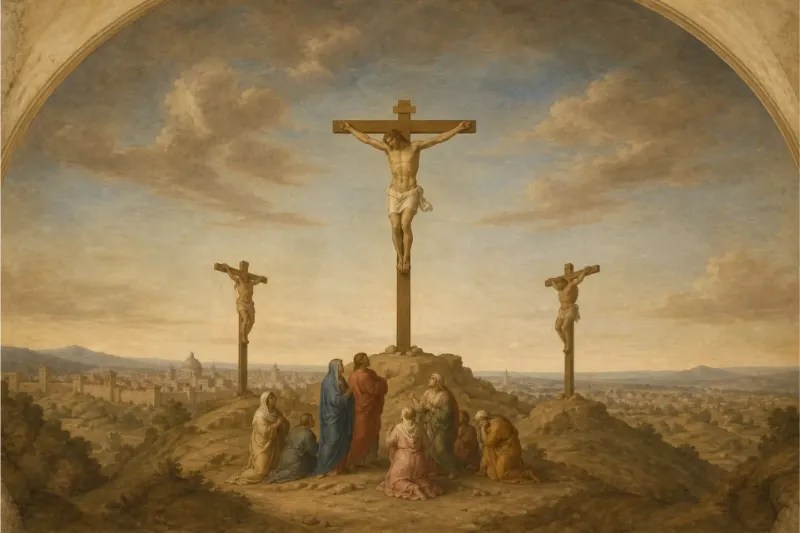
John 20:27
“Then he said to Thomas, ‘Put your finger here; see my hands. Reach out your hand and put it into my side. Stop doubting and believe.’”
Reflection: A week earlier Thomas had set his own terms: “Unless I see the nail marks in his hands and put my finger where the nails were, and put my hand into his side, I will not believe” (verse 25). Jesus repeats those terms back to him almost word for word. John does not say whether Thomas touched the wounds; the next thing recorded is his answer, “My Lord and my God!”
Hands lifted in prayer
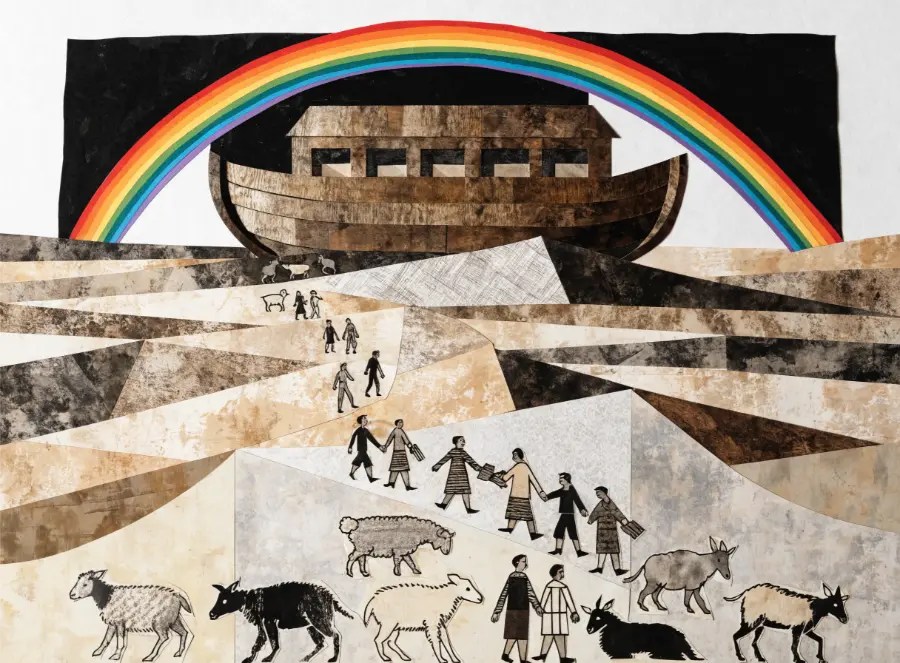
Psalm 141:2
“May my prayer be set before you like incense; may the lifting up of my hands be like the evening sacrifice.”
Reflection: David opens the psalm asking the Lord to “come quickly” and hear him (verse 1). He asks that his prayer be received like incense and his raised hands like the evening sacrifice, setting the posture of prayer beside the offerings of Israel’s worship.
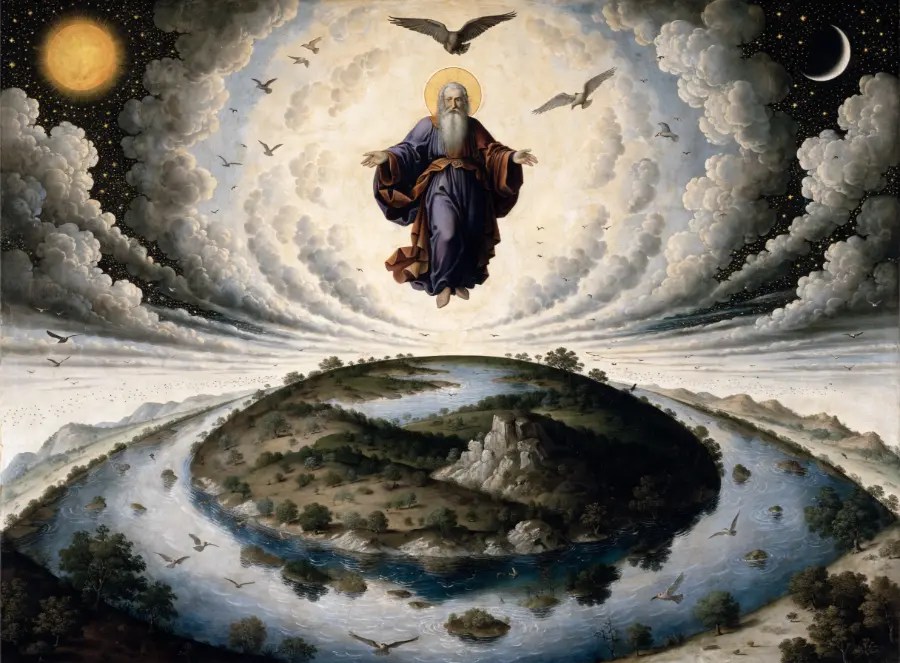
Psalm 63:4
“I will praise you as long as I live, and in your name I will lift up my hands.”
Reflection: The heading places the psalm in the Desert of Judah, and verse 1 describes “a dry and parched land where there is no water.” David remembers seeing God’s power and glory in the sanctuary (verse 2), and because God’s love is better than life (verse 3), he will praise him as long as he lives and lift up his hands in his name.
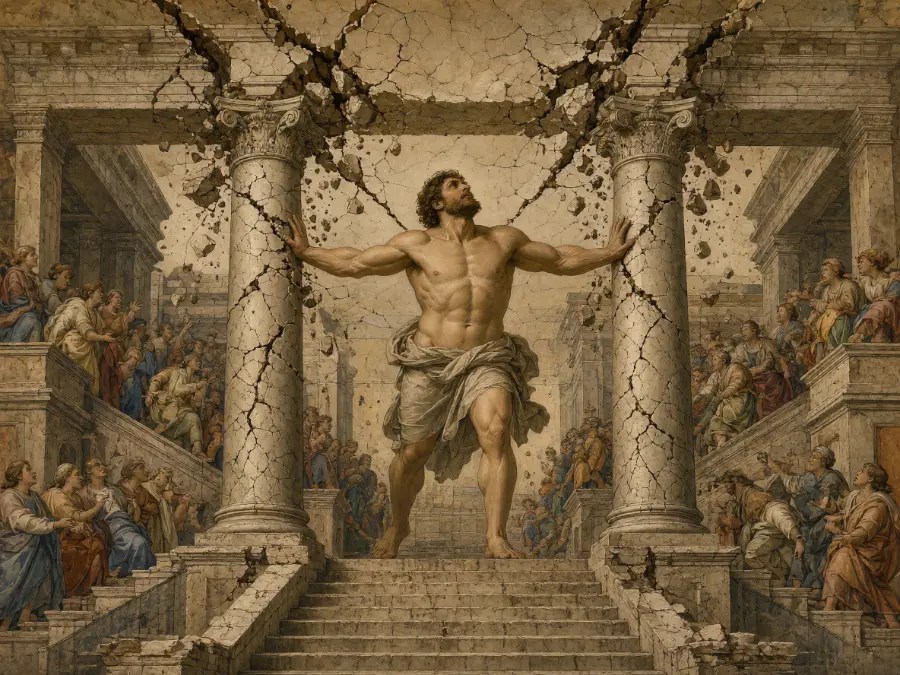
Lamentations 3:41-42
“Let us lift up our hearts and our hands to God in heaven, and say: ‘We have sinned and rebelled and you have not forgiven.’”
Reflection: The call follows “Let us examine our ways and test them, and let us return to the Lord” (verse 40), and it asks for hearts as well as hands to be lifted. What the lifted hands bring is a confession, “We have sinned and rebelled,” and the same sentence ends in complaint: “you have not forgiven.”
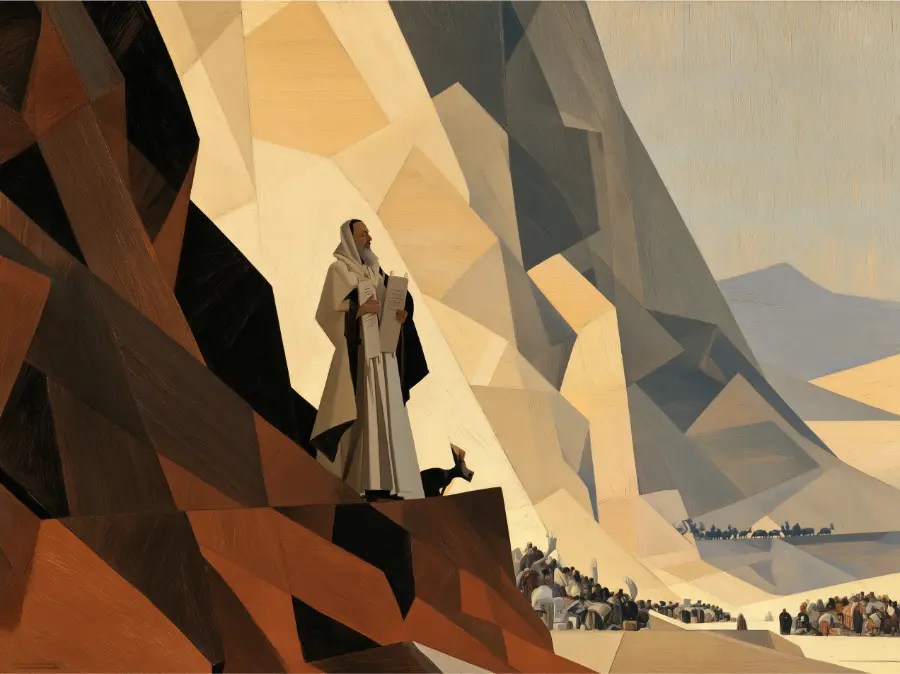
1 Timothy 2:8
“Therefore I want the men everywhere to pray, lifting up holy hands without anger or disputing.”
Reflection: Paul has urged prayers “for all people,” including kings and all those in authority (verses 1-2). Here he wants the men in every place to pray with hands lifted, and he describes the hands as “holy hands without anger or disputing.”
Clean hands and hands full of blood
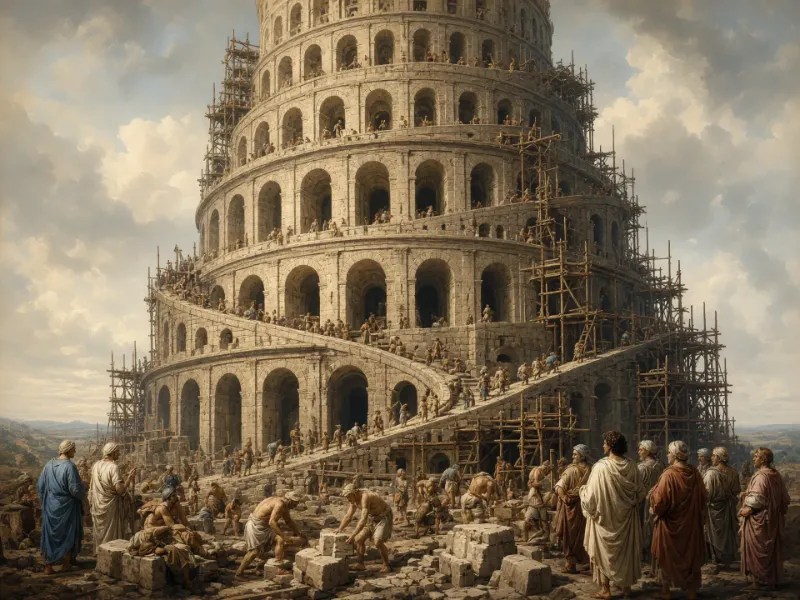
Psalm 24:3-4
“Who may ascend the mountain of the Lord? Who may stand in his holy place? The one who has clean hands and a pure heart, who does not trust in an idol or swear by a false god.”
Reflection: The psalm opens with the whole earth belonging to the Lord (verse 1) and then asks who may go up his mountain and stand in his holy place. The answer pairs clean hands with a pure heart and adds the refusal to trust an idol or swear by a false god. Verse 5 promises such a person blessing and vindication from God.
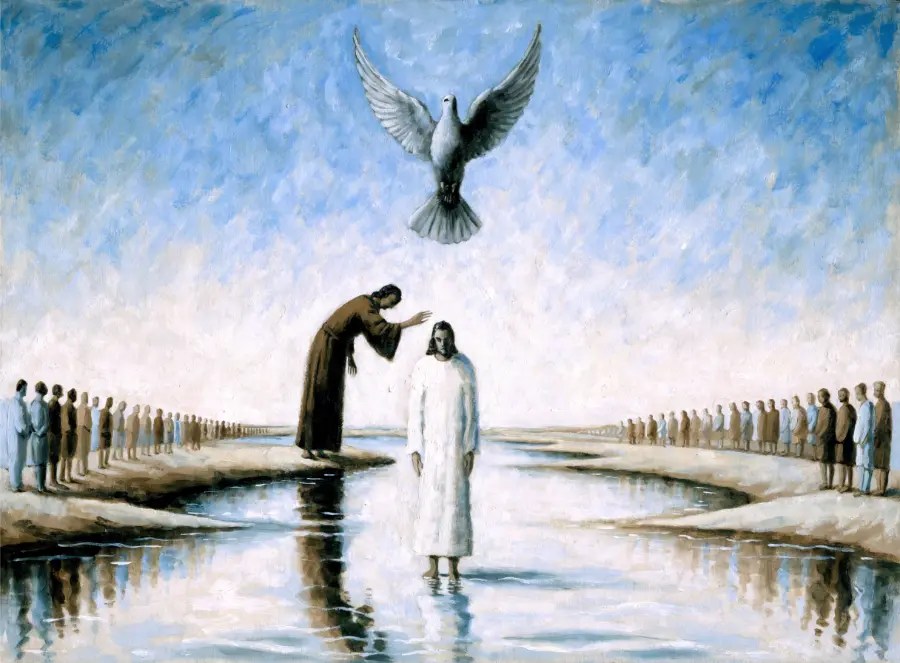
Isaiah 1:15
“When you spread out your hands in prayer, I hide my eyes from you; even when you offer many prayers, I am not listening. Your hands are full of blood!”
Reflection: When the people spread out their hands in prayer, God says, “I hide my eyes from you,” and he is not listening to their many prayers. He gives the reason: “Your hands are full of blood!” The next verses say what washing them would involve: “stop doing wrong. Learn to do right; seek justice. Defend the oppressed. Take up the cause of the fatherless” (verses 16-17).
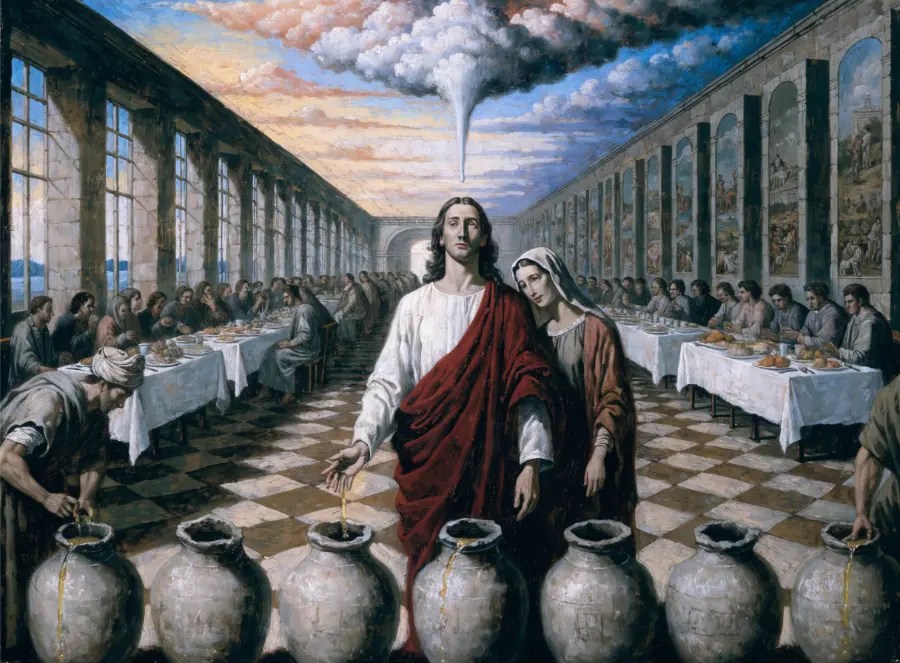
James 4:8
“Come near to God and he will come near to you. Wash your hands, you sinners, and purify your hearts, you double-minded.”
Reflection: James gives a run of commands: submit to God, resist the devil, come near to God (verses 7-8). Washing hands is addressed to “sinners” and purifying hearts to the “double-minded,” the same pairing of hands and heart as Psalm 24:4. The passage goes on to grief and humbling, and ends with the promise that the Lord “will lift you up” (verse 10).
The work of human hands
Ecclesiastes 9:10
“Whatever your hand finds to do, do it with all your might, for in the realm of the dead, where you are going, there is neither working nor planning nor knowledge nor wisdom.”
Reflection: The Teacher has just told the reader to eat with gladness, drink wine with a joyful heart and enjoy life with his wife (verses 7-9). Work belongs on the same list, to be done “with all your might,” and the reason given is that the realm of the dead has “neither working nor planning nor knowledge nor wisdom.”
Proverbs 10:4
“Lazy hands make for poverty, but diligent hands bring wealth.”
Reflection: The proverb sets two kinds of hands against each other, lazy and diligent, and ties each to its result. The next verse gives the same contrast at harvest time: the son who gathers crops in summer is prudent, and the one who sleeps during harvest is a disgrace.
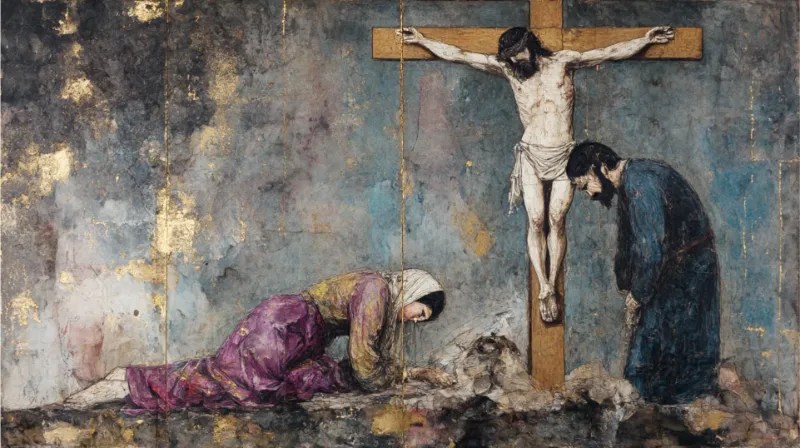
Ephesians 4:28
“Anyone who has been stealing must steal no longer, but must work, doing something useful with their own hands, that they may have something to share with those in need.”
Reflection: The verse sits in a list of old habits to put off and new ones to take up, after commands to stop lying and not to let anger give the devil a foothold (verses 25-27). The thief is told to work with his own hands, and the purpose given for the work is “that they may have something to share with those in need.”
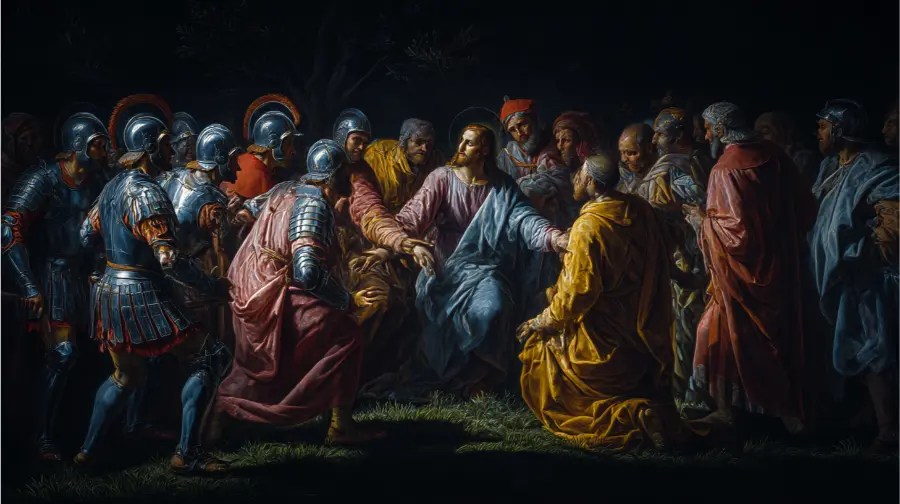
Proverbs 31:20
“She opens her arms to the poor and extends her hands to the needy.”
Reflection: The poem about “a wife of noble character” (verse 10) has already shown her hands at work: she “works with eager hands” (verse 13) and holds the distaff and spindle (verse 19). In verse 20 the same hands open to the poor and reach out to the needy.
Hands in blessing, commissioning and agreement
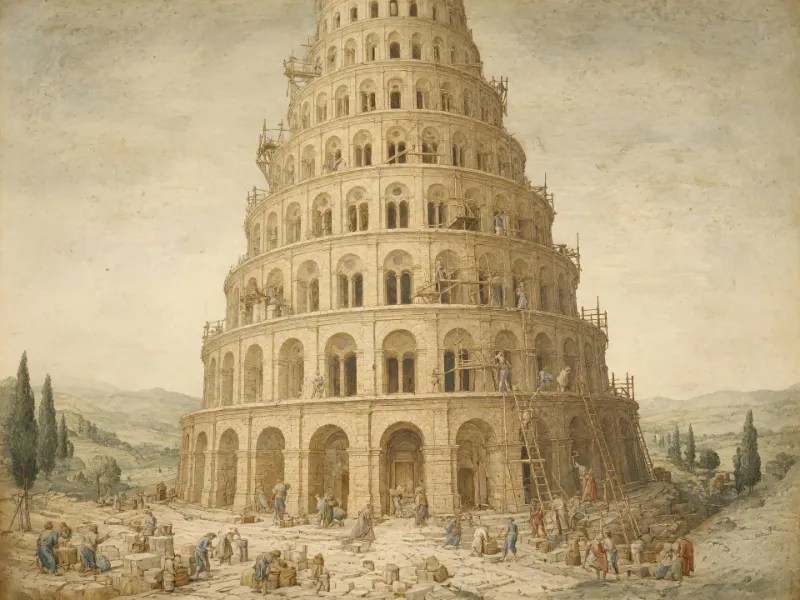
Genesis 48:14
“But Israel reached out his right hand and put it on Ephraim’s head, though he was the younger, and crossing his arms, he put his left hand on Manasseh’s head, even though Manasseh was the firstborn.”
Reflection: Joseph set his sons before his father Israel so that the right hand would fall on Manasseh, the firstborn (verse 13). Israel crossed his arms and put his right hand on Ephraim instead. When Joseph tried to move his father’s hand, Israel refused, “I know, my son, I know,” and said the younger brother would be greater (verses 17-19).
Acts 6:6
“They presented these men to the apostles, who prayed and laid their hands on them.”
Reflection: After complaints that the Hellenistic widows were being overlooked in the daily distribution of food, the apostles asked the disciples to choose seven men “full of the Spirit and wisdom” to take the work over (verses 1-3). The whole group chose them, and the apostles prayed and laid their hands on them. Hebrews 6:2 lists “the laying on of hands” among the elementary teachings about Christ.
Galatians 2:9
“James, Cephas and John, those esteemed as pillars, gave me and Barnabas the right hand of fellowship when they recognized the grace given to me.”
Reflection: Paul describes his agreement with James, Cephas and John, “those esteemed as pillars.” The right hand they gave him and Barnabas settled a division of the work: Paul and Barnabas would go to the Gentiles, and the others to the circumcised. The one request attached was that they “continue to remember the poor” (verse 10).


Leave a Reply