
 English
 Chinese
 Dutch
 Arabic
 Spanish
 Portuguese
 Russian
 French
 Italian
 German
 Japanese
The Bible treats each day as given by God, begun in prayer and met with work and thanks.
Psalm 118:24 calls Israel to rejoice on the day the Lord acted, Lamentations 3:22-23 says his compassions are “new every morning”, Psalms 5, 90 and 143 bring requests to God in the morning, and in Matthew 6:34 Jesus tells his disciples that “each day has enough trouble of its own.”
The day the Lord has acted
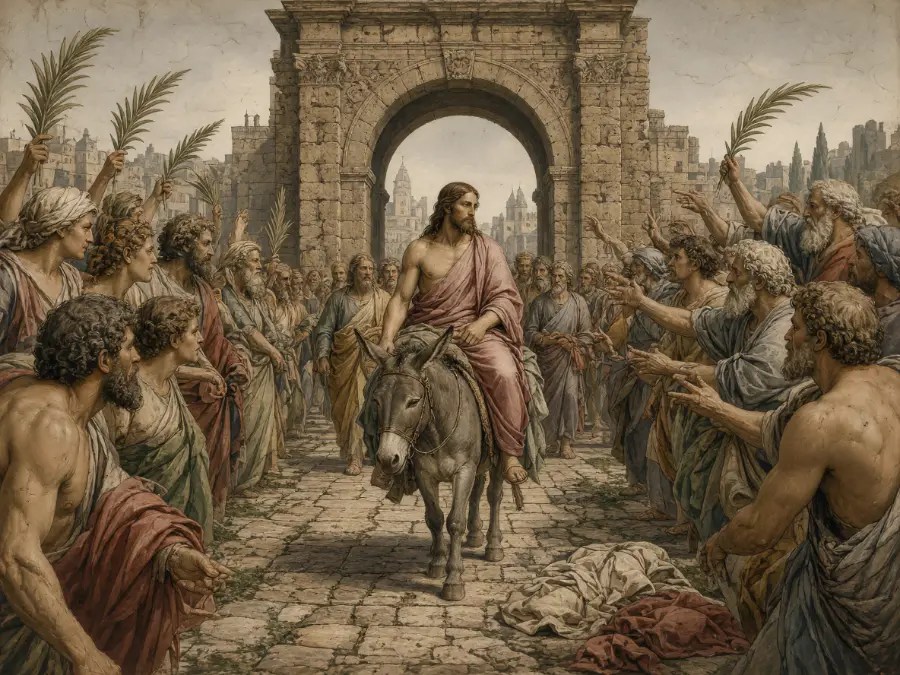
Psalm 118:24
“The Lord has done it this very day; let us rejoice today and be glad.”
Reflection: Psalm 118 is a thanksgiving after rescue: “When hard pressed, I cried to the Lord; he brought me into a spacious place” (verse 5). The day in verse 24 is the day of verse 23, when the rejected stone became the cornerstone and “the Lord has done this,” and the NIV wording ties the rejoicing to that act. The King James Version reads “This is the day which the Lord hath made; we will rejoice and be glad in it.” Verse 26, “Blessed is he who comes in the name of the Lord,” is the line the crowds shouted as Jesus entered Jerusalem (Matthew 21:9).

Nehemiah 8:10
“The joy of the Lord is your strength.”
Reflection: Ezra read the Law aloud from daybreak till noon on the first day of the seventh month (Nehemiah 8:2-3), and the people wept as they listened. Nehemiah and the Levites stopped the mourning because the day was holy, and sent the people to eat choice food, drink sweet drinks and “send some to those who have nothing prepared.” Verse 12 records that they celebrated “because they now understood the words that had been made known to them.”

Zephaniah 3:17
“The Lord your God is with you, the Mighty Warrior who saves. He will take great delight in you; in his love he will no longer rebuke you, but will rejoice over you with singing.”
Reflection: Near the end of Zephaniah, after chapters of judgment, comes a song for Jerusalem. The Lord has taken away the city’s punishment and turned back its enemy (verse 15), and “on that day” Jerusalem will be told not to fear (verse 16). In verse 17 the one who rejoices and sings is God himself, over a city he no longer rebukes.
Morning prayers and morning mercies

Psalm 5:3
“In the morning, Lord, you hear my voice; in the morning I lay my requests before you and wait expectantly.”
Reflection: David’s psalm opens as a lament and a cry for help to “my King and my God” (verses 1-2). The verse names the morning twice: it is when God hears his voice and when he sets out his requests. The line ends with David waiting expectantly for an answer.

Psalm 143:8
“Let the morning bring me word of your unfailing love, for I have put my trust in you. Show me the way I should go, for to you I entrust my life.”
Reflection: In another psalm of David, he prays for rescue from his enemies while his spirit fails (verse 7). He asks for word of God’s unfailing love to come with the morning, and then for direction: “Show me the way I should go.” Verse 10 carries the request on: “may your good Spirit lead me on level ground.”

Psalm 90:14
“Satisfy us in the morning with your unfailing love, that we may sing for joy and be glad all our days.”
Reflection: Psalm 90 is headed “a prayer of Moses the man of God” and sets a human life of “seventy years, or eighty” (verse 10) beside God, Israel’s dwelling place “throughout all generations” (verse 1). The psalm asks God to “teach us to number our days” (verse 12) and then asks for this: unfailing love received in the morning, that the people may be glad all their days. The psalm closes by asking God to “establish the work of our hands” (verse 17).
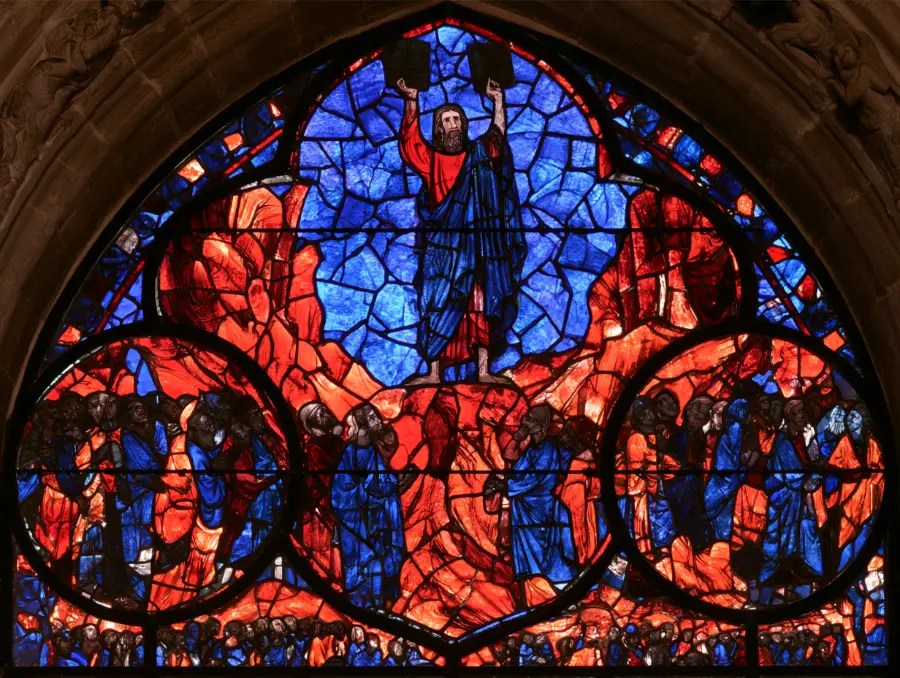
Lamentations 3:22-23
“Because of the Lord’s great love we are not consumed, for his compassions never fail. They are new every morning; great is your faithfulness.”
Reflection: The chapter begins with “the man who has seen affliction,” who says God has turned his hand against him “again and again, all day long” (verses 1-3). In verse 21 he turns: “this I call to mind and therefore I have hope.” The compassions renewed every morning are named in the middle of that affliction, and verse 26 draws the conclusion: “it is good to wait quietly for the salvation of the Lord.”
Facing the day’s troubles

Matthew 6:34
“Therefore do not worry about tomorrow, for tomorrow will worry about itself. Each day has enough trouble of its own.”
Reflection: Jesus closes his teaching on worry in the Sermon on the Mount with this verse. The heavenly Father knows his followers need food, drink and clothing (verses 31-32), and they are to seek his kingdom and righteousness first. Earlier in the same chapter, the prayer Jesus teaches asks for provision one day at a time: “Give us today our daily bread” (verse 11).

Philippians 4:6-7
“Do not be anxious about anything, but in every situation, by prayer and petition, with thanksgiving, present your requests to God. And the peace of God, which transcends all understanding, will guard your hearts and your minds in Christ Jesus.”
Reflection: Paul writes to the Philippians while “in chains for Christ” (1:13). Just before this he says “Rejoice in the Lord always” and “The Lord is near” (4:4-5). The instruction is to bring every request to God with thanksgiving; the promise attached is the peace of God guarding hearts and minds, and the verse does not say how the requests themselves will be answered.

2 Corinthians 4:16
“Therefore we do not lose heart. Though outwardly we are wasting away, yet inwardly we are being renewed day by day.”
Reflection: Paul is describing his own ministry, “hard pressed on every side, but not crushed” (verse 8). The body wears out while the inner person is renewed daily. Verse 17 calls the troubles “light and momentary” beside “an eternal glory that far outweighs them all.”
Work, words and thanks through the day

Proverbs 16:3
“Commit to the Lord whatever you do, and he will establish your plans.”
Reflection: Proverbs 16 opens with sayings about human plans and the Lord’s part in them: “To humans belong the plans of the heart, but from the Lord comes the proper answer of the tongue” (verse 1). Verse 3 tells the reader to commit whatever they do to the Lord, and verse 9 makes the same point: “In their hearts humans plan their course, but the Lord establishes their steps.”

Colossians 3:17
“And whatever you do, whether in word or deed, do it all in the name of the Lord Jesus, giving thanks to God the Father through him.”
Reflection: The verse closes Paul’s instructions on the life of a church: the peace of Christ ruling in hearts, teaching one another, and singing “psalms, hymns, and songs from the Spirit” (verses 15-16). “Whatever you do” covers speech and action alike. Giving thanks is part of the instruction, the third mention of thankfulness in three verses.

Colossians 3:23
“Whatever you do, work at it with all your heart, as working for the Lord, not for human masters.”
Reflection: Paul addresses slaves in verses 22-24, telling them to work “with sincerity of heart” whether or not their masters are watching. The reason he gives is “It is the Lord Christ you are serving” (verse 24), and the reward he names is an inheritance from the Lord.

1 Thessalonians 5:16-18
“Rejoice always, pray continually, give thanks in all circumstances; for this is God’s will for you in Christ Jesus.”
Reflection: These three commands follow Paul’s instructions to the church in Thessalonica on living together: honouring those who lead, encouraging the disheartened, and not paying back wrong for wrong (verses 12-15). Thanks is to be given “in all circumstances”, and Paul adds, “for this is God’s will for you in Christ Jesus.”
Praying these verses in the morning
Psalm 5:3, Psalm 143:8 and Psalm 90:14 are addressed to God and can be prayed as written at the start of a day. Psalm 90:14 is in the plural (“Satisfy us”), for a household or a congregation, and Psalm 143:8 adds a request for direction through the day: “Show me the way I should go.”
Lamentations 3:23 also turns to speak to God, in its last clause: “great is your faithfulness.”


Leave a Reply