
 English
 Chinese
 Dutch
 Arabic
 Spanish
 Portuguese
 Russian
 French
 Italian
 German
 Japanese
The Bible calls eating, drinking and enjoying one’s work a gift of God, and it also warns against pleasure. Ecclesiastes says “there is nothing better for a person under the sun than to eat and drink and be glad” (Ecclesiastes 8:15), yet the same book says “Laughter… is madness” (Ecclesiastes 2:2) and “Frustration is better than laughter” (Ecclesiastes 7:3).
Other passages describe children playing in the streets of a rebuilt Jerusalem (Zechariah 8:5), a father who throws a feast for a son he thought was lost (Luke 15:23-24), a holy day kept with choice food, portions of which went to “those who have nothing prepared” (Nehemiah 8:10), and God, “who richly provides us with everything for our enjoyment” (1 Timothy 6:17). Ecclesiastes 11:9 and Romans 14:17 set out the limits.
Ecclesiastes on eating, drinking and enjoying life

Ecclesiastes 2:24
“A person can do nothing better than to eat and drink and find satisfaction in their own toil. This too, I see, is from the hand of God.”
Reflection: The Teacher has just asked what people get for all their toil, since their days are grief and pain and “even at night their minds do not rest” (2:23). His answer is to eat, drink and find satisfaction in the work itself, and he traces even that back to God: “for without him, who can eat or find enjoyment?” (2:25).

Ecclesiastes 3:4
“…a time to weep and a time to laugh, a time to mourn and a time to dance…”
Reflection: Laughing and dancing appear in the list of seasons that opens chapter 3, each paired with its opposite, weeping and mourning. The list begins with “There is a time for everything” (3:1), and verse 11 adds that God “has made everything beautiful in its time.”
Ecclesiastes 3:12-13
“I know that there is nothing better for people than to be happy and to do good while they live. That each of them may eat and drink, and find satisfaction in all their toil—this is the gift of God.”
Reflection: These lines follow the admission that “no one can fathom what God has done from beginning to end” (3:11). Without that full understanding, the Teacher settles on two things: to be happy and to do good. Eating, drinking and satisfaction in work are named “the gift of God”.
Ecclesiastes 5:18-19
“This is what I have observed to be good: that it is appropriate for a person to eat, to drink and to find satisfaction in their toilsome labor under the sun during the few days of life God has given them—for this is their lot. Moreover, when God gives someone wealth and possessions, and the ability to enjoy them, to accept their lot and be happy in their toil—this is a gift of God.”
Reflection: Earlier in the chapter, the Teacher observes that everyone leaves the world as naked as they came and carries nothing away (5:15). Against that, he calls it fitting to eat, drink and enjoy work “during the few days of life God has given them.” Verse 19 treats the ability to enjoy wealth as a separate gift of God from the wealth itself, and verse 20 says such a person is kept “occupied with gladness of heart.”
Ecclesiastes 8:15
“So I commend the enjoyment of life, because there is nothing better for a person under the sun than to eat and drink and be glad. Then joy will accompany them in their toil all the days of the life God has given them under the sun.”
Reflection: The verse before complains that the righteous sometimes get what the wicked deserve, and the wicked what the righteous deserve (8:14). The Teacher does not solve that injustice. He commends enjoyment of life in the middle of it, promising that joy will go with a person “in their toil all the days of the life God has given them.”
Ecclesiastes 9:7
“Go, eat your food with gladness, and drink your wine with a joyful heart, for God has already approved what you do.”
Reflection: The surrounding verses are frank about death: “the dead know nothing” (9:5), and there is no work or planning in the grave (9:10). In between, the Teacher tells his reader to eat with gladness, wear white, anoint the head with oil and “enjoy life with your wife, whom you love” (9:8-9). The reason given here is that God has already approved what they do.
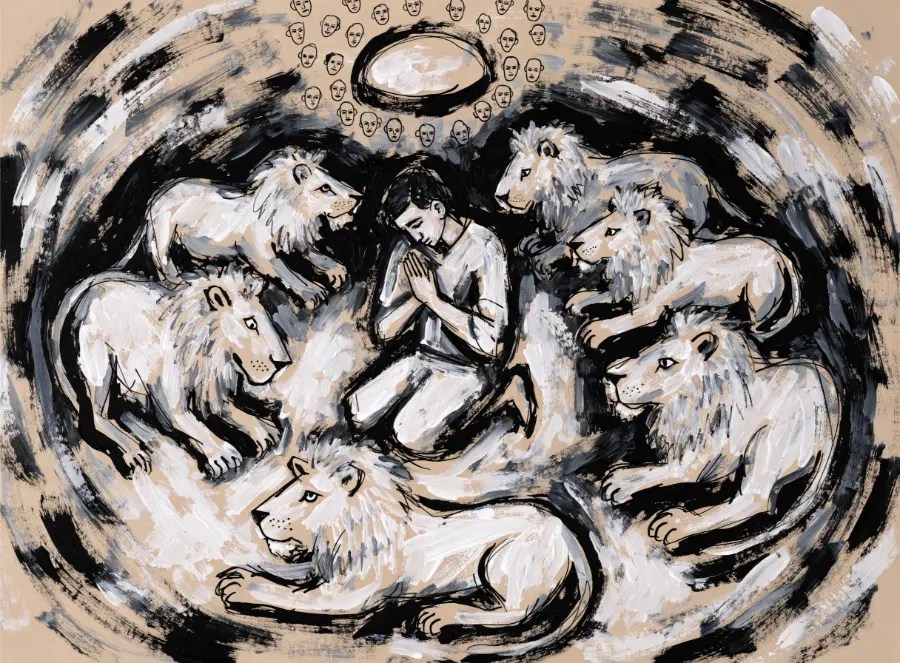
Ecclesiastes 11:9
“You who are young, be happy while you are young, and let your heart give you joy in the days of your youth. Follow the ways of your heart and whatever your eyes see, but know that for all these things God will bring you into judgment.”
Reflection: The advice to the young comes after “Light is sweet” and a call to enjoy every year while remembering “the days of darkness” (11:7-8). Young people are told to be happy and follow their hearts, and in the same verse to know that God will bring them into judgment for all of it. Verse 10 goes on: “banish anxiety from your heart.”
Laughter and a cheerful heart

Psalm 126:2
“Our mouths were filled with laughter, our tongues with songs of joy. Then it was said among the nations, ‘The LORD has done great things for them.’”
Reflection: This song of ascents remembers the time “the Lord restored the fortunes of Zion” (126:1), when the people felt “like those who dreamed.” Laughter was their response, and the nations around them noticed. Verse 4 then asks for it to happen again: “Restore our fortunes, Lord.”
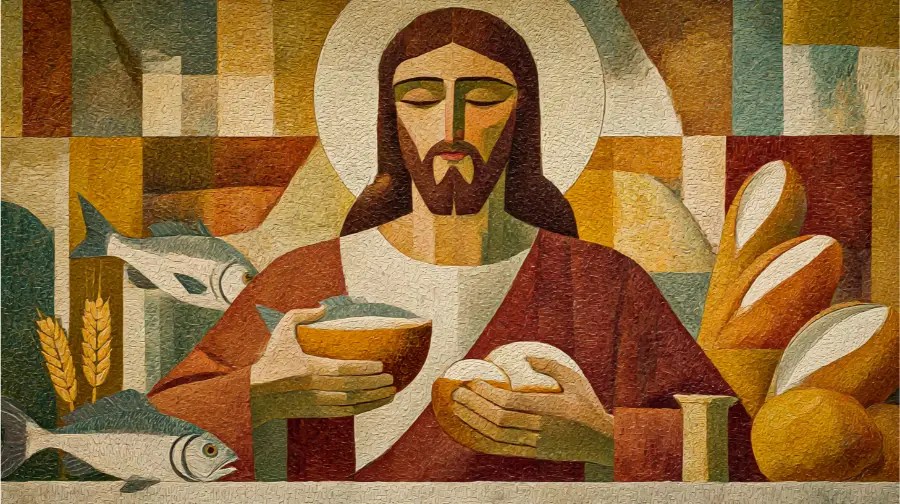
Proverbs 17:22
“A cheerful heart is good medicine, but a crushed spirit dries up the bones.”
Reflection: The proverb sets two inner states side by side and describes each by its effect on the body. A cheerful heart works like medicine, while a crushed spirit dries up the bones.
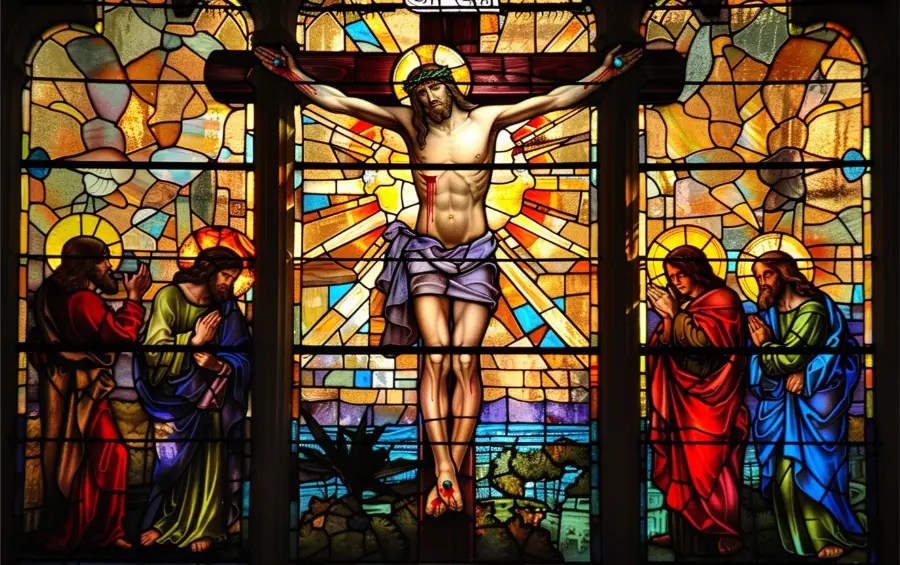
Proverbs 15:15
“All the days of the oppressed are wretched, but the cheerful heart has a continual feast.”
Reflection: Two verses earlier the chapter makes a related point: “A happy heart makes the face cheerful, but heartache crushes the spirit” (15:13). Here the contrast is between the oppressed, whose days are all wretched, and the cheerful heart, which is said to have “a continual feast.”
Feasts kept for a reason
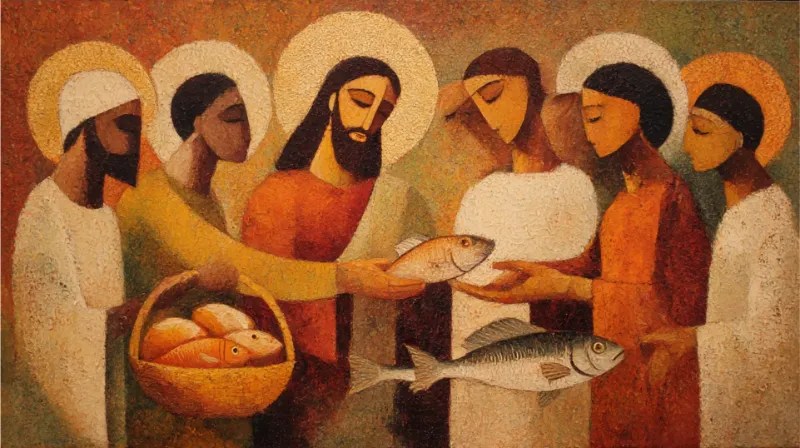
Nehemiah 8:10
“…Go and enjoy choice food and sweet drinks, and send some to those who have nothing prepared. This day is holy to our Lord. Do not grieve, for the joy of the LORD is your strength.”
Reflection: Ezra had read the Law aloud to the people gathered in Jerusalem, and they wept as they listened (8:9). Nehemiah tells them the day is holy and so no day for grief: they are to eat choice food, drink sweet drinks and send portions to those with nothing prepared. Verse 12 records that they went and celebrated “with great joy, because they now understood the words that had been made known to them.”
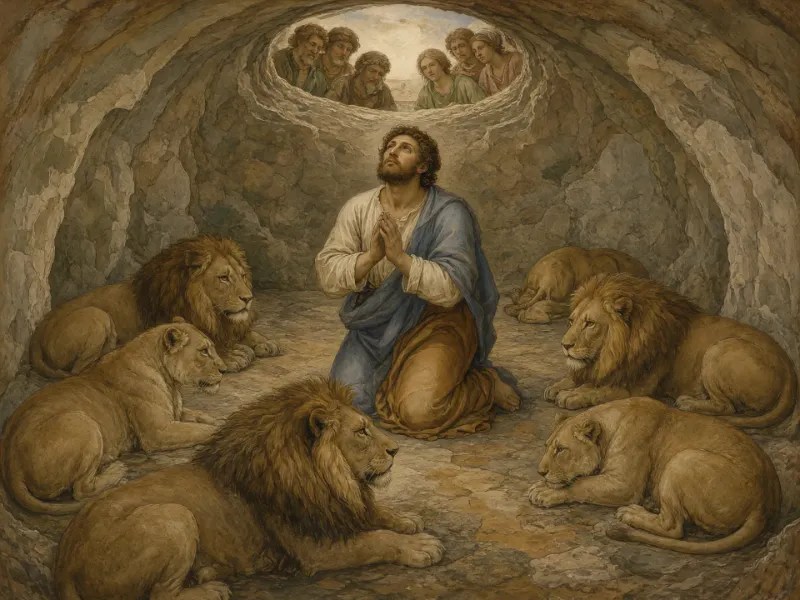
Luke 15:23-24
“Bring the fattened calf and kill it. Let’s have a feast and celebrate. For this son of mine was dead and is alive again; he was lost and is found.’ So they began to celebrate.”
Reflection: In Jesus’ parable, the father answers his returning son’s confession with a robe, a ring, sandals and the fattened calf. The older brother hears “music and dancing” from the field (15:25) and refuses to go in, complaining that he was not given even a young goat “so I could celebrate with my friends” (15:29). The father’s reply ends the parable: “we had to celebrate and be glad, because this brother of yours was dead and is alive again” (15:32).
Play and dancing when God restores his people
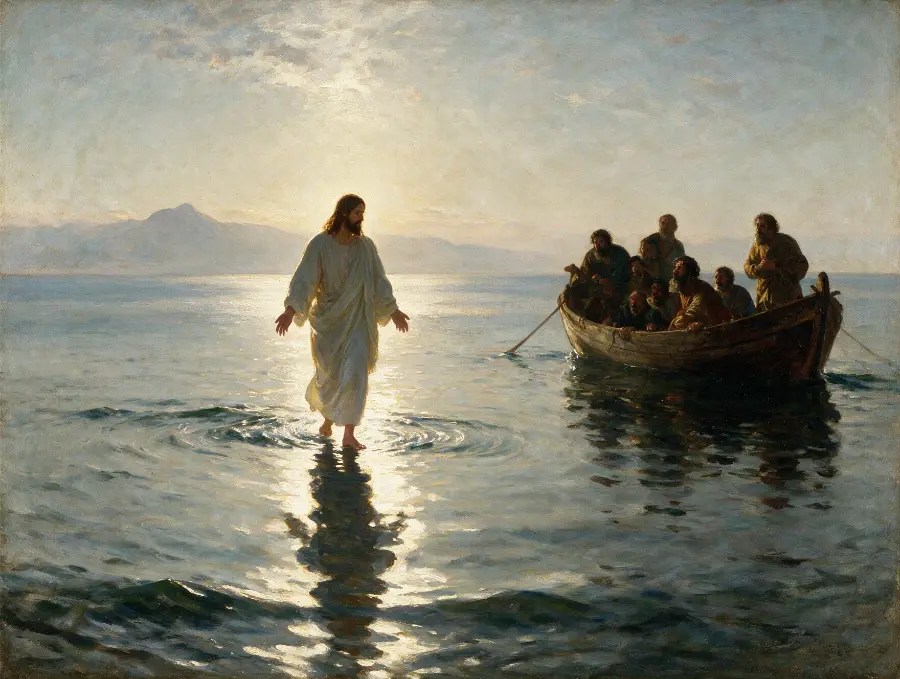
Zechariah 8:5
“The city streets will be filled with boys and girls playing there.”
Reflection: The Lord promises to return to Zion and dwell in Jerusalem (8:3), and describes the result in two pictures: old men and women sitting in the streets with canes, and the same streets full of boys and girls playing (8:4-5). The next verse asks whether such a thing will seem marvelous to the Lord, as it may to the remnant who hear it.
Jeremiah 31:4
“I will build you up again, and you, Virgin Israel, will be rebuilt. Again you will take up your timbrels and go out to dance with the joyful.”
Reflection: The promise follows “I have loved you with an everlasting love” (31:3). The word “again” appears twice: Israel will be rebuilt, and will again take up timbrels and dance. Verse 5 adds a third return to ordinary life, vineyards planted on the hills of Samaria and farmers who “enjoy their fruit.”
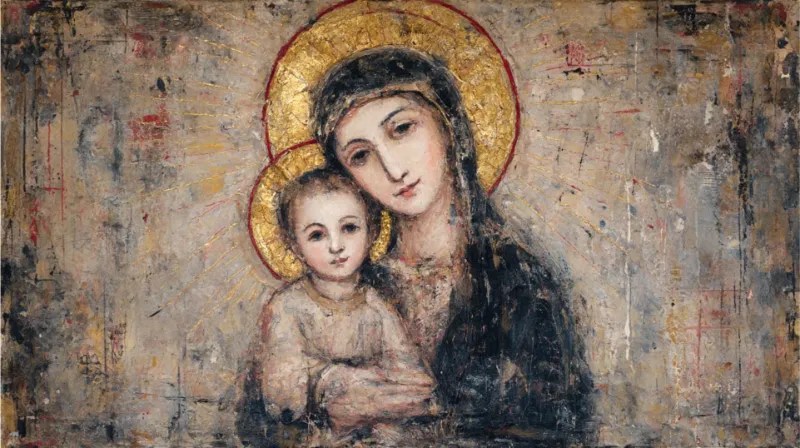
Jeremiah 31:13
“Then young women will dance and be glad, young men and old as well. I will turn their mourning into gladness; I will give them comfort and joy instead of sorrow.”
Reflection: Verse 12 lists what the returning people will rejoice in: grain, new wine, olive oil and the young of the flocks and herds. Verse 13 has young women dancing, with young men and old joining them. The Lord describes it as his own work, turning mourning into gladness and giving joy instead of sorrow.
Enjoyment and its limits
1 Timothy 6:17
“…God, who richly provides us with everything for our enjoyment.”
Reflection: Paul tells Timothy to command the rich not to be arrogant or to hope in uncertain wealth, and to hope instead in God, who richly provides “us” with everything for our enjoyment. The next verse gives the same rich people a further command: to do good, be generous and be “willing to share” (6:18).
Romans 14:17
“For the kingdom of God is not a matter of eating and drinking, but of righteousness, peace and joy in the Holy Spirit.”
Reflection: Paul is writing about believers who disagree over food. He is “fully persuaded in the Lord Jesus, that nothing is unclean in itself” (14:14), yet he warns, “Do not by your eating destroy someone for whom Christ died” (14:15). In that setting, eating and drinking rank below righteousness, peace and joy in the Holy Spirit, and a person’s freedom to enjoy food gives way to another believer’s good.


Leave a Reply