
 English
 Chinese
 Dutch
 Arabic
 Spanish
 Portuguese
 Russian
 French
 Italian
 German
 Japanese
In the Bible, letting go takes several forms. Anxiety is cast on God (1 Peter 5:7, Psalm 55:22), the former things give way to a new thing (Isaiah 43:18-19), bitterness is got rid of (Ephesians 4:31-32), and a life held too tightly is lost (Matthew 16:24-25).
One chapter of the Sermon on the Mount, Matthew 6, covers three of these forms in turn: forgiving others (6:14-15), treasure (6:19-21) and worry (6:25-34).
Handing worry to God

Matthew 6:25
“Therefore I tell you, do not worry about your life, what you will eat or drink; or about your body, what you will wear. Is not life more than food, and the body more than clothes?”
Reflection: Jesus says this in the Sermon on the Mount, straight after “You cannot serve both God and money” (Matthew 6:24). He goes on to point to the birds, which do not sow or reap, and the flowers, which do not labor or spin, and asks, “Can any one of you by worrying add a single hour to your life?” (6:27). The passage ends with “do not worry about tomorrow, for tomorrow will worry about itself” (6:34).
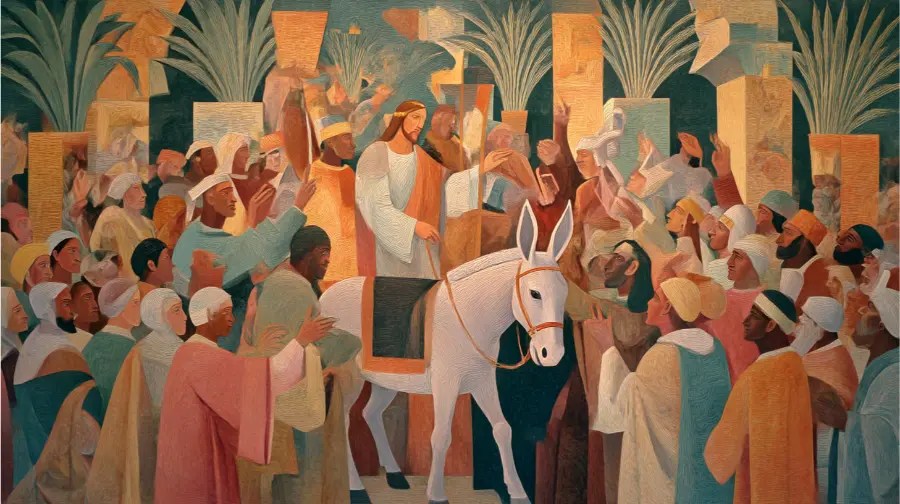
Philippians 4:6-7
“Do not be anxious about anything, but in every situation, by prayer and petition, with thanksgiving, present your requests to God. And the peace of God, which transcends all understanding, will guard your hearts and your minds in Christ Jesus.”
Reflection: Paul writes to the church at Philippi, and the line just before reads, “The Lord is near” (4:5). The command does not stop at not being anxious: it names what to do instead, which is to bring requests to God with thanksgiving. The promise that follows is a peace that “transcends all understanding” and will “guard your hearts and your minds.”
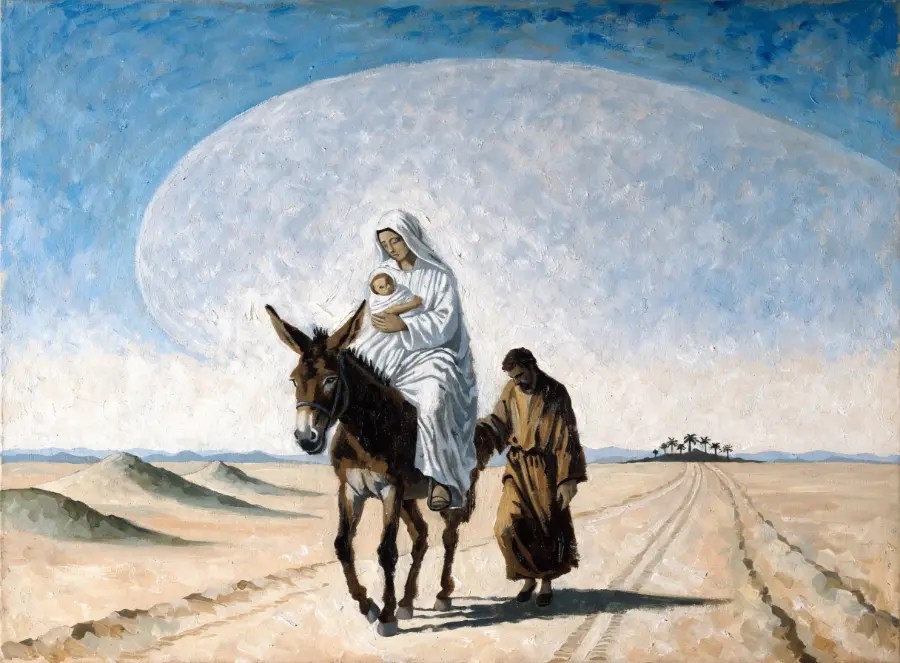
1 Peter 5:7
“Cast all your anxiety on him because he cares for you.”
Reflection: Peter writes to believers who are suffering; two verses later he says “the family of believers throughout the world is undergoing the same kind of sufferings” (5:9). The command comes directly after “Humble yourselves, therefore, under God’s mighty hand, that he may lift you up in due time” (5:6). The reason given is short: “he cares for you.”

Psalm 55:22
“Cast your cares on the Lord and he will sustain you; he will never let the righteous be shaken.”
Reflection: The heading assigns the psalm to David, and the trouble in it is betrayal. “If an enemy were insulting me, I could endure it,” he says, “but it is you, a man like myself, my companion, my close friend” (55:12-13). This line comes right after he describes that friend’s words as “more soothing than oil, yet they are drawn swords” (55:21), and the psalm closes, “But as for me, I trust in you.”
Leaving the past behind
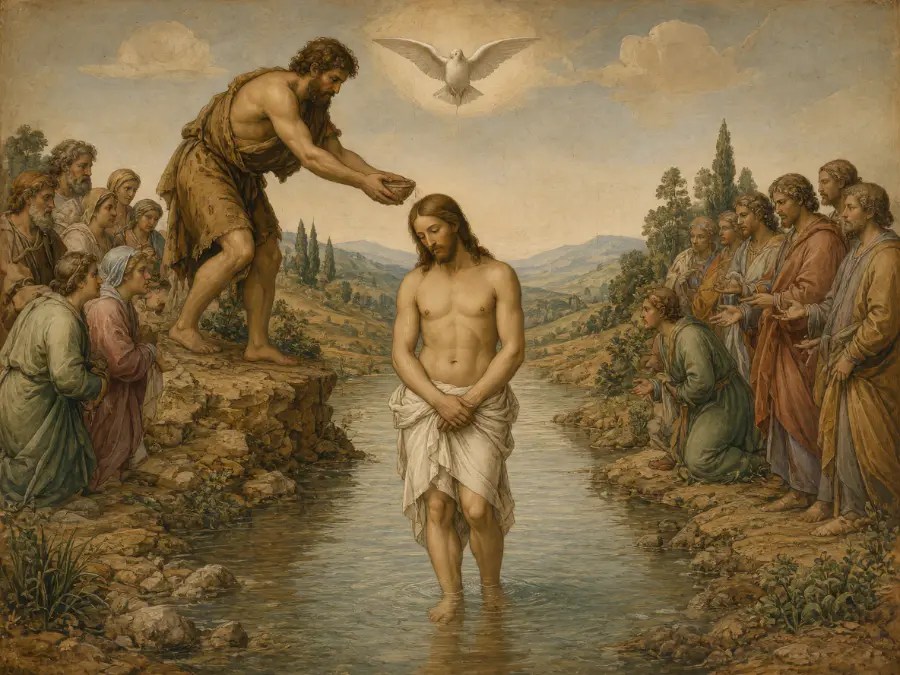
Isaiah 43:18-19
“Forget the former things; do not dwell on the past. See, I am doing a new thing! Now it springs up; do you not perceive it? I am making a way in the wilderness and streams in the wasteland.”
Reflection: The verses just before describe the Lord as the one “who made a way through the sea” and drowned the chariots and horses (43:16-17), and verse 14 names Babylon. The command not to dwell on the past follows directly after that reminder. The new thing is also a way, this time “in the wilderness,” with water in the wasteland “to give drink to my people” (43:20).

Philippians 3:13-14
“Brothers and sisters, I do not consider myself yet to have taken hold of it. But one thing I do: Forgetting what is behind and straining toward what is ahead, I press on toward the goal to win the prize for which God has called me heavenward in Christ Jesus.”
Reflection: A few verses earlier Paul lists his own record: circumcised on the eighth day, of the tribe of Benjamin, a Pharisee, a persecutor of the church, and “as for righteousness based on the law, faultless” (3:5-6). He counts those gains as loss, even “garbage” (3:8), “that I may gain Christ.” Verse 12 says he has not yet arrived at his goal, “but I press on,” and verses 13-14 repeat both halves of that sentence.

2 Corinthians 5:17
“Therefore, if anyone is in Christ, the new creation has come: The old has gone, the new is here!”
Reflection: Paul has just said that Christ died for all “that those who live should no longer live for themselves” and that “from now on we regard no one from a worldly point of view” (5:15-16). The old that has gone includes that way of seeing people. The next verses speak of God “reconciling the world to himself in Christ, not counting people’s sins against them” (5:19).
Letting go of bitterness and grudges
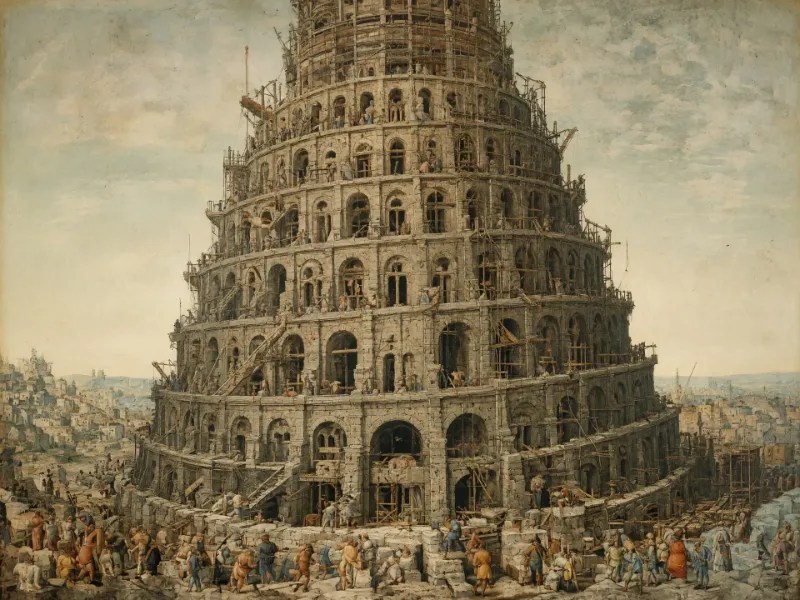
Ephesians 4:31-32
“Get rid of all bitterness, rage and anger, brawling and slander, along with every form of malice. Be kind and compassionate to one another, forgiving each other, just as in Christ God forgave you.”
Reflection: These verses close a list of things the Ephesian church is to put off, which began with “put off your old self” (4:22) and “put off falsehood” (4:25). Earlier in the list Paul allows for anger but sets a limit on it: “Do not let the sun go down while you are still angry” (4:26). The measure of forgiveness is “just as in Christ God forgave you.”

Hebrews 12:14-15
“Make every effort to live in peace with everyone and to be holy; without holiness no one will see the Lord. See to it that no one falls short of the grace of God and that no bitter root grows up to cause trouble and defile many.”
Reflection: The writer treats bitterness as a matter for the whole church: one “bitter root” can “cause trouble and defile many.” The warning is joined to a call to “live in peace with everyone.” The next verses turn to Esau, who sold his inheritance rights for a single meal and afterward “could not change what he had done” (12:16-17).
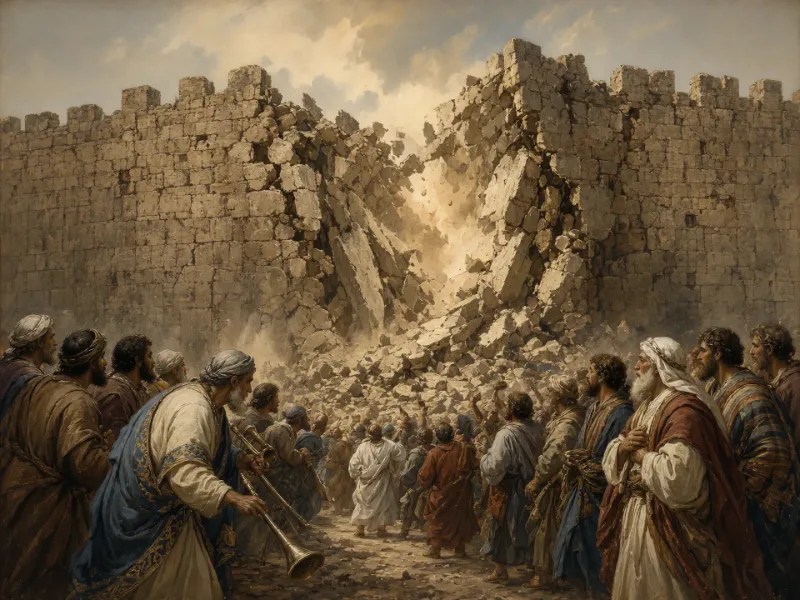
Matthew 6:14-15
“For if you forgive other people when they sin against you, your heavenly Father will also forgive you. But if you do not forgive others their sins, your Father will not forgive your sins.”
Reflection: Jesus adds these two sentences immediately after teaching the Lord’s Prayer, and they expand one of its lines: “forgive us our debts, as we also have forgiven our debtors” (6:12). He states the matter both ways, as a promise and as a warning.
Giving up control of the future
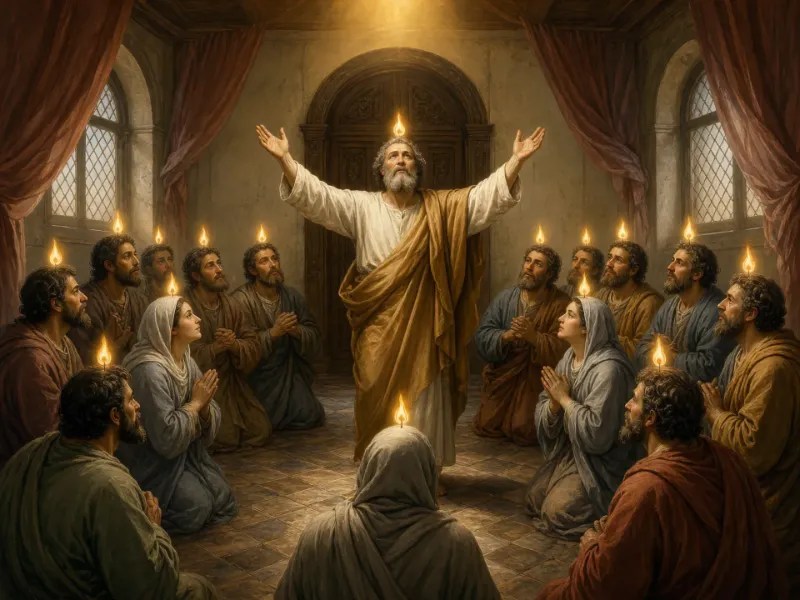
Proverbs 3:5-6
“Trust in the Lord with all your heart and lean not on your own understanding; in all your ways submit to him, and he will make your paths straight.”
Reflection: A father addresses “my son” (3:1) and sets trusting the Lord “with all your heart” against leaning on “your own understanding.” The next verse says the same thing another way: “Do not be wise in your own eyes; fear the Lord and shun evil” (3:7). The promise is that the Lord will make the paths straight.

Proverbs 19:21
“Many are the plans in a person’s heart, but it is the Lord’s purpose that prevails.”
Reflection: The proverb has no story around it. It does not call plans wrong. It sets many plans in a person’s heart beside the one purpose of the Lord and says which prevails.

James 4:13-15
“Now listen, you who say, ‘Today or tomorrow we will go to this or that city, spend a year there, carry on business and make money.’ Why, you do not even know what will happen tomorrow. What is your life? You are a mist that appears for a little while and then vanishes. Instead, you ought to say, ‘If it is the Lord’s will, we will live and do this or that.’”
Reflection: James addresses traders planning a year of business in another city. He does not forbid the plan; he tells them to say, “If it is the Lord’s will, we will live and do this or that.” The next verse says, “As it is, you boast in your arrogant schemes” (4:16). A few verses earlier comes the command “Humble yourselves before the Lord, and he will lift you up” (4:10).
Letting go of possessions and of one’s own life

Matthew 6:19-21
“Do not store up for yourselves treasures on earth, where moths and vermin destroy, and where thieves break in and steal. But store up for yourselves treasures in heaven, where moths and vermin do not destroy, and where thieves do not break in and steal. For where your treasure is, there your heart will be also.”
Reflection: Moths, vermin and thieves name three ways earthly treasure is lost. The reason Jesus gives for storing treasure in heaven is about the heart rather than the treasure: “where your treasure is, there your heart will be also.” A few verses later he says, “You cannot serve both God and money” (6:24), and then turns to worry.
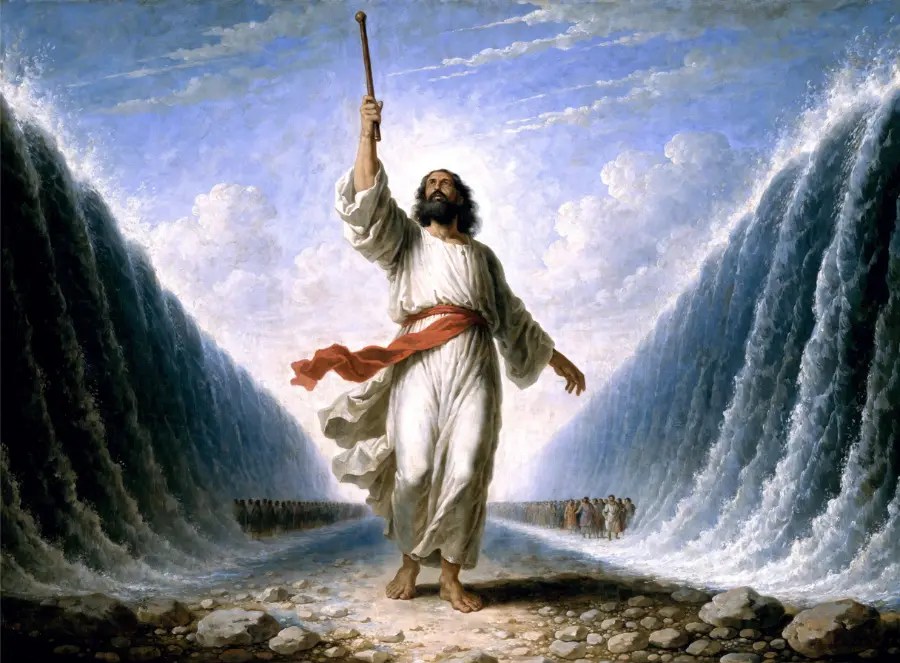
Luke 12:15
“Then he said to them, ‘Watch out! Be on your guard against all kinds of greed; life does not consist in an abundance of possessions.’”
Reflection: A man in the crowd asks Jesus to make his brother divide the inheritance with him. Jesus refuses to act as “a judge or an arbiter between you” (12:14), gives this warning, and then tells the parable of the rich man who plans bigger barns and hears God say, “This very night your life will be demanded from you” (12:20). The parable ends, “This is how it will be with whoever stores up things for themselves but is not rich toward God” (12:21).
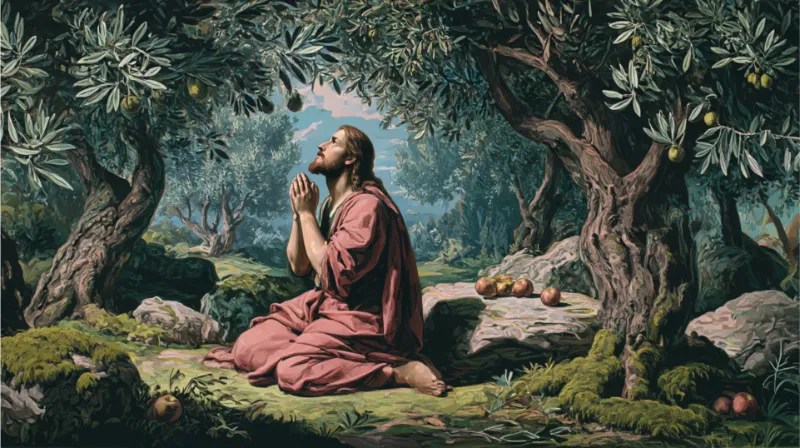
1 Timothy 6:7-8
“For we brought nothing into the world, and we can take nothing out of it. But if we have food and clothing, we will be content with that.”
Reflection: Paul writes to Timothy, and the line before reads, “godliness with contentment is great gain” (6:6). The standard of enough is set low, at food and clothing. The verses after warn that “those who want to get rich fall into temptation and a trap” and that “the love of money is a root of all kinds of evil” (6:9-10).
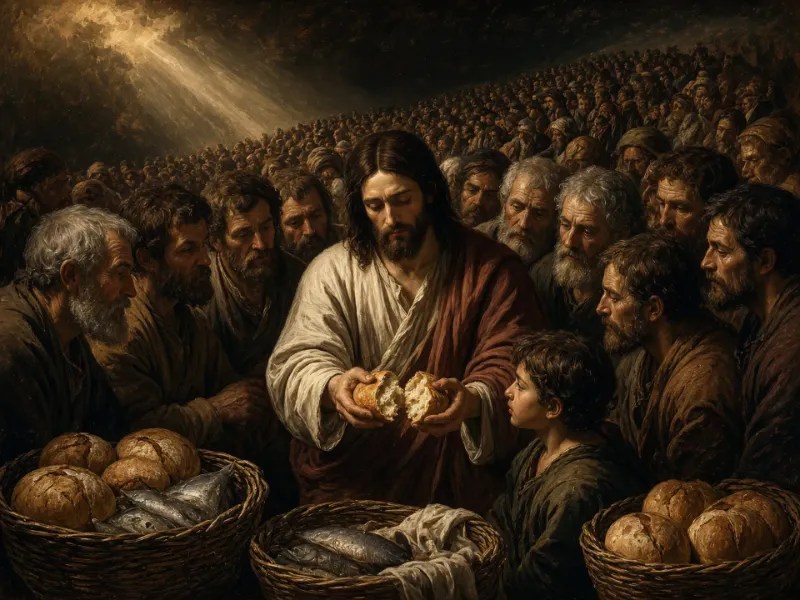
Matthew 16:24-25
“Then Jesus said to his disciples, ‘Whoever wants to be my disciple must deny themselves and take up their cross and follow me. For whoever wants to save their life will lose it, but whoever loses their life for me will find it.’”
Reflection: Jesus says this just after Peter rebuked him for predicting his own death, and after Jesus answered, “Get behind me, Satan!” (16:21-23). The letting go asked for here is of one’s own life. He follows it with a question: “What good will it be for someone to gain the whole world, yet forfeit their soul?” (16:26).
Remembering, planning and anger
Both passages about the past recall it before turning away from it. Isaiah 43:16-17 recalls the way through the sea just before “Forget the former things” in 43:18, and Paul sets out his own record in Philippians 3:5-6 before “Forgetting what is behind” in 3:13.
James 4:13-15 and Proverbs 19:21 do not forbid making plans; both assume people will make them. Ephesians 4:26 does not forbid anger; it sets a limit on how long anger is kept.


Leave a Reply