
 English
 Chinese
 Dutch
 Arabic
 Spanish
 Portuguese
 Russian
 French
 Italian
 German
 Japanese
In the Bible, sons are counted among the gifts God gives to their parents. Psalm 127:3 says so directly: “children are a heritage from the Lord.” Proverbs adds that “a wise son makes a glad father” (Proverbs 10:1).
God promised Isaac to Abraham and Sarah (Genesis 17:16), Hannah asked the Lord for Samuel (1 Samuel 1:27), and when Ruth bore Obed, the women told Naomi that the boy would be “a restorer of life” to her (Ruth 4:15). Other passages set out what fathers owe their sons, from teaching handed down (Proverbs 4:1-4) to an upbringing “in the discipline and instruction of the Lord” (Ephesians 6:4).
Sons and children as a gift and a blessing
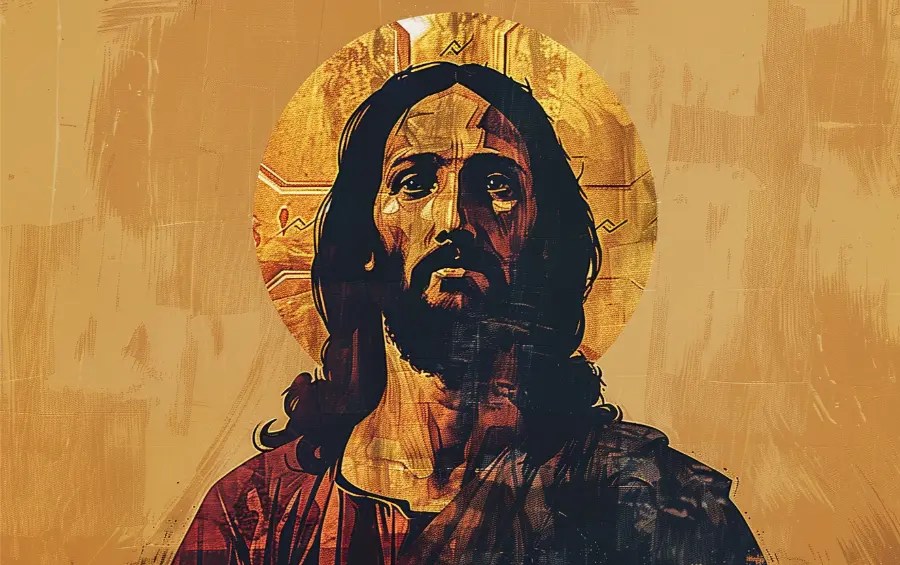
Psalm 127:3
“Behold, children are a heritage from the LORD, the fruit of the womb a reward.”
Reflection: The psalm is headed “A Song of Ascents. Of Solomon.” Its first two verses say that building a house and guarding a city are in vain unless the Lord does it, and that he “gives to his beloved sleep.” Verse 3 names children as something else he gives, calling them a heritage and a reward. The Hebrew noun is ben, son, in the plural.
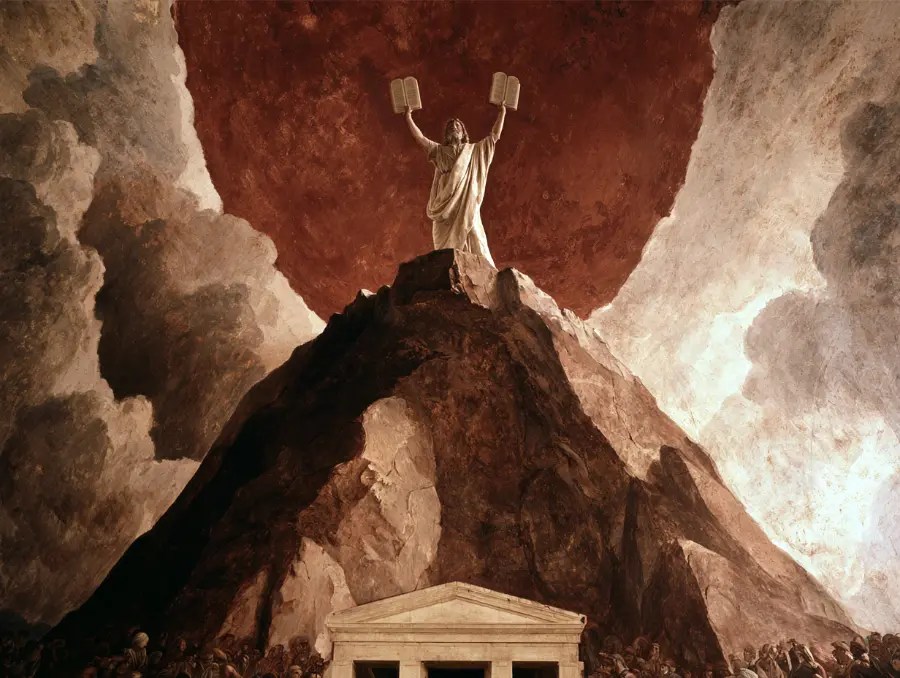
Psalm 127:4-5
“Like arrows in the hand of a warrior are the children of one’s youth. Blessed is the man who fills his quiver with them! He shall not be put to shame when he speaks with his enemies in the gate.”
Reflection: The picture moves from the house to the battlefield: sons born while their father is young are like arrows in a warrior’s hand. The gate of a town was where its legal business was settled, as when Boaz sits in the gate with ten elders in Ruth 4:1-2. The psalm places the father with a full quiver there, where he “shall not be put to shame when he speaks with his enemies.”
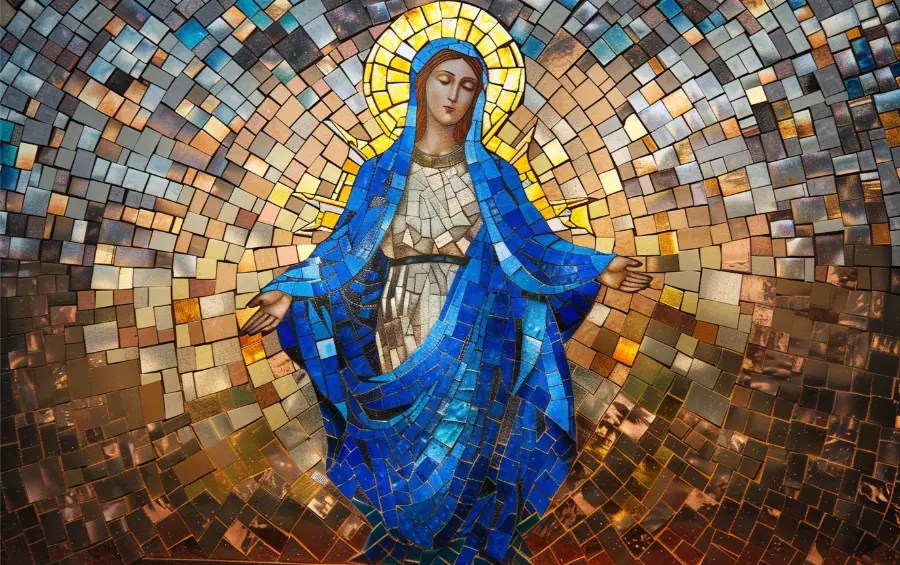
Psalm 128:3
“Your wife will be like a fruitful vine within your house; your children will be like olive shoots around your table.”
Reflection: Psalm 128 describes the man “who fears the Lord, who walks in his ways” (verse 1). He eats the fruit of his own labor, his wife is like a fruitful vine, and his children sit around his table like young olive trees. Verse 4 names the man who receives this blessing: “thus shall the man be blessed who fears the Lord.”
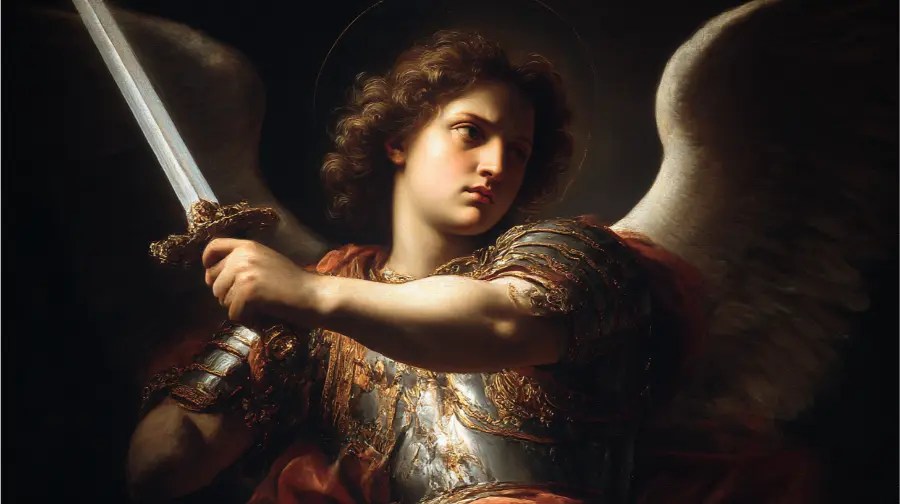
Genesis 33:5
“And when Esau lifted up his eyes and saw the women and children, he said, ‘Who are these with you?’ Jacob said, ‘The children whom God has graciously given your servant.’”
Reflection: Jacob is about to meet his brother Esau, who is coming toward him with four hundred men (verse 1). He has set his household in order, with the servants and their children in front, then Leah and hers, and Rachel and Joseph last (verse 2). When Esau asks who they all are, Jacob’s answer credits God with every one of the children.
Sons promised, asked for and given
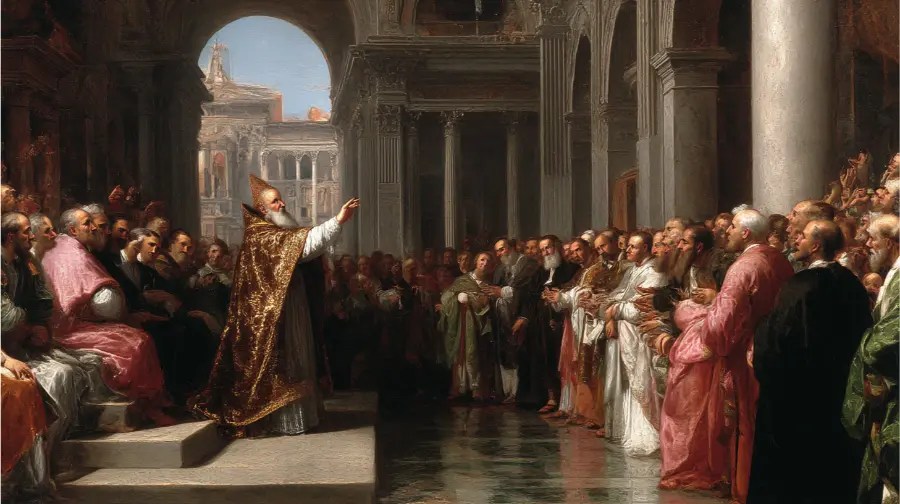
Genesis 17:16
“I will bless her, and moreover, I will give you a son by her. I will bless her, and she shall become nations; kings of peoples shall come from her.”
Reflection: God renames Sarai as Sarah (verse 15) and promises Abraham a son by her. Abraham falls on his face and laughs, asking whether a man of a hundred and a woman of ninety can have a child (verse 17), and asks instead that Ishmael might live before God. God answers that Sarah will bear a son named Isaac, that the covenant will be established with him, and that Ishmael is also blessed (verses 19-21).
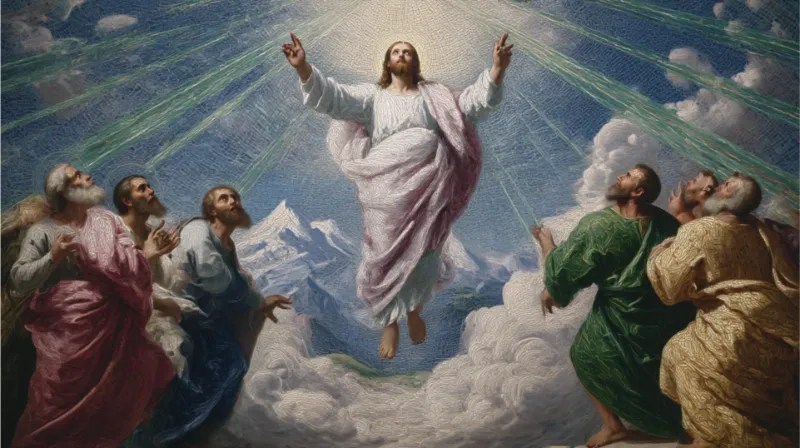
1 Samuel 1:27
“For this child I prayed, and the LORD has granted me my petition that I made to him.”
Reflection: Hannah says this to Eli when she brings the weaned Samuel to the house of the Lord at Shiloh. She had named him Samuel, saying, “I have asked for him from the Lord” (verse 20). The next verse completes her words: “Therefore I have lent him to the Lord. As long as he lives, he is lent to the Lord.”
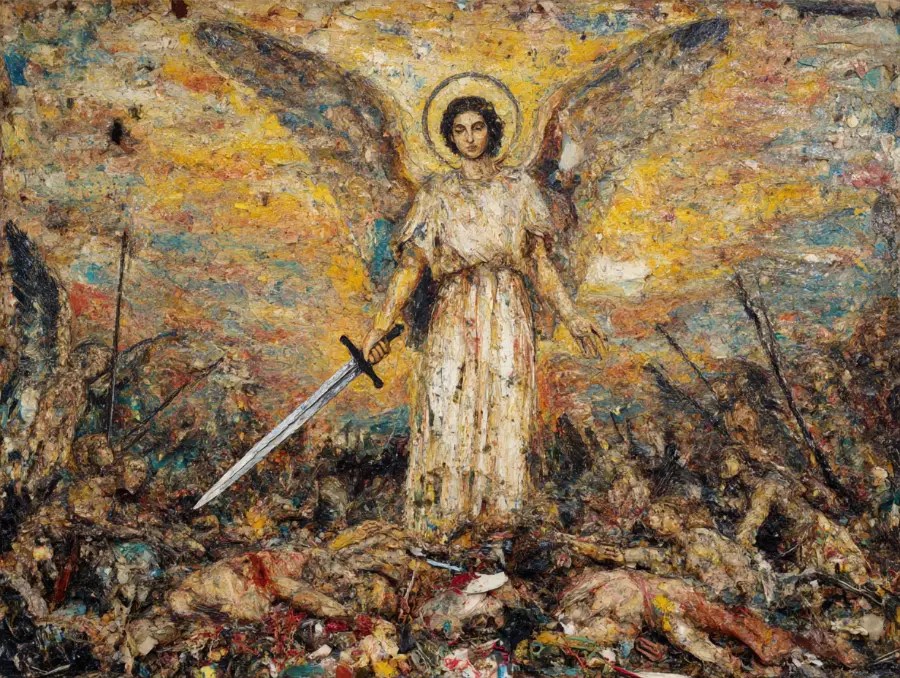
Ruth 4:15
“He shall be to you a restorer of life and a nourisher of your old age, for your daughter-in-law who loves you, who is more to you than seven sons, has given birth to him.”
Reflection: Naomi had lost her husband Elimelech and both her sons, Mahlon and Chilion, in Moab (Ruth 1:3-5). When Ruth bears a son to Boaz, the women speak to Naomi and call the child a restorer of her life and a support in her old age, and they rate Ruth above seven sons. The women of the neighborhood name the boy Obed, saying “A son has been born to Naomi,” and verse 17 records that he became the father of Jesse, the father of David.
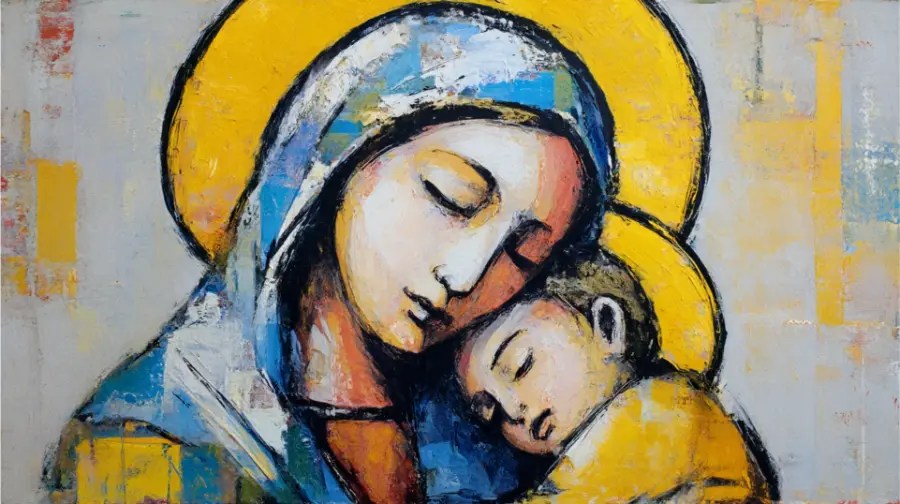
Isaiah 8:18
“Behold, I and the children whom the LORD has given me are signs and portents in Israel from the LORD of hosts, who dwells on Mount Zion.”
Reflection: Isaiah’s sons appear by name in the chapters before this verse: Shear-jashub goes with his father to meet King Ahaz (Isaiah 7:3), and Maher-shalal-hash-baz is named by God with a warning that Damascus and Samaria would be plundered by Assyria before the boy could say “My father” (Isaiah 8:3-4). Isaiah speaks this verse while he waits for the Lord, “who is hiding his face from the house of Jacob” (verse 17), and he counts the children the Lord has given him as signs to Israel.
When a son makes his father glad
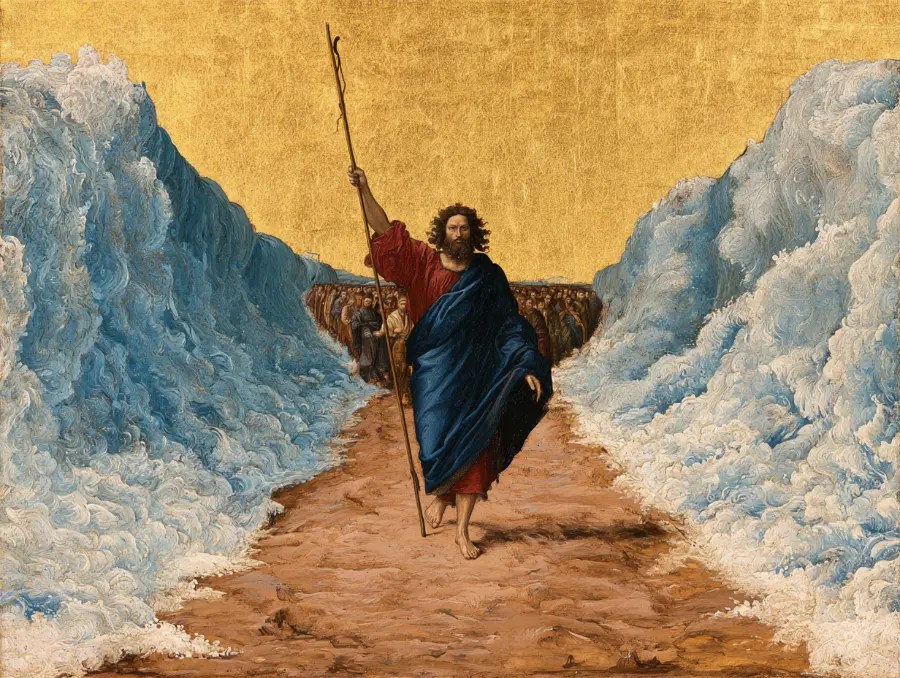
Proverbs 10:1
“A wise son makes a glad father, but a foolish son is a sorrow to his mother.”
Reflection: This line opens the collection headed “The proverbs of Solomon,” and it sets a father’s gladness against a mother’s sorrow. Proverbs 15:20 repeats the first half word for word and ends differently: “a foolish man despises his mother.” In both proverbs the wise son gladdens his father, and the foolish son is set against his mother.
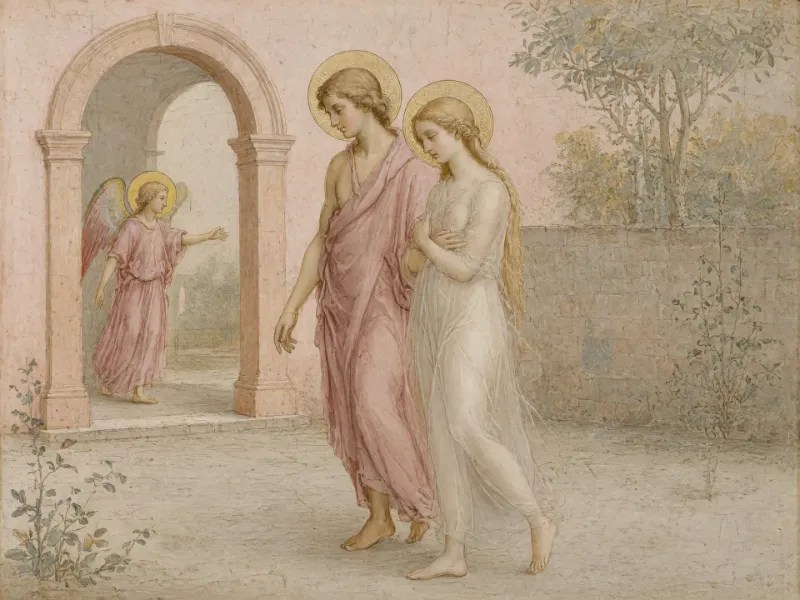
Proverbs 23:24-25
“The father of the righteous will greatly rejoice; he who fathers a wise son will be glad in him. Let your father and mother be glad; let her who bore you rejoice.”
Reflection: The two verses follow a command to the son: “Listen to your father who gave you life, and do not despise your mother when she is old” (verse 22), and “Buy truth, and do not sell it” (verse 23). The father of a righteous son rejoices, and verse 25 turns that into a request, naming the mother as “her who bore you.”
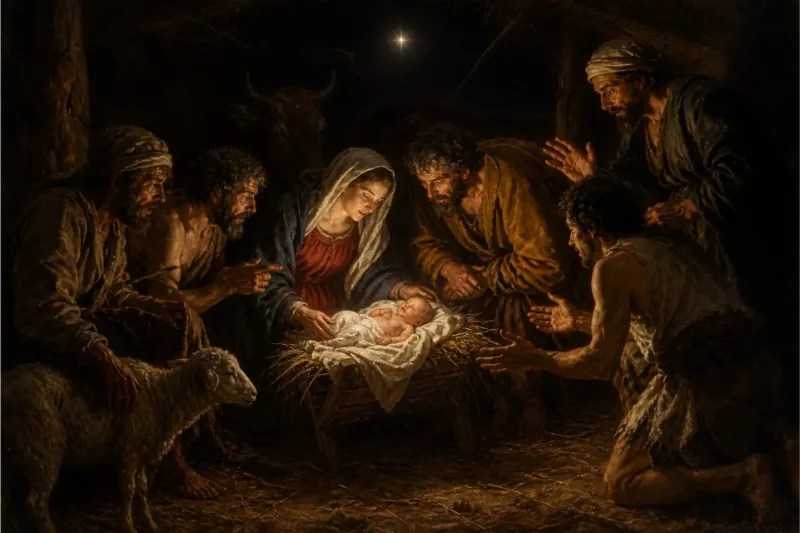
Proverbs 27:11
“Be wise, my son, and make my heart glad, that I may answer him who reproaches me.”
Reflection: The father speaks to his son directly, and the gladness he asks for has a public side: a wise son lets him “answer him who reproaches me.” Psalm 127:5 also connects sons with a father’s standing before his enemies.
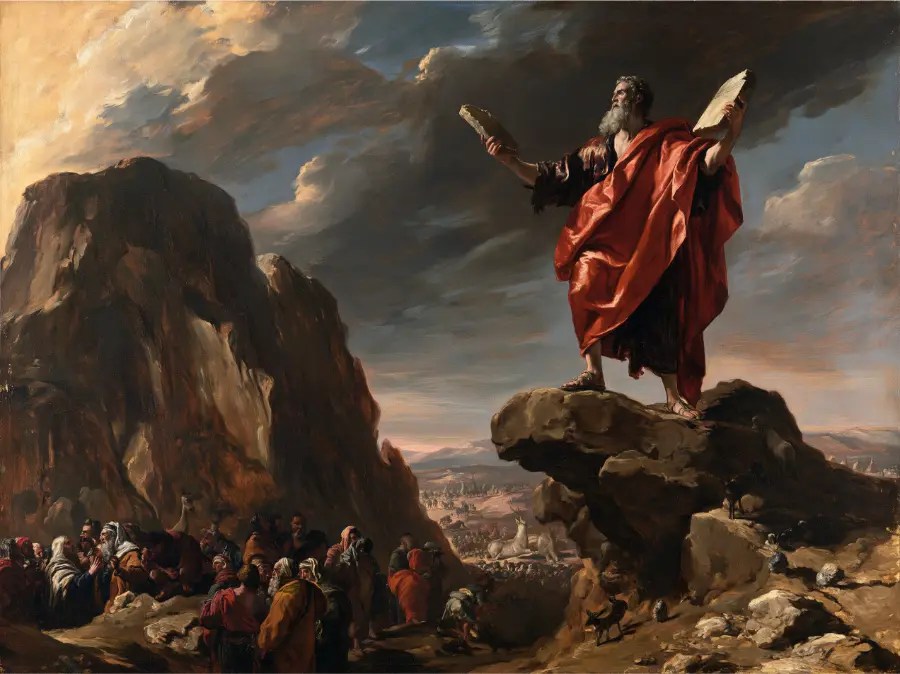
Proverbs 29:17
“Discipline your son, and he will give you rest; he will give delight to your heart.”
Reflection: Two verses earlier the chapter says, “The rod and reproof give wisdom, but a child left to himself brings shame to his mother” (verse 15). Verse 17 gives the other outcome: a son who is disciplined gives his father rest and delight.
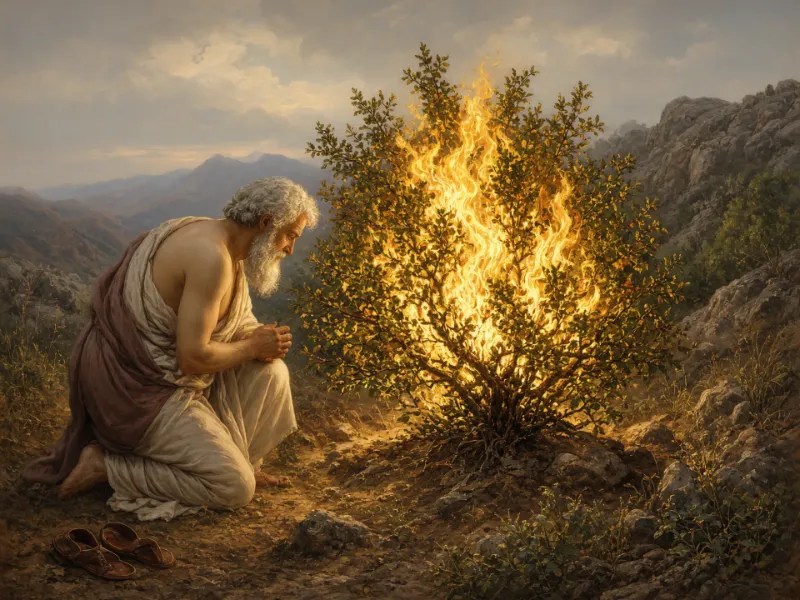
Luke 15:24
“For this my son was dead, and is alive again; he was lost, and is found. And they began to celebrate.”
Reflection: Jesus tells the parable to Pharisees and scribes who grumbled that he “receives sinners and eats with them” (Luke 15:2). The younger son has spent his share of the property and planned to ask to be treated as a hired servant (verse 19); instead his father runs to him, dresses him in the best robe and orders a feast. When the older son refuses to come in, the father tells him, “Son, you are always with me, and all that is mine is yours” (verse 31).
Between the generations
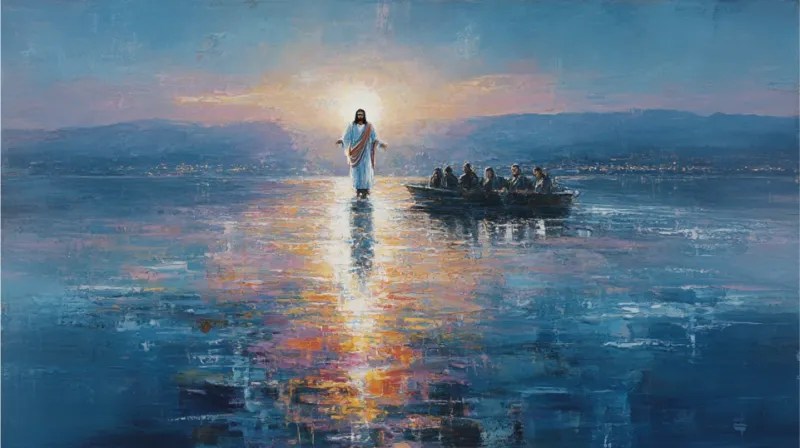
Proverbs 17:6
“Grandchildren are the crown of the aged, and the glory of children is their fathers.”
Reflection: The proverb looks both ways across three generations: grandchildren are a crown to the old, and fathers are the glory of their children. Psalm 128:6 asks for the same sight as a blessing: “May you see your children’s children!”
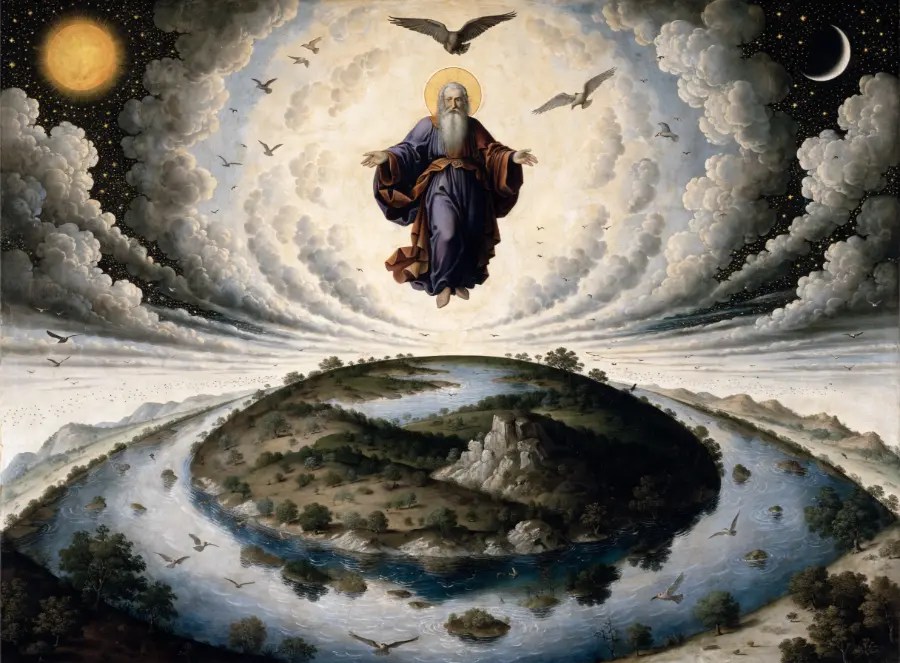
Proverbs 4:1-4
“Hear, O sons, a father’s instruction, and be attentive, that you may gain insight, for I give you good precepts; do not forsake my teaching. When I was a son with my father, tender, the only one in the sight of my mother, he taught me and said to me, ‘Let your heart hold fast my words; keep my commandments, and live.’”
Reflection: The teacher passes to his sons what his own father told him when he was a boy, so the instruction reaches from grandfather to grandsons. The grandfather’s speech, quoted by the teacher, continues to verse 9, where wisdom places “a graceful garland” on the head of the one who embraces her, the same image Proverbs 1:9 uses for a father’s instruction and a mother’s teaching.

Ephesians 6:4
“Fathers, do not provoke your children to anger, but bring them up in the discipline and instruction of the Lord.”
Reflection: Paul first tells children to obey their parents and quotes the commandment to honor father and mother, “the first commandment with a promise” (verses 1-3). The command to fathers comes straight after. Colossians 3:20-21 sets out the same pair, children and then fathers, and gives the warning to fathers a reason: “Fathers, do not provoke your children, lest they become discouraged.”

Malachi 4:6
“And he will turn the hearts of fathers to their children and the hearts of children to their fathers, lest I come and strike the land with a decree of utter destruction.”
Reflection: These are the closing words of Malachi. God promises to send Elijah the prophet before the day of the Lord, and Elijah’s work is to turn the hearts of fathers to their children and of children to their fathers. In Luke 1:17 the angel Gabriel says that John the Baptist will go “in the spirit and power of Elijah, to turn the hearts of the fathers to the children.”


Leave a Reply