
 English
 Chinese
 Dutch
 Arabic
 Spanish
 Portuguese
 Russian
 French
 Italian
 German
 Japanese
The Bible says outright that no one knows the future: “you do not know what a day may bring” (Proverbs 27:1). James 4:14-15 tells people planning a year of trade in another city the same, and gives them words to plan with.
Other passages keep people working and moving without knowing the outcome. Ecclesiastes 11:6 advises sowing without knowing which seed will succeed, Isaiah 42:16 promises the Lord’s guidance “along unfamiliar paths,” and Abraham went “even though he did not know where he was going” (Hebrews 11:8). Philippians 4:6-7 tells believers to bring their anxiety to God in prayer, and 1 Peter 5:7 tells them to cast it on him.
What no one knows about tomorrow
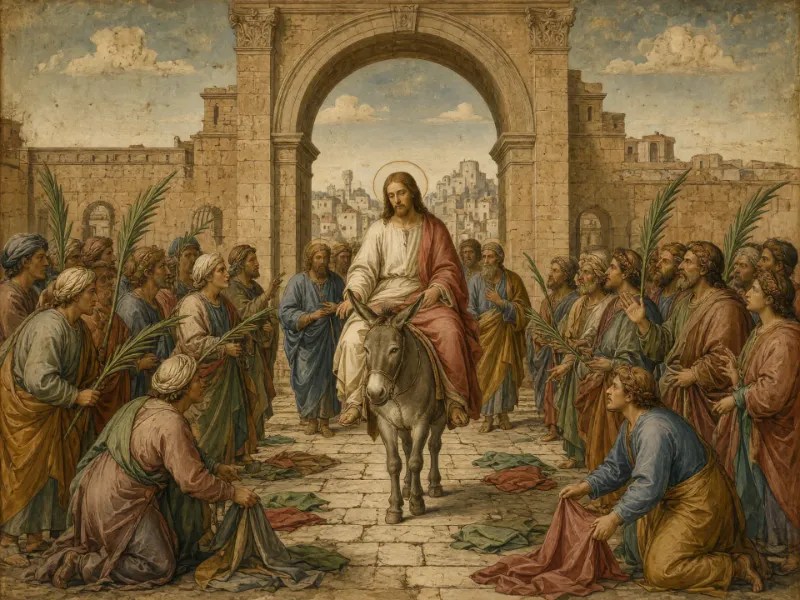
Proverbs 27:1
“Do not boast about tomorrow, for you do not know what a day may bring.”
Reflection: The command is about boasting: speaking of tomorrow’s results as if they were already in hand. The reason comes in the same line. No one knows what a single day will bring, so no one is in a position to boast about it.
James 4:14-15
“Why, you do not even know what will happen tomorrow. What is your life? You are a mist that appears for a little while and then vanishes. Instead, you ought to say, ‘If it is the Lord’s will, we will live and do this or that.’”
Reflection: James addresses people who say, “Today or tomorrow we will go to this or that city, spend a year there, carry on business and make money” (verse 13). He leaves the plans in place and changes how they are spoken, adding “If it is the Lord’s will” and “we will live.” Verse 16 names what he objects to: boasting “in your arrogant schemes.”
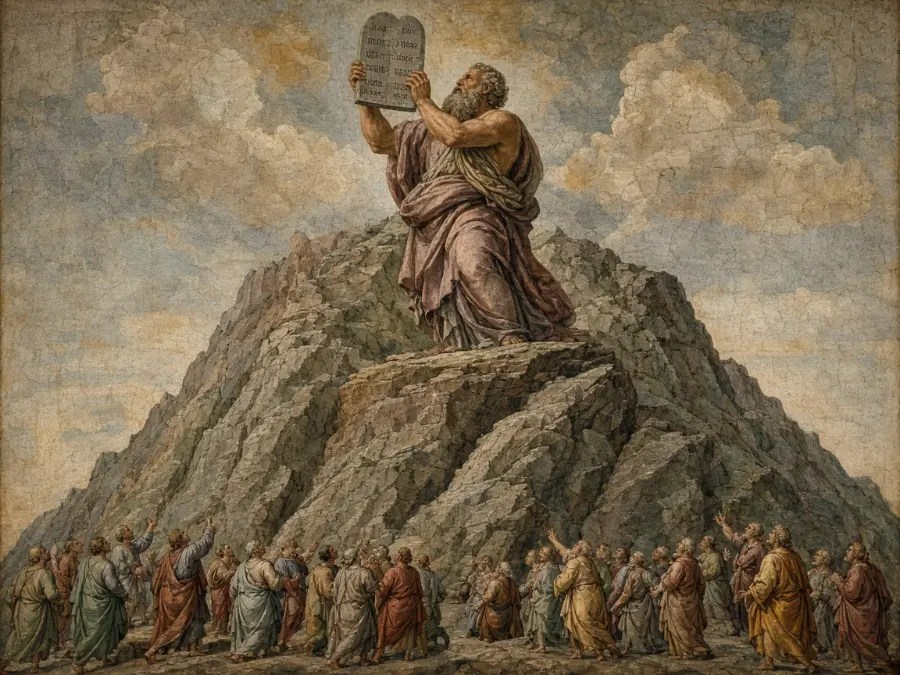
Ecclesiastes 11:6
“Sow your seed in the morning, and at evening let your hands not be idle, for you do not know which will succeed, whether this or that, or whether both will do equally well.”
Reflection: The Teacher’s conclusion comes at the end of a run of things he says people cannot know: what disaster may come on the land (verse 2), the path of the wind, how a body forms in the womb, and “the work of God” (verse 5). Verse 4 warns that “Whoever watches the wind will not plant.” His advice is to sow both morning and evening, since there is no telling which sowing will succeed.
Matthew 6:34
“Therefore do not worry about tomorrow, for tomorrow will worry about itself. Each day has enough trouble of its own.”
Reflection: Jesus ends his teaching on worry about food, drink and clothing (Matthew 6:25-34) with this verse. Before it he points to the birds and the wild flowers and says, “your heavenly Father knows that you need them” (verse 32). The last sentence admits that each day will have trouble of its own and limits worry to one day at a time.
Going where the way is not known
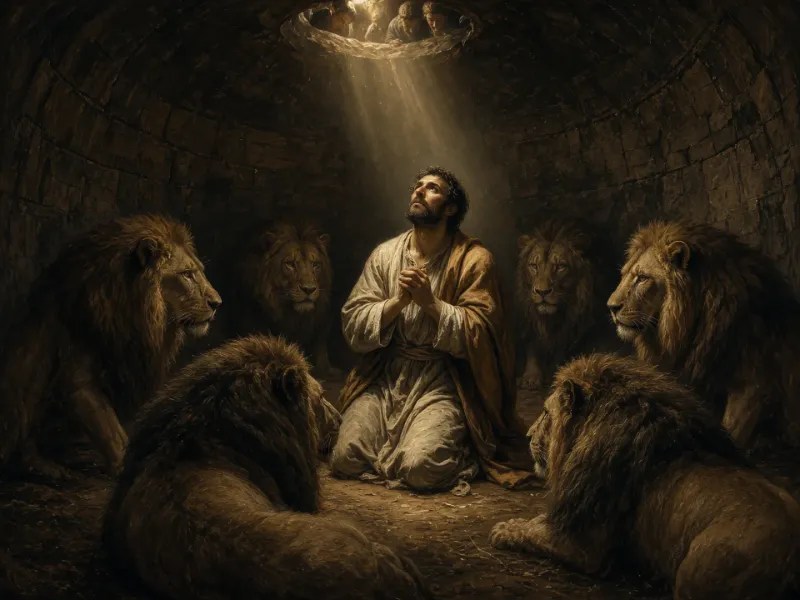
Hebrews 11:8
“By faith Abraham, when called to go to a place he would later receive as his inheritance, obeyed and went, even though he did not know where he was going.”
Reflection: Hebrews looks back to Genesis 12:1, where the Lord told Abram to leave his country and go “to the land I will show you,” without naming it. Genesis 12:4 records the response: “So Abram went, as the Lord had told him.” The following verses in Hebrews add that he lived in tents in the promised land “like a stranger in a foreign country.”

Isaiah 42:16
“I will lead the blind by ways they have not known, along unfamiliar paths I will guide them; I will turn the darkness into light before them and make the rough places smooth. These are the things I will do; I will not forsake them.”
Reflection: The Lord speaks after saying he has kept silent “for a long time” (verse 14). The paths in the promise stay unfamiliar and the travellers are still called blind; what changes is that the Lord leads them and turns the darkness in front of them into light. The verse closes with “I will not forsake them,” and verse 17 sets against it the shame of those who trust in idols.
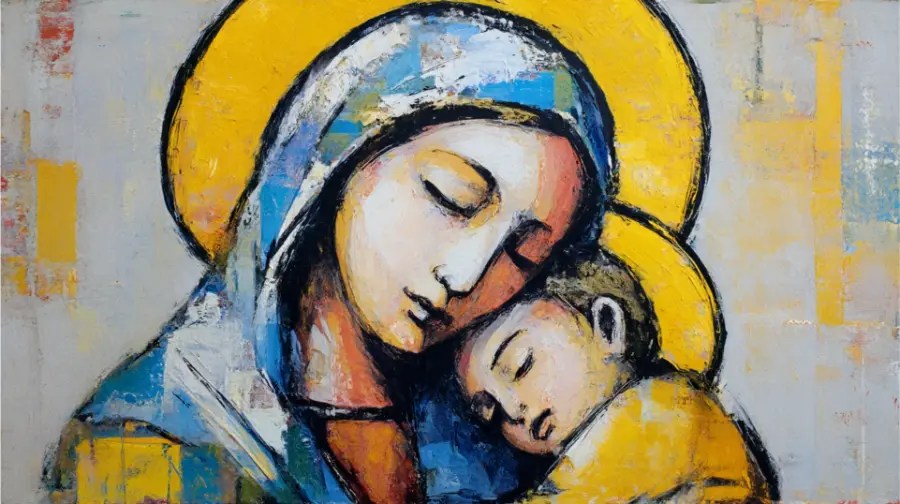
Psalm 23:4
“Even though I walk through the darkest valley, I will fear no evil, for you are with me; your rod and your staff, they comfort me.”
Reflection: In this psalm of David the valley is walked through, and the reason given for not fearing is “you are with me.” In verses 1 to 3 David speaks about the Lord as “he”; at this verse he begins speaking to him directly. The verse before says the shepherd “guides me along the right paths.”
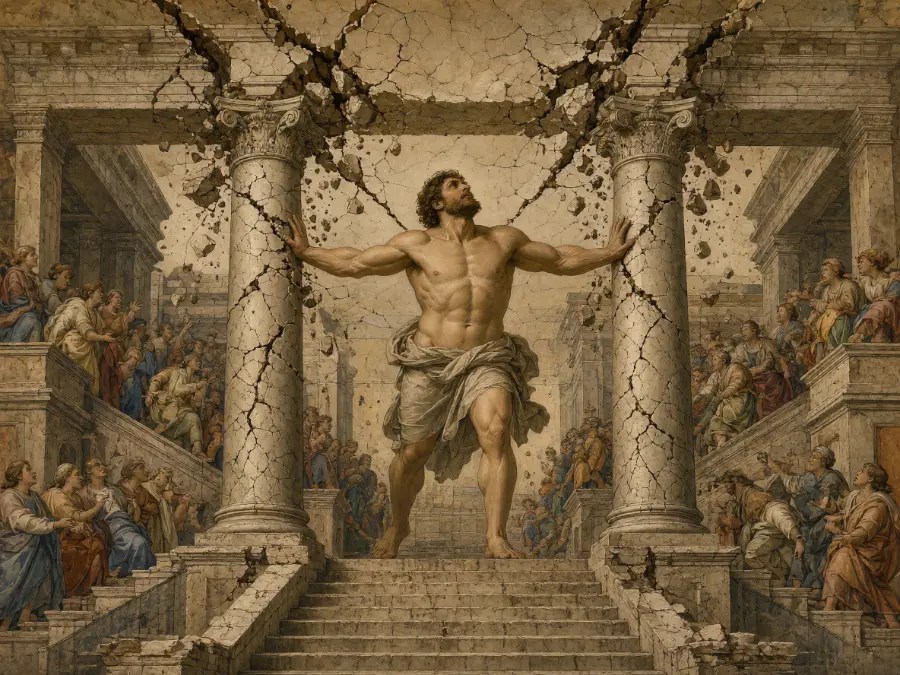
John 14:1
“Do not let your hearts be troubled. You believe in God; believe also in me.”
Reflection: Jesus says this to his disciples as he tells them he is going to prepare a place for them (verses 2-3). Thomas answers with the uncertainty plainly stated: “Lord, we don’t know where you are going, so how can we know the way?” (verse 5). Jesus replies, “I am the way and the truth and the life” (verse 6).
Asking for guidance and trusting it
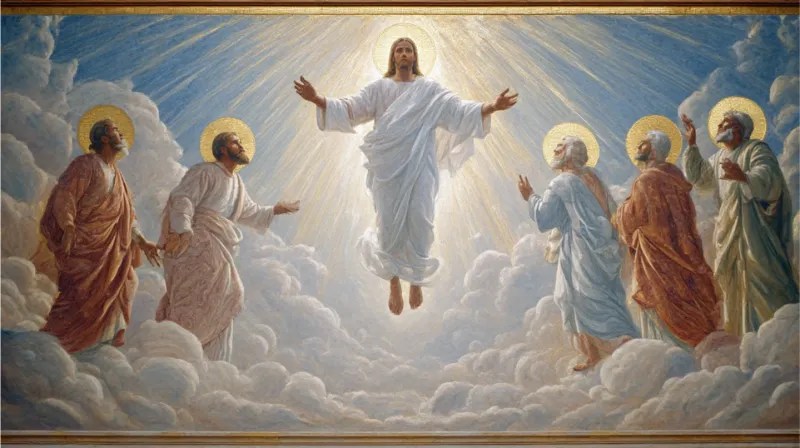
Psalm 25:4-5
“Show me your ways, Lord, teach me your paths. Guide me in your truth and teach me, for you are God my Savior, and my hope is in you all day long.”
Reflection: David addresses this prayer to God, asking to be shown God’s ways, taught his paths and guided in his truth. The same psalm asks not to be put to shame (verse 2) and asks God not to remember “the sins of my youth” (verse 7), so the request for direction comes alongside a request for mercy. The hope in verse 5 is placed in God “all day long.”
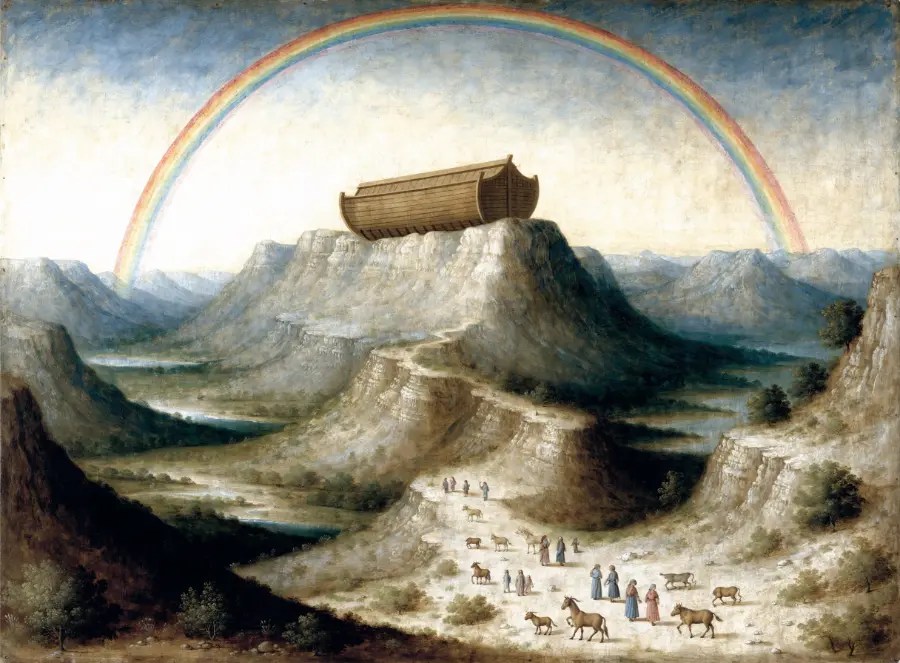
Proverbs 3:5-6
“Trust in the Lord with all your heart and lean not on your own understanding; in all your ways submit to him, and he will make your paths straight.”
Reflection: A father is teaching his son (verse 1: “My son, do not forget my teaching”). Trusting the Lord is set against leaning on one’s own understanding, and verse 7 repeats the warning: “Do not be wise in your own eyes.” The promise attached is that the Lord will make the paths straight.
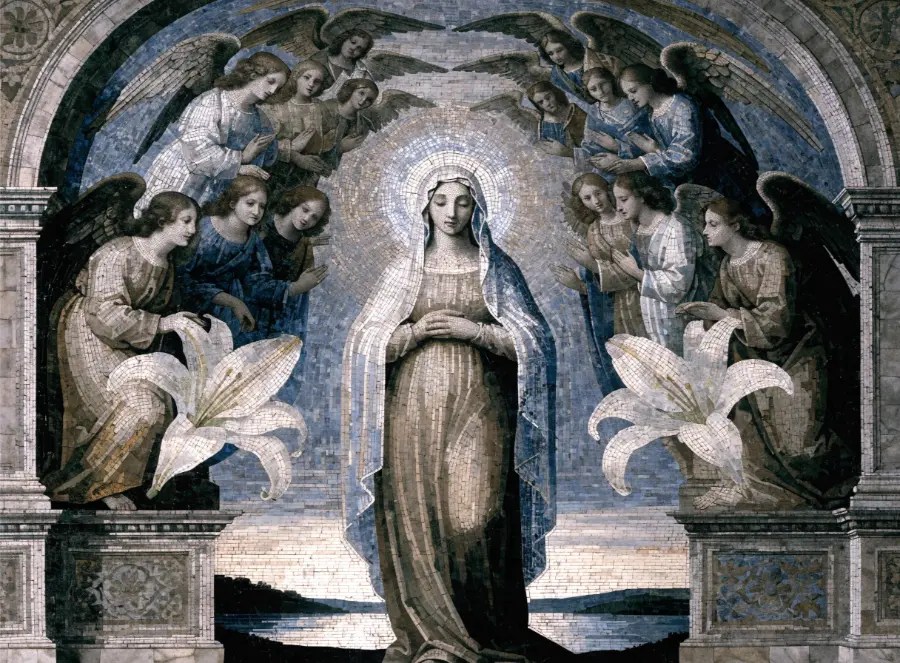
Jeremiah 29:11
“‘For I know the plans I have for you,’ declares the Lord, ‘plans to prosper you and not to harm you, plans to give you hope and a future.’”
Reflection: The Lord says this to the people carried into exile from Jerusalem to Babylon (verse 4). The verse before sets the timing: “When seventy years are completed for Babylon, I will come to you.” Meanwhile the exiles are told to build houses, plant gardens, marry and seek the peace of the city (verses 5-7), and not to listen to the prophets and diviners among them (verse 8).
Anxiety while the outcome is unknown
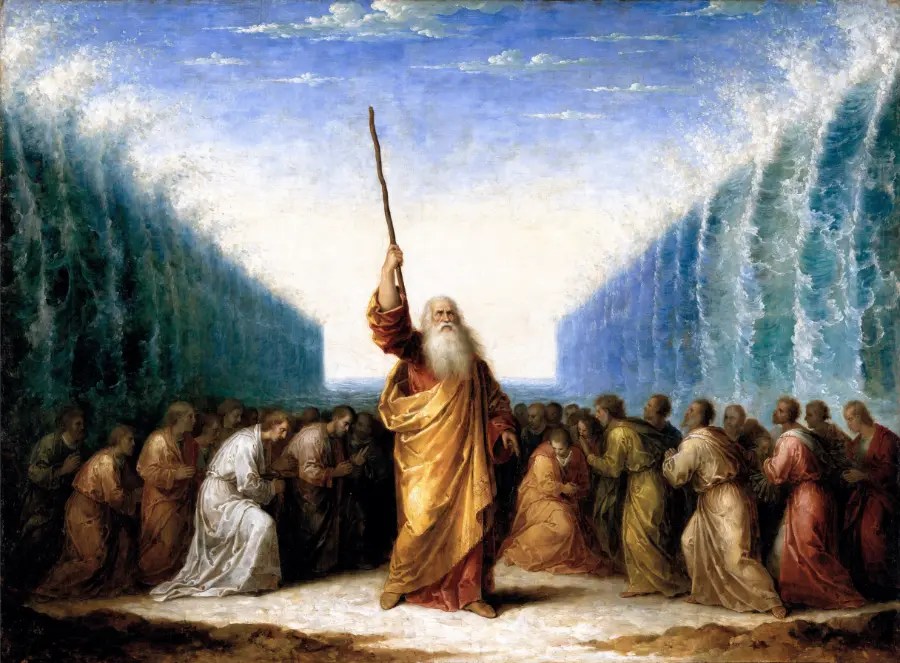
Philippians 4:6-7
“Do not be anxious about anything, but in every situation, by prayer and petition, with thanksgiving, present your requests to God. And the peace of God, which transcends all understanding, will guard your hearts and your minds in Christ Jesus.”
Reflection: Paul places this just after “The Lord is near” (verse 5). The instruction covers “every situation” and pairs the requests with thanksgiving. What is promised in return is peace that guards the heart and mind, a peace that “transcends all understanding,” and the verses do not say the requests will be granted as made.
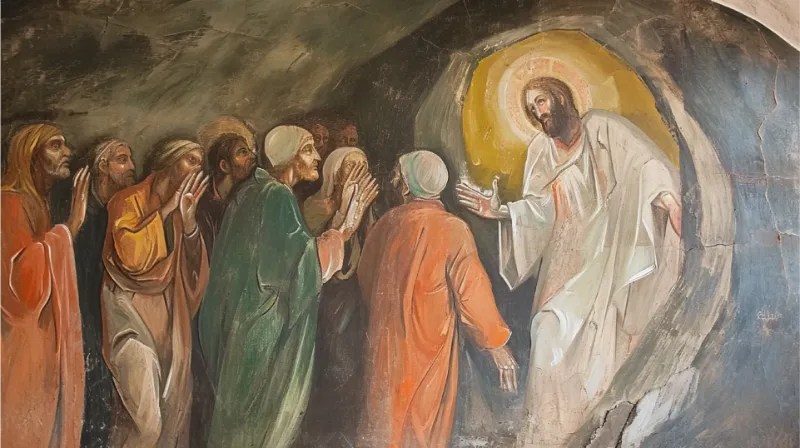
1 Peter 5:7
“Cast all your anxiety on him because he cares for you.”
Reflection: The verse follows the command in verse 6: “Humble yourselves, therefore, under God’s mighty hand, that he may lift you up in due time.” The phrase “in due time” leaves the time unstated. Verse 9 adds that believers throughout the world are going through the same kind of sufferings.
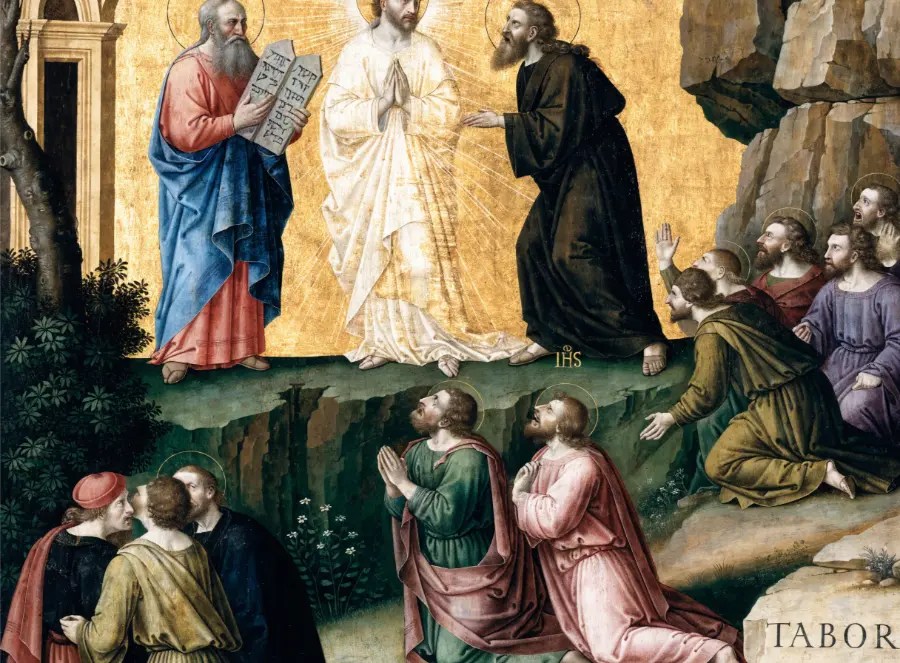
Psalm 94:19
“When anxiety was great within me, your consolation brought me joy.”
Reflection: The psalmist asks who will stand up for him against the wicked (verse 16) and recalls his own footing going: “When I said, ‘My foot is slipping,’ your unfailing love, Lord, supported me” (verse 18). The anxiety is admitted as great, and the joy comes from God’s consolation. In verse 22 he calls the Lord “my fortress.”
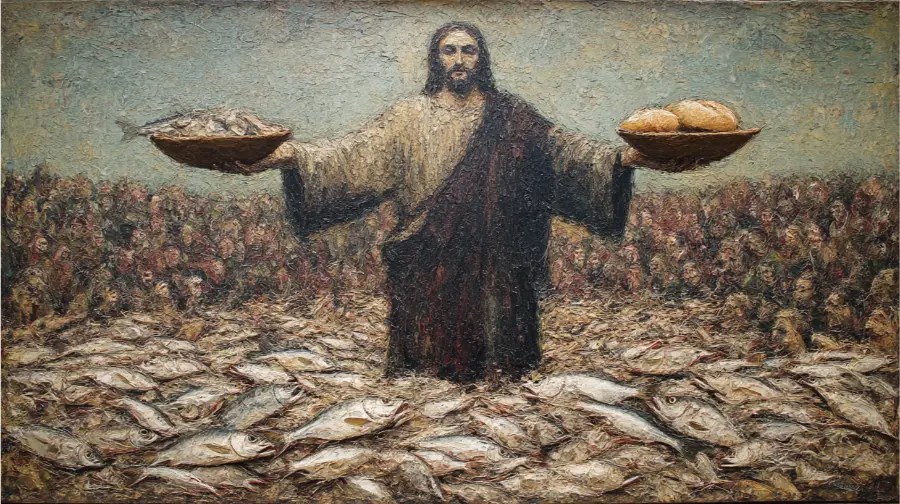
Isaiah 26:3
“You will keep in perfect peace those whose minds are steadfast, because they trust in you.”
Reflection: The verse is part of a song that, according to verse 1, “will be sung in the land of Judah” in a day still to come. The peace belongs to those whose minds are steadfast because they trust in God. Verse 4 gives the ground for that trust: “the Lord himself, is the Rock eternal.”
A verse for how you feel
Choose how you feel today and read a verse from Scripture.
Immediately Jesus reached out His hand and took hold of Peter. “You of little faith,” He said, “why did you doubt?”
Get a verse each week
Thank you. Your first verse is on its way.
If nothing arrives in a few minutes, look in your spam or promotions folder.
Keep this for another day. A verse for how you feel has a page of its own, with our verses for each feeling.
Each verse is quoted from the Berean Standard Bible.
Praying and planning when the outcome is unknown
Psalm 25:4-5 is addressed to God and can be prayed as written. James 4:15 supplies a form of words for any plan: “If it is the Lord’s will, we will live and do this or that.”


Leave a Reply