
 English
 Chinese
 Dutch
 Arabic
 Spanish
 Portuguese
 Russian
 French
 Italian
 German
 Japanese
The Bible’s year begins with the exodus. Before the first Passover, God told Moses and Aaron that the month of Israel’s departure from Egypt would be “the first month of the year for you” (Exodus 12:2).
Deuteronomy 11:12 says God watches the promised land “from the beginning of the year to the end of the year,” and Psalm 65:11 says he crowns the year with a harvest. For the start of a calendar year, the passages that apply most directly are those on counting time and making plans (Psalm 90:12, Proverbs 16:3, James 4:13-15) and those on starting again (Lamentations 3:22-23, Isaiah 43:19, 2 Corinthians 5:17).
Where the year begins and ends
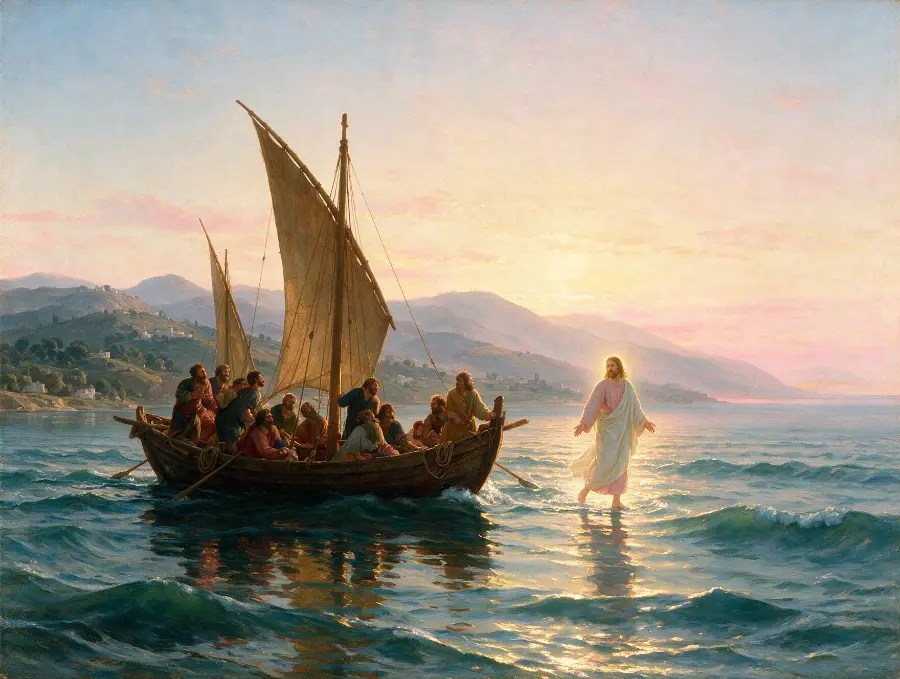
Exodus 12:2
“This month shall be for you the beginning of months. It shall be the first month of the year for you.”
Reflection: God speaks these words to Moses and Aaron “in the land of Egypt” (Exodus 12:1), just before the instructions for the Passover lamb, which each household was to take “on the tenth day of this month.” The calendar is reset around the night of the exodus. Exodus 13:4 names the month: “Today, in the month of Abib, you are going out.”
Deuteronomy 11:12
“a land that the Lord your God cares for. The eyes of the Lord your God are always upon it, from the beginning of the year to the end of the year.”
Reflection: Moses contrasts the land Israel is about to enter with Egypt, where “you sowed your seed and irrigated it, like a garden of vegetables” (Deuteronomy 11:10). The new land is “a land of hills and valleys,” and the same sentence goes on: the land “drinks water by the rain from heaven, a land that the Lord your God cares for.” Verse 12 then says God’s eyes are on it for the whole year.
Psalm 65:11
“You crown the year with your bounty; your wagon tracks overflow with abundance.”
Reflection: Psalm 65 is a harvest psalm of David. The verses before it describe God watering the earth, “softening it with showers, and blessing its growth” (Psalm 65:10). The crown on the year is the harvest itself, and the psalm ends with the meadows clothed with flocks and the valleys decked with grain, which “shout and sing together for joy.”
Counting the days
Psalm 90:12
“So teach us to number our days that we may get a heart of wisdom.”
Reflection: The heading calls Psalm 90 “A Prayer of Moses, the man of God.” Two verses earlier it puts a human life at “seventy, or even by reason of strength eighty” years, “soon gone.” The request that follows is addressed to God: to be taught to count those days so that the counting produces wisdom.
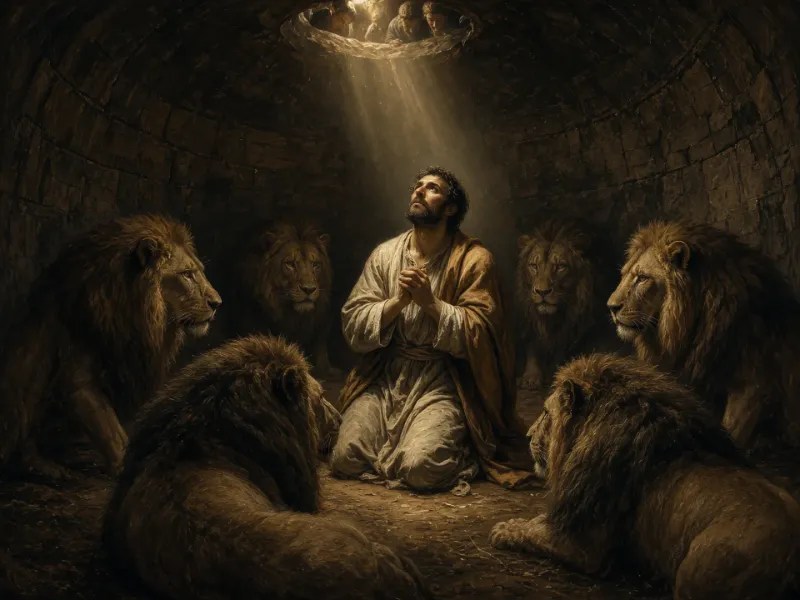
Ecclesiastes 3:1
“For everything there is a season, and a time for every matter under heaven.”
Reflection: The verse introduces the list of paired times that follows: “a time to be born, and a time to die; a time to plant, and a time to pluck up what is planted” (Ecclesiastes 3:2). Later in the chapter the Preacher adds that God “has made everything beautiful in its time” and has put eternity into the human heart, “yet so that he cannot find out what God has done from the beginning to the end” (Ecclesiastes 3:11).
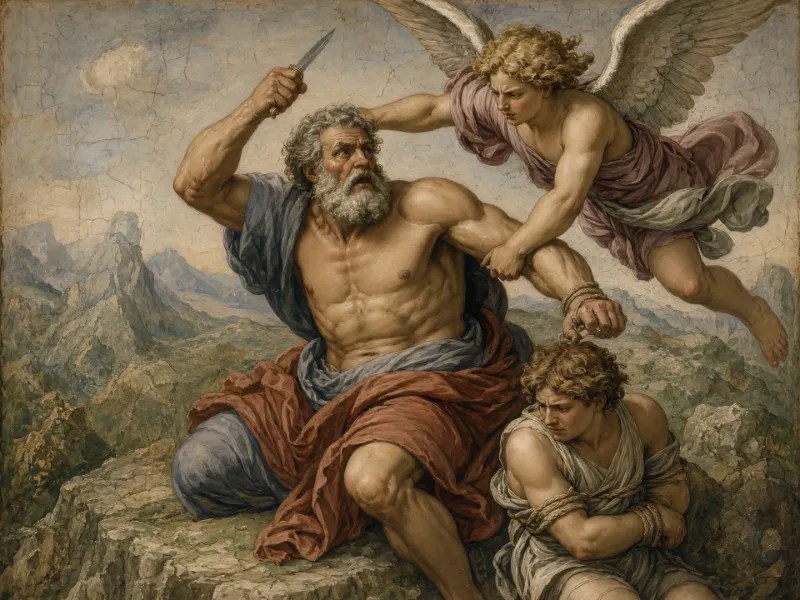
Ephesians 5:16
“Making the best use of the time, because the days are evil.”
Reflection: The sentence begins in the verse before: “Look carefully then how you walk, not as unwise but as wise” (Ephesians 5:15). The King James Version translates the phrase “Redeeming the time.” The next verse names what wise use of time looks like: “understand what the will of the Lord is” (Ephesians 5:17).
Making plans for the year
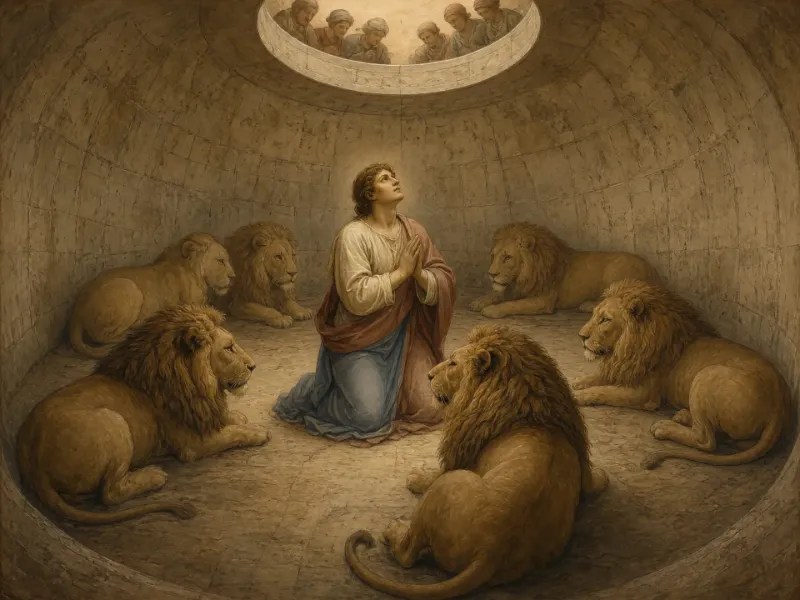
Proverbs 16:3
“Commit your work to the Lord, and your plans will be established.”
Reflection: The chapter opens with the same pairing: “The plans of the heart belong to man, but the answer of the tongue is from the Lord” (Proverbs 16:1). A few verses later it comes back to it: “The heart of man plans his way, but the Lord establishes his steps” (Proverbs 16:9). In verse 3, the plans are made by the person, and committing the work to the Lord is the condition for their being established.
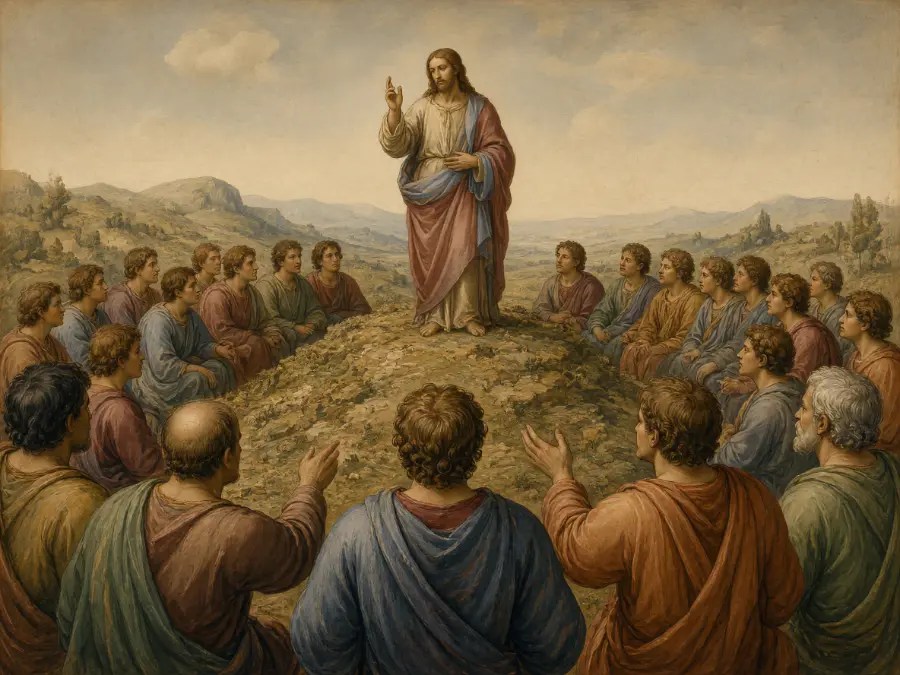
Proverbs 19:21
“Many are the plans in the mind of a man, but it is the purpose of the Lord that will stand.”
Reflection: Like Proverbs 16:9, this proverb sets human plans beside God’s purpose. The plans are many, and it is the Lord’s purpose that will stand.
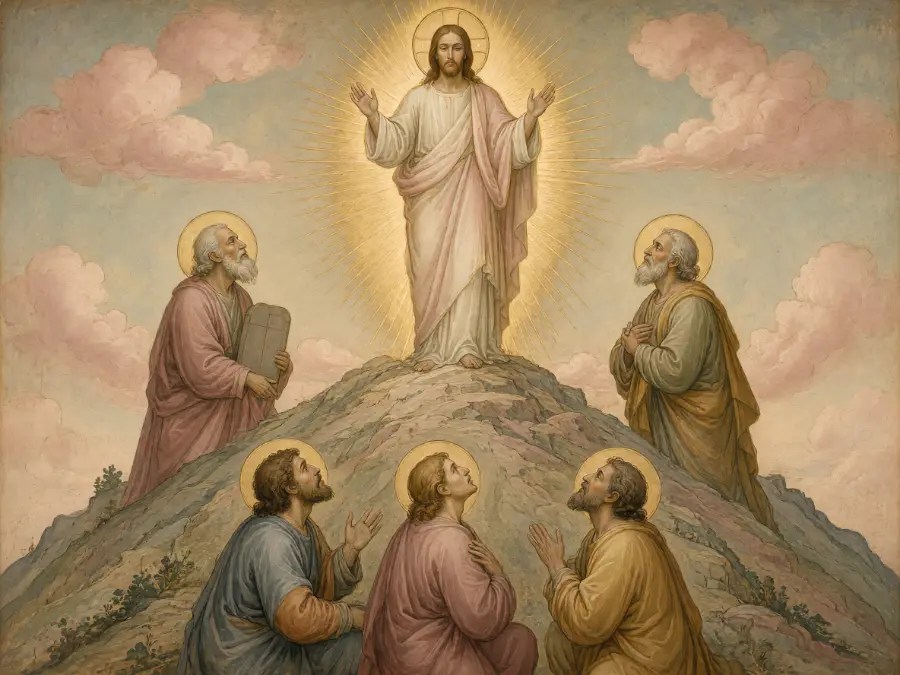
James 4:13-15
“Come now, you who say, ‘Today or tomorrow we will go into such and such a town and spend a year there and trade and make a profit’— yet you do not know what tomorrow will bring. What is your life? For you are a mist that appears for a little time and then vanishes. Instead you ought to say, ‘If the Lord wills, we will live and do this or that.’”
Reflection: James writes to traders planning a year in another town to “trade and make a profit.” His objection is to the certainty: “you do not know what tomorrow will bring,” and a life is “a mist that appears for a little time and then vanishes.” The next verse calls the confident plan boasting: “All such boasting is evil” (James 4:16).
Matthew 6:34
“Therefore do not be anxious about tomorrow, for tomorrow will be anxious for itself. Sufficient for the day is its own trouble.”
Reflection: Jesus ends a section of the Sermon on the Mount about food, drink and clothing with this verse. Just before it he says, “your heavenly Father knows that you need them all. But seek first the kingdom of God and his righteousness, and all these things will be added to you” (Matthew 6:32-33). Each day is given its own trouble and no more.
Jeremiah 29:11
“For I know the plans I have for you, declares the Lord, plans for welfare and not for evil, to give you a future and a hope.”
Reflection: Jeremiah wrote this in a letter to the exiles whom God had sent “into exile from Jerusalem to Babylon” (Jeremiah 29:4). The letter tells them to build houses, plant gardens and marry where they are (Jeremiah 29:5-6). The verse before sets the timing: “When seventy years are completed for Babylon, I will visit you” (Jeremiah 29:10). The future and hope were promised to a people who would spend those years in Babylon first.
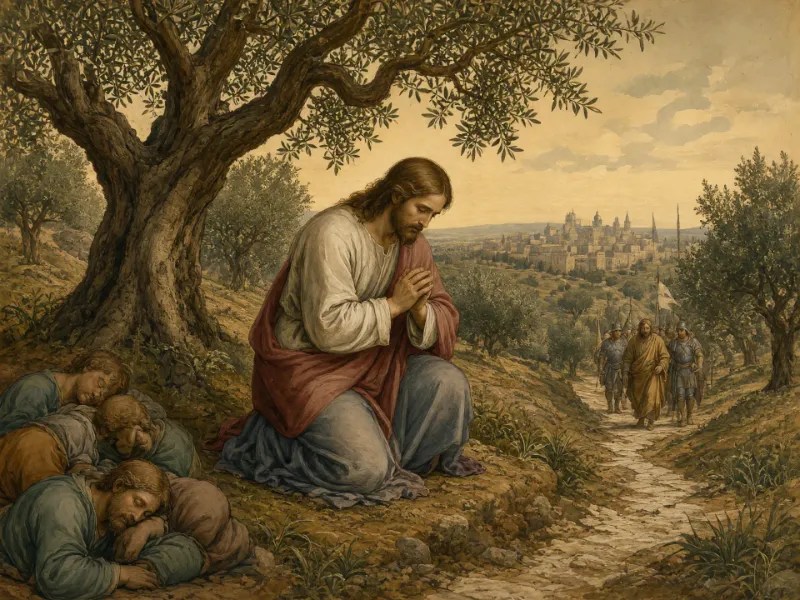
Psalm 20:4
“May He grant you your heart’s desire and fulfill all your plans!”
Reflection: Psalm 20 is a blessing spoken over the king. It opens, “May the Lord answer you in the day of trouble!” and its last verse begins, “O Lord, save the king!” (Psalm 20:1, 9). The wish for his heart’s desire and his plans comes among requests for help from the sanctuary, and verse 7 sets those who “trust in chariots” against those who “trust in the name of the Lord our God.”
Starting again
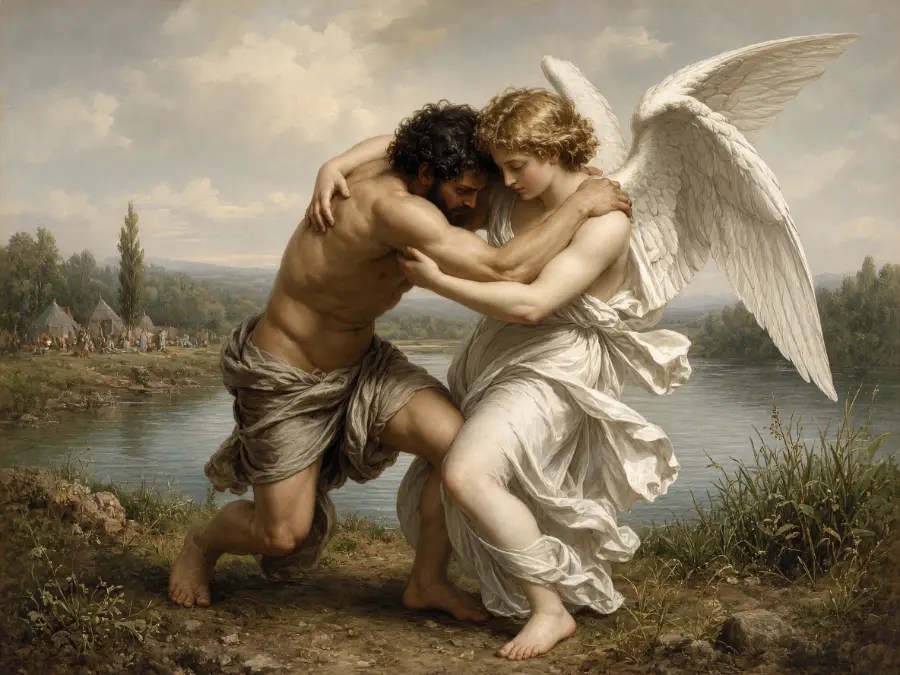
Lamentations 3:22-23
“The steadfast love of the Lord never ceases; his mercies never come to an end; they are new every morning; great is your faithfulness.”
Reflection: Lamentations mourns Jerusalem after its fall. In chapter 3 the speaker has just said, “Remember my affliction and my wanderings, the wormwood and the gall!” (Lamentations 3:19), and then turns: “But this I call to mind, and therefore I have hope” (Lamentations 3:21). The hope comes from what the speaker calls to mind in the middle of the lament.
Isaiah 43:19
“Behold, I am doing a new thing; now it springs forth, do you not perceive it? I will make a way in the wilderness and rivers in the desert.”
Reflection: The verses before it describe the Lord as the one “who makes a way in the sea, a path in the mighty waters,” and who brings down chariot and horse (Isaiah 43:16-17). Then comes “Remember not the former things, nor consider the things of old” (Isaiah 43:18). The new thing is a way through the wilderness, with water “to give drink to my chosen people” (Isaiah 43:20).
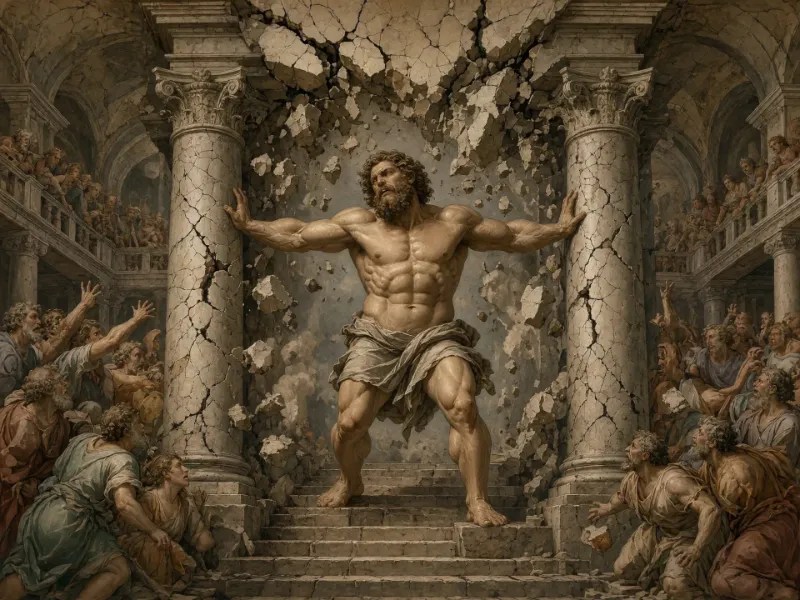
2 Corinthians 5:17
“Therefore, if anyone is in Christ, he is a new creation. The old has passed away; behold, the new has come.”
Reflection: Paul writes that “from now on” he regards no one “according to the flesh,” as he once regarded Christ (2 Corinthians 5:16). The verse ties the new creation to one condition, “if anyone is in Christ,” and says the old has already passed away.
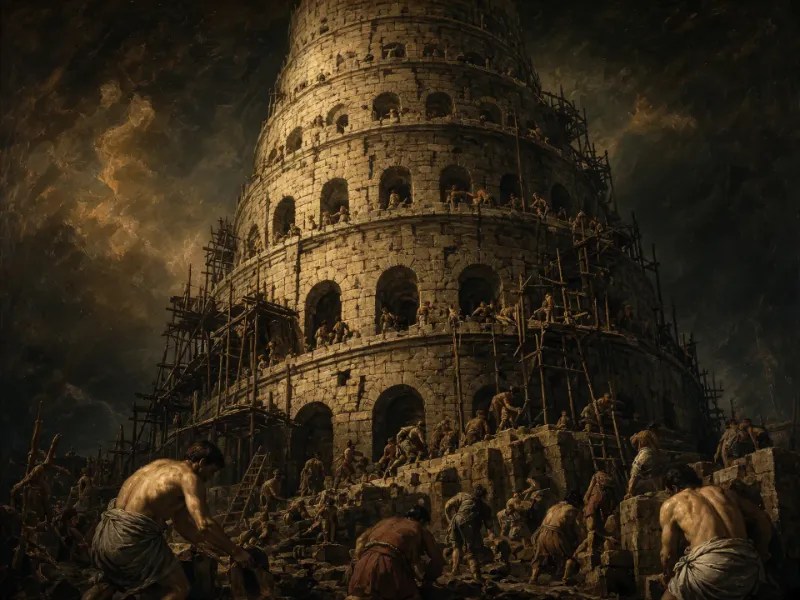
Philippians 3:13-14
“Brothers, I do not consider that I have made it my own. But one thing I do: forgetting what lies behind and straining forward to what lies ahead, I press on toward the goal for the prize of the upward call of God in Christ Jesus.”
Reflection: Earlier in the chapter Paul lists his credentials, which he “counted as loss for the sake of Christ” (Philippians 3:7). He also says plainly that he has not arrived: “Not that I have already obtained this or am already perfect” (Philippians 3:12). The image is a runner, with the prize at the end of the course.
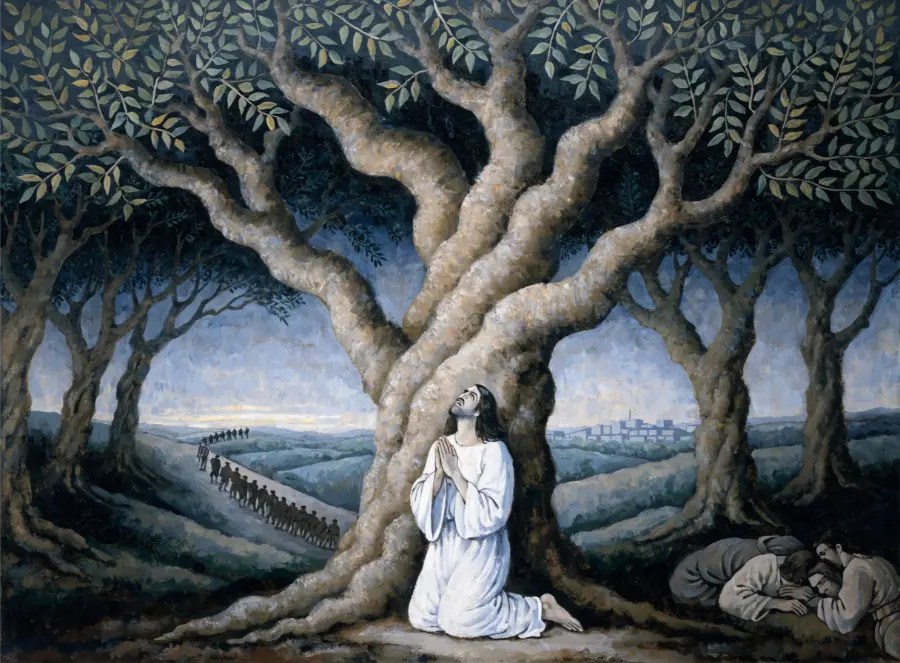
Psalm 51:10
“Create in me a clean heart, O God, and renew a right spirit within me.”
Reflection: The heading places Psalm 51 after the prophet Nathan confronted David over Bathsheba. The request for a clean heart and a right spirit is followed by “Cast me not away from your presence” and “Restore to me the joy of your salvation” (Psalm 51:11-12).
Praying and sending these verses at the new year
Psalm 90:12 and Psalm 51:10 are addressed to God and can be prayed as written. Lamentations 3:22-23 also turns to God in its last line, “great is your faithfulness.”
Psalm 20:4 is addressed to another person, the king, rather than to God, so it can be said or written to someone as a wish for the year ahead.


Leave a Reply