
 English
  Chinese
  Dutch
Dutch  Arabic
  Spanish
  Portuguese
  Russian
  French
  Italian
  German
  Japanese
What are the essential practices for living out the Christian faith daily?
Living out our Christian faith is not merely a Sunday activity, but a daily commitment that transforms our entire being. As we journey together in faith, let us consider the essential practices that nurture our relationship with God and allow us to be Christ’s hands and feet in the world.
We must root ourselves in prayer. Prayer is the lifeblood of our faith, the intimate conversation with our Creator that sustains and guides us. Make time each day, even if only for a few moments, to speak with God and, more importantly, to listen. In the silence of our hearts, we often hear His gentle whisper.
Immerse yourself in Sacred Scripture. The Word of God is a lamp unto our feet, illuminating our path in this often-dark world. Read it daily, meditate upon it, and allow its wisdom to penetrate your heart and mind. this practice not only deepens our faith but also provides a framework for understanding ourselves and our world.
Participate regularly in the sacraments, especially the Eucharist. In this powerful mystery, we encounter Christ Himself, receiving His body and blood as spiritual nourishment. This practice connects us not only to God but to the entire body of Christ – our brothers and sisters in faith.
Engage in acts of charity and service. Our faith must be lived out in concrete actions of love towards our neighbors. As historians have noted throughout the centuries, it is often through the selfless service of Christians that the world has been transformed.
Cultivate a spirit of gratitude and joy. Recognize God’s blessings in your life, both big and small. This practice of thankfulness can profoundly impact our psychological well-being and our spiritual growth.
Seek forgiveness and offer it freely. Regular examination of conscience and participation in the Sacrament of Reconciliation heal our souls and relationships.
Lastly, build and nurture Christian community. We are not meant to walk this journey alone. Participate in your local parish, join small faith groups, and surround yourself with fellow believers who can support and challenge you in your faith.
Remember, these practices are not meant to be burdensome rather to bring us into closer communion with God and one another. They are the means by which we open ourselves to God’s transforming grace, allowing Him to mold us more and more into the image of Christ.
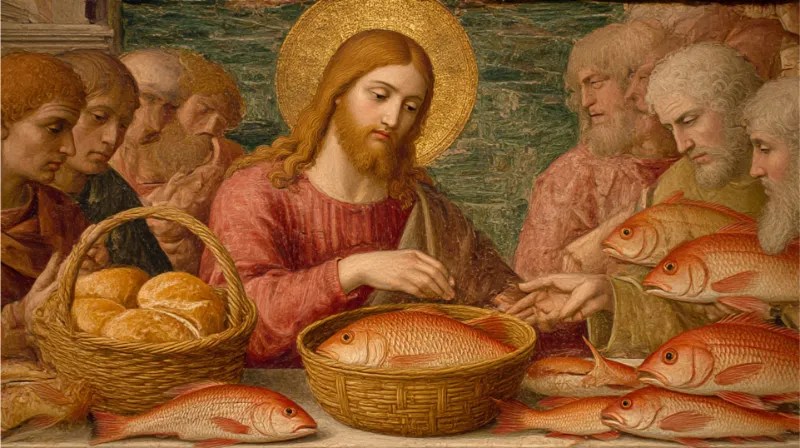
How does Isaiah 58 guide Christians in authentic worship and service?
The prophet Isaiah speaks to us across the centuries, challenging our understanding of true worship and calling us to a faith that transforms both our hearts and our world. Isaiah 58 is a powerful reminder that authentic Christian living involves both a deep, personal relationship with God and an active engagement with the needs of our fellow human beings.
In this chapter, we see the Lord rebuking those who practice outward forms of piety – fasting, bowing their heads like reeds, and lying on sackcloth and ashes – while neglecting the true essence of faith. God, through Isaiah, declares, “Is not this the kind of fasting I have chosen: to loose the chains of injustice and untie the cords of the yoke, to set the oppressed free and break every yoke?” (Isaiah 58:6, NIV).
This passage guides us to understand that authentic worship is not merely about rituals or personal spiritual experiences. Rather, it is intimately connected with how we treat others, especially the marginalized and oppressed. this understanding can profoundly impact our sense of purpose and well-being, aligning our actions with our deepest values.
Isaiah goes on to describe true fasting as sharing food with the hungry, providing shelter for the wanderer, and clothing the naked (Isaiah 58:7). These acts of mercy and justice are presented not as optional extras for the particularly devout, but as essential expressions of genuine faith.
Historically, we can see how this prophetic call has inspired countless Christians throughout the ages to engage in works of charity and social reform. From the early Church’s care for widows and orphans to modern-day efforts to combat poverty and injustice, Isaiah’s words continue to challenge and guide us.
The chapter also promises that when we engage in this authentic worship – this combination of spiritual devotion and practical love – we will experience God’s presence and blessing in a powerful way. “Then your light will break forth like the dawn, and your healing will quickly appear” (Isaiah 58:8, NIV). This suggests a deep connection between our spiritual well-being and our active engagement in God’s work of justice and mercy in the world.
Let Isaiah 58 be a guide and a challenge to us all. May it inspire us to a faith that is deeply personal yet profoundly social, a faith that transforms our hearts and, through us, seeks to transform the world. In this way, we truly become the salt of the earth and the light of the world that our Lord Jesus calls us to be.

What spiritual disciplines can help deepen one’s relationship with God?
First and foremost is the discipline of prayer. Prayer is the heartbeat of our spiritual life, our ongoing conversation with God. It encompasses not only speaking to God but also listening in silence for His voice. regular prayer can bring a sense of peace and centeredness to our often chaotic lives. Explore different forms of prayer – contemplative prayer, intercessory prayer, the prayer of examen – to enrich your prayer life.
Closely related to prayer is the practice of meditation on Scripture, often called Lectio Divina. This ancient practice involves reading a passage of Scripture slowly and reflectively, allowing God’s Word to speak to our hearts. It helps us to internalize God’s truth and apply it to our lives.
Fasting is another powerful spiritual discipline. By voluntarily abstaining from food or other pleasures for a time, we learn to depend more fully on God and to focus our attention on spiritual matters. Historically, fasting has been a way for Christians to express repentance, seek God’s guidance, and grow in self-discipline.
The practice of solitude and silence is particularly important in our noisy, distracted world. By intentionally setting aside time to be alone with God, free from the constant stimulation of our digital age, we create space for deep communion with Him. This can lead to greater self-awareness and spiritual insight.
Regular participation in corporate worship and the sacraments, particularly the Eucharist, is essential for spiritual growth. These practices connect us not only with God but also with the body of Christ, reminding us that our faith journey is both personal and communal.
The discipline of service to others, motivated by love, helps us to grow in Christlikeness. As we serve those in need, we often encounter Christ in unexpected ways and grow in compassion and humility.
Practicing gratitude and cultivating a spirit of thankfulness can profoundly impact our spiritual lives. By regularly acknowledging God’s blessings, we become more aware of His constant presence and goodness.
The discipline of study – of Scripture, theology, and spiritual writings – helps to deepen our understanding of God and our faith. This intellectual engagement with our faith can lead to greater spiritual maturity and discernment.
Lastly, the practice of spiritual direction or accountability can be immensely helpful. Having a trusted spiritual mentor or a small group of fellow believers with whom we can share our spiritual journey provides support, guidance, and encouragement.
Remember, these disciplines are not ends in themselves means by which we open ourselves to God’s grace. They should not become burdensome obligations but joyful practices that draw us closer to our loving Creator. As we engage in these disciplines, may we grow ever deeper in our love for God and our neighbor, becoming more fully the people God has created us to be.

How can Christians incorporate mindful meditation into their prayer life?
In our fast-paced world, the practice of mindful meditation can be a valuable tool for deepening our prayer life and growing closer to God. While some may initially hesitate at the term “meditation,” fearing it might conflict with Christian teachings, let us remember that our rich Christian tradition has long embraced forms of contemplative prayer that share much in common with mindful practices.
At its core, Christian mindful meditation is about being fully present to God in the moment, aware of His presence and open to His voice. It is a way of practicing the Psalmist’s exhortation to “Be still, and know that I am God” (Psalm 46:10, NIV). This practice can help us to quiet our often-noisy minds and create space for deeper communion with our Creator.
To incorporate mindful meditation into your prayer life, you might begin by finding a quiet, comfortable place where you can sit undisturbed for a period of time. Start with just a few minutes and gradually increase the duration as you become more comfortable with the practice.
Begin by focusing on your breath, noticing the sensation of breathing in and out. This simple act of paying attention to your breath can help to calm your mind and bring you into the present moment. As you breathe, you might silently repeat a short Scripture verse or prayer, such as “Lord Jesus Christ, have mercy on me,” allowing the words to sync with your breath.
As thoughts inevitably arise – for our minds are rarely still – gently acknowledge them without judgment and then return your focus to your breath or your prayer word. This practice of continually returning our attention to God can be seen as a form of the “prayer without ceasing” that St. Paul encourages (1 Thessalonians 5:17).
You might also practice a body scan, slowly bringing your attention to different parts of your body, noticing any sensations or tensions, and releasing them to God. This can be a powerful way of offering our whole selves to God in prayer.
Another form of Christian mindful meditation involves meditating on a passage of Scripture or a sacred image. Read the passage slowly, or gaze at the image, allowing it to sink deeply into your heart and mind. Notice what words or details stand out to you, and ponder their significance in your life.
these practices can have major benefits for our mental and emotional well-being, reducing stress and anxiety and increasing our capacity for focus and compassion. But as Christians, our primary goal is not self-improvement but deepening our relationship with God.
It’s important to remember that Christian mindful meditation is not about emptying our minds rather about filling them with God’s presence and truth. It’s not about achieving a particular state of consciousness, but about opening ourselves more fully to God’s transforming grace.
As with any spiritual practice, it’s wise to approach mindful meditation with discernment and, if possible, under the guidance of a trusted spiritual director. Remember that this is just one tool among many for nurturing our spiritual lives, and it may not resonate with everyone.
As you explore incorporating mindful meditation into your prayer life, may you find it to be a means of deepening your awareness of God’s constant presence and love. May it help you to “pray in the Spirit on all occasions with all kinds of prayers and requests” (Ephesians 6:18, NIV), drawing you ever closer to the heart of our loving Father.

What did Jesus teach about putting faith into action?
Our Lord Jesus Christ, in His infinite wisdom and love, taught us that true faith is not merely an intellectual assent to certain truths a transformative force that shapes our entire lives. Throughout His ministry, Jesus consistently emphasized the importance of putting faith into action, demonstrating that authentic belief in God necessarily manifests itself in how we live and treat others.
One of the most powerful teachings of Jesus on this subject is found in the parable of the sheep and the goats (Matthew 25:31-46). Here, Jesus vividly illustrates that our faith is judged not by our words or even our religious observances by our actions towards “the least of these” – the hungry, the thirsty, the stranger, the naked, the sick, and the imprisoned. He identifies Himself so closely with the vulnerable that He declares, “Whatever you did for one of the least of these brothers and sisters of mine, you did for me” (Matthew 25:40, NIV).
This teaching challenges us to see Christ in every person we encounter, especially those who are marginalized or suffering. It calls us to a faith that is deeply practical and engaged with the real needs of our world. this radical message has inspired countless Christians throughout the centuries to establish hospitals, schools, orphanages, and other institutions of care and service.
Jesus also taught about the inseparability of love for God and love for neighbor. When asked about the greatest commandment, He responded with two: to love God with all our heart, soul, and mind, and to love our neighbor as ourselves (Matthew 22:36-40). This teaches us that our faith in God must be expressed through love for others – the two are inextricably linked.
The Sermon on the Mount (Matthew 5-7) is another rich source of Jesus’ teachings on putting faith into action. Here, He calls His followers to be “salt of the earth” and “light of the world” (Matthew 5:13-16), emphasizing that our faith should have a tangible, positive impact on the world around us. He teaches about going beyond mere obedience to the law to embody its spirit, about loving our enemies, about giving to the needy, and about the futility of merely calling Him “Lord” without doing the will of the Father.
Jesus’ teaching on faith and works is perhaps most succinctly expressed in His brother James’ epistle: “Faith by itself, if it is not accompanied by action, is dead” (James 2:17, NIV). This echoes Jesus’ own words about knowing trees by their fruit (Matthew 7:16-20).
this integration of belief and action leads to a more authentic, wholesome life, reducing cognitive dissonance and fostering a sense of purpose and fulfillment. When our actions align with our professed beliefs, we experience greater psychological well-being and spiritual growth.
It’s crucial to understand that Jesus is not teaching a doctrine of salvation by works. Rather, He is teaching that genuine faith naturally produces good works. As He said, “A good tree cannot bear bad fruit, and a bad tree cannot bear good fruit” (Matthew 7:18, NIV).

How can Christians balance personal devotion with serving others?
The balance between personal devotion and service to others is at the very heart of our Christian journey. This balance reflects the two greatest commandments given to us by our Lord Jesus Christ: to love God with all our heart, soul, and mind, and to love our neighbor as ourselves (Matthew 22:36-40).
Personal devotion, our intimate relationship with God, is the wellspring from which our service flows. It is in the quiet moments of prayer, meditation on Scripture, and contemplation that we encounter the living God and are transformed by His love. This transformation is not meant to end with us to overflow into the lives of those around us.
I would emphasize that this balance is crucial for our spiritual and emotional well-being. When we neglect our personal devotion, we risk burnout and a sense of emptiness in our service. On the other hand, if we focus solely on our personal spiritual life without reaching out to others, we may become self-centered and miss the joy of participating in God’s work in the world.
Historically, we see this balance beautifully exemplified in the lives of many saints. Take, for example, St. Francis of Assisi, who spent long hours in prayer and contemplation, yet was also known for his radical service to the poor and outcast. Or consider Mother Teresa, whose deep prayer life fueled her tireless work among the poorest of the poor in Calcutta.
To achieve this balance, I suggest a few practical steps:
- Prioritize daily time with God. Even in the busiest seasons of service, set aside time for prayer and Scripture reading. This is not selfishness rather the recognition that we can only give what we have first received from God.
- See service as an extension of devotion. When we serve others, we are serving Christ Himself (Matthew 25:40). Let your acts of service be infused with prayer and awareness of God’s presence.
- Practice the presence of God in all activities. Brother Lawrence, a 17th-century Carmelite monk, taught us to cultivate an awareness of God’s presence even in the most mundane tasks. This can help bridge the perceived gap between “devotion” and “service.”
- Engage in communal worship and service. The early Christian community, as described in Acts 2:42-47, balanced devotion and service in the context of community. Regular participation in the life of the Church can help us maintain this balance.
- Reflect and adjust regularly. Take time to examine your life, perhaps with the help of a spiritual director, to ensure you are maintaining a healthy balance.
Remember, that personal devotion and service to others are not competing priorities rather two sides of the same coin – our love for God expressed both vertically and horizontally. As we grow in our love for God, we will naturally grow in our love for others. And as we serve others, we often encounter God in powerful ways, deepening our devotion.
May the Holy Spirit guide each of you in finding this sacred balance, that you may be filled with God’s love and pour it out abundantly into the world.

What are practical ways to apply biblical teachings in everyday life?
The application of biblical teachings in our daily lives is the essence of living out our faith. It is through this practical application that we truly become “doers of the word, and not hearers only” (James 1:22). Let us explore some concrete ways to weave the wisdom of Scripture into the fabric of our everyday existence.
We must immerse ourselves in the Word of God. Regular reading and meditation on Scripture allows its truths to permeate our minds and hearts. But this is only the beginning. I would emphasize that true transformation occurs when we actively engage with these teachings, reflecting on how they apply to our specific circumstances.
One practical approach is to start each day with a brief Scripture reading and a moment of reflection. Ask yourself, “How can I live out this teaching today?” This simple practice can set the tone for your entire day, orienting your thoughts and actions towards God’s will.
In our interactions with others, we can consciously apply the biblical principles of love, forgiveness, and compassion. When faced with conflict, recall Jesus’ teachings on turning the other cheek (Matthew 5:39) and loving our enemies (Matthew 5:44). This doesn’t mean being a doormat rather responding to hostility with grace and seeking reconciliation where possible.
In our work lives, we can apply biblical principles of integrity, diligence, and service. Colossians 3:23 reminds us to work heartily, as for the Lord and not for men. This perspective can transform even the most mundane tasks into acts of worship and service to God.
Stewardship of our resources – time, money, talents – should be guided by biblical principles. This might involve creating a budget that allows for generous giving, using our skills to serve in our local church or community, or being intentional about how we spend our time.
The biblical call to care for the poor and marginalized (Proverbs 31:8-9, Matthew 25:35-40) can be lived out through volunteering, advocacy, or simply being attentive to the needs of those around us. Even small acts of kindness, done in Jesus’ name, can have a powerful impact.
In our families, we can apply biblical principles of love, respect, and mutual submission (Ephesians 5:21-6:4). This might involve setting aside regular time for family prayer and Bible reading, practicing forgiveness, or making decisions based on biblical values rather than worldly standards.
As we face decisions and challenges, we can practice biblical discernment. This involves prayerfully considering our choices in light of Scripture, seeking wise counsel, and trusting in God’s guidance (Proverbs 3:5-6).
Historically, we see beautiful examples of Christians applying biblical teachings in radical ways. The early Christian community, as described in Acts, shared their possessions and cared for one another’s needs. Throughout history, followers of Christ have founded hospitals, schools, and charitable organizations as practical expressions of biblical love and service.
Remember, that applying biblical teachings is not about perfection, but about progress. It’s a lifelong journey of growth and transformation. We will stumble at times God’s grace is sufficient for us (2 Corinthians 12:9).
This application of Scripture should not be a burden a joy. As we align our lives with God’s word, we discover the truth of Psalm 119:105 – that His word is a lamp to our feet and a light to our path.
May the Holy Spirit empower each of you to not only hear the word but to live it out in your daily lives, becoming living testimonies to the transformative power of God’s truth.
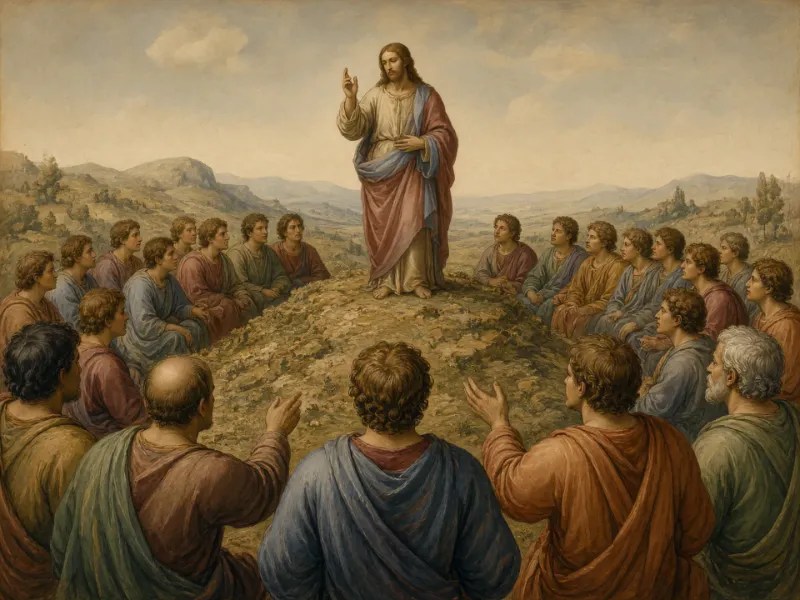
How did the early Church Fathers teach about practicing Christianity?
To understand how we should practice our faith today, it is illuminating to look back at the teachings of the early Church Fathers. These venerable figures, who lived in the centuries immediately following the apostolic age, provide us with powerful insights into the practical application of Christian faith in daily life.
One of the key emphases in their teachings was the importance of prayer and contemplation. St. Ignatius of Antioch, writing in the early 2nd century, exhorted believers to “pray without ceasing” (Wibowo, 2010). This echoes the Apostle Paul’s instruction in 1 Thessalonians 5:17 and underscores the early Church’s understanding that constant communion with God was essential for Christian living.
The Fathers also placed great emphasis on the study of Scripture. St. Jerome, known for his translation of the Bible into Latin, famously said, “Ignorance of Scripture is ignorance of Christ” (Leonkiewicz, 2014, pp. 75–86). They encouraged believers to not only read the Bible but to meditate on it deeply and apply its teachings to their lives.
Another crucial aspect of Christian practice, according to the Church Fathers, was the cultivation of virtues. St. Augustine, in his writings, emphasized the importance of developing virtues such as humility, charity, and temperance. He saw these not as mere ethical guidelines, but as the fruits of a life transformed by God’s grace (Leonkiewicz, 2013, pp. 117–128).
The early Fathers also taught about the importance of community in Christian practice. St. Cyprian of Carthage famously stated, “He cannot have God for his Father who has not the Church for his mother” (Leonkiewicz, 2014, pp. 75–86). This underscores their belief that Christian faith was not to be practiced in isolation within the context of the Church community.
Asceticism and self-discipline were also key themes in the Fathers’ teachings. Many, like St. Anthony of Egypt, practiced extreme forms of self-denial. While they did not expect all believers to become hermits, they did teach the importance of self-control and detachment from worldly pleasures as means of growing closer to God (Wibowo, 2010).
The Fathers also emphasized the importance of good works and service to others. St. John Chrysostom, known as the “Golden-mouthed” for his eloquent preaching, frequently exhorted his congregation to care for the poor and marginalized, seeing this as an essential expression of Christian faith (Leonkiewicz, 2014, pp. 75–86).
Psychologically we can see that the Fathers understood the need for holistic transformation – of mind, heart, and behavior. They recognized that true Christian practice involves not just outward actions inner renewal.
Historically, the Fathers were writing in a context where Christianity was often persecuted or misunderstood. Their teachings on Christian practice were not just theoretical were lived out in often challenging circumstances.

What role does community play in growing our Lord Jesus gathered disciples around Him, creating a community of believers. This was not incidental fundamental to His mission and the nature of the Church He established.
In the Acts of the Apostles, we see the early Christian community described as devoted to the apostles’ teaching, to fellowship, to the breaking of bread, and to prayer (Acts 2:42). This paints a picture of a vibrant, interconnected group of believers supporting one another in their faith journey. This model of community continues to be essential for our growth as Christians today.
Psychologically we understand that humans are inherently social beings. We are shaped by our interactions with others, and our identities are formed in the context of community. This is no less true in our spiritual lives. In a Christian community, we find support, encouragement, and accountability that are crucial for our spiritual growth.
Community provides us with diverse examples of faith in action. As we observe others living out their faith, we are inspired and challenged to grow in our own. St. Paul often used this principle, urging believers to imitate him as he imitated Christ (1 Corinthians 11:1). In a healthy Christian community, we have multiple models of Christ-like living to learn from and emulate.
Community offers a safe space for vulnerability and authenticity. James 5:16 encourages us to confess our sins to one another and pray for one another. This practice of mutual confession and intercession fosters healing and growth, allowing us to confront our weaknesses and experience God’s grace through our brothers and sisters in Christ.
Christian community also provides opportunities for service and the exercise of spiritual gifts. As we serve one another and use our God-given abilities for the common good, we grow in our faith and discover more fully who God has created us to be. This mutual edification is beautifully described in Ephesians 4:16, where Paul speaks of the whole body growing and building itself up in love as each part does its work.
Historically, we see the power of community in the monastic movements that have played such a major role in the Church’s life. These intentional communities, focused on prayer, work, and mutual support, have been crucibles of spiritual growth and renewal throughout the centuries.
But community is not always easy. As fallen human beings, we can hurt one another, disappoint one another, and fall into conflicts. Yet, it is often through these very challenges that we grow the most. Learning to forgive, to reconcile, to bear with one another in love (Ephesians 4:2) – these are essential aspects of our spiritual formation that can only be learned in community.
In our increasingly individualistic and digitally connected world, the challenge and importance of genuine Christian community are perhaps greater than ever. While online connections can supplement our community life, they cannot fully replace the depth of relationship and growth that occurs when we gather together in person, worship together, serve together, and share our lives with one another.
Let us remember, that the Church is not just an organization we join a living organism of which we are a part. As we actively participate in this community, we are shaped by it and contribute to its growth. In this mutual giving and receiving, we experience the love of Christ in tangible ways and are transformed more fully into His image.
May each of you find and cultivate deep, life-giving connections within your Christian communities. May you be both blessed by and a blessing to your brothers and sisters in Christ, growing together in faith, hope, and love.

How can Christians develop a consistent prayer and Bible study routine?
Developing a consistent prayer and Bible study routine is essential for nurturing our relationship with God and growing in our faith. It is through these practices that we open ourselves to God’s transforming presence and allow His word to shape our thoughts, attitudes, and actions.
We must recognize that consistency in prayer and Bible study is not about perfection, but about persistence. It’s about cultivating a habit of turning our hearts and minds to God regularly, even when we don’t feel particularly spiritual or motivated. I would emphasize that habit formation is key to developing any consistent practice, including our spiritual disciplines.
To begin, I encourage you to set aside a specific time each day for prayer and Bible study. For many, early morning works well, as it allows us to center ourselves in God’s presence before the busyness of the day begins. But the most important thing is to choose a time that works realistically with your schedule and lifestyle.
Create a dedicated space for your devotional time. This could be a corner of your room, a comfortable chair, or even a specific spot outdoors. Having a designated place can help signal to your mind and body that it’s time to focus on God.
In terms of prayer, remember that it is simply conversation with God. Start with short, simple prayers if you’re new to this practice. The ACTS model (Adoration, Confession, Thanksgiving, Supplication) can be a helpful structure. As you grow more comfortable, allow your prayers to become more spontaneous and heartfelt.
For Bible study, consider following a reading plan. Many excellent ones are available, guiding you through the Scriptures in a systematic way. As you read, don’t rush. Take time to reflect on what you’re reading, asking the Holy Spirit to illuminate the text and speak to your heart.
Journaling can be a powerful tool in both prayer and Bible study. Writing down your prayers, reflections, and insights can help you process your thoughts and track your spiritual growth over time.
Remember, that these practices are means of grace – channels through which God pours His love and wisdom into our lives. They are not meant to be burdensome life-giving. If you miss a day, don’t be discouraged. Simply begin again the next day.
Historically, we see beautiful examples of consistent prayer and Bible study in the lives of saints throughout the ages. The Desert Fathers and Mothers of the early Church devoted their lives to prayer and meditation on Scripture. Later, monastic traditions developed structured daily rhythms of prayer and Scripture reading, such as the Liturgy of the Hours (Wibowo, 2010).
In our modern context, we face unique challenges to consistency, with countless distractions vying for our attention. Technology, while potentially distracting, can also be a helpful tool. There are numerous apps and online resources available to support your prayer and Bible study routine. But be cautious not to let these tools become a substitute for direct engagement with God and His Word.
Community can play a vital role in maintaining consistency. Consider joining a Bible study group or finding a prayer partner. Mutual encouragement and accountability can help us stay committed to our spiritual practices.
As you develop your routine, be attentive to the seasons of your life. There will be times when you can devote more time to prayer and study, and other times when you may need to adjust. The key is to maintain some form of consistent connection


Leave a Reply